⚠ Evidence warning: Clinical trials or other evidence do not support the claims that ginkgo extract EGb 761 improves Tinnitus Handicap Inventory scores compared with placebo, that negative results come from underdosed products or unselected patients, and that ginkgo helps selected tinnitus patients. This page keeps it as a report of what people, websites or other media say.
Ginkgo Biloba for Tinnitus
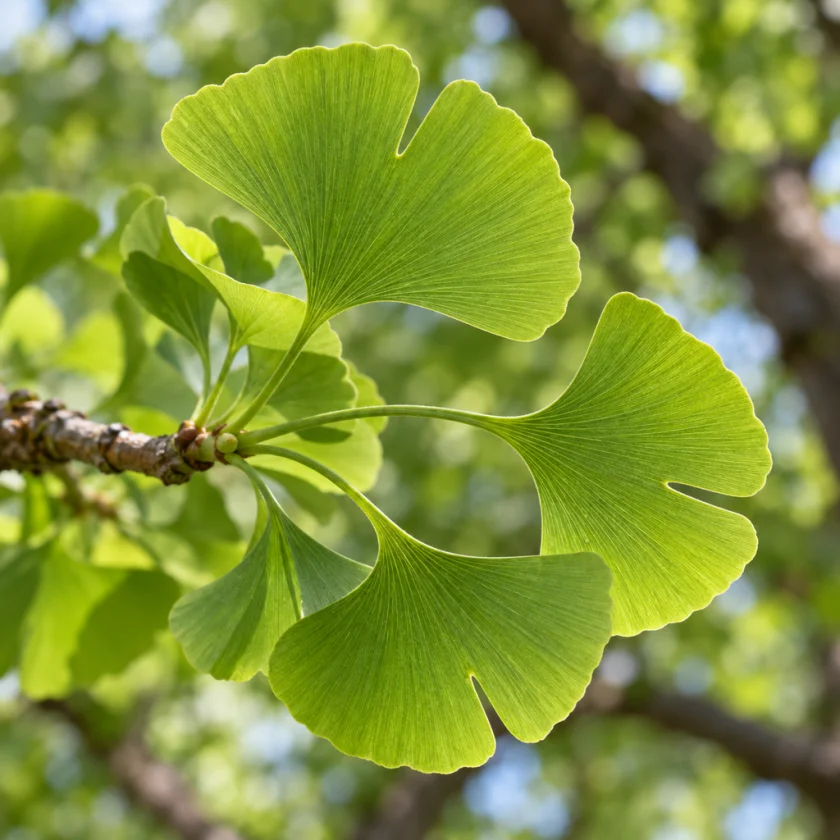
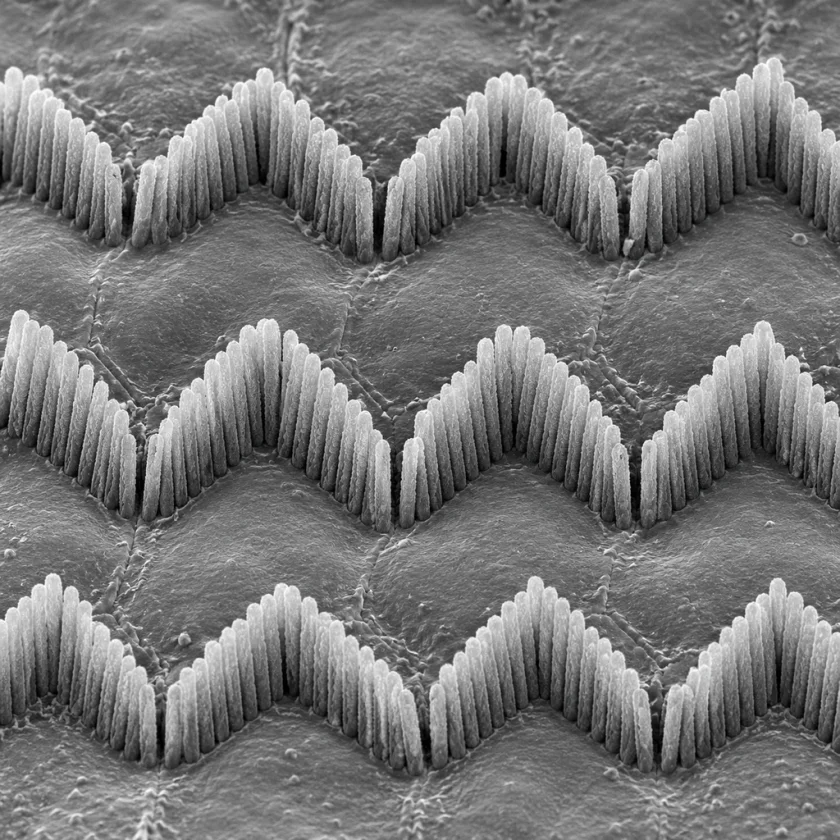
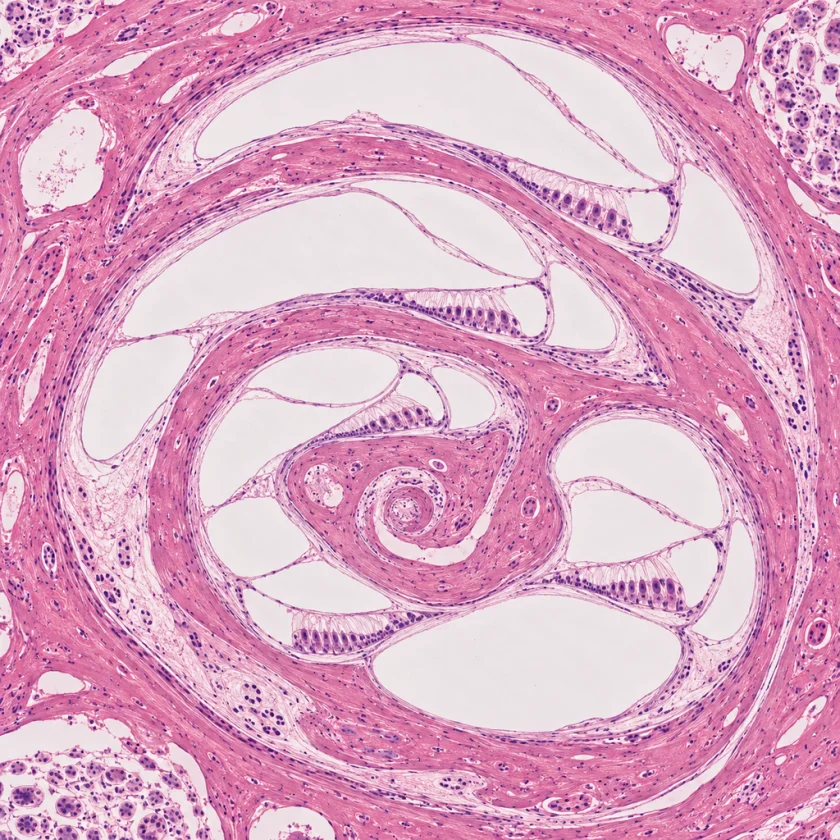
Tinnitus — the perception of sound (ringing, hissing, buzzing, roaring) without a corresponding external acoustic source — affects an estimated 10-15% of adults worldwide, of whom roughly 1-2% experience it as severe and disabling. Conventional medicine has no consistently effective pharmacotherapy for tinnitus. Ginkgo biloba is, paradoxically, the single most-prescribed pharmacotherapy for tinnitus in Germany and across much of Europe — not because the evidence is overwhelming but because nothing else works any better and the safety profile of standardized EGb 761 is favorable. The evidence base is genuinely mixed: the von Boetticher 2011 systematic review of randomized controlled trials (RCTs) called EGb 761 “an evidence-based treatment option in tinnitus”; the Cochrane 2013 review (Hilton et al.) found no evidence of benefit when tinnitus is the main complaint, and its 2022 update of 12 trials called the evidence uncertain; the underlying mechanism via cochlear microcirculation improvement and neuroprotection of inner-ear hair cells is biologically plausible; and individual response varies dramatically from "no effect" to "dramatic resolution." Trials of EGb 761 for tinnitus have mostly used 240 mg/day or less for about 12 weeks; how many people benefit has not been established.
Table of Contents
- How Tinnitus Arises
- von Boetticher 2011 — The Modern Positive Systematic Review
- The Cochrane Reviews — 2013 and the 2022 Update
- Cochlear Blood Flow — The Microcirculation Mechanism
- Neuroprotection of Inner-Ear Hair Cells
- Central Auditory Pathway Effects
- Why German Practice Diverges from US Practice
- Sudden Sensorineural Hearing Loss
- Doses and Durations Used in Trials
- Cautions — Tinnitus Population Specific
- Key Research Papers
- Connections
- Featured Videos
How Tinnitus Arises
Tinnitus is the perception of sound (typically described as ringing, buzzing, hissing, roaring, clicking, or musical tones) in the absence of an external acoustic source. It is a symptom, not a disease, and arises from dozens of different underlying conditions:
- Noise-induced hearing loss — the most common cause. Chronic exposure to loud noise damages outer hair cells in the cochlea, producing both high-frequency hearing loss and tinnitus typically pitched at the frequency of greatest hearing loss
- Presbycusis — age-related hearing loss. By age 65 approximately 30% of adults have measurable hearing loss; many have tinnitus
- Ototoxic medications — aminoglycoside antibiotics (gentamicin, tobramycin), platinum chemotherapy (cisplatin), loop diuretics (furosemide at high intravenous (IV) dose), high-dose aspirin and other salicylates, quinine
- Cerumen impaction — the cause that is most easily curable; an ear examination shows it directly.
- Meniere's disease — the triad of episodic vertigo, fluctuating sensorineural hearing loss, and unilateral low-pitched tinnitus, with aural fullness
- Acoustic neuroma (vestibular schwannoma) — unilateral tinnitus with asymmetric hearing loss is the pattern for which magnetic resonance imaging (MRI) of the internal auditory canal is used
- Vascular tinnitus — pulsatile tinnitus suggests vascular etiology (carotid stenosis, arteriovenous malformation (AVM), dural fistula, idiopathic intracranial hypertension); workup includes imaging
- Temporomandibular joint (TMJ) dysfunction — mechanical/somatic tinnitus often modulated by jaw position
- Cervical spine dysfunction — cervicogenic tinnitus modulated by neck position
- Idiopathic / no identifiable cause — a substantial fraction of subjective tinnitus has no clear underlying mechanism on conventional workup
The clinical taxonomy that matters for ginkgo response is the subjective vs objective distinction and the vascular vs non-vascular distinction. Subjective tinnitus (perceived only by the patient, the vast majority of cases) is the population where ginkgo has been studied. Vascular tinnitus and tinnitus accompanying sudden sensorineural hearing loss or presbycusis with reduced cochlear perfusion are the populations most likely to respond. Objective tinnitus (audible to an examiner with a stethoscope over the ear, typically caused by glomus tympanicum, palatal myoclonus, or other mechanical sources) is not a ginkgo indication.
Conventional treatment options are limited: no U.S. Food and Drug Administration-approved drug exists specifically for tinnitus in the United States. Off-label use of antidepressants (nortriptyline, amitriptyline) has modest evidence for severe distressing tinnitus, primarily through reducing the distress rather than the perception. Tinnitus retraining therapy (TRT) and cognitive behavioral therapy have stronger evidence than any pharmacologic approach. Sound masking (white noise generators, hearing aids that amplify ambient sound) is the highest-evidence non-pharmacologic intervention. Within this generally bleak therapeutic landscape, ginkgo's modest evidence base looks comparatively respectable.
von Boetticher 2011 — The Modern Positive Systematic Review
The most-cited modern positive review is von Boetticher A (2011) "Ginkgo biloba extract in the treatment of tinnitus: a systematic review," published in Neuropsychiatric Disease and Treatment. von Boetticher, an ear, nose and throat surgeon in Germany, searched for and systematically reviewed randomized, placebo-controlled clinical trials of Ginkgo biloba extract preparations.
Key findings:
- Evidence of efficacy for the standardized extract EGb 761 came from three trials in people whose main complaint was tinnitus
- Supportive evidence came from five further trials in people with age-associated cognitive impairment or dementia, in whom tinnitus was present as a side symptom
- The efficacy of other ginkgo preparations had not been proven, which the author notes “does not necessarily indicate ineffectiveness, but may be due to flawed clinical trials”
- The review described the trials one by one; it did not pool them into a single combined result
The von Boetticher conclusion: “In conclusion, EGb 761®, a standardized Ginkgo biloba extract, is an evidence-based treatment option in tinnitus.”
Accounts of EGb 761 for tinnitus report an improvement on the Tinnitus Handicap Inventory compared with placebo.
The review's focus is the standardized EGb 761 extract rather than ginkgo products in general. The review's strength is its specific focus on the standardized EGb 761 extract at the clinically appropriate 240 mg/day dose — the major confounder of earlier meta-analyses was the inclusion of trials using underdosed or non-standardized ginkgo products that could not be expected to produce the trial-quality effect. Its limitations are the modest number of high-quality randomized controlled trials available and the inherent variability of tinnitus outcome measurement.
A 2018 meta-analysis (Spiegel 2018) pooled 5 randomized, placebo-controlled trials of EGb 761 at 240 mg/day in people with dementia, in whom tinnitus and dizziness were side symptoms. On 11-point severity scales, tinnitus fell by 1.06 points more with EGb 761 than with placebo, and dizziness by 0.77 points more. Two of the authors were employees of the extract's manufacturer.
The Cochrane Reviews — 2013 and the 2022 Update
Hilton MP, Zimmermann EF, Hunt WT (2013) "Ginkgo biloba for tinnitus" in the Cochrane Database of Systematic Reviews reached a more cautious conclusion than von Boetticher. Its selection criteria were adults (18 years and over) complaining of tinnitus, or adults with a primary complaint of cerebral insufficiency (poor blood flow to the brain) where tinnitus forms part of the syndrome.
Four trials with 1,543 participants were included, all judged at low risk of bias: three (1,143 participants) in people whose main complaint was tinnitus, and one (400 participants) in people with mild to moderate dementia, some of whom had tinnitus. The review found:
- There was no evidence that Ginkgo biloba was effective in people whose main complaint was tinnitus
- In the dementia trial, tinnitus was mild to begin with (1.7 to 2.5 on a 10-point scale) and fell by a small but statistically significant 1.5 points with vascular dementia and 0.7 points with Alzheimer's disease; the reviewers wrote that the practical clinical significance of this is unclear
- Side effects were uncommon
- Conclusion: “The limited evidence does not demonstrate that Ginkgo biloba is effective for tinnitus when this is the primary complaint.”
One trial often cited in this debate, Drew & Davies 2001 (BMJ), was a double-blind, placebo-controlled trial run by postal questionnaire in 1,121 people aged 18 to 70 with fairly stable tinnitus. It used a different extract, LI 1370, at 50 mg three times daily (150 mg/day) for 12 weeks, and found no difference from placebo: 34 of 360 people on ginkgo and 35 of 360 on placebo said their tinnitus was less troublesome.
The largest trial (Drew & Davies 2001 BMJ) was a pragmatic primary-care UK trial that found no benefit, while several smaller German ear, nose and throat (ENT) clinic trials found benefit — the suspicion is that ENT-clinic trials may have enrolled patients more likely to respond (recent-onset, concurrent hearing loss, suspected vascular component) while the pragmatic primary-care trial enrolled an unselected population with mostly chronic refractory tinnitus that would not be expected to respond to any intervention.
The two reviews differ partly in what they counted: von Boetticher drew supportive evidence from trials in people with cognitive impairment or dementia, where tinnitus was a side symptom, while the Cochrane review found no evidence of benefit when tinnitus is the main complaint.
The Cochrane and von Boetticher conclusions are not, in fact, contradictory once the population specification is accounted for. Ginkgo appears to help selected tinnitus patients (recent-onset, concurrent hearing loss, presumed vascular component) and does not appear to help unselected tinnitus patients (especially chronic refractory tinnitus).
The 2022 Cochrane update. The current Cochrane review (Sereda 2022) included 12 randomized trials with 1,915 participants, most at high or unclear risk of bias. Pooling two studies (85 participants), ginkgo may have little to no effect on tinnitus severity at three to six months compared with placebo (Tinnitus Handicap Inventory difference -1.35 on a 0-100 scale), but the evidence is very uncertain. Ginkgo may make little to no difference to the risk of bleeding or seizures, with no serious adverse effects reported in either group (4 studies, 1,154 participants). The authors conclude that there is uncertainty about the benefits and harms of ginkgo for tinnitus compared with placebo.
Cochlear Blood Flow — The Microcirculation Mechanism
The mechanistic case for ginkgo in tinnitus parallels its mechanistic case in peripheral artery disease (PAD) and mild cognitive impairment: the inner ear is a microcirculation-dependent organ, and the cochlea is among the most metabolically demanding tissues in the body relative to its blood supply.
The cochlea receives its arterial supply from the labyrinthine artery (a branch of the anterior inferior cerebellar artery in most individuals), which is an end-artery with essentially no collateral circulation. Cochlear blood flow is exquisitely sensitive to viscosity, platelet activation, leukocyte adhesion, and platelet-activating factor (PAF)-mediated capillary plugging — the same factors that ginkgo modulates in the leg muscle microcirculation of peripheral artery disease patients and the cerebral microcirculation of cognitively impaired older adults.
The mechanism specific to the cochlea:
- PAF antagonism by ginkgolide B reduces PAF-mediated platelet aggregation and leukocyte adhesion in the cochlear microcirculation, improving the patency of cochlear capillaries that supply the stria vascularis and the hair-cell-supporting tissue
- Flavonoid-mediated improvement of endothelial nitric oxide (NO) signaling enhances flow-mediated vasodilation in the labyrinthine artery and its branches, modestly increasing bulk cochlear blood flow
- Bilobalide-enhanced erythrocyte deformability reduces the contribution of red cell membrane stiffness to functional cochlear capillary occlusion in aged patients
- Reduced cochlear oxidative stress via flavonoid scavenging of reactive oxygen species protects the stria vascularis (the highly metabolically active tissue that maintains the endocochlear potential needed for hair cell function)
Animal-model and limited human data have documented improved cochlear blood flow on laser Doppler measurement after EGb 761 administration. The clinical correlate is the observation that ginkgo benefit is most prominent in patients with concurrent hearing loss (where cochlear function is demonstrably compromised) and in recent-onset tinnitus (where rescue of the cochlear injury may still be possible before chronic central auditory plasticity has consolidated).
Neuroprotection of Inner-Ear Hair Cells
Beyond the perfusion mechanism, EGb 761 may exert direct neuroprotective effects on cochlear hair cells, which are the sensory cells that transduce sound waves into neural signals. Cochlear hair cells are non-regenerating in mammals — once destroyed by noise, ototoxic drugs, or aging, they do not return — so protection of remaining hair cells in a compromised cochlea is a meaningful therapeutic target.
Mechanistic studies have documented EGb 761 effects on hair cell survival:
- Antioxidant protection — reactive oxygen species generation is a primary mechanism of noise-induced and ototoxin-induced hair cell death. Flavonoid scavenging of reactive oxygen species (ROS) reduces oxidative hair cell injury in animal models of acoustic trauma
- Mitochondrial preservation — bilobalide preserves mitochondrial membrane potential under ischemic and oxidative stress, reducing apoptotic hair cell death
- Reduced glutamate excitotoxicity — excessive glutamate release from inner hair cell synapses with auditory nerve dendrites is a mechanism of cochlear synaptopathy in noise injury. Bilobalide modestly reduces glutamate-induced excitotoxic damage
- Anti-inflammatory effects — reduced cochlear inflammation in animal models of acoustic trauma, lipopolysaccharide-induced inflammation, and ototoxic injury
The translational gap from animal models to human tinnitus benefit is substantial — we cannot easily verify in living human patients that ginkgo is actually protecting cochlear hair cells. The clinical correlate is the suggestion that the patients most likely to respond to ginkgo are those with recent-onset tinnitus accompanying recent-onset hearing loss, where there is still salvageable cochlear function to protect. A 2001 overview of EGb 761 trials (Holstein 2001) reported that treatment success was not directly linked to the cause or duration of tinnitus, but that short-standing tinnitus had a better outlook.
Central Auditory Pathway Effects
The classical model of tinnitus as a purely peripheral cochlear phenomenon has been substantially revised over the past 20 years. Modern neuroimaging and electrophysiology research has established that subjective tinnitus is fundamentally a central auditory pathway phenomenon — the result of maladaptive plasticity in the auditory cortex and subcortical auditory relays following peripheral hearing loss or other cochlear injury.
The conceptual model: when the cochlea sustains injury (noise, ototoxin, age), specific frequency bands of input to the auditory pathway are reduced or eliminated. The deafferented central auditory neurons undergo reorganization — downregulation of inhibitory GABAergic inputs, hyperexcitability, expansion of receptive fields to adjacent frequencies. The brain begins generating spontaneous activity at the deafferented frequencies, which the conscious patient perceives as tinnitus at that frequency. The longer the tinnitus persists, the more entrenched the central reorganization becomes — which is why chronic refractory tinnitus is more difficult to treat than recent-onset tinnitus.
EGb 761 may influence this central process through multiple mechanisms:
- GABAergic enhancement by bilobalide — partial restoration of the inhibitory tone that is downregulated in central tinnitus generation
- Glutamate excitotoxicity reduction — reduction of the hyperexcitable glutamatergic signaling that contributes to maladaptive central auditory plasticity
- Cerebral microcirculation improvement — the same effect documented in the cognitively impaired aged brain, applied to the auditory cortex of the tinnitus patient with comorbid age-related vascular changes
- Mild anxiolytic effect — ginkgo's modest gamma-aminobutyric acid-A receptor modulation may reduce the limbic-system distress amplification that converts a mild tinnitus perception into a disabling clinical syndrome
Practitioners who use ginkgo describe benefit emerging progressively over 8-12 weeks rather than immediately — a profile consistent with neuroplastic rehabilitation rather than acute symptomatic suppression.
Why German Practice Diverges from US Practice
EGb 761 is the most commonly prescribed pharmacotherapy for tinnitus in Germany. The German Commission E formally approves Ginkgo biloba leaf extract for "tinnitus of vascular origin" alongside its cognitive and peripheral artery disease indications. German ENT clinics routinely prescribe EGb 761 240 mg/day for 12 weeks as a first-line trial in subjective tinnitus, particularly recent-onset tinnitus and tinnitus accompanying sudden sensorineural hearing loss.
In the United States, by contrast, the American Academy of Otolaryngology-Head and Neck Surgery 2014 Clinical Practice Guideline on Tinnitus does not recommend Ginkgo biloba and states that the panel “recommended against” “Ginkgo biloba, melatonin, zinc, or other dietary supplements for treating patients with persistent, bothersome tinnitus.” This is a recommendation against, not one of the guideline's two strong recommendations (which concern telling bothersome from non-bothersome tinnitus and not routinely imaging the head and neck).
The trans-Atlantic divergence reflects three things:
- Different regulatory frameworks — the German regulatory tradition treats standardized herbal extracts as drugs with the same evidentiary expectations as conventional pharmaceuticals; the US dietary-supplement framework treats them as fundamentally separate from pharmaceuticals and the clinical guidelines reflect that separation
- Different trial designs — the German randomized controlled trials were largely run in ENT clinics, while the large UK trial (Drew & Davies 2001, BMJ) was run by postal questionnaire in 1,121 people with fairly stable tinnitus and used a different extract (LI 1370, 150 mg/day); it found no benefit over placebo. One suggested explanation for the different results is that the trials enrolled different kinds of patients; none of the reviews cited on this page tested that idea
- Different therapeutic landscape — in Germany, with longer historical use and pharmaceutical regulatory status, EGb 761 is a default option; in the US, with no U.S. Food and Drug Administration-approved tinnitus drug, the AAO-HNS guideline emphasizes evidence-based management (sound therapy, hearing aids, cognitive behavioral therapy, tinnitus retraining therapy) and is cautious about supplements without strong evidence
The interventions the 2014 AAO-HNS guideline recommends are a targeted history and examination, a prompt audiologic examination in certain cases, education about management strategies, a hearing aid evaluation when hearing loss is documented, and cognitive behavioral therapy (CBT); sound therapy is listed as an option. In German practice EGb 761 is used alongside such measures, and the trial evidence for it is mixed.
A 2018 Czech randomized, double-blind trial (Procházková 2018) of 197 people with sub-chronic or chronic tinnitus compared EGb 761 120 mg twice daily with pentoxifylline (a blood-flow drug) 600 mg twice daily for 12 weeks. Both groups improved significantly in tinnitus loudness, annoyance and overall suffering, with no relevant difference between them; 20 adverse events were recorded with ginkgo and 36 with pentoxifylline, and none was serious. The trial had no placebo group.
Sudden Sensorineural Hearing Loss
Sudden sensorineural hearing loss (SSNHL) — the abrupt unilateral hearing loss of 30 dB or more over three contiguous frequencies developing in 72 hours or less — is the closest analog in otology to ischemic stroke. Up to half of SSNHL cases are thought to involve vascular compromise of the cochlea (the labyrinthine artery vasospasm, thrombosis, or hyperviscosity-mediated capillary occlusion), and tinnitus accompanies the hearing loss in approximately 80% of SSNHL cases.
The 2019 American Academy of Otolaryngology-Head and Neck Surgery Foundation sudden hearing loss guideline update lists corticosteroids within 2 weeks of symptom onset as an option (“Clinicians may offer corticosteroids as initial therapy”); hyperbaric oxygen combined with steroids is also an option, within 2 weeks as initial treatment or within 1 month as salvage treatment; and intratympanic (into the middle ear) steroid therapy is recommended when recovery is incomplete 2 to 6 weeks after onset. Oral courses described in practice use prednisone 60 mg/day for 7-10 days. Recovery occurs in approximately 50% of patients with treatment; spontaneous recovery without treatment is also common. The role of ginkgo as adjunct in SSNHL has been studied in several European trials with mixed results — some showing improved hearing recovery, some showing improved tinnitus resolution accompanying the hearing recovery, and the largest trials showing essentially no benefit over corticosteroids alone.
The same 2019 guideline makes a strong recommendation against routinely prescribing antivirals, thrombolytics, vasodilators or vasoactive substances for sudden sensorineural hearing loss (antioxidants were removed from that list in the update); the guideline abstract does not name ginkgo. The German practice pattern is to add EGb 761 to corticosteroid therapy in SSNHL, primarily for the tinnitus component that often persists after hearing recovery. The mechanistic case is strong; the trial evidence is too small to be definitive.
Doses and Durations Used in Trials
- Dose: EGb 761 trials most often used 240 mg/day, given as 120 mg twice daily (as in Procházková 2018); Morgenstern 2002 used 80 mg twice daily after 10 days of infusion treatment. The negative Drew & Davies trial used a different extract at 150 mg/day. Doses below 240 mg/day have not consistently shown benefit in tinnitus trials.
- Duration: the trials on this page ran for 12 weeks. Practitioners argue that shorter trials of 4-8 weeks may miss an effect, because the proposed cochlear microcirculation and central auditory effects develop progressively.
- Judging response: practitioners describe checking tinnitus loudness and distress at 12 weeks with the Tinnitus Handicap Inventory, a validated questionnaire. There is no evidence that use beyond 12 weeks helps people who had not responded by then.
- Form: the positive trials used the standardized ginkgo leaf extract EGb 761. Ginkgo products sold as US dietary supplements often do not meet the EGb 761 specification, and the trial results cannot be assumed to apply to them.
- Groups practitioners describe as most likely to respond: recent-onset tinnitus (under 6 months), concurrent hearing loss (especially noise-induced or age-related), presumed vascular component, age 40-75.
- Groups practitioners describe as unlikely to respond: chronic refractory tinnitus (over 2 years), tinnitus without hearing loss in young patients, tinnitus with clear non-vascular etiology (Meniere's, temporomandibular-joint-mediated, somatic, ototoxic-drug-induced).
Cautions — Tinnitus Population Specific
- Bleeding risk and selective serotonin reuptake inhibitor (SSRI) use — many tinnitus patients are on selective serotonin reuptake inhibitors (SSRIs) for tinnitus-associated depression or anxiety. Selective serotonin reuptake inhibitors independently impair platelet function through reduced platelet serotonin uptake. Adding ginkgo on top of selective serotonin reuptake inhibitor therapy compounds the bleeding risk. Several case reports describe spontaneous bleeding in patients on the combination.
- Aspirin and ototoxicity paradox — aspirin at high dose (over 3 g/day) is itself ototoxic and can cause or worsen tinnitus. The combination of high-dose aspirin and ginkgo is doubly problematic — the aspirin is potentially driving the tinnitus, and the ginkgo-plus-aspirin combination compounds bleeding risk.
- Cisplatin chemotherapy — cisplatin is severely ototoxic. There is some preclinical interest in ginkgo as cisplatin-otoprotectant. Clinical evidence in people is thin, and there is no good safety data on ginkgo during active cisplatin therapy.
- Aminoglycoside antibiotics — gentamicin, tobramycin, amikacin are ototoxic. Ginkgo does not reverse aminoglycoside ototoxicity once established. Prevention relies on careful dosing of the antibiotic.
- Acoustic neuroma rule-out — unilateral tinnitus or tinnitus with asymmetric hearing loss is the pattern for which magnetic resonance imaging of the internal auditory canal is used to rule out acoustic neuroma (vestibular schwannoma). Treating the symptom alone can leave such a tumor at the back of the skull (posterior fossa) undiagnosed.
- Surgery and ear procedures — because of its effect on bleeding, pre-surgery instructions commonly list stopping ginkgo 14 days before any otologic surgery, cochlear implant procedure, or ear-canal cleaning under anesthesia.
- Pregnancy and breastfeeding — insufficient safety data. Tinnitus is common in pregnancy due to vascular changes; conservative measures are the usual approach.
- Seizure threshold — contraindicated in epilepsy and seizure disorders. Tinnitus is occasionally a seizure aura; the seizure-threshold concern applies directly to people with both tinnitus and a seizure history.
For broader natural-medicine approaches to tinnitus management, see our Tinnitus Natural Support page and the Tinnitus condition page.
Key Research Papers
- von Boetticher A (2011). Ginkgo biloba extract in the treatment of tinnitus: a systematic review. Neuropsychiatric Disease and Treatment 7:441-447. — PubMed PMID: 21857784
- Hilton MP, Zimmermann EF, Hunt WT (2013). Ginkgo biloba for tinnitus. Cochrane Database of Systematic Reviews (3):CD003852. — PubMed PMID: 23543524
- Sereda M, Xia J, Scutt P, Hilton MP, El Refaie A, Hoare DJ (2022). Ginkgo biloba for tinnitus. Cochrane Database of Systematic Reviews 11(11):CD013514. — PubMed PMID: 36383762
- Mahmoudian-Sani MR, Hashemzadeh-Chaleshtori M, Asadi-Samani M, Yang Q (2017). Ginkgo biloba in the treatment of tinnitus: an updated literature review. International Tinnitus Journal 21(1):58-62. — PubMed PMID: 28723603
- Morgenstern C, Biermann E (2002). The efficacy of Ginkgo special extract EGb 761 in patients with tinnitus. International Journal of Clinical Pharmacology and Therapeutics 40(5):188-197. — PubMed PMID: 12051570
- Drew S, Davies E (2001). Effectiveness of Ginkgo biloba in treating tinnitus: double blind, placebo controlled trial. BMJ 322(7278):73. — PubMed PMID: 11154618
- Holstein N (2001). Ginkgo special extract EGb 761 in tinnitus therapy. An overview of results of completed clinical trials. Fortschritte der Medizin Originalien 118(4):157-164. — PubMed PMID: 11217680
- Tunkel DE, Bauer CA, Sun GH et al. (2014). Clinical practice guideline: tinnitus. Otolaryngology-Head and Neck Surgery 151(2 Suppl):S1-S40. — PubMed PMID: 25273878
- Chandrasekhar SS, Tsai Do BS, Schwartz SR et al. (2019). Clinical Practice Guideline: Sudden Hearing Loss (Update). Otolaryngology-Head and Neck Surgery 161(1 Suppl):S1-S45. — PubMed PMID: 31369359
- Procházková K, Šejna I, Skutil J, Hahn A (2018). Ginkgo biloba extract EGb 761® versus pentoxifylline in chronic tinnitus: a randomized, double-blind clinical trial. International Journal of Clinical Pharmacy 40(5):1335-1341. — PubMed PMID: 29855986
- Spiegel R, Kalla R, Mantokoudis G, Maire R, Mueller H, Hoerr R, Ihl R (2018). Ginkgo biloba extract EGb 761® alleviates neurosensory symptoms in patients with dementia: a meta-analysis of treatment effects on tinnitus and dizziness in randomized, placebo-controlled trials. Clinical Interventions in Aging 13:1121-1127. — PubMed PMID: 29942120
- Reisser CH, Weidauer H (2001). Ginkgo biloba extract EGb 761 or pentoxifylline for the treatment of sudden deafness: a randomized, reference-controlled, double-blind study. Acta Oto-Laryngologica 121(5):579-584. — PubMed PMID: 11583389
PubMed Topic Searches
Connections
- All Herbs
- Ginkgo Biloba Overview
- Ginkgo Biloba Benefits Hub
- Ginkgo for Cognitive Function
- Ginkgo for Circulation & Peripheral Artery Disease
- Ginkgo for Vision
- Tinnitus
- Tinnitus Natural Support
- Ginkgo for Tinnitus (Remedy Page)
- Bacopa Monnieri
- Zinc
- Magnesium
- Vitamin B12
- Anxiety
- Stress Management
- Hearing Loss — hearing loss often accompanies tinnitus, and practitioners describe ginkgo as most often used in people who have both.
- History