Wheat Bran, Fibre and Gut Health
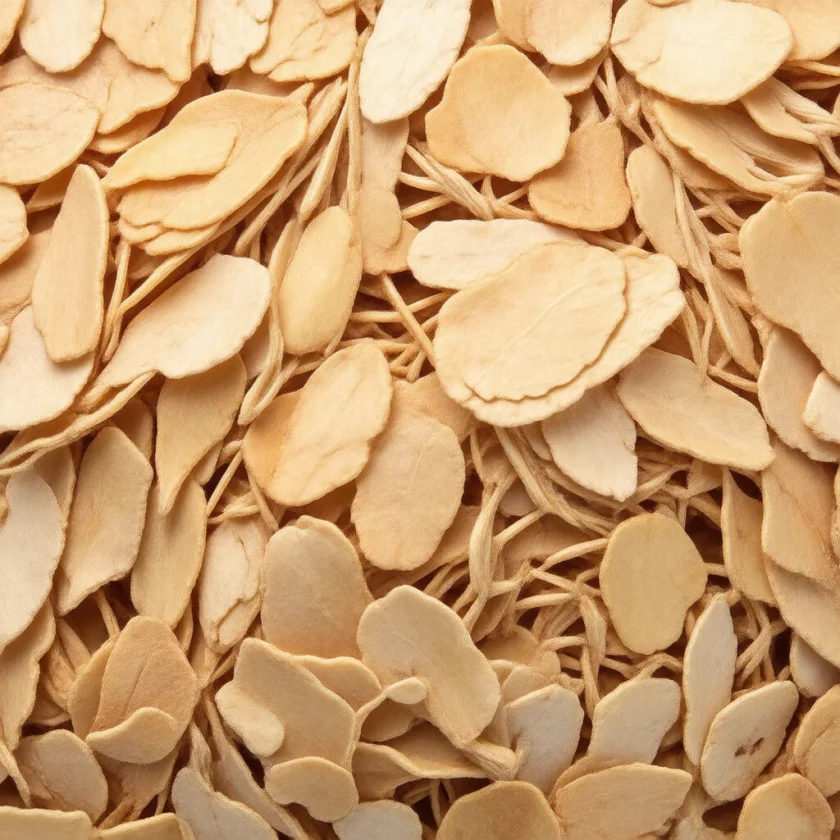
Wheat bran has been measured more carefully than almost any other food component, because for most of the twentieth century it was the standard laboratory tool for studying how fibre affects the human bowel. That long record produced two findings that sit oddly together: bran is the single most reliable way to increase stool weight and speed intestinal transit — and bran is the fibre most likely to make irritable bowel syndrome worse. Both are true, and the difference between them explains why "eat more fibre" is such unhelpful advice on its own. This page covers what bran does mechanically, what it does to the gut microbiome, what the trials actually found for constipation and for irritable bowel syndrome (IBS), and how to add it without spending a fortnight uncomfortably bloated.
Table of Contents
- What Wheat Bran Actually Is
- Arabinoxylan: The Fibre That Does Two Jobs
- Stool Weight and Transit Time
- Constipation: What Fibre Does and Does Not Fix
- The Irritable Bowel Syndrome Exception
- What Bran Does to the Gut Microbiome
- Arabinoxylan-Oligosaccharides: The Prebiotic Trials
- Colorectal Cancer, Bile Acids and Butyrate
- Phytate, Minerals and How to Get Around It
- How to Add Bran Without Wrecking Your Week
- Who the Research Raises Concerns For
- Key Research Papers
- Connections
- Featured Videos
What Wheat Bran Actually Is
Bran is the outer coat of the wheat kernel — not a single layer but several, stacked: the outer pericarp, an inner pericarp, the testa (seed coat), a thin hyaline layer and, innermost, the aleurone. Milling removes them together as one fraction, which is roughly 10–15% of the kernel by weight.
By composition, wheat bran is around 40–50% dietary fibre, most of it insoluble, along with protein, starch clinging from the endosperm, and a concentrated share of the grain's micronutrients. The aleurone layer is the nutritionally interesting part: it holds much of the grain's magnesium, zinc, iron, manganese, niacin and other B-vitamins, plus phytate, ferulic acid and other phenolic compounds. Ferulic acid, bound into the cell walls, is the most abundant phenolic in the wheat kernel and is one of the reasons whole wheat has measurable antioxidant activity that white flour does not.
Bran also carries betaine and, along with the germ, contributes the choline that whole-wheat flour supplies and white flour largely does not.
Arabinoxylan: The Fibre That Does Two Jobs
The dominant fibre in wheat bran is arabinoxylan — a backbone of xylose sugars with arabinose branches hanging off it, cross-linked by ferulic acid. It behaves in two ways at once, which is why wheat bran does not fit neatly into the "soluble" and "insoluble" boxes:
- The insoluble, heavily cross-linked fraction passes through largely intact. It holds water, adds bulk, and mechanically stimulates the colon wall. This is the classic laxative effect.
- A smaller water-extractable fraction, and the fragments that gut bacteria manage to cleave off the insoluble portion, are fermented in the colon to short-chain fatty acids — acetate, propionate and butyrate. Butyrate is the preferred fuel of the cells lining the colon.
So wheat bran is simultaneously a bulking agent and, more slowly than people assume, a prebiotic. The balance between the two depends heavily on particle size: finely milled bran is fermented more and bulks less; coarse bran bulks more and ferments less. This is not a trivia point — it means two products both labelled "wheat bran" can behave quite differently, and it is an active area of food-science research into modifying bran to improve what it delivers.
Stool Weight and Transit Time
This is the effect wheat bran is famous for, and it is unusually well quantified. A 2015 systematic review of 65 intervention studies in generally healthy people found that each extra gram a day of wheat fibre added 3.7 g a day of stool (0.75 g a day of dry stool), and cut transit time by 0.78 hours per extra gram a day among people whose starting transit time was over 48 hours; the authors concluded that wheat fibre, predominately wheat bran fibre, improves measures of bowel function. A 2016 comprehensive review comparing cereal, fruit and vegetable fibres found that cereal and vegetable fibres had comparable effects on faecal weight, both larger than fruit fibre, and that less fermentable fibres added more weight than more fermentable ones. For transit, the same review found no change in people whose starting transit time was under 48 hours; in those at 48 hours or more, transit time fell by approximately 30 minutes per gram of cereal, fruit or vegetable fibre, regardless of fermentability.
The bulk comes from three sources at once: water physically held in the fibre matrix, the increased bacterial mass that grows on the fermentable portion, and the fibre itself. The transit effect follows from the bulk — a larger, softer stool distends the colon, and distension is the signal that drives propulsive contractions.
A meta-analysis published in The BMJ in the late 1980s pooled the wheat-bran transit studies and found a clear, consistent acceleration of gut transit and increase in stool weight. It also reported something more sobering: in people who were constipated to begin with, bran improved transit and stool weight but frequently did not bring them into the normal range. Bran shifts the numbers; it does not necessarily normalise them.
Constipation: What Fibre Does and Does Not Fix
For ordinary low-fibre constipation — the kind that comes from a diet of white bread, meat and little else — adding cereal fibre works, and wheat bran is a reasonable way to do it. A meta-analysis of fibre supplementation in chronic idiopathic constipation found fibre increased stool frequency overall, with the best evidence for soluble fibre, particularly psyllium, and thinner evidence for insoluble fibre such as bran.
That distinction matters clinically. If someone has been eating a genuinely low-fibre diet, bran helps. If someone already eats plenty of fibre and is still constipated, adding more bran often makes things worse rather than better, because the problem is not a shortage of bulk — it may be slow-transit constipation, a pelvic floor that does not relax properly, a medication side effect, dehydration, or an underactive thyroid. Piling bulk into a colon that is not moving it along produces distension and pain.
Points that make the difference between fibre helping and fibre hurting:
- Water matters. Fibre works by holding water; without extra fluid, more bran can make stool harder, not softer.
- Pace matters. Increases spread over two to four weeks are better tolerated than increases over two to four days.
- Whole foods beat bran powder. Wheat berries, bulgur and genuine wholemeal bread deliver bran embedded in a food matrix, with the germ's nutrients alongside.
- There are alternatives. Prunes did better than psyllium in one 2011 crossover trial of 40 constipated people (more complete spontaneous bowel movements a week and better stool consistency), did about as well as psyllium in a 2021 trial of 79 patients, and a 2024 meta-analysis found no difference between prunes and psyllium; ground flaxseed and kiwifruit also have supporting evidence. Bran is one tool, not the only one.
Newer reviews have looked at whole foods directly. A 2024 meta-analysis of foods, drinks and diets in chronic constipation (23 studies, 1,714 participants) found that rye bread gave more bowel movements than white bread (+0.43 a week), that fruits gave more than psyllium (+0.36 a week), kiwifruit in particular, that there was no difference between prunes and psyllium, and that high-mineral water gave a better response than low-mineral water (risk ratio 1.47). The authors noted a scarcity of evidence on foods and drinks in constipation.
An earlier trial randomised 51 constipated adults to whole-grain rye bread (at least 240 g a day), white wheat bread, cultured buttermilk with Lactobacillus rhamnosus GG, rye bread plus the buttermilk, or their usual laxatives for 3 weeks. Compared with white wheat bread, rye bread shortened total intestinal transit time by 23%, added 1.4 bowel movements a week, softened stools and raised faecal butyric acid by 63%; gastrointestinal adverse effects did not differ significantly between the groups.
In 2025 the British Dietetic Association published what it describes as the first comprehensive evidence-based dietary guidelines for chronic constipation in adults, built from four systematic reviews covering 75 randomised trials. Of its 59 statements, 15 concern fibre supplements; for foods, three concern kiwifruit, two prunes and two rye bread, and five concern high mineral-containing water. No recommendations were made for whole-diet approaches, for lack of evidence. A 2025 review of constipation guidelines by the guideline's lead author found that several evidence-based foods are left out of current guidelines (kiwifruit, for example), while some strategies the guidelines do recommend “are not always supported by evidence (e.g. insoluble fibre supplement)”.
The Irritable Bowel Syndrome Exception
Here the standard advice inverts, and it is one of the clearest examples in nutrition of a general rule failing for a specific group.
A short paper in The Lancet in 1994, bluntly titled "Bran and irritable bowel syndrome: time for reappraisal", questioned 100 consecutive new referrals with irritable bowel syndrome, all of whom had tried bran. 55% had been made worse by bran; only 10% had found it helpful. It was an uncontrolled survey, and it ran directly against what was then standard practice.
Fifteen years later a randomised placebo-controlled trial in primary care compared psyllium (soluble), bran (insoluble) and placebo in patients with irritable bowel syndrome. Psyllium gave significant symptom relief in the first two months (57% v 35% responders in month one, 59% v 41% in month two); bran did better than placebo only in the third month (57% v 32%), and that result was not statistically significant in the worst-case analysis — and the bran arm had the highest early dropout rate, with participants leaving because their symptoms got worse. A subsequent meta-analysis of fibre supplementation in irritable bowel syndrome (14 trials, 906 patients) reached the same conclusion: fibre helps irritable bowel syndrome overall, but the benefit is essentially confined to soluble fibre (relative risk of staying symptomatic 0.83, with seven people treated for one to benefit). Bran showed no significant benefit (relative risk 0.90), although the authors did not uncover any evidence of harm from it, as others had speculated from uncontrolled data.
The mechanism is not mysterious. In irritable bowel syndrome the gut is hypersensitive to distension: the same volume of gas or stool that another person would not notice produces pain. Coarse insoluble bran adds bulk and, through the fermentable fraction, gas. Wheat is also one of the largest dietary sources of fructans, one of the FODMAPs (fermentable oligosaccharides, disaccharides, monosaccharides and polyols), which ferments rapidly and produces gas high in the colon — and bran carries them too. For someone with irritable bowel syndrome, wheat bran is delivering exactly the two stimuli their gut handles worst.
For people with irritable bowel syndrome, getting worse on bran is a well-documented response, not a failure of willpower. In the trials above, the benefit came from soluble fibre such as psyllium; other soluble-fibre foods include oat beta-glucan and cooked and cooled potato or brown rice. The relationship between wheat, fructans and gut symptoms is covered in detail on the coeliac, allergy and sensitivity page.
What Bran Does to the Gut Microbiome
The intuitive story — fibre in, good bacteria up — turns out to be only partly right for wheat bran, and the honest summary is that the effect is real but modest.
A systematic review of trials feeding intact cereal grain fibres, wheat bran included, to healthy adults found that whole-grain and bran interventions increased Bifidobacterium and, in some studies, Lactobacillus, with fairly consistent increases in short-chain fatty acid production; 39 of the 42 studies found an increase in microbiota diversity and/or abundance, and wheat fibre increases as low as 6-8 g were enough to produce significant effects. A well-controlled eight-week crossover trial of a whole-grain-rich diet versus a refined-grain diet found reduced body weight and lower inflammatory markers on the whole-grain arm without major shifts in microbiome composition, which suggests the benefits are not simply a matter of rearranging which species are present.
The plausible reading is that wheat bran feeds the bacteria already present, raising their metabolic output, more than it recruits new ones. Given that short-chain fatty acids are much of the point, an increase in output without a change in the species list is a perfectly good result — it just does not make the dramatic headline that "fibre transforms your microbiome" implies.
Arabinoxylan-Oligosaccharides: The Prebiotic Trials
Food scientists have tested a more targeted version of the idea: break bran arabinoxylan enzymatically into short fragments — arabinoxylan-oligosaccharides, or AXOS — which are readily fermentable and can be added to bread.
A randomised placebo-controlled crossover study in healthy adults found AXOS were well tolerated and bifidogenic, increasing Bifidobacterium counts more than placebo did (bifidobacteria also rose on placebo), with no statistically significant effect on gastrointestinal symptoms apart from a mild increase in flatulence; in that trial 20 people took 10 g of AXOS a day for 3 weeks, and urinary p-cresol, a marker of protein fermentation, fell. A separate trial feeding breads containing AXOS produced in situ during baking found measurable changes in gastrointestinal fermentation, including a shift away from protein fermentation in the colon — which matters because the products of protein fermentation in the colon include compounds implicated in gut damage, while carbohydrate fermentation produces butyrate. In that trial, 27 healthy volunteers ate 180 g a day of wheat/rye bread with in situ-produced AXOS (about 2.14 g of AXOS a day) for 3 weeks: urinary phenol and p-cresol were lower than on the same bread without AXOS, faecal butyrate was 70% higher than on refined wheat bread, and stool frequency rose.
The point is not an AXOS supplement. It is that the fermentable portion of wheat bran is doing real work, that how the bran is processed changes how much of that work gets done, and that a long sourdough fermentation — which starts breaking down these polysaccharides before the bread ever reaches you — is doing something a fast-proved industrial loaf is not.
Colorectal Cancer, Bile Acids and Butyrate
Cereal fibre has the strongest and most consistent association with reduced colorectal cancer risk of any fibre source. A dose-response meta-analysis in The BMJ found around a 10% lower risk per 10 g of dietary fibre a day, with cereal fibre and whole grains carrying much of the signal.
Three mechanisms are usually cited, and they reinforce each other:
- Dilution and speed. More bulk and faster transit mean carcinogens and secondary bile acids spend less time in contact with the colon wall, at lower concentration.
- Bile acid binding. Fibre binds bile acids, reducing the amount converted by gut bacteria into the secondary bile acids that irritate colonic epithelium.
- Butyrate. Fermentation of the arabinoxylan fraction produces butyrate, which fuels healthy colonocytes and, in laboratory work, promotes programmed cell death in transformed ones.
The essential caveat, repeated because it is so often dropped: trials of isolated fibre supplements for preventing colorectal adenoma recurrence have largely been negative. Whatever is protective about a fibre-rich diet is not fully captured by a sachet of fibre. That is an argument for whole grains, vegetables and legumes rather than for supplements — and a reminder that the association, while strong, is not proof of causation.
Phytate, Minerals and How to Get Around It
Bran carries most of the grain's minerals and also most of its phytate (phytic acid), which binds iron, zinc, calcium and magnesium and reduces how much of them you absorb. This is the genuine trade-off in eating bran, and it is the reason unleavened wholemeal breads have historically been linked to zinc and iron deficiency in populations that relied on them heavily.
It is also largely solvable, because wheat contains its own phytase enzyme, which degrades phytate given the right conditions — time, moisture and acidity:
- Long sourdough fermentation is the most effective everyday method. The acidity produced by lactic acid bacteria brings the dough close to phytase's optimum pH, and hours of fermentation give the enzyme time to work. Classic studies of phytate degradation during breadmaking showed that fermentation conditions, not the flour, determine how much phytate survives into the loaf.
- Soaking and sprouting wheat berries before cooking activates the same enzyme.
- Vitamin C alongside the meal substantially improves non-haem iron absorption despite phytate — peppers, tomatoes, citrus or parsley with a grain-based meal.
- Variety. If wholemeal wheat is one of several staples rather than the entire diet, phytate is a non-issue for most people.
Phytate is not simply an anti-nutrient, either. It is an antioxidant, it binds iron in ways that may reduce oxidative damage in the colon, and it has been studied for possible protective effects against colorectal cancer. Fermenting or soaking the grain, as above, is the main way its phytate is reduced.
How to Add Bran Without Wrecking Your Week
- Pacing. One tablespoon a day built up over a month is far gentler than a sudden increase. Nearly every bad experience with bran is a pacing problem. The gas that comes from a sudden fibre increase settles as the bacterial population adjusts — but that takes weeks.
- Water. Bran holds water; a rough guide is an extra glass with each serving of added fibre.
- Whole forms carry more. Wheat berries, coarse bulgur, freekeh and stoneground wholemeal supply bran, germ and endosperm together, with the minerals the bran carries.
- Coarse beats fine for bulking. For regularity, coarse unprocessed bran does more per gram than finely milled bran.
- Storage. Bran carries some germ oil; at room temperature it turns rancid and tastes bitter within a couple of months.
- Spread across the day. Three moderate fibre servings are far better tolerated than one large one.
- Bran is not a laxative rescue. It works over days, not hours, and a large dose taken during an acute episode of constipation usually makes the discomfort worse.
Who the Research Raises Concerns For
- Irritable bowel syndrome — as above, bran commonly worsens symptoms; in the trials, soluble fibre helped where bran did not.
- Crohn's disease with known strictures — a narrowed segment of bowel and a large volume of coarse insoluble fibre are a poor combination. How much fibre suits Crohn's disease depends entirely on whether stricturing is present.
- Gastroparesis or significantly delayed gastric emptying — high-fibre, high-bulk foods sit in the stomach longer and can worsen fullness and nausea.
- Coeliac disease and wheat allergy — wheat bran is wheat. The fibre benefits are real but come from other sources here; oat bran (certified gluten-free), psyllium, ground flaxseed, legumes and vegetables all supply fibre.
- Anyone with iron or zinc deficiency — bran's phytate reduces iron and zinc absorption; fermented and soaked forms carry less of it, and vitamin C with the meal improves non-haem iron absorption (see above).
- Anyone taking medication on a tight schedule — large amounts of fibre can slow or reduce absorption of some drugs. Spacing fibre and the medicine a couple of hours apart is the usual way this is handled.
Key Research Papers
- Stevenson L, Phillips F, O'Sullivan K, Walton J. Wheat bran: its composition and benefits to health, a European perspective. International Journal of Food Sciences and Nutrition. 2012;63(8):1001-1013. — doi:10.3109/09637486.2012.687366
- de Vries J, Miller PE, Verbeke K. Effects of cereal fiber on bowel function: a systematic review of intervention trials. World Journal of Gastroenterology. 2015;21(29):8952-8963. — doi:10.3748/wjg.v21.i29.8952
- de Vries J, Birkett A, Hulshof T, Verbeke K, Gibes K. Effects of cereal, fruit and vegetable fibers on human fecal weight and transit time: a comprehensive review of intervention trials. Nutrients. 2016;8(3):130. — doi:10.3390/nu8030130
- Müller-Lissner SA. Effect of wheat bran on weight of stool and gastrointestinal transit time: a meta analysis. BMJ. 1988;296(6622):615-617. — doi:10.1136/bmj.296.6622.615
- Christodoulides S, Dimidi E, Fragkos KC, Farmer AD, Whelan K, Scott SM. Systematic review with meta-analysis: effect of fibre supplementation on chronic idiopathic constipation in adults. Alimentary Pharmacology & Therapeutics. 2016;44(2):103-116. — doi:10.1111/apt.13662
- Attaluri A, Donahoe R, Valestin J, Brown K, Rao SS. Randomised clinical trial: dried plums (prunes) vs. psyllium for constipation. Alimentary Pharmacology & Therapeutics. 2011;33(7):822-828. — doi:10.1111/j.1365-2036.2011.04594.x
- Chey SW, Chey WD, Jackson K, Eswaran S. Exploratory comparative effectiveness trial of green kiwifruit, psyllium, or prunes in US patients with chronic constipation. American Journal of Gastroenterology. 2021;116(6):1304-1312. — doi:10.14309/ajg.0000000000001149
- Van Der Schoot A, Katsirma Z, Whelan K, Dimidi E. Systematic review and meta-analysis: foods, drinks and diets and their effect on chronic constipation in adults. Alimentary Pharmacology & Therapeutics. 2024;59(2):157-174. — doi:10.1111/apt.17782
- Holma R, Hongisto SM, Saxelin M, Korpela R. Constipation is relieved more by rye bread than wheat bread or laxatives without increased adverse gastrointestinal effects. The Journal of Nutrition. 2010;140(3):534-541. — doi:10.3945/jn.109.118570
- Dimidi E, van der Schoot A, Barrett K, et al. British Dietetic Association guidelines for the dietary management of chronic constipation in adults. Journal of Human Nutrition and Dietetics. 2025;38(5):e70133. — doi:10.1111/jhn.70133
- Dimidi E. Dietary management of chronic constipation: a review of evidence-based strategies and clinical guidelines. Proceedings of the Nutrition Society. 2025;84(4):398-410. — doi:10.1017/S0029665125100694
- Francis CY, Whorwell PJ. Bran and irritable bowel syndrome: time for reappraisal. The Lancet. 1994;344(8914):39-40. — doi:10.1016/S0140-6736(94)91055-3
- Bijkerk CJ, de Wit NJ, Muris JWM, Whorwell PJ, Knottnerus JA, Hoes AW. Soluble or insoluble fibre in irritable bowel syndrome in primary care? Randomised placebo controlled trial. BMJ. 2009;339:b3154. — doi:10.1136/bmj.b3154
- Moayyedi P, Quigley EMM, Lacy BE, et al. The effect of fiber supplementation on irritable bowel syndrome: a systematic review and meta-analysis. American Journal of Gastroenterology. 2014;109(9):1367-1374. — doi:10.1038/ajg.2014.195
- Jefferson A, Adolphus K. The effects of intact cereal grain fibers, including wheat bran, on the gut microbiota composition of healthy adults: a systematic review. Frontiers in Nutrition. 2019;6:33. — doi:10.3389/fnut.2019.00033
- Roager HM, Vogt JK, Kristensen M, et al. Whole grain-rich diet reduces body weight and systemic low-grade inflammation without inducing major changes of the gut microbiome: a randomised cross-over trial. Gut. 2019;68(1):83-93. — doi:10.1136/gutjnl-2017-314786
- Cloetens L, Broekaert WF, Delaedt Y, et al. Tolerance of arabinoxylan-oligosaccharides and their prebiotic activity in healthy subjects: a randomised, placebo-controlled cross-over study. British Journal of Nutrition. 2010;103(5):703-713. — doi:10.1017/S0007114509992248
- Damen B, Cloetens L, Broekaert WF, et al. Consumption of breads containing in situ-produced arabinoxylan oligosaccharides alters gastrointestinal effects in healthy volunteers. The Journal of Nutrition. 2012;142(3):470-477. — doi:10.3945/jn.111.146464
- Deroover L, Tie Y, Verspreet J, Courtin CM, Verbeke K. Modifying wheat bran to improve its health benefits. Critical Reviews in Food Science and Nutrition. 2020;60(7):1104-1122. — doi:10.1080/10408398.2018.1558394
- Aune D, Chan DSM, Lau R, et al. Dietary fibre, whole grains, and risk of colorectal cancer: systematic review and dose-response meta-analysis of prospective studies. BMJ. 2011;343:d6617. — doi:10.1136/bmj.d6617
- Threapleton DE, Greenwood DC, Evans CEL, et al. Dietary fibre intake and risk of cardiovascular disease: systematic review and meta-analysis. BMJ. 2013;347:f6879. — doi:10.1136/bmj.f6879
- Türk M, Sandberg AS. Phytate degradation during breadmaking: effect of phytase addition. Journal of Cereal Science. 1992;15(3):281-294. — doi:10.1016/S0733-5210(09)80126-4
- Ziegler JU, Steiner D, Longin CFH, Würschum T, Schweiggert RM, Carle R. Wheat and the irritable bowel syndrome — FODMAP levels of modern and ancient species and their retention during bread making. Journal of Functional Foods. 2016;25:257-266. — doi:10.1016/j.jff.2016.05.019
- Reynolds A, Mann J, Cummings J, Winter N, Mete E, Te Morenga L. Carbohydrate quality and human health: a series of systematic reviews and meta-analyses. The Lancet. 2019;393(10170):434-445. — doi:10.1016/S0140-6736(18)31809-9
Further reading via topic search: PubMed: wheat bran, stool weight and transit time and PubMed: arabinoxylan and the gut microbiota.
Connections
- Wheat — the main topic page
- Wheat Benefits Deep Dive hub
- Wheat: Nutrient Profile
- Wheat: History and Origins
- Coeliac Disease, Wheat Allergy and Gluten Sensitivity
- Whole Grain vs Refined Wheat
- Ancient and Heritage Wheats
- Gut Health
- Irritable Bowel Syndrome
- Constipation
- Bloating
- Crohn's Disease
- Inflammatory Bowel Disease
- Colorectal Cancer
- Prunes
- Flaxseed
- Chia Seeds
- Oats
- Barley
- Resistant Starches
- Fermented Foods
- Magnesium
- Zinc
- Iron