Brown Rice — Benefits Deep Dive
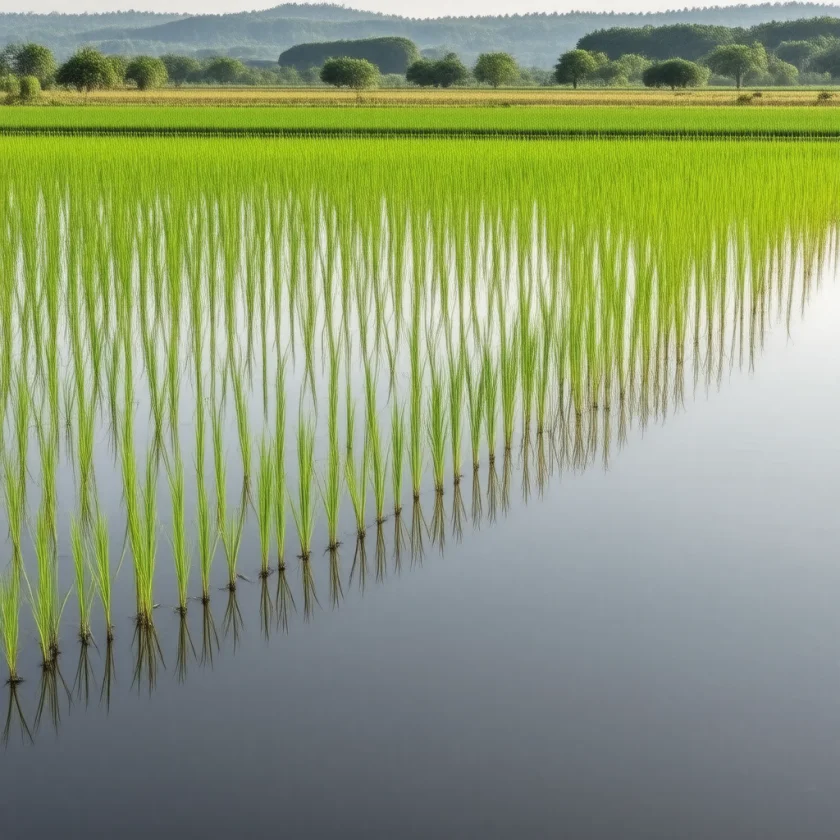
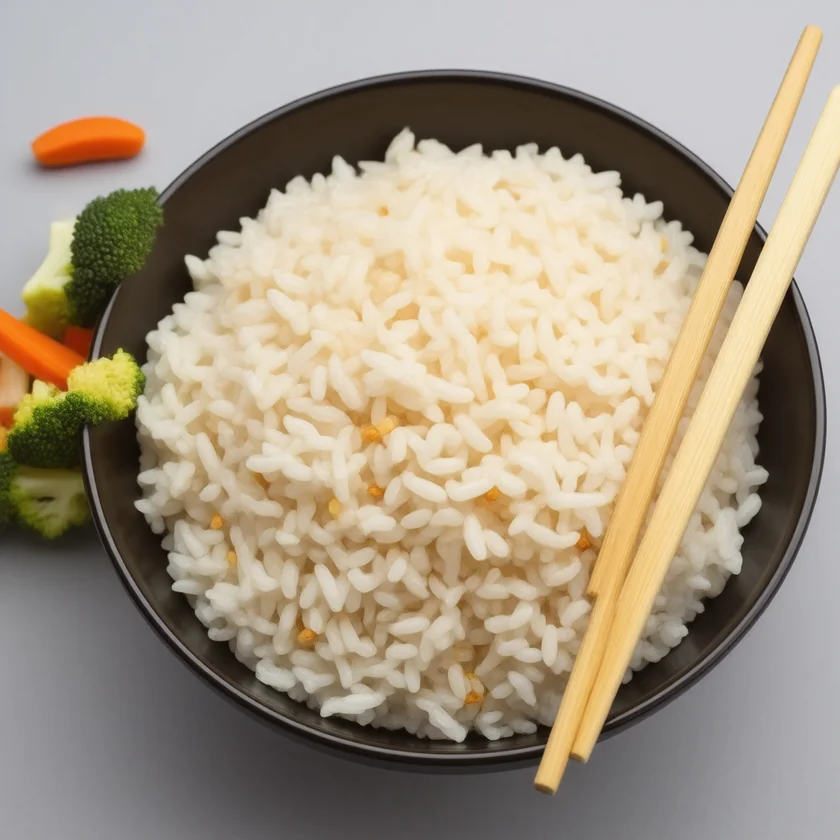
Brown rice and white rice are the same grain; the only difference is whether the bran and germ were milled off. Those two thin layers are under a tenth of the grain's weight and they carry most of what is not starch, including much of the fibre, manganese, magnesium and thiamine (the U.S. Department of Agriculture figures are listed below). Leaving them on is the whole difference between the two foods, and the cohort evidence — substituting a third of a serving a day of brown rice for white was associated with about 16% lower risk of type 2 diabetes — is about as good as single-food nutrition evidence gets. It also comes with two honest complications this section refuses to skip: the bran concentrates inorganic arsenic, so brown rice carries more of it than white, and the bran's phytate holds on to some of the minerals it delivers. Both are real, both are manageable, and the four deep dives below take each one at full length rather than mentioning it in a footnote.
Deep-Dive Articles
Arsenic in Brown Rice: What the Evidence Actually Says
The single most important caveat about brown rice, answered straight. Why flooded paddies and rice's silicon transporters make it take up ten times the arsenic of other grains; why the bran concentrates the inorganic form, so brown rice runs roughly one and a half to two times white; how much the growing region changes the answer; the genuine concern about infant rice cereal and brown rice syrup; the EU limits and the U.S. Food and Drug Administration (FDA) action level; and the three published cooking methods that remove between a third and 85% of it.
Read the deep dive →Brown Rice, Whole Grains and Type 2 Diabetes
The strongest evidence for brown rice, and the trial that complicates it. The Harvard cohorts and the 16% substitution figure; the BMJ meta-analysis and the PURE study across 21 countries; the 16-week randomised trial that came back largely negative and is quoted alongside them; why glycaemic index is not the explanation; and the Aune and Reynolds dose-response work on whole grains and fibre.
Read the deep dive →Fibre, Magnesium and Manganese: What the Bran Delivers
The milling ledger, nutrient by nutrient, with the U.S. Department of Agriculture (USDA) numbers. How much manganese a cooked serving supplies; what magnesium actually does and how much of it milling removes; why brown rice's fibre is the insoluble kind and will not lower cholesterol the way oats do; the bran compounds (tocotrienols and gamma-oryzanol) that milling removes; and the storage section nobody writes — why brown rice goes rancid, how to tell, and how long it really keeps.
Read the deep dive →Phytate, Soaking and Germinated Brown Rice
The standard case against whole grains, told properly. What phytate binds and by how much; who it genuinely matters for and who it matters little for; the evidence that it is also a protective compound; why soaking does less for rice than for rye; how to make germinated brown rice (hatsuga genmai) at home in a day; and a sceptical read of the gamma-aminobutyric acid (GABA) marketing that surrounds it.
Read the deep dive →Table of Contents
- Deep-Dive Articles
- Why Brown Rice Is Worth the Trouble
- The Two Honest Trade-Offs
- What the Pooled Evidence Shows
- Research Papers: Whole Grains and Metabolic Risk
- Research Papers: Fibre, Minerals and the Bran
- Research Papers: Arsenic and Its Removal
- Research Papers: Phytate and Germination
- Research Papers: Domestication and Beriberi
- External Authoritative Resources
- Connections
- Featured Videos
Why Brown Rice Is Worth the Trouble
Most nutrition changes involve adding something. This one involves not removing something.
Per 100 g of dry grain, using the U.S. Department of Agriculture FoodData Central records for raw long-grain brown rice (FDC 169703) and raw long-grain unenriched white rice (FDC 169756) — the foods covered on the Brown Rice and White Rice pages — milling costs:
- Fibre — 3.6 g down to 1.3 g;
- Magnesium — 116 mg down to 25 mg;
- Manganese — 2.85 mg down to 1.09 mg;
- Thiamine — 0.541 mg down to 0.07 mg;
- Niacin, vitamin B6 and phosphorus — niacin 6.49 mg down to 1.6 mg, vitamin B6 0.477 mg down to 0.164 mg, and phosphorus 311 mg down to 115 mg;
- Vitamin E (alpha-tocopherol) — 0.6 mg down to 0.11 mg. These USDA records list no tocotrienol or gamma-oryzanol values.
USDA lists a cup of cooked long-grain brown rice at 202 g (FDC 169704); per 100 g cooked, it carries 1.6 g of fibre, 0.974 mg of manganese and 39 mg of magnesium. Cooked long-grain unenriched white rice (FDC 169757, 158 g a cup) carries 0.4 g of fibre, 0.472 mg of manganese and 12 mg of magnesium per 100 g.
None of that is dramatic in a single meal. The argument is entirely about repetition. Most people eat a starch with most meals; whether that starch contributes minerals and fibre or only energy, twice a day for decades, is where the difference lives. That is also why the observational evidence is stronger than the short trials: a four-month study cannot see a forty-year effect.
The Two Honest Trade-Offs
Two trade-offs belong in any fair account of brown rice.
Arsenic. Rice takes up arsenic from soil and water far more efficiently than other cereals, and the inorganic — carcinogenic — form concentrates in the bran. Brown rice therefore carries roughly one and a half to two times as much as white rice from the same field. The exposure is small compared with the contaminated drinking water on which the cancer evidence was built, no study has shown that ordinary brown rice consumption harms adults, and the mitigations described in this literature are simple: cooking in excess water and draining it, soaking, rotating grains, and not making rice cereal and rice syrup a baby's staple food. In the cooking studies listed below, a 6:1 water-to-rice ratio removed 45% of the inorganic arsenic from long-grain and basmati rice compared with raw rice (Raab 2009); parboiling and then cooking by absorption removed 54% from brown rice and 73% from white rice, while the other absorption methods tested, including pre-soaking, lowered it in white rice only (Menon 2021); and cooking in percolating water removed up to 85% from individual rice types (Carey 2015). Rice bran itself reached approximately 1 mg/kg dry weight of inorganic arsenic, around 10–20 fold higher than in bulk grain (Sun 2008). The genuine concern is infants, not dinner. See Arsenic in Brown Rice.
Phytate. The bran's phytate binds zinc, iron and to a lesser extent calcium and magnesium, so you absorb less of what the grain contains. This matters for young children being weaned onto cereals, for people whose diets are dominated by unrefined grains and legumes with little animal food, and for anyone already short of iron or zinc. For a mixed diet with some vitamin C on the plate it is close to irrelevant — and the cohort studies that found whole grains beneficial studied them phytate and all. Soaking, germinating and fermenting all reduce it. See Phytate, Soaking and Germination.
And one practical trade-off that is not about health at all: brown rice keeps for months rather than years, because the germ oil goes rancid. Small purchases, cool storage and a smell check before cooking are how that is usually handled.
What the Pooled Evidence Shows
A 2022 meta-analysis in BMJ Open pooled 8 cohort studies and 11 randomised trials. In the cohort studies, brown rice intake was associated with lower risk of type 2 diabetes (pooled relative risk 0.89; 95% confidence interval 0.81 to 0.97, comparing extreme categories, from 3 brown-rice estimates covering 197,228 people), and each 50 g/day serving of brown rice was associated with 13% (6%–20%) lower risk. In the trials (1,034 people), brown rice raised high-density lipoprotein (HDL) cholesterol by 0.06 mmol/L compared with white rice; no other risk factor differed significantly.
A 2021 meta-analysis in PeerJ of 7 trials in 417 adults with prediabetes or type 2 diabetes found that brown rice did not change glycated haemoglobin (HbA1c) (p = 0.15) or fasting blood glucose (p = 0.95) compared with white rice. It did lower body weight (mean difference −2.2 kg) and raise HDL cholesterol, with no effect on waist circumference, blood pressure or low-density lipoprotein (LDL) cholesterol.
A 2022 meta-analysis in Critical Reviews in Food Science and Nutrition of 13 trials found that brown rice lowered weight by 1.63 kg compared with white rice but had no significant effect on lipid profile or glycaemic markers. Pre-germinated brown rice — the form covered in Phytate, Soaking and Germination — lowered total cholesterol (−24.22 mg/dl), triglycerides (−43.28 mg/dl), LDL cholesterol (−20.05 mg/dl) and fasting blood glucose (−15.83 mg/dl) compared with white rice. The certainty of the evidence was rated low and very low.
Research Papers: Whole Grains and Metabolic Risk
- Sun Q, Spiegelman D, van Dam RM, et al. White rice, brown rice, and risk of type 2 diabetes in US men and women. Archives of Internal Medicine. 2010;170(11):961–969. — doi:10.1001/archinternmed.2010.109
- Hu EA, Pan A, Malik V, Sun Q. White rice consumption and risk of type 2 diabetes: meta-analysis and systematic review. BMJ. 2012;344:e1454. — doi:10.1136/bmj.e1454
- Bhavadharini B, Mohan V, Dehghan M, et al. White rice intake and incident diabetes: a study of 132,373 participants in 21 countries. Diabetes Care. 2020;43(11):2643–2650. — doi:10.2337/dc19-2335
- Zhang G, Pan A, Zong G, et al. Substituting white rice with brown rice for 16 weeks does not substantially affect metabolic risk factors in middle-aged Chinese men and women with diabetes or a high risk for diabetes. The Journal of Nutrition. 2011;141(9):1685–1690. — doi:10.3945/jn.111.142224
- Mohan V, Spiegelman D, Sudha V, et al. Effect of brown rice, white rice, and brown rice with legumes on blood glucose and insulin responses in overweight Asian Indians: a randomized controlled trial. Diabetes Technology & Therapeutics. 2014;16(5):317–325. — doi:10.1089/dia.2013.0259
- Aune D, Keum N, Giovannucci E, et al. Whole grain consumption and risk of cardiovascular disease, cancer, and all cause and cause specific mortality. BMJ. 2016;353:i2716. — doi:10.1136/bmj.i2716
- Reynolds A, Mann J, Cummings J, Winter N, Mete E, Te Morenga L. Carbohydrate quality and human health: a series of systematic reviews and meta-analyses. The Lancet. 2019;393(10170):434–445. — doi:10.1016/S0140-6736(18)31809-9
- Yu J, Balaji B, Tinajero M, et al. White rice, brown rice and the risk of type 2 diabetes: a systematic review and meta-analysis. BMJ Open. 2022;12(9):e065426. — doi:10.1136/bmjopen-2022-065426
- Abdul Rahim AF, Norhayati MN, Zainudin AM. The effect of a brown-rice diets on glycemic control and metabolic parameters in prediabetes and type 2 diabetes mellitus: a meta-analysis of randomized controlled trials and controlled clinical trials. PeerJ. 2021;9:e11291. — doi:10.7717/peerj.11291
- Golzarand M, Toolabi K, Eskandari Delfan S, Mirmiran P. The effect of brown rice compared to white rice on adiposity indices, lipid profile, and glycemic markers: a systematic review and meta-analysis of randomized controlled trials. Critical Reviews in Food Science and Nutrition. 2022;62(27):7395–7412. — doi:10.1080/10408398.2021.1914541
- Marshall S, Petocz P, Duve E, et al. The effect of replacing refined grains with whole grains on cardiovascular risk factors. Journal of the Academy of Nutrition and Dietetics. 2020;120(11):1859–1883. — doi:10.1016/j.jand.2020.06.021
Research Papers: Fibre, Minerals and the Bran
- Cho SS, Qi L, Fahey GC Jr, Klurfeld DM. Consumption of cereal fiber, mixtures of whole grains and bran, and whole grains and risk reduction in type 2 diabetes, obesity, and cardiovascular disease. The American Journal of Clinical Nutrition. 2013;98(2):594–619. — doi:10.3945/ajcn.113.067629
- Slavin J. Fiber and prebiotics: mechanisms and health benefits. Nutrients. 2013;5(4):1417–1435. — doi:10.3390/nu5041417
- Fang X, Wang K, Han D, et al. Dietary magnesium intake and the risk of cardiovascular disease, type 2 diabetes, and all-cause mortality: a dose-response meta-analysis. BMC Medicine. 2016;14(1):210. — doi:10.1186/s12916-016-0742-z
- Veronese N, Demurtas J, Pesolillo G, et al. Magnesium and health outcomes: an umbrella review. European Journal of Nutrition. 2020;59(1):263–272. — doi:10.1007/s00394-019-01905-w
- Aschner JL, Aschner M. Nutritional aspects of manganese homeostasis. Molecular Aspects of Medicine. 2005;26(4–5):353–362. — doi:10.1016/j.mam.2005.07.003
- Saji N, Francis N, Schwarz LJ, Blanchard CL, Santhakumar AB. Rice bran derived bioactive compounds modulate risk factors of cardiovascular disease and type 2 diabetes mellitus. Nutrients. 2019;11(11):2736. — doi:10.3390/nu11112736
- Seal CJ, Courtin CM, Venema K, de Vries J. Health benefits of whole grain: effects on dietary carbohydrate quality, the gut microbiome, and consequences of processing. Comprehensive Reviews in Food Science and Food Safety. 2021;20(3):2742–2768. — doi:10.1111/1541-4337.12728
Research Papers: Arsenic and Its Removal
- Sun G, Williams PN, Carey A, et al. Inorganic arsenic in rice bran and its products are an order of magnitude higher than in bulk grain. Environmental Science & Technology. 2008;42(19):7542–7546. — doi:10.1021/es801238p
- Meharg AA, Williams PN, Adomako E, et al. Geographical variation in total and inorganic arsenic content of polished (white) rice. Environmental Science & Technology. 2009;43(5):1612–1617. — doi:10.1021/es802612a
- Raab A, Baskaran C, Feldmann J, Meharg AA. Cooking rice in a high water to rice ratio reduces inorganic arsenic content. Journal of Environmental Monitoring. 2009;11(1):41–44. — doi:10.1039/b816906c
- Carey M, Jiujin X, Gomes Farias J, Meharg AA. Rethinking rice preparation for highly efficient removal of inorganic arsenic using percolating cooking water. PLOS ONE. 2015;10(7):e0131608. — doi:10.1371/journal.pone.0131608
- Menon M, Dong W, Chen X, Hufton J, Rhodes EJ. Improved rice cooking approach to maximise arsenic removal while preserving nutrient elements. Science of the Total Environment. 2021;755:143341. — doi:10.1016/j.scitotenv.2020.143341
- Karagas MR, Punshon T, Sayarath V, Jackson BP, Folt CL, Cottingham KL. Association of rice and rice-product consumption with arsenic exposure early in life. JAMA Pediatrics. 2016;170(6):609–616. — doi:10.1001/jamapediatrics.2016.0120
- Jackson BP, Taylor VF, Karagas MR, Punshon T, Cottingham KL. Arsenic, organic foods, and brown rice syrup. Environmental Health Perspectives. 2012;120(5):623–626. — doi:10.1289/ehp.1104619
- EFSA Panel on Contaminants in the Food Chain (CONTAM). Scientific opinion on arsenic in food. EFSA Journal. 2009;7(10):1351. — doi:10.2903/j.efsa.2009.1351
Research Papers: Phytate and Germination
- Schlemmer U, Frolich W, Prieto RM, Grases F. Phytate in foods and significance for humans. Molecular Nutrition & Food Research. 2009;53 Suppl 2. — doi:10.1002/mnfr.200900099
- Hurrell RF, Reddy MB, Juillerat MA, Cook JD. Degradation of phytic acid in cereal porridges improves iron absorption by human subjects. The American Journal of Clinical Nutrition. 2003;77(5):1213–1219. — doi:10.1093/ajcn/77.5.1213
- Gibson RS, Bailey KB, Gibbs M, Ferguson EL. A review of phytate, iron, zinc, and calcium concentrations in plant-based complementary foods used in low-income countries. Food and Nutrition Bulletin. 2010;31(2 Suppl):S134–S146. — doi:10.1177/15648265100312S206
- Silva EO, Bracarense APFRL. Phytic acid: from antinutritional to multiple protection factor of organic systems. Journal of Food Science. 2016;81(6). — doi:10.1111/1750-3841.13320
- Perera I, Seneweera S, Hirotsu N. Manipulating the phytic acid content of rice grain toward improving micronutrient bioavailability. Rice. 2018;11(1):4. — doi:10.1186/s12284-018-0200-y
- Komatsuzaki N, Tsukahara K, Toyoshima H, Suzuki T, Shimizu N, Kimura T. Effect of soaking and gaseous treatment on GABA content in germinated brown rice. Journal of Food Engineering. 2007;78(2):556–560. — doi:10.1016/j.jfoodeng.2005.10.036
- Cho DH, Lim ST. Germinated brown rice and its bio-functional compounds. Food Chemistry. 2016;196:259–271. — doi:10.1016/j.foodchem.2015.09.025
Research Papers: Domestication and Beriberi
- Fuller DQ, Qin L, Zheng Y, et al. The domestication process and domestication rate in rice: spikelet bases from the Lower Yangtze. Science. 2009;323(5921):1607–1610. — doi:10.1126/science.1166605
- Zuo X, Lu H, Jiang L, et al. Dating rice remains through phytolith carbon-14 study reveals domestication at the beginning of the Holocene. Proceedings of the National Academy of Sciences. 2017;114(25):6486–6491. — doi:10.1073/pnas.1704304114
- Wang M, Yu Y, Haberer G, et al. The genome sequence of African rice (Oryza glaberrima) and evidence for independent domestication. Nature Genetics. 2014;46(9):982–988. — doi:10.1038/ng.3044
- Choi JY, Platts AE, Fuller DQ, Hsing YI, Wing RA, Purugganan MD. The rice paradox: multiple origins but single domestication in Asian rice. Molecular Biology and Evolution. 2017;34(4):969–979. — doi:10.1093/molbev/msx049
- Carney JA. Landscapes of technology transfer: rice cultivation and African continuities. Technology and Culture. 1996;37(1):5–35. — doi:10.1353/tech.1996.0108
- Sugiyama Y, Seita A. Kanehiro Takaki and the control of beriberi in the Japanese Navy. Journal of the Royal Society of Medicine. 2013;106(8):332–334. — doi:10.1177/0141076813497889
- Carpenter KJ, ed. Polyneuritis in chickens, or the origins of vitamin research: first English edition of papers by Christiaan Eijkman published 1890–1896. The American Journal of Clinical Nutrition. 1993;57(4):600. — doi:10.1093/ajcn/57.4.600
External Authoritative Resources
- U.S. Department of Agriculture FoodData Central — the composition figures used throughout this section
- US FDA — Arsenic in Food and Dietary Supplements
- EU Regulation 2023/915 — maximum levels for contaminants in food
- World Health Organization — Arsenic fact sheet
- U.S. National Institutes of Health (NIH) Office of Dietary Supplements — Magnesium
- U.S. National Institutes of Health Office of Dietary Supplements — Manganese
- Whole Grains Council
- International Rice Research Institute (IRRI)
- PubMed: brown rice health outcomes
- PubMed: whole grain substitution refined grain trial
Connections
- Brown Rice — the main page: varieties, cooking, storage, cautions.
- Brown Rice: Nutrient Profile — the full U.S. Department of Agriculture breakdown.
- Brown Rice: History and Origins — the Yangtze, African rice, Carolina Gold, and the beriberi epidemics.
- White Rice — the same grain milled, treated fairly.
- Manganese — the mineral brown rice supplies best.
- Magnesium — the one milling destroys most completely.
- Vitamin B1 (Thiamine) — the vitamin the mill removed.
- Arsenic — the toxicology in full.
- Type 2 Diabetes — where the substitution evidence points.
- Resistant Starches — cook it, cool it, reheat it.
- Lentils — the partner grain-eaters everywhere arrived at.
- Beans — rice and beans, and why it works.
- Oats — where the soluble beta-glucan fibre is.
- Barley — the grain that ended beriberi in the Japanese Navy.
- Quinoa — a low-arsenic rotation grain.
- Buckwheat — gluten-free, and its own phytase does the work.