Naegleria fowleri
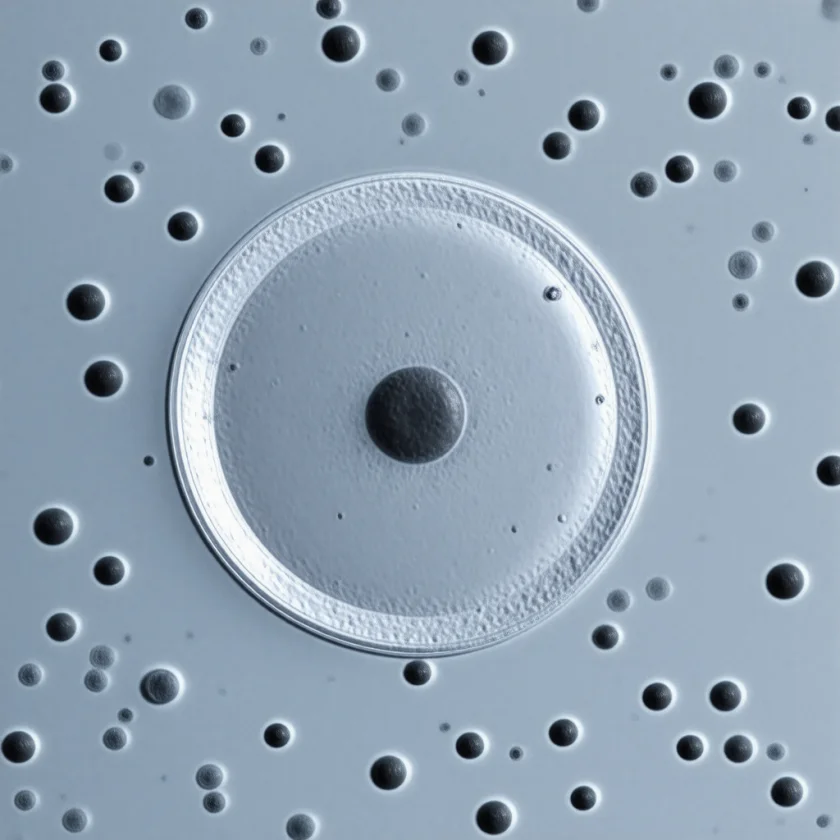
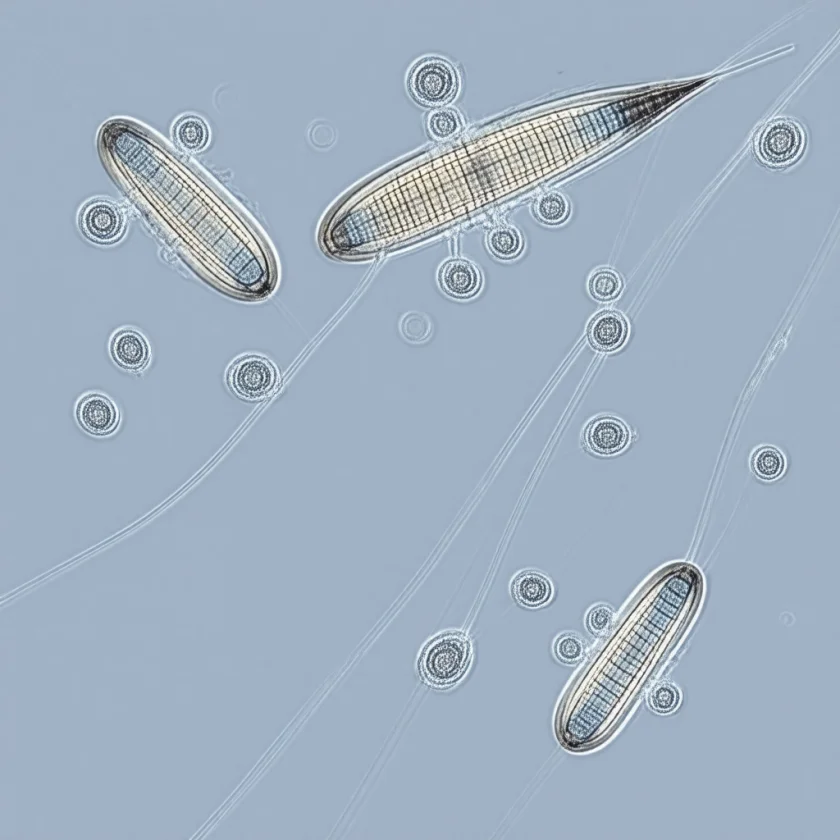
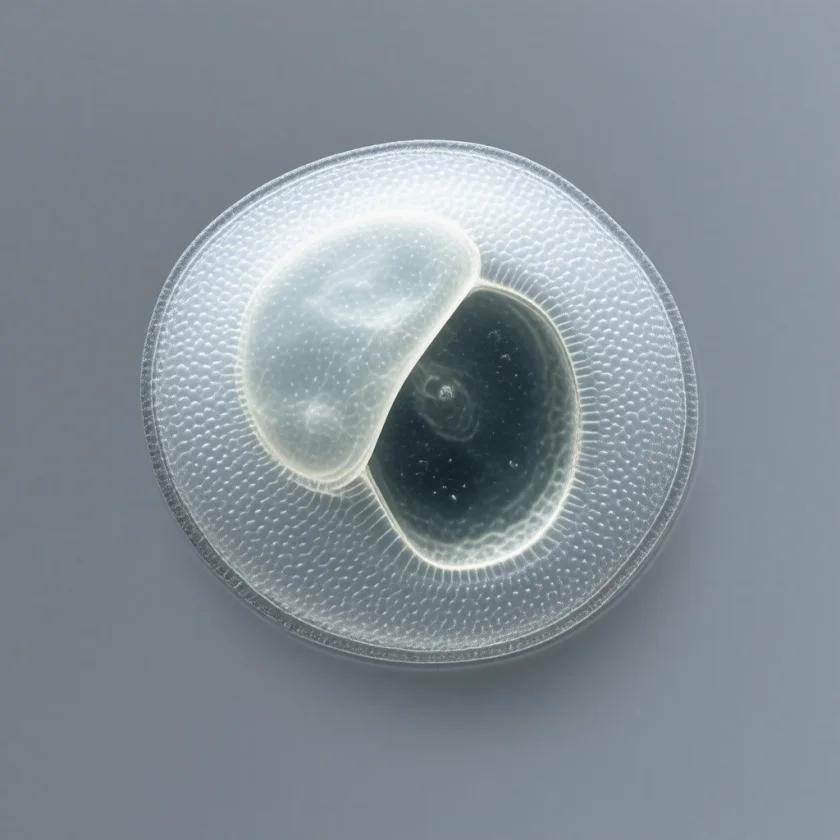
Naegleria fowleri is a microscopic, single-celled organism — an amoeba — that lives in warm freshwater all over the world. Almost all of the time it is completely harmless, drifting through lakes, ponds, and hot springs, feeding on bacteria, and never coming anywhere near a person. Very rarely, when warm freshwater is forced up someone's nose, the amoeba can travel along a nerve into the brain and cause a devastating infection called primary amebic meningoencephalitis, or PAM. Because of that, it has picked up the frightening nickname "the brain-eating amoeba." This page explains — calmly and honestly — what Naegleria fowleri is, where it lives, the single specific way it causes illness, and, most importantly, the simple and effective steps that prevent it. The infection is almost always fatal, yet it is also extraordinarily rare, and the precautions that avoid it are easy. The goal here is to hold both of those facts in view at once: real seriousness, alongside real perspective.
Table of Contents
1. What Is Naegleria fowleri?
Naegleria fowleri is a free-living amoeba. The phrase "free-living" is important: unlike parasites that must live inside a host to survive, this amoeba is perfectly at home on its own in the environment, feeding on bacteria in warm water and soil. It does not need people, and people are not part of its normal life. When it does infect a human, it is essentially by accident — a wrong turn that is a dead end for the amoeba as much as it is a catastrophe for the person.
It is also strongly heat-loving (thermophilic). Naegleria fowleri grows best in warm conditions and can tolerate temperatures up to around 45 °C (113 °F), which is why it flourishes in the height of summer and in naturally or artificially heated water. Cold water slows it down or drives it into a dormant, protective form.
One clarification helps everything that follows: Naegleria fowleri is the organism, and primary amebic meningoencephalitis (PAM) is the disease it can cause. Finding the amoeba in a lake is common and expected; the disease it can cause is what is vanishingly rare. Keeping the two ideas separate is the key to understanding the real level of risk.
2. The Organism & Where It Lives
Naegleria fowleri lives in warm freshwater and warm, moist soil. The places it favors are exactly the places that warm up in summer:
- Warm lakes, ponds, and slow rivers, especially shallow, warm, still water and the sediment on the bottom.
- Hot springs and other naturally geothermal water.
- Warm water discharged from industrial plants.
- Poorly maintained or minimally chlorinated swimming pools, splash pads, and surf parks.
- Water heaters and, in some warm regions, the warm tap water supplied to homes when disinfection levels are low.
The amoeba lives through three forms. Most of the time it exists as a trophozoite, the active feeding-and-dividing stage — and this is the only stage that infects people. When conditions are stirred up, it can briefly become a swimming flagellate that moves to a better spot. When conditions turn harsh — cold or dry — it rolls up into a tough cyst and waits, sometimes for long stretches, until warmth returns.
Because it depends on heat, cases cluster in summer and in warm climates — historically the southern United States, though infections have appeared farther north as summers and waters have warmed. Two reassuring limits are worth stating plainly: Naegleria fowleri is not found in properly chlorinated pools, and it does not live in the sea — it cannot survive in salt water.
3. How Infection Happens
Infection happens in exactly one way: warm freshwater carrying the amoeba is forced up the nose. From the top of the nasal cavity, the amoeba can cross a thin, perforated sheet of bone (the cribriform plate) and travel along the olfactory nerve — the nerve of smell — directly into the brain. This is why activities that push water up the nose carry whatever small risk exists: diving, jumping, or falling into warm freshwater; dunking the head; water-skiing; or splashing games in warm, shallow water.
There is a second, entirely preventable route that has caused deaths: rinsing the nose or sinuses with untreated tap water. This includes neti pots and other nasal-rinse devices, and ritual nasal cleansing (ablution) practiced in some religious traditions. If the tap water carries the amoeba and it is poured into the nose, it has the same direct path to the brain. This is why the water used for any nasal rinse must be distilled, sterile, or previously boiled — a point covered in detail under Prevention.
Just as important is what does not cause infection, because these facts remove most of the fear:
- You cannot get it from drinking contaminated water. Swallowing the amoeba is harmless — stomach acid destroys it. The nose is the only doorway.
- It does not spread from person to person. You cannot catch PAM from someone who has it, and an infected person is not contagious.
- You cannot get it from a properly chlorinated pool, or from the ocean or other salt water.
4. Symptoms & Course of PAM
When PAM does occur, symptoms usually begin quickly — typically within about one to nine days after the water exposure, most often around five days. The early symptoms resemble those of far more common forms of meningitis, which is part of why the diagnosis is so easily missed at first:
- Sudden, severe headache, often at the front of the head.
- Fever.
- Nausea and vomiting.
- A stiff neck.
- Sometimes a change in the sense of smell or taste, a clue to the nerve the amoeba travels along.
The illness then progresses rapidly. Over a short span of days it advances to confusion, poor attention to surroundings, loss of balance, hallucinations, seizures, and coma. Once symptoms begin, PAM most often proves fatal within about one to two weeks — frequently around five days after the first symptoms appear. The speed of this course is one of the cruelest features of the disease, and it is the main reason that recognizing it early matters so much.
5. Why It's So Rare but So Deadly
This is the section to read slowly, because it is where perspective lives. Two things are true at the same time, and both matter.
PAM is extraordinarily rare. In the roughly six decades between 1962 and 2023, only about 160 cases were recorded in the entire United States — an average of just a few per year, and in many years only one or none at all. Set that against the reality that millions of people swim, dive, and play in warm freshwater every single summer. The amoeba itself is common in that water; the disease almost never follows. Statistically, your risk of dying in PAM is far smaller than your risk of drowning on the same trip to the lake.
And yet, when it does strike, it is almost always fatal. The case-fatality rate is above 97%; over that entire span of U.S. cases, only a handful of people are known to have survived. That combination — exceptionally rare, but nearly always deadly — is what makes Naegleria fowleri so feared. A few things drive the lethality:
- The brain is hard to reach with medicine and hard to protect; by the time the amoeba is there, treatment is difficult.
- The infection causes rapid tissue destruction and violent swelling, and the pressure inside the skull can become uncontrollable.
- Because PAM is so rare and looks at first like ordinary meningitis, it is often diagnosed too late — sometimes only after death.
- There is no single proven cure; treatment is an aggressive, experimental combination (see below).
The honest bottom line is not "be afraid of the water." It is: the danger is genuine but the event is exceedingly uncommon, and a few simple habits — described under Prevention — make an already tiny risk smaller still.
6. Diagnosis
PAM is genuinely hard to diagnose in time, for two reasons that reinforce each other: it is rare enough that most clinicians will never see a case, and its early picture is nearly identical to bacterial meningitis. The clues that raise suspicion are the setting — a previously healthy person, usually young, who developed sudden meningitis-like illness a few days after swimming or diving in warm freshwater, or after a tap-water nasal rinse.
The central test is a lumbar puncture (spinal tap) to sample the cerebrospinal fluid (CSF). In PAM the fluid typically shows a high white-cell count, high protein, and low glucose, often with red blood cells — a pattern that overlaps with bacterial meningitis. What can make the difference is examining a drop of fresh, warm CSF under the microscope, where the actively moving amoebae can sometimes be seen directly. The definitive confirmation is PCR testing, which detects the amoeba's DNA, along with specialized antibody staining; in the United States these specialized tests are available through the Centers for Disease Control and Prevention (CDC), which provides round-the-clock diagnostic help. Because the disease moves so fast, it is unfortunately still often diagnosed late, or only at autopsy.
7. Treatment
There is no proven, standardized cure for PAM. What exists is an aggressive, experimental combination of drugs and intensive-care measures, started as early as possible and coordinated with expert help. The regimen that has accompanied the rare survivals generally includes several agents used together:
- Amphotericin B — an antifungal drug that is also active against the amoeba, and the long-standing cornerstone of treatment. It is given into a vein and sometimes directly into the fluid around the brain.
- Miltefosine — a drug added to the standard regimen in the United States in recent years, which the CDC can supply on an emergency basis. Its arrival coincided with the small number of modern survivors.
- Supporting medicines such as azole antifungals (for example fluconazole), rifampin, azithromycin, and dexamethasone, used in various combinations.
- Aggressive intensive care, above all measures to control the dangerous swelling and pressure inside the skull — sometimes including deliberately cooling the body (therapeutic hypothermia) to protect the brain.
A small number of people have survived PAM, and their cases share a common thread: the disease was recognized and treated very early, before the brain injury became irreversible, with the full combination above and meticulous management of brain swelling. That single factor — early recognition — appears to matter more than any one drug, which is why knowing the warning signs and the water exposure that precedes them can be lifesaving.
8. Prevention
This is the practical heart of the page, and the good news is that prevention is simple. Because infection requires warm freshwater going up the nose, everything comes down to keeping that water out of your nose.
In warm freshwater
- Hold your nose shut or wear nose clips when jumping or diving into warm freshwater, and try to keep your head above water in warm, shallow lakes and ponds, especially in the heat of summer.
- Avoid stirring up or digging in the sediment at the bottom of warm, shallow water — the amoebae tend to concentrate there, and disturbing it kicks them up into the water.
- Be especially cautious in warm, stagnant, low-water conditions during hot spells.
Nasal rinsing, neti pots, and ritual cleansing
If you rinse your nose or sinuses for any reason — allergy relief, a neti pot, or religious ablution — never use water straight from the tap. Use water that is:
- Distilled or sterile, bought that way; or
- Boiled and then cooled — boil for at least one minute (at least three minutes at high altitude), then let it cool; or
- Filtered through a filter labeled "absolute pore size 1 micron or smaller."
Rinse the device after each use with the same safe water, and let it air-dry.
Pools and splash pads
Keep swimming pools, hot tubs, and splash pads properly chlorinated and well maintained. Adequate, consistent disinfection reliably keeps the amoeba out of treated water.
The reassuring facts, again
It bears repeating, because it dissolves most of the worry: you cannot get PAM from drinking water, from a properly chlorinated pool or hot tub, from salt water, or from another person. A few small habits around warm freshwater and nasal rinsing are all that stand between an already tiny risk and peace of mind.
Key Research Papers
Peer-reviewed reviews, epidemiological studies, and survivor case reports on Naegleria fowleri and primary amebic meningoencephalitis — covering the amoeba's biology, how the infection is acquired and diagnosed, its treatment, and the rare survivals. Journal names appear as plain text; the year/volume/pages link opens the full citation via DOI.
- Visvesvara GS, Moura H, Schuster FL. Pathogenic and opportunistic free-living amoebae: Acanthamoeba spp., Balamuthia mandrillaris, Naegleria fowleri, and Sappinia diploidea. FEMS Immunology & Medical Microbiology. 2007;50(1):1–26. — The foundational review placing Naegleria fowleri among the pathogenic free-living amoebae. — doi:10.1111/j.1574-695X.2007.00232.x
- Martinez AJ, Visvesvara GS. Free-living, amphizoic and opportunistic amebas. Brain Pathology. 1997;7(1):583–598. — A classic pathology review of how these amoebae injure the brain. — doi:10.1111/j.1750-3639.1997.tb01076.x
- Siddiqui R, Ali IKM, Cope JR, Khan NA. Biology and pathogenesis of Naegleria fowleri. Acta Tropica. 2016;164:375–394. — A modern synthesis of the amoeba's life stages and how it causes disease. — doi:10.1016/j.actatropica.2016.09.009
- Grace E, Asbill S, Virga K. Naegleria fowleri: pathogenesis, diagnosis, and treatment options. Antimicrobial Agents and Chemotherapy. 2015;59(11):6677–6681. — A concise clinical review of the drugs used against PAM. — doi:10.1128/AAC.01293-15
- Yoder JS, Eddy BA, Visvesvara GS, Capewell L, Beach MJ. The epidemiology of primary amoebic meningoencephalitis in the USA, 1962–2008. Epidemiology and Infection. 2010;138(7):968–975. — Documents how rare U.S. cases are and the exposures that precede them. — doi:10.1017/S0950268809991014
- Capewell LG, Harris AM, Yoder JS, et al. Diagnosis, clinical course, and treatment of primary amoebic meningoencephalitis in the United States, 1937–2013. Journal of the Pediatric Infectious Diseases Society. 2015;4(4):e68–e75. — A national review of every U.S. case and what distinguished the survivors. — doi:10.1093/jpids/piu103
- Gharpure R, Bliton J, Goodman A, Ali IKM, Yoder J, Cope JR. Epidemiology and clinical characteristics of primary amebic meningoencephalitis caused by Naegleria fowleri: a global review. Clinical Infectious Diseases. Published online 2020. — A worldwide summary of exposures, symptoms, and the very high fatality rate. — doi:10.1093/cid/ciaa520
- Yoder JS, Straif-Bourgeois S, Roy SL, et al. Primary amebic meningoencephalitis deaths associated with sinus irrigation using contaminated tap water. Clinical Infectious Diseases. 2012;55(9):e79–e85. — The reports that established nasal rinsing with untreated tap water as a route of infection. — doi:10.1093/cid/cis626
- Cope JR, Ratard RC, Hill VR, et al. The first association of a primary amebic meningoencephalitis death with culturable Naegleria fowleri in tap water from a US treated public drinking water system. Clinical Infectious Diseases. 2015;60(8):e36–e42. — Links a PAM death to a treated municipal water supply. — doi:10.1093/cid/civ017
- Cope JR, Conrad DA, Cohen N, et al. Use of the novel therapeutic agent miltefosine for the treatment of primary amebic meningoencephalitis: report of 1 fatal and 1 surviving case. Clinical Infectious Diseases. 2016;62(6):774–776. — The addition of miltefosine to the treatment combination, with contrasting outcomes. — doi:10.1093/cid/civ1021
- Linam WM, Ahmed M, Cope JR, et al. Successful treatment of an adolescent with Naegleria fowleri primary amebic meningoencephalitis. Pediatrics. 2015;135(3):e744–e748. — A detailed account of one of the rare survivors, treated early with the full regimen and cooling. — doi:10.1542/peds.2014-2292
- Heggie TW. Swimming with death: Naegleria fowleri infections in recreational waters. Travel Medicine and Infectious Disease. 2010;8(4):201–206. — A review focused on recreational-water exposure and prevention. — doi:10.1016/j.tmaid.2010.06.001
PubMed Topic Searches
Each link opens a live PubMed query so results stay current as new papers are indexed.