Treating Pneumococcal Disease: Antibiotics and Prevention Overview
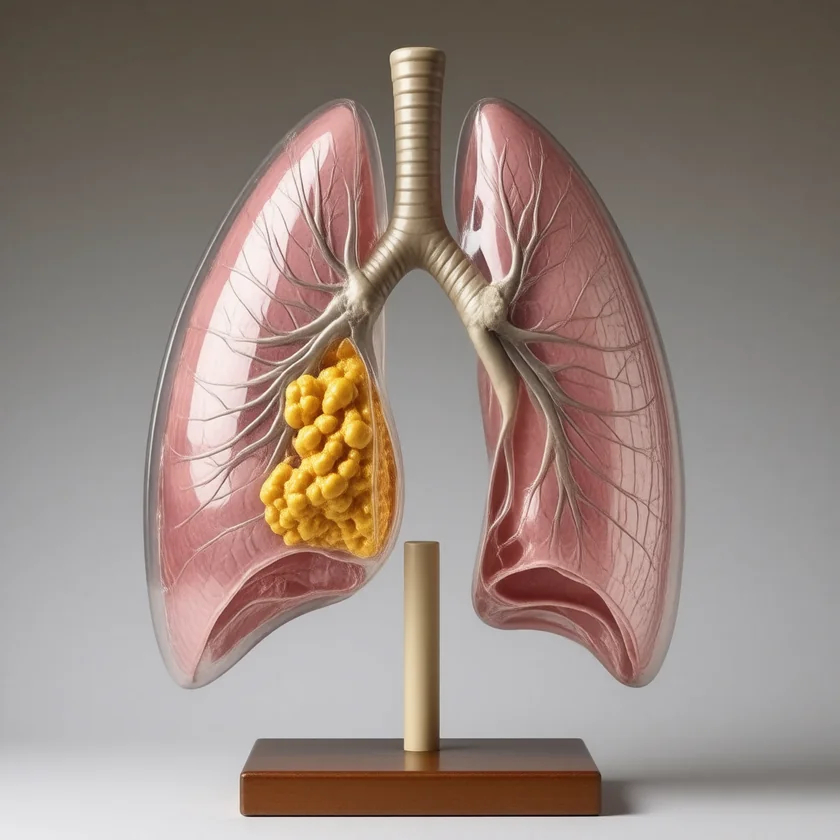
When a doctor says you have a pneumococcal infection — whether that means pneumonia, a bloodstream infection, or meningitis — treatment almost always starts with antibiotics. The exact antibiotic, the dose, how long you take it, and whether you go home or into the hospital all depend on how sick you are and where the infection has settled. This page walks through how doctors make those decisions in plain language, and explains why vaccination remains the most powerful tool of all.
- Community-Acquired Pneumonia: Treatment Overview
- Outpatient Antibiotic Choices
- Inpatient vs. Outpatient: How the Decision Is Made
- Dexamethasone for Pneumococcal Meningitis
- Source Control and IV-to-Oral Step-Down
- Treating Bloodstream Infection and Sepsis
- Vaccine Prevention: The Big Picture
- Protecting Patients Without a Spleen
- Key Research Papers
- Connections
Community-Acquired Pneumonia: Treatment Overview
Community-acquired pneumonia (CAP) — pneumonia you catch outside of a hospital — is the most common form of pneumococcal disease in adults. The first practical challenge doctors face is that blood or sputum culture results take 24 to 72 hours to come back. Treatment cannot wait that long. So antibiotics are started empirically, meaning based on the most likely culprit and the local pattern of which bacteria are circulating.
In most parts of the United States and Europe, Streptococcus pneumoniae (the pneumococcus) remains the most common cause of bacterial pneumonia requiring hospitalization. But it is rarely the only possibility. Atypical bacteria — Mycoplasma pneumoniae, Chlamydia pneumoniae, and Legionella pneumophila — can cause similar symptoms and do not respond to standard penicillin-type drugs. This is why most outpatient treatment regimens are designed to cover both.
Once a culture confirms the bug is pneumococcal and a sensitivity panel shows which antibiotics it responds to, doctors can narrow therapy. Narrowing to a single targeted antibiotic is not just good medicine — it reduces side effects, lowers the risk of driving antibiotic resistance, and often cuts cost. However, if a patient is improving on the empiric regimen, many doctors reasonably continue it rather than switch mid-course.
The IDSA/ATS consensus guidelines, updated in 2007 and widely used since, give physicians a structured framework for all of these decisions based on where the patient is treated and how severe the illness is at presentation.
Outpatient Antibiotic Choices
If you are sick enough to need antibiotics but not sick enough to be admitted to hospital, you are in what doctors call the outpatient tier. The antibiotic your doctor chooses depends on your medical history and what illnesses, if any, you already have.
Healthy adults with no major medical problems: Amoxicillin 500 mg taken three times daily for 5 to 7 days is often the first choice when pneumococcal pneumonia is suspected and local macrolide resistance rates are high. It is inexpensive, well-tolerated, and highly effective against most pneumococcal strains. Doxycycline 100 mg twice daily is an alternative for patients who cannot tolerate penicillin and who live in areas with low pneumococcal resistance to tetracyclines.
Adults with comorbidities (age over 65, COPD, heart disease, diabetes, or prior antibiotic use in the last 3 months): These patients need broader coverage. The preferred approach is either a beta-lactam antibiotic combined with a macrolide (such as azithromycin or clarithromycin), or a respiratory fluoroquinolone used alone. Respiratory fluoroquinolones — levofloxacin 750 mg once daily, or moxifloxacin 400 mg once daily — cover both pneumococcal and atypical organisms in a single pill and are particularly convenient. Duration is typically 5 days for levofloxacin and 5 to 7 days for the combination regimen.
A note about azithromycin alone (the "Z-pack"): In the early 2000s, azithromycin monotherapy was a popular choice for outpatient pneumonia because of its convenience — one five-day course, once daily. However, macrolide resistance in pneumococcal strains has climbed significantly in many US cities and globally, in some areas exceeding 30 to 40%. Using azithromycin alone in a region with high resistance is a meaningful risk of treatment failure. Doctors now generally use it only in combination or in regions with documented low resistance rates.
Inpatient vs. Outpatient: How the Decision Is Made
Deciding whether to send a patient home or admit them to hospital is one of the most consequential judgment calls in pneumonia care. Getting it wrong in either direction causes harm — unnecessary admission wastes resources and exposes patients to hospital-acquired infections; premature discharge can lead to dangerous deterioration at home.
Two widely used scoring tools help standardize this decision:
CURB-65: Scores one point each for Confusion (new disorientation), Urea over 7 mmol/L (or BUN over 19 mg/dL in US units), Respiratory rate 30 or more breaths per minute, Blood pressure below 90/60 mmHg, and age 65 or older. A score of 0 to 1 generally means outpatient treatment is safe. A score of 2 suggests hospital admission should be considered. A score of 3 or more indicates high mortality risk and often warrants ICU consideration.
PSI (Pneumonia Severity Index): A more detailed tool that weighs age, nursing home residence, coexisting illness, physical examination findings, and lab results to assign patients to five risk classes. Class I and II patients do well as outpatients; Class IV and V patients need hospital care.
Once admitted, the standard inpatient regimen is an IV beta-lactam (ceftriaxone 1 to 2 g once daily, or ampicillin-sulbactam) combined with a macrolide, or a respiratory fluoroquinolone alone. Patients admitted to the ICU with severe CAP receive IV beta-lactam plus IV macrolide or IV beta-lactam plus IV fluoroquinolone — the combination is generally preferred in the most critically ill because it covers a wider spectrum and because observational data suggest better outcomes with combination therapy in severe disease.
Duration of therapy: outpatient pneumonia is typically treated for 5 days. Hospitalized patients generally receive 7 to 10 days, depending on clinical response. There is good evidence that shorter courses (5 days) are adequate for patients who have defervesced and stabilized by day 3.
Dexamethasone for Pneumococcal Meningitis
Bacterial meningitis is a medical emergency. When the cerebrospinal fluid (CSF) grows pneumococcus, there is one intervention beyond antibiotics that meaningfully changes outcomes: a corticosteroid called dexamethasone. But timing is everything.
The landmark trial by de Gans and van de Beek, published in the New England Journal of Medicine in 2002, enrolled 301 adults across the Netherlands with bacterial meningitis. Patients who received dexamethasone 0.15 mg/kg every 6 hours for 4 days, given 15 to 20 minutes before the first antibiotic dose, had significantly better outcomes than those given placebo. The rate of unfavorable outcomes (death, severe disability) fell from 25% to 15% — a 10 percentage point absolute reduction. The benefit was most pronounced in patients whose CSF cultures grew pneumococcus specifically, not meningococcus.
Why does this work? When antibiotics kill pneumococcal bacteria, the bacterial cell walls break apart and release inflammatory molecules — particularly a cell-wall component called teichoic acid — that trigger a violent inflammatory response inside the meninges (the membranes covering the brain). This inflammation, paradoxically, causes much of the neurological damage in meningitis: cerebral edema, raised intracranial pressure, impaired blood flow to the brain, and hearing loss. Dexamethasone suppresses that inflammatory cascade precisely at the moment it is most intense — the first hours of antibiotic-induced bacterial killing. Give it late, and most of the damage is already done.
Standard practice in high-income countries: give dexamethasone IV before or with the first dose of antibiotics. If CSF results later show a non-bacterial cause (viral meningitis, for example), dexamethasone can be stopped. The main concern with dexamethasone is that it may reduce penetration of vancomycin into the CSF — relevant when drug-resistant pneumococcus is suspected. In those cases, some infectious disease specialists add rifampin or adjust the regimen.
Source Control and IV-to-Oral Step-Down
For most pneumococcal infections, there is no source to surgically control. Pneumonia resolves with antibiotics; meningitis resolves with antibiotics and dexamethasone; bacteremia clears when the underlying focus is treated. However, there are two important exceptions:
Empyema: If a pneumococcal pneumonia spreads to infect the fluid in the pleural space (the space between the lung and the chest wall), that infected fluid — called empyema — cannot be sterilized by antibiotics alone. The bacteria sit inside a pocket of pus that the bloodstream cannot adequately reach. A chest tube drain (thoracocentesis followed by a pleural drain) is required to remove the fluid and allow the lung to re-expand. In some cases, video-assisted thoracoscopic surgery (VATS) is needed if the pus has become thick and loculated. This is source control for pneumonia.
Septic joints or other metastatic foci: If bacteria seed a joint or other site, aspiration and drainage of that site is needed alongside antibiotics.
IV-to-oral step-down: For hospitalized patients improving on IV antibiotics, switching to oral antibiotics once the patient can tolerate oral intake, is afebrile, and has improving vital signs shortens hospital stays without worsening outcomes. This is now standard practice and is supported by multiple randomized trials. The oral regimen chosen mirrors the IV regimen — typically amoxicillin-clavulanate or a fluoroquinolone — and the total antibiotic course is counted from the first dose regardless of route.
Treating Bloodstream Infection and Sepsis
When pneumococcus gets into the bloodstream (bacteremia), the infection has moved beyond a single organ and requires IV antibiotics. Pneumococcal bacteremia can be relatively mild — a brief episode discovered incidentally on blood culture — or can escalate into full sepsis with organ failure.
Blood cultures before antibiotics: If there is any clinical suspicion of bloodstream infection, blood cultures should be drawn before the first antibiotic dose. Once antibiotics are in the bloodstream, the cultures quickly become negative even if organisms were present. This short window matters enormously — a positive culture not only confirms the diagnosis but allows sensitivity testing that guides targeted therapy.
Duration of treatment: Uncomplicated pneumococcal bacteremia (bacteremia that originates from a pneumonia and clears with antibiotic therapy, with no evidence of spread to other sites) is typically treated for 14 days total. Longer courses — 4 to 6 weeks — are needed for pneumococcal endocarditis (infection of the heart valves), septic arthritis, or other deep-seated metastatic infections.
Infectious disease (ID) consultation: Any patient with documented pneumococcal bacteremia benefits from ID consultation. These specialists help determine whether there is an underlying immune deficiency that should be investigated, confirm appropriate antibiotic selection given local resistance patterns, guide duration, and arrange follow-up blood cultures to confirm clearance.
Sepsis bundles: For patients who develop sepsis — fever or hypothermia, high or low white cell count, altered mental status, low blood pressure, and signs of organ dysfunction — modern sepsis management follows the Surviving Sepsis Campaign bundle: early IV fluids, early antibiotics within one hour, blood cultures drawn before antibiotics, and lactate measurement to gauge severity. IV norepinephrine is used for blood pressure that does not respond to fluids.
Vaccine Prevention: The Big Picture
No antibiotic regimen, however well chosen, is as effective as preventing the infection in the first place. Pneumococcal vaccination is the single most powerful tool available, and it is consistently underused in the adults who need it most.
The vaccines work by teaching the immune system to recognize the polysaccharide capsules that coat the outside of pneumococcal bacteria. There are more than 100 distinct pneumococcal serotypes, each with a different capsule — and the capsule is what allows the bug to evade the immune system. Vaccines that target the most dangerous serotypes provide protection against invasive pneumococcal disease even before any infection occurs.
Two main vaccine types are in use for adults: the polysaccharide vaccine PPSV23 and the conjugate vaccines PCV13, PCV15, and PCV20. The conjugate vaccines produce a stronger and more durable immune response because the polysaccharide is chemically attached to a carrier protein that activates T-cells — this is why the childhood schedule shifted entirely to conjugate vaccines, and why newer adult schedules increasingly favor them too.
Who should be vaccinated? In the United States, CDC recommendations include:
- All infants, in a series beginning at 2 months of age
- All adults aged 65 and older
- Adults aged 19 to 64 with high-risk conditions: asplenia, sickle cell disease, HIV, chronic kidney disease, cirrhosis, cochlear implants, CSF leaks, immunosuppressive therapy, or other immune-compromising conditions
- Adults aged 19 to 64 who smoke cigarettes or have chronic lung disease, heart disease, liver disease, diabetes, or alcoholism
The tragedy of pneumococcal disease in older adults is that a large proportion of hospitalizations and deaths occur in people who were eligible for vaccination but never received it, or who received only one dose when a booster was warranted. Detailed vaccine schedules, the difference between PCV20 and PPSV23, and guidance for immunocompromised patients are covered in the dedicated Pneumococcal Vaccines page.
Protecting Patients Without a Spleen
The spleen plays a crucial role in clearing encapsulated bacteria — including pneumococcus — from the bloodstream. It acts as a filter, trapping and destroying bacteria before they can multiply to dangerous levels. People who have had their spleen removed (splenectomy) or who have a non-functional spleen (functional asplenia, as in sickle cell disease) are at dramatically elevated risk of overwhelming post-splenectomy infection (OPSI), a syndrome in which encapsulated bacteria such as pneumococcus multiply rapidly in the blood without being cleared and can kill within hours.
Antibiotic prophylaxis: Many guidelines recommend prophylactic antibiotics for asplenic patients, particularly during the first two years after splenectomy when risk is highest. Penicillin V 250 mg taken twice daily orally is the most commonly used regimen. Amoxicillin is an alternative. For penicillin-allergic patients, erythromycin or trimethoprim-sulfamethoxazole may be used. The duration of prophylaxis is debated — some guidelines recommend lifelong antibiotics for high-risk patients (those with sickle cell disease, thalassemia, or immunodeficiency) even after childhood.
Vaccination timing: Pneumococcal vaccination is mandatory for asplenic patients. If splenectomy is planned (as for trauma staging, hereditary spherocytosis, or ITP), vaccines should be given at least two weeks before the operation, when the remaining immune system can mount the best response. If splenectomy is emergency (traumatic rupture), vaccines should be given as soon as the patient is stable, ideally before hospital discharge. Meningococcal and Haemophilus influenzae type b vaccines are also recommended — these bacteria share the same vulnerability: they, too, are encapsulated and depend on a functioning spleen for clearance.
Written fever action plan: Every asplenic patient should receive clear written instructions on what to do if they develop a fever above 38°C (100.4°F). The plan should specify: call your doctor immediately, go to an emergency department if you cannot reach your doctor, carry a medical alert card or bracelet identifying your asplenic status, and never ignore a fever as trivial. In OPSI, hours matter. Empiric broad-spectrum antibiotics should be started immediately when a febrile asplenic patient presents, even before culture results return, because the mortality of delayed treatment is high.
Key Research Papers
- Mandell LA et al. (2007). Infectious Diseases Society of America/American Thoracic Society Consensus Guidelines on the Management of Community-Acquired Pneumonia in Adults. Clinical Infectious Diseases, 44(Suppl 2): S27–S72.
— The foundational guidelines document shaping CAP treatment across the US and internationally. Covers antibiotic selection, severity scoring, inpatient vs outpatient criteria, and duration of therapy. — Search PubMed - Wunderink RG & Waterer GW (2014). Clinical practice: Community-acquired pneumonia. New England Journal of Medicine, 370(6): 543–551.
— A clinically practical NEJM review covering diagnosis and treatment, with attention to distinguishing typical from atypical pathogens and to risk stratification. — Search PubMed - de Gans J & van de Beek D (2002). Dexamethasone in Adults with Bacterial Meningitis. New England Journal of Medicine, 347(20): 1549–1556.
— The landmark Dutch trial establishing that dexamethasone given before the first antibiotic dose reduces unfavorable outcomes in adult bacterial meningitis from 25% to 15%. — Search PubMed - van de Beek D et al. (2010). Clinical Features and Prognostic Factors in Adults with Bacterial Meningitis. New England Journal of Medicine, 351(18): 1849–1859.
— Large prospective cohort of 696 bacterial meningitis episodes; identified clinical predictors of outcome and confirmed the benefit of dexamethasone in pneumococcal cases. — Search PubMed - Musher DM & Thorner AR (2014). Community-acquired pneumonia. New England Journal of Medicine, 371(17): 1619–1628.
— Comprehensive NEJM clinical review of CAP including the role of S. pneumoniae, diagnostic approach, antibiotic treatment algorithms, and severity stratification. — Search PubMed - Musher DM (2000). Pneumococcal pneumonia including diagnosis and therapy. New England Journal of Medicine, 342(12): 864–866.
— A focused NEJM overview examining the clinical picture, antibiotic treatment choices, and reasoning behind empiric therapy for pneumococcal pneumonia specifically. — Search PubMed - Lynch JP & Zhanel GG (2010). Streptococcus pneumoniae: does antimicrobial resistance matter? Seminars in Respiratory and Critical Care Medicine, 31(2): 208–225.
— Addresses the practical question of whether in-vitro resistance translates to treatment failure for pneumonia and meningitis, with guidance on drug selection. — Search PubMed - van der Poll T & Opal SM (2009). Pathogenesis, treatment, and prevention of pneumococcal pneumonia. Lancet, 374(9700): 1543–1556.
— Comprehensive review of the molecular pathogenesis of pneumococcal pneumonia combined with treatment principles and the evidence base for current antibiotic regimens. — Search PubMed - Doern GV et al. (2001). Antimicrobial Resistance among Clinical Isolates of Streptococcus pneumoniae in the United States during 1999-2000, including a Comparison of Resistance Rates since 1994-1995. Antimicrobial Agents and Chemotherapy, 45(6): 1721–1729.
— Surveillance data documenting the rise of macrolide and penicillin resistance in US pneumococcal isolates; the foundational study behind recommendations to move away from macrolide monotherapy. — Search PubMed - Pletz MW et al. (2018). Epidemiology and aetiology of community-acquired pneumonia in hospitalised adult patients in the 21st century. Respiratory Research, 19(1): 215.
— Modern epidemiological review documenting the changing landscape of CAP pathogens and the persistent central role of pneumococcus, with treatment implications. — Search PubMed - Marrie TJ & File TM (2018). Bacterial community-acquired pneumonia in older patients. Clinics in Geriatric Medicine, 34(1): 31–38.
— Focuses on the special considerations for treating pneumonia in older adults, including atypical presentations, polypharmacy interactions, and the higher mortality risk that justifies early aggressive treatment. — Search PubMed
Search PubMed for more: pneumococcal pneumonia antibiotic treatment pneumococcal meningitis dexamethasone S. pneumoniae bacteremia treatment