Pseudomonas aeruginosa — Treatments Overview
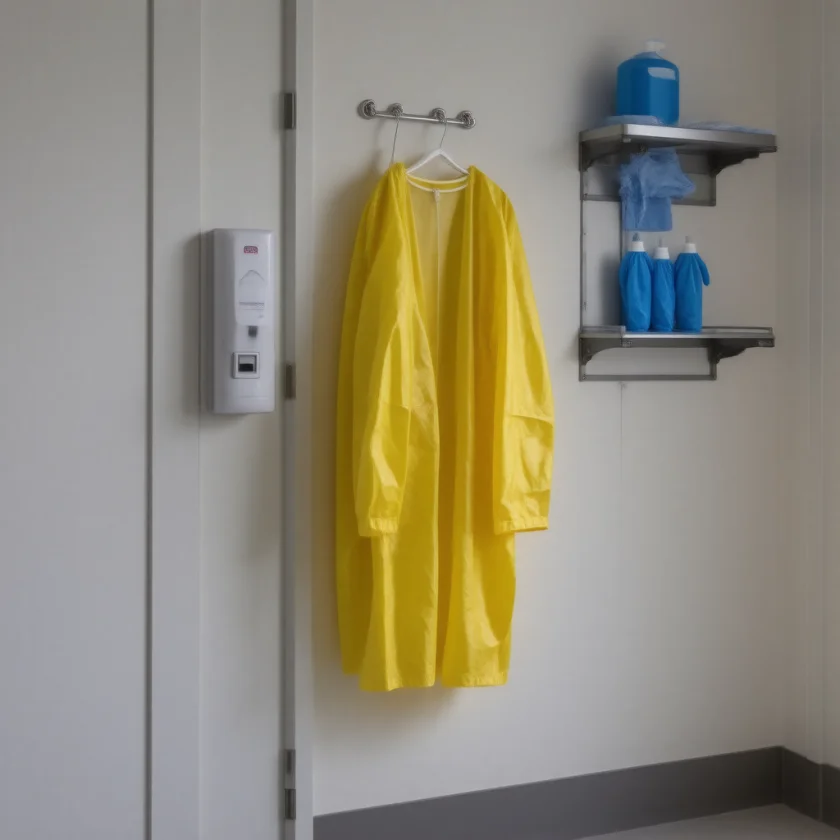
Treating Pseudomonas aeruginosa infections is one of the most challenging problems in clinical medicine. The organism's intrinsic resistance to most antibiotic classes, its ability to rapidly acquire additional resistance mechanisms, and its capacity to form impenetrable biofilms mean that the antibiotic choices available are limited, the dosing must be aggressive, and a wrong empiric choice can be fatal. This hub page summarizes the treatment landscape and links to detailed articles on each major approach.
Antipseudomonal Antibiotics & Combinations
Piperacillin-tazobactam, meropenem, ceftazidime, tobramycin, ciprofloxacin — and how they work together in combination regimens.
Read the deep dive →Hospital Infection Control & Prevention
Contact precautions, hand hygiene, VAP bundles, water system management, and outbreak investigation strategies.
Read the deep dive →Drug Resistance & Novel Therapies
MDR/XDR Pseudomonas resistance mechanisms, ceftolozane-tazobactam, phage therapy, and CRISPR-based approaches.
Read the deep dive →Table of Contents
Core Principles of Anti-Pseudomonal Therapy
Several principles govern treatment decisions for Pseudomonas infections across all clinical settings:
- Never treat empirically without covering Pseudomonas in high-risk settings. In neutropenic fever, VAP, burn wound sepsis, and ICU-acquired infections, empiric therapy must cover P. aeruginosa immediately. Delay increases mortality.
- Susceptibility testing is non-negotiable. Resistance rates are high and variable. An organism susceptible to piperacillin-tazobactam in one hospital may be resistant in another. Empiric therapy must always be refined based on local antibiogram data and individual isolate susceptibility results.
- De-escalate once susceptibility data are available. Dual antipseudomonal therapy is appropriate empirically but narrow therapy is preferred definitively to reduce selection pressure and drug toxicity.
- Optimize pharmacokinetics. Beta-lactams are most effective given by extended infusion (over 3–4 hours) to maximize the time drug concentration exceeds the MIC. Aminoglycosides are most effective given once daily to maximize peak concentration.
- Source control is as important as antibiotics. Infected catheters must be removed. Abscesses must be drained. Infected burn eschar must be debrided. Antibiotics alone cannot eradicate infection when the physical nidus remains.
Beta-Lactams: The Antibiotic Backbone
Anti-pseudomonal beta-lactam antibiotics form the cornerstone of therapy for nearly all serious Pseudomonas infections. They inhibit bacterial cell wall synthesis by binding penicillin-binding proteins and are bactericidal, concentration-independent (time-dependent) killers. The key agents are:
- Piperacillin-tazobactam (Pip-Tazo): The most commonly used empiric agent for hospital-acquired infections with suspected Pseudomonas. Combines a broad-spectrum ureidopenicillin with a beta-lactamase inhibitor. Effective against most non-MDR P. aeruginosa.
- Ceftazidime: Third-generation cephalosporin with strong anti-pseudomonal activity; slightly lower stability against AmpC beta-lactamase than cefepime, but remains widely used.
- Cefepime: Fourth-generation cephalosporin with enhanced stability against AmpC; preferred over ceftazidime in organisms with AmpC derepression.
- Meropenem and imipenem: Carbapenems with broad-spectrum coverage including most P. aeruginosa; reserved for serious infections and MDR isolates. Meropenem is preferred for Pseudomonas (less risk of seizures than imipenem at high doses).
- Aztreonam: A monobactam active against gram-negative aerobes including most P. aeruginosa; useful in penicillin-allergic patients. Also used inhaled for CF lung disease.
Detailed dosing, pharmacokinetics, and combination data: Antipseudomonal Antibiotics and Combinations
Combination Therapy: Two-Drug Approaches
Combination therapy — using two antibiotic classes simultaneously — has been standard practice for serious Pseudomonas infections for decades. The rationale is threefold: broadening empiric coverage in case one agent is inactive, potential synergistic bacterial killing, and reducing the emergence of resistance during therapy.
Common combinations include:
- Beta-lactam + aminoglycoside (e.g., piperacillin-tazobactam + tobramycin)
- Beta-lactam + fluoroquinolone (e.g., meropenem + ciprofloxacin)
- Carbapenem + colistin for carbapenem-resistant strains
The evidence for combination therapy versus monotherapy has been contested by several large meta-analyses showing no mortality benefit in non-neutropenic patients. The current consensus: combination therapy is most justified empirically in neutropenic patients, in critically ill patients with high mortality risk, and when local MDR rates are high. Once susceptibility data confirm a fully susceptible isolate in a stable patient, de-escalation to monotherapy is appropriate.
Inhaled Antibiotics for Lung Infections
For Pseudomonas lung infections where systemic drug delivery is limited by poor penetration into airway mucus or biofilm, inhaled antibiotics deliver drug directly to the infection site at concentrations 10 to 100 times higher than any achievable systemically. Key inhaled agents:
- Inhaled tobramycin (TOBI): Used in CF for chronic P. aeruginosa suppression; 28-day alternating cycles. Also investigated for VAP adjunctive therapy.
- Inhaled aztreonam lysinate (AZLI, Cayston): For CF patients intolerant of tobramycin or with tobramycin-resistant strains.
- Inhaled colistin: Used as adjunctive therapy in MDR Pseudomonas VAP; limited evidence base but growing use in refractory cases.
Infection Control: Stopping Spread
In the hospital, preventing P. aeruginosa from spreading between patients requires a systematic approach targeting all transmission routes. The organism is spread primarily by contaminated hands of healthcare workers, contaminated hospital water systems, and contaminated respiratory therapy equipment.
Core measures include contact precautions for MDR isolates, rigorous hand hygiene with alcohol-based products, environmental cleaning with EPA-registered disinfectants, water system management (flushing stagnant outlets, point-of-use filters in high-risk units), and VAP prevention bundles for ventilated patients. Full details: Hospital Infection Control
When Antibiotics Fail: MDR Pseudomonas
Multidrug-resistant (MDR) P. aeruginosa — resistant to at least one agent in three or more antibiotic classes — now accounts for 15 to 30% of clinical isolates in many hospitals worldwide. Extensively drug-resistant (XDR) strains, resistant to all but one or two drug classes, are increasingly encountered. These situations represent a genuine crisis where patients may die from infections that are essentially untreatable with standard antibiotics.
Novel antibiotic combinations offer some hope: ceftolozane-tazobactam and ceftazidime-avibactam have activity against many MDR strains. Phage therapy — using bacteriophages (viruses that infect bacteria) to kill drug-resistant organisms — is being explored in compassionate use and clinical trials. Full details: Drug Resistance and Novel Therapies
How Long to Treat
The optimal duration of antibiotic therapy for Pseudomonas infections has been refined by large randomized trials. General principles:
- VAP: 7 to 8 days is sufficient for clinical response in most cases. The landmark PneumA trial showed no difference in outcomes between 8 and 15 days for non-fermenting gram-negative VAP, but noted higher recurrence with shorter courses for P. aeruginosa specifically. Current guidelines recommend 7 days as the minimum, with extension to 10 to 14 days for documented Pseudomonas VAP.
- Bacteremia: Minimum 14 days from the first negative blood culture for uncomplicated bacteremia; longer for endovascular or bone/joint involvement.
- CF exacerbations: 14 to 21 days IV antibiotics; then transition to inhaled suppressive therapy.
- Urinary tract infections: 7 to 14 days depending on severity; shorter courses may be adequate for uncomplicated UTI in non-immunocompromised patients with susceptible isolates.
Procalcitonin-guided de-escalation is being studied as a strategy to safely shorten antibiotic courses in ICU patients, potentially reducing resistance selection and drug toxicity without compromising outcomes.