Flavonoids
The Compounds (10)
Anthocyanins
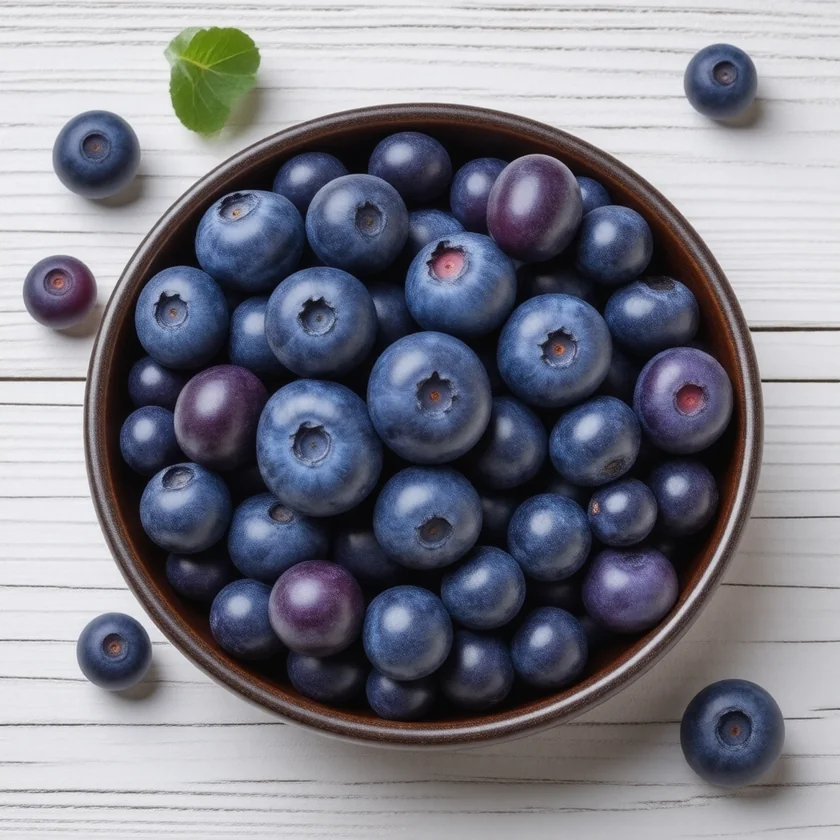
Blue-purple pigments of berries, black rice and red cabbage, poorly absorbed but studied for eye health, cognition, blood pressure and metabolism.
Read the deep dive →Rutin
A quercetin-sugar compound abundant in buckwheat, studied for capillary fragility, varicose veins and hemorrhoids; its anti-clotting effect matters with blood thinners.
Read the deep dive →Quercetin
One of the most common dietary flavonoids, from onions, capers and apples, studied for allergies, immunity, the heart and senolytic trials with dasatinib.
Read the deep dive →Hesperidin
The main flavonoid of citrus peel and pith, with its best trial record in chronic venous disease, plus early work on blood pressure.
Read the deep dive →EGCG
Green tea's most abundant catechin, a strong radical scavenger studied for heart, metabolism and the brain, though poor absorption limits many claims.
Read the deep dive →Apigenin
A flavone concentrated in chamomile and parsley, studied for calm and sleep and for NAD+ preservation, though most evidence is still preclinical.
Read the deep dive →Catechin
The flavan-3-ol family in tea, cocoa, apples and berries, studied for blood vessels and the heart; high-dose green-tea extracts carry a liver-safety caveat.
Read the deep dive →Fisetin
A strawberry flavonol studied as a senolytic that clears aging senescent cells in animal research, with human trials still under way.
Read the deep dive →Luteolin
Found in celery, parsley, thyme and peppers, this flavone is studied for calming brain inflammation and mast cells, mostly in lab and animal research.
Read the deep dive →Taxifolin
Also called dihydroquercetin and extracted from larch wood, this flavonoid is studied for circulation, metabolism and brain protection, mostly in lab and animal work.
Read the deep dive →The largest family of plant polyphenols, and the one most heavily sold as supplements. The recurring problem across these pages is bioavailability: several are poorly absorbed as sold, so a trial result at one dose says little about a capsule at another. Each page gives the form that was actually studied.