⚠ Evidence warning: Clinical trials or other evidence do not support the claims that vitamin C, amla and other antioxidants repair fluoride damage or ease a fluoride detox reaction. This page keeps it as a report of what people, websites or other media say.
Vitamin C and Antioxidants for Fluoride
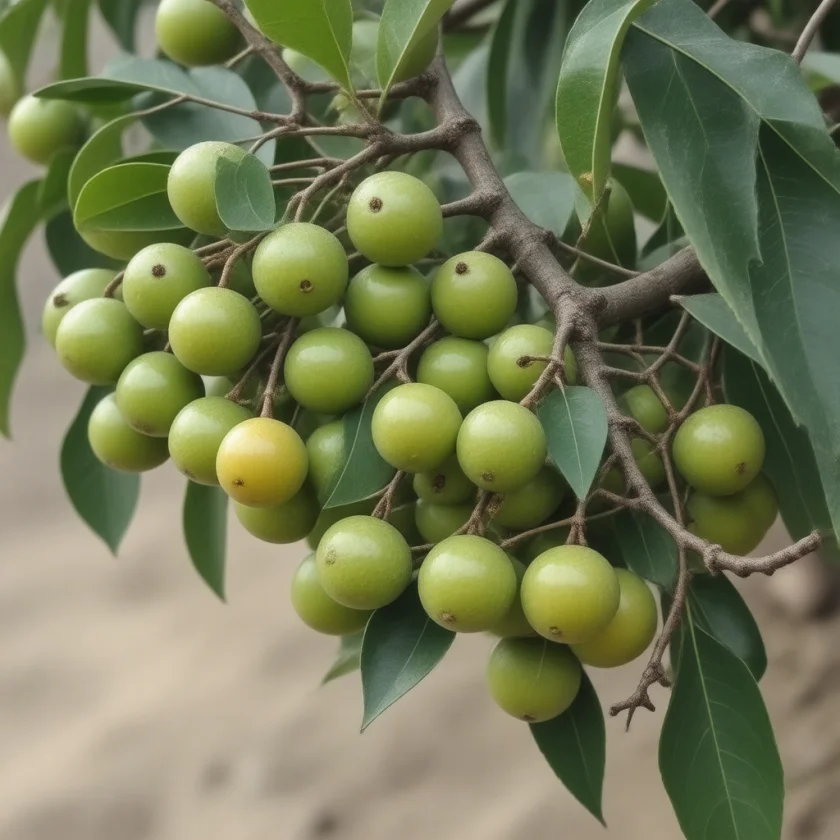
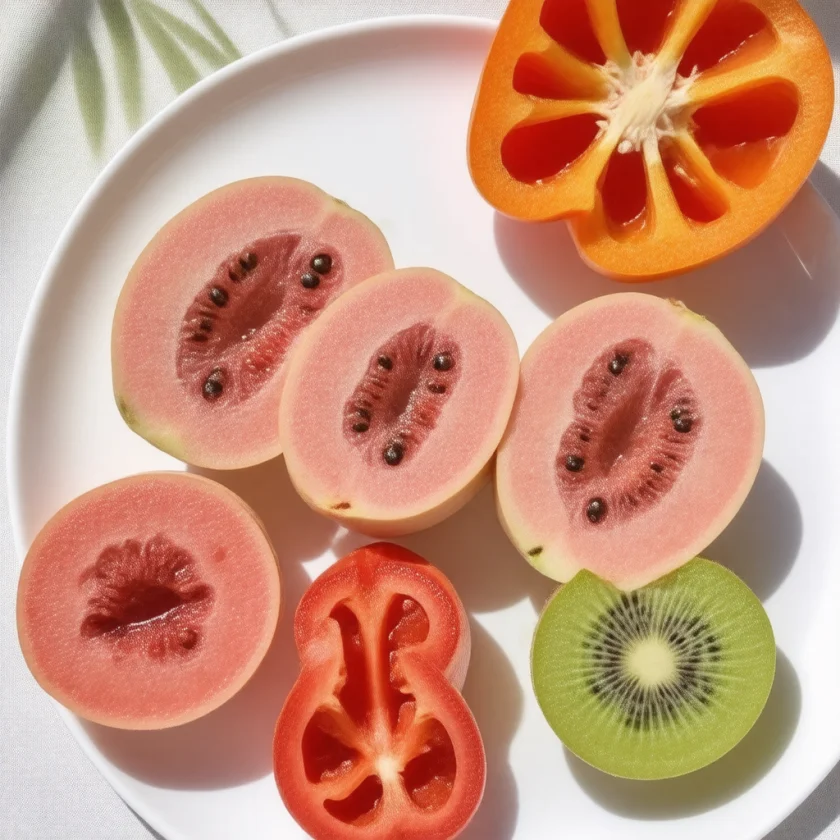
Vitamin C is the one thing that appears in every fluoride protocol ever written, folk or formal. In the Indian villages where fluorosis is endemic, amla — one of the richest natural sources there is — has been part of the answer for as long as anyone has been asking. This is the layer aimed less at moving fluoride out and more at repairing what it does on the way.
Table of Contents
Why Vitamin C Is In Every Protocol
Three reasons get given, and they stack.
- Oxidative stress. The damage attributed to fluoride is described in terms of free radicals — and vitamin C is the front-line water-soluble antioxidant. This is the main reason it is there.
- Collagen. Vitamin C is required to build collagen, and collagen is the protein scaffold that bone and teeth are mineralised onto. People reason that if fluoride has disturbed bone, the repair job needs the raw material. See Skeletal Fluorosis.
- Excretion support. Vitamin C is used as a general aid to clearing things through the kidneys, and it is a standard companion in the iodine protocol for exactly that.
There is a fourth, more practical reason: it is the item people credit with taking the edge off the detox reaction. Whatever it is doing, the reports are consistent that the rough first fortnight is easier with generous vitamin C than without.
What two small Indian studies found. Researchers at a medical college in Jaipur ran a small double-blind trial in 25 children aged 6–12 who drank water containing 4.5 ppm fluoride. The children received vitamin C (ascorbic acid), calcium and vitamin D3, with lactose as the placebo, and the authors reported a significant improvement in dental, clinical and skeletal fluorosis (Gupta 1996). A later study from the same group, in 100 children from four areas with 1.2 to 13.6 mg/L fluoride in their water, found an increasing trend in a marker of oxidative stress (the enzyme superoxide dismutase) as water fluoride rose; after calcium, vitamin D and vitamin C, serum fluoride and that marker fell and urinary fluoride rose (Ailani 2009). Both studies tested the combination, not vitamin C alone.
Amla — the Traditional Source
Amla, the Indian gooseberry (Phyllanthus emblica), deserves its own section because it is not incidental — it is the traditional answer in precisely the regions where fluorosis is worst.
- It is extraordinarily rich in vitamin C, many times what citrus provides by weight, and the vitamin C in it is unusually stable to heat and drying — which is why dried amla powder still works as a source. In a study of 51 Indian amla varieties the fruit averaged about 500 mg of vitamin C per 100 g (up to about 655 mg), and its vitamin C level tracked its tannin content, which the authors linked to how well the vitamin keeps in storage (Pandey 2016).
- It comes with tannins and polyphenols alongside, so people describe it as a whole antioxidant package rather than an isolated vitamin.
- It is a cornerstone of Ayurvedic practice, and one of the three fruits in triphala, which is itself a staple of traditional detox and digestive regimens.
- How people take it: a teaspoon of amla powder in water or juice, fresh or dried fruit, or as part of triphala taken in the evening.
Amla and tamarind together are close to the whole traditional Indian fluorosis remedy, and both are ordinary kitchen ingredients there.
Doses and Forms People Use
| Form | Notes people give |
|---|---|
| Ascorbic acid powder | The cheapest by a distance and the easiest to dose in grams. Sour; taken in water or juice. The form most people taking large amounts use. |
| Sodium or magnesium ascorbate | Buffered — much gentler on the stomach, and the magnesium version brings magnesium along with it. Popular with people who found plain ascorbic acid harsh. |
| Liposomal vitamin C | Expensive; claimed to reach much higher blood levels. Favoured by people who want a large effective dose without the bowel consequences. |
| Whole-food C — amla, acerola, camu camu, rosehip | Lower dose, but taken with the bioflavonoids that naturally accompany it. The traditional choice. |
Amounts people use vary enormously and honestly. Everyday users take 1–3 g a day split into several doses. People running an active protocol go considerably higher and use bowel tolerance to find their own number. Splitting the dose is universal advice — vitamin C clears quickly, so several smaller doses hold levels better than one large one.
Bowel Tolerance
The self-titration method people use, described plainly because it is the practical heart of high-dose vitamin C:
- People start at a gram or so, several times a day.
- They increase the dose gradually until loose stools or gurgling appear.
- That point is called bowel tolerance; users then go back to just below it.
- The claim within this practice is that tolerance rises when the body is under stress and falls when it is not — so the number is expected to move.
The effect is not harmful, just inconvenient: unabsorbed vitamin C pulls water into the bowel. It resolves within hours of reducing the dose.
The Wider Antioxidant Stack
| What | Why it is in the protocol | Typical use |
|---|---|---|
| Vitamin E | The fat-soluble partner to vitamin C — the two are described as regenerating each other, so they are almost always taken together. | Mixed tocopherols preferred over plain alpha-tocopherol. |
| Quercetin | A flavonoid used for its antioxidant and anti-inflammatory reputation; often paired with vitamin C, which is said to recycle it. | Commonly with bromelain to aid absorption. |
| Resveratrol | Popular in the same circles; used for the vascular and brain end. | Usually with a fat-containing meal. |
| Alpha-lipoic acid | Unusual in being both water- and fat-soluble, so it is described as reaching everywhere; also regenerates other antioxidants. | A staple of detox stacks generally. |
| Coenzyme Q10 (CoQ10) | For the mitochondrial and energy side, especially where fatigue is the complaint. | Ubiquinol form preferred; taken with fat. |
| Astaxanthin | A carotenoid from algae; used for eyes, skin and general oxidative load. | Small daily dose with food. |
| Green tea extract | A common antioxidant choice — but see the caution below, because tea is itself a fluoride source. | People running fluoride protocols usually skip this one. |
The green tea catch. Green tea is one of the most popular antioxidants there is — and the tea plant is a fluoride accumulator. Taking green tea extract as part of a fluoride protocol works against the first and most important step, which is stopping the intake. Most people who know this substitute something else. See Green Tea.
Selenium
Selenium sits in this section because it is an antioxidant mineral, but it earns its place for a specific reason: it is the mandatory companion to iodine. The enzymes that protect the thyroid from oxidative damage are built from selenium, and iodine without it is what people blame for thyroid trouble on these protocols.
- Typical use: around 200 mcg a day, or two to three Brazil nuts, which are the richest food source by a wide margin.
- It has a real ceiling. Selenium is one of the narrower windows in nutrition — chronically high intake causes hair loss, brittle nails, a garlic odour on the breath and nerve symptoms. More is emphatically not better here.
- Brazil nut selenium content varies hugely with soil, so people who rely on nuts alone are taking an unknown dose in either direction.
The Food-First Version
- Amla, fresh or powdered — the traditional first choice.
- Acerola cherry and camu camu — the other two very high-C fruits.
- Rosehip, as tea or powder.
- Peppers, especially red bell peppers — higher in vitamin C than citrus.
- Blackcurrants, guava, kiwi, strawberries, citrus.
- Broccoli, kale, Brussels sprouts, parsley — and raw or lightly cooked, since vitamin C is heat-sensitive.
- Brazil nuts for selenium; sunflower seeds and almonds for vitamin E.
Cautions
Before you start. Everything on this page is what people do and report. Some of it is centuries old, some of it is community practice from the last twenty years. Where a substance has a real dose ceiling — boron and iodine above all — the number is given, because the people who get hurt are the ones who assume natural means unlimited. Pregnancy, dialysis, kidney disease, thyroid disease and prescription medicines change the picture: kidneys that work poorly clear oxalate and boron less well, high-dose vitamin C raises urinary oxalate, extra iodine can disturb thyroid function in people with thyroid disease, and high-dose vitamin E affects blood clotting.
- Kidney stones. Very high vitamin C raises urinary oxalate in some people. This matters most for people with a history of calcium-oxalate stones, who are commonly told to keep water intake high.
- Iron overload. Vitamin C markedly increases iron absorption. That matters for people with haemochromatosis or high ferritin; taken away from iron-rich meals, it has less effect on the iron in those meals.
- Glucose-6-phosphate dehydrogenase (G6PD) deficiency — very high-dose vitamin C, especially intravenous, can trigger the breakdown of red blood cells (haemolysis).
- Selenium has a genuine ceiling, described above. A supplement on top of daily Brazil nuts adds up quickly, since the nuts alone supply a large and variable dose.
- Vitamin E and blood thinners — high-dose vitamin E affects clotting. This matters for people on anticoagulants (blood thinners).
- Tapering from a very high dose is what people describe, rather than stopping vitamin C abruptly.
Key Research Papers
- Gupta SK, Gupta RC, Seth AK, Gupta A. Reversal of fluorosis in children. Acta Paediatr Jpn. 1996. — PubMed PMID: 8942013
- Ailani V, Gupta RC, Gupta SK, Gupta K. Oxidative stress in cases of chronic fluoride intoxication. Indian J Clin Biochem. 2009. — PubMed PMID: 23105872
- Pandey G, Pandey D, Tripathi M, Singh A, Mishra M. Studies on bio-chemical profiling of Indian gooseberry (Emblica officinalis) for genetic diversity. J Environ Biol. 2016. — PubMed PMID: 27097435
Connections
- Fluoride Chelation — the full toolkit
- Iodine — selenium and vitamin C are its companions
- Amino Acids and Glutathione — the next antioxidant layer down
- Herbs — amla, triphala and tamarind
- Vitamin C
- Antioxidants
- Free Radicals & Your Antioxidant Network — animation
- Fluoride Toxicity
- Fluoride in Water