⚠ Evidence warning: Clinical trials or other evidence do not support the claim that massage produces small improvements in perceived fatigue after hard exercise. This page keeps it as a report of what people, websites or other media say.
Massage Therapy
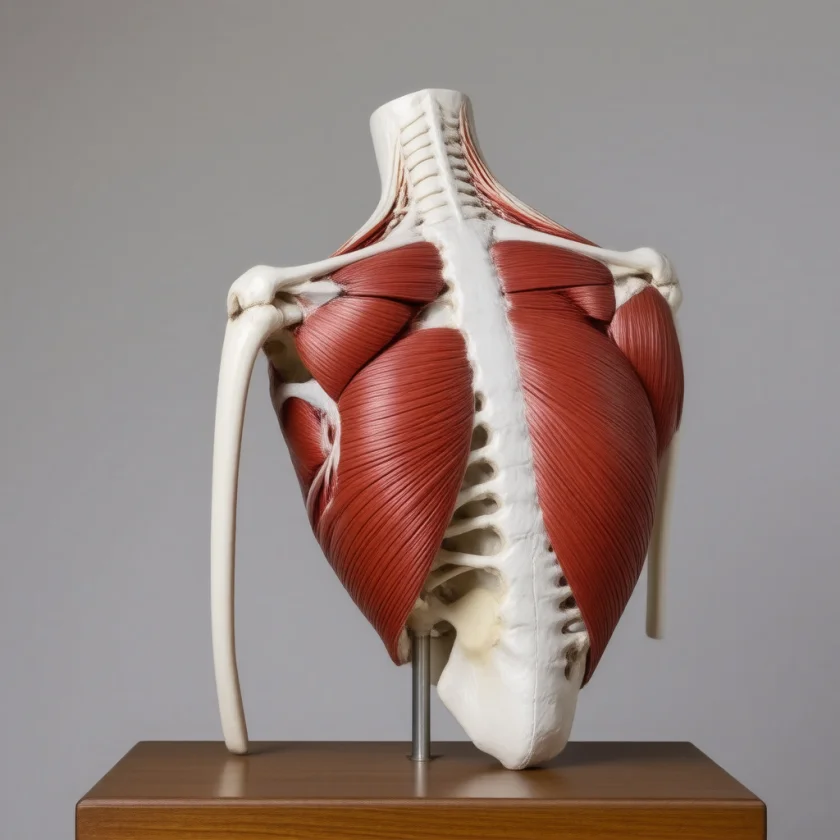
Massage therapy is one of the oldest and most familiar hands-on health practices in the world: a trained therapist uses their hands, forearms, and sometimes elbows to press, knead, stroke, and stretch the soft tissues of the body. People reach for it to ease sore muscles, unwind after a stressful week, sleep better, or simply feel cared for. The good news is that massage is genuinely well-liked, pleasant, and very low-risk for most people. The honest news is that its measurable benefits, while real, are usually modest and short-lived — a session may loosen a tight back or calm a racing mind for hours or days, but it is rarely a cure. This page walks through what massage is, the main styles you will encounter, where the evidence is strongest (low-back and neck pain), where it is promising but limited (mood, sleep, cancer symptom relief, athletic recovery), how it might actually work, and what is known about safety and choosing a therapist.
Table of Contents
- What Massage Therapy Is
- The Main Modalities
- Low-Back and Neck Pain
- Anxiety, Stress, and Depression
- Sleep
- Cancer-Care Symptom Relief
- Athletic Recovery and Muscle Soreness
- How Massage May Work
- Safety and Situations That Call for Caution
- What to Expect and Choosing a Therapist
- Key Research Papers
- Connections
- Featured Videos
What Massage Therapy Is
At its simplest, massage is the structured, intentional manipulation of the body's soft tissues — muscles, tendons, ligaments, and the connective tissue (fascia) that wraps around them. A therapist applies pressure and movement, usually with a lubricant such as oil or lotion, to relax tight muscles, ease pain, and produce a general sense of calm. Sessions typically run 30 to 90 minutes on a padded table, though chair massage (fully clothed, seated) is common at airports, offices, and events.
Massage sits within a family of "manual therapies" alongside things like chiropractic adjustment and physical therapy, but its emphasis is on soft tissue rather than joint manipulation. Cultures around the world developed their own traditions independently — Swedish massage in 19th-century Europe, Thai massage rooted in older Indian and Southeast Asian practices, shiatsu in Japan — which is why the styles below can feel so different from one another.
It helps to be clear about what massage is not. It is not a substitute for medical care, it does not "detoxify" the body or "flush out toxins," and it cannot physically break up scar tissue or realign your skeleton with a single session. What it reliably does is feel good, reduce muscle tension, and shift the nervous system toward a calmer, more restful state — and for many everyday complaints, that is genuinely useful.
The Main Modalities
"Massage" is really an umbrella term for many hands-on styles. Most therapists blend techniques, but it helps to know the major families so you can ask for what suits you.
Swedish massage
The default in most Western spas and clinics. It uses long gliding strokes, kneading, and light-to-moderate pressure to relax the whole body. It is the usual choice for people who simply want to unwind.
Deep tissue massage
Slower, firmer work that targets deeper muscle layers and knots. It can help chronic tension but is meant to be "firm, not injurious" — good pressure feels like a satisfying ache, not sharp pain. More pressure is not automatically more effective.
Sports massage
Techniques adapted for athletes, used before, during, or after activity to prepare muscles, aid recovery, and address overuse. It borrows heavily from Swedish and deep-tissue methods with sport-specific stretching.
Trigger-point therapy
Focused, sustained pressure on tender "knots" (trigger points) that can refer pain elsewhere — for example, a knot in the upper back sending pain into the head. Sessions are more targeted and less about whole-body relaxation.
Shiatsu and acupressure
Japanese-origin bodywork done through clothing, using finger and palm pressure along traditional energy channels (the same map used in acupuncture). Recipients often describe it as both firm and deeply relaxing.
Thai massage
An active, assisted-stretching style performed on a floor mat with the client clothed. The therapist uses their hands, feet, and body weight to move you through yoga-like positions — sometimes called "lazy person's yoga."
Lymphatic drainage massage
Very light, rhythmic strokes intended to encourage the flow of lymph fluid. It has a legitimate, well-defined medical role in managing lymphedema (often after cancer surgery or lymph-node removal), where it is usually delivered by specially trained therapists as part of a broader treatment program. Outside that specific use, claims that it "detoxifies" the body are not supported.
Low-Back and Neck Pain: The Best-Supported Uses
If there is one place where massage has the strongest evidence, it is common muscle-and-joint pain of the low back and neck. These are also the reasons most people seek it out.
A Cochrane systematic review of massage for low-back pain concluded that massage might help, especially for chronic (long-standing) pain, improving pain and function in the short term when compared with sham treatment or no treatment. Crucially, the reviewers rated the overall quality of evidence as low to very low and noted the benefits did not clearly last over the long term. In plain terms: massage often makes a sore back feel better for a while, but the research does not show a lasting fix from massage alone.
A landmark randomized trial by Cherkin and colleagues put this to the test in real patients with chronic low-back pain. Both relaxation (Swedish) massage and more targeted structural massage improved function and symptoms more than usual care at 10 weeks — and interestingly, the two massage styles worked about equally well, hinting that the general experience of skilled, caring touch matters as much as any specific technique. The advantage had largely faded by one year.
For the neck, a separate Cochrane review of massage for mechanical neck disorders found the evidence too sparse and inconsistent to draw firm conclusions — many small studies of varying quality, no clear verdict. So neck pain relief from massage is plausible and commonly reported, but less well proven than for the low back.
Broader reviews give a mixed picture. A 2015 systematic review in the Journal of Physiotherapy (Bervoets and colleagues) found that, compared with no treatment, massage reduced pain in the short term in people with shoulder pain and knee osteoarthritis, but not in those with low-back or neck pain; it improved function in the short term in low-back pain, knee arthritis and shoulder pain. Compared with other active treatments, no clear benefit was evident. Massage also performed reasonably well in a randomized trial for knee osteoarthritis, easing pain and stiffness over eight weeks. The honest summary: massage is a pleasant, low-risk option for aching backs, necks, and joints, and the benefits the research measures are short-term.
Anxiety, Stress, and Depression
Beyond sore muscles, the most consistent thing people report from massage is feeling calmer. Here the evidence is actually fairly encouraging — more so than many complementary therapies.
An influential meta-analysis by Moyer and colleagues pooled decades of massage research and found that a course of several massage sessions reduced trait anxiety (a person's general tendency to feel anxious) and depression by amounts comparable to psychotherapy in some analyses. A single session reliably reduced state anxiety (anxiety in the moment) and blood pressure, though not lasting mood. A later review of massage for psychiatric conditions reached a similar cautiously positive conclusion: massage appears helpful as a supportive, add-on therapy for anxiety and depressive symptoms, while noting that studies are often small and hard to blind.
The practical takeaway is sensible: massage is a reasonable, low-risk way to take the edge off everyday stress and anxious tension, and it may lift mood as a complement to standard care. It is not a stand-alone treatment for a diagnosed anxiety disorder or depression — but as one supportive piece alongside therapy, exercise, and medical treatment, it has a genuine place.
Sleep
Many people fall asleep on the table, and better sleep is one of the most common things clients hope for. The research here is thinner and lower-quality than for pain or anxiety, but it points in a plausible direction. Because massage lowers physical tension and shifts the nervous system toward a calmer, "rest-and-digest" state (see mechanisms below), it is reasonable that it can help you drift off and sleep more soundly, at least on the nights around a session.
Reviews of massage across many conditions — including in people with chronic illness, cancer, and anxiety — frequently note improved sleep among the reported benefits. But most of these findings come from small studies with weak controls, and the effect on sleep is usually a secondary outcome rather than the main focus. So it is fair to say massage may improve sleep, especially when poor sleep is driven by pain or stress, without overpromising that it treats a genuine sleep disorder like chronic insomnia.
Cancer-Care Symptom Relief
Massage has become a widely offered part of supportive (palliative) cancer care — not as a treatment for the disease, but to help people feel better while going through it. This is an important distinction: no credible evidence suggests massage slows, shrinks, or cures cancer, and claims that it does are not supported.
What massage genuinely appears to offer people with cancer is comfort. A meta-analysis of massage for cancer pain found it produced meaningful short-term reductions in pain intensity. Major cancer centers now integrate gentle massage into their programs to help with pain, anxiety, nausea, fatigue, and the simple distress of being unwell — effects that tend to be modest and temporary but are still valued by patients and families.
Safety is paramount in this setting. Massage in cancer care is usually gentle and delivered by therapists specifically trained in oncology massage, who know to avoid tumor sites, surgical wounds, radiation fields, and areas affected by low blood counts or clotting problems. Done thoughtfully, it is a compassionate and low-risk comfort measure; done carelessly, it can cause harm.
Athletic Recovery and Muscle Soreness
Massage is a fixture in locker rooms and sports clinics, and athletes swear by it. Here it is worth being especially honest, because the popular claims run well ahead of the data.
A systematic review and meta-analysis by Guo and colleagues found that massage does help with delayed-onset muscle soreness (DOMS) — the stiffness and ache that peaks a day or two after hard or unfamiliar exercise. Soreness ratings fell at 24, 48 and 72 hours after hard exercise, with the largest effect at 48 and 72 hours. Massage also produced small improvements in perceived fatigue. Massage also improved measures of muscle performance — maximal isometric force and peak torque — and lowered blood creatine kinase, a marker of muscle damage. The authors concluded that massage after strenuous exercise could be effective for easing DOMS and improving muscle performance.
Two popular ideas deserve gentle correction. First, massage does not "flush lactic acid" out of muscles — lactate clears on its own within an hour or so of stopping exercise and is not the cause of next-day soreness. Second, while massage feels great and the Guo review found it reduced soreness and improved short-term measures of muscle force, these are recovery measures; massage has not been shown to make anyone stronger or faster than before. Used for how it makes you feel — looser, calmer, less sore — it is a fine part of a training routine, best paired with sensible training, sleep, and nutrition.
How Massage May Work: Proposed Mechanisms
No single mechanism fully explains massage, and researchers are honest that a lot remains uncertain. Several plausible pathways probably act together.
Mechanical effects on tissue
Pressure and stretching can temporarily reduce muscle stiffness, increase the pliability of tissue, and ease the tension in tight, guarded muscles. This is a real, immediate effect — though claims that massage physically "breaks down" scar tissue, knots, or fascia adhesions are largely unproven and probably overstated.
Neurological "gate control"
According to the gate-control theory of pain, the pleasant sensation of firm touch travels along fast nerve fibers that can partly "close the gate" on slower pain signals heading to the brain. In everyday terms, the comforting input of touch competes with and dampens the perception of pain — part of why rubbing a sore spot instinctively helps.
Parasympathetic shift and cortisol
Massage tends to nudge the autonomic nervous system away from "fight-or-flight" and toward the calming parasympathetic ("rest-and-digest") state: heart rate and blood pressure ease, breathing slows. A controlled study by Rapaport and colleagues found that even a single Swedish massage produced measurable changes in stress-related hormones and immune markers, compared with light touch, it caused a large drop in vasopressin (a stress-related hormone) and a small drop in cortisol, with no effect on oxytocin, along with changes in circulating immune cells. Effects like these are real but generally short-lived, which fits the pattern of benefits fading between sessions.
Circulation: myth versus reality
Massage does briefly increase blood flow to the skin and worked-on muscles — that warm, flushed feeling is real. But the popular idea that it dramatically boosts whole-body circulation, "detoxifies" the blood, or flushes waste products out of muscles is not well supported. The honest picture is a modest, local, temporary bump in blood flow, not a systemic cleanse.
Safety and Situations That Call for Caution
For most healthy people, massage is remarkably safe. A review of massage safety by Ernst found that serious adverse events are rare and mostly linked to exotic types of massage or to massage given by untrained laypeople, with trained massage therapists rarely implicated — not to ordinary, competent massage. The most common side effects are mild and short-lived: temporary soreness, tenderness, or slight bruising.
That said, massage is not right for everyone, and some situations call for real caution:
- Blood clots (deep vein thrombosis, DVT) or clotting disorders. Vigorous massage of a leg with a deep-vein thrombosis can dislodge the clot: Ernst's 2003 review of reported harms from massage lists pulmonary embolism (a clot carried to the lungs) among them. Sudden shortness of breath or chest pain is a sign of pulmonary embolism that hospitals treat as an emergency.
- Low platelets or blood-thinning medication. A tendency to bleed or bruise easily means firm pressure can cause bruising or bleeding; Ernst's review lists haematoma (a pool of blood under the skin) among reported harms. Gentle techniques carry less of this risk.
- Certain cancers and cancer treatment. Oncology-massage training keeps direct pressure off tumors, recent surgical sites, radiation fields, and areas of bone weakened by disease, which can break under firm pressure.
- Pregnancy. Prenatal massage is widely used and generally considered safe when done by a therapist trained for it, with proper positioning. That general view covers ordinary pregnancies; a high-risk pregnancy is the main exception.
- Fragile bones, recent injuries, or infections. Osteoporosis, fractures, open wounds, skin infections, rashes, burns, or a fever are all reasons to postpone or heavily modify massage.
- Uncontrolled conditions. Poorly controlled high blood pressure, unstable heart disease, or severe pain-sensitivity conditions call for a gentle, modified approach from a skilled therapist.
The conditions above change what is safe, which is why therapists ask about medical history and medications before a first session. A good therapist welcomes that information and adapts accordingly.
What to Expect and Choosing a Licensed Therapist
A typical session starts with a short intake: the therapist asks about your health, any sore spots, and your goals, then leaves the room while you undress to your comfort level and lie on the table under a sheet or towel (you are draped for privacy throughout, with only the area being worked on uncovered). You can stay fully clothed for chair, Thai, or shiatsu massage. During the session, clients can speak up at any time — about pressure, temperature, music, or any spot that hurts. "A little lighter, please" is a completely normal thing to say.
Afterward you may feel deeply relaxed or a little spaced-out; some people notice mild soreness the next day, much like after exercise. Drinking water and taking it easy is sensible, though not because you are "flushing toxins."
What helps in choosing a therapist:
- Licensing and certification. In most U.S. states, massage therapists must be licensed; credentials like LMT (Licensed Massage Therapist) or national board certification signal formal training and ethics standards.
- Style and goal. Swedish is the usual style for relaxation, deep tissue or trigger-point work for a chronic knot, sports massage for athletes, and oncology massage for people going through cancer treatment.
- Professionalism. A clean space, clear draping, respect for your boundaries, and a therapist who listens. Anything that feels inappropriate is a reason to end the session.
- Health history. Conditions, injuries, pregnancy, and medications shared up front let the therapist adapt the session.
- Realistic expectations. In the research, massage works as comfort and maintenance — genuinely helpful, low-risk, and pleasant, but usually giving relief that is welcome rather than long-lasting. For persistent pain or medical problems, it is used alongside, not instead of, other care.
Key Research Papers
- Furlan AD, Giraldo M, Baskwill A, et al. Massage for low-back pain. Cochrane Database of Systematic Reviews. 2015;(9):CD001929. — The key honest anchor: massage may help chronic low-back pain short-term, but the evidence is low quality and benefits do not clearly last. — doi:10.1002/14651858.CD001929.pub3
- Patel KC, Gross A, Graham N, et al. Massage for mechanical neck disorders. Cochrane Database of Systematic Reviews. 2012;CD004871. — Found the evidence for neck pain too sparse and inconsistent to reach firm conclusions. — doi:10.1002/14651858.CD004871.pub4
- Cherkin DC, Sherman KJ, Kahn J, et al. A comparison of the effects of 2 types of massage and usual care on chronic low back pain: a randomized, controlled trial. Annals of Internal Medicine. 2011;155(1):1-9. — Both relaxation and structural massage beat usual care at 10 weeks and worked about equally; the benefit faded by one year. — doi:10.7326/0003-4819-155-1-201107050-00002
- Crawford C, Boyd C, Paat CF, et al. The impact of massage therapy on function in pain populations — a systematic review and meta-analysis of randomized controlled trials. Pain Medicine. 2016;17(7):1353-1375. — Concluded massage should be strongly recommended for pain, while acknowledging variable study quality. — doi:10.1093/pm/pnw099
- Bervoets DC, Luijsterburg PA, Alessie JJ, et al. Massage therapy has short-term benefits for people with common musculoskeletal disorders compared to no treatment: a systematic review. Journal of Physiotherapy. 2015;61(3):106-116. — Short-term pain relief versus no treatment for shoulder pain and knee osteoarthritis (not low-back or neck pain), short-term function gains, and no clear benefit over other active therapies. — doi:10.1016/j.jphys.2015.05.018
- Perlman AI, Sabina A, Williams AL, et al. Massage therapy for osteoarthritis of the knee: a randomized controlled trial. Archives of Internal Medicine. 2006;166(22):2533. — Eight weeks of Swedish massage improved knee pain, stiffness, and function versus a waitlist. — doi:10.1001/archinte.166.22.2533
- Moyer CA, Rounds J, Hannum JW. A meta-analysis of massage therapy research. Psychological Bulletin. 2004;130(1):3-18. — Pooled decades of trials; a course of massage reduced trait anxiety and depression, and single sessions eased state anxiety and blood pressure. — doi:10.1037/0033-2909.130.1.3
- Rapaport MH, Schettler PJ, Larson ER, et al. Massage therapy for psychiatric disorders. Focus (American Psychiatric Publishing). 2018;16(1):24-31. — A cautiously positive review of massage as a supportive, add-on therapy for anxiety and depressive symptoms. — doi:10.1176/appi.focus.20170043
- Rapaport MH, Schettler P, Bresee C. A preliminary study of the effects of a single session of Swedish massage on hypothalamic-pituitary-adrenal and immune function in normal individuals. The Journal of Alternative and Complementary Medicine. 2010;16(10):1079-1088. — Versus light touch, a single massage lowered vasopressin (large effect) and cortisol (small effect), with no oxytocin effect, and changed immune markers. — doi:10.1089/acm.2009.0634
- Lee SH, Kim JY, Yeo S, et al. Meta-analysis of massage therapy on cancer pain. Integrative Cancer Therapies. 2015;14(4):297-304. — Massage produced meaningful short-term reductions in cancer pain as a supportive comfort measure. — doi:10.1177/1534735415572885
- Guo J, Li L, Gong Y, et al. Massage alleviates delayed onset muscle soreness after strenuous exercise: a systematic review and meta-analysis. Frontiers in Physiology. 2017;8:747. — Massage reduced DOMS at 24–72 hours, improved maximal isometric force and peak torque, and lowered creatine kinase. — doi:10.3389/fphys.2017.00747
- Ernst E. The safety of massage therapy. Rheumatology (Oxford). 2003;42(9):1101-1106. — Serious adverse events (including pulmonary embolism and haematoma among reported cases) are rare and mostly tied to exotic techniques or laypeople, rarely to massage therapists. — doi:10.1093/rheumatology/keg306