Pharmacology
The Two Categories
Pharmacologists (31)
The people who built the science of medicines, from Dioscorides and Paracelsus to the Nobel laureates who explained how drugs act on cells and receptors.
Read the deep dive →Drugs (19)
One wing per drug, from Methylene Blue, aspirin and metformin to nicotine, lithium carbonate and rapamycin, with trials, safety findings and history.
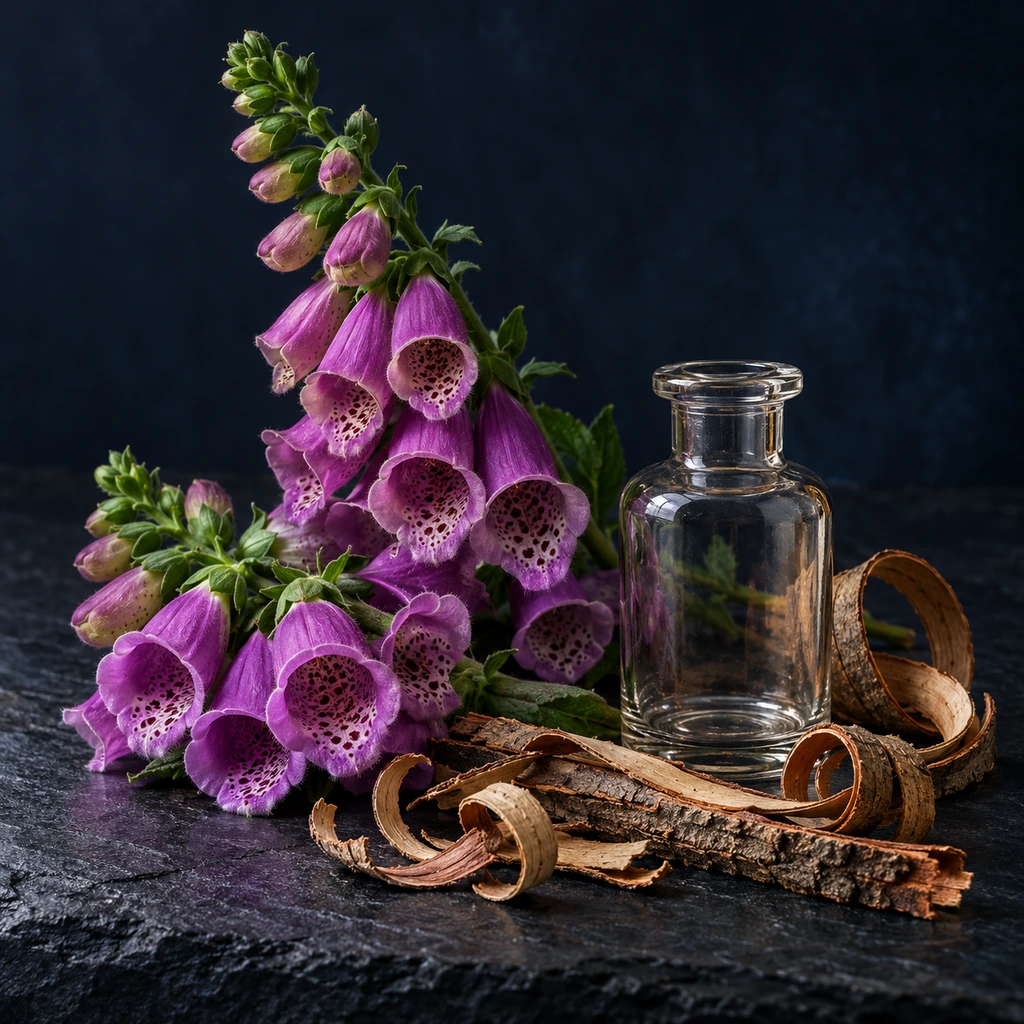
Read the deep dive →The story of pharmacology, the science of how medicines act on the body, told through the people who built it. It begins with the plant healers: Dioscorides’ herbal of about 600 remedies, Avicenna’s Canon, Paracelsus and “the dose makes the poison”. It runs through the age of plant alkaloids, when morphine, quinine and digitalis were drawn out of opium, cinchona bark and foxglove, and through the first laboratories of pharmacology in the nineteenth century, aspirin from the willow-bark tradition, and methylene blue, the first synthetic antimalarial. It reaches the years after the Second World War, with penicillin, lithium, chlorpromazine and hormones made from wild yam, and ends with the Nobel laureates who explained how drugs work at the level of cells and receptors. The section has two halves: the people, and the drugs themselves.
Connections
- Pharmacologists
- Drugs
- All Notable Doctors
- Infection and Microbiology
- Genetics and Molecular Biology
- Immunology and Immunotherapy
- Metabolism and Nutrition
- Cell Biology and Physiology
- Neuroscience and the Senses
- Medical Technology and Surgery
- Nutrition and Orthomolecular
- Contemporary Practitioners
- Public Health and Institutional Medicine