Medical Technology and Surgery
The People (9)
Theodor Kocher
Swiss surgeon Theodor Kocher (1841–1917), Bern's chair of surgery, who made thyroid surgery safe and learned what the gland does; the first surgeon Nobel laureate (1909).
Read the deep dive →Willem Einthoven
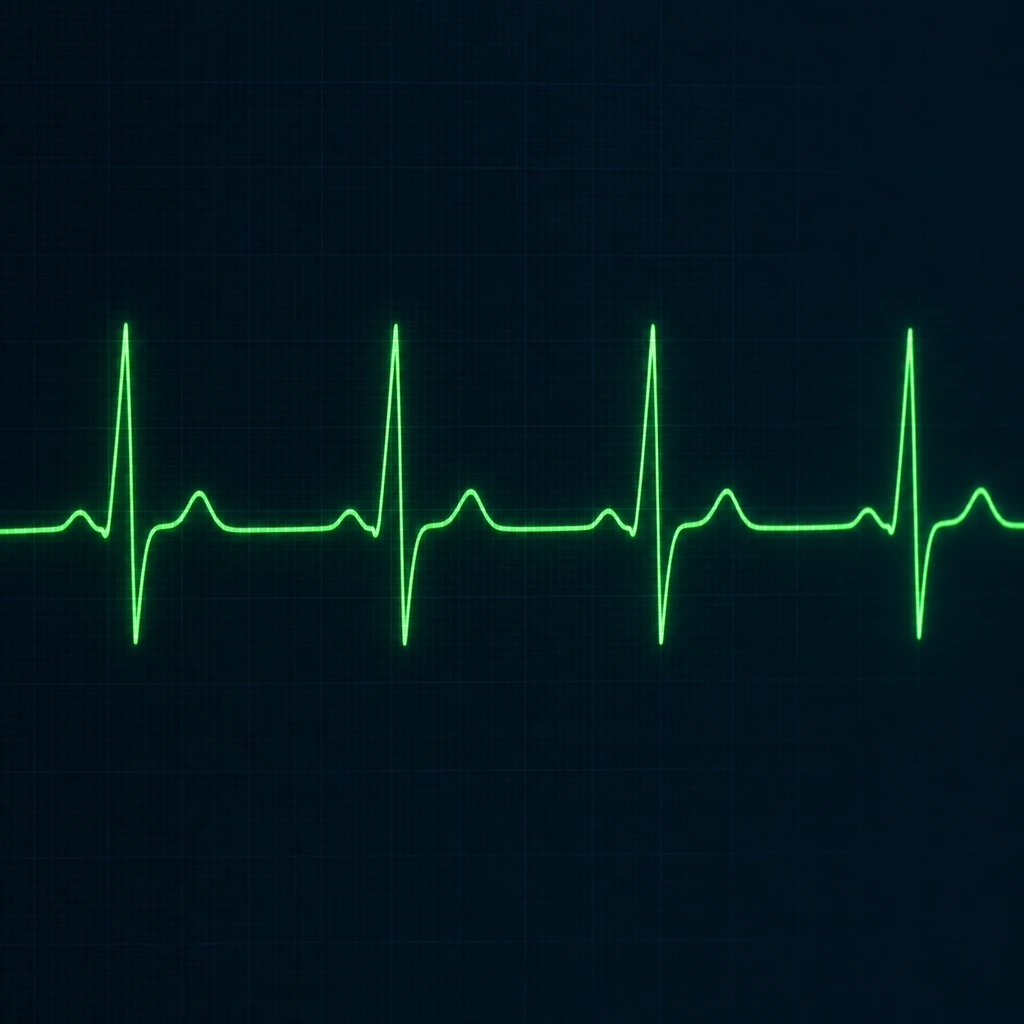
Dutch physiologist Willem Einthoven (1860–1927), who built the string galvanometer at Leiden and established the electrocardiogram, the heart tracing still used today (Nobel 1924).
Read the deep dive →Niels Finsen
Faroese-born Danish physician Niels Finsen (1860–1904), who treated the facial skin infection lupus vulgaris with concentrated light and founded Copenhagen's Medical Light Institute (Nobel 1903).
Read the deep dive →Forssmann Cournand Richards
German surgeon Werner Forssmann catheterised his own heart in 1929; André Cournand and Dickinson Richards turned it into a way to measure the heart (Nobel 1956).
Read the deep dive →Rosalyn Yalow
American physicist Rosalyn Yalow (1921–2011), who with Solomon Berson invented radioimmunoassay at the Bronx VA hospital, the basis of modern blood hormone tests (Nobel 1977).
Read the deep dive →Murray Thomas
American physicians Joseph Murray, who performed the 1954 identical-twin kidney transplant, and E. Donnall Thomas, who pioneered bone-marrow transplantation (Nobel 1990).
Read the deep dive →Cormack Hounsfield
South African-born physicist Allan Cormack and English engineer Godfrey Hounsfield independently developed the mathematics and the machine behind the computed tomography (CT) scan (Nobel 1979).
Read the deep dive →Robert Edwards
Cambridge physiologist Robert Edwards (1925–2013), who with gynaecologist Patrick Steptoe developed in vitro fertilisation, leading to Louise Brown's birth in 1978 (Nobel 2010).
Read the deep dive →Lauterbur Mansfield
American chemist Paul Lauterbur and British physicist Peter Mansfield turned nuclear magnetic resonance into imaging, and Mansfield made it fast with echo-planar scanning (Nobel 2003).
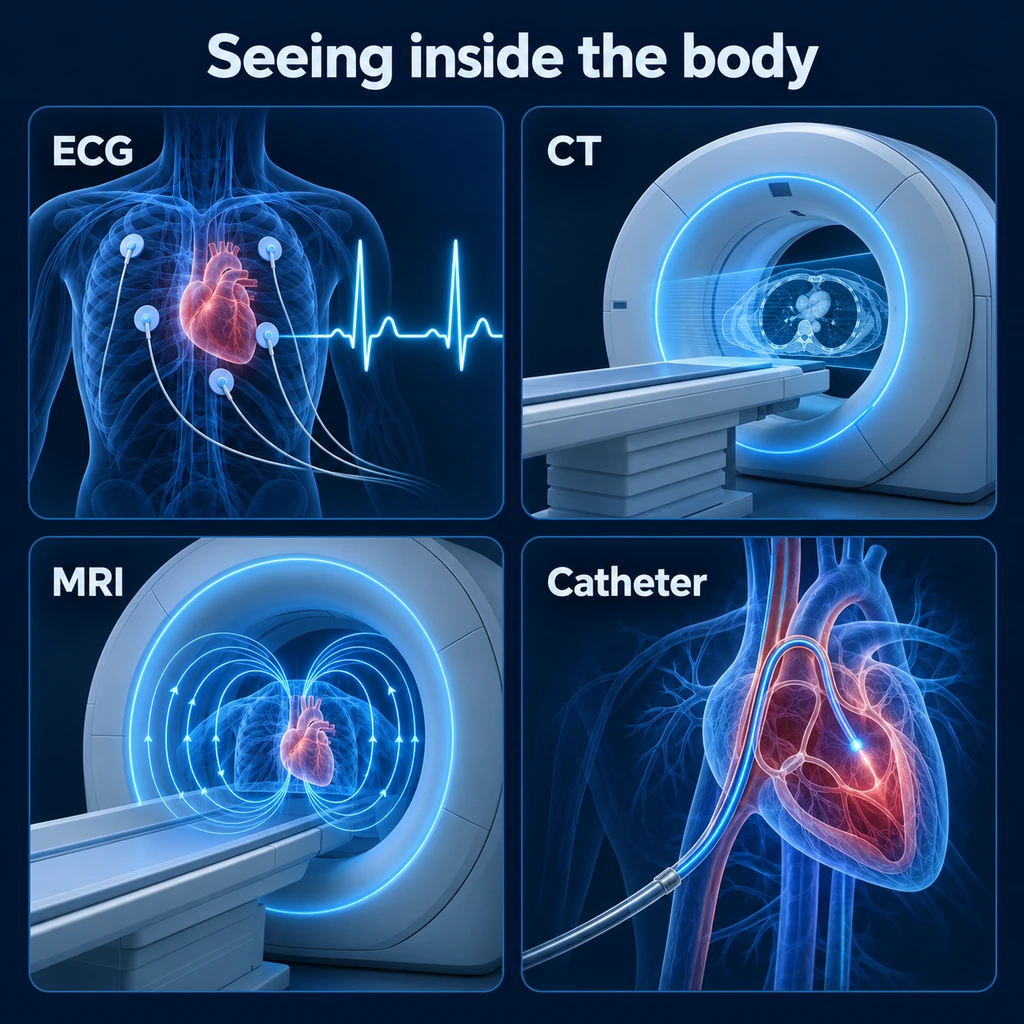
Read the deep dive →Everyone in this group is a Nobel laureate in Physiology or Medicine, grouped by what the prize was awarded for. These prizes honoured work that gave medicine a machine, a test or a procedure — thyroid surgery, light treatment, the electrocardiogram (ECG), cardiac catheterisation, radioimmunoassay, the computed tomography (CT) scanner, organ and bone-marrow transplantation, in vitro fertilisation (IVF) and magnetic resonance imaging (MRI) — even where the official prize citation calls the work a discovery, as the 1924, 1956, 1990 and 2003 citations do. Several of these laureates never treated a patient. The French surgeon Alexis Carrel, awarded the 1912 prize "in recognition of his work on vascular suture and the transplantation of blood vessels and organs", fits the same group.