Oral Submucous Fibrosis: A Condition Caused by Areca Nut Chewing
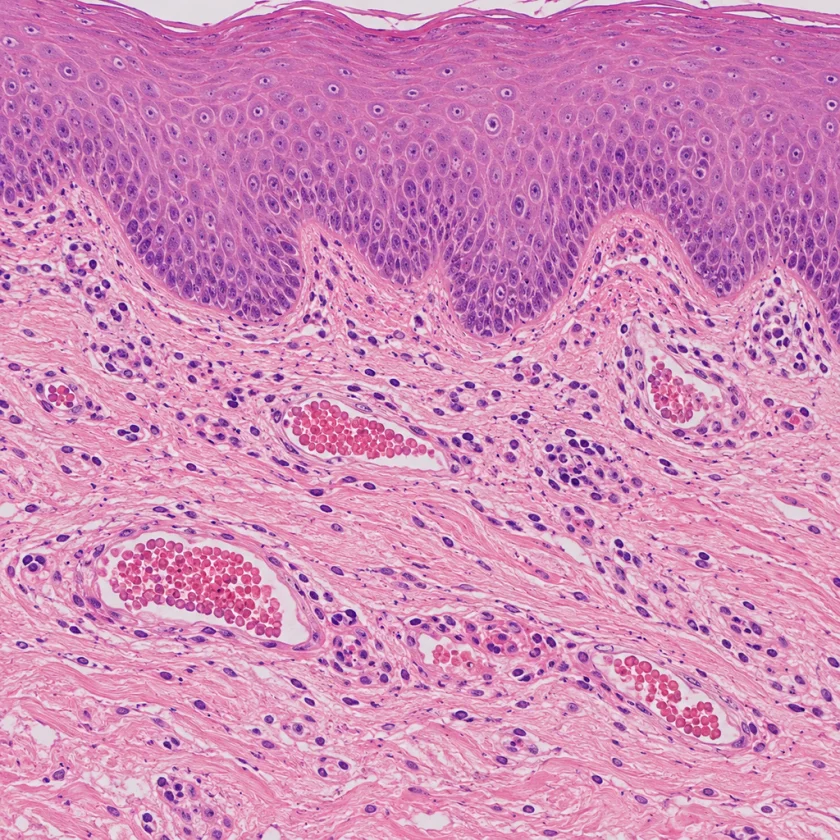
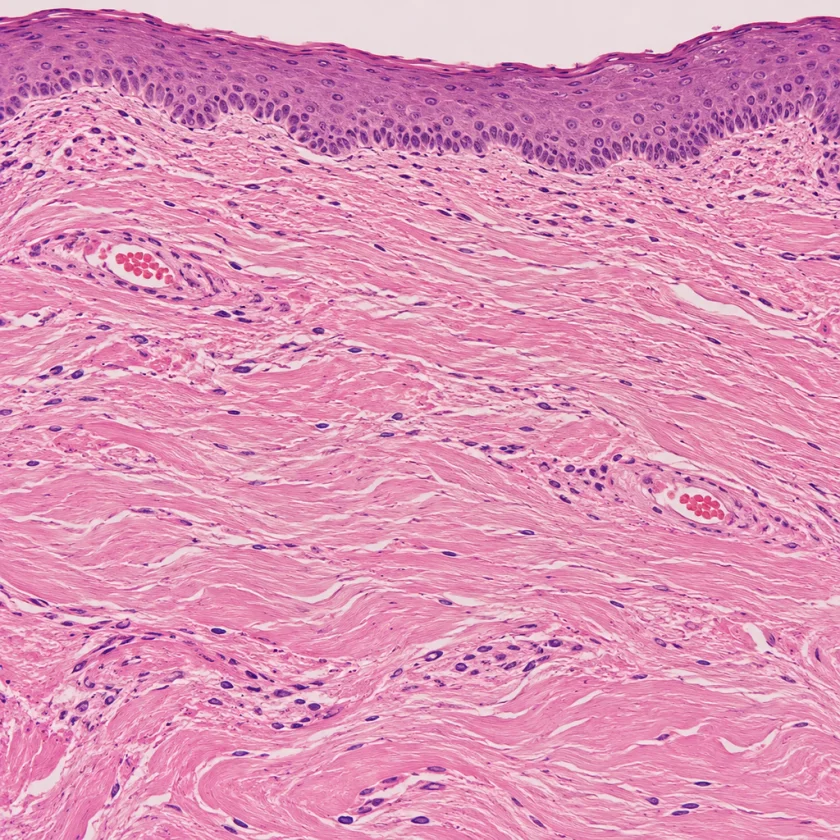
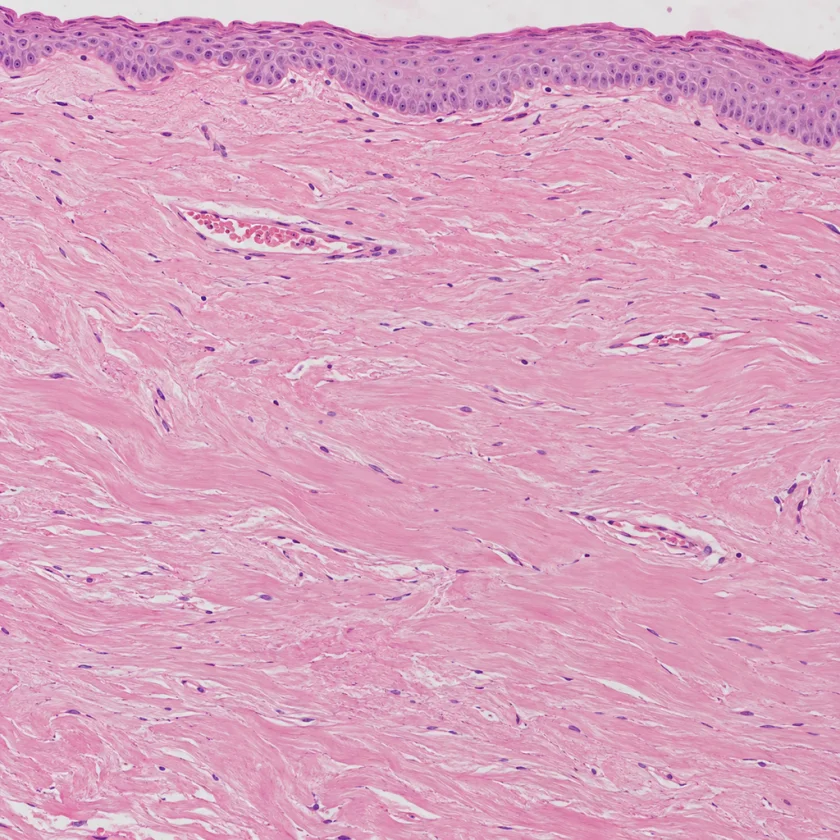
Oral cancer is what gets the headlines about areca nut. Oral submucous fibrosis is what chewers most need to know how to recognise, because it arrives earlier, it is visible, and catching it early is the one thing that reliably changes what happens next.
It is a chronic, progressive scarring of the lining of the mouth. The soft, elastic tissue inside the cheeks and across the soft palate gradually stiffens into pale, inelastic, fibrous bands. As it advances the mouth opens less and less widely, until eating, dental treatment and eventually speech become difficult. It is caused by chewing areca nut, it is largely irreversible once established, and it is a recognised oral potentially malignant disorder — a condition from which cancer can develop.
The reason this article exists separately from the cancer article is a practical one. Cancer is what you want to prevent; submucous fibrosis is what you can actually notice, in yourself, this week. Its first symptom is a burning sensation when eating spicy food — a complaint so ordinary that almost everybody who develops it dismisses it for years.
Table of Contents
- What the Condition Actually Is
- The First Signs, and Why They Get Ignored
- What a Clinician Sees and Feels
- Mouth Opening and Clinical Staging
- The Cause: Areca Nut, With or Without Tobacco
- Why It Now Appears in Teenagers
- What Is Happening in the Tissue
- Premalignant Status and Transformation
- Course, Reversibility, and What Stopping Achieves
- Treatments: What Exists, How Well It Works
- Living With a Restricted Mouth Opening
- When to Seek Help, and What to Ask For
- Evidence Tiers on This Page
- Key Research Papers
- Connections
- Featured Videos
What the Condition Actually Is
The lining of a healthy mouth is soft and stretchy. Underneath the surface layer sits loose connective tissue with a generous blood supply, and that layer is what lets the cheek balloon out when you fill your mouth with air, or fold flat when you bite.
In oral submucous fibrosis that layer is replaced by dense, poorly vascular, collagen-rich scar. The change is not superficial — the name says submucous precisely because the fibrosis is beneath the surface, which is why it is felt as stiffness before it is seen as a lesion. Affected mucosa turns pale, sometimes described as marble-like or blanched, because the fibrous tissue has fewer blood vessels than what it replaced. Palpable cords or bands develop, running vertically in the cheeks and across the soft palate, and they can be felt through the cheek from the outside once advanced.
The condition was described in the modern literature in the early 1950s, initially in Indian women, and the term oral submucous fibrosis dates from that period. The description that became the reference standard was published by Pindborg and Sirsat in Oral Surgery, Oral Medicine, Oral Pathology in 1966, and their clinical and histological account is still the framework used today.
How common it is. A 2024 meta-analysis (Wang and colleagues, PeerJ) pooled 63 studies covering 769,860 people, most of them from India. About 3.0 per cent had submucous fibrosis overall, 4.5 per cent in populations exposed to risk factors such as chewing, and 5.6 per cent of consecutive dental patients.
The First Signs, and Why They Get Ignored
The early symptoms are unremarkable individually, which is exactly the problem. In rough order of appearance:
- Burning on spicy or hot food. This is the classic first complaint — a stinging, scalding sensation from chilli, from acidic food, sometimes from hot tea. In a cuisine where spice is standard, this reads as sensitivity, not disease. It is the single most useful early sign.
- Small blisters or ulcers. Recurrent vesicles on the palate or cheek that break down into shallow ulcers, then heal, then recur.
- Change in saliva. Excessive salivation early on in some people, progressing to a persistently dry mouth as the condition advances and minor salivary glands are involved.
- Pale patches. Blanching of the cheek lining or soft palate — not the raised white plaque of leukoplakia, but a loss of the normal pink translucency.
- A subtle feeling of tightness. Often noticed first while yawning, or while trying to eat something tall like a burger, or when a dentist asks the person to open wider than usual.
- Loss of taste. Reported in a proportion of cases as the condition progresses.
Two things make this list matter more than a typical symptom list. First, all of it is pre-trismus — it happens before the mouth visibly stops opening, which is the point at which most people finally present. Second, the burning symptom often responds to simply avoiding chilli, which lets a person manage around the problem for years while the fibrosis progresses underneath.
In a chewer, burning on spicy food is the stage at which the condition can be found early — well before the mouth stops opening.
What a Clinician Sees and Feels
Diagnosis is clinical — it is made by looking and feeling, not by a test. An examining dentist or doctor is checking for:
- Blanching of the buccal mucosa, soft palate, retromolar area or inner lip, sometimes patchy and sometimes diffuse.
- Palpable fibrous bands, run for by sliding a finger along the inside of the cheek. Vertical bands in the cheeks and a band across the soft palate are characteristic.
- Interincisal mouth opening, measured in millimetres between the upper and lower front teeth at maximum comfortable opening. This is the single number that tracks the disease.
- Tongue protrusion, which shortens as the floor of the mouth and tongue are involved.
- A shrunken or bud-like uvula and a rigid, blanched soft palate — a late but distinctive finding.
- Coexisting lesions. Leukoplakia, erythroplakia, ulceration or any suspicious area is looked for at the same time, because submucous fibrosis and other potentially malignant lesions frequently coexist in the same mouth.
A biopsy is not needed to diagnose submucous fibrosis, but it is taken when there is any area suspicious for dysplasia or carcinoma. Histology in established disease shows dense, hyalinised collagen in the lamina propria and submucosa, reduced vascularity, atrophy of the overlying epithelium, and a variable inflammatory infiltrate.
Mouth Opening and Clinical Staging
Normal maximum interincisal opening in an adult is roughly 35 to 45 millimetres — about three fingers stacked sideways, which is a reasonable at-home approximation. Progressive reduction in that measurement is what defines the clinical stages.
Several grading systems exist and they do not agree in detail, so no single scheme is definitive. A widely used clinical approach grades by interincisal opening in broad bands: an early stage in which opening is still near normal but bands and blanching are present; a moderate stage around the high twenties to mid thirties of millimetres; an advanced stage in the mid teens to mid twenties; and a severe stage below about fifteen millimetres, at which eating and dental access are seriously compromised. A separate category is generally reserved for cases with coexisting potentially malignant lesions or established carcinoma, because that changes management entirely. More and colleagues proposed one such classification in Oral Oncology in 2012, and Khanna and Andrade published an earlier surgically oriented grouping in the International Journal of Oral and Maxillofacial Surgery in 1995.
The practical value of measuring is not the label. It is that the number is objective, cheap and comparable over time. A chewer who knows their opening was 38 millimetres last year and is 33 this year has information that no amount of describing symptoms would give them.
The Cause: Areca Nut, With or Without Tobacco
Areca nut chewing is the cause. This is one of the more clear-cut aetiological relationships in oral medicine, and it rests on several lines of evidence pointing the same way: the condition is essentially confined to areca-chewing populations and to migrants from them; it appears in people who chew plain nut with no tobacco at all; frequency and duration of chewing predict its occurrence and severity; and laboratory work shows that areca alkaloids do precisely what would be needed to produce the tissue changes seen.
Tobacco is not required. This is the point most worth repeating, because a great many chewers have concluded that tobacco-free quid or plain nut is the safe option. Submucous fibrosis occurs in people who have never added tobacco, and in populations where tobacco is not customarily added. Adding tobacco worsens the picture and adds its own harms, but its absence does not protect the mucosa from the nut.
Other factors modify susceptibility without causing the disease. Chilli consumption, iron and B-vitamin deficiency, and general nutritional status have all been proposed as contributory, and genetic susceptibility — including reported associations with particular immune-gene variants — is a live research question. None of these explains a case without areca exposure. Ranganathan and colleagues' case-control study in Chennai, published in the Journal of Oral Pathology & Medicine in 2004, and Hazarey and colleagues' series of 1,000 cases from central India in the same journal in 2007 are useful for the exposure patterns actually seen in clinic.
Why It Now Appears in Teenagers
Classically, submucous fibrosis was a disease of middle age in someone who had chewed for decades. That has changed, and the reason is the commercial sachet products — gutka, mawa, pan masala and their many local equivalents.
Traditional quid takes preparation. Sachets do not: they are cheap, sweet, flavoured, sold near schools, and consumed at a rate a hand-rolled quid never permitted. The concentration of areca in some of these products is high, and users may get through many sachets a day. The result reported repeatedly from South Asian clinics is submucous fibrosis in people in their teens and early twenties, sometimes after only two to five years of use.
That is a shift with real consequences. A person who develops irreversible fibrosis at nineteen has sixty years of restricted mouth opening ahead of them, plus six decades of elevated cancer risk, plus a mouth that is progressively harder for a dentist to treat. It also means age does not rule the condition out in a young person who chews and complains of burning on spicy food; in a chewer, that complaint is the cue for a mouth examination.
What Is Happening in the Tissue
Fibrosis is a balance problem: collagen is laid down faster than it is broken down, and the excess accumulates and cross-links. Areca nut pushes on both sides of that balance at once, which is why the effect is so pronounced.
- More collagen made. Arecoline stimulates oral fibroblasts to proliferate and to synthesise collagen, and it upregulates transforming growth factor beta, the central pro-fibrotic signalling molecule in most fibrotic diseases.
- Less collagen removed. Areca constituents inhibit collagenase activity and increase tissue inhibitors of matrix metalloproteinases, so normal turnover slows.
- Stronger cross-linking. Areca nut is rich in copper, and copper is the cofactor for lysyl oxidase, the enzyme that cross-links collagen fibrils into insoluble bundles. Trivedy and colleagues reported the copper content of areca products in The Lancet in 1997. Their tissue study, in the Journal of Oral Pathology & Medicine in 2000, found copper by X-ray microanalysis in the epithelium of 21 of 23 submucous fibrosis biopsies, although the average tissue copper measured by mass spectrometry was not significantly higher than in non-chewers (5.5 versus 4.0 micrograms per gram, P=0.2), and blood and urine copper were normal. The authors proposed that copper helps start the fibrosis by boosting lysyl oxidase activity.
- Collagen protected from breakdown. Areca tannins and catechins bind to collagen and stabilise it against enzymatic digestion — effectively tanning the tissue in the same chemical sense that leather is tanned.
- Loss of blood supply. As the fibrous tissue replaces vascular connective tissue, perfusion falls, which impairs healing and contributes to epithelial atrophy.
- Thin, atrophic epithelium over a damaged bed. A thinner surface layer over poorly perfused scarred tissue is both more easily injured and less able to repair — the setting in which the genotoxic damage described on the cancer page is most likely to become permanent.
Tilakaratne and colleagues reviewed the aetiology and pathogenesis in Oral Oncology in 2006, and Rajendran set out an earlier synthesis in the Bulletin of the World Health Organization in 1994. Both are readable entry points if you want the mechanism in more depth.
Premalignant Status and Transformation
Oral submucous fibrosis is classified as an oral potentially malignant disorder — the World Health Organization terminology set out by Warnakulasuriya, Johnson and van der Waal in the Journal of Oral Pathology & Medicine in 2007. That classification means a proportion of cases go on to develop oral squamous cell carcinoma, and that people with the condition are kept under regular review. An updated 2021 consensus report from an international seminar convened by the WHO Collaborating Centre for Oral Cancer (Warnakulasuriya and colleagues, Oral Diseases) revised the classification and kept submucous fibrosis on the list.
How large a proportion is a genuinely uncertain number, and this page will not pretend otherwise. The most-cited figure comes from a long-running Indian cohort followed by Murti and colleagues and reported in Community Dentistry and Oral Epidemiology in 1985, which found malignant transformation in 7.6 per cent over a seventeen-year period. That figure rests on a small group: five cancers among 66 patients in Ernakulam, Kerala (median follow-up 10 years), and the same sample gave 4.5 per cent over 15 years. Published estimates across the literature range considerably lower and higher than that.
Two recent meta-analyses give pooled figures. Kujan, Mello and Warnakulasuriya (Oral Diseases, 2021) combined 9 studies with 6,337 patients and found that about 4.2 per cent developed mouth cancer (95% confidence interval 2.7–5.6 per cent), roughly 0.73 per cent a year; the rate was higher in cases whose tissue already showed dysplasia, and significantly higher in population-based studies than in hospital-based ones. Most of the included studies carried a high risk of bias. Murthy and colleagues (Journal of Clinical Medicine, 2022) found about 6 per cent overall, ranging from 2 per cent in Chinese to 8 per cent in Indian and 27 per cent in Pakistani cohorts, with wide differences between studies.
The honest summary is: a single-digit percentage over many years is the best-supported reading, the true figure depends heavily on the population studied, and any source quoting one precise percentage as the transformation rate is overstating what is known. What is not uncertain is the direction — the risk is real and substantially above that of unaffected mucosa, and it is the reason the diagnosis triggers ongoing review rather than reassurance.
An important practical point: the cancer, when it develops, does not necessarily arise within the most fibrotic area. The whole mucosa has been exposed, so the whole mucosa is examined — the field change problem described on the cancer page.
Course, Reversibility, and What Stopping Achieves
This is where expectations need to be set carefully, because two opposite errors are both common.
The established fibrosis does not go away. Cross-linked, hyalinised collagen is not remodelled back into normal elastic submucosa by stopping, by any supplement, or by any treatment currently available. A person whose opening has fallen to twenty millimetres will not chew their way back to forty by quitting. Anyone promising reversal of advanced disease is not describing something the evidence supports.
Stopping still matters enormously, for four reasons that are frequently under-stated by people delivering the bad news:
- Progression slows or halts. The condition is driven by continued exposure. Removing the driver is the only intervention that addresses the cause, and the difference between a mouth that is stiff and a mouth that keeps getting stiffer is the difference between an inconvenience and a disability.
- Burning and soreness usually improve. The symptomatic component — the burning, the ulceration, the raw feeling — commonly settles substantially after stopping, often within weeks to months. This is the improvement people actually notice, and it helps to know about it in advance, because it is a reward that arrives early.
- Cancer risk falls over time. Not to baseline, and not quickly, but it falls. Continued chewing after a submucous fibrosis diagnosis is the highest-risk situation there is.
- Treatment works better. Physiotherapy, injections and surgery all have poorer results in someone still chewing, and surgeons will often decline to operate until chewing has stopped, because grafts re-fibrose.
Early-stage disease — blanching and burning without significant restriction — has the best outlook of all, which is the whole argument for early presentation.
Treatments: What Exists, How Well It Works
The candid assessment first: the evidence base for treating oral submucous fibrosis is weak. A Cochrane systematic review of interventions for its management (Fedorowicz and colleagues, 2008, which found only two usable trials with 87 participants), and a separate systematic review of medical interventions published by Kerr, Warnakulasuriya, Mighell and colleagues in Oral Diseases in 2011, both concluded that trials were few, small, methodologically limited, and insufficient to establish which treatments genuinely work. That has improved somewhat since, but not transformed.
What is used, and roughly how well it is supported:
- Stopping areca use. The only measure that addresses the cause. Nothing below substitutes for it.
- Mouth-opening exercises and physiotherapy. Stretching, jaw exercises, and devices from tongue blades stacked between the teeth to purpose-made mouth-opening appliances. Cheap, low-risk, requires sustained daily effort, and generally regarded as worthwhile particularly after any surgical release. Evidence is mostly observational.
- Intralesional corticosteroids, often with hyaluronidase. The longest-established medical treatment, injected into the fibrous bands. Widely used, reduces burning and inflammation, with limited controlled evidence for lasting improvement in mouth opening.
- Pentoxifylline. An oral agent with vasodilatory and anti-fibrotic properties. Small trials, including work by Rajendran and colleagues in the Indian Journal of Dental Research in 2006, have reported improvement in symptoms and opening. Promising, not established.
- Lycopene. The carotenoid from tomatoes has been trialled for burning and mouth opening, including a study by Kumar and colleagues published in 2007, with reported benefit. Small, single-centre trials; the effect size and durability are unclear.
- Curcumin. Several small trials of turmeric-derived curcumin report reduced burning. Same caveats. A 2024 meta-analysis (Shi and colleagues, PeerJ) of 16 randomised trials (1,089 patients, across several potentially malignant mouth conditions) found curcumin by mouth worked about as well as conventional treatments for pain and tongue movement in submucous fibrosis; the authors describe it as having lower toxicity than steroids, but the trials differed greatly from one another (I² 94–98 per cent). See turmeric for the general state of curcumin evidence and its poor oral bioavailability.
- Intralesional placental extract, hyaluronidase alone, collagenase, interferon gamma. All appear in the literature; none has convincing controlled support.
- Nutritional correction. Iron, vitamin B12 and folate deficiency are commonly checked for and treated because they worsen mucosal symptoms and are common in affected populations, but correcting them does not treat the fibrosis.
- Surgery. For severe trismus, surgical release of the fibrous bands with reconstruction — nasolabial flap, buccal fat pad graft, or other techniques — can restore useful opening. It requires aggressive post-operative physiotherapy, it fails if chewing continues, and re-fibrosis is a recognised outcome. It is reconstruction of function, not cure.
Since the condition is premalignant, ongoing oral examination is part of management regardless of which treatment is chosen, and arguably matters more than any of them.
Living With a Restricted Mouth Opening
People with established disease have practical problems that rarely get addressed, and a few of them have straightforward answers.
- Eating. Tall food becomes impossible before soft food does. Cutting food small, choosing dishes that do not need a wide bite, and eating slower are the obvious adaptations. Weight loss and poor nutrition are genuine risks in advanced cases, and they are treatable problems in their own right.
- Spicy and acidic food. Burning is worst with chilli, vinegar, citrus and very hot liquids. Many people cut these out for a while as the mucosa settles after stopping; dietary restriction on its own does not treat the condition.
- Dental care. This becomes progressively harder for the dentist and more uncomfortable for the patient — access for fillings, impressions, extractions and X-ray films all depend on mouth opening. Dental work done early, while opening is still adequate, is far easier to carry out — a point almost nobody hears in time.
- Anaesthesia. Severely restricted opening complicates intubation. Anaesthetists plan differently for a restricted mouth opening, so for anyone with advanced submucous fibrosis facing an operation it matters that they know in advance, not on the day.
- Daily stretching. Unglamorous, free, and the main thing within a person's own control after stopping. Consistency matters more than intensity.
- Dry mouth. People use frequent sips of water and sugar-free lubricating products; the risk of dental decay rises when saliva falls.
When to Seek Help, and What to Ask For
Signs that, in a chewer, point to submucous fibrosis: burning in the mouth with spicy food; recurrent mouth ulcers or blisters; a feeling of tightness in the cheeks; a sense that the mouth does not open as wide as it did; pale or white areas inside the cheek or on the palate; or difficulty protruding the tongue as far as before.
Warning signs for cancer rather than fibrosis, which mouth-cancer services treat as urgent (seen within days): an ulcer or sore that has not healed within three weeks; a lump in the mouth, cheek or neck; a red or mixed red-and-white patch; unexplained bleeding; numbness of the lip or tongue; loose teeth without dental explanation; persistent pain on swallowing; or a change in voice that persists.
What helps the examination. A clinician can only link the symptoms to the habit when they know how much a person chews, in what form, and for how many years; the words “areca nut” help alongside any local name, because a clinician unfamiliar with the practice may not recognise paan, gutka, mawa or supari. A full examination covers the soft tissue of the whole mouth including under the tongue; the interincisal mouth opening measured and written in the record; a check for fibrous bands; and a review interval. A recorded number is what makes next year's measurement mean something.
Being told only to “just stop chewing” leaves out two things — the mouth still needs examining, and stopping needs support, which is covered on the quitting page.
Evidence Tiers on This Page
- Established. Areca nut chewing causes oral submucous fibrosis, with or without tobacco. The condition is progressive, the established fibrosis is largely irreversible, and it is a recognised oral potentially malignant disorder.
- Established clinical practice. Diagnosis is clinical; interincisal opening is the tracking measurement; coexisting lesions are looked for; ongoing surveillance is standard.
- Uncertain quantity, certain direction. The malignant transformation rate. A single-digit percentage over many years is best supported; precise figures vary widely with study design.
- Well-supported mechanism. Increased collagen synthesis, reduced degradation, copper-driven cross-linking, tannin stabilisation of collagen, reduced vascularity.
- Weak evidence. Essentially all medical treatments — steroids, pentoxifylline, lycopene, curcumin, placental extract. Small trials, limited methods, no established standard of care. Surgery has better-documented functional results in severe trismus but does not address cause.
Key Research Papers
Each entry links to its PubMed record. Titles, journals and years are given for identification.
- Pindborg JJ, Sirsat SM. “Oral submucous fibrosis.” Oral Surgery, Oral Medicine, Oral Pathology, 1966. The classic clinical and histological description. PubMed PMID: 5224185
- Murti PR, Bhonsle RB, Pindborg JJ, Daftary DK, Gupta PC, Mehta FS. “Malignant transformation rate in oral submucous fibrosis over a 17-year period.” Community Dentistry and Oral Epidemiology, 1985. Source of the most-cited 7.6 per cent figure. PubMed PMID: 3866655
- Rajendran R. “Oral submucous fibrosis: etiology, pathogenesis, and future research.” Bulletin of the World Health Organization, 1994. An early synthesis, freely available. PubMed PMID: 7867145
- Tilakaratne WM, Klinikowski MF, Saku T, Peters TJ, Warnakulasuriya S. “Oral submucous fibrosis: review on aetiology and pathogenesis.” Oral Oncology, 2006. The standard mechanistic review. PubMed PMID: 16311067
- Warnakulasuriya S, Johnson NW, van der Waal I. “Nomenclature and classification of potentially malignant disorders of the oral mucosa.” Journal of Oral Pathology & Medicine, 2007. Where the “potentially malignant disorder” terminology comes from. PubMed PMID: 17944749
- Trivedy C, Baldwin D, Warnakulasuriya S, Johnson N, Peters T. “Copper content in Areca catechu (betel nut) products and oral submucous fibrosis.” The Lancet, 1997. The copper and lysyl oxidase mechanism. PubMed PMID: 9164320
- Ranganathan K, Devi MU, Joshua E, Kirankumar K, Saraswathi TR. “Oral submucous fibrosis: a case-control study in Chennai, South India.” Journal of Oral Pathology & Medicine, 2004. Exposure patterns in a clinic population. PubMed PMID: 15078487
- Hazarey VK, Erlewad DM, Mundhe KA, Ughade SN. “Oral submucous fibrosis: study of 1000 cases from central India.” Journal of Oral Pathology & Medicine, 2007. A large clinical series, useful for the age shift. PubMed PMID: 17181736
- Kerr AR, Warnakulasuriya S, Mighell AJ, et al. “A systematic review of medical interventions for oral submucous fibrosis and future research opportunities.” Oral Diseases, 2011. Why the treatment evidence is described as weak. PubMed PMID: 21382138
- Fedorowicz Z, Chan Shih-Yen E, Dorri M, Nasser M, Newton T, Shi L. “Interventions for the management of oral submucous fibrosis.” Cochrane Database of Systematic Reviews, 2008. The Cochrane assessment is the most conservative reading of the treatment literature. PubMed PMID: 18843745
- More CB, Das S, Patel H, Adalja C, Kamatchi V, Venkatesh R. “Proposed clinical classification for oral submucous fibrosis.” Oral Oncology, 2012. One of the current staging schemes. PubMed PMID: 22070918
- Khanna JN, Andrade NN. “Oral submucous fibrosis: a new concept in surgical management. Report of 100 cases.” International Journal of Oral and Maxillofacial Surgery, 1995. The surgical grouping and technique series. PubMed PMID: 8636640
- Rajendran R, Rani V, Shaikh S. “Pentoxifylline therapy: a new adjunct in the treatment of oral submucous fibrosis.” Indian Journal of Dental Research, 2006. One of the better-designed small medical trials. PubMed PMID: 17217216
- Kumar A, Bagewadi A, Keluskar V, Singh M. “Efficacy of lycopene in the management of oral submucous fibrosis.” Oral Surgery, Oral Medicine, Oral Pathology, Oral Radiology, and Endodontics, 2007. The lycopene trial most often cited. PubMed PMID: 17234537
- Trivedy CR, Warnakulasuriya KA, Peters TJ, Senkus R, Hazarey VK, Johnson NW. “Raised tissue copper levels in oral submucous fibrosis.” Journal of Oral Pathology & Medicine, 2000. The tissue copper measurements. PubMed PMID: 10890553
- Kujan O, Mello FW, Warnakulasuriya S. “Malignant transformation of oral submucous fibrosis: A systematic review and meta-analysis.” Oral Diseases, 2021. Pooled transformation rate of 4.2 per cent. PubMed PMID: 33205543
- Murthy V, Mylonas P, Carey B, et al. “Malignant Transformation Rate of Oral Submucous Fibrosis: A Systematic Review and Meta-Analysis.” Journal of Clinical Medicine, 2022. Transformation rates by population. PubMed PMID: 35407401
- Warnakulasuriya S, Kujan O, Aguirre-Urizar JM, et al. “Oral potentially malignant disorders: A consensus report from an international seminar on nomenclature and classification, convened by the WHO Collaborating Centre for Oral Cancer.” Oral Diseases, 2021. The updated classification. PubMed PMID: 33128420
- Wang M, Duan C, Wei Y, Xu X. “Prevalence of oral submucous fibrosis across diverse populations: a systematic review and meta-analysis.” PeerJ, 2024. How common the condition is. PubMed PMID: 39525471
- Shi W, Wang Q, Jiang S, et al. “Evaluating the efficacy of curcumin in the management of oral potentially malignant disorders: a systematic review and meta-analysis.” PeerJ, 2024. The curcumin trials pooled. PubMed PMID: 39559334
PubMed Topic Searches
- PubMed: Areca nut oral submucous fibrosis
- PubMed: Oral submucous fibrosis malignant transformation
- PubMed: Oral submucous fibrosis, trismus and physiotherapy
- PubMed: Arecoline, fibroblasts, collagen and TGF-beta
- PubMed: Oral submucous fibrosis in adolescents and gutka
- PubMed: Intralesional corticosteroid and hyaluronidase
- PubMed: Surgical release and nasolabial flap
- PubMed: Oral submucous fibrosis and curcumin, randomised trials
Connections
- All Herbs
- Betel Nut — What the Evidence Shows — the hub for this set of four articles.
- Areca Nut and Oral Cancer — the International Agency for Research on Cancer (IARC) Group 1 evidence, mechanisms, and dose-response.
- Arecoline and Dependence — why stopping is harder than it sounds.
- Traditional Claims and Quitting — practical cessation help and screening.
- Betel Nut (Areca catechu) — the main topic page.
- Betel Leaf vs Betel Quid: Cancer Risk — the same territory from the leaf's perspective.
- Betel Leaf (Piper betle) — the wrapper, a different plant entirely.
- Oral Cancer — what submucous fibrosis can progress to.
- Head and Neck Cancer — the wider category and its treatment pathways.
- Dentistry — oral examination, and why dental access matters here.
- Gingivitis — commonly coexists, and worsens when brushing becomes difficult.
- Periodontitis — the advanced gum disease seen frequently in chewers.
- Canker Sores — the common mouth ulcers this must be distinguished from.
- Dysphagia — swallowing difficulty, relevant in advanced disease with palatal involvement.
- Turmeric — Benefits — background on curcumin, one of the trialled adjuncts.
- Black Turmeric and Oral Submucous Fibrosis — the 2025 trial comparing Curcuma caesia against ordinary turmeric for this exact condition, read past its own conclusion.
A real safety statement, not a disclaimer. In someone who chews areca nut, food that has started to burn is the earliest reliable sign of a condition that does not reverse once the scarring is laid down. A mouth opening measured in millimetres and recorded lets a change be detected rather than guessed at. Dental access only gets harder as the condition advances. After a diagnosis, the two things that change the outlook most are stopping and regular review — a fibrotic mouth is examined regularly because the cancer risk that comes with it is the part a person cannot feel.