Bacopa Monnieri for Neuroprotection
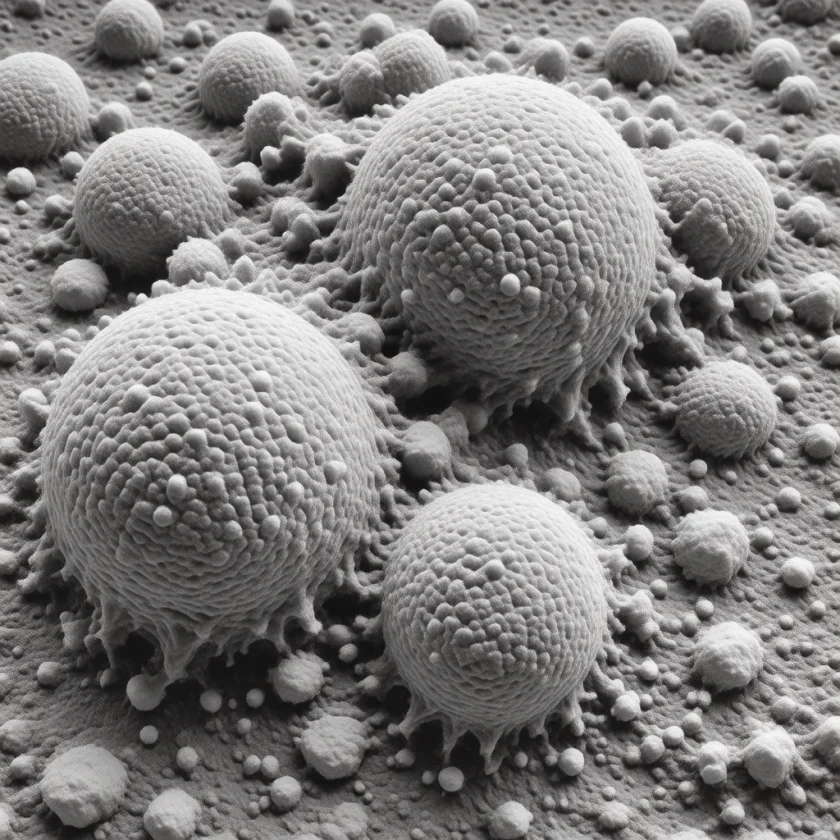
Bacopa monnieri's neuroprotective profile is the most actively investigated frontier of Bacopa research, with mechanisms that converge precisely on the pathological hallmarks of Alzheimer's disease and related neurodegenerative conditions. Holcomb and colleagues at Texas A&M reported in 2006 that Bacopa extract lowered beta-amyloid levels in the brains of PSAPP transgenic Alzheimer's mice, although the area covered by visible amyloid plaques did not change. In animal and laboratory studies, bacosides interact with glycogen synthase kinase-3 beta (GSK-3 beta) to reduce tau hyperphosphorylation, suppress NF-kB-driven neuroinflammation, and protect mitochondrial function; a computer docking study predicts that they also bind BACE1 (the rate-limiting enzyme of amyloid precursor protein cleavage that produces beta-amyloid). The herb's antioxidant activity raises endogenous superoxide dismutase, catalase, and glutathione peroxidase, addressing the central upstream driver of neurodegeneration. Acetylcholinesterase inhibition (the same mechanism as donepezil, the leading pharmaceutical for symptomatic Alzheimer's treatment) has been measured in people as lower blood acetylcholinesterase activity in a 12-week trial in healthy older adults. The 12-week onset rule applies here as it does to memory and anxiety effects — structural neuroprotection requires time to build — but unlike the memory and anxiety endpoints, Bacopa's neuroprotective application in humans is still largely supported by preclinical and mechanistic evidence rather than by large randomized prevention trials. A 2022 review of the small trials in Alzheimer disease found no difference from placebo or donepezil on very-low-certainty evidence, so Bacopa has not been shown to work as a stand-alone treatment for established dementia.
Table of Contents
- Why Neuroprotection is Bacopa's Most Promising Frontier
- Holcomb et al. — Beta-Amyloid Reduction in PSAPP Mice
- Beta-Amyloid Clearance and BACE1 Inhibition
- Tau Pathology and GSK-3 Beta Inhibition
- Neuroinflammation — NF-kB, Tumor Necrosis Factor-alpha, Interleukin-6 Suppression
- Acetylcholinesterase Inhibition — The Donepezil Mechanism
- Antioxidant Defense — Superoxide Dismutase, Catalase, Glutathione Peroxidase
- Mitochondrial Protection and Bioenergetic Support
- Heavy Metal and Excitotoxic Neuroprotection
- Brain-Derived Neurotrophic Factor, Neurogenesis, and Dendritic Remodeling
- Relevance to Parkinson's Disease and Dopaminergic Neuroprotection
- Limits of Current Human Evidence and Realistic Positioning
- Key Research Papers
- Connections
- Featured Videos
Why Neuroprotection is Bacopa's Most Promising Frontier
Alzheimer's disease will affect approximately one in three adults reaching age 85 in the United States. The standard pharmaceutical interventions — cholinesterase inhibitors (donepezil, rivastigmine, galantamine) and the N-methyl-D-aspartate (NMDA) receptor antagonist memantine — produce only modest symptomatic benefit and do not alter disease progression. The U.S. Food and Drug Administration-approved anti-amyloid monoclonal antibodies — lecanemab (traditional approval July 2023) and donanemab (approved July 2024) — clear amyloid from the brain and slow decline modestly in early-stage Alzheimer's disease, but carry a significant risk of amyloid-related imaging abnormalities (ARIA) and costs exceeding $26,000 per year. Development of the first such antibody, aducanumab, was discontinued. The field is desperate for safer, cheaper, more accessible interventions.
Bacopa monnieri is interesting in this context because its multi-target mechanism addresses simultaneously most of the principal pathological processes implicated in Alzheimer's disease: beta-amyloid production, tau hyperphosphorylation, neuroinflammation, oxidative stress, cholinergic deficit, and mitochondrial dysfunction. No pharmaceutical addresses all of these at once. Single-target drugs have repeatedly failed in late-stage Alzheimer's trials, and the field has increasingly accepted that effective disease modification will likely require multi-mechanism approaches. The structural and pharmacological complexity of botanical extracts — long considered a methodological weakness because it complicates drug-development pipelines — may actually be an advantage for a disease this multifactorial.
The honest assessment of current Bacopa neuroprotection evidence is that the preclinical and mechanistic story is compelling, but the large-scale human prevention or treatment trials have not yet been done. Bacopa has not been shown to work as a stand-alone treatment for established dementia; this page discusses it as one part of a wider cognitive-maintenance picture that also includes aerobic exercise, metabolic health, sleep, and (for some patients) prescription cholinesterase inhibitors.
Holcomb et al. — Beta-Amyloid Reduction in PSAPP Mice
The seminal preclinical study supporting Bacopa's anti-amyloid mechanism was published by Holcomb and colleagues at the Texas A&M University System Health Science Center College of Medicine in Temple, Texas, in the Journal of Alzheimer's Disease in 2006. The study used the PSAPP transgenic mouse model, which carries mutated forms of human amyloid precursor protein (APP) and presenilin-1 (PSEN1) and develops cerebral beta-amyloid plaques in a pattern that mimics human Alzheimer's disease.
PSAPP mice were given Bacopa monniera extract at 40 or 160 mg/kg a day, starting at 2 months of age, for either 2 or 8 months. The researchers then measured beta-amyloid levels (Abeta 1-40 and Abeta 1-42) in the cortex, the area covered by fibrillar amyloid plaques (stained with Congo Red), and the mice's behavior.
The extract lowered Abeta 1-40 and Abeta 1-42 levels in the cortex by as much as 60%, and reversed the Y-maze performance and open-field hyperactivity changes seen in PSAPP mice. The area covered by Congo Red-positive fibrillar amyloid plaques, however, did not change. In plain words: the amount of amyloid measured in brain tissue fell, but the visible plaques did not shrink. Why amyloid levels fell while the plaque area stayed the same is not known from this study.
The Holcomb study established the proof-of-concept that Bacopa can lower beta-amyloid levels in a transgenic Alzheimer's model. Later work has proposed at least two pathways by which this could occur: inhibition of BACE1 (beta-secretase 1), the enzyme that cleaves APP to release the precursor of beta-amyloid (so far predicted only by computer docking), and direct inhibition of beta-amyloid aggregation through interaction of bacosides with the amyloid peptide. These are discussed in more detail below.
Beta-Amyloid Clearance and BACE1 Inhibition
Beta-amyloid (Abeta) is produced by sequential cleavage of amyloid precursor protein (APP) by two enzymes: BACE1 (beta-secretase 1) performs the initial cleavage, and gamma-secretase (a complex containing presenilin) performs the second cleavage to release the 40 or 42 amino acid Abeta peptide. BACE1 is the rate-limiting enzyme and the principal therapeutic target in amyloid-reducing pharmacology.
A 2025 study published in Scientific Reports used computer docking and simulation to identify Bacopa monnieri phytochemicals as possible BACE1 inhibitors. The researchers modelled how Bacopa constituents — including bacopaside I, bacopaside II, and several bacopasaponins — fit into BACE1, and compared them with three synthetic BACE1 drugs (atabecestat, lanabecestat, and verubecestat). In this computer model, bacopaside I showed the strongest binding. This is a computer prediction only: it has not yet been tested in a test tube, an animal, or a person.
If this computer prediction were confirmed in laboratory, animal, and human studies, the implication would be that chronic Bacopa supplementation may reduce the rate of beta-amyloid production through BACE1 inhibition, in addition to the downstream effects on amyloid clearance and aggregation. This mechanism is particularly relevant for prevention — in patients who do not yet have established amyloid pathology, reducing the rate of new amyloid production is the most direct intervention. For patients with established Alzheimer's pathology, the combination of BACE1 inhibition (reducing new production) plus the antioxidant and anti-inflammatory effects (reducing the downstream pathological consequences of existing amyloid) would provide a multi-front approach that single-mechanism drugs cannot replicate.
Bacopa also appears to interact directly with beta-amyloid peptides to inhibit aggregation into oligomers and fibrils — the toxic species that drive synaptic dysfunction and neuronal death. In vitro studies have shown that bacosides reduce beta-amyloid fibril formation and may even disaggregate preformed fibrils, though the relevance of these in vitro findings to brain tissue in living patients remains to be established.
Tau Pathology and GSK-3 Beta Inhibition
The second principal pathological hallmark of Alzheimer's disease is the formation of neurofibrillary tangles composed of hyperphosphorylated tau protein. Under normal conditions, tau stabilizes microtubules in the axons of neurons. When tau is hyperphosphorylated — phosphorylated at far more sites than normal — it loses its microtubule-binding function, aggregates into paired helical filaments, and accumulates as neurofibrillary tangles in the neuronal cell body. The accumulation correlates closely with neuronal dysfunction and death, and tau pathology in Alzheimer's disease tracks more closely with clinical symptoms than amyloid pathology does.
The principal kinase responsible for tau hyperphosphorylation in Alzheimer's pathology is glycogen synthase kinase-3 beta (GSK-3 beta). A 2024 study published in Molecular Nutrition and Food Research demonstrated that Bacopa monnieri administration in an Alzheimer's disease rat model interacted with GSK-3 beta to reduce tau hyperphosphorylation and normalize tau expression. The study also showed restoration of the Wnt/beta-catenin signaling pathway, which is critically involved in neuronal survival and synaptic plasticity (and is normally inhibited by overactive GSK-3 beta).
In that rat study, the Alzheimer-like damage was made by injecting amyloid-beta-42 fibrils into the hippocampus of Wistar rats, and an ethanol extract of Bacopa was given by mouth for 4 weeks. Besides lower phospho-tau, the treated rats showed less oxidative stress, lower inflammatory cytokines, lower cholinesterase activity, and better memory and exploring behavior, and the authors report that the treatment eliminated the amyloid plaques in the hippocampus. These are animal results; they have not been tested in people.
The possible implication is that Bacopa could act on both of the major Alzheimer's pathological hallmarks simultaneously — amyloid through BACE1 inhibition (so far a computer prediction) and amyloid aggregation interference (laboratory studies), and tau through GSK-3 beta (a rat study). Most Alzheimer's drug-development programs target one or the other, not both. The combined effect of Bacopa, if validated in larger studies, would represent a uniquely comprehensive approach to Alzheimer's pathology.
Neuroinflammation — NF-kB, Tumor Necrosis Factor-alpha, Interleukin-6 Suppression
Chronic neuroinflammation is now recognized as a central pathological driver of Alzheimer's disease and most other neurodegenerative conditions. Activated microglia (the brain's resident immune cells) release pro-inflammatory cytokines including tumor necrosis factor-alpha, interleukin-6 (IL-6), and interleukin-1 beta (IL-1 beta). These cytokines damage neurons directly, recruit additional inflammatory cells, and create a self-perpetuating cycle of damage that accelerates neurodegeneration.
The master regulator of microglial inflammatory activation is nuclear factor kappa B (NF-kB), a transcription factor that drives expression of dozens of inflammatory genes. Bacopa monnieri has been shown to suppress NF-kB activation in multiple preclinical models. The downstream effect is reduced expression of tumor necrosis factor-alpha, interleukin-6, interleukin-1 beta, and other inflammatory mediators — effectively dampening the entire inflammatory cascade at its source rather than blocking individual downstream effectors.
A human trial by Peth-Nui et al. (2012) gave 60 healthy elderly volunteers a standardized Bacopa extract (300 or 600 mg) or placebo once daily for 12 weeks. It measured blood acetylcholinesterase (AChE) and monoamine oxidase (MAO) activity, working memory, and brain-wave timing (N100 and P300 latencies). The Bacopa groups had better working memory, shorter N100 and P300 latencies, and lower plasma AChE activity. NF-kB and CREB (cyclic AMP response element-binding protein) signaling were not measured in this trial. CREB matters in this field because it drives expression of neurotrophic factors including brain-derived neurotrophic factor (BDNF), which supports the dendritic remodeling discussed in the Memory and Learning page.
Beyond NF-kB suppression, Bacopa inhibits cyclooxygenase-2 (COX-2) and lipoxygenase (LOX) enzymes, reducing production of inflammatory prostaglandins and leukotrienes. This provides an additional anti-inflammatory mechanism without the cardiovascular and gastrointestinal risks associated with long-term use of pharmaceutical cyclooxygenase-2 inhibitors (such as celecoxib).
Acetylcholinesterase Inhibition — The Donepezil Mechanism
Bacopa monnieri inhibits acetylcholinesterase (AChE), the enzyme that hydrolyzes acetylcholine in the synaptic cleft and terminates cholinergic signaling. This is the same mechanism used by the U.S. Food and Drug Administration-approved Alzheimer's drugs donepezil, rivastigmine, and galantamine. AChE inhibition raises synaptic acetylcholine concentration, prolonging the duration of cholinergic signaling and partially compensating for the loss of cholinergic neurons that occurs in Alzheimer's disease (particularly in the nucleus basalis of Meynert, the principal source of cortical cholinergic input).
The clinical effect of pharmaceutical AChE inhibitors is modest symptomatic improvement — typically 6 to 12 months of stabilization on cognitive measures before the underlying disease overwhelms the symptomatic benefit. The effect on disease progression is minimal. In people, the one direct measurement of Bacopa's effect on this enzyme on this page's reference list is the Peth-Nui 2012 trial: in 60 healthy elderly volunteers given 300 or 600 mg of Bacopa extract daily for 12 weeks, plasma AChE activity fell and working memory improved. The two trials that compared Bacopa with donepezil in Alzheimer disease measured memory and thinking scores, and a 2022 systematic review found no difference between them on very-low-certainty evidence.
A common practical question is whether Bacopa can be taken alongside pharmaceutical AChE inhibitors. There are no documented serious interactions. Because both lower acetylcholinesterase activity, their cholinergic effects can add together; the cholinergic side effects are nausea, diarrhea, increased urinary frequency, and a slow heart rate (bradycardia). In the 2022 systematic review of 5 small trials in people with Alzheimer disease or Alzheimer-type mild cognitive impairment, Bacopa did no better than placebo or donepezil on very-low-certainty evidence, and no major safety problems were reported.
Antioxidant Defense — Superoxide Dismutase, Catalase, Glutathione Peroxidase
The brain is exceptionally vulnerable to oxidative damage because of its high oxygen consumption (approximately 20% of total body oxygen despite representing only 2% of body weight), its abundance of polyunsaturated fatty acids susceptible to lipid peroxidation, and its relatively modest endogenous antioxidant defenses compared to other organs. Oxidative stress is implicated as a central pathological mechanism in virtually all neurodegenerative diseases.
Bacopa monnieri provides antioxidant protection through both direct and indirect mechanisms. Direct antioxidant activity comes from the flavonoid components (luteolin, apigenin, quercetin) and from bacoside A, which scavenge reactive oxygen species including superoxide anions, hydrogen peroxide, and hydroxyl radicals. Indirect protection — which is quantitatively more important — comes from upregulation of the brain's endogenous antioxidant enzymes:
- Superoxide dismutase (SOD) — the first-line defense against superoxide radicals, converting them to less reactive hydrogen peroxide
- Catalase — converts hydrogen peroxide to water and oxygen, preventing its conversion to the highly reactive hydroxyl radical
- Glutathione peroxidase (GPx) — uses glutathione to reduce hydrogen peroxide and lipid peroxides, providing antioxidant protection in membrane environments
Bacopa increases the activity of all three enzymes in brain tissue, and also supports glutathione synthesis through enhancement of glutamate-cysteine ligase activity. The combined effect is substantially enhanced antioxidant capacity throughout the brain, which translates to reduced lipid peroxidation (measured by malondialdehyde, MDA), reduced protein oxidation, and reduced DNA damage from oxidative stress.
For more on oxidative stress as an underlying driver of disease, see our Oxidative Stress page. Bacopa's antioxidant mechanism is particularly relevant for neurodegenerative disease prevention in populations with elevated oxidative stress — including patients with type 2 diabetes, chronic kidney disease, and exposure to environmental neurotoxins.
Mitochondrial Protection and Bioenergetic Support
Mitochondrial dysfunction is now understood to be an early and central event in the pathogenesis of Alzheimer's disease, Parkinson's disease, and most other neurodegenerative conditions. Damaged mitochondria produce more reactive oxygen species, generate less adenosine triphosphate (ATP), and trigger pro-apoptotic signaling cascades that promote neuronal death. Restoring mitochondrial function is a therapeutic target across the neurodegenerative spectrum.
Bacopa monnieri protects mitochondrial function through several complementary mechanisms. Bacosides preserve mitochondrial membrane potential in the face of oxidative and excitotoxic insults, preventing the opening of the mitochondrial permeability transition pore that triggers apoptosis. Bacopa supports activity of the electron transport chain complexes I through V, maintaining adenosine triphosphate production efficiency. The antioxidant effects discussed above are particularly important at the mitochondrial level, since mitochondria are both the principal cellular source of reactive oxygen species and the principal target of oxidative damage.
Bacopa also modulates the expression of pro-apoptotic and anti-apoptotic proteins, shifting the cellular balance toward neuron survival. Specifically, Bacopa downregulates the pro-apoptotic Bcl-2 family protein Bax and upregulates the anti-apoptotic protein Bcl-2, shifting the Bax/Bcl-2 ratio away from the cytochrome-c-releasing apoptotic cascade. The downstream effect is reduced activation of caspase-3 (the executioner caspase that triggers cellular self-destruction) and reduced neuronal death in the face of oxidative, excitotoxic, or amyloid-related stressors.
Heavy Metal and Excitotoxic Neuroprotection
Bacopa monnieri has been shown to protect against multiple neurotoxic insults beyond amyloid pathology. Heavy metal neurotoxicity — from aluminum, iron, lead, mercury, and cadmium — is a documented contributor to cognitive decline and a particular concern for populations with environmental or occupational metal exposure. Bacopa pretreatment significantly attenuates neuronal damage from heavy metal exposure in animal models. The mechanism involves both chelation (the flavonoid components can bind metal ions) and antioxidant protection against metal-catalyzed Fenton-type reactions that generate hydroxyl radicals.
Bacopa is also protective against excitotoxicity — the neuronal damage caused by excessive glutamate signaling at N-methyl-D-aspartate receptors. Excitotoxicity contributes to neuronal death in ischemic stroke, traumatic brain injury, status epilepticus, and chronic neurodegenerative conditions. Bacopa's GABAergic enhancement (see the Anxiety Relief page) opposes the excitatory imbalance that drives excitotoxicity, and the antioxidant effects oppose the downstream oxidative damage that excitotoxic events produce.
In addition, Bacopa has demonstrated protective effects in animal models of:
- Cerebral ischemia and stroke — reduced infarct size and improved functional recovery in middle cerebral artery occlusion models, attributed to the combined antioxidant, anti-inflammatory, and anti-apoptotic effects
- Traumatic brain injury — reduced secondary injury and improved cognitive recovery in animal models, though human evidence is lacking
- Alcoholic and chemotherapy-induced neurotoxicity — preliminary preclinical evidence for protection against these specific insults
- Cigarette-smoke-induced cognitive impairment — animal evidence suggests Bacopa attenuates the cognitive decline associated with chronic smoke exposure
Brain-Derived Neurotrophic Factor, Neurogenesis, and Dendritic Remodeling
A particularly exciting aspect of Bacopa neuroprotection is its support for adult neurogenesis — the ongoing birth of new neurons in specific brain regions throughout adulthood. The hippocampus, particularly the dentate gyrus, is the principal site of adult neurogenesis, and adult-born hippocampal neurons appear to be important for the formation of new memories and for the maintenance of hippocampal function with aging.
Bacopa supports adult neurogenesis through upregulation of brain-derived neurotrophic factor (BDNF), the master growth factor for adult neuroplasticity. Brain-derived neurotrophic factor binds the TrkB receptor on neural progenitor cells and promotes their proliferation, survival, and differentiation into mature neurons. Animal studies have demonstrated that chronic Bacopa administration increases brain-derived neurotrophic factor levels in the hippocampus and increases the number of newborn neurons that survive to become functional members of the hippocampal circuitry.
The dendritic-arborization effects discussed in the Memory and Learning page are also neuroprotective in addition to being cognitively enhancing. More elaborate dendritic trees with more synaptic spines provide greater redundancy and resilience to neuronal damage. A neuron with 10,000 synaptic contacts can lose 20% of those contacts before functional capacity is compromised; a neuron with 1,000 synaptic contacts cannot. Bacopa's structural enhancement of the dendritic tree therefore provides not only enhanced memory function but also enhanced reserve against future damage from aging, vascular events, or neurodegenerative pathology.
Relevance to Parkinson's Disease and Dopaminergic Neuroprotection
While the bulk of Bacopa neuroprotection research has focused on Alzheimer's disease, several lines of evidence support relevance to Parkinson's disease and other conditions involving dopaminergic neuron loss. Bacopa modulates brain levels of dopamine, noradrenaline, and serotonin simultaneously, and animal studies have demonstrated protection of dopaminergic neurons in the substantia nigra against MPTP (1-methyl-4-phenyl-1,2,3,6-tetrahydropyridine) toxicity — the most-used animal model of Parkinson's disease pathology.
The mechanism is consistent with the broader neuroprotective profile: antioxidant defense against the oxidative damage that drives dopaminergic neuron loss, anti-inflammatory effects against the microglial activation that propagates Parkinson's pathology, and mitochondrial protection against the complex-I deficiency that is central to the disease. Bacopa also appears to protect against alpha-synuclein aggregation, the pathological process that produces the Lewy bodies characteristic of Parkinson's disease and dementia with Lewy bodies.
Human evidence for Bacopa in Parkinson's disease is limited, so any role for people with early Parkinson's disease or those at elevated risk (family history, prodromal symptoms such as REM sleep behavior disorder or anosmia) rests on preclinical (animal and laboratory) evidence. As with Alzheimer's disease, no human trial on this page tests Bacopa as a stand-alone treatment.
Limits of Current Human Evidence and Realistic Positioning
This is a summary of where the current evidence stands. The preclinical and mechanistic story for Bacopa neuroprotection is compelling and converges on the central pathological processes of Alzheimer's disease and related conditions. However:
- No large randomized controlled trial has yet demonstrated that Bacopa prevents Alzheimer's disease or slows progression in established dementia. The published human trials focus on cognitive enhancement and anxiolysis in healthy or mildly cognitively impaired subjects.
- The 2024 Molecular Nutrition study and the 2025 Scientific Reports study are a rat study and a computer docking study, respectively; they validate plausible disease-modifying mechanisms but do not establish clinical efficacy in humans with Alzheimer's disease.
- A systematic review of Bacopa use specifically in dementia concluded that no large-scale scientific human studies have yet confirmed that the biological neuroprotective benefits observed in animal studies translate to clinically meaningful prevention or treatment of dementia.
- A 2022 systematic review of randomized trials in Alzheimer disease found only 5 small trials of Bacopa in people with Alzheimer dementia or Alzheimer-type mild cognitive impairment, using 125 to 500 mg twice daily. All 5 were judged at high risk of bias, and on very-low-certainty evidence Bacopa did no better than placebo or donepezil. No major safety problems were reported.
- A 2026 network meta-analysis of 29 randomized trials (2,107 healthy adults) found that Bacopa at 600 mg a day or more improved working memory compared with lower-dose Bacopa, Ginkgo, and placebo; it found no difference in attention or processing speed. These were healthy people, so the result does not show whether Bacopa prevents dementia.
- A double-blind, placebo-controlled trial in New Delhi is testing 300 mg of standardized Bacopa extract daily for 12 weeks in 76 people with amnestic mild cognitive impairment (early or prodromal Alzheimer's disease). Its protocol was published in 2026; the researchers expect primary results in spring 2027.
- The Alzheimer's Drug Discovery Foundation has characterized the evidence as preliminary but promising, noting that Bacopa's multi-target approach aligns well with the increasingly accepted understanding that effective Alzheimer's interventions will likely need to address multiple pathological pathways simultaneously.
Given this evidence base, this is what the research shows for each group:
- For Alzheimer's prevention in cognitively healthy older adults — including those with family history of Alzheimer's disease or APOE4 carriers — no trial on this page tests whether Bacopa prevents Alzheimer's disease. In the Calabrese 2008 trial, 54 adults aged 65 or older without signs of dementia took 300 mg of Bacopa extract or placebo daily for 12 weeks, and the Bacopa group had better delayed word recall. The other parts of prevention discussed alongside it are aerobic exercise, Mediterranean-style diet, sleep, social engagement, and management of vascular risk factors (blood pressure, blood sugar, cholesterol).
- For mild cognitive impairment (MCI) — the transition stage between normal cognitive aging and dementia — the Calabrese trial enrolled healthy older adults without signs of dementia, not people with MCI, so its results do not apply directly to this group. The 2022 systematic review, which included trials in Alzheimer-type MCI, found no difference from placebo or donepezil on very-low-certainty evidence, and the New Delhi trial above is testing Bacopa in this group. No trial on this page tests Bacopa combined with prescription cholinesterase inhibitors; both lower acetylcholinesterase activity (see above).
- For established mild-to-moderate Alzheimer's disease — standard pharmaceutical therapy is donepezil, rivastigmine, or galantamine, plus memantine in moderate disease. The human evidence for Bacopa here is the 2022 review of 5 small trials (two compared Bacopa with donepezil), which found no difference from placebo or donepezil on very-low-certainty evidence and reported no major safety problems. Disease modification through the antioxidant, anti-inflammatory, and amyloid-modifying mechanisms remains theoretical.
- For Parkinson's disease prevention or early intervention — the evidence is preliminary and preclinical (animal and laboratory); human evidence is limited.
For more on Alzheimer's disease, see our Alzheimer's Disease page and Dementia page.
Key Research Papers
- Holcomb LA et al. (2006). Bacopa monniera extract reduces amyloid levels in PSAPP mice. Journal of Alzheimer's Disease 9(3):243-251. — PubMed PMID: 16914834
- Peth-Nui T et al. (2012). Effects of 12-week Bacopa monnieri consumption on attention, cognitive processing, working memory, and functions of both cholinergic and monoaminergic systems in healthy elderly volunteers. Evidence-Based Complementary and Alternative Medicine 2012:606424. — PubMed PMID: 23320031
- Limpeanchob N et al. (2008). Neuroprotective effect of Bacopa monnieri on beta-amyloid-induced cell death in primary cortical culture. Journal of Ethnopharmacology 120(1):112-117. — PubMed PMID: 18755259
- Uabundit N et al. (2010). Cognitive enhancement and neuroprotective effects of Bacopa monnieri in Alzheimer's disease model. Journal of Ethnopharmacology 127(1):26-31. — PubMed PMID: 19808086
- Bhattacharya SK et al. (2000). Antioxidant activity of Bacopa monniera in rat frontal cortex, striatum and hippocampus. Phytotherapy Research 14(3):174-179. — PubMed PMID: 10815010
- Saini N, Singh D, Sandhir R (2019). Bacopa monnieri prevents colchicine-induced dementia by anti-inflammatory action. Metabolic Brain Disease 34(2):505-518. — PubMed PMID: 30604025
- Singh M, Murthy V, Ramassamy C (2012). Standardized extracts of Bacopa monniera protect against MPP+- and paraquat-induced toxicity by modulating mitochondrial activities, proteasomal functions, and redox pathways. Toxicological Sciences 125(1):219-232. — PubMed PMID: 21972102
- Hosamani R, Muralidhara (2009). Neuroprotective efficacy of Bacopa monnieri against rotenone-induced oxidative stress and neurotoxicity in Drosophila melanogaster. Neurotoxicology 30(6):977-985. — PubMed PMID: 19744517
- Dhanasekaran M et al. (2007). Neuroprotective mechanisms of Ayurvedic antidementia botanical Bacopa monniera. Phytotherapy Research 21(10):965-969. — PubMed PMID: 17604373
- Mathur D et al. (2016). The molecular links of re-emerging therapy: a review of evidence of Brahmi (Bacopa monniera). Frontiers in Pharmacology 7:44. — PubMed PMID: 26973531
- Aguiar S, Borowski T (2013). Neuropharmacological review of the nootropic herb Bacopa monnieri. Rejuvenation Research 16(4):313-326. — PubMed PMID: 23772955
- Calabrese C, Gregory WL, Leo M, Kraemer D, Bone K, Oken B (2008). Effects of a standardized Bacopa monnieri extract on cognitive performance, anxiety, and depression in the elderly: a randomized, double-blind, placebo-controlled trial. Journal of Alternative and Complementary Medicine 14(6):707-713. — PubMed PMID: 18611150
- Sushma, Sahu MR, Murugan NA, Mondal AC (2024). Amelioration of amyloid-β induced Alzheimer's disease by Bacopa monnieri through modulation of mitochondrial dysfunction and GSK-3β/Wnt/β-catenin signaling. Molecular Nutrition and Food Research 68(13):e2300245. — PubMed PMID: 38143280
- Sangeet S, Khan A (2025). Bacopa monnieri phytochemicals as promising BACE1 inhibitors for Alzheimer's disease therapy. Scientific Reports 15(1):13504. — PubMed PMID: 40251199
- Basheer A, Agarwal A, Mishra B, Gupta A, Padma Srivastava MV, Kirubakaran R, Vishnu V (2022). Use of Bacopa monnieri in the treatment of dementia due to Alzheimer disease: systematic review of randomized controlled trials. Interactive Journal of Medical Research 11(2):e38542. — PubMed PMID: 35612544
- Tiemtad P, Ingkaninan K, Temkitthawon P, Thimkorn P, Rattanachaisit N, Teaktong T, Dhippayom T (2026). Comparative effects of Bacopa monnieri and Ginkgo biloba on cognitive functions: a systematic review and network meta-analysis. Phytomedicine 153:157915. — PubMed PMID: 41678913
- Dwivedi A, Anjali A, Narzari H, Kumar Y, Sharma HP, Dubey A, Nilima N, Rajan R, Bhushan Singh M, Vishnu VY, Bhatia R, Sharma G, Gupta A (2026). Efficacy of Bacopa monnieri (Linn.) on cognitive function and alterations in blood metabolites in patients with amnestic mild cognitive impairment and early Alzheimer disease: protocol for an exploratory double-blind, randomized, placebo-controlled trial. JMIR Research Protocols 15:e82891. — PubMed PMID: 41740144
- Papaliagkas V (2025). Anti-amyloid therapies for Alzheimer's disease: progress, pitfalls, and the path ahead. International Journal of Molecular Sciences 26(19):9529. — PubMed PMID: 41096797
- Thussu S, Naidu A, Manivannan S, Grossberg GT (2024). Profiling aducanumab as a treatment option for Alzheimer's disease: an overview of efficacy, safety and tolerability. Expert Review of Neurotherapeutics 24(11):1045-1053. — PubMed PMID: 39291991