⚠ Evidence warning: Clinical trials or other evidence do not support the claims that Bacopa extract brings significant improvement in sentence repetition, logical memory, paired-associate learning and sustained attention in children with attention-deficit/hyperactivity disorder, that these gains keep accumulating between 3 and 6 months, and that its pediatric safety profile is excellent. This page keeps it as a report of what people, websites or other media say.
Bacopa Monnieri for Attention-Deficit/Hyperactivity Disorder (ADHD) and Children

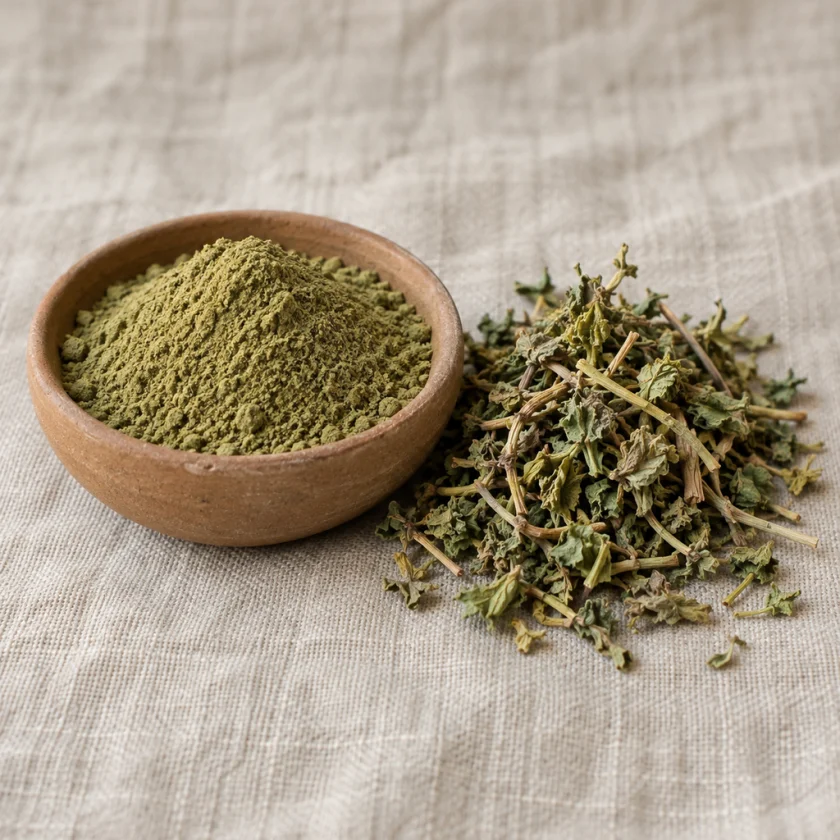

Bacopa monnieri has the strongest evidence base of any natural intervention for pediatric attention-deficit/hyperactivity disorder (ADHD). The most-cited figures come from Dave et al. 2014, an open-label study of 31 children given a standardized Bacopa extract for 6 months, in which symptom scores fell in 85% of children for attention deficit, 89% for self-control, and 93% for restlessness. The Kean et al. 2022 randomized controlled trial of CDRI 08 in boys aged 6 to 14 over 14 weeks (112 recruited, 93 analysed) found no behavioural difference from placebo but fewer errors on cognitive tasks and better cognitive flexibility, executive function and sleep routine. A 2016 systematic review of 5 studies in children and adolescents found that only 2.3% of participants reported mild side effects. Families look at Bacopa as an alternative to, or alongside, behavioural treatment and stimulant medications such as methylphenidate and mixed amphetamine salts. The full clinical effect requires approximately 12 weeks of consistent dosing, consistent with the broader Bacopa onset pattern.
Table of Contents
- Attention-Deficit/Hyperactivity Disorder — The Clinical Problem and Why Natural Alternatives Matter
- Negi et al. 2000 — The Foundational Open-Label Study
- Dave et al. 2014 — Cognitive Outcomes Over 6 Months
- Kean et al. 2022 — The Randomized CDRI 08 Trial
- Mechanism — How Bacopa Addresses Attention-Deficit/Hyperactivity Disorder Pathophysiology
- Bacopa Compared to Stimulant Medications
- Bacopa Combined with Stimulant Medications
- Pediatric Safety Profile
- Pediatric Dosing and Practical Use
- The 12-Week Timeline Parents and Practitioners Describe
- A Multimodal Strategy for Pediatric Attention-Deficit/Hyperactivity Disorder
- Key Research Papers
- Connections
- Featured Videos
Attention-Deficit/Hyperactivity Disorder — The Clinical Problem and Why Natural Alternatives Matter
Attention-deficit/hyperactivity disorder is the most common neurodevelopmental disorder of childhood, and the 2022 US National Survey of Children's Health found that 11.4% of US children aged 3 to 17 (about 7.1 million) had ever been diagnosed with it and 10.5% had current attention-deficit/hyperactivity disorder. The disorder is characterized by persistent patterns of inattention, hyperactivity, and impulsivity that significantly impair academic, social, and family functioning. Untreated attention-deficit/hyperactivity disorder is associated with poor academic outcomes, increased accident risk, substance use disorders, social difficulties, and impaired adult functioning.
The first-line pharmacological treatment for pediatric attention-deficit/hyperactivity disorder is stimulant medication — either methylphenidate (including long-acting tablet, skin-patch and liquid forms) or amphetamine-class medicines (mixed amphetamine salts, including long-acting forms, lisdexamfetamine, and dextroamphetamine). These medications are highly effective for symptom control in approximately 70 to 80% of children, with effect sizes among the largest in psychiatric pharmacology. However, they carry significant side effects: appetite suppression and growth delay, insomnia, mood lability, anxiety, headaches, and the potential for dependence and diversion (particularly with amphetamine-class agents). Long-term effects on cardiovascular health, growth, and brain development continue to be debated.
Many families seek natural alternatives or adjuncts for several reasons. Some children do not respond adequately to stimulant medication. Others cannot tolerate the side effects (particularly insomnia, appetite suppression, or mood changes). Some families are philosophically opposed to long-term psychiatric medication of young children. And some children have mild attention-deficit/hyperactivity disorder that responds well to behavioral interventions, where the addition of a low-risk natural intervention may eliminate the need for stimulant medication entirely.
Bacopa monnieri is the natural intervention with the strongest evidence base for pediatric attention-deficit/hyperactivity disorder. The evidence is not as robust as that for stimulant medications — the trials are smaller, less rigorous, and shorter than the methylphenidate evidence base — but it is meaningful, growing, and consistent in direction. A 2022 systematic review of 7 randomized trials of herbal remedies in children and adolescents with attention-deficit/hyperactivity disorder found “a fair indication of the efficacy and safety” for lemon balm (Melissa officinalis), Bacopa, chamomile and valerian, limited evidence for ginkgo and pine bark extract, and no significant effect for various other plant preparations. Its authors concluded that there is “inadequate proof to strongly support and recommend” herbal medicines for attention-deficit/hyperactivity disorder and that more research is needed.
Negi et al. 2000 — The Foundational Open-Label Study
The pivotal early study of Bacopa monnieri in pediatric attention-deficit/hyperactivity disorder was published by Negi and colleagues in a supplement of the Indian Journal of Psychiatry in 2000. The paper is not indexed in PubMed, so its design is known only second-hand: it is described as an open-label trial in 40 children with diagnosed attention-deficit/hyperactivity disorder, aged 5 to 17 years, who received standardized Bacopa extract (50 mg twice daily for children, or 100 mg twice daily for adolescents) for 12 weeks, with outcomes measured on the Conners' Parent Rating Scale (a validated parent-report instrument that captures inattention, hyperactivity, and behavioral symptoms) and by clinical assessment. These details could not be checked against the original paper. A 2017 review by Kean and colleagues lists it alongside a separate, unpublished report from India's Central Drug Research Institute (Asthana and colleagues, 2001).
The percentage figures often quoted for this early work (restlessness reduced in 93% of children, self-control improved in 89%, attention deficit reduced in 85%, learning problems in 78% and impulsivity in 67%) come from the later Dave et al. 2014 study, described in the next section.
The trial had important limitations: it was open-label rather than placebo-controlled, the sample was small, and the outcome measures were largely subjective (parent rating scales). Open-label trials in pediatric populations are notoriously vulnerable to placebo response and parental expectation effects. However, the magnitude and consistency of the reported improvements were large enough to motivate substantial subsequent research, and the trial established the basic framework for pediatric Bacopa dosing and trial design that has been used in subsequent studies.
Dave et al. 2014 — Cognitive Outcomes Over 6 Months
The Dave et al. 2014 study, published in Advances in Mind-Body Medicine, was run in Mumbai, India, from 2008 to 2010. Thirty-one children aged 6 to 12, whose attention-deficit/hyperactivity disorder had started before age 7 (DSM-IV criteria), received 225 mg a day of a standardized Bacopa extract for 6 months. The extract was a commercial standardized extract made by an Indian manufacturer — a different extract from CDRI 08. A parent rating scale was filled in at the start and again at the end of the 6 months; there were no in-between measurements and no placebo group.
At 6 months, symptom scores had fallen significantly on every subtest except social problems. The share of children whose scores fell was:
- Restlessness — 93% of children
- Self-control — improved in 89%
- Attention deficit — 85%
- Learning problems — 78%
- Impulsivity — 67%
- Psychiatric problems — 52%
- Social problems — no significant improvement
In size, 74% of the children had up to a 20% drop in their total subtest score and 26% had a drop of 21% to 50%. The authors reported that the extract was well tolerated.
Like the Negi study, the Dave trial was open-label and had no placebo group, and its only outcome was a parent rating scale, which is open to parents' expectations. How much of the change was caused by Bacopa therefore cannot be told from this study.
Standardized Bacopa extract has also been described as bringing significant improvement in children with attention-deficit/hyperactivity disorder in sentence completion, in learning-rate scores, in sentence repetition, reflecting enhanced working memory for verbal material, in logical memory, reflecting enhanced ability to organize and recall narrative information, and in paired-associate learning, reflecting enhanced associative learning. Cognitive improvements have been described as continuing to accumulate between 3 and 6 months of use, suggesting that longer treatment duration produces larger benefit — consistent with the broader Bacopa mechanism of structural neural remodeling.
Kean et al. 2022 — The Randomized CDRI 08 Trial
The methodologically strongest trial of Bacopa monnieri for pediatric attention-deficit/hyperactivity disorder was published by James Kean and colleagues (Swinburne University of Technology and other Australian centres) in Phytotherapy Research in 2022; its protocol had appeared in 2015. This was a randomized, double-blind, placebo-controlled trial, with placebo run-in and run-out phases, in boys aged 6 to 14 showing inattention and hyperactivity: 112 were recruited and 93 datasets were available for analysis. Participants received either 300 to 400 mg per day of CDRI 08 (the standardized Bacopa extract used in the Stough and Calabrese adult trials, standardized to 55% bacosides) or matching placebo for 14 weeks. According to the protocol, the primary outcome was hyperactivity and inattention on the Conners' Parent Rating Scale, with cognition, mood, sleep and brain-wave recordings (EEG) as secondary outcomes.
The results were mixed. Primary behavioral outcome measures (Conners' subscales for inattention and hyperactivity) did not reach statistical significance between the Bacopa and placebo groups. However, secondary cognitive measures showed significant improvements:
- Decreased error-making on cognitive tasks — the Bacopa group made fewer errors at study end (p = .04), suggesting improved accuracy of cognitive processing
- Reaction time — reaction speed improved in the placebo group rather than the Bacopa group (p = .04)
- Cognitive flexibility (p = .01) and executive functioning (p = .04) were better on Bacopa than placebo
- Interpersonal problems (p = .02) and sleep routine (p = .04) were better on Bacopa than placebo
- Acceptable safety profile with no serious adverse events
Improved performance on tasks requiring sustained attention has also been described in children taking Bacopa.
The Kean trial is important for several reasons. It is the largest randomized controlled trial of Bacopa for pediatric attention-deficit/hyperactivity disorder and uses the best-characterized extract (CDRI 08). The mixed results — positive cognitive effects but failure to reach statistical significance on the primary behavioral measures — provide a more realistic picture than the dramatic open-label results from the earlier work. The interpretation is that Bacopa produces measurable cognitive improvement in children with attention-deficit/hyperactivity disorder but that the magnitude of the behavioral effect is more modest than the open-label trials suggested. The authors themselves concluded that CDRI 08 did not improve behavioural outcomes but may have cognitive, mood and sleep benefits, and that further study is required to support the findings.
The trial also confirmed the pediatric safety profile, with only mild and transient side effects reported (primarily gastrointestinal: nausea, abdominal discomfort), and no serious adverse events that would prompt concerns about pediatric use.
Mechanism — How Bacopa Addresses Attention-Deficit/Hyperactivity Disorder Pathophysiology
Attention-deficit/hyperactivity disorder is a neurodevelopmental disorder with complex pathophysiology involving multiple neurotransmitter systems and brain regions. Three pathways are particularly relevant to understanding why Bacopa might work:
- Cholinergic enhancement — attention-deficit/hyperactivity disorder involves dysregulation of cortical attentional networks that depend on cholinergic input from the nucleus basalis of Meynert. Bacopa's acetylcholinesterase inhibition raises synaptic acetylcholine in the prefrontal cortex, supporting the top-down attentional control that is impaired in attention-deficit/hyperactivity disorder. This is mechanistically distinct from stimulant medications (which primarily enhance dopamine and norepinephrine) but produces a complementary effect.
- Dopaminergic and noradrenergic modulation — attention-deficit/hyperactivity disorder pathophysiology centrally involves prefrontal-striatal dopamine and norepinephrine signaling deficits. Bacopa modulates levels of dopamine and noradrenaline in addition to serotonin, supporting the catecholaminergic systems that stimulant medications target directly. The Bacopa effect is more subtle and gradual than stimulant action, but operates through related pathways.
- Brain-derived neurotrophic factor (BDNF), dendritic remodeling, and neurodevelopmental support — emerging evidence suggests that attention-deficit/hyperactivity disorder involves abnormalities of prefrontal dendritic morphology and synaptic connectivity, possibly related to delayed cortical maturation. Bacopa's structural effects on dendritic arborization (see the Memory and Learning page) may support the structural development of the prefrontal cortex during the years of greatest attention-deficit/hyperactivity disorder impact (ages 6 to 14).
The combination of these three mechanisms produces a slower, more diffuse, more structurally integrated effect than stimulant medications — one reason the clinical effects emerge over 12 weeks rather than within hours, and one reason the effects may be more lasting after discontinuation than the effects of stimulant medications.
Additional contributions come from Bacopa's GABAergic enhancement (reducing the hyperarousal and emotional reactivity that often accompany attention-deficit/hyperactivity disorder) and antioxidant effects (some evidence suggests oxidative stress contributes to attention-deficit/hyperactivity disorder pathophysiology, particularly in children with comorbid conditions).
Bacopa Compared to Stimulant Medications
An honest comparison of Bacopa with stimulant medications for pediatric attention-deficit/hyperactivity disorder must acknowledge that stimulants produce dramatically larger effects in the short term. Methylphenidate and amphetamine salts have effect sizes on the order of 1.0 standard deviation or larger on attention-deficit/hyperactivity disorder symptom measures — among the largest treatment effects in all of psychiatry. Bacopa's effect sizes are in the small-to-moderate range (0.2 to 0.5 standard deviations), with the cognitive effects more robust than the behavioral effects.
However, several considerations may favor Bacopa in specific clinical situations:
- Safety profile — Bacopa has minimal side effects (the most common is mild gastrointestinal upset). Stimulant medications produce appetite suppression and possible growth delay, insomnia, mood lability, increased blood pressure and heart rate, and the potential for dependence.
- Family preference — many families are deeply reluctant to medicate young children with controlled substances, particularly for prolonged periods. Bacopa offers a low-risk alternative for families with this preference.
- Adjunctive use — Bacopa can be combined with stimulant medications to support cognitive function during medication-free periods (weekends, summer breaks) or to allow lower stimulant doses with maintained efficacy.
- Persistent effect — stimulant effects vanish within hours of the last dose. Bacopa's effects (consistent with the structural-remodeling mechanism) appear to persist for weeks after discontinuation, potentially providing continued benefit during scheduled treatment breaks.
- Mild attention-deficit/hyperactivity disorder — children with mild attention-deficit/hyperactivity disorder where the symptom burden does not clearly warrant stimulant medication may have their symptoms adequately controlled by Bacopa plus behavioral intervention, avoiding pharmaceutical exposure altogether.
- Stimulant non-responders — the Dave 2014 paper notes that the average response rate to stimulant medicines is 70%, and that up to 30% of children do not respond to them or cannot tolerate side effects such as nausea, insomnia and weight loss. Bacopa offers a different mechanism that may produce benefit in these children.
In everyday US practice, the 2022 National Survey of Children's Health found that 53.6% of children with current attention-deficit/hyperactivity disorder took medication for it, 44.4% had received behavioural treatment in the past year, and 30.1% received no treatment specific to attention-deficit/hyperactivity disorder.
No trial has compared Bacopa head to head with a stimulant medication in children. Practitioners who use Bacopa describe it as an adjunct in severe attention-deficit/hyperactivity disorder with significant academic, social, or family impairment, where stimulant medications are the first-line treatment, and as a first option in mild-to-moderate cases, with stimulant medication added if symptoms remain poorly controlled after 12 to 24 weeks.
Bacopa Combined with Stimulant Medications
For children already on stimulant medication who are seeking additional support, Bacopa is generally well tolerated and may provide complementary benefit. The mechanisms are distinct (Bacopa primarily cholinergic and structural; stimulants primarily dopaminergic and noradrenergic), so additive cognitive benefit is plausible. Practitioners describe several patterns of combined use:
- Bacopa added to existing stimulant therapy for additional cognitive enhancement, particularly in children who have partial response to stimulants and want incremental improvement without dose escalation.
- Bacopa as a stimulant-sparing adjunct — in some children, addition of Bacopa allows reduction of the stimulant dose with maintained symptom control, reducing the burden of stimulant side effects.
- Bacopa for medication-free periods — many families prefer to give weekend or summer breaks from stimulant medication. Bacopa's persistent effects can provide continued cognitive support during these breaks, easing the transition.
- Bacopa during stimulant taper or discontinuation — for children whose attention-deficit/hyperactivity disorder is improving with developmental maturation and who are reducing stimulant medication, Bacopa can support cognitive function during the taper period.
Drug interactions between Bacopa and stimulant medications have not been formally studied, but no serious interactions have been reported clinically. The two act in opposite directions on heart rate (Bacopa can modestly lower it; stimulants raise it), and the effect of the combination on the heart and on behaviour has not been measured. A prescriber's interaction check covers only the supplements it is told about.
Pediatric Safety Profile
The pediatric safety profile of Bacopa monnieri is excellent — one of the strongest arguments for its use in this population. Across the published pediatric trial literature (Negi 2000, Dave 2014, Kean 2022, plus several smaller open-label studies), the reported rate of side effects is low and their severity mild.
A 2016 systematic review by Kean, Downey and Stough of 5 Bacopa studies in children and adolescents found that safety and tolerability were well reported in 80% of the studies, with only 2.3% of all participants reporting mild side effects. Across the studies the benefits were small to medium in size (average effect size d = 0.42), with improvements in language behaviour, several memory measures, hyperactivity and attention. The authors called for repeated studies with stricter statistical analysis to confirm these results. A 2017 review by the same group of Bacopa-based multi-herb formulas in children found safety data under-reported in 44% of those trials. The side effects most commonly reported in children are:
- Gastrointestinal symptoms — mild nausea, abdominal cramping, increased bowel motility. These are reported to ease with a lower dose or when Bacopa is taken with a meal containing fat.
- Dry mouth — transient and self-limited
- Mild fatigue or sedation — rare; practitioners describe moving the dose to the morning when it occurs
- Increased thirst — uncommon but reported
Importantly, several side effects of stimulant medications that drive families to seek alternatives are not seen with Bacopa: no appetite suppression, no growth concerns, no insomnia (in fact, Bacopa often improves sleep quality), no mood lability or "rebound" emotional dysregulation, no dependence potential, and no cardiovascular effects beyond a possible modest reduction in heart rate.
Long-term safety data in pediatric populations remain limited — the longest published pediatric Bacopa trial is 6 months — but the herb's 3000-year history of traditional use in Indian children for cognitive and behavioral problems is reassuring, and the absence of any signal of serious adverse events in the published trials supports the favorable safety profile.
Pediatric Dosing and Practical Use
Pediatric Bacopa dosing has been less precisely studied than adult dosing. The doses used in trials and the ranges described in practice are:
- Children ages 6 to 12 — the Dave 2014 trial used 225 mg a day for 6 months. Practice descriptions give 100 to 225 mg per day of a standardized Bacopa extract (24-55% bacosides), typically split as 50 to 100 mg in the morning and 50 to 125 mg with lunch or after school.
- Adolescents ages 13 to 17 — practice descriptions give 200 to 400 mg per day, with adult doses (300 to 600 mg) used for larger or older adolescents.
- Children under 6 — there are no published trials and little safety data for this age group.
Practice points described by practitioners and trial reports:
- With food containing fat — the bacosides are fat-soluble (lipophilic), and practitioners describe giving Bacopa with a meal containing fat, such as eggs, whole-fat yogurt, peanut butter or avocado, for better absorption.
- Morning and lunch doses are described more often than evening doses. Bacopa is not typically sedating in children, but the cholinergic effect can be modestly activating in some individuals.
- Standardized extracts — the trials used standardized extracts with a stated bacoside content: CDRI 08 in the Kean trial and a different standardized extract, from another manufacturer, in the Dave trial. Crude Bacopa powder varies widely in potency.
- Length of use — pediatric trials ran for 14 weeks (Kean 2022) to 6 months (Dave 2014), and practitioners describe judging the effect only after at least 12 weeks, ideally 6 months.
- Measuring progress — the trials measured change with parent rating scales (the Conners' Parent Rating Scale is the standard instrument for attention-deficit/hyperactivity disorder); practitioners also describe a recorded baseline, teacher feedback and a review every 3 months.
- Alongside behavioral treatment — behavior therapy, parent training in behavioral management, and academic accommodations are described as the foundation of attention-deficit/hyperactivity disorder treatment regardless of medication choice, and practitioners describe Bacopa as one part of such a comprehensive approach.
The 12-Week Timeline Parents and Practitioners Describe
Bacopa is not a stimulant medication and does not work like one. Practitioners describe parents accustomed to the dramatic, same-day effect of methylphenidate or amphetamine salts trying Bacopa, seeing no obvious effect in the first two or three weeks, and stopping — which, in their view, misreads the herb's timeline.
The timeline parents and practitioners describe:
- Weeks 1 to 4 — no obvious change. The child may be slightly calmer or slightly more focused, but the changes are subtle enough that they could easily be attributed to other factors (school stability, parental attention, weather, sleep).
- Weeks 4 to 8 — possible early indications of improvement. The teacher may comment that the child is more on-task. Homework battles may be modestly less intense. Sleep quality may improve. The effect is still subtle and not dramatic.
- Weeks 8 to 12 — the benefit becomes more clearly noticeable. Improvements in attention, impulse control, and academic engagement become more reliably observable. This is the point at which most parents who continue Bacopa start to feel confident that it is working.
- Weeks 12 to 24 — the benefit continues to accumulate. Effects become more pronounced and more stable. Practitioners describe this as the point for formal reassessment with parent rating scales.
- Beyond 24 weeks — benefits appear to be stable or continuing to slowly improve. Effects persist for weeks after discontinuation but appear to fade gradually over 1 to 3 months without continued dosing.
The patience required to see Bacopa work is, in some sense, a disadvantage compared to stimulant medications. In another sense, it is an advantage — the slow accumulation of structural neural changes is exactly the kind of intervention that may produce lasting developmental benefit, in contrast to the symptomatic-only effect of stimulants. Practitioners describe Bacopa as a poor fit for a family in crisis that needs immediate symptom control, and as suited to a family prepared for a multi-month process of supporting their child's neurodevelopmental progress.
A Multimodal Strategy for Pediatric Attention-Deficit/Hyperactivity Disorder
Practitioners describe Bacopa monnieri as one component of a multimodal pediatric attention-deficit/hyperactivity disorder strategy that addresses multiple dimensions of the disorder at once. The parts usually described for a child with mild-to-moderate attention-deficit/hyperactivity disorder are:
- Behavioral parent training and child behavior therapy — the evidence-based first-line non-pharmaceutical intervention. Offered by psychologists, school counselors, and structured parent-training programmes, including Parent-Child Interaction Therapy.
- Academic accommodations — preferential seating, extra time on tests, broken-up assignments, regular movement breaks. Available through 504 plans or IEP processes in US schools.
- Bacopa monnieri — 100 to 225 mg per day of standardized extract, with food, for at least 12 weeks, as described above.
- Omega-3 fatty acids — fish oil rich in eicosapentaenoic acid (EPA), at 1000 to 2000 mg of eicosapentaenoic acid per day in practice descriptions. Meta-analyses support a modest effect on pediatric attention-deficit/hyperactivity disorder symptoms. See our Omega-3 Fatty Acids page.
- Zinc, iron, and magnesium — deficiencies found by laboratory testing are corrected in this approach. Iron deficiency in particular is associated with worsened attention-deficit/hyperactivity disorder symptoms and is correctable.
- Sleep optimization — insufficient or poor-quality sleep dramatically worsens attention-deficit/hyperactivity disorder symptoms. A consistent bedtime routine, no screens in the hour before sleep, and enough sleep for the child's age are the measures usually described.
- Physical activity — daily aerobic exercise produces measurable acute and chronic improvements in attention-deficit/hyperactivity disorder symptoms. Practitioners describe school physical education alone as too little, with extra activity added.
- Fewer processed foods and artificial additives — a subset of children with attention-deficit/hyperactivity disorder respond to elimination diets removing artificial colors and preservatives. The evidence base is mixed; the change itself carries little risk.
- Stimulant medication — in this approach it is added if the measures above do not control symptoms after 12 to 24 weeks of consistent use, with Bacopa and other natural interventions continued alongside.
For more on attention-deficit/hyperactivity disorder generally, see our attention-deficit/hyperactivity disorder page. For other natural cognitive interventions, see Methylene Blue for Cognitive Enhancement.
Key Research Papers
- Negi KS et al. (2000). Clinical evaluation of memory enhancing properties of Memory Plus in children with attention deficit hyperactivity disorder. Indian Journal of Psychiatry 42(Suppl 2):4. — not indexed in PubMed.
- Dave UP, Dingankar SR, Saxena VS, Joseph JA, Bethapudi B, Agarwal A, Kudiganti V (2014). An open-label study to elucidate the effects of standardized Bacopa monnieri extract in the management of symptoms of attention-deficit hyperactivity disorder in children. Advances in Mind-Body Medicine 28(2):10-15. — PubMed PMID: 24682000
- Kean JD, Downey LA, Sarris J, Kaufman J, Zangara A, Stough C (2022). Effects of Bacopa monnieri (CDRI 08) in a population of males exhibiting inattention and hyperactivity aged 6 to 14 years: a randomized, double-blind, placebo-controlled trial. Phytotherapy Research 36(2):996-1012. — PubMed PMID: 35041248
- Kean JD, Kaufman J, Lomas J, Goh A, White D, Simpson D, Scholey A, Singh H, Sarris J, Zangara A, Stough C (2015). A randomized controlled trial investigating the effects of a special extract of Bacopa monnieri (CDRI 08) on hyperactivity and inattention in male children and adolescents: BACHI study protocol (ANZCTRN12612000827831). Nutrients 7(12):9931-9945. — PubMed PMID: 26633481
- Kean JD, Downey LA, Stough C (2016). A systematic review of the Ayurvedic medicinal herb Bacopa monnieri in child and adolescent populations. Complementary Therapies in Medicine 29:56-62. — PubMed PMID: 27912958
- Kean JD, Downey LA, Stough C (2017). Systematic overview of Bacopa monnieri (L.) Wettst. dominant poly-herbal formulas in children and adolescents. Medicines (Basel) 4(4):86. — PubMed PMID: 29165401
- Sarris J, McIntyre E, Camfield DA (2013). Plant-based medicines for anxiety disorders, part 2: a review of clinical studies with supporting preclinical evidence. CNS Drugs 27(4):301-319. — PubMed PMID: 23653088
- Kumar N, Abichandani LG, Thawani V, Gharpure KJ, Naidu MU, Venkat Ramana G (2016). Efficacy of standardized extract of Bacopa monnieri (Bacognize) on cognitive functions of medical students: a six-week, randomized placebo-controlled trial. Evidence-Based Complementary and Alternative Medicine 2016:4103423. — PubMed PMID: 27803728
- Sarris J, Kean J, Schweitzer I, Lake J (2011). Complementary medicines (herbal and nutritional products) in the treatment of attention deficit hyperactivity disorder (ADHD): a systematic review of the evidence. Complementary Therapies in Medicine 19(4):216-227. — PubMed PMID: 21827936
- Pellow J, Solomon EM, Barnard CN (2011). Complementary and alternative medical therapies for children with attention-deficit/hyperactivity disorder (ADHD). Alternative Medicine Review 16(4):323-337. — PubMed PMID: 22214252
- Dutta T, Anand U, Mitra SS, Ghorai M, Jha NK, Shaikh NK, Shekhawat MS, Pandey DK, Proćków J, Dey A (2022). Phytotherapy for attention deficit hyperactivity disorder (ADHD): a systematic review and meta-analysis. Frontiers in Pharmacology 13:827411. — PubMed PMID: 35592415
- Danielson ML, Claussen AH, Bitsko RH, Katz SM, Newsome K, Blumberg SJ, Kogan MD, Ghandour R (2024). ADHD prevalence among U.S. children and adolescents in 2022: diagnosis, severity, co-occurring disorders, and treatment. Journal of Clinical Child and Adolescent Psychology 53(3):343-360. — PubMed PMID: 38778436
- Rezvani AH, Levin ED (2001). Cognitive effects of nicotine. Biological Psychiatry 49(3):258-267 (relevant to the cholinergic mechanism shared by Bacopa and nicotinic agents). — PubMed PMID: 11230877
- Singh HK, Dhawan BN (1997). Neuropsychopharmacological effects of the Ayurvedic nootropic Bacopa monniera Linn (Brahmi). Indian Journal of Pharmacology 29:S359-S365. — PubMed
- Aguiar S, Borowski T (2013). Neuropharmacological review of the nootropic herb Bacopa monnieri. Rejuvenation Research 16(4):313-326. — PubMed PMID: 23772955
- Kongkeaw C, Dilokthornsakul P, Thanarangsarit P, Limpeanchob N, Norman Scholfield C (2014). Meta-analysis of randomized controlled trials on cognitive effects of Bacopa monnieri extract. Journal of Ethnopharmacology 151(1):528-535. — PubMed PMID: 24252493
PubMed Topic Searches
Connections
- All Herbs
- Bacopa Monnieri Overview
- Bacopa Benefits Hub
- Bacopa for Memory
- Bacopa for Anxiety
- Bacopa for Neuroprotection
- Attention-Deficit/Hyperactivity Disorder
- Anxiety
- Depression
- Methylene Blue for Attention-Deficit/Hyperactivity Disorder
- Ashwagandha
- Rhodiola Rosea
- Ginkgo Biloba
- Omega-3 Fatty Acids
- Gut-Brain Axis
- History