Onion Quercetin and Heart Health
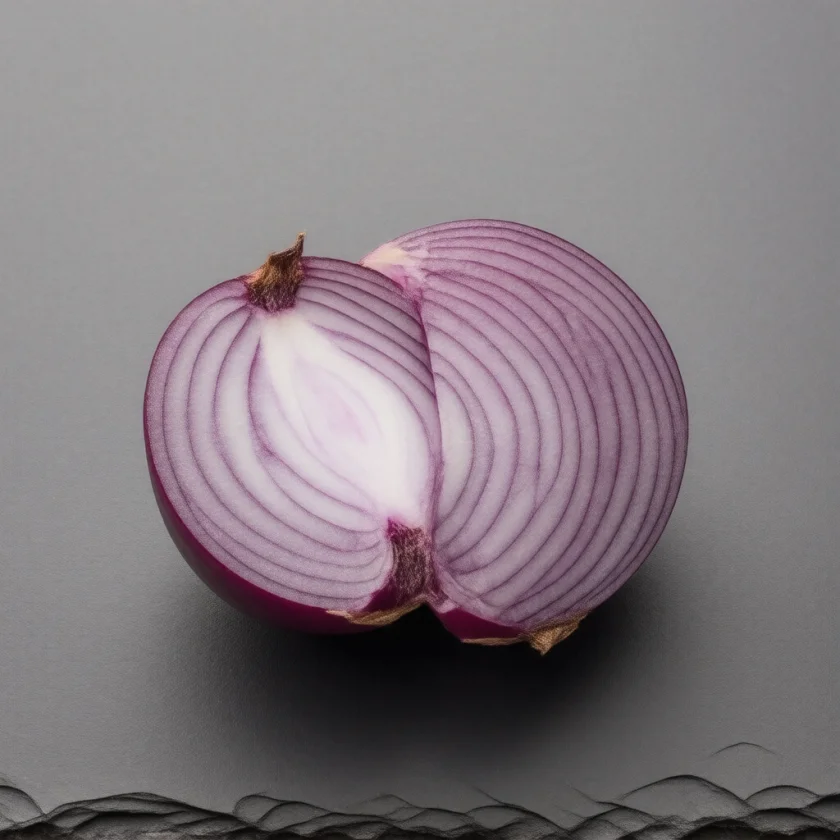
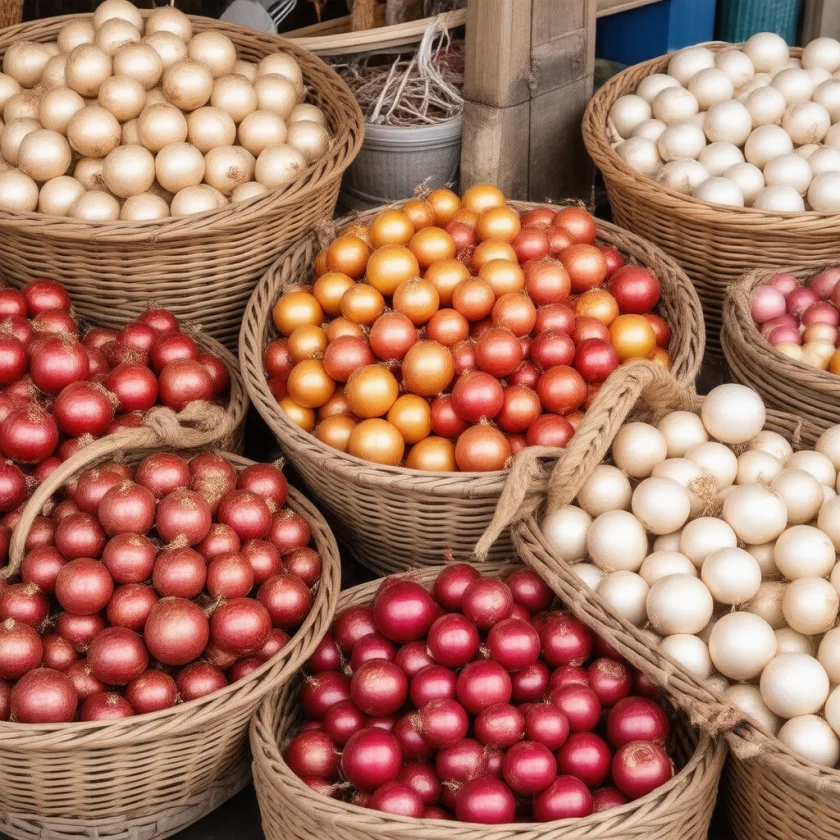
Onions are, by a wide margin, the richest everyday source of quercetin in the ordinary Western diet. Not the richest food per gram — capers and lovage beat them on paper — but the richest source people actually eat in quantity, several times a week, in soups and sauces and salads and on top of almost everything. That makes the onion one of the two biggest contributors of flavonols to many people's intake, alongside tea — in the Dutch Zutphen study the major sources were tea (61%), onions (13%) and apples (10%) — and it makes the question "what does quercetin actually do?" a practical one rather than an academic one. This page answers it honestly: where the quercetin sits inside the bulb, how much survives cooking, how much of it your body absorbs, and what the human trials show — including the trials that found nothing. The short version is that dietary quercetin from onions is a genuine, modest contributor to cardiovascular health, and high-dose quercetin capsules are a different product with a different risk profile, not the same thing as eating onions.
Table of Contents
- What Quercetin Actually Is
- How Much Is in an Onion — and Which Onion
- Where It Sits in the Bulb
- What Cooking Does to It
- Absorption: Why Onion Quercetin Is the Well-Absorbed Kind
- Blood Pressure: What the Trials Show
- Cholesterol, Oxidised Low-Density Lipoprotein, and the Endothelium
- The Population Studies
- Food Quercetin Is Not Supplement Quercetin
- How to Actually Get It
- Who Is Most Likely to Notice a Difference
- Key Research Papers
- Connections
- Featured Videos
What Quercetin Actually Is
Quercetin is a flavonol — one branch of the large family of plant pigments called flavonoids. Plants make it for their own reasons: it screens ultraviolet light, deters insects, and helps manage the plant's own oxidative stress. It is bright yellow, which is why concentrated quercetin powder looks like turmeric and why onion skins dye wool a warm gold.
In almost no plant does quercetin exist as free quercetin. It is stored bolted to one or more sugar molecules, a form chemists call a glycoside. Which sugar is attached matters enormously for what happens when you eat it, and this is where onions turn out to be unusual. Apples carry quercetin attached to galactose, rhamnose and arabinose. Tea carries it attached to rutinose. Onions carry it overwhelmingly as quercetin-4′-O-glucoside and quercetin-3,4′-O-diglucoside — that is, attached to plain glucose. Glucose conjugates are absorbed far more efficiently than the others, for reasons covered in the absorption section below. The onion is not merely a rich source; it is a rich source in the most usable chemical form.
Slimestad and colleagues catalogued the full flavonoid profile of onions in a 2007 review and counted more than two dozen distinct flavonoids across cultivars, but two quercetin glucosides dominate almost everywhere, typically accounting for the large majority of total flavonol content. Red onions add a second family on top — anthocyanins, the same class of pigment that colours blueberries and red cabbage — which is why red onions test higher on total antioxidant assays than their quercetin alone would predict.
How Much Is in an Onion — and Which Onion
Quercetin content varies by an order of magnitude across onion types, and the variation is not random. It tracks colour and pungency almost perfectly. Lombard and colleagues surveyed cultivars grown at multiple locations and found the pattern that every subsequent survey has reproduced:
- Red and deep-yellow onions — the highest. Pungent storage onions in the red and yellow families carry the most flavonol per gram, and the difference between the best and the worst cultivar in this group is still large.
- Standard yellow cooking onions — high. This is the workhorse onion in most kitchens and it is a genuinely good source.
- Sweet onions (Vidalia, Walla Walla, Maui, Texas 1015) — substantially lower. The traits that make a sweet onion mild — low pungency, high water content, thin skin, short storage life — travel with lower flavonol content.
- White onions — the lowest of the common types, often by a wide margin.
The practical rule is simple and reliable: if it makes you cry and it stores well, it is high in quercetin. The onion that sits happily in a paper bag for three months is the one carrying the chemistry. The mild, watery, sweet onion you can eat like an apple is the one that carries the least.
This is not an argument against sweet onions. They are still vegetables, still contain fructans and sulfur compounds, and a salad you actually eat beats a salad you do not. It is an argument for reaching for red or yellow when the onion is going into a dish where its harshness will be cooked away anyway.
Where It Sits in the Bulb
Quercetin is not distributed evenly through the onion. It is concentrated dramatically toward the outside — in the dry papery skin and the first one or two fleshy scales beneath it — and it thins out toward the centre. The outermost dry skin, the part everyone throws away, is the most flavonol-dense fraction of the plant by a very large multiple. This is why quercetin supplements are frequently manufactured from onion skin waste from the food industry, and why the two best-designed onion cardiovascular trials in humans both used an onion skin extract rather than onion flesh.
What this means in practice:
- Peeling depth matters. Most people strip off the skin plus the first fleshy layer because the outer layer is often slightly tough or discoloured. When that layer is sound, keeping it keeps a disproportionate share of the flavonols.
- Skins can go into stock. Dropping clean, dry onion skins into a stock pot extracts both colour and flavonols into the broth, and the skins are strained out afterwards. It costs nothing and it is the closest thing in a home kitchen to the extract used in the trials. It also gives stock a deep amber colour that no other ingredient produces as cheaply.
- The papery skin itself is not eaten. It is indigestible, sharp-edged and unpleasant; extraction into liquid is the usual route.
What Cooking Does to It
Quercetin is more heat-stable than most people assume. Lombard and colleagues ran onions through heat treatments designed to simulate ordinary home preparation and found that quercetin was substantially retained — this is not vitamin C, which collapses in minutes. The main route of loss is not destruction but leaching: quercetin glucosides are water-soluble, so boiling onions in water and discarding the water throws a meaningful share of the flavonol down the drain.
That gives a clear hierarchy for keeping what is there:
- Best — cooking methods that keep the liquid. Soups, stews, braises, sauces, curries, stocks, anything where the cooking water becomes part of the meal. Nothing is lost; leached flavonol just relocates into the broth.
- Good — dry-heat methods. Roasting, frying, sautéing, grilling. There is no water for the compounds to escape into. Some loss occurs at high temperature and long duration, but ordinary caramelising is not a problem.
- Also good — raw. Raw onion in a salad or salsa retains everything, and raw onion additionally delivers the intact organosulfur chemistry described on the organosulfur compounds page, which cooking does destroy.
- Worst — boiling and draining. Boiled onions with the water tipped out is the one preparation that gives up a real fraction of the quercetin for nothing.
One genuinely useful detail: cooking appears to slightly increase the proportion of quercetin present as the more absorbable forms, because heat and the plant's own enzymes begin cleaving the diglucoside toward the monoglucoside. So a cooked onion is not a nutritionally degraded onion. Between raw and gently cooked, the difference in usable quercetin is small enough that the way the dish wants the onions cooked matters more.
Absorption: Why Onion Quercetin Is the Well-Absorbed Kind
This is the section that explains why onions punch above their weight, and it rests on a genuinely elegant piece of human research.
In 1995 Hollman and colleagues did something you cannot easily do in an ordinary volunteer: they recruited people with an ileostomy — whose small intestine empties into an external bag before reaching the colon — and fed them quercetin from different sources. Because everything not absorbed in the small intestine ends up in the bag, the experiment measures small-intestinal absorption directly rather than inferring it. The result was striking. In the nine volunteers, absorption was 52% for quercetin glucosides from fried onions, against 24% for pure quercetin aglycone (the free, sugar-free form sold in most supplements) and 17% for pure quercetin rutinoside, the major quercetin compound in tea.
Hollman's group followed this in 1997 with a comparison of relative bioavailability in nine volunteers given a single large dose of onions, apples, or pure quercetin-3-rutinoside (the major quercetin glycoside in tea), and the ranking held: bioavailability of quercetin from apples and from the pure rutinoside was each 30% of that from onions. Blood levels peaked less than 0.7 hours after onions, 2.5 hours after apples and 9 hours after the rutinoside. Elimination half-lives were 28 hours for onions and 23 hours for apples — long enough, the authors conclude, that repeated eating of quercetin-containing foods builds quercetin up in the blood.
The mechanism is now well understood. Glucose conjugates can hitch a ride on the small intestine's sodium-dependent glucose transporter (SGLT1) — the same machinery your gut uses to absorb dietary glucose — and can also be cleaved right at the brush border by the enzyme lactase-phlorizin hydrolase, releasing quercetin exactly where it can be taken up. Rhamnose and rutinose conjugates have no such shortcut; they must travel all the way to the colon and wait for bacteria to strip the sugar off, by which point the window for efficient absorption has largely closed.
Two caveats keep this honest. First, "better absorbed" still means modest in absolute terms — flavonols are not vitamins and only a fraction of what you eat reaches circulation. Second, once absorbed, quercetin is rapidly conjugated by the liver into glucuronides and sulfates, so almost none of it circulates as free quercetin. The circulating metabolites are biologically active, but they are not the molecule the test-tube studies used, which is one reason cell-culture findings on quercetin translate to humans so unevenly.
Blood Pressure: What the Trials Show
Blood pressure is the outcome where quercetin has the strongest human evidence, and also the outcome where the evidence is most often overstated. Here is the honest picture.
The meta-analysis. Serban and colleagues pooled the randomised controlled trials of quercetin supplementation on blood pressure in 2016. Across 7 trials with 9 treatment arms (587 patients), quercetin produced a statistically significant reduction in both systolic blood pressure (by 3.04 mmHg) and diastolic blood pressure (by 2.63 mmHg). The effect size is real but small — a few millimetres of mercury, in the range you would expect from a modest lifestyle change, not from a blood pressure medication. When the trials were grouped by dose, the reduction was significant in trials using 500 mg a day or more (systolic 4.45 mmHg, diastolic 2.98 mmHg) and not significant in trials using less than 500 mg a day (systolic 1.59 mmHg, P=0.273), although tests comparing the dose groups indirectly did not find a significant difference between them.
The best individual trials. Egert and colleagues gave 93 overweight or obese adults with metabolic-syndrome traits 150 mg of quercetin daily for 6 weeks in a double-blind, placebo-controlled crossover design. Mean fasting plasma quercetin rose from 71 to 269 nmol/l; systolic blood pressure fell by 2.6 mmHg in the whole group and by 2.9 mmHg in the subgroup with hypertension; and oxidised low-density lipoprotein (LDL) fell, while tumour necrosis factor-alpha and C-reactive protein, two markers of inflammation, did not change. Brüll and colleagues later ran the trial that is most directly relevant here: a quercetin-rich onion skin extract, in a randomised double-blind placebo-controlled crossover trial in overweight-to-obese people with pre-hypertension or hypertension, measured with 24-hour ambulatory monitoring rather than a single clinic reading. Seventy people took 162 mg a day of quercetin from the extract, or placebo, for 6 weeks each. In the group as a whole quercetin did not significantly affect 24-hour ambulatory blood pressure or office blood pressure. In the subgroup with hypertension it lowered 24-hour systolic pressure by 3.6 mmHg (a mean difference of 3.9 mmHg compared with placebo); the day-time and night-time falls in that subgroup were not significant when compared with placebo.
And the trial that found nothing. The same group tested whether a single acute dose of the same onion skin extract would move postprandial blood pressure and endothelial function. It did not. This matters, and it is the sort of result that gets left out of promotional writing: quercetin is not an acute vasodilator you can take before a stressful afternoon. Whatever it does, it does slowly, over weeks.
Reading these together, a fair summary is: quercetin lowers blood pressure a little, most clearly in people whose blood pressure is elevated, given time. In people with normal blood pressure the measured effect is smaller: a 2022 meta-analysis of 10 randomised trials (841 participants) found systolic pressure 2.38 mmHg lower overall and 1.82 mmHg lower in the subgroup with normal blood pressure, and diastolic pressure 3.14 mmHg lower in people with high or borderline-high pressure — a pattern seen with many dietary interventions, where there is less room to move. And the doses used in these trials — 150 and 162 mg a day in the two German trials, and 500 mg a day or more in the trials where the 2016 meta-analysis found a significant effect — are higher than most people get from food, which is discussed below.
Cholesterol, Oxidised Low-Density Lipoprotein, and the Endothelium
Beyond blood pressure, three related outcomes have been studied.
Oxidised low-density lipoprotein. The idea that oxidative modification of low-density lipoprotein particles is a step in plaque formation is long-standing, and quercetin is an antioxidant, so this was an obvious thing to measure. Egert's trial reported a fall in plasma oxidised low-density lipoprotein alongside the blood pressure change. This is a mechanistic marker rather than a clinical outcome — no trial has shown that lowering oxidised low-density lipoprotein with quercetin prevents heart attacks — but it is a coherent signal.
Blood lipids. The trials do not show a lipid benefit. Egert's trial found that quercetin decreased high-density lipoprotein (HDL) cholesterol, while total cholesterol and triglycerides were unaltered. A 2020 meta-analysis of 17 trials (896 participants) found that “neither lipid profiles nor glucose concentrations changed significantly”; changes in HDL cholesterol and triglycerides appeared only in the subgroup of parallel-design trials in which people took quercetin for 8 weeks or more. The same meta-analysis found systolic pressure 3.09 mmHg and diastolic pressure 2.86 mmHg lower. A 2023 umbrella review of 5 meta-analyses (18 trials, plus 5 trials not included in earlier meta-analyses) found that quercetin supplements lowered systolic blood pressure (by 1.9 mmHg) and insulin levels, but did not change diastolic pressure, blood lipids, inflammation, body measurements, fasting glucose or insulin resistance; the certainty of the evidence ranged from very low to moderate.
Kim and Yim published two reports of onion peel extract in Korean women with overweight or obesity. Both describe the same design — 37 women, 18 given 100 mg a day and 19 given a placebo, for 12 weeks — so they appear to be two reports of one trial. The 2015 report found lower plasma reactive oxygen species and higher activity of the antioxidant enzyme superoxide dismutase than with placebo; the 2016 report concluded that the extract did “not affect modulators of systemic inflammation”. This is a small study in a specific population, encouraging rather than conclusive. Quercetin is not a lipid-lowering agent in the way a statin or dietary fibre is.
Endothelial function. The blood vessel lining regulates its own tone through nitric oxide, and flavonoids plausibly interact with that system. Neither of Brüll's trials found a change. In the 6-week trial, endothelial function and vasoactive biomarkers, along with markers of oxidation, inflammation, lipid and glucose metabolism, were not affected by quercetin, and the single-dose trial found no effect on endothelial function either. The authors write that the mechanisms behind the blood-pressure fall in people with hypertension “remain unclear”.
What nobody has shown. There is no trial demonstrating that quercetin — from onions or from capsules — reduces heart attacks, strokes, or deaths. Every cardiovascular claim above rests on surrogate markers. That is not a reason to dismiss it; it is a reason to keep the claim proportionate. Onions are a good food that nudges some cardiovascular numbers slightly in the right direction. They are not a treatment.
The Population Studies
The interest in dietary flavonols began with epidemiology, and the founding study is worth naming precisely because it is so often cited loosely. Hertog and colleagues, working with the Zutphen Elderly Study cohort of Dutch men, reported in The Lancet in 1993 that higher intake of dietary antioxidant flavonoids was associated with lower coronary heart disease mortality. The study assessed the flavonoid intake of 805 men aged 65–84 years in 1985 and followed them for 5 years. Mean intake was 25.9 mg a day, and the major sources were tea (61%), onions (13%) and apples (10%). Men in the highest third of flavonoid intake had a relative risk of death from coronary heart disease of 0.42 compared with the lowest third, and 0.32 after adjustment for age, body-mass index, smoking, cholesterol, blood pressure, physical activity and other dietary factors. Intakes of tea, onions and apples were also inversely related to coronary heart disease deaths, but these associations were weaker.
Two things matter here. First, it is an observational cohort, and people who ate more onions and apples in the Netherlands in the 1980s differed from those who ate fewer in many ways that are hard to fully adjust for. Second, the study is genuinely important because it launched two decades of flavonoid research and because subsequent cohorts in other countries have broadly, though not universally, reproduced an inverse association between flavonoid intake and cardiovascular events.
Boots and colleagues' 2008 review remains a useful summary of how the field moved from "quercetin is an antioxidant" to a more complicated picture in which quercetin's effects on enzymes, signalling pathways and gene expression may matter more than its direct radical-scavenging capacity — particularly given that circulating concentrations after a normal meal are far below what most antioxidant test-tube experiments use.
Food Quercetin Is Not Supplement Quercetin
This distinction deserves its own section because conflating the two is the most common error in writing about onions.
A person eating onions regularly — say half a medium onion most days, in cooking — is getting quercetin in the tens of milligrams per day. Typical total dietary flavonol intake in Western populations sits in that range, with onions and tea usually the two largest contributors. The individual trials described above used 100 to 162 mg of quercetin per day from concentrated preparations, and the 2016 meta-analysis found a significant blood-pressure effect only in trials using 500 mg a day or more — several times a generous dietary intake. Quercetin capsules on the shelf are commonly sold at 500 or 1,000 mg per capsule — that is, an order of magnitude above what any diet delivers.
Andres and colleagues published a careful safety review of quercetin as a dietary supplement, and their conclusions are worth taking seriously. Their central point is that the long history of safe consumption of quercetin in food does not automatically license high-dose isolated supplementation, because the exposure is different in kind, not just degree. Specific concerns they raise include interaction with drug-metabolising enzymes and transporters — which means quercetin can alter blood levels of prescribed medicines — and limited data on long-term high-dose use.
Two practical implications:
- If you take prescription medication, quercetin capsules are a genuine interaction question, not a theoretical one. Quercetin inhibits several cytochrome P450 enzymes and efflux transporters in laboratory systems. Eating onions is not the concern; taking a gram a day of isolated quercetin alongside medication is.
- The evidence for a benefit at food-level doses is weaker than the evidence at trial-level doses. That is an uncomfortable thing to write on a page about eating onions, but it is true. The honest framing is that onions contribute to a flavonol-rich dietary pattern that population studies associate with better cardiovascular outcomes, and that the mechanistic trials at higher doses make that association more plausible.
The site's dedicated Quercetin page covers the compound itself — forms, dosing, interactions and its non-cardiovascular research — in more depth than belongs here.
How to Actually Get It
What the findings above mean in the kitchen:
- Red and yellow onions carry the most. Sweet onions carry less, and their mildness suits dishes such as raw onion in a sandwich, or thinly sliced on a salad for someone who dislikes bite.
- The outer fleshy layer is where much of the flavonol sits; peeling only the papery skin keeps it.
- Onion skins added to stock give free flavonols and better colour; a bag of skins keeps in the freezer.
- Cooking in liquid that is eaten keeps it: onions in a soup, sauce, dal, stew or braise lose nothing.
- Raw onion — red onion in a salad, salsa, or pickled quickly in vinegar — delivers quercetin plus intact sulfur compounds. Quick-pickling in vinegar also tames the harshness without a long cook.
- Peeling far ahead brings no benefit. A peeled onion left cut and exposed loses quality generally.
- The rest of the allium family. Garlic, leeks and shallots bring related chemistry; shallots in particular are flavonol-rich for their size.
- Other flavonol sources. Apples (skin on) and tea were the other two big contributors in the classic cohorts.
Who Is Most Likely to Notice a Difference
Trials of dietary compounds usually show the largest effects in the people who start furthest from normal, and quercetin follows that rule.
- People with elevated blood pressure. The signal in the trials is concentrated in hypertensive and pre-hypertensive participants. In people with normal blood pressure the effect is smaller: the 2022 meta-analysis measured a 1.82 mmHg fall in systolic pressure in that subgroup.
- People with a low-vegetable baseline diet. If onions are replacing nothing, the marginal benefit is small; if adding onions is part of moving from a diet with almost no vegetables to one with several a day, the benefit is not really about quercetin at all.
- People with metabolic risk factors. Overweight participants with a high-risk phenotype are the group Egert deliberately recruited, and the group where the oxidised-LDL result appeared.
And the group for whom onions may not be the right vehicle at all: people with irritable bowel syndrome (IBS) or a diagnosed fructan intolerance. Onion is one of the most reliable symptom triggers there is, and no amount of quercetin justifies days of bloating and pain. That is not a small caveat, and it has its own page — see Onions, FODMAPs, and irritable bowel syndrome, which also explains the one workaround (onion-infused oil) that genuinely works and the one (removing the cooked pieces) that mostly does not.
Key Research Papers
- Slimestad R, Fossen T, Vågen IM. Onions: a source of unique dietary flavonoids. Journal of Agricultural and Food Chemistry. 2007;55(25):10067-10080. — doi:10.1021/jf0712503
- Serban MC, Sahebkar A, Zanchetti A, et al. Effects of quercetin on blood pressure: a systematic review and meta-analysis of randomized controlled trials. Journal of the American Heart Association. 2016;5(7). — doi:10.1161/JAHA.115.002713
- Egert S, Bosy-Westphal A, Seiberl J, et al. Quercetin reduces systolic blood pressure and plasma oxidised low-density lipoprotein concentrations in overweight subjects with a high-cardiovascular disease risk phenotype: a double-blinded, placebo-controlled cross-over study. British Journal of Nutrition. 2009;102(7):1065-1074. — doi:10.1017/S0007114509359127
- Brüll V, Burak C, Stoffel-Wagner B, et al. Effects of a quercetin-rich onion skin extract on 24 h ambulatory blood pressure and endothelial function in overweight-to-obese patients with (pre-)hypertension: a randomised double-blinded placebo-controlled cross-over trial. British Journal of Nutrition. 2015;114(8):1263-1277. — doi:10.1017/S0007114515002950
- Brüll V, Burak C, Stoffel-Wagner B, et al. Acute intake of quercetin from onion skin extract does not influence postprandial blood pressure and endothelial function in overweight-to-obese adults. European Journal of Nutrition. 2017;56(3):1347-1357. — doi:10.1007/s00394-016-1185-1
- Hollman PC, de Vries JH, van Leeuwen SD, Mengelers MJ, Katan MB. Absorption of dietary quercetin glycosides and quercetin in healthy ileostomy volunteers. The American Journal of Clinical Nutrition. 1995;62(6):1276-1282. — doi:10.1093/ajcn/62.6.1276
- Hollman PC, van Trijp JM, Buysman MN, et al. Relative bioavailability of the antioxidant flavonoid quercetin from various foods in man. FEBS Letters. 1997;418(1-2):152-156. — doi:10.1016/S0014-5793(97)01367-7
- Hertog MGL, Feskens EJM, Hollman PCH, Katan MB, Kromhout D. Dietary antioxidant flavonoids and risk of coronary heart disease: the Zutphen Elderly Study. The Lancet. 1993;342(8878):1007-1011. — doi:10.1016/0140-6736(93)92876-U
- Andres S, Pevny S, Ziegenhagen R, et al. Safety aspects of the use of quercetin as a dietary supplement. Molecular Nutrition & Food Research. 2018;62(1). — doi:10.1002/mnfr.201700447
- Lombard K, Peffley E, Geoffriau E, Thompson L, Herring A. Quercetin in onion (Allium cepa L.) after heat-treatment simulating home preparation. Journal of Food Composition and Analysis. 2005;18(6):571-581. — doi:10.1016/j.jfca.2004.03.027
- Lombard KA, Geoffriau E, Peffley E. Total quercetin content in onion: survey of cultivars grown at various locations. HortTechnology. 2004;14(4):628-630. — doi:10.21273/HORTTECH.14.4.0628
- Boots AW, Haenen GRMM, Bast A. Health effects of quercetin: from antioxidant to nutraceutical. European Journal of Pharmacology. 2008;585(2-3):325-337. — doi:10.1016/j.ejphar.2008.03.008
- Kim KA, Yim JE. Antioxidative activity of onion peel extract in obese women: a randomized, double-blind, placebo controlled study. Journal of Cancer Prevention. 2015;20(3):202-207. — doi:10.15430/JCP.2015.20.3.202
- Kim KA, Yim JE. The effect of onion peel extract on inflammatory mediators in Korean overweight and obese women. Clinical Nutrition Research. 2016;5(4):261. — doi:10.7762/cnr.2016.5.4.261
- Huang H, Liao D, Dong Y, Pu R. Effect of quercetin supplementation on plasma lipid profiles, blood pressure, and glucose levels: a systematic review and meta-analysis. Nutrition Reviews. 2020;78(8):615-626. — doi:10.1093/nutrit/nuz071
- Popiolek-Kalisz J, Fornal E. The effects of quercetin supplementation on blood pressure — meta-analysis. Current Problems in Cardiology. 2022;47(11):101350. — doi:10.1016/j.cpcardiol.2022.101350
- Arabi SM, Shahraki Jazinaki M, Chambari M, et al. The effects of quercetin supplementation on cardiometabolic outcomes: an umbrella review of meta-analyses of randomized controlled trials. Phytotherapy Research. 2023;37(11):5080-5091. — doi:10.1002/ptr.7971
- Griffiths G, Trueman L, Crowther T, Thomas B, Smith B. Onions — a global benefit to health. Phytotherapy Research. 2002;16(7):603-615. — doi:10.1002/ptr.1222
PubMed Topic Searches
Connections
- Onions — the main topic page
- Onions — Benefits Deep Dive
- Onions: History and Origins
- Onion Organosulfur Compounds and the Tear Factor
- Onion Prebiotic Fructans and Gut Bacteria
- Onions, FODMAPs, and Irritable Bowel Syndrome
- Quercetin — the compound in depth
- Antioxidants
- Garlic
- Leeks
- Apples
- Hypertension
- Cardiology
- All Food Topics