Hepatocellular Carcinoma
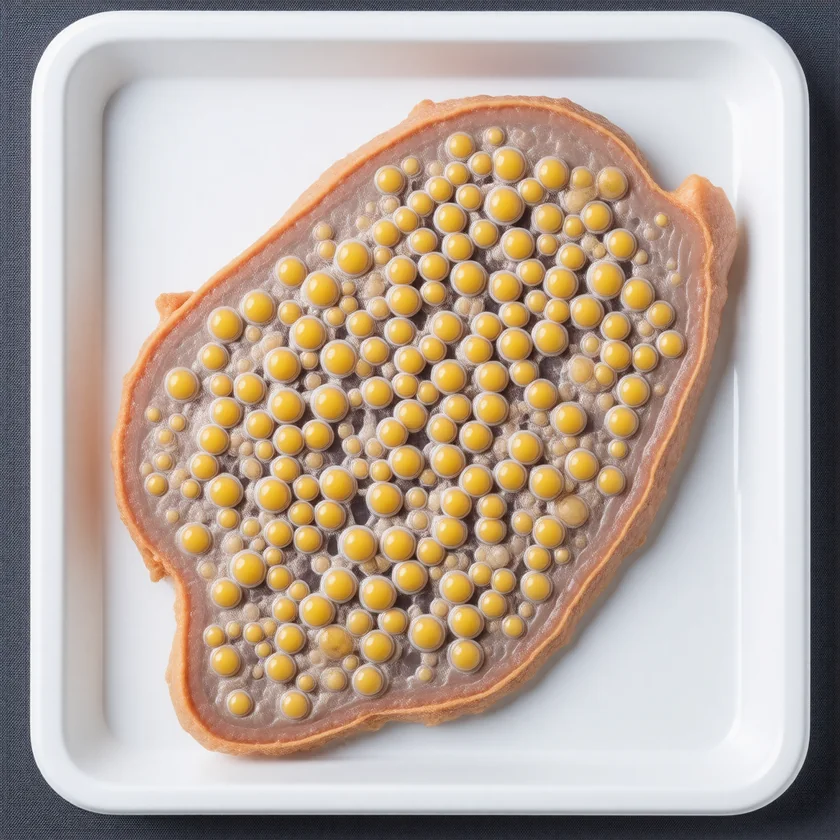
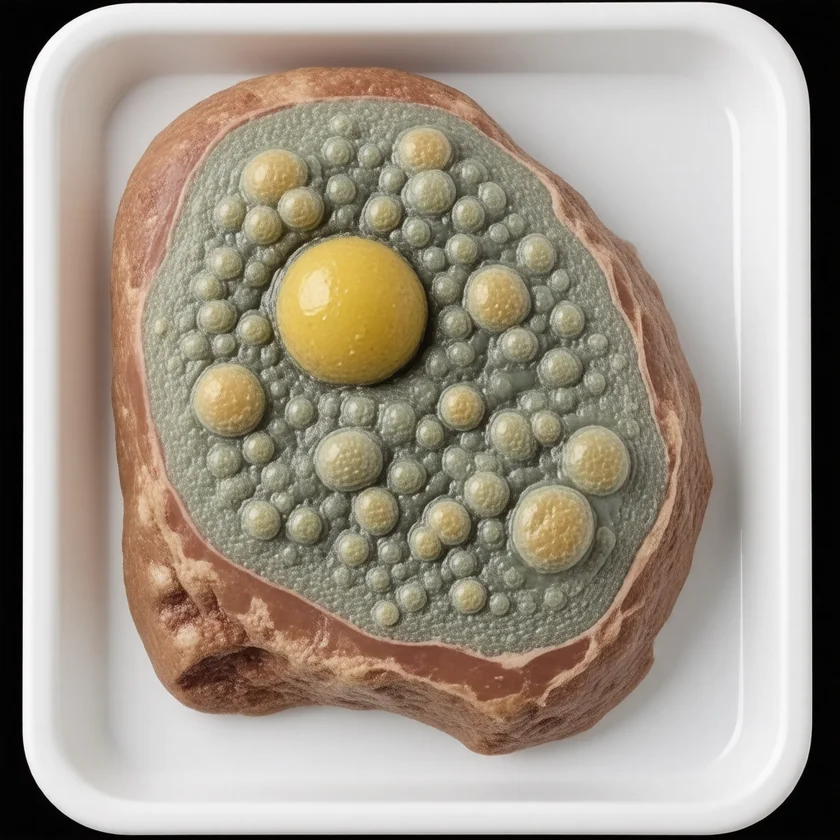
Hepatocellular carcinoma (HCC) is the most common primary liver cancer, arising from hepatocytes — the main functional cells of the liver. Approximately 90% of HCC cases develop in the setting of underlying liver disease, particularly cirrhosis. However, hepatitis B virus (HBV) is uniquely able to cause HCC without cirrhosis by directly integrating into the genome and disrupting tumor-suppressor pathways, which is why guidelines include hepatitis B virus carriers in surveillance even without cirrhosis.
Table of Contents
1. Overview
Hepatocellular carcinoma is the predominant form of primary liver cancer, accounting for approximately 75–85% of all primary liver malignancies. The remaining primary liver cancers include intrahepatic cholangiocarcinoma and rare tumors such as hepatoblastoma and angiosarcoma.
HCC carries a poor prognosis because it is frequently diagnosed at an advanced stage and because it arises in the setting of underlying liver disease that limits treatment options. Early-stage HCC detected through surveillance programs offers a genuine chance of cure with resection, ablation, or transplantation — making surveillance the single most impactful intervention in high-risk patients.
Key distinguishing features of HCC include:
- Cirrhosis as the dominant substrate: Approximately 90% of HCC arises in cirrhotic livers. All cirrhotic patients, regardless of the underlying cause, carry elevated HCC risk, and the AASLD and EASL guidelines include them in ongoing surveillance.
- Hepatitis B virus as a cirrhosis-independent carcinogen: hepatitis B virus can integrate directly into hepatocyte DNA and disrupt p53 and retinoblastoma (Rb) tumor-suppressor pathways even in the absence of cirrhosis. For this reason the AASLD and EASL guidelines include higher-risk HBsAg-positive (hepatitis B surface antigen-positive) carriers in surveillance even when the liver is not cirrhotic.
- Rising incidence in Western countries: The epidemic of nonalcoholic fatty liver disease (NAFLD) and its inflammatory form, nonalcoholic steatohepatitis (NASH), is driving a new wave of HCC in patients without viral hepatitis and, in a significant minority, without overt cirrhosis.
- Imaging-based diagnosis: In cirrhotic patients, contrast-enhanced computed tomography (CT) or magnetic resonance imaging (MRI) demonstrating the characteristic vascular signature (arterial phase hyperenhancement followed by washout) is sufficient for diagnosis — biopsy is often unnecessary.
2. Epidemiology
According to the GLOBOCAN 2022 estimates, liver cancer (most of which is HCC) is the third leading cause of cancer death worldwide, accounting for 7.8% of all cancer deaths, after lung (18.7%) and colorectal (9.3%) cancers; it is not among the five most commonly diagnosed cancers (lung, female breast, colorectum, prostate and stomach). Its geographic distribution is striking and reflects the underlying etiology in each region.
Global burden: Sub-Saharan Africa and East Asia bear the greatest burden of HCC, driven predominantly by endemic chronic hepatitis B virus infection and co-exposure to aflatoxin B1, a mycotoxin produced by Aspergillus species that contaminates improperly stored grain and groundnuts. In these regions, HCC commonly affects younger adults, often without overt cirrhosis.
Western countries: In North America, Europe, and Australia, hepatitis C virus (HCV) historically drove the majority of HCC cases. DAA (direct-acting antiviral) therapy has dramatically reduced new hepatitis C virus-related cirrhosis, but HCC incidence in the West continues to rise — driven now by the non-alcoholic fatty liver disease/non-alcoholic steatohepatitis epidemic and alcohol-related liver disease. This shift is accompanied by a change in the typical patient profile: older, more metabolically complex, and often presenting without a classic viral hepatitis history.
Incidence figures:
- Approximately 900,000 new HCC cases diagnosed annually worldwide.
- In the United States, roughly 41,000 new cases per year (2023 estimates).
- Male-to-female ratio is approximately 2–4:1 across most populations; male sex is an independent risk factor likely related to androgen receptor signaling and differences in immune surveillance.
- Median age at diagnosis in Western countries: 60–65 years; in high-HBV-endemic regions, diagnosis can occur in the third and fourth decades of life.
Incidence trends: HCC incidence in the US tripled between 1975 and 2015, though it has plateaued in recent years as hepatitis C virus cures reduce one major driver. Non-alcoholic fatty liver disease-related HCC is projected to become the leading etiology by 2030.
3. Pathophysiology
HCC typically develops through a well-characterized multistep progression rooted in chronic liver injury, inflammation, and regeneration. Understanding this progression explains why cirrhosis is such a potent substrate for HCC and why surveillance imaging targets specific nodular lesions.
Cirrhosis-to-HCC sequence:
- Chronic hepatocyte injury from virus, alcohol, fat, or toxin triggers repeated cycles of cell death and regeneration.
- Regenerative nodules form as surviving hepatocytes proliferate to replace lost cells. These are benign by definition.
- Low-grade dysplastic nodules (LGDN) accumulate early somatic mutations. Imaging characteristics remain close to normal liver.
- High-grade dysplastic nodules (HGDN) show more pronounced cytologic atypia and may display early arterial neovascularization — a hallmark of malignant transformation.
- Early HCC is characterized by vaguely nodular architecture, portal tract invasion, and frank arterial hyperenhancement on contrast imaging.
- Progressed/advanced HCC shows frank vascular invasion, satellite nodules, and intrahepatic or distant metastases.
Key molecular drivers:
- TERT promoter mutations: Present in up to 60% of HCC; among the earliest and most common somatic alterations; TERT activation confers replicative immortality.
- TP53 mutations: Found in approximately 25–30% of HCC; particularly prevalent in aflatoxin B1-associated HCC (characteristic G→T transversion at codon 249); TP53 loss abrogates apoptotic checkpoints.
- CTNNB1 (beta-catenin) mutations: Approximately 20–30% of HCC; activate the Wnt/beta-catenin pathway; associated with better-differentiated tumors and potentially relevant for immunotherapy response (beta-catenin-mutated HCC may be immune-excluded).
- MET amplification: Drives hepatocyte growth factor signaling; MET-high tumors may respond to cabozantinib (a MET inhibitor).
- Hepatitis B virus genomic integration: HBV DNA integrates into the host hepatocyte genome, frequently disrupting tumor-suppressor loci, activating telomerase, and generating oncogenic fusion transcripts. This mechanism operates independent of cirrhosis, explaining why hepatitis B virus-associated HCC can arise in non-cirrhotic livers.
Angiogenesis: Neovascularization is a defining feature of HCC. As nodules progress from dysplastic to malignant, they develop unpaired arterioles and lose portal blood supply — producing the classic imaging finding of arterial phase hyperenhancement followed by venous-phase washout relative to surrounding liver.
4. Etiology and Risk Factors
HCC almost always develops against a background of chronic liver disease. Identifying the underlying cause is critical for surveillance strategy, treatment planning, and prevention counseling.
Hepatitis B virus (HBV): The most common cause of HCC worldwide, accounting for approximately 50–55% of global cases. Chronic hepatitis B virus infection creates HCC risk through both cirrhosis-dependent and cirrhosis-independent mechanisms. Risk is highest with high hepatitis B virus viral load, HBeAg positivity, genotype C infection, co-infection with hepatitis D virus, male sex, age over 40, and family history of HCC. Antiviral therapy (tenofovir, entecavir) reduces but does not eliminate HCC risk. The AASLD and EASL guidelines include higher-risk HBsAg-positive people in surveillance whether or not they have cirrhosis (see Surveillance below).
Hepatitis C virus (HCV): The leading cause of HCC in North America and Europe. Chronic hepatitis C virus causes HCC almost exclusively through cirrhosis. DAA therapy achieves SVR (sustained virologic response) in over 95% of patients and reduces annual HCC incidence by approximately 70%, but does not return risk to population baseline — the guidelines continue surveillance after successful hepatitis C virus treatment in people who already had cirrhosis.
Non-alcoholic fatty liver disease/non-alcoholic steatohepatitis: The fastest-growing cause of HCC in the developed world. Risk is strongly correlated with the degree of fibrosis; cirrhosis from non-alcoholic steatohepatitis carries an annual HCC incidence of approximately 1–2%. Importantly, 10–25% of non-alcoholic steatohepatitis-related HCC arises in non-cirrhotic livers — a subgroup in whom standard cirrhosis-based surveillance programs may miss cases. Metabolic risk factors (obesity, type 2 diabetes, hyperlipidemia) independently predict HCC risk even after adjusting for fibrosis stage.
Alcohol-related liver disease (ALD): Heavy alcohol use is a major cause of cirrhosis and a synergistic cofactor with hepatitis B virus, hepatitis C virus, and non-alcoholic fatty liver disease for HCC development. Abstinence reduces but does not eliminate risk once cirrhosis has developed.
Aflatoxin B1: A potent hepatic carcinogen produced by Aspergillus flavus and A. parasiticus fungi growing on improperly stored corn, peanuts, and other grains. Highly prevalent in sub-Saharan Africa and parts of Asia. Aflatoxin B1 synergizes with hepatitis B virus: the combination increases HCC risk more than 60-fold compared to neither exposure. The aflatoxin-associated TP53 codon 249 mutation is a molecular signature of this exposure.
Hemochromatosis: Hereditary hemochromatosis (HFE gene mutations) leads to iron overload and cirrhosis; cirrhotics with hemochromatosis have a 20-fold increased HCC risk. HCC can arise even after iron depletion therapy if cirrhosis is established.
Other causes:
- Alpha-1 antitrypsin deficiency: The Z allele leads to hepatocyte accumulation of misfolded protein and cirrhosis; HCC risk is substantially elevated.
- Primary biliary cholangitis (PBC): Advanced PBC with cirrhosis carries elevated HCC risk; surveillance is indicated.
- Wilson's disease: Copper accumulation causes cirrhosis and associated HCC risk; treatment with chelation or zinc reduces copper burden but surveillance continues if cirrhosis is present.
- Anabolic androgenic steroids: Long-term use has been associated with hepatic adenomas and a subset of HCC, often in non-cirrhotic livers.
5. Surveillance
Surveillance is the cornerstone of reducing HCC mortality. The goal is to detect tumors at an early stage when curative therapies remain possible. A 2004 randomized controlled trial by Zhang et al. in urban Shanghai enrolled 18,816 people aged 35–59 with hepatitis B virus infection or a history of chronic hepatitis; the screening group was offered an AFP (alpha-fetoprotein) blood test and ultrasound every 6 months. Even though only 58.2% of the offered screenings were completed, the HCC death rate was 83.2 per 100,000 in the screened group versus 131.5 per 100,000 in the controls (rate ratio 0.63) — a 37% reduction in HCC mortality. In the screened group, 46.5% of the cancers found could be surgically removed, versus 7.5% in the control group.
Who is surveilled (AASLD/EASL guidelines):
- All patients with cirrhosis from any cause, regardless of Child-Pugh class (except Child-Pugh C patients not eligible for transplant, where surveillance has no therapeutic consequence).
- All HBsAg-positive carriers meeting any of the following: Asian male age ≥40, Asian female age ≥50, African/North American Black of any age, family history of HCC, or high hepatitis B virus viral load/active hepatitis — regardless of cirrhosis status.
Surveillance modality: Liver ultrasound every 6 months is the primary modality, with or without serum AFP. AFP alone is insufficient due to low sensitivity (sensitivity ~60%) and low specificity (elevated in active hepatitis/cirrhosis without HCC). Ultrasound is operator-dependent and significantly limited in obese patients (body mass index (BMI) >35) and in non-alcoholic fatty liver disease, where echogenicity is altered. In these settings, abbreviated magnetic resonance imaging protocols (LI-RADS-compliant) are being studied as alternatives and are favored at expert centers.
AFP performance: An AFP cutoff of 20 ng/mL in a surveillance setting has sensitivity of approximately 60% and specificity of 90%. A rising AFP trajectory over time is more concerning than a single elevated value. AFP-L3 fraction and des-gamma-carboxyprothrombin (DCP/PIVKA-II) are approved adjunct biomarkers that improve early detection rates when combined with standard AFP.
Surveillance gaps: Real-world surveillance adherence is suboptimal — studies suggest that fewer than 20% of eligible US patients receive guideline-concordant surveillance. Barriers include lack of gastroenterology/hepatology referral, patient unawareness of cirrhosis diagnosis, cost, and limited ultrasound access. Programs targeting at-risk populations through primary care and community health settings are expanding.
6. Diagnosis and Staging
Imaging diagnosis — LI-RADS: The Liver Imaging Reporting and Data System (LI-RADS) provides standardized interpretation of contrast-enhanced computed tomography and magnetic resonance imaging findings in patients at risk for HCC:
- LR-1: Definitely benign.
- LR-2: Probably benign.
- LR-3: Intermediate probability of malignancy.
- LR-4: Probably HCC.
- LR-5: Definitely HCC — requires arterial phase hyperenhancement (APHE) plus at least one of: washout appearance, enhancing capsule, or threshold growth (≥50% size increase in ≤6 months). In a cirrhotic patient, LR-5 eliminates the need for biopsy; diagnosis is imaging-confirmed.
- LR-M: Probably or definitely malignant, not HCC-specific (may represent cholangiocarcinoma or combined hepatocellular-cholangiocarcinoma).
Contrast-enhanced ultrasound (CEUS): An alternative to computed tomography/magnetic resonance imaging, particularly useful in patients with renal insufficiency who cannot receive iodinated or gadolinium-based contrast. CEUS is incorporated into LI-RADS algorithms but is less widely available.
Biopsy indications: Biopsy is required when: (1) the patient is non-cirrhotic and imaging is atypical, (2) imaging is LR-M suggesting a non-HCC malignancy, or (3) the clinical picture is discordant. Core biopsy carries a small but real seeding risk (estimated 1–3%); this risk is generally outweighed by diagnostic necessity when indicated.
AFP in diagnosis: An AFP greater than 200 ng/mL in a cirrhotic patient with a new arterially enhancing hepatic mass is considered diagnostic of HCC by many guidelines, even without LR-5 imaging features.
BCLC staging: The Barcelona Clinic Liver Cancer (BCLC) staging system integrates tumor burden, liver function, and performance status to guide treatment:
- BCLC 0 (Very early): Single nodule ≤2 cm, Child-Pugh A, PS 0.
- BCLC A (Early): Single nodule or ≤3 nodules each ≤3 cm, Child-Pugh A–B, PS 0.
- BCLC B (Intermediate): Multinodular, no vascular invasion or extrahepatic spread, Child-Pugh A–B, PS 0.
- BCLC C (Advanced): Vascular invasion or extrahepatic metastases, Child-Pugh A–B, PS 1–2.
- BCLC D (Terminal): Child-Pugh C or PS 3–4.
7. Treatment
Treatment selection follows BCLC staging and is guided by liver function, tumor burden, vascular invasion, and patient performance status.
Curative therapies (BCLC 0–A):
- Surgical resection: Preferred for non-cirrhotic patients and for cirrhotic patients with Child-Pugh A, adequate future liver remnant, and no clinically significant portal hypertension (HVPG <10 mmHg). Five-year survival rates of 60–70% in well-selected patients. Recurrence rates at 5 years approach 70%, reflecting both true recurrence and de novo tumors in the damaged background liver.
- Thermal ablation (RFA/MWA): Radiofrequency ablation and microwave ablation are preferred for tumors ≤3 cm when resection is not feasible or when portal hypertension precludes surgery. RFA achieves complete ablation in 80–90% of ≤3 cm tumors with minimal impact on liver function. Non-inferior to resection for very early HCC (≤2 cm) in some randomized trials.
- Liver transplantation: The definitive treatment for HCC with concurrent liver disease. The Milan criteria (single lesion ≤5 cm OR ≤3 lesions each ≤3 cm, no macrovascular invasion, no extrahepatic disease) define transplant eligibility with expected 5-year post-transplant survival of 70–75%. The UCSF criteria (single lesion ≤6.5 cm OR ≤3 lesions with largest ≤4.5 cm and total diameter ≤8 cm) are slightly expanded and used by many centers. Bridging therapy (TACE, ablation) is used while awaiting transplant to prevent tumor progression beyond criteria.
Intermediate stage (BCLC B) — locoregional therapies:
- Transarterial chemoembolization (TACE): Selective intraarterial delivery of chemotherapy (doxorubicin, cisplatin) combined with embolic particles, exploiting HCC's dominant arterial blood supply. Conventional TACE (cTACE) and drug-eluting bead TACE (DEB-TACE) are both used. TACE provides a median survival benefit of approximately 4–6 months in BCLC-B patients compared to best supportive care. Not appropriate for decompensated cirrhosis (Child-Pugh C) or complete portal vein thrombosis.
- Selective internal radiation therapy (SIRT/Y-90 radioembolization): Microspheres loaded with yttrium-90 are delivered intra-arterially. Not proven superior to TACE in OS but useful in portal vein thrombosis and as downstaging for transplant.
Advanced stage (BCLC C) — systemic therapies:
- Atezolizumab + bevacizumab (IMbrave150): Current first-line standard of care for advanced HCC. In the IMbrave150 phase III trial (501 patients), the primary analysis in 2020 found overall survival (OS) at 12 months of 67.2% versus 54.6% with sorafenib (hazard ratio for death 0.58) and median progression-free survival of 6.8 versus 4.3 months. The 2022 updated analysis, after a median 15.6 months of follow-up, reported median overall survival of 19.2 versus 13.4 months (hazard ratio 0.66). The combination pairs PD-L1 blockade (atezolizumab) with VEGF inhibition (bevacizumab), which reduces immunosuppressive VEGF-driven microenvironment while enhancing T-cell infiltration. Contraindicated in patients with recent variceal bleeding or untreated varices at high risk of bleeding (bevacizumab increases bleeding risk).
- Tremelimumab + durvalumab (HIMALAYA trial): A single priming dose of tremelimumab (CTLA-4 inhibitor) followed by durvalumab (PD-L1 inhibitor) maintenance — the STRIDE regimen — was superior to sorafenib in the HIMALAYA phase III trial of 1,171 patients: median overall survival 16.43 versus 13.77 months (hazard ratio 0.78), with 30.7% versus 20.2% of patients alive at 36 months. Durvalumab alone was non-inferior to sorafenib (hazard ratio 0.86). Grade 3–4 side effects occurred in 50.5% with STRIDE and 52.4% with sorafenib. An alternative first-line option particularly for patients who cannot receive bevacizumab.
- Nivolumab + ipilimumab first line (CheckMate 9DW): In this open-label phase III trial of 668 patients, the immunotherapy pair was compared with lenvatinib or sorafenib. Median overall survival was 23.7 versus 20.6 months (hazard ratio 0.79), and 38% versus 24% of patients were alive at 36 months. More patients died in the first 6 months on nivolumab plus ipilimumab (hazard ratio 1.65) before the survival curves separated in its favor; 12 deaths were attributed to nivolumab plus ipilimumab and 3 to lenvatinib or sorafenib. The current U.S. Food and Drug Administration label for ipilimumab lists first-line use with nivolumab for unresectable or metastatic HCC.
- Lenvatinib (REFLECT trial): A multi-kinase inhibitor (VEGFR1–3, FGFR1–4, PDGFR, RET, KIT) demonstrated non-inferiority to sorafenib in OS (13.6 vs 12.3 months) with higher objective response rates. An alternative first-line option.
- Sorafenib (SHARP trial): The first systemic therapy to demonstrate a survival benefit in advanced HCC (10.7 vs 7.9 months vs placebo). Now a second-line alternative given superior efficacy of immunotherapy combinations, but remains relevant where immunotherapy is contraindicated or unavailable.
- Second-line therapies: Regorafenib (after sorafenib progression), cabozantinib (VEGFR2/MET/AXL inhibitor), ramucirumab (anti-VEGFR2 antibody — only in patients with AFP ≥400 ng/mL), and nivolumab + ipilimumab combination (CheckMate 040).
Radiation segmentectomy: Stereotactic body radiotherapy (SBRT) and radiation segmentectomy (using Y-90 to ablate entire liver segments) are emerging as alternatives to ablation for tumors in locations inaccessible by RFA or when portal hypertension precludes surgery.
8. Prognosis
HCC prognosis is strongly stage-dependent and is critically influenced by underlying liver reserve. Both the tumor and the liver disease shape the outlook.
Stage-stratified outcomes:
- BCLC 0 (very early): Ablation or resection achieves 5-year survival of 70–90%.
- BCLC A (early): Surgical resection yields 5-year survival of 60–70%; transplantation within Milan criteria achieves 70–75% at 5 years with the lowest recurrence risk (transplant removes both tumor and cirrhotic background).
- BCLC B (intermediate): TACE provides median overall survival of approximately 20 months; outcomes depend heavily on liver function and tumor response.
- BCLC C (advanced): Atezolizumab + bevacizumab (IMbrave150) demonstrated median OS of 19.2 months; sorafenib historically 10–12 months. Long-term survivors (beyond 36 months) exist in immunotherapy-treated patients.
- BCLC D (terminal): Median survival less than 3 months; best supportive care and palliation are the goals.
Recurrence after curative therapy: Even after successful resection or ablation, recurrence rates are high — approximately 50–70% at 5 years — because the underlying cirrhotic liver continues to harbor fields at risk for de novo carcinogenesis. Post-treatment surveillance with imaging every 3–6 months for the first 2 years is standard.
Prognostic biomarkers: AFP response to treatment predicts OS; an AFP decline of ≥20% after first TACE cycle correlates with better outcomes. Post-resection ctDNA detection is emerging as a sensitive predictor of recurrence, with ongoing trials of adjuvant immunotherapy guided by ctDNA positivity.
Child-Pugh score and liver function: Independent of tumor stage, Child-Pugh C patients have severely limited life expectancy from liver failure regardless of HCC treatment. Child-Pugh B patients tolerate systemic therapy less well and have higher treatment-related toxicity.
9. Prevention
HCC is among the most preventable cancers — a significant fraction of cases is attributable to modifiable exposures, and effective primary and secondary prevention strategies exist.
Hepatitis B virus vaccination: Universal hepatitis B virus vaccination is the most impactful HCC prevention strategy. Taiwan's 1984 universal infant vaccination program reduced HCC incidence in vaccinated birth cohorts by roughly 60 to 75%, depending on age group (relative risks 0.26 at ages 6–9 up to 0.42 at ages 20–26) — one of the few examples of a vaccine preventing a solid-organ cancer. Universal vaccination programs have been adopted globally; the WHO targets 90% three-dose coverage by 2030 as part of viral hepatitis elimination.
Hepatitis B virus antiviral therapy: Treatment with tenofovir or entecavir suppresses hepatitis B virus replication, reduces cirrhosis progression, and reduces annual HCC incidence by 50–80% in viremic patients. Treatment does not eliminate risk — surveillance continues.
Hepatitis C virus cure with DAAs: Achieving SVR with modern DAA regimens (glecaprevir/pibrentasvir, sofosbuvir-based regimens) reduces annual HCC incidence by approximately 70% but does not return risk to the general population baseline. Guidelines continue surveillance after SVR for all patients who had cirrhosis before treatment.
Alcohol abstinence: Cessation of alcohol use reduces liver inflammation and fibrosis progression; in patients with early alcohol-related cirrhosis, sustained abstinence can lead to fibrosis regression, reducing but not eliminating HCC risk.
Non-alcoholic fatty liver disease/non-alcoholic steatohepatitis management: These conditions are now named metabolic dysfunction-associated steatotic liver disease (MASLD) and metabolic dysfunction-associated steatohepatitis (MASH). Weight loss of 7–10% reduces hepatic steatosis and inflammation. Two drugs now carry U.S. Food and Drug Administration (FDA) accelerated approval for adults with MASH and moderate to advanced fibrosis (stages F2 to F3) without cirrhosis, according to their current labels: resmetirom (a thyroid hormone receptor-beta agonist) and semaglutide 2.4 mg weekly (a GLP-1 receptor agonist). In the ESSENCE phase III trial of semaglutide (interim analysis of 800 patients at 72 weeks), steatohepatitis resolved without worsening fibrosis in 62.9% versus 34.3% on placebo, fibrosis improved in 36.8% versus 22.4%, and body weight fell by 10.5% versus 2.0%; digestive side effects were more common with semaglutide. Whether these drugs lower the risk of liver cancer is not yet known. Management of diabetes and dyslipidemia reduces metabolic risk.
Aflatoxin reduction: Post-harvest grain drying and proper storage reduce aflatoxin contamination. Import regulations in developed countries establish maximum acceptable aflatoxin levels. Chemopreventive approaches (oltipraz, chlorophyllin) remain experimental.
Aspirin and statins: Observational data suggest that regular aspirin use and statin therapy may reduce HCC incidence in high-risk patients. Randomized trial data are pending; these are not yet standard recommendations for HCC prevention.
10. Recent Research
HCC research is advancing rapidly across multiple domains, from immunotherapy combinations and adjuvant strategies to novel surveillance tools and mechanistic insights into non-alcoholic steatohepatitis-driven carcinogenesis.
Adjuvant immunotherapy after resection (IMbrave050): The IMbrave050 trial evaluated adjuvant atezolizumab + bevacizumab after curative resection or ablation in high-risk HCC patients. Initial results (2023) showed improved recurrence-free survival at 12 months (78.5% vs 65.1%; hazard ratio 0.72 at the interim analysis). The updated analysis published in 2026 found that this early benefit was not sustained: the recurrence-free survival hazard ratio was 0.90 (95% CI 0.72–1.12), and overall survival data remained immature. The authors conclude that the benefit-risk profile does not support atezolizumab plus bevacizumab as adjuvant therapy, and that effective treatment around or after surgery remains a major unmet need in HCC.
Nivolumab + ipilimumab (CheckMate 040): The combination of PD-1 blockade (nivolumab) and CTLA-4 blockade (ipilimumab) demonstrated durable responses in sorafenib-pretreated patients with an ORR of approximately 32% and median OS of 22.8 months in the 3+1 arm. The current U.S. Food and Drug Administration label for ipilimumab lists the combination both for HCC previously treated with sorafenib and, since the CheckMate 9DW trial, as a first-line treatment (see Treatment above).
ctDNA surveillance after resection: Circulating tumor DNA detected in plasma after curative resection identifies patients at high risk of recurrence before imaging becomes positive. Early trials show ctDNA can detect recurrence 3–6 months ahead of conventional imaging, opening a window for early salvage or adjuvant intervention. This technology may transform post-curative monitoring.
NASH-HCC without cirrhosis: Multiple registry studies indicate that 10–25% of non-alcoholic steatohepatitis-related HCC arises in fibrotic but non-cirrhotic livers (F0–F3 fibrosis by Metavir). This population falls outside current surveillance criteria based on cirrhosis alone. Risk stratification tools incorporating fibrosis scores, genetic variants (PNPLA3, TM6SF2), and diabetes status are under development to identify non-cirrhotic non-alcoholic steatohepatitis patients who warrant surveillance.
Radiation segmentectomy: Y-90 radiation segmentectomy delivers ablative radiation doses to a liver segment containing HCC while sparing surrounding liver. Retrospective series report complete pathologic response rates of 80–90% for small HCCs, with long-term outcomes potentially comparable to resection. Prospective trial data are accumulating.
Magnetic resonance imaging-based surveillance: Abbreviated magnetic resonance imaging protocols (APHE-weighted dynamic sequences acquired in 15–20 minutes) are being evaluated as a surveillance alternative to ultrasound for obese and non-alcoholic fatty liver disease patients in whom ultrasound sensitivity is reduced. Pilot studies report superior sensitivity for early HCC detection compared to ultrasound without proportional increase in cost, though scalability remains a challenge.
Beta-catenin and immunotherapy resistance: Emerging data suggest that CTNNB1-mutated HCC may be immune-excluded (low T-cell infiltration) and less likely to respond to PD-1/PD-L1 blockade. Molecular stratification of HCC — identifying beta-catenin wild-type tumors enriched in immune infiltrate — may help select patients most likely to benefit from immunotherapy.
Key Research Papers
- IMbrave150: Atezolizumab + Bevacizumab vs Sorafenib in HCC
Finn RS, Qin S, Ikeda M, et al. N Engl J Med. 2020;382:1894–905. — doi:10.1056/NEJMoa1915745 · PubMed PMID: 32402160 - SHARP Trial: Sorafenib in Advanced Hepatocellular Carcinoma
Llovet JM, Ricci S, Mazzaferro V, et al. N Engl J Med. 2008;359:378–390. — doi:10.1056/NEJMoa0708857 · Search PubMed - AASLD Guidelines for HCC 2018
Marrero JA, Kulik LM, Sirlin CB, Zhu AX, Finn RS, Abecassis MM, Roberts LR, Heimbach JK. Diagnosis, staging, and management of hepatocellular carcinoma: 2018 practice guidance by the American Association for the Study of Liver Diseases. Hepatology. 2018;68(2):723–750. — PubMed PMID: 29624699 - AASLD Practice Guidance 2023 (replaces the 2018 guidance)
Singal AG, Llovet JM, Yarchoan M, Mehta N, Heimbach JK, Dawson LA, Jou JH, Kulik LM, Agopian VG, Marrero JA, Mendiratta-Lala M, Brown DB, Rilling WS, Goyal L, Wei AC, Taddei TH. AASLD Practice Guidance on prevention, diagnosis, and treatment of hepatocellular carcinoma. Hepatology. 2023;78(6):1922–1965. — PubMed PMID: 37199193 - EASL Clinical Practice Guidelines: Management of HCC
European Association for the Study of the Liver. J Hepatol. 2018;69:182–236. — doi:10.1016/j.jhep.2018.03.019 · Search PubMed - Milan Criteria: Liver Transplantation for HCC
Mazzaferro V, Regalia E, Doci R, et al. N Engl J Med. 1996;334:693–699. — doi:10.1056/NEJM199603143341104 · Search PubMed - HIMALAYA Trial: Tremelimumab + Durvalumab in HCC
Abou-Alfa GK, Lau G, Kudo M, et al. NEJM Evid. 2022;1(8):EVIDoa2100070. — doi:10.1056/EVIDoa2100070 · PubMed PMID: 38319892 - REFLECT Trial: Lenvatinib vs Sorafenib in First-Line HCC
Kudo M, Finn RS, Qin S, et al. Lancet. 2018;391:1163–1173. — doi:10.1016/S0140-6736(18)30207-1 · Search PubMed - HCC Epidemiology and Molecular Carcinogenesis
El-Serag HB, Rudolph KL. Gastroenterology. 2007;132:2557–2576. — doi:10.1053/j.gastro.2007.04.061 · Search PubMed - RCT of Surveillance Screening for HCC in HBV
Zhang BH, Yang BH, Tang ZY. J Cancer Res Clin Oncol. 2004;130:417–422. — doi:10.1007/s00432-004-0552-0 · PubMed PMID: 15042359 - Hepatocellular Carcinoma — Nature Reviews Disease Primers
Llovet JM, Kelley RK, Villanueva A, et al. Nat Rev Dis Primers. 2021;7:6. — doi:10.1038/s41572-020-00240-3 · Search PubMed - Updated ESMO Treatment Recommendations for HCC
Vogel A, Martinelli E; ESMO Guidelines Committee. Updated treatment recommendations for hepatocellular carcinoma (HCC) from the ESMO Clinical Practice Guidelines. Ann Oncol. 2021;32(6):801–805. — doi:10.1016/j.annonc.2021.02.014 · PubMed PMID: 33716105 - CheckMate 040: Nivolumab + Ipilimumab in HCC
Yau T, Kang YK, Kim TY, et al. JAMA Oncol. 2020;6(11):e204564. — doi:10.1001/jamaoncol.2020.4564 · Search PubMed - IMbrave150 Updated Analysis
Cheng AL, Qin S, Ikeda M, Galle PR, Ducreux M, Kim TY, et al. Updated efficacy and safety data from IMbrave150: atezolizumab plus bevacizumab vs. sorafenib for unresectable hepatocellular carcinoma. J Hepatol. 2022;76(4):862–873. — PubMed PMID: 34902530 - CheckMate 9DW: First-Line Nivolumab + Ipilimumab
Yau T, Galle PR, Decaens T, Sangro B, Qin S, da Fonseca LG, et al.; CheckMate 9DW investigators. Nivolumab plus ipilimumab versus lenvatinib or sorafenib as first-line treatment for unresectable hepatocellular carcinoma (CheckMate 9DW): an open-label, randomised, phase 3 trial. Lancet. 2025;405(10492):1851–1864. — PubMed PMID: 40349714 - IMbrave050 Updated Data
Yopp A, Chen M, Cheng AL, Kaseb A, Kudo M, Lee HC, et al. Updated data from IMbrave050: adjuvant atezolizumab plus bevacizumab for high-risk hepatocellular carcinoma. J Hepatol. 2026;84(6):1102–1111. — PubMed PMID: 41580093 - GLOBOCAN 2022
Bray F, Laversanne M, Sung H, Ferlay J, Siegel RL, Soerjomataram I, Jemal A. Global cancer statistics 2022: GLOBOCAN estimates of incidence and mortality worldwide for 36 cancers in 185 countries. CA Cancer J Clin. 2024;74(3):229–263. — PubMed PMID: 38572751 - Hepatitis B Infant Vaccination and Liver Cancer in Taiwan
Chang MH, You SL, Chen CJ, Liu CJ, Lai MW, Wu TC, et al.; Taiwan Hepatoma Study Group. Long-term effects of hepatitis B immunization of infants in preventing liver cancer. Gastroenterology. 2016;151(3):472–480.e1. — PubMed PMID: 27269245 - ESSENCE: Semaglutide in MASH
Sanyal AJ, Newsome PN, Kliers I, Østergaard LH, Long MT, Kjær MS, Cali AMG, Bugianesi E, Rinella ME, Roden M, Ratziu V; ESSENCE Study Group. Phase 3 trial of semaglutide in metabolic dysfunction-associated steatohepatitis. N Engl J Med. 2025;392(21):2089–2099. — PubMed PMID: 40305708
PubMed Topic Searches
- PubMed: Hepatocellular carcinoma surveillance
- PubMed: HCC immunotherapy atezolizumab
- PubMed: Liver transplantation Milan criteria
- PubMed: HCC TACE locoregional therapy
- PubMed: NAFLD/NASH hepatocellular carcinoma
- PubMed: Hepatitis B HCC prevention vaccination
- PubMed: LI-RADS HCC diagnosis imaging
- PubMed: HCC sorafenib systemic therapy
- PubMed: HCC molecular pathogenesis TERT TP53
- PubMed: HCC adjuvant therapy after resection