Kidney Disease: History and Discovery
The story of kidney disease is one of the great detective stories of medicine. For most of human history, the kidneys were a mystery — doctors saw patients swell with fluid, watched them sicken and die, and had no idea the two bean-shaped organs in the back were to blame. The turning point came in 1827, when a London physician named Richard Bright connected three clues that no one had linked before: swelling of the body, protein leaking into the urine, and scarred, diseased kidneys found at autopsy. For the next hundred years, chronic kidney disease was simply called “Bright’s disease.” This page traces the discovery of the kidney’s microscopic anatomy, the slow understanding of why failing kidneys poison the body, and the two twentieth-century inventions — the dialysis machine and the kidney transplant — that turned a uniformly fatal illness into one that millions of people now live with.
Interactive Visualization Kidney Nephron — watch blood become urine Follow blood into the glomerulus and see filtration and reabsorption turn 180 litres of filtrate into urine — then toggle dehydration or diabetes. Launch →Table of Contents
- Before Bright: The Kidney as a Mystery
- Richard Bright and the Birth of Nephrology (1827)
- Confirming and Extending Bright’s Work
- The Microscopic Kidney: Malpighi and Bowman
- Uremia: Naming the Poison in the Blood
- The Kidney and Blood Pressure
- Willem Kolff and the Artificial Kidney (1943)
- Joseph Murray and the First Transplant (1954)
- From Bright’s Disease to Modern Nephrology
- Key Research Papers
- Connections
- Featured Videos
Before Bright: The Kidney as a Mystery
For more than two thousand years, physicians could see the effects of kidney failure without understanding the cause. Ancient and medieval doctors recognized dropsy — the old word for the massive, waterlogged swelling now called edema — as a grave and usually fatal condition, but they attributed it to the heart, the liver, an imbalance of the four humors, or a generalized “weakness,” rather than to the kidneys. Examining the urine, a practice called uroscopy, was a central ritual of medieval and Renaissance medicine; physicians held flasks of urine to the light and judged color, clarity, and sediment. Yet without chemistry or the microscope, uroscopy could not reveal what was actually wrong, and much of it amounted to guesswork and showmanship.
A few isolated observations pointed toward the truth long before anyone could assemble them. In the eighteenth century, the Italian anatomist Giovanni Battista Morgagni, whose 1761 work founded the discipline of pathology, recorded diseased kidneys at autopsy. Around 1764–1770 the English physician Domenico Cotugno (Cotunnius) noted that the fluid drawn from a dropsical patient, and the patient’s urine, would coagulate — turn solid and cloudy — when heated, the same way the white of an egg does. We now know this is because the urine was full of albumin, a blood protein that healthy kidneys keep out of the urine. But Cotugno did not connect this curious observation to the kidneys themselves, and the clue lay dormant for more than half a century.
The essential problem was that no one had brought the three pieces together: the swelling the patient suffered in life, the protein that appeared in the urine, and the ruined kidneys found after death. Each was known in isolation. Linking them required a physician with access to patients throughout their illness, the means to test their urine simply and repeatedly, and the discipline to examine their organs at autopsy and compare the findings. That physician was Richard Bright.
Richard Bright and the Birth of Nephrology (1827)
Richard Bright (1789–1858) was a physician at Guy’s Hospital in London, then one of the great centers of the new “clinical-pathological” method — the practice of following patients closely during life and then correlating their symptoms with what was found in their bodies after death. In 1827 Bright published the first volume of his Reports of Medical Cases, and in it he laid out the discovery that founded the science of the kidney. He described a series of patients (about two dozen in this landmark account) who shared a striking pattern: they suffered from dropsy (generalized edema), their urine coagulated when heated — meaning it contained albumin (protein) — and at autopsy their kidneys were visibly diseased, hardened, shrunken, or granular in texture.
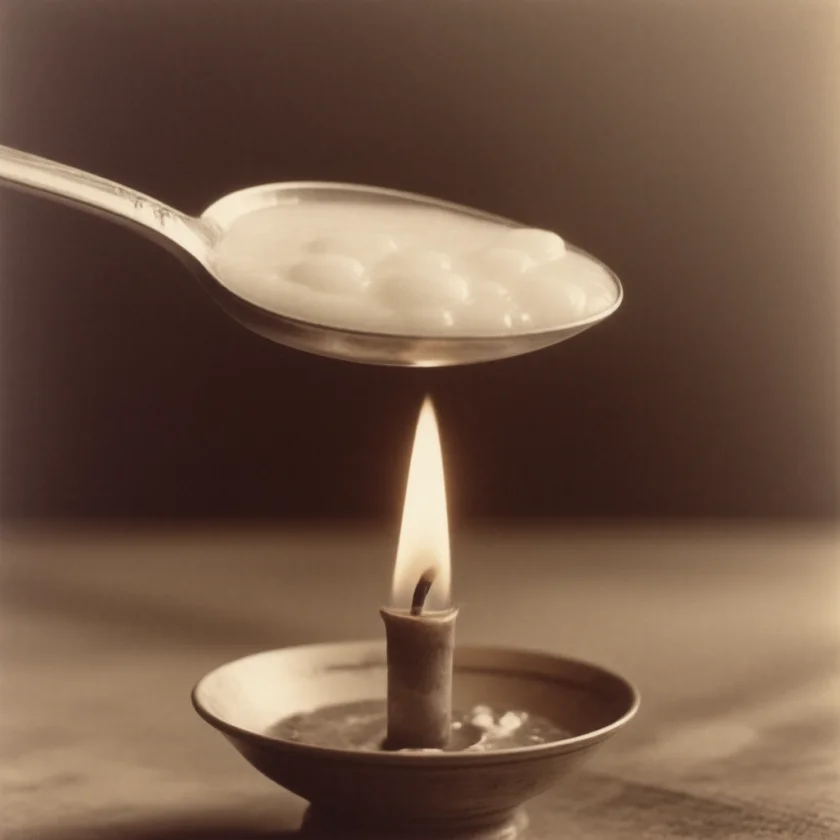
Bright’s genius was to connect these three findings into a single causal story: diseased kidneys cause protein to leak into the urine, and this in turn produces the body-wide swelling and illness. In other words, a disease of one small organ could make a person systemically, fatally ill. This was a genuinely new idea. The simple bedside test he relied on — heating a sample of the patient’s urine over a candle or spirit lamp and watching it cloud and solidify — gave physicians, for the first time, a way to detect serious kidney disease in a living patient, years before any laboratory existed. His Reports were illustrated with magnificent hand-colored engravings of the diseased kidneys, and the book is rightly regarded as a landmark not only in nephrology but in medical illustration and publishing.
The condition Bright described became known across the medical world as “Bright’s disease,” and that name endured for more than a century, used loosely for the whole family of chronic kidney diseases — what physicians today separate into chronic glomerulonephritis, nephrotic syndrome, and other entities. The term only faded in the mid-twentieth century as doctors learned to distinguish the many different diseases it had lumped together. It is worth being precise about what Bright did and did not do: he did not invent dialysis, perform surgery, or identify a microbe. What he established — the link between edema, albuminuria, and structural kidney disease — is the conceptual foundation on which all of nephrology was subsequently built.
Confirming and Extending Bright’s Work
A discovery becomes science only when others confirm and refine it, and Bright’s findings were quickly taken up across Europe. In Scotland, Sir Robert Christison (1797–1882), an Edinburgh physician and toxicologist, independently confirmed the association between albuminuria and kidney disease and is today counted, alongside Bright, among the founders of nephrology. In France, Pierre Rayer (1793–1867) wrote a monumental treatise on diseases of the kidney and, crucially, was among the first to bring the microscope to bear on the problem: working with his pupil Eugene Vigla, Rayer systematically examined the sediment in patients’ urine, describing the cells, crystals, and characteristic tube-shaped “casts” that we still use to diagnose kidney disease today.
This first generation after Bright transformed a single brilliant observation into a working clinical discipline. They established that albuminuria was a reliable warning sign, that urine sediment examined under the microscope carried diagnostic information, and that the various forms of chronic kidney disease, though all called “Bright’s disease,” were not all the same. Over the following decades, as microscopy and chemistry advanced, pathologists began to separate the conditions Bright had grouped together — the inflammatory kidney diseases (the nephritides), the diseases marked by heavy protein loss (later called nephrotic syndrome), and the kidney damage caused by high blood pressure and diabetes.
The honest historical picture is one of cumulative effort rather than a single eureka moment. Bright supplied the founding insight; Christison, Rayer, and many others supplied the confirmation, the tools, and the gradual sorting-out of distinct diseases. By the late nineteenth century, “Bright’s disease” was understood not as one illness but as a whole field of related kidney disorders — the beginnings of modern nephrology as a recognized branch of medicine.
The Microscopic Kidney: Malpighi and Bowman
Understanding kidney disease ultimately required understanding kidney structure — how this organ actually filters the blood. The first key piece was discovered long before Bright. In the seventeenth century the great Italian microscopist Marcello Malpighi (1628–1694), one of the founders of microscopic anatomy, examined the kidney with the newly invented microscope and described the tiny round tufts of blood vessels embedded throughout it. These filtering units came to be called Malpighian corpuscles (or Malpighian bodies) in his honor, and the ball of capillaries at their core is now called the glomerulus — from the Latin for “little ball of yarn.” Malpighi saw the structure clearly, but the microscopes and methods of his era could not reveal how it actually produced urine.
The decisive advance came in 1842, when the English surgeon and anatomist William Bowman (1816–1892) published his detailed microscopic study of the kidney. Bowman showed that each Malpighian glomerulus is cupped within a thin, hollow membrane that he traced as continuous with the kidney’s tiny urine-collecting tube, the tubule. That cup-shaped membrane has been called Bowman’s capsule ever since. Bowman’s work demonstrated, for the first time, the physical apparatus of filtration: blood flows through the glomerular tuft, fluid is filtered across into the surrounding capsule, and from there it passes down the tubule to be modified into urine. This glomerulus-plus-capsule unit, feeding into its tubule, is the nephron — the functional building block of the kidney, of which each human kidney contains roughly a million.
A brief note on names keeps the history accurate. The eponyms honor the people: Malpighi (the corpuscle/body) and Bowman (the capsule). The anatomical terms describe the parts: glomerulus (the capillary tuft), Bowman’s capsule (the surrounding cup), tubule (the drainage tube), and nephron (the whole unit). The dominant idea that emerged — that the glomerulus filters the blood under pressure and the tubule then reabsorbs and secretes to fine-tune the result — is sometimes called the filtration-reabsorption model. It was proposed in the nineteenth century, debated for decades, and confirmed in the twentieth century by direct experiments that sampled fluid from individual nephrons; the broad picture Bowman’s anatomy implied turned out to be correct.
Uremia: Naming the Poison in the Blood
If the kidneys fail, what actually kills the patient? The answer is that wastes the kidneys normally clear build up in the blood and poison the whole body — a state given a name in the nineteenth century. In 1847, the French physician Pierre Adolphe Piorry (1794–1879) coined the term uremia, literally meaning “urine in the blood,” to describe the constellation of symptoms that appear when failing kidneys can no longer rid the body of its waste products. The name captured a real and dangerous reality: in advanced kidney failure, substances normally flushed out in the urine accumulate to toxic levels in the bloodstream.
The symptoms of uremia are systemic and were recognized, if not understood, even in Bright’s time: nausea and loss of appetite, profound fatigue, itching, a metallic taste, confusion and drowsiness progressing to coma and seizures, and a characteristic ammonia-like odor on the breath. For most of the nineteenth and early twentieth centuries, the appearance of uremia was effectively a death sentence, because there was no way to remove the accumulating toxins once the kidneys had stopped doing so. Chemistry slowly identified some of the culprits — urea and other nitrogen-containing wastes — and physicians learned to measure rising blood-urea levels as a marker of how badly the kidneys were failing.
It is worth being scientifically careful here: although the disease is named for urea, modern research has shown that urea itself is only mildly toxic, and that the true misery of uremia comes from a large mixture of accumulated “uremic toxins,” together with disturbances of salts, acids, and fluid balance that the kidney normally regulates. The nineteenth-century picture — that failing kidneys let waste build up and poison the body — was essentially right, even if the precise chemistry turned out to be more complicated than a single molecule. The central practical lesson was stark and unchanging: to save a patient dying of uremia, some way had to be found to do the kidney’s cleaning job artificially. That problem would not be solved for nearly another century.
The Kidney and Blood Pressure
One of the most important and least obvious discoveries about the kidney is that it is a master regulator of blood pressure — and that diseased kidneys and high blood pressure feed on each other in a vicious cycle. Bright himself had noticed that patients with his disease often had enlarged, strained hearts, hinting at a connection between the kidney and the circulation, but the mechanism remained obscure for the better part of a century. The breakthrough came from the laboratory rather than the bedside.
In 1934, the American pathologist Harry Goldblatt (1891–1977) performed a now-classic experiment. By placing a small adjustable clamp on the artery supplying a dog’s kidney — partially choking off its blood flow — he produced a sustained, reproducible rise in blood pressure, without otherwise damaging the animal. Clamping other large arteries had no such effect, proving that the hypertension arose specifically from reduced blood flow to the kidney. This landmark study, published in the Journal of Experimental Medicine, established the kidney’s central role in blood-pressure control and created the first reliable laboratory model of hypertension. The “Goldblatt kidney” became a foundational tool of cardiovascular research.
Goldblatt’s work opened the door to the discovery of the renin-angiotensin system — the hormonal cascade, triggered by the kidney, that raises blood pressure by constricting blood vessels and retaining salt and water. Understanding this system eventually led, in the later twentieth century, to entire families of blood-pressure drugs (the angiotensin-converting enzyme inhibitors (ACE inhibitors) and angiotensin-receptor blockers) that are today cornerstones not only of treating hypertension but of protecting the kidneys themselves and slowing the progression of chronic kidney disease. The clinical importance of this thread is enormous: high blood pressure is both a leading cause of kidney disease and one of its most damaging consequences, and Goldblatt’s clamp was the experiment that first made that two-way relationship visible.
Willem Kolff and the Artificial Kidney (1943)
For all the understanding accumulated since Bright, a patient whose kidneys failed completely still died of uremia — until a Dutch physician built a machine that could do the kidneys’ cleaning work from outside the body. Willem Johan Kolff (1911–2009) developed the first practical artificial kidney in 1943, in the small town of Kampen in the Nazi-occupied Netherlands — a remarkable feat of improvisation under wartime shortage and danger, carried out by a man who was also active in the Dutch resistance. Haunted by watching a young patient die slowly of kidney failure, Kolff set out to build a device that could filter the toxic wastes out of a patient’s blood.
His machine exploited the principle of dialysis: when blood flows along one side of a thin, semi-permeable membrane bathed on the other side by a clean salt solution, small waste molecules diffuse across the membrane and out of the blood, while the blood cells and large proteins stay behind. Kolff wound some twenty meters of cellophane sausage casing — the most suitable membrane he could obtain — around a wooden drum that rotated, half-submerged, in a bath of dialysate. The patient’s blood ran through the turning cellophane tube and emerged cleansed of urea and other wastes. This was the rotating-drum artificial kidney. The early years were heartbreaking: of his first run of patients, most still died, and the very first treatments could buy only a little time. In 1945, however, Kolff achieved his first clear, lasting success, pulling a comatose woman in acute kidney failure back from the brink of death — the first human life unambiguously saved by an artificial kidney.
Kolff freely shared his designs after the war rather than patent them, and the artificial kidney spread rapidly to Britain, the United States, and beyond. One later refinement made dialysis a routine, life-sustaining treatment rather than a desperate one-off rescue: in 1960 the Seattle physician Belding Scribner devised the Scribner shunt — a U-shaped Teflon tube left permanently in a patient’s arm to give repeated, reliable access to the bloodstream. Before the shunt, each dialysis session destroyed a blood vessel, so a patient could be treated only a few times before access ran out; Scribner’s shunt made long-term, repeated dialysis possible for the first time, turning end-stage kidney failure from a death sentence into a chronic condition patients could survive for years. Kolff went on to a long career in artificial organs and is often called the father of that field.
Joseph Murray and the First Transplant (1954)
Dialysis could substitute for the kidneys, but it could not replace them. The ultimate goal — giving a patient a healthy new kidney — was achieved by the American surgeon Joseph Murray (1919–2012) and his colleagues at the Peter Bent Brigham Hospital in Boston. On December 23, 1954, Murray performed the world’s first successful kidney transplant. The patient, Richard Herrick, was dying of chronic kidney failure; his donor was his healthy identical twin brother, Ronald, who gave him one of his two kidneys. The transplanted kidney began working, and Richard recovered — living several more years and even marrying and having children before his death in 1963.
The choice of identical twins was the key to this first success, and it reveals the central obstacle that had defeated every previous attempt. The body’s immune system fiercely rejects tissue it recognizes as foreign, and earlier transplants between unrelated people had always failed as the recipient’s defenses destroyed the new organ. Because identical twins are genetically the same, Richard’s immune system did not see Ronald’s kidney as foreign, and there was no rejection. This proved that a transplanted kidney could function perfectly well in a new body — the surgical and physiological problems were solvable — and that the true barrier was immunological. The achievement was reported in the medical literature by John Merrill, Murray, and colleagues, and the operation made headlines around the world.
The triumph between twins set the agenda for decades to come: to make transplantation work for the vast majority of patients who do not have an identical twin, medicine had to learn to suppress rejection. Murray pushed this frontier himself, later performing the first successful transplant from a deceased, unrelated donor using early immunosuppressive drugs; the arrival of more powerful anti-rejection medicines — most famously cyclosporine in the 1980s — finally made routine transplantation between unrelated people possible. For pioneering this field, Joseph Murray was awarded the Nobel Prize in Physiology or Medicine in 1990, shared with E. Donnall Thomas (a pioneer of bone-marrow transplantation). Kidney transplantation today is the most common organ transplant in the world and offers patients with kidney failure the closest thing to a cure.
From Bright’s Disease to Modern Nephrology
Within a little over a century, kidney failure was transformed from a uniformly fatal illness into one of the most treatable forms of organ failure in all of medicine. The arc runs from Bright’s 1827 insight, through the microscopic anatomy of Bowman and the blood-pressure physiology of Goldblatt, to the two great therapeutic breakthroughs — Kolff’s artificial kidney and Murray’s transplant — that gave patients a way to live without functioning kidneys of their own. The old umbrella term “Bright’s disease” gradually dissolved into the precise modern diagnoses: acute kidney injury, the various forms of glomerulonephritis, nephrotic syndrome, diabetic and hypertensive kidney disease, and the overarching framework of chronic kidney disease (CKD), now graded in stages by measured kidney function.
The later twentieth century added tools Bright could not have imagined. Routine blood tests for creatinine and urea, and the calculation of the estimated glomerular filtration rate (eGFR), let doctors track kidney function precisely and catch disease early. The kidney biopsy, introduced in the 1950s, allowed pathologists to look directly at a living patient’s nephrons and finally distinguish the diseases Bright had lumped together. In 1989, recombinant erythropoietin (epoetin) — a manufactured copy of the hormone that healthy kidneys make to stimulate red-blood-cell production — was approved to treat the severe anemia that afflicts patients with failing kidneys, correcting a problem that had plagued dialysis patients for decades. Drugs that block the renin-angiotensin system, descended directly from Goldblatt’s discovery, became standard for protecting the kidneys and slowing chronic kidney disease’s progress.
What makes this history worth knowing is not only the procession of famous names but the shape of the journey: a disease that for millennia was invisible and untreatable became, step by careful step, understood, measurable, and manageable. Each advance built on the last — Bright needed Malpighi’s microscope-revealed anatomy to make full sense; Kolff needed the nineteenth-century understanding of uremia to know what his machine had to remove; Murray needed the whole edifice of kidney physiology to know that a transplanted organ could work. The history of kidney disease is, in the end, a model of how medicine actually advances: not by a single miracle, but by generations of observers each adding a piece, until a once-hopeless condition becomes something people can live long lives despite.
Key Research Papers
The references below combine landmark historical papers — several available in full through PubMed Central — with peer-reviewed historical reviews and curated PubMed topic-search links into the literature on the discovery of kidney disease, dialysis, and transplantation. Where a confident DOI or PMID exists it is given; broader topics link to a PubMed search. Each link opens in a new tab.
- Bright R. Reports of Medical Cases Selected with a View to Illustrating the Symptoms and Cure of Diseases by a Reference to Morbid Anatomy. Vol. I. London: Longman; 1827. — the founding work of nephrology, named here as a historical primary source.
- Cameron JS. Richard Bright's Reports of Medical Cases (1827): a sesquicentennial note. British Medical Journal. 1979. — PubMed PMID: 389367
- Goldblatt H, Lynch J, Hanzal RF, Summerville WW. Studies on experimental hypertension. I. The production of persistent elevation of systolic blood pressure by means of renal ischemia. Journal of Experimental Medicine. 1934;59(3):347-379. — doi:10.1084/jem.59.3.347
- Kolff WJ, Berk HTJ. The artificial kidney: a dialyser with a great area. Acta Medica Scandinavica. 1944;117(2):121-134. — doi:10.1111/j.0954-6820.1944.tb03951.x
- Merrill JP, Murray JE, Harrison JH, Guild WR. Successful homotransplantation of the human kidney between identical twins. JAMA. 1956;160(4):277-282. — doi:10.1001/jama.1956.02960390027008 (Operation performed December 23, 1954.)
- Cameron JS, Hicks J. Frederick Akbar Mahomed and his role in the description of Bright's disease. — PubMed: history of Bright's disease and albuminuria
- Eknoyan G. Sir Robert Christison (1797-1882): a neglected founder of nephrology. — PubMed PMID: 14733427
- Pierre Rayer and the introduction of microscopy to the study of kidney disease. — PubMed: Pierre Rayer kidney disease microscopy
- Bowman W and the microscopic anatomy of the kidney (Bowman's capsule, glomerulus, nephron). — PubMed: William Bowman kidney anatomy history
- A historical perspective on uremia and uremic toxins (Piorry and the naming of uremia). — PubMed: history of uremia and uremic toxins
- Harry Goldblatt and the discovery of renin (renal ischemia and hypertension). — PubMed: Goldblatt, renin and hypertension
- Willem Kolff and the invention of the artificial kidney (history of dialysis). — PubMed PMID: 23594869
- Belding Scribner and the shunt: the beginning of long-term hemodialysis (1960). — Search PubMed
- Joseph E. Murray, kidney transplantation and the Nobel Prize: history of transplantation immunology. — PubMed: Murray and the history of kidney transplantation
External Authoritative Resources
- NIDDK (NIH) — Kidney Disease information
- NobelPrize.org — Joseph E. Murray, 1990 Nobel Prize in Physiology or Medicine
- PubMed — History of nephrology, dialysis, and transplantation. — Search PubMed
Connections
- Nephrology & Hepatology
- Kidney Nephron — interactive animation
- Kidney Disease
- Acute Kidney Injury
- Glomerulonephritis
- Nephrotic Syndrome
- All Conditions