Salmonella: Symptoms, Types, and Disease Spectrum
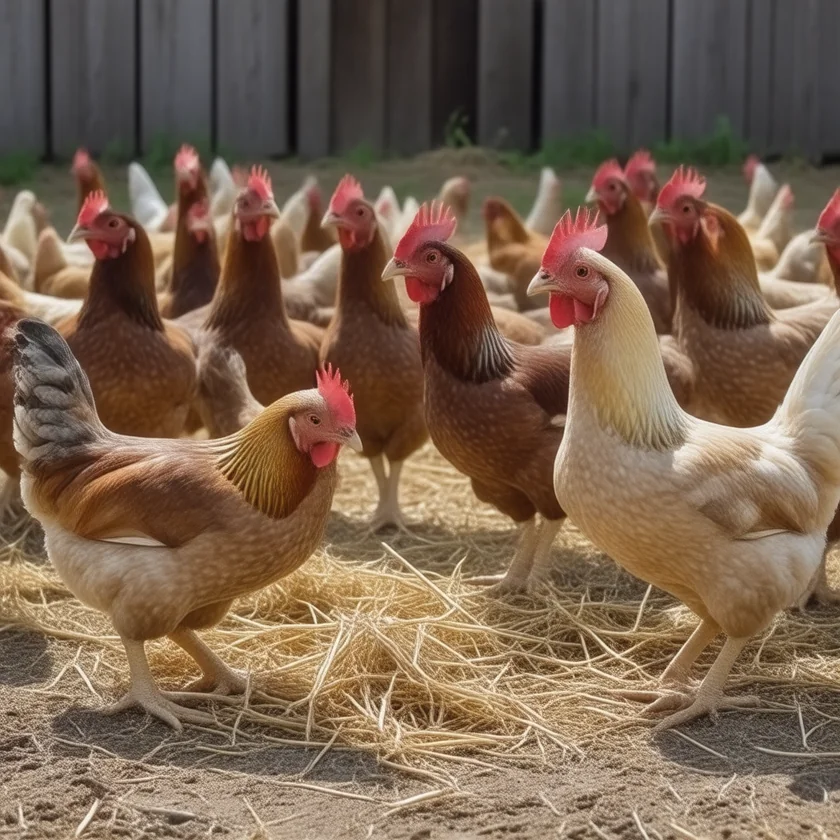
Salmonella is one of the most common bacterial causes of foodborne illness worldwide, yet it is not a single disease — it is a spectrum ranging from a miserable but self-resolving stomach flu to life-threatening typhoid fever and blood-stream infection. Understanding which type of Salmonella is involved, where you likely got it, and whether you are in a high-risk group changes everything about how the illness is managed and how dangerous it can be.
Table of Contents
- Non-Typhoidal vs. Typhoidal Salmonella
- Global and US Burden of Disease
- Major Serovars and What They Cause
- Transmission and Animal Reservoirs
- How Salmonella Survives Inside the Body
- High-Risk Groups
- The Full Spectrum of Salmonella Disease
- Zoonotic Importance and One Health
- Key Research Papers
- Connections
- Featured Videos
Non-Typhoidal vs. Typhoidal Salmonella — Two Very Different Diseases
The genus Salmonella contains over 2,500 distinct serovars (strains), but they divide into two clinically and epidemiologically separate groups. Getting this distinction right matters because the two groups differ in reservoirs, symptoms, treatment, and prognosis.
Non-typhoidal Salmonella (NTS) includes all serovars except Salmonella Typhi and Paratyphi. These bacteria live in the intestines of animals — poultry, cattle, reptiles, rodents — and reach humans through contaminated food or contact with animals. The classic picture is a 4–7 day bout of diarrhea, abdominal cramps, fever, and vomiting that most healthy adults ride out without any treatment at all. The illness is confined to the gut in most cases, but it can spread to the bloodstream (bacteremia) in vulnerable people, with serious consequences.
Typhoidal Salmonella — meaning Salmonella Typhi and Paratyphi A and B — causes typhoid fever and paratyphoid fever, collectively called enteric fever. These serovars have adapted to humans alone: there is no animal reservoir. Transmission is person-to-person via the fecal-oral route, almost always through contaminated water or food in settings with poor sanitation. The disease is systemic from the start, with sustained high fever, rose-spot rash, relative bradycardia, and the risk of intestinal perforation and overwhelming sepsis. Untreated, the case-fatality rate can reach 10–20%.
In wealthy countries like the United States, nearly all Salmonella illness is non-typhoidal — most US cases of typhoid fever occur in travelers returning from South Asia or sub-Saharan Africa. In low- and middle-income countries, typhoid fever remains a major killer, especially in children under 5.
Global and US Burden of Disease
The scale of Salmonella illness globally is staggering, and most of it goes unreported.
Non-typhoidal Salmonella worldwide: The World Health Organization estimates approximately 93.8 million cases of NTS gastroenteritis occur globally each year, with about 155,000 deaths — the majority in children under 5 in sub-Saharan Africa and South and Southeast Asia. An authoritative 2012 meta-analysis estimated 93.8 million foodborne NTS illnesses and 155,000 deaths annually worldwide. A more recent World Health Organization (WHO) assessment focusing on foodborne disease burden attributes roughly 78.7 million illnesses specifically to foodborne NTS globally.
Non-typhoidal Salmonella in the United States: The U.S. Centers for Disease Control and Prevention (CDC) estimates approximately 1.35 million NTS infections occur in the US each year, resulting in about 26,500 hospitalizations and 420 deaths. For every confirmed laboratory case, many more go undiagnosed — the U.S. Centers for Disease Control and Prevention estimates roughly 29 undiagnosed cases for every one that reaches a laboratory. Salmonella consistently ranks as the leading bacterial cause of foodborne illness hospitalizations and deaths in the US, ahead of Campylobacter and Listeria in terms of absolute hospitalizations and deaths.
Typhoid fever worldwide: The global burden of typhoid fever is substantial and concentrated in low-income settings. Estimates suggest approximately 11–21 million cases per year, with 128,000–161,000 deaths annually. The burden is heavily concentrated in South Asia (India, Pakistan, Bangladesh) and sub-Saharan Africa. Children aged 2–15 years bear the greatest burden in endemic regions. Paratyphoid fever adds several million additional cases, predominantly caused by Paratyphi A in Asia.
Economic and social impact: In the US alone, Salmonella infection causes an estimated $3.7 billion in economic costs annually, including medical expenses, lost productivity, and the downstream costs of foodborne illness outbreaks traced to contaminated poultry, eggs, produce, and other products. For low-income countries, the economic burden from typhoid fever — affecting primarily working-age adults and school-age children — is proportionally even larger.
Major Serovars and What They Cause
Within the NTS group, hundreds of serovars circulate in humans, but a handful account for the majority of cases. Understanding which serovar you have — or which is causing an outbreak — has direct implications for treatment, because resistance patterns differ dramatically between strains.
Salmonella Typhimurium
One of the two most common NTS serovars in the United States and Europe. S. Typhimurium is classically associated with beef, pork, poultry, and dairy, but it has also contaminated peanut butter, sprouts, and pet treats. Most concerning is the emergence of S. Typhimurium definitive phage type 104 (DT104), a multidrug-resistant strain with chromosomally encoded resistance to ampicillin, chloramphenicol, streptomycin, sulfonamides, and tetracyclines (the ACSSuT pattern). DT104 emerged in UK cattle in the 1980s and spread globally; it tends to cause more severe disease with higher rates of hospitalization and bacteremia than drug-susceptible strains.
Salmonella Enteritidis
The other dominant NTS serovar globally, and historically the leading cause of egg-associated outbreaks. S. Enteritidis can contaminate eggs through two routes: shell contamination from the hen's feces, or — more concerning — transovarial contamination, in which the bacteria infect the hen's ovarian tissue and are incorporated into the egg interior before the shell forms. This means even eggs that appear clean and intact can be contaminated. The US poultry industry significantly reduced Enteritidis outbreaks through the Egg Safety Rule (refrigeration, flock testing), but it remains the most common serovar in many European countries.
Salmonella Typhi
S. Typhi causes typhoid fever. Unlike NTS, Typhi has no animal reservoir — it infects only humans, making chronic human carriers the primary reservoir for ongoing transmission. About 2–5% of typhoid survivors become chronic carriers, harboring the bacteria in their gallbladder for years and shedding it intermittently in feces. The infamous "Typhoid Mary" (Mary Mallon, an asymptomatic cook in early 20th-century New York) illustrates this: she infected at least 51 people while showing no symptoms herself. In endemic regions, water contaminated with sewage is the dominant transmission route. S. Typhi has recently acquired plasmid-mediated resistance to multiple antibiotics, including fluoroquinolones, creating "extensively drug-resistant" (XDR) typhoid — a serious emerging crisis first documented in Pakistan in 2016.
Salmonella Paratyphi A and B
These serovars cause paratyphoid fever (enteric fever), a syndrome clinically similar to typhoid but generally milder with a lower case-fatality rate. Paratyphi A is the more common cause of paratyphoid globally, particularly in South and Southeast Asia. Paratyphi B (also called S. Java) circulates in Europe and elsewhere. Like Typhi, the Paratyphi serovars are human-restricted — there is no animal reservoir. Travelers to endemic regions who receive typhoid vaccination should be aware that most licensed vaccines protect only against Typhi, not Paratyphi A or B.
Emerging serovars of concern
Several other NTS serovars deserve mention. S. Newport has emerged as a source of multidrug-resistant illness in the US, linked to contaminated ground beef and produce. S. Heidelberg is frequently associated with poultry, particularly turkey. S. Infantis, increasingly prevalent in European broiler chickens, is expanding its geographic range. The U.S. Centers for Disease Control and Prevention's PulseNet system uses whole-genome sequencing to track these serovars and link cases to common food sources even when an outbreak is geographically dispersed.
Transmission and Animal Reservoirs
Salmonella is a quintessential zoonotic pathogen: it lives primarily in animals and reaches humans through food, water, or direct contact. Understanding the reservoir for each serovar helps explain why certain foods are higher risk and what kitchen practices actually matter.
Poultry and eggs
Poultry — chicken, turkey, duck — are the single most important source of NTS illness in the US. The bacteria colonize the gut of broiler chickens asymptomatically and can contaminate carcasses during slaughter if the intestines are nicked. A 2013 Consumer Reports survey found Salmonella on 11% of chicken breast samples purchased at retail stores. Eggs are a separate route: S. Enteritidis can be deposited inside the egg during formation. Runny eggs, raw cookie dough, and homemade mayonnaise made with raw eggs all carry real risk.
Beef and pork
Cattle and pigs are important reservoirs for S. Typhimurium and other NTS serovars. Ground beef is higher risk than intact cuts because grinding distributes surface contamination throughout the product. Adequate cooking to 160°F (71°C) for ground beef kills Salmonella, but cross-contamination from raw meat to ready-to-eat foods on cutting boards or countertops is a common source of illness.
Reptiles and amphibians — the small turtle problem
Reptiles (turtles, lizards, snakes, iguanas) and amphibians (frogs, toads, salamanders) carry Salmonella asymptomatically on their skin, scales, and in their feces. They are a disproportionately important source of illness in young children. The U.S. Centers for Disease Control and Prevention banned the sale of small turtles (shell length under 4 inches) in 1975 specifically to protect young children, who are prone to putting their hands — and the turtle itself — in their mouths. Despite this ban, illegal small turtle sales continue and cause recurring outbreaks. Between 2011 and 2013, a single multi-state outbreak linked to small turtles caused 473 confirmed infections across 41 states. The U.S. Centers for Disease Control and Prevention estimates that reptile contact accounts for roughly 11% of all Salmonella infections in the US annually.
Produce and water
Fresh fruits and vegetables are an increasingly recognized source. Salmonella can colonize the surface of produce and, in some cases, infiltrate plant tissues through damaged skin or root uptake. High-profile outbreaks have been linked to tomatoes, cantaloupe, alfalfa sprouts, cucumber, papaya, and pre-packaged salad greens. Contamination most often occurs through contact with animal feces — irrigation water from a pond near a cattle operation, wildlife feces in fields, or contaminated manure used as fertilizer. Cooking kills Salmonella; the challenge is that most produce is eaten raw.
Other sources
Backyard poultry (chickens kept as pets or for eggs) are a growing source of NTS in the US, with the U.S. Centers for Disease Control and Prevention documenting annual multi-state outbreaks linked to live poultry. Hedgehogs, chicks and ducklings, and dogs and cats fed raw meat diets have all been linked to human cases. Dried spices and powdered foods (pepper, cumin, nut products) can harbor Salmonella when produced in facilities with inadequate sanitation, because low water activity does not kill the bacteria — it simply preserves it in a desiccated state until the product is rehydrated in the consumer's food.
How Salmonella Survives and Causes Disease Inside the Body
Salmonella's success as a pathogen depends on a remarkable ability to survive the body's defenses, invade gut tissue, and — in some strains — persist inside the very immune cells meant to destroy it. Understanding these mechanisms helps explain why symptoms develop when they do and why some people get sicker than others.
Surviving stomach acid
The stomach is the body's first major barrier against ingested pathogens. The acidic environment (pH 1.5–3.0) kills most bacteria before they reach the intestine. Salmonella has evolved an acid tolerance response (ATR): when exposed to mildly acid conditions (pH 5–6), it activates protective genes that dramatically increase its ability to survive full stomach acid. This pre-adaptation can occur in acidic foods — meaning Salmonella in a vinegar-dressed salad may actually be better prepared to survive your stomach than Salmonella in a neutral-pH food. The infectious dose varies: in healthy adults, it typically requires 10,000–1,000,000 organisms, but this threshold drops substantially in people taking acid-suppressing medications (proton pump inhibitors (PPIs), H2 blockers) or who have had stomach surgery.
Invading the gut — SPI-1 pathogenicity island
Once Salmonella reaches the small intestine, it targets specialized cells called M cells in the Peyer's patches — lymphoid tissue in the gut wall. Salmonella uses a type III secretion system encoded by Salmonella Pathogenicity Island 1 (SPI-1) to inject bacterial proteins directly into M cells and neighboring enterocytes. These injected proteins hijack the cell's actin cytoskeleton, causing the cell membrane to ruffle outward and engulf the bacteria — a process called "trigger phagocytosis." The result is bacterial entry into the gut wall, triggering an intense inflammatory response: the release of cytokines and neutrophil recruitment drives the diarrhea and fever of gastroenteritis.
Surviving inside macrophages — SPI-2 pathogenicity island
This is where NTS and typhoidal Salmonella diverge most sharply. Once inside gut tissue, Salmonella is taken up by macrophages — large immune cells whose job is to engulf and destroy bacteria. In most NTS infections in healthy people, the immune system successfully contains the bacteria here. But Salmonella has a second pathogenicity island, SPI-2, that encodes another type III secretion system. This system is active inside the macrophage and injects proteins that prevent the bacterium from being killed. Salmonella creates a protected compartment called the Salmonella-Containing Vacuole (SCV) inside the macrophage, where it can survive, replicate, and eventually spread to other macrophages — and potentially to the bloodstream. Typhoidal Salmonella is particularly adept at this intracellular survival, which is why typhoid fever becomes a systemic illness rather than staying confined to the gut.
Systemic spread
If Salmonella escapes gut containment and enters the bloodstream (bacteremia), it can seed distant organs: the liver, spleen, bone marrow, meninges, and arterial walls. In typhoid fever, this systemic phase corresponds to the sustained high fever of the second week of illness. In NTS bacteremia, the bacteria most commonly originate from a gut that has lost its normal barrier function — due to inflammatory bowel disease, chemotherapy-induced mucositis, or malnutrition. Arterial infections (mycotic aneurysms) are a rare but devastating complication, most common in elderly people with atherosclerotic plaques that provide a nidus for bacterial adhesion.
High-Risk Groups — Who Gets Seriously Ill
Most healthy adults recover from NTS gastroenteritis without complications. The people who are at genuine risk of severe illness, hospitalization, or death are those whose immune system, gut barrier, or spleen function is compromised in specific ways.
Infants and young children
Children under 5 — especially infants under 12 months — are at highest risk of severe NTS disease and death globally. Their immune systems are immature, stomach acid production is lower, and the gut microbiome has not yet matured into the dense, competitive community that blocks Salmonella colonization in healthy adults. In sub-Saharan Africa, invasive NTS disease (bacteremia without an obvious gut focus) is actually one of the leading causes of childhood bacteremia, rivaling pneumococcal disease in some regions — a pattern not seen in wealthy countries with better nutrition and malaria control.
Elderly adults
Adults over 65 have higher rates of Salmonella hospitalization and death than younger adults. Contributing factors include reduced stomach acid (common with age and with widespread proton pump inhibitor (PPI) use), slower gut motility, more underlying chronic conditions, and an age-related decline in immune function. Elderly residents of long-term care facilities are particularly vulnerable because of communal dining from centrally prepared food.
Immunocompromised individuals
People receiving chemotherapy, those on high-dose corticosteroids, organ transplant recipients on immunosuppression, and people with human immunodeficiency virus (HIV) are at markedly elevated risk of invasive NTS disease. In people with advanced HIV (CD4 count below 200 cells/mm³), NTS bacteremia can occur repeatedly and without the expected gut symptoms — Salmonella bacteremia was recognized as an acquired immunodeficiency syndrome-defining illness in the early epidemic. For this population, standard 5–7 day antibiotic courses may not be curative; long-term suppressive therapy is sometimes required.
Sickle cell disease
Sickle cell disease (and other sickle hemoglobinopathies) creates a very specific susceptibility to Salmonella bacteremia. The mechanism is functional asplenia: in sickle cell disease, repeated sickling crises damage the spleen over years, destroying its capacity to filter bacteria from the blood. The spleen is the key organ for clearing encapsulated and intracellular bacteria — including Salmonella — from the circulation. Patients with sickle cell disease who are functionally asplenic are at high risk of overwhelming sepsis from NTS bacteremia, which can be rapidly fatal. Salmonella is actually the most common cause of osteomyelitis (bone infection) in sickle cell patients — the bacteremia seeds infarcted bone, which provides a rich growth medium. This connection between sickle cell and Salmonella bone infections is a classic teaching point in medicine.
People with altered gut anatomy
Inflammatory bowel disease (Crohn's disease, ulcerative colitis), prior bowel surgery, and malnutrition all compromise the gut barrier in ways that increase the risk of Salmonella crossing from the gut lumen into the bloodstream. People with these conditions are more likely to develop bacteremia from an NTS infection that would be self-limited in a healthy person.
People on acid-suppressing medications
Proton pump inhibitors (omeprazole, pantoprazole, etc.) and H2 blockers reduce stomach acid, lowering the effective barrier against ingested Salmonella. Studies consistently show that proton pump inhibitor users have higher rates of foodborne illness from acid-sensitive pathogens including Salmonella, Campylobacter, and C. difficile. This does not mean proton pump inhibitors should be avoided if medically necessary — but people who take them should be aware that their infectious dose threshold is lower, making food safety practices even more important.
The Full Spectrum of Salmonella Disease
Salmonella can produce a surprisingly wide range of clinical pictures depending on the serovar, the dose, and the host. Here is what each presentation looks like from the patient's perspective.
Asymptomatic carriage
Some people, especially after typhoid fever, become chronic carriers — they harbor Salmonella in their gallbladder and shed it intermittently in their stool for months to years without feeling sick. This is especially relevant for Typhi, where carriage rates of 2–5% persist after acute illness. Chronic carriers are a critical reservoir for ongoing typhoid transmission and are defined by positive stool cultures more than 12 months after acute infection.
Self-limited gastroenteritis (the common picture)
This is what most people experience after eating contaminated food. Symptoms typically begin 6–72 hours after exposure (most commonly 12–36 hours) and include nausea, vomiting, crampy abdominal pain, diarrhea (which may be watery or loose, and can be bloody in a minority of cases), and fever ranging from 38–40°C (100–104°F). The illness lasts 4–7 days in healthy adults and resolves without treatment. The main practical danger is dehydration, especially in the very young, the very old, or people who are already ill. Oral rehydration is the mainstay of management for this form.
Bacteremia without an obvious focus
In 3–10% of NTS infections in the US, bacteria cross the gut wall and enter the bloodstream. Patients feel more systemically ill than expected for simple gastroenteritis — high sustained fever, chills, rigors, and sometimes confusion. In most healthy adults, the immune system clears this transient bacteremia; blood cultures turn positive, antibiotics are given, and recovery follows. But in high-risk groups (see above), the bacteremia can seed distant sites.
Focal extraintestinal infection
When Salmonella bacteremia seeds a distant organ, it causes focal infections that can be severe and require prolonged treatment. Common focal infections include:
- Osteomyelitis: Bone infection, most common in sickle cell disease patients. Can affect vertebrae in adults.
- Septic arthritis: Joint infection, presenting with a hot, swollen, painful joint.
- Meningitis: Rare, but devastating when it occurs — most common in neonates.
- Mycotic aneurysm: Infection of a weakened arterial wall, most often the abdominal aorta in elderly people with atherosclerosis. Can be fatal if the vessel ruptures.
- Endovascular infection: Seeding of prosthetic vascular grafts or heart valves.
Typhoid fever (enteric fever)
Typhoid fever has a distinctive clinical course that differs from NTS gastroenteritis in almost every way. The incubation period is longer — typically 7–21 days. The early symptoms are misleadingly non-specific: a gradually rising fever, headache, malaise, and decreased appetite. Unlike gastroenteritis, diarrhea is actually uncommon in the first week; constipation may be more prominent. By the end of the first week, fever reaches 39–40°C and is characteristically sustained — not spiking and returning to normal each day, but remaining elevated around the clock. A relative bradycardia (pulse rate lower than expected for the temperature) is a classic physical finding, though not always present. Rose spots — faint salmon-colored blanching macules — appear on the abdomen and chest in about 30% of patients and are pathognomonic when present. Without treatment, the illness progresses through a second week of sustained fever and systemic illness, with risk of intestinal perforation (a surgical emergency) and overwhelming sepsis. With prompt antibiotic treatment, most patients begin to improve within a week. The case-fatality rate with treatment is under 1%; untreated, it can reach 10–20%.
Reactive arthritis
A few weeks after NTS gastroenteritis resolves, some patients develop reactive arthritis — a sterile (culture-negative) inflammatory arthritis that typically affects large joints of the lower extremities. This is more common in people who carry the human leukocyte antigen-B27 genetic marker. Reactive arthritis can also include eye inflammation (conjunctivitis, uveitis) and urethritis — a triad historically called Reiter's syndrome. Most cases resolve within 6 months, but a minority develop chronic arthritis. Reactive arthritis is not caused by ongoing infection in the joint; it is an immune-mediated response to antigens from the resolved gut infection.
Zoonotic Importance and the One Health Approach
Salmonella is one of the clearest examples of why human health cannot be separated from animal health and environmental health — the principle known as One Health. The bacteria cycle between animal reservoirs, agricultural environments, food supply chains, and human hosts, with antibiotic use in agriculture playing a direct role in driving the multidrug-resistant strains that then cause harder-to-treat human illness.
Agricultural antibiotic use and resistance
For decades, antibiotics have been used in food-animal production not only to treat sick animals but also at sub-therapeutic doses to promote growth. This practice selects for antibiotic-resistant bacteria in the gut flora of food animals. Resistant Salmonella — particularly the ACSSuT-resistant DT104 Typhimurium and fluoroquinolone-resistant strains — have emerged from agricultural settings and spread into the human food supply. The fluoroquinolone class (ciprofloxacin) is the first-line treatment for severe NTS infections in adults; rising resistance directly threatens a key therapeutic tool. The U.S. Food and Drug Administration (FDA) and U.S. Department of Agriculture (USDA) have taken steps to limit antibiotic use in agriculture, including prohibiting over-the-counter sales of medically important antibiotics for food animals (2023), but resistance already present in Salmonella populations will not quickly disappear.
Environmental contamination
Salmonella shed in animal feces can persist in soil and water for months. Irrigation water contaminated with animal runoff, flooding that carries manure into produce fields, and wildlife that bridge agricultural and natural ecosystems all contribute to environmental Salmonella contamination that eventually reaches human food. The 2011 cantaloupe outbreak that killed 33 people in the US was traced to contaminated irrigation water and equipment on a single Colorado farm — illustrating how a localized contamination event can quickly scale into a national public health emergency through modern food distribution.
Surveillance and whole-genome sequencing
The One Health response to Salmonella increasingly relies on whole-genome sequencing (WGS) of bacterial isolates from human patients, food samples, animal samples, and environmental sources. The U.S. Centers for Disease Control and Prevention's PulseNet network, originally based on pulsed-field gel electrophoresis, has transitioned to WGS, which can definitively link human cases to a specific food source, trace contamination to a specific farm or processing facility, and detect outbreaks earlier by identifying closely related strains scattered across many states. This has transformed outbreak investigation: the 2015 Salmonella Poona outbreak linked to cucumbers was identified and traced to a specific grower within weeks, enabling a targeted recall.
Vaccine development
Licensed typhoid vaccines exist and are recommended for travelers to endemic regions, but their uptake is low and they do not protect against Paratyphi. The conjugate typhoid vaccine (Typbar-TCV), which provides longer-lasting protection in young children than older Vi polysaccharide vaccines, was prequalified by World Health Organization in 2017 and is being rolled out in high-burden countries. For NTS, no licensed human vaccine exists — research is ongoing, but the diversity of NTS serovars makes universal vaccination challenging. Livestock vaccines against S. Typhimurium and S. Enteritidis are used in commercial poultry flocks in some countries and have contributed to significant reductions in human illness.
Key Research Papers
- Majowicz SE, Musto J, Scallan E, et al. (2010). The global burden of nontyphoidal Salmonella gastroenteritis. Clinical Infectious Diseases — Search PubMed
- Crump JA, Sjölund-Karlsson M, Gordon MA, Parry CM. (2015). Epidemiology, clinical presentation, laboratory diagnosis, antimicrobial resistance, and antimicrobial management of invasive Salmonella infections. Clinical Microbiology Reviews — Search PubMed
- Ao TT, Feasey NA, Gordon MA, Keddy KH, Angulo FJ, Crump JA. (2015). Global burden of invasive nontyphoidal Salmonella disease, 2010. Emerging Infectious Diseases — PubMed PMID: 25860298
- Scallan E, Hoekstra RM, Angulo FJ, et al. (2011). Foodborne illness acquired in the United States — major pathogens. Emerging Infectious Diseases — Search PubMed
- Gal-Mor O, Boyle EC, Grassl GA. (2014). Same species, different diseases: how and why typhoidal and non-typhoidal Salmonella enteric serovars differ. Frontiers in Microbiology — PubMed PMID: 25136336
- Hohmann EL. (2001). Nontyphoidal salmonellosis. Clinical Infectious Diseases — Search PubMed
- Feasey NA, Dougan G, Kingsley RA, Heyderman RS, Gordon MA. (2012). Invasive non-typhoidal Salmonella disease: an emerging and neglected tropical disease in Africa. The Lancet — Search PubMed
- Acheson D, Hohmann EL. (2001). Salmonellosis. New England Journal of Medicine — Search PubMed
- Gordon MA. (2008). Salmonella infections in immunocompromised adults. Journal of Infection — PubMed PMID: 18474400
- Pitzer VE, Feasey NA, Msefula C, et al. (2015). Mathematical modeling to assess the drivers of the recent emergence of typhoid fever in Blantyre, Malawi. Clinical Infectious Diseases — PubMed PMID: 26449939
PubMed Topic Searches
- Salmonella Typhimurium pathogenesis
- Salmonella Enteritidis epidemiology
- Typhoid fever clinical presentation
- Invasive non-typhoidal Salmonella children Africa
- Salmonella sickle cell disease osteomyelitis
- Salmonella pathogenicity islands SPI-1 SPI-2
- Multidrug-resistant Salmonella DT104
- Salmonella reactive arthritis
Connections
- All Bacteria
- Gastroenteritis and Food Poisoning
- Typhoid Fever and Bacteremia
- Diagnosis: Stool Culture and Serology
- Treatment and Prevention Overview
- Antibiotic Treatment and Rehydration
- Food Safety and Prevention
- Multidrug Resistance in Salmonella
- Food Poisoning Overview
- Sepsis
- Stool Culture Lab Test
- Blood Culture Lab Test
- Typhoid Fever — systemic illness from Salmonella Typhi.