Tuberculosis (TB) Prevention: BCG Vaccine, Latent Tuberculosis (TB) Treatment, and Contact Tracing
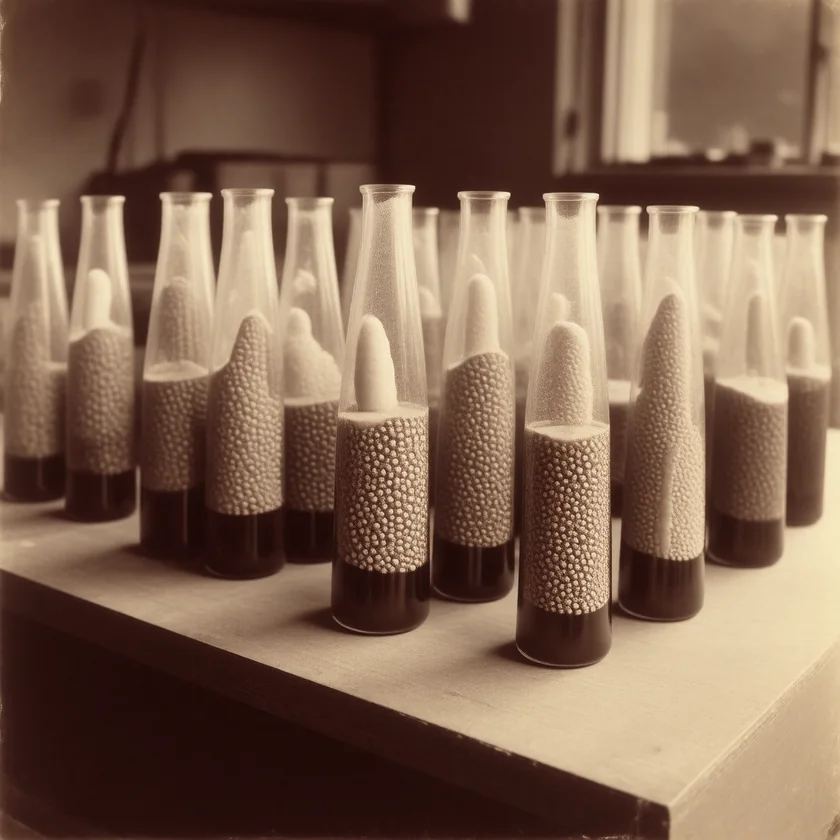
Preventing tuberculosis requires a layered approach — vaccinating newborns with BCG, treating people who have latent infection before it activates, investigating household contacts of every active case, and maintaining rigorous infection control in hospitals and congregate settings. No single intervention is sufficient on its own; ending the tuberculosis epidemic demands all of these strategies working together, scaled to the level of exposure risk in each population.
Table of Contents
- BCG Vaccine — What It Is and What It Does
- BCG Efficacy — What the Evidence Shows
- Latent Tuberculosis Infection (LTBI) — Who Should Be Treated
- Isoniazid Preventive Therapy — 6H and 9H Regimens
- Shorter LTBI Regimens — 3HP and 4R
- Contact Investigation — Finding Everyone Exposed
- Infection Control in Healthcare Settings
- Tuberculosis Elimination Strategies — The Road Ahead
- Key Research Papers
- Connections
- Featured Videos
BCG Vaccine — What It Is and What It Does
Bacille Calmette-Guérin (BCG) is a live attenuated strain of Mycobacterium bovis, developed by French scientists Albert Calmette and Camille Guérin and first used in humans in 1921 — making it one of the oldest vaccines still in widespread use today. Understanding what BCG actually does — and what it does not do — is essential for realistic prevention planning.
What it does well: BCG is remarkably effective against severe childhood tuberculosis. Meta-analyses consistently show 70–80% protection against tuberculosis meningitis and miliary (disseminated) tuberculosis in children. These are the most dangerous forms of the disease, carrying high mortality and neurological disability, and BCG has saved countless lives by preventing them.
What it does less well: BCG is much weaker against adult pulmonary tuberculosis — the form that drives ongoing transmission in the community. Its protective efficacy in this form ranges from near-zero to about 80% across different trials, with no reliable prediction of which individuals or populations will be protected.
Why the paradox: BCG induces strong innate immunity (a phenomenon called "trained immunity" in macrophages) and T-cell responses that prevent bloodstream dissemination in children. However, BCG may not reliably prevent initial lung infection or reactivation of latent tuberculosis in adults whose immune systems are more mature and whose prior mycobacterial exposures may have already shaped their immune landscape.
Geographic variability: BCG appears substantially more protective in countries farther from the equator — UK and Scandinavian trials showed 80%+ efficacy, while equatorial countries sometimes saw under 30%. The leading hypothesis is that prior exposure to environmental non-tuberculous mycobacteria "blocks" or blunts BCG's ability to establish protective immunity — though this remains debated.
Who gets BCG and who does not: In most high-burden countries, BCG is given at birth (or as early as possible thereafter) as part of the national immunization program. The United States does not routinely vaccinate with BCG for two reasons: the US has low endemic tuberculosis transmission, and BCG causes false-positive tuberculin skin test (TST) reactions, which would complicate LTBI screening programs that depend on TST results. A BCG scar (a local reaction at the deltoid injection site) is widely used in clinical assessments as a marker of prior vaccination in patients born abroad.
BCG Efficacy — What the Evidence Shows
The evidence base for BCG is extensive but uneven. A landmark 1994 meta-analysis by Colditz et al. in JAMA pooled 14 randomized controlled trials and 12 case-control studies, finding an overall 50% reduction in tuberculosis risk — but with results ranging from 0% to 80% reduction depending on the trial. This wide variation is what has driven decades of follow-up research.
Strong evidence for severe childhood tuberculosis: Multiple meta-analyses consistently show 73–86% reduction in tuberculosis meningitis and miliary tuberculosis in children who receive BCG at birth. This result is robust across populations, strains of BCG used, and time periods. It is the cornerstone of the public health case for universal neonatal BCG vaccination in high-burden countries.
Weak and inconsistent evidence for adult pulmonary tuberculosis: Trial results range from 0% efficacy (the Chingleput trial in India, a large randomized controlled trial (RCT) showing no protection whatsoever) to 78% efficacy (UK Medical Research Council trials). No consistent predictor of which settings will see protection has been established, though latitude, prior environmental mycobacterial exposure, and BCG strain differences are all candidates.
Duration of protection: For childhood severe TB, BCG protection is estimated to last 10–15 years based on long-term follow-up data. For adult pulmonary tuberculosis (where protection exists), duration is less well characterized. Some data suggest waning after 10 years.
BCG revaccination in adults: Studied in large trials in Brazil and South Africa. Results showed limited to no additional benefit beyond a single dose given at birth. Current World Health Organization (WHO) guidance does not recommend routine revaccination.
New BCG strains and formulations: Several recombinant BCG strains (VPM1002, rBCG30) and novel adjuvant-enhanced vaccines are in clinical trials, aiming to improve on the limitations of the original Calmette-Guérin strain. BCG at birth now prevents an estimated 100,000 cases of tuberculosis meningitis per year globally according to the World Health Organization modeling — a substantial impact despite its limitations against adult disease.
Latent Tuberculosis Infection (LTBI) — Who Should Be Treated
Approximately 1.7 billion people worldwide — roughly one-quarter of humanity — are estimated to carry latent tuberculosis infection. The vast majority will never develop active tuberculosis disease. But a subset will, especially those with immune suppression, and identifying and treating these individuals before activation is one of the most powerful tools available for tuberculosis prevention.
The core rationale: If you can find people with latent tuberculosis and treat them before the bacteria reactivates, you prevent active cases without needing to wait for them to become infectious and expose others. This is upstream prevention at its most direct.
The World Health Organization priority populations for LTBI testing and treatment:
- Human immunodeficiency virus-positive individuals — highest priority. People living with human immunodeficiency virus (HIV) have approximately a 10% annual risk of tuberculosis activation (vs. a 5–10% lifetime risk in immunocompetent individuals). Tuberculosis is the leading cause of death among people with human immunodeficiency virus globally.
- Household contacts of smear-positive pulmonary tuberculosis cases — second highest priority, especially children under 5.
- People starting tumor necrosis factor-alpha inhibitor therapy (biologics for rheumatoid arthritis, Crohn's disease, psoriasis) — tumor necrosis factor-alpha is a critical cytokine for granuloma maintenance; blocking it releases latent tuberculosis.
- People starting dialysis or about to receive organ transplants — immunosuppression risk.
- Prisoners and people in other congregate settings in high-burden countries.
- Healthcare workers in high-burden settings with documented recent conversion.
US CDC guidelines additionally emphasize: anyone born in or who has lived in a high-burden country (incidence >20/100,000), recent immigrants within 5 years, healthcare workers with positive IGRA, and close contacts of any confirmed case.
Critical prerequisite — always rule out active tuberculosis first: Giving isoniazid preventive therapy alone to someone who actually has active tuberculosis disease creates the perfect conditions for isoniazid-resistant tuberculosis. Before treating LTBI, perform a symptom screen (cough, fever, unexplained weight loss, night sweats — any positive → get chest X-ray and sputum before starting) and, in high-burden or high-risk individuals, obtain a chest X-ray regardless of symptoms.
Isoniazid Preventive Therapy — 6H and 9H Regimens
Isoniazid preventive therapy has been the backbone of LTBI treatment for over 60 years. Two standard regimens are in common use: 6 months of isoniazid (6H) and 9 months of isoniazid (9H).
Isoniazid 6 months (6H): Isoniazid 5 mg/kg daily (maximum 300 mg/day) for 6 months. Multiple trials and decades of clinical use demonstrate 60–90% reduction in progression from LTBI to active tuberculosis, depending on the population and level of immune suppression. It is inexpensive and available worldwide. The main limitation is duration — 6 to 9 months of daily medication is a long commitment, and completion rates have historically been poor (50–60% globally in programmatic settings, higher in clinical trials with intensive support).
Pyridoxine (vitamin B6) must always be co-administered: Isoniazid interferes with pyridoxine metabolism and can cause peripheral neuropathy, especially in malnourished patients, people with human immunodeficiency virus, pregnant women, and people with diabetes or renal failure. Standard practice is to give pyridoxine 25–50 mg daily alongside every isoniazid regimen.
Isoniazid 9 months (9H): US CDC and ATS guidelines prefer 9H over 6H based on slightly higher efficacy, particularly in human immunodeficiency virus-positive patients. The same drug, same dose (5 mg/kg, max 300 mg), same pyridoxine — just 3 months longer. Studies in human immunodeficiency virus-positive patients show 60–90% reduction in tuberculosis risk with 9H compared to placebo. For some immunocompromised patient groups, the additional 3 months of therapy appears to make a meaningful difference. The tradeoff is further reduced completion probability.
Monitoring during isoniazid therapy: Routine monthly liver enzyme testing is not required for asymptomatic, low-risk patients, but is recommended for those over 35, heavy alcohol users, people with chronic liver disease, and those on other hepatotoxic medications. Patients should be counseled to stop isoniazid and seek evaluation immediately if they develop jaundice, dark urine, abdominal pain, or severe fatigue. Isoniazid hepatotoxicity, while uncommon, can be fatal if the drug is continued after symptoms appear.
The World Health Organization 6H vs 9H guidance: World Health Organization (WHO) guidelines accept 6H in high-burden countries where the additional 3 months of the 9H regimen substantially reduces completion rates. The marginal efficacy difference is outweighed by the public health benefit of patients completing the shorter course.
Shorter LTBI Regimens — 3HP and 4R
The fundamental limitation of 6–9 months of daily isoniazid is poor completion. Even in well-resourced settings with dedicated support staff, many patients do not finish the full course — and incomplete treatment provides incomplete protection. This recognition drove the development of shorter, equally effective regimens using rifamycin-class drugs.
3HP — Isoniazid plus rifapentine once weekly for 12 weeks: The regimen consists of isoniazid 900 mg plus rifapentine 900 mg (or weight-based dosing in children), given once weekly for 12 doses — completing the entire course in approximately 3 months. Rifapentine is a long-acting rifamycin with a half-life of approximately 13–15 hours, making it suitable for once-weekly dosing that isoniazid and rifampicin cannot achieve.
The pivotal PREVENT TB trial (Sterling et al., NEJM 2011) randomized over 8,000 participants to 3HP or 9H and found: tuberculosis prevention efficacy was non-inferior (3HP was as good as 9H); treatment completion was significantly higher with 3HP (82% vs. 69%). The combination of equal efficacy and substantially better completion makes 3HP the preferred regimen in current US guidelines for most adults with LTBI. 3HP can be administered via directly observed therapy (DOT) or self-administered therapy — the SAT-3HP trial showed that self-administered 3HP achieved non-inferior completion rates to DOT-administered 3HP, which is critical for scaling to large populations.
4R — Rifampicin daily for 4 months: Rifampicin 10 mg/kg daily (maximum 600 mg/day) for 4 months — no isoniazid. The PREVENT trial (Menzies et al., NEJM 2018) randomized over 3,400 participants across 9 countries and found 4R non-inferior to 9H for tuberculosis prevention, with a better safety profile (less hepatotoxicity than isoniazid — important since isoniazid liver injury is the main safety concern with prolonged preventive therapy) and better completion rates. 4R is now a preferred option in the World Health Organization 2020 guidelines and Canadian guidelines.
Drug interaction caveat — rifamycins are potent cytochrome P450 3A4 (CYP3A4) inducers: Both rifampicin and rifapentine dramatically accelerate the metabolism of many medications, including antiretrovirals (human immunodeficiency virus medications), oral contraceptives, warfarin, some antifungals, and methadone. In patients on complex medication regimens — particularly people living with human immunodeficiency virus — drug interaction review is mandatory before prescribing any rifamycin-based LTBI regimen. Some antiretroviral regimens are incompatible with rifampicin; rifapentine has fewer interactions with modern integrase inhibitors and may be usable with certain regimens with dose adjustments.
Selecting the right regimen: In practice, 3HP or 4R are preferred for most patients due to higher completion rates. 6H or 9H remain appropriate when rifamycins are contraindicated, in pregnancy (rifamycins generally avoided in first trimester), or when drug interactions make rifamycin use too complex to manage safely.
Contact Investigation — Finding Everyone Exposed
When an active pulmonary tuberculosis case is identified, the work of prevention extends well beyond treating that one patient. Contact investigation — systematically finding every person who was exposed and evaluating them for infection and disease — is one of the most labor-intensive but high-yield activities in tuberculosis control programs.
Defining "close contact": World Health Organization and U.S. Centers for Disease Control and Prevention (CDC) define a close contact as a household member sharing sleeping space, or anyone who shared enclosed airspace for a cumulative total of 8 or more hours with an infectious tuberculosis patient. Healthcare workers who cared for the patient without appropriate respiratory protection are also considered close contacts. The more smear-positive (more bacteria in sputum) the index case and the more enclosed and poorly ventilated the shared space, the higher the transmission risk.
The contact investigation process:
- Index case interview: A public health nurse or disease investigator interviews the newly diagnosed patient to identify all household members and other close contacts — including workplace contacts, social contacts, and any settings (shelters, correctional facilities, group homes) where prolonged exposure occurred.
- Initial testing: All identified contacts receive TST or IGRA testing as soon as possible after identification.
- The window period problem: tuberculosis infection takes 6–8 weeks to generate a detectable immune memory response. A person infected just 2 weeks ago will test negative on TST or IGRA today, even though they are infected. For this reason, contacts who initially test negative are retested at 8–10 weeks after their last exposure to the index case to catch recently acquired infections.
- Rule out active disease: All contacts receive a symptom review and, when indicated, a chest X-ray to rule out active tuberculosis before any decision about LTBI treatment is made.
- Treat LTBI: Contacts with positive TST or IGRA without evidence of active disease are offered LTBI treatment (typically 3HP, 4R, or 9H depending on local protocol and individual circumstances).
- High-risk contacts get empiric preventive therapy: Children under 5 years of age and human immunodeficiency virus-positive contacts are started on isoniazid preventive therapy immediately — even before TST/IGRA results are available — because the risk of rapid progression to severe or fatal tuberculosis is too high to wait. If they subsequently test negative on repeat testing after the window period, therapy can be stopped.
What the numbers show: In household contact studies, approximately 30% of close contacts of a smear-positive pulmonary tuberculosis case become infected (test TST/IGRA-positive). Of those infected, 5–10% will develop active tuberculosis within 2 years if untreated — a rate that is dramatically higher than the background risk in the general population. This concentrated risk makes household contacts one of the highest-yield populations for preventive intervention.
Infection Control in Healthcare Settings — Protecting Staff and Patients
Healthcare settings — hospitals, clinics, emergency departments, and tuberculosis treatment centers — pose particular risks for tuberculosis transmission. Before modern infection control practices were implemented, healthcare workers had 2–5 times the tuberculosis risk of the general population. Preventing nosocomial (hospital-acquired) tuberculosis requires a hierarchical approach using administrative, environmental, and personal protective controls in that order of priority.
Administrative controls — the first and most important layer: Administrative controls are the policies and procedures that reduce the concentration of infectious tuberculosis patients mixing with uninfected patients and staff. Key elements include: triage protocols that identify suspected tuberculosis patients at the front door (symptom screening for cough >2 weeks, night sweats, weight loss, hemoptysis); immediate separation of suspected tuberculosis patients from waiting areas; prompt initiation of evaluation and treatment; and policies mandating respiratory isolation for suspected or confirmed pulmonary tuberculosis cases until they have been confirmed non-infectious or until de-isolation criteria are met. Administrative controls cost little and provide the greatest impact.
Environmental controls — engineering the air: Negative-pressure isolation rooms are the centerpiece of environmental tuberculosis infection control. In a negative-pressure room, air flows inward from the corridor into the patient's room — not the other way. The exhaust is either discharged outdoors (diluted into the atmosphere) or passed through a HEPA filter before recirculation. Recommended air change rate is 6–12 air changes per hour. Additional environmental measures include ultraviolet germicidal irradiation (UVGI) — UV-C lights installed in upper-room fixtures or in air ducts that kill or inactivate airborne mycobacteria — and portable HEPA air filtration units where negative-pressure rooms are unavailable.
Personal respiratory protection — the last line of defense: N95 respirators filter 95% of airborne particles ≥0.3 microns. Standard surgical masks protect others from the patient's respiratory secretions but do NOT protect the wearer from inhaling infectious aerosols — this distinction is critical. Healthcare workers entering the room of a suspected or confirmed pulmonary tuberculosis patient must wear a properly fitted N95 or higher respirator (e.g., powered air-purifying respirator, PAPR). Annual fit testing and training on proper donning and doffing are required for all staff who may need to wear N95s for tuberculosis protection.
De-isolation criteria: A patient can safely leave respiratory isolation when all three conditions are met: (1) three consecutive negative sputum acid-fast bacilli smears collected on three separate days; (2) clinical improvement on anti-TB therapy; and (3) the patient has been on effective treatment for at least 2 weeks. Patients who have extensively drug-resistant tuberculosis, who are immunocompromised, or who have poor medication adherence may warrant longer isolation periods.
Healthcare worker screening: Facilities in moderate-to-high tuberculosis risk settings should conduct annual tuberculosis screening for healthcare workers using IGRA or TST, with a documented baseline at time of hire. Newly converted healthcare workers (negative to positive TST/IGRA) should be evaluated for active tuberculosis and offered LTBI treatment.
Tuberculosis Elimination Strategies — The Road Ahead
The World Health Organization End tuberculosis Strategy, launched in 2014, set ambitious targets: a 90% reduction in tuberculosis incidence and a 95% reduction in tuberculosis deaths by 2035, compared to 2015 baseline figures. As of the mid-2020s, global progress has been far too slow — tuberculosis incidence was falling at roughly 2% per year before COVID-19 disrupted health systems and reversed years of gains. Reaching the 2035 targets requires a 10–17% annual decline. The gap between where we are and where we need to be is enormous.
What low-burden countries need to reach elimination (defined as <1 case per million population per year):
- Systematic LTBI testing and treatment in high-risk groups — particularly recent migrants from high-burden countries and contacts of active cases. Most future cases in low-burden countries will come from reactivation in these groups.
- Maintaining diagnostic expertise. Clinicians in low-burden settings see tuberculosis rarely — delays in diagnosis of weeks to months are common because providers do not think to consider it. Education and decision-support tools are needed.
- Ensuring treatment resources remain available even as the patient population shrinks. When tuberculosis becomes rare, the temptation to reduce dedicated tuberculosis services is strong — this creates dangerous gaps that allow outbreaks to occur in congregate settings (shelters, prisons, nursing homes).
What high-burden countries need: The scale-up required is staggering. Priority areas include: universal access to rapid molecular diagnostics (GeneXpert/Xpert MTB/RIF at point of care); DOTS (directly observed therapy, short course) programs with community health worker support; social protections during tuberculosis treatment — food support, transport subsidies, income replacement — because tuberculosis disproportionately affects people in poverty who cannot afford to stop working; integrated tuberculosis-HIV care; and scale-up of MDR-TB treatment capacity. Political will and sustained international funding are as important as medical tools.
New vaccines in development: Several candidate tuberculosis vaccines have reached advanced trials. The M72/AS01E adjuvanted vaccine (developed by GSK and the Wellcome Trust) showed approximately 50% efficacy against active pulmonary tuberculosis in adults with LTBI in a 2019 Phase 2b trial (NEJM 2019) — the first significant evidence of efficacy against adult pulmonary tuberculosis in a modern trial. VPM1002, a recombinant BCG strain with improved immunogenicity, is in Phase 3 trials. ID93+GLA-SE and several mRNA-based tuberculosis vaccine candidates are in earlier stages. A vaccine with 50–70% efficacy against adult pulmonary tuberculosis, if achieved and deployed at scale, could fundamentally change tuberculosis epidemiology.
New preventive therapy regimens in trials: Shorter and simpler LTBI regimens, including 1-month regimens combining newer drugs, are under investigation to further improve completion rates. Point-of-care IGRA tests that give results in minutes rather than requiring laboratory infrastructure could dramatically expand LTBI testing in low-resource settings.
The tools to end tuberculosis exist or are within reach. What has been lacking is the global commitment to deploy them at the necessary scale — and the recognition that ending tuberculosis requires addressing the social determinants (overcrowding, malnutrition, poverty, human immunodeficiency virus) that make tuberculosis a disease of inequality as much as a disease of bacteria.
Key Research Papers
- — Landmark meta-analysis of 14 RCTs and 12 case-control studies showing BCG vaccine provides approximately 50% overall reduction in TB risk, with substantially higher protection (73–86%) against TB meningitis and miliary TB in children. — Search PubMed
- — PREVENT TB trial demonstrating that 12-dose once-weekly isoniazid-rifapentine (3HP) was non-inferior to 9 months of daily isoniazid (9H) for LTBI treatment while achieving significantly higher completion rates (82% vs. 69%). — Search PubMed
- — PREVENT trial across 9 countries showing 4 months of daily rifampicin (4R) was non-inferior to 9H for LTBI prevention with better safety (less hepatotoxicity) and higher completion rates. — Search PubMed
- — Comprehensive review of tuberculosis epidemiology, pathogenesis, diagnosis, treatment, and prevention strategies including BCG vaccine and LTBI management across different settings. — Search PubMed
- — WHO guideline synthesis on latent TB infection management: evidence-based recommendations for testing, treatment eligibility, regimen selection, and scale-up in high-burden and low-burden settings. — Search PubMed
- — Review of current tuberculosis treatment and prevention, covering first-line regimens, MDR-TB treatment, LTBI therapy options, and the pipeline of new drugs and vaccines under development. — Search PubMed
- — Review of TB preventive therapy implementation challenges and opportunities, including adherence barriers, drug-resistant TB prophylaxis considerations, and population-level impact modeling. — Search PubMed
- — Comprehensive analysis of HIV-TB co-infection demonstrating the dramatic elevation in TB activation risk among people living with HIV and the evidence base for isoniazid preventive therapy in this population. — Search PubMed
- — Seminal review of tuberculosis pathogenesis, global burden, diagnosis, and treatment with particular attention to the challenges of HIV co-infection and drug resistance in high-burden settings. — Search PubMed
- — Review of the global tuberculosis burden, End TB strategy goals, and the pipeline of new diagnostics, drugs, and vaccines needed to achieve tuberculosis elimination in the 21st century. — Search PubMed