Threonine for Liver Health and Lipid Metabolism
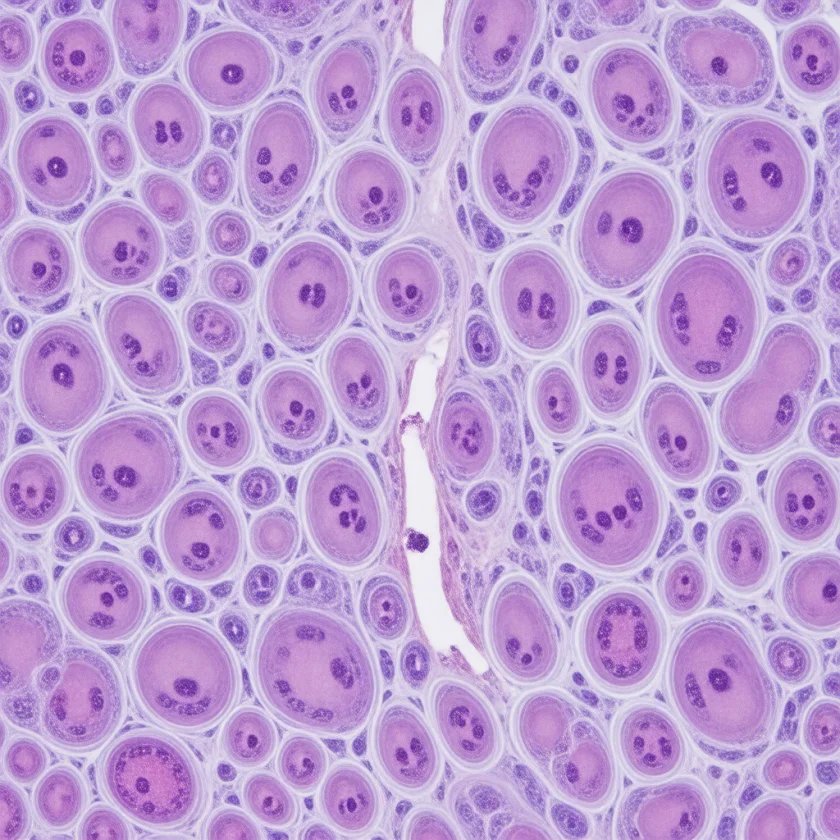

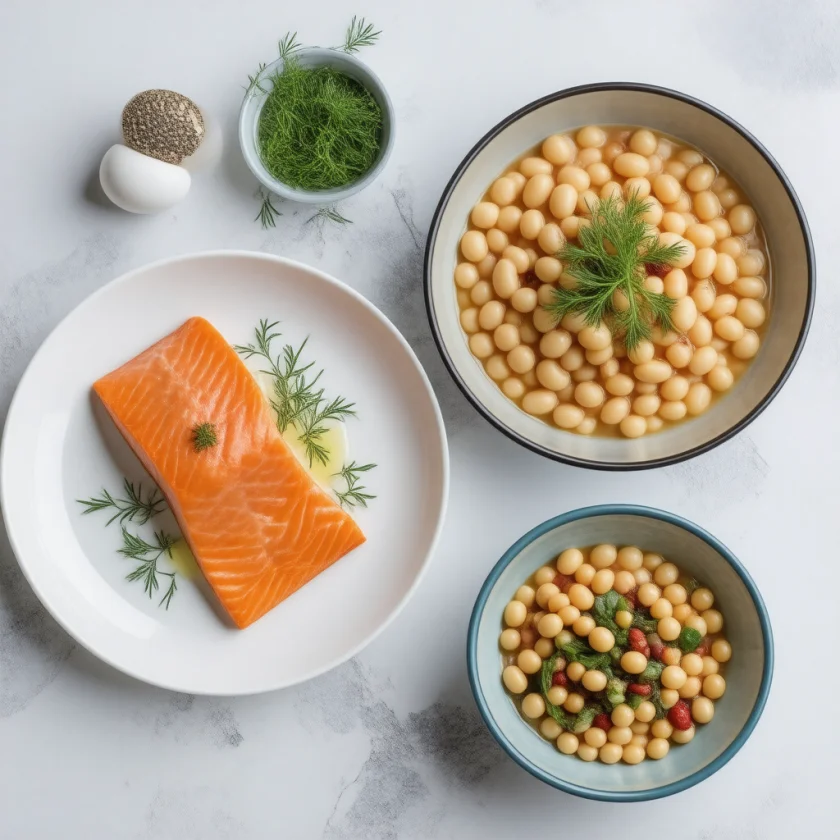
Threonine is one of the four classical lipotropic nutrients — choline, methionine, inositol, and threonine — the substances whose deficiency causes fat to accumulate in the liver. The lipotrope idea grew out of rat-feeding experiments that began with Best's work on choline in the 1930s. The link between dietary threonine and hepatic steatosis came from rat studies published in 1953 by Singal and colleagues, which showed that a threonine-deficient diet produced a fatty liver and that threonine had a lipotropic action; classical lipotrope work described threonine, choline, and methionine as able to reverse this kind of fatty liver interchangeably. The proposed shared mechanism is one-carbon metabolism: threonine fed via glycine into the methionine cycle becomes a methyl-group donor for phosphatidylcholine synthesis, the surfactant phospholipid that the liver needs to package triglyceride into very-low-density lipoprotein (VLDL) particles for export. That mechanism is a hypothesis: a 1976 rat study found no gross abnormality in how fast threonine-deficient livers made fat or released it into the blood, and in humans the genes for both enzymes that turn threonine into glycine are broken copies (pseudogenes). Modern non-alcoholic fatty liver disease (NAFLD, renamed metabolic dysfunction-associated steatotic liver disease, MASLD, in 2023) is a different epidemiologic problem than mid-20th-century rat-model fatty liver, and threonine's lipotropic role is experimentally robust in rats. This page walks through the lipotrope chemistry, the methionine equivalence, the very-low-density lipoprotein export pathway, the modern fatty-liver epidemic, and what threonine optimization can and cannot deliver clinically.
Table of Contents
- The Lipotrope Concept
- Threonine Deficiency and Fatty Liver in Rats
- The Methionine and Choline Equivalence
- One-Carbon Metabolism and Methylation
- Very-Low-Density Lipoprotein Assembly and Lipid Export
- Modern Fatty Liver Disease (NAFLD, Now MASLD) — A Different Epidemic
- Threonine to Glycine to Phosphatidylcholine
- Threonine and Phase II Detoxification
- Supplementation Evidence in Hepatic Steatosis
- Clinical Applications
- Cautions
- Key Research Papers
- Connections
- Featured Videos
The Lipotrope Concept
The term "lipotropic" was coined in the late 1930s to describe substances that prevent or reverse the accumulation of fat in the liver. The original four lipotropes identified in classical nutritional biochemistry were:
- Choline — the founding lipotrope, identified by Best and colleagues in the 1930s after observing that choline deficiency in rats produced fatty liver within weeks
- Methionine — the essential amino acid that serves as the body's primary methyl-group donor, identified as lipotropic in early 1940s studies
- Inositol — the cyclic sugar alcohol that is a component of membrane phospholipids and intracellular signaling molecules
- Threonine — identified as lipotropic in rat-feeding experiments published in 1953 by Singal and colleagues, who produced fatty livers in rats on threonine-deficient diets and described the lipotropic action of threonine
The shared property of these four nutrients is that they all support, directly or indirectly, the synthesis of phosphatidylcholine in the liver. Phosphatidylcholine is the major phospholipid in cell membranes, but its specific relevance to fatty liver is that it is the essential surfactant phospholipid in the surface monolayer of very-low-density lipoprotein (VLDL) particles — the lipid-transport vehicles that move triglyceride out of the liver into peripheral circulation. Without adequate phosphatidylcholine, very-low-density lipoprotein cannot be assembled, triglyceride cannot be exported from the liver, and the result is accumulation of triglyceride droplets in hepatocytes — hepatic steatosis, or fatty liver.
Threonine's proposed role in this network is indirect. In many animals, threonine feeds into glycine via threonine dehydrogenase or threonine aldolase. In humans, both genes are broken copies (pseudogenes): the threonine dehydrogenase gene makes only truncated proteins that would be non-functional (Edgar 2002), and the human threonine aldolase gene is not transcribed (Edgar 2005). Glycine in turn participates in the folate-mediated one-carbon cycle that generates methyl groups for the methionine cycle. The methionine cycle generates S-adenosylmethionine (SAMe), which donates methyl groups to phosphatidylethanolamine to convert it to phosphatidylcholine via the PEMT (phosphatidylethanolamine N-methyltransferase) pathway. In this proposed cascade, threonine inadequacy at the top would ultimately reduce phosphatidylcholine availability at the bottom — a chain worked out in rats.
Threonine Deficiency and Fatty Liver in Rats
The classic feeding experiments demonstrating threonine's lipotropic action were performed in young rats from the 1950s onward; the first indexed reports are two 1953 papers by Singal and colleagues, one on fatty livers in rats fed threonine- and lysine-deficient diets and one on the lipotropic action of threonine and related substances in the rat. The design was straightforward: feed weanling rats purified amino-acid-based diets with all essential amino acids except threonine, or with reduced threonine content, and measure hepatic lipid accumulation after 2-4 weeks.
Findings consistently included:
- Threonine-deficient rats accumulated triglyceride in the liver
- In rats tube-fed a diet with no threonine, liver fat began building on the third day of the diet (Johnson and Olivecrona 1976)
- Adding back threonine restored normal hepatic lipid content
- Adding choline or methionine to the threonine-deficient diet also reversed the fatty liver, confirming the lipotrope equivalence
- Total serum cholesterol was often elevated in threonine-deficient rats, with reduced high-density lipoprotein (HDL) fraction
- Liver protein synthesis was reduced, but the lipid accumulation appeared even before frank protein synthesis suppression, suggesting a specific lipotropic effect distinct from generalized growth failure
One proposed mechanistic interpretation is that threonine deficiency impaired phosphatidylcholine synthesis (via reduced one-carbon flux from threonine through glycine through the folate cycle to methionine and S-adenosylmethionine), which in turn impaired very-low-density lipoprotein assembly and triglyceride export from the liver, producing accumulation. On that interpretation, adding choline or methionine bypassed the threonine-dependent steps in the same pathway by providing the methyl groups or the phosphatidylcholine substrate directly.
That interpretation remains a hypothesis. A 1976 study tested it directly in rats tube-fed a threonine-free diet (Johnson and Olivecrona). Extra new fat-making in the liver (de novo fatty acid synthesis) was not a major factor, and the rats' handling of fat in the blood did not differ from controls. The authors concluded that the liver fat did not come from any gross abnormality in the rate at which the liver made triglyceride or released it into the blood, and suggested instead a disturbance in how the liver handles its stored pool of triglyceride.
Rat models of fatty liver are an imperfect proxy for the modern human fatty liver epidemic (see the non-alcoholic fatty liver disease section below), but the lipotropic chemistry that emerged from these studies remains valid and continues to inform clinical understanding of hepatic lipid metabolism.
The Methionine and Choline Equivalence
One of the most elegant findings from the classical lipotrope studies was the observation that threonine, methionine, and choline could substitute for each other to varying degrees in preventing fatty liver. The interchangeability is not complete — methionine cannot fully substitute for choline if the methionine intake exceeds the capacity of the methionine cycle, and threonine cannot substitute for methionine in protein synthesis — but for the specific endpoint of preventing hepatic triglyceride accumulation, the three nutrients act largely on the same final common pathway.
The metabolic explanation:
- Choline is converted directly to phosphatidylcholine via the CDP-choline (Kennedy) pathway in hepatocytes, providing the essential very-low-density lipoprotein surfactant lipid without requiring methylation steps
- Methionine is converted to S-adenosylmethionine (SAMe), which donates methyl groups to phosphatidylethanolamine to convert it to phosphatidylcholine via the PEMT pathway (an alternative source of PC that does not depend on dietary choline)
- Threonine indirectly supports both pathways in animals that can turn it into glycine. Via threonine dehydrogenase, threonine is converted through 2-amino-3-ketobutyrate to glycine (and acetyl-CoA); via threonine aldolase, threonine yields glycine and acetaldehyde. In humans, the threonine dehydrogenase gene is an expressed pseudogene whose truncated proteins would be non-functional (Edgar 2002), and the human threonine aldolase gene is a non-transcribed pseudogene (Edgar 2005). Where these routes work, the glycine generated from threonine feeds into the folate one-carbon cycle and ultimately regenerates methionine from homocysteine, supporting S-adenosylmethionine production and the PEMT pathway.
This three-way redundancy is why classical nutrition emphasizes the "lipotropic factors" collectively rather than emphasizing any one of them in isolation. Choline is now generally considered the master lipotrope (because it most directly provides phosphatidylcholine without requiring intermediate methylation), but threonine and methionine each contribute to the redundant supply chain.
The clinical implication for modern patients is that fatty liver is rarely the result of inadequate intake of any single one of these nutrients in isolation. A diet adequate in protein and containing eggs, fish, or organ meats will provide adequate choline, methionine, and threonine simultaneously. The patients most at risk for lipotrope inadequacy are those on restrictive diets (low total protein, very low fat, low animal product) without explicit attention to choline-rich foods, or those with malabsorption.
For more on related lipotropic nutrients, see our pages on Methionine and any choline / lecithin content on the site.
One-Carbon Metabolism and Methylation
One-carbon metabolism is the network of biochemical reactions that transfer single-carbon units (methyl groups and related fragments) between molecules in the cell. It is one of the most quantitatively important metabolic systems in the human body and is essential for DNA synthesis (purine and thymidine), protein methylation, phospholipid methylation, and neurotransmitter synthesis.
The central currency of one-carbon metabolism is the methyl group attached to S-adenosylmethionine (SAMe), the universal methyl donor. S-adenosylmethionine donates methyl groups to dozens of acceptor molecules — including DNA, histones, neurotransmitters, and phosphatidylethanolamine — producing S-adenosylhomocysteine (SAH) as the byproduct. SAH is hydrolyzed to homocysteine, which can either be remethylated back to methionine (using either 5-methyltetrahydrofolate from the folate cycle, or methyl groups donated by trimethylglycine/betaine) or shunted to cystathionine and ultimately to cysteine via the transsulfuration pathway.
Threonine intersects this network at the glycine node. Two routes from threonine to glycine are known in animals:
- Threonine dehydrogenase (TDH) pathway — one of the major threonine breakdown routes in animals. Threonine is oxidized to 2-amino-3-ketobutyrate, which is cleaved to glycine and acetyl-CoA by 2-amino-3-ketobutyrate coenzyme A ligase. The human TDH gene is an expressed pseudogene: its messages are present in all tissues examined, but they encode truncated proteins that would be non-functional (Edgar 2002).
- Threonine aldolase pathway — direct cleavage of threonine to glycine and acetaldehyde. Mice, the western clawed frog and the zebrafish have transcribed threonine aldolase genes, but the human gene for this enzyme is a non-transcribed pseudogene (Edgar 2005).
Glycine then participates in one-carbon metabolism via the glycine cleavage system (GCS), which generates 5,10-methylenetetrahydrofolate — the activated one-carbon unit that feeds into thymidine synthesis (for DNA) and into 5-methyltetrahydrofolate (for methionine regeneration from homocysteine, hence supporting S-adenosylmethionine and the entire methylation network including phosphatidylcholine production).
The connection between threonine and phosphatidylcholine is therefore real but is indirect, with multiple metabolic intermediates between threonine intake and phosphatidylcholine synthesis. In practice, total dietary glycine status, folate status, vitamin B12 status, and choline intake are usually more direct determinants of methylation capacity than threonine intake alone. In animals with working threonine-to-glycine enzymes, threonine adequacy contributes to the overall glycine pool, and the lipotropic effect is real and reproducible in controlled rat feeding studies.
Very-Low-Density Lipoprotein Assembly and Lipid Export
The mechanism by which the liver exports triglyceride to the rest of the body is the assembly and secretion of very-low-density lipoprotein (VLDL) particles. Very-low-density lipoprotein particles are spherical structures with a hydrophobic core (triglyceride and cholesteryl ester) surrounded by a surface monolayer of phospholipids, free cholesterol, and apolipoproteins (primarily ApoB-100 in human very-low-density lipoprotein).
The phospholipid most enriched in the very-low-density lipoprotein surface monolayer is phosphatidylcholine (PC), which accounts for approximately 65-75% of the surface phospholipid. PC is uniquely suited for this role because of its zwitterionic head group geometry, which forms stable monolayer interfaces with hydrophobic lipid cores. Other phospholipids (phosphatidylethanolamine, phosphatidylserine, sphingomyelin) cannot substitute structurally for PC in the very-low-density lipoprotein surface monolayer to the same degree.
The liver synthesizes phosphatidylcholine through two parallel pathways:
- The CDP-choline (Kennedy) pathway — uses dietary choline (or recycled choline from membrane turnover) to produce PC directly. This is the major PC production route in most tissues.
- The PEMT (phosphatidylethanolamine N-methyltransferase) pathway — converts phosphatidylethanolamine to PC by adding three methyl groups donated by S-adenosylmethionine. This pathway is significant only in the liver (PEMT expression is largely liver-restricted) and accounts for approximately 30% of hepatic PC production under normal conditions, with the proportion increasing when dietary choline is limited.
The PEMT pathway is the link to the lipotrope chemistry. When dietary choline is low, the liver must compensate by relying more heavily on PEMT to maintain PC supply for VLDL. PEMT in turn depends on S-adenosylmethionine, which depends on methionine, which depends on the entire one-carbon metabolism network including threonine's indirect contribution. Inadequate threonine (or methionine, or folate, or B12) reduces PEMT capacity, reduces PC supply, reduces very-low-density lipoprotein assembly, and produces hepatic triglyceride accumulation.
This is the mechanistic chain that explains why all the classical lipotropes — choline, methionine, threonine, and inositol — converge on the same clinical endpoint (fatty liver). They all support the production of the surfactant phospholipid required for triglyceride export, with choline acting most directly and the others acting through the methionine cycle.
Modern Fatty Liver Disease (NAFLD, Now MASLD) — A Different Epidemic
Non-alcoholic fatty liver disease (NAFLD) is the most common chronic liver condition worldwide, with prevalence estimated at 25-30% of the adult population in industrialized countries. Non-alcoholic fatty liver disease is associated with obesity, insulin resistance, type 2 diabetes, dyslipidemia, and metabolic syndrome. It is the leading cause of end-stage liver disease projected for the 2030s and is now a leading indication for liver transplantation in the United States.
The new name. In 2023 a multisociety Delphi consensus led by three large pan-national liver associations, with 236 panelists from 56 countries, chose a new name for non-alcoholic fatty liver disease: metabolic dysfunction-associated steatotic liver disease (MASLD). The new definition requires a fatty liver plus at least 1 of 5 cardiometabolic risk factors. People with metabolic dysfunction-associated steatotic liver disease who drink greater amounts of alcohol (140-350 g a week for women and 210-420 g a week for men) fall into a new category, metabolic and alcohol related/associated liver disease (MetALD); fatty liver with no metabolic risk factor and no known cause is called cryptogenic steatotic liver disease (Rinella 2023). The inflamed form once called non-alcoholic steatohepatitis (NASH) is now metabolic dysfunction-associated steatohepatitis (MASH), as the 2024 European guideline on the disease states (EASL-EASD-EASO 2024). Much of the research on this page was published under the older names.
Non-alcoholic fatty liver disease is mechanistically different from the classical lipotrope-deficient fatty liver of mid-20th-century animal models in important ways:
- The dominant driver of modern non-alcoholic fatty liver disease is excess caloric and carbohydrate intake (especially fructose) that overwhelms the liver's capacity to package and export triglyceride at the rate of new triglyceride production. The problem is not insufficient export machinery (lipotrope-deficiency fatty liver) but excess incoming substrate (overload fatty liver).
- Insulin resistance amplifies the problem by directing more peripheral free fatty acids back to the liver while simultaneously increasing hepatic de novo lipogenesis
- The progression from simple steatosis to steatohepatitis (non-alcoholic steatohepatitis, NASH) involves inflammation, oxidative stress, and lipotoxicity from specific lipid species — mechanisms that are not directly addressed by lipotropic nutrient supplementation
That said, lipotrope status does still matter in modern non-alcoholic fatty liver disease:
- Choline inadequacy is common — the Institute of Medicine's Adequate Intake (AI) for choline is 425 mg/day for women and 550 mg/day for men, and most Americans consume less than this. Patients with non-alcoholic fatty liver disease often have suboptimal choline intake, which can amplify fatty liver severity.
- Genetic variation in PEMT matters — the rs7946 polymorphism in the PEMT gene reduces PEMT activity in some individuals, making them more dependent on dietary choline and more vulnerable to lipotrope inadequacy. These individuals develop fatty liver more readily on low-choline diets.
- Methionine and folate status contribute to PEMT activity through the S-adenosylmethionine pathway. B12 and folate inadequacy can compound lipotrope inadequacy.
- Threonine's role in modern non-alcoholic fatty liver disease is less directly studied than choline or methionine, but the same biochemistry applies. Patients with marginal threonine intake (very low total protein diets, restrictive vegan diets, inflammatory bowel disease (IBD)) may have an additional contributor to lipotrope inadequacy.
For more on non-alcoholic fatty liver disease management, see our Non-Alcoholic Fatty Liver Disease page, and related metabolic-syndrome and insulin-resistance content.
Threonine to Glycine to Phosphatidylcholine
The connection from threonine to phosphatidylcholine production runs through glycine, which deserves its own moment of attention. Glycine is technically a non-essential amino acid in adult humans, meaning that the body can synthesize it from other precursors (serine, threonine, choline, and others). However, several lines of evidence suggest that glycine is conditionally essential — that endogenous glycine synthesis often does not keep pace with metabolic demand, and dietary supplementation of glycine has measurable health effects.
A 2009 analysis that compared all reported glycine fluxes in an adult human (Meléndez-Hevia and colleagues) found that synthesis from serine accounts for more than 85% of the glycine the body makes. The body makes about 3 g of glycine a day and the diet supplies 1.5-3.0 g a day; together these may fall short of the amount needed for all metabolic uses, including collagen synthesis, by about 10 g a day for a 70 kg person. So serine, not threonine, is the main source of the glycine the body makes, and the shortfall is not filled. Where a threonine-to-glycine route works (as in rats), inadequate threonine intake leaves the glycine pool more dependent on the serine-to-glycine arm and on the limited dietary glycine intake. Net result: lower glycine availability for the multiple metabolic demands that include one-carbon metabolism, collagen synthesis (glycine is one-third of every collagen molecule), and bile acid conjugation.
Glycine's contribution to one-carbon metabolism and methylation is particularly relevant for the lipotropic effect. The glycine cleavage system in mitochondria oxidizes glycine to CO2 and ammonia while donating a one-carbon unit to tetrahydrofolate, generating 5,10-methylenetetrahydrofolate. This is one of the major routes by which the folate one-carbon pool is loaded with methyl groups that ultimately support methionine regeneration and S-adenosylmethionine production.
The therapeutic implication is that for fatty liver patients with marginal lipotrope status, addressing the entire choline-methionine-folate-B12-glycine-threonine network is more effective than focusing on any single nutrient. A modest threonine deficit alongside a modest choline deficit alongside marginal folate status can compound into clinically significant lipotrope inadequacy that no single supplement fully corrects. For more on glycine, see our Glycine page.
Threonine and Phase II Detoxification
Beyond the lipotropic role, threonine contributes to liver function through its metabolic conversion to glycine, which is a major substrate for phase II detoxification. The liver disposes of fat-soluble toxins, drug metabolites, and endogenous waste molecules by conjugating them to small water-soluble molecules and excreting the conjugates in bile or urine.
Glycine conjugation handles several classes of substrate:
- Bile acids — cholic acid and chenodeoxycholic acid are conjugated with glycine (about 75% of human bile acids) or taurine (about 25%) to form the bile salts that emulsify dietary fat. Adequate glycine supply is required to maintain the bile acid pool.
- Benzoate and related aromatic acids — conjugated with glycine to form hippurate, which is excreted in urine. This is the disposal pathway for sodium benzoate (a common food preservative) and for benzoate produced from gut bacterial metabolism of dietary aromatic compounds.
- Salicylate — aspirin metabolism includes glycine conjugation as one of several routes
- Various other xenobiotic carboxylic acids
Inadequate glycine supply can constrain the rate of glycine conjugation when detoxification demand is high, leading to accumulation of unconjugated parent compounds or shunting to alternative (and sometimes more toxic) metabolic routes. The clinical relevance is most acute in patients with severe liver disease, chronic exposure to high glycine-conjugation-demand drugs (high-dose aspirin), or chronic exposure to environmental compounds requiring glycine conjugation.
Threonine, via its contribution to the glycine pool, supports this detoxification capacity indirectly. In most well-nourished patients, the contribution is too small to be clinically obvious, but in patients with marginal protein status it can compound the overall reduction in detoxification capacity.
Supplementation Evidence in Hepatic Steatosis
The evidence base for isolated threonine supplementation in human hepatic steatosis is limited. Most studies have been done in animal models or in combination supplementation protocols. Highlights:
- Animal studies consistently show that adding threonine to a lipotrope-deficient diet reverses fatty liver. This is the foundational evidence and is uncontroversial.
- Choline supplementation in humans with non-alcoholic fatty liver disease has been studied more extensively than threonine and shows modest improvement in some studies but mixed results overall. Choline-rich diet is generally recommended as part of non-alcoholic fatty liver disease nutritional management.
- S-adenosylmethionine supplementation in alcoholic liver disease has shown benefit in some trials, supporting the broader principle that supporting methylation capacity helps liver function
- Combination amino acid formulas — some commercial "liver support" supplements combine threonine with methionine, choline, inositol, and other compounds. The evidence base for any specific combination formula is generally weak.
- Branched-chain amino acid (BCAA) supplementation — in advanced cirrhosis, branched-chain amino acid supplementation has stronger evidence (multiple randomized controlled trials, RCTs) for improving outcomes, but this is a different clinical context (sarcopenia and hepatic encephalopathy in cirrhosis) than fatty liver per se
- Blood threonine in metabolic dysfunction-associated steatotic liver disease (2024) — a Japanese study drew on plasma amino acid data from 23,036 people in a biobank and enrolled 310 patients with metabolic dysfunction-associated steatotic liver disease. Blood glycine, serine and threonine were significantly lower as the grade of liver fat rose. In leptin-deficient mice (an animal model), a diet high in glycine, serine and threonine improved the disease (Mino 2024). The human finding is an association in blood tests, not a supplement trial.
Approved medicines for the inflamed form. For decades, treatment of metabolic dysfunction-associated steatohepatitis was limited to lifestyle measures; 2024 and 2025 brought the first FDA approvals of medicines for it, resmetirom and semaglutide (Qasim 2026). In the MAESTRO-NASH trial, resmetirom achieved resolution of steatohepatitis in 26-30% of patients versus 10% on placebo at 52 weeks. Semaglutide received accelerated FDA approval in August 2025 for steatohepatitis with moderate-to-advanced liver scarring (fibrosis stages F2-F3), based on interim results of the ESSENCE trial: after 72 weeks of 2.4 mg weekly injections, steatohepatitis resolved without worsening of fibrosis in 62.9% of patients versus 34.3% on placebo. Semaglutide is not approved for steatohepatitis with cirrhosis. The November 2025 update to the American Association for the Study of Liver Diseases (AASLD) guidance states that lifestyle modification remains the cornerstone of management alongside semaglutide (Bansal 2026).
The 2024 European guideline (EASL-EASD-EASO) advises lifestyle modification for adults with metabolic dysfunction-associated steatotic liver disease — weight loss, dietary changes, physical exercise and discouraging alcohol consumption. Nutrition measures commonly described in fatty liver disease management:
- Caloric restriction and weight loss are the most-evidence-based intervention. 5-10% body weight loss reliably reduces hepatic steatosis.
- Lower intake of fructose and refined carbohydrate (major drivers of new fat-making, de novo lipogenesis, in the liver)
- Choline-rich foods (eggs, liver, fish)
- Enough total protein from high-biological-value sources, which provides all the lipotropic amino acids including threonine
- Correction of co-existing micronutrient deficiencies (vitamin D, vitamin E, B12, folate)
- A Mediterranean diet pattern, which has the strongest dietary-pattern evidence for non-alcoholic fatty liver disease improvement
Standalone L-threonine supplementation for fatty liver has no supporting trial evidence in humans.
Clinical Applications
The clinical situations where threonine's lipotropic role becomes practically relevant include:
- Non-alcoholic fatty liver disease with concurrent malnutrition or restrictive diet — patients with non-alcoholic fatty liver disease who also have inadequate total protein intake, very low choline intake, or restrictive vegan diets without adequate plant protein combining may have a meaningful lipotrope inadequacy contributing to their liver disease. Total protein intake and choline-rich foods are the dietary factors involved.
- Long-term parenteral nutrition — current total parenteral nutrition (TPN, intravenous feeding) solutions do not supply choline. A 2024 review reports that interrupted choline supply, as during TPN, causes a rapid drop in plasma choline; it describes choline deficiency as a major contributor to acute and chronic TPN-associated liver disease, based on preclinical and observational studies and small randomized trials in adults, and calls for choline formulations that can be added to TPN solutions (Bernhard 2024).
- Bariatric surgery patients — reduced food intake and altered fat absorption can compromise lipotrope status. Routine multivitamin and adequate protein intake usually suffices.
- Inflammatory bowel disease with documented hepatic steatosis — the combination of malabsorption, reduced intake, and increased gut threonine demand can produce both intestinal and hepatic complications, so nutritional support in this group covers all of these factors.
- Cystic fibrosis — pancreatic insufficiency, fat malabsorption, and elevated metabolic demand all converge on lipotrope inadequacy. CF-associated liver disease has multifactorial nutritional contributors.
- Alcoholic liver disease — S-adenosylmethionine depletion is a well-established mechanism. Threonine's role is less direct, but supporting the entire methylation network is part of comprehensive nutritional therapy.
For most patients with non-alcoholic fatty liver disease, the dominant therapeutic interventions are weight loss, reduced fructose and refined carbohydrate intake, and treatment of underlying insulin resistance. Lipotrope optimization (choline-rich foods, adequate protein, attention to B vitamins) is supportive but not curative.
Cautions
- Hepatic steatosis is multifactorial. Insulin resistance, fructose intake, and excess caloric intake drive modern non-alcoholic fatty liver disease far more than any individual nutrient inadequacy. Lipotrope optimization without addressing the underlying metabolic problem will not resolve fatty liver.
- Advanced liver disease — there is no human evidence that threonine supplementation treats any advanced liver condition; cirrhosis and its complications are managed with liver tests and treatments that threonine does not replace.
- Excessive methionine — while methionine is a primary lipotrope, sustained high-dose methionine supplementation can elevate homocysteine (a cardiovascular risk factor), a concern raised for its long-term use. Threonine does not directly raise homocysteine.
- Choline overload — very high doses of choline (above 3 g/day) can produce a fishy body odor (trimethylaminuria) and gastrointestinal upset. The Tolerable Upper Intake Level is 3.5 g/day for adults.
- Renal impairment — in advanced chronic kidney disease (CKD), protein and amino-acid intake is managed as part of kidney care, and isolated amino acid supplementation is a concern raised for this group.
- The threonine-glycine pathway in adult humans — humans carry broken (pseudogene) copies of both enzymes that turn threonine into glycine: threonine dehydrogenase (TDH), whose gene makes only truncated, non-functional proteins (Edgar 2002), and threonine aldolase, whose gene is not transcribed at all (Edgar 2005). Another threonine-breaking enzyme, serine/threonine dehydratase, which converts threonine to alpha-ketobutyrate, was found to be expressed very highly only in the liver (Edgar 2005). So the rat chain of threonine to glycine to methyl groups may hardly operate in people, and the lipotropic effect of threonine in adult humans may be more modest than in rats. The clinical relevance of this is not yet fully resolved.
Key Research Papers
- Best CH, Huntsman ME (1932). The effects of the components of lecithine upon deposition of fat in the liver. Journal of Physiology. (Foundational lipotrope work.) — PubMed PMID: 16994325
- Channon HJ, Manifold MC, Platt AP (1940). The action of sulphur-containing amino-acids and proteins on liver fat deposition. Biochemical Journal. — PubMed PMID: 16747231
- Singal SA, Hazan SJ, Sydenstricker VP, Littlejohn JM (1953). The production of fatty livers in rats on threonine- and lysine-deficient diets. Journal of Biological Chemistry. — PubMed PMID: 13034849
- Singal SA, Hazan SJ, Sydenstricker VP, Littlejohn JM (1953). The lipotropic action of threonine and related substances in the rat. Journal of Biological Chemistry. — PubMed PMID: 13034851
- Johnson O, Olivecrona T (1976). Metabolism of liver triacylglycerols in rats tube-fed a threonine-devoid diet. Nutrition and Metabolism. — PubMed PMID: 958647
- Vance JE, Vance DE (2004). Phospholipid biosynthesis in mammalian cells. Biochemistry and Cell Biology. — PubMed PMID: 15052332
- Vance DE (2014). Phospholipid methylation in mammals: from biochemistry to physiological function. Biochimica et Biophysica Acta. — PubMed PMID: 24184426
- Zeisel SH, da Costa KA (2009). Choline: an essential nutrient for public health. Nutrition Reviews. — PubMed PMID: 19906248
- Corbin KD, Zeisel SH (2012). Choline metabolism provides novel insights into nonalcoholic fatty liver disease and its progression. Current Opinion in Gastroenterology. — PubMed PMID: 22134222
- Edgar AJ (2002). The human L-threonine 3-dehydrogenase gene is an expressed pseudogene. BMC Genetics. (Evidence that TDH may be inactive in adult humans.) — PubMed PMID: 12361482
- Edgar AJ (2005). Mice have a transcribed L-threonine aldolase/GLY1 gene, but the human GLY1 gene is a non-processed pseudogene. BMC Genomics. — PubMed PMID: 15757516
- Meléndez-Hevia E, De Paz-Lugo P, Cornish-Bowden A, Cárdenas ML (2009). A weak link in metabolism: the metabolic capacity for glycine biosynthesis does not satisfy the need for collagen synthesis. Journal of Biosciences. — PubMed PMID: 20093739
- Wang W, Wu Z, Dai Z, Yang Y, Wang J, Wu G (2013). Glycine metabolism in animals and humans: implications for nutrition and health. Amino Acids. — PubMed PMID: 23615880
- Anstee QM, Goldin RD (2006). Mouse models in non-alcoholic fatty liver disease and steatohepatitis research. International Journal of Experimental Pathology. — PubMed PMID: 16436109
- Niculescu MD, Zeisel SH (2002). Diet, methyl donors and DNA methylation: interactions between dietary folate, methionine and choline. Journal of Nutrition. — PubMed PMID: 12163687
- Vance DE, Li Z, Jacobs RL (2007). Hepatic phosphatidylethanolamine N-methyltransferase, unexpected roles in animal biochemistry and physiology. Journal of Biological Chemistry. — PubMed PMID: 17881348
- Vance DE (2008). Role of phosphatidylcholine biosynthesis in the regulation of lipoprotein homeostasis. Current Opinion in Lipidology. — PubMed PMID: 18460912
- Bernhard W, Böckmann KA, Minarski M, Wiechers C, Busch A, Bach D, Poets CF, Franz AR (2024). Evidence and Perspectives for Choline Supplementation during Parenteral Nutrition-A Narrative Review. Nutrients. — PubMed PMID: 38931230
- Rinella ME, Lazarus JV, Ratziu V, et al. (2023). A multisociety Delphi consensus statement on new fatty liver disease nomenclature. Hepatology. — PubMed PMID: 37363821
- European Association for the Study of the Liver (EASL); European Association for the Study of Diabetes (EASD); European Association for the Study of Obesity (EASO) (2024). EASL-EASD-EASO Clinical Practice Guidelines on the management of metabolic dysfunction-associated steatotic liver disease (MASLD). Journal of Hepatology. — PubMed PMID: 38851997
- Mino M, Kakazu E, Sano A, et al. (2024). Comprehensive analysis of peripheral blood free amino acids in MASLD: the impact of glycine-serine-threonine metabolism. Amino Acids. — PubMed PMID: 39718621
- Bansal MB, Patton H, Morgan TR, Carr RM, Dranoff JA, Allen AM (2026). Semaglutide therapy for metabolic dysfunction-associated steatohepatitis: November 2025 updates to AASLD Practice Guidance. Hepatology. — PubMed PMID: 41201884
- Qasim A, Alataa R, Veena F, Shehi E (2026). The new era of MASH pharmacotherapy: a comprehensive review of FDA-approved and emerging agents. Frontiers in Gastroenterology. — PubMed PMID: 42564069
PubMed Topic Searches
Connections
- All Amino Acids
- Threonine Overview
- Threonine Benefits Hub
- Threonine for Gut Mucin
- Threonine for Collagen
- Threonine for Immune Function
- Methionine (Lipotrope Partner)
- Glycine (Metabolic Intermediate)
- Cysteine
- Taurine (Bile Conjugation Partner)
- N-Acetylcysteine & Liver Health
- Vitamin B12
- Folate
- Hepatology
- Metabolic Syndrome
- Detoxification
- Organ Meats (Liver, Choline)
- Eggs (Choline-Rich)
- History
- Sources