⚠ Evidence warning: Clinical trials or other evidence do not support the claim that routine parasite cleanses with wormwood, clove and black walnut remove parasites, prevent disease and are a safe, reasonable preventive for adults without symptoms, or that reactions during a cleanse are Herxheimer detox die-off. This page keeps it as a report of what people, websites or other media say.
Parasites — Benefits Deep Dive
Human parasites are organisms that live on or inside a human host and extract resources at the host's expense. Globally they remain one of the leading causes of disease burden — the WHO estimates that about 1.5 billion people, 24% of the world's population, are infected with soil-transmitted helminths (roundworms, hookworms, whipworms), and even in industrialized nations conditions like Giardia, pinworm, and Toxoplasma are far more common than typically appreciated. These four deep-dive pages walk through the major human parasites by category, the evidence-based botanical antiparasitics with the longest pharmacologic track records, the targeted use of cucurbitin-containing pumpkin seeds for tapeworm and roundworm, and the practical week-by-week structure of a Hulda Clark-style cleanse including how to distinguish Herxheimer detox reactions from genuine adverse effects.
Deep-Dive Articles
Common Human Parasites
Taxonomic overview of the three principal parasite categories — protozoa (Giardia lamblia, Entamoeba histolytica, Cryptosporidium, Toxoplasma gondii, Blastocystis hominis), helminths (roundworm Ascaris, hookworm Necator, pinworm Enterobius, whipworm Trichuris, tapeworms Taenia), and ectoparasites. Transmission routes, symptoms, diagnostic stool ova-and-parasite testing, and conventional pharmacotherapy.
Read the deep dive →Wormwood, Clove & Black Walnut
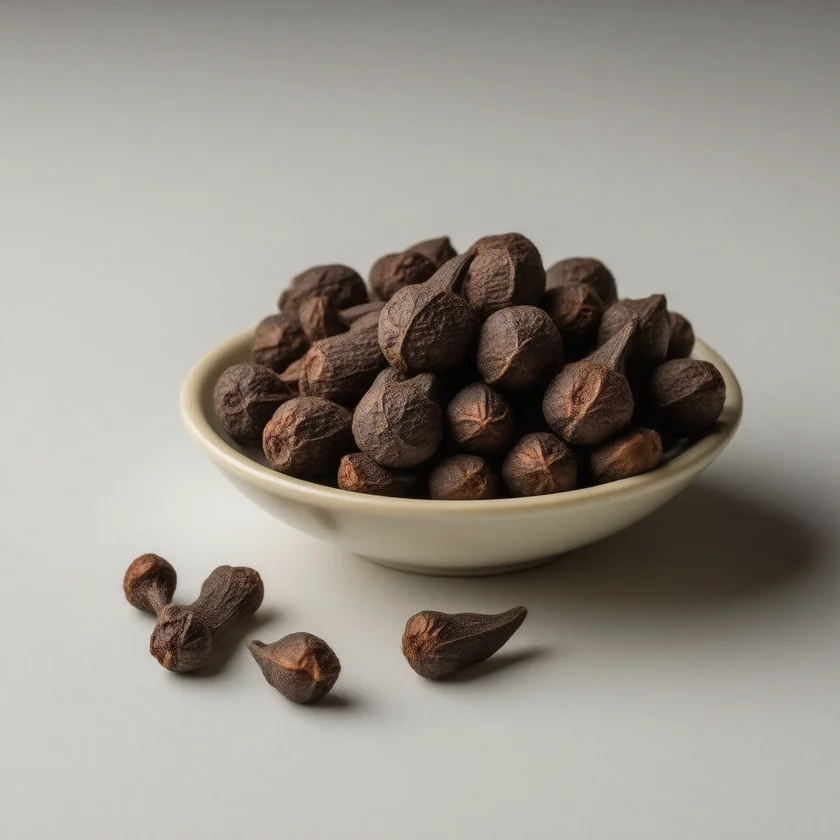
The Hulda Clark triplet — Artemisia absinthium (sesquiterpene lactones including artemisinin family compounds), clove (eugenol with documented ovicidal activity against parasite eggs), and black walnut hull (juglone, tannins, alkaloids). Mechanism of action, evidence-based dosing, the question of why these three are combined, contraindications, and the difference between wormwood and sweet wormwood (Artemisia annua).
Read the deep dive →Pumpkin Seeds
Cucurbita pepo seeds contain cucurbitin, a non-toxic amino acid that paralyzes tapeworms and roundworms by binding parasite muscle. Traditional dosing protocols (raw, unsalted, hulled or unhulled), combination with castor oil purgatives, the historical use as a US Pharmacopoeia anthelmintic, modern studies in Hymenolepis nana and Taenia infection (including a community-based taeniasis study in China), and zinc/magnesium nutritional bonus.
Read the deep dive →Cycle & Detox Symptoms
The 30-day Hulda Clark cycle structure, why protocols are pulsed rather than continuous (to catch successive parasite life-cycle stages from egg to adult), the Jarisch-Herxheimer reaction explained mechanistically, distinguishing benign detox die-off from genuine adverse drug reactions, supportive measures (binders, hydration, electrolytes, fiber, liver-support nutrients), and red flags requiring medical evaluation.
Read the deep dive →Table of Contents
- Deep-Dive Articles
- Why Parasite Cleansing Is Worth Understanding
- Pumpkin Seeds With Areca Nut in a Tapeworm Study
- Research Papers: Common Human Parasites
- Research Papers: Botanical Antiparasitics
- Research Papers: Pumpkin Seeds & Cucurbitin
- Research Papers: Cycle Pulsing & Detox Reactions
- Research Papers: Cross-Cutting (Mechanism, Diagnosis, Safety)
- External Authoritative Resources
- Connections
- Featured Videos
Why Parasite Cleansing Is Worth Understanding
The conventional clinical assumption in the developed world is that human parasitism is a rare problem confined to travelers and immigrants from endemic regions. This assumption is increasingly being challenged by epidemiologic data. A 2014 review by researchers at the U.S. Centers for Disease Control and Prevention (CDC) named four neglected parasitic infections (Chagas disease, toxocariasis, cysticercosis, and toxoplasmosis) that affect millions of people in the United States, and noted that relatively few resources have been devoted to their surveillance, prevention, and treatment. The same review describes what these infections can do: Chagas disease, which mainly affects Latin American immigrants, can cause heart failure and death if not treated, and neurocysticercosis, a form of cysticercosis in which pork tapeworm larvae lodge in the brain, is the most common infectious cause of seizures in some parts of the United States. Parasite-cleanse protocols popular in alternative medicine, while controversial, rest on a premise their practitioners hold — that periodic preventive exposure to antiparasitic herbs is reasonable, given what they see as a high burden of hidden parasite infection and the low toxicity of plant-source treatments.
- Real prevalence is higher than commonly stated. Stool ova-and-parasite testing has limited sensitivity: in a 1999 study of 2,704 examinations from 1,374 patients in a high-prevalence setting, the first stool sample was adequate in only 75.9% of cases, a second sample raised sensitivity to 92%, and a third added information in only 8%; and stool antigen tests for Giardia, Cryptosporidium, and Entamoeba are not routinely ordered. Polymerase chain reaction (PCR) multiplex panels now detect parasitic DNA in 5-15% of symptomatic outpatient stool samples in US studies.
- Pet ownership and food exposures matter. Roughly 95 million US households have pets. Toxocara canis and cati eggs from dog and cat feces are widespread in soil; raw or undercooked pork carries Taenia solium; Toxoplasma gondii exposure from undercooked meat or cat litter contact is common enough that, in national survey (NHANES) blood samples from 2011–2014, about 11% of Americans aged 6 and over (11.14%; 10.42% age-adjusted) carried antibodies to it.
- Practitioners describe plant-source antiparasitics as having very long safety records. Pumpkin seeds, wormwood, clove, and black walnut have been used as anthelmintics for centuries to millennia. Modern controlled trials are limited. Practitioners of parasite cleansing cite the long traditional use, plausible mechanisms (cucurbitin, sesquiterpene lactones, eugenol, juglone), and what they describe as very low toxicity at typical doses as their reasons for periodic preventive use in adults without symptoms. Wormwood contains thujone, which is toxic to the nervous system (see the thujone entry under Botanical Antiparasitics below).
The four deep-dive pages below treat this honestly: they walk through both the conventional medical view (diagnosis by stool testing, pharmacotherapy with albendazole/mebendazole/ivermectin/nitazoxanide/metronidazole) and the traditional botanical view (Hulda Clark's wormwood-clove-black walnut triplet, pumpkin seed cucurbitin, the pulsed 30-day cycle and its rationale). The goal is to give the reader enough mechanism to make informed choices rather than to dismiss either approach.
Pumpkin Seeds With Areca Nut in a Tapeworm Study
In a 2012 community-based study in northwest Sichuan Province, China, 115 people with suspected tapeworm infection (taeniasis; all had passed tapeworm segments in the previous year) were given pumpkin seeds combined with areca nut extract. 91 of them (79.1%) passed whole tapeworms, and 40 of the 45 cases confirmed before treatment by stool microscopy or stool DNA testing (88.9%) passed intact worms. The worms came out after a mean of 2 hours, and 89% of those who passed whole worms did so within 3 hours.
In the comparison groups, pumpkin seeds alone led 9 of 12 confirmed cases (75.0%) to pass whole tapeworms, but after a mean of about 14 hours, and areca nut extract alone worked in 7 of 11 (63.6%) after a mean of about 6.5 hours. About 46% of people given the combination had mild nausea or dizziness, which passed. The authors noted that praziquantel, a standard tapeworm drug, carries a risk of seizures in carriers who also have undetected neurocysticercosis.
Areca nut itself carries a separate, long-term hazard: the International Agency for Research on Cancer classifies areca nut chewing as carcinogenic to humans, with cancers of the mouth the main concern (IARC Monographs volume 85, 2004).
Research Papers: Common Human Parasites
- CDC Neglected Parasitic Infections in the United States — PubMed: CDC neglected parasitic infections
- Woodhall D, Jones JL, Cantey PT, Wilkins PP, Montgomery SP (2014). Neglected parasitic infections: what every family physician needs to know. American Family Physician 89(10):803-811. — PubMed PMID: 24866216
- WHO global prevalence of soil-transmitted helminth infections — PubMed: WHO STH prevalence
- Giardia lamblia diagnosis, epidemiology, and clinical features — PubMed: Giardia clinical review
- Toxoplasma gondii US seroprevalence (NHANES data) — PubMed: Toxoplasma seroprevalence
- Jones JL, Kruszon-Moran D, Elder S, Rivera HN, Press C, Montoya JG, McQuillan GM (2018). Toxoplasma gondii infection in the United States, 2011-2014. American Journal of Tropical Medicine and Hygiene 98(2):551-557. — PubMed PMID: 29260660
- Enterobius vermicularis (pinworm) epidemiology in industrialized nations — PubMed: Pinworm epidemiology
- Taenia solium and cysticercosis in the Americas — PubMed: Cysticercosis
- Cryptosporidium outbreaks and waterborne transmission — PubMed: Cryptosporidium outbreaks
- Blastocystis hominis pathogenicity controversy — PubMed: Blastocystis subtypes
- Multiplex PCR stool panel detection rates in symptomatic outpatients — PubMed: PCR stool panels
- Toxocara canis and cati (visceral and ocular larva migrans) US prevalence — PubMed: Toxocara US prevalence
Research Papers: Botanical Antiparasitics
- Artemisinin discovery (Tu Youyou, Nobel Prize 2015) for malaria — PubMed: Artemisinin discovery
- Artemisia absinthium (wormwood) sesquiterpene lactone antiparasitic activity — PubMed: Wormwood sesquiterpenes
- Thujone content and CNS toxicity of absinthe / wormwood preparations — PubMed: Thujone toxicity
- Eugenol (clove) ovicidal activity against parasite eggs — PubMed: Eugenol ovicidal
- Black walnut (Juglans nigra) juglone antiparasitic and antifungal activity — PubMed: Juglone activity
- Berberine antiprotozoal activity (Giardia, Entamoeba) — PubMed: Berberine antiprotozoal
- Garlic (Allium sativum) allicin antiparasitic activity — PubMed: Garlic antiparasitic
- Oregano (Origanum vulgare) carvacrol and thymol antiprotozoal — PubMed: Oregano antiprotozoal
- Mimosa pudica seed for intestinal parasites — PubMed: Mimosa pudica
- Papaya (Carica papaya) seed and caricin anthelmintic activity — PubMed: Papaya seed
Research Papers: Pumpkin Seeds & Cucurbitin
- Cucurbitin (3-amino-3-carboxypyrrolidine) structure and anthelmintic mechanism — PubMed: Cucurbitin chemistry
- Pumpkin seed (Cucurbita pepo) anthelmintic clinical trials — PubMed: Pumpkin seed trials
- Pumpkin seed for Hymenolepis nana (dwarf tapeworm) — PubMed: Hymenolepis
- Pumpkin seed combined with areca nut for taeniasis — PubMed: Pumpkin seed + areca
- Li T, Ito A, Chen X, Long C, Okamoto M, Raoul F, Giraudoux P, Yanagida T, Nakao M, Sako Y, Xiao N, Craig PS (2012). Usefulness of pumpkin seeds combined with areca nut extract in community-based treatment of human taeniasis in northwest Sichuan Province, China. Acta Tropica 124(2):152-157. — PubMed PMID: 22910218
- IARC Working Group on the Evaluation of Carcinogenic Risks to Humans (2004). Betel-quid and areca-nut chewing and some areca-nut derived nitrosamines. IARC Monographs on the Evaluation of Carcinogenic Risks to Humans 85:1-334. PubMed PMID: 15635762
- Historical US Pharmacopoeia inclusion of pepo (pumpkin seed) as anthelmintic — PubMed: Historical USP listing
- Pumpkin seed antiparasitic activity against Schistosoma — PubMed: Anti-schistosomal
- Pumpkin seed activity against Ascaris lumbricoides — PubMed: Anti-Ascaris
- Zinc content of pumpkin seeds (zinc and immunity) — PubMed: Zinc content
- Pumpkin seed oil and benign prostatic hyperplasia (cross-benefit) — PubMed: Pumpkin seed BPH
- Pumpkin seed magnesium and tryptophan content — PubMed: Magnesium/tryptophan
Research Papers: Cycle Pulsing & Detox Reactions
- Jarisch-Herxheimer reaction mechanism and clinical features — PubMed: Jarisch-Herxheimer
- Parasite life cycle stages and antihelmintic pulse-dosing rationale — PubMed: Pulse-dosing rationale
- Pinworm autoinfection cycle and 2-week retreatment protocol — PubMed: Pinworm retreatment
- Albendazole and mebendazole repeat-dose protocols for STH — PubMed: Repeat-dose protocols
- Activated charcoal binding of endotoxin and parasite die-off products — PubMed: Charcoal binding
- Bentonite clay binding capacity for mycotoxins and biotoxins — PubMed: Bentonite binding
- Glutathione and liver-support nutrients in toxin clearance — PubMed: Glutathione clearance
- Electrolyte management during induced diarrhea and purgation — PubMed: Electrolyte management
- Lipopolysaccharide release during gram-negative pathogen die-off — PubMed: LPS release
- Cytokine surge in Herxheimer (TNF-alpha, IL-6, IL-8) — PubMed: Cytokine surge
Research Papers: Cross-Cutting (Mechanism, Diagnosis, Safety)
- Stool ova-and-parasite testing sensitivity (single vs three specimens) — PubMed: O&P sensitivity
- Cartwright CP (1999). Utility of multiple-stool-specimen ova and parasite examinations in a high-prevalence setting. Journal of Clinical Microbiology 37(8):2408-2411. — PubMed PMID: 10405376
- Eosinophilia as a clue to helminth infection — PubMed: Eosinophilia workup
- Albendazole pharmacokinetics, absorption with fatty meals — PubMed: Albendazole pharmacokinetics
- Ivermectin antiparasitic mechanism (glutamate-gated chloride channels) — PubMed: Ivermectin mechanism
- Nitazoxanide spectrum (Giardia, Cryptosporidium, Hymenolepis) — PubMed: Nitazoxanide spectrum
- Biofilm formation by intestinal protozoa and treatment resistance — PubMed: Parasite biofilms
- Gut microbiome alteration by helminth infection — PubMed: Helminth microbiome
- Pregnancy and antiparasitic drug safety (former FDA pregnancy letter categories B/C, removed from US drug labels by the Pregnancy and Lactation Labeling Rule of December 2014, in effect June 30, 2015) — PubMed: Pregnancy safety
- Pediatric anthelmintic dosing (school-based deworming programs) — PubMed: Pediatric dosing
External Authoritative Resources
- U.S. Centers for Disease Control and Prevention — Parasites Home Page — the single most authoritative US resource on human parasite epidemiology, diagnosis, and treatment
- WHO — Soil-Transmitted Helminth Infections Fact Sheet
- MedlinePlus — Parasitic Diseases
- PubMed — All research on human parasite treatment