Anti-Inflammatory Diet — Benefits Deep Dive
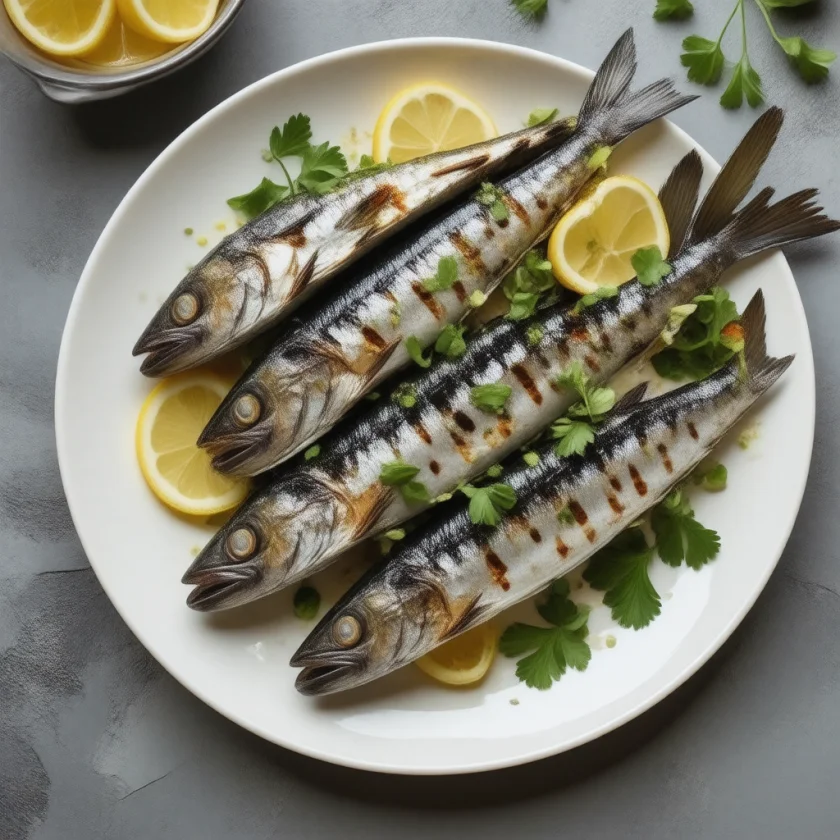
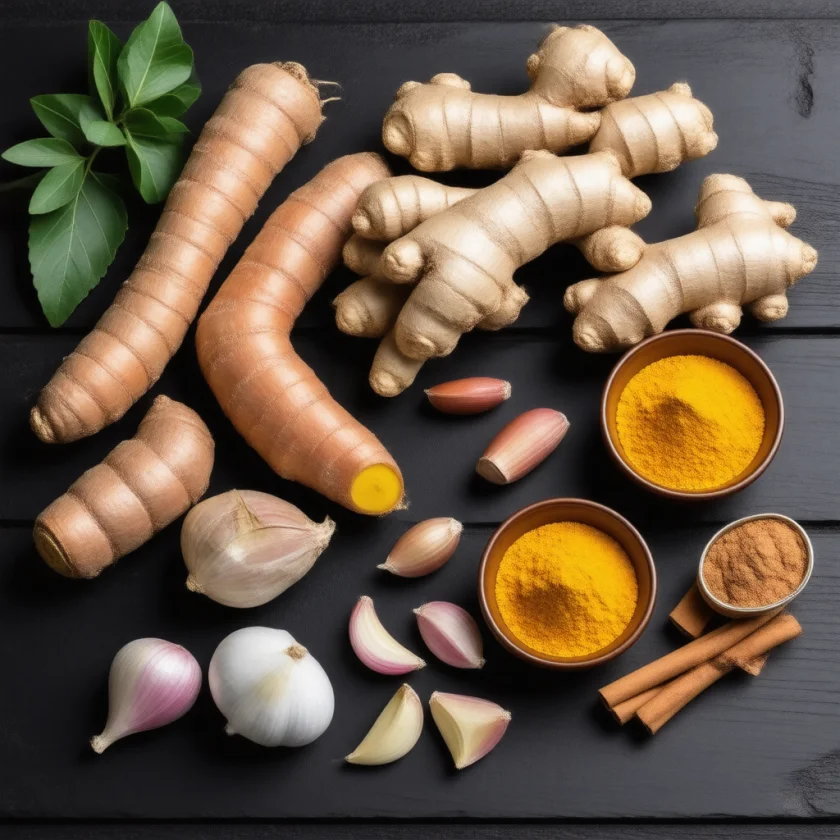
Chronic low-grade inflammation is now understood as a unifying driver of cardiovascular disease, type 2 diabetes, neurodegenerative disorders, autoimmune conditions, and several cancers. The Anti-Inflammatory Diet is not a single regimen but a coherent eating pattern — closely overlapping with the traditional Mediterranean and modern DASH patterns — that pushes the body's steady-state cytokine balance away from pro-inflammatory tone (high C-reactive protein, interleukin-6 (IL-6), tumor necrosis factor-alpha) toward a resolving, lower-inflammation phenotype. Four deep-dive pages below explore the food categories that produce the largest, most reproducible reductions in inflammatory markers: Mediterranean foundations (olive oil, vegetables, legumes, fish), marine omega-3 sources, polyphenol-rich spices and herbs, and the ultra-processed foods, industrial seed oils, refined sugars, and red-meat patterns that drive inflammation higher.
Deep-Dive Articles
Mediterranean Foundations
The PREDIMED trial (Estruch et al. NEJM 2018, which replaced the authors’ withdrawn 2013 report), the original Seven Countries Study, extra-virgin olive oil and oleocanthal as a natural COX inhibitor, vegetables and legumes as fiber and polyphenol vehicles, mixed nuts (PREDIMED arm 2), moderate fish intake, and the cumulative ~30% reduction in major cardiovascular events versus a low-fat control diet.
Read the deep dive →Omega-3 Rich Foods
Eicosapentaenoic acid (EPA) and docosahexaenoic acid (DHA) as substrates for resolvins, protectins, and maresins (the active resolvers of inflammation), the SMASH fish (sardines, mackerel, anchovies, salmon, herring), why marine omega-3s outperform alpha-linolenic acid (ALA) from flax/chia for downstream signaling, the omega-6 to omega-3 ratio problem in modern diets, and the REDUCE-IT trial of icosapent ethyl in residual cardiovascular risk.
Read the deep dive →Spices and Herbs
Turmeric and curcumin (NF-kappaB inhibition and cyclooxygenase-2 (COX-2) modulation), ginger (gingerols and shogaols), garlic (allicin and organosulfur compounds), rosemary and oregano (carnosic acid and carvacrol), cinnamon (cinnamaldehyde), and the practical kitchen pairings (curcumin with piperine and fat for bioavailability) that translate spice biology into measurable serum inflammation reduction.
Read the deep dive →Foods Linked to Higher Inflammation
Ultra-processed foods (NOVA category 4) and the Monteiro epidemiology, industrial seed oils and the omega-6 / linoleic acid debate, refined sugar and fructose-driven hepatic inflammation, processed and charred red meats, artificial trans fats, excess alcohol, and the practical swaps that replace each category with anti-inflammatory equivalents from the same culinary niche.
Read the deep dive →Table of Contents
- Deep-Dive Articles
- Why Diet Drives Steady-State Inflammation
- Research Papers: Mediterranean Foundations
- Research Papers: Omega-3 Rich Foods
- Research Papers: Spices and Herbs
- Research Papers: Foods Linked to Higher Inflammation
- Research Papers: Cross-Cutting (Markers, Mechanism, Trials)
- External Authoritative Resources
- Connections
- Featured Videos
Why Diet Drives Steady-State Inflammation
Acute inflammation is a healthy, self-limiting response to injury or infection. Chronic low-grade inflammation is a different beast — a persistent, subclinical elevation in pro-inflammatory cytokines (interleukin-6, tumor necrosis factor-alpha) and acute-phase reactants (high-sensitivity C-reactive protein, fibrinogen) that does not produce overt symptoms but quietly accelerates atherosclerosis, insulin resistance, neurodegeneration, and tumor progression over decades. The CANTOS trial (Ridker et al. NEJM 2017) was the proof-of-concept that targeting interleukin-1-beta with canakinumab, with no effect on low-density lipoprotein (LDL) cholesterol, reduced recurrent cardiovascular events by 15% at the 150-mg dose (hazard ratio 0.85) in 10,061 people who had already had a heart attack and had a high-sensitivity C-reactive protein of 2 mg per liter or more — establishing that inflammation is an independent, modifiable risk factor. The same trial recorded more fatal infections on canakinumab than on placebo.
Diet sets the steady-state inflammatory tone through three principal mechanisms:
- Substrate provision for eicosanoid synthesis — omega-6 arachidonic acid feeds the 2-series prostaglandins and 4-series leukotrienes (largely pro-inflammatory); marine omega-3 eicosapentaenoic acid and docosahexaenoic acid feed the 3-series prostaglandins, 5-series leukotrienes, and the specialized pro-resolving mediators (SPMs) resolvins, protectins, and maresins, which actively terminate inflammation. Shifting dietary substrate from omega-6-dominant seed oils toward marine omega-3s measurably reshifts the eicosanoid pool over 4–12 weeks.
- Polyphenol modulation of transcription factors — many of the most consistently anti-inflammatory foods (extra-virgin olive oil, berries, green tea, turmeric, dark chocolate, red wine in moderation) deliver polyphenols that inhibit NF-kappaB nuclear translocation, activate Nrf2 antioxidant response elements, and inhibit cyclooxygenase-2 and 5-LOX enzymes. The Mediterranean diet and spice-rich cuisines achieve their effects largely through cumulative polyphenol load.
- Gut microbiome and metabolic endotoxemia — diets high in fermentable fiber (legumes, vegetables, whole grains) feed bacteria that produce short-chain fatty acids (butyrate, acetate, propionate) which strengthen the intestinal epithelial tight junctions and reduce translocation of bacterial lipopolysaccharide (LPS) into systemic circulation. Diets high in ultra-processed foods, refined sugars, and saturated fats increase intestinal permeability and drive metabolic endotoxemia, a key trigger of chronic low-grade inflammation.
Trials of the whole eating pattern point the same way for some markers but not all. A 2026 meta-analysis of 33 randomized trials with 3,476 people found that a Mediterranean diet lowered high-sensitivity C-reactive protein, interleukin-6 and interleukin-17 compared with control diets, but did not significantly change standard C-reactive protein, interleukin-10, tumor necrosis factor-alpha or total antioxidant capacity.
The simplest, most validated quantitative measure of dietary inflammatory load is the Dietary Inflammatory Index (DII), developed by Shivappa, Hebert and colleagues at the University of South Carolina. Higher DII scores predict higher serum high-sensitivity C-reactive protein (hs-CRP), interleukin-6, and tumor necrosis factor-alpha, and prospectively predict cardiovascular events, certain cancers, and all-cause mortality across more than 100 cohort studies worldwide. The pattern of foods that lowers DII score is, essentially, the Mediterranean diet plus selected spices — which is the food blueprint these deep-dive articles build out.
What is not yet known: a 2026 umbrella review of 90 systematic reviews found higher DII scores linked with worse outcomes in cancer, death from any cause, metabolic disorders, heart disease and mental health, but rated most of those reviews low or critically low in method quality, so the certainty of the evidence is limited; its authors state that randomized trials are still needed to confirm the benefits of anti-inflammatory eating patterns.
Research Papers: Mediterranean Foundations
- Estruch R et al., PREDIMED primary cardiovascular prevention with Mediterranean diet (NEJM 2018 reanalysis) — PubMed PMID: 29897866
- Keys A, Menotti A, Karvonen MJ, et al. The diet and 15-year death rate in the seven countries study. Am J Epidemiol. 1986;124(6):903–915. — PubMed PMID: 3776973
- Beauchamp GK et al., Oleocanthal in extra-virgin olive oil acts as natural ibuprofen-like COX inhibitor (Nature 2005) — PubMed PMID: 16136122
- Casas R et al., Mediterranean diet and inflammatory biomarkers in PREDIMED PubMed: PREDIMED inflammation
- Salas-Salvadó J, Bulló M, Estruch R, et al. Prevention of diabetes with Mediterranean diets: a subgroup analysis of a randomized trial. Ann Intern Med. 2014;160(1):1–10. — PubMed PMID: 24573661
- Mediterranean diet and all-cause mortality meta-analysis PubMed: Mortality meta-analysis
- Mediterranean diet and cognitive decline (Scarmeas, Stern) PubMed: Scarmeas cognition
- PREDIMED-Plus trial: Mediterranean diet plus weight loss and cardiovascular outcomes PubMed: PREDIMED-Plus
- Nuts and cardiovascular risk reduction (PREDIMED nut arm) PubMed: PREDIMED nuts
- Legumes, pulses, and cardiometabolic outcomes meta-analysis PubMed: Legumes meta-analysis
- Keshani M, Rafiee S, Heidari H, Rouhani MH, Sharma M, Bagherniya M. Mediterranean diet reduces inflammation in adults: a systematic review and meta-analysis of randomized controlled trials. Nutr Rev. 2026;84(9):1776–1790. — PubMed PMID: 41211687
Research Papers: Omega-3 Rich Foods
- Bhatt DL et al., REDUCE-IT trial of icosapent ethyl (NEJM 2019) — PubMed PMID: 30415628
- Serhan CN, Resolvins, protectins, and maresins as specialized pro-resolving mediators PubMed: Serhan SPMs
- Calder PC, Omega-3 fatty acids and inflammatory processes (review) PubMed: Calder review
- EPA and DHA conversion ratios from ALA in humans PubMed: ALA conversion
- GISSI-Prevenzione Investigators. Dietary supplementation with n-3 polyunsaturated fatty acids and vitamin E after myocardial infarction: results of the GISSI-Prevenzione trial. Lancet. 1999;354(9177):447–455. — PubMed PMID: 10465168
- Omega-3 supplementation and rheumatoid arthritis symptoms PubMed: Omega-3 RA
- Omega-3 and depression: meta-analysis PubMed: Omega-3 depression
- Omega-6 to omega-3 ratio and chronic disease (Simopoulos) PubMed: Simopoulos ratio
- Fish consumption and coronary heart disease mortality (Mozaffarian) PubMed: Mozaffarian fish CHD
- Krill oil vs fish oil bioavailability comparison PubMed: Krill vs fish oil
Research Papers: Spices and Herbs
- Hewlings SJ, Kalman DS, Curcumin: A review of its effects on human health. — PubMed PMID: 29065496
- Shoba G et al., Influence of piperine on curcumin bioavailability (Planta Medica 1998) — PubMed PMID: 9619120
- Curcumin in osteoarthritis: meta-analysis of randomized trials PubMed: Curcumin OA meta-analysis
- Ginger (Zingiber officinale) anti-inflammatory effects: clinical review PubMed: Ginger anti-inflammatory
- Garlic and cardiovascular risk: meta-analysis PubMed: Garlic CVD meta-analysis
- Rosemary carnosic acid and Nrf2 activation PubMed: Rosemary Nrf2
- Cinnamon and glycemic control: meta-analysis PubMed: Cinnamon glycemic
- Oregano carvacrol and antimicrobial / anti-inflammatory effects PubMed: Oregano carvacrol
- Saffron crocin and inflammation / depression PubMed: Saffron crocin
- Cardamom, clove, and other warming spices on inflammatory markers PubMed: Cardamom and clove
Research Papers: Foods Linked to Higher Inflammation
- Monteiro CA et al., NOVA classification of ultra-processed foods PubMed: NOVA classification
- Hall KD et al., Ultra-processed diet vs minimally processed inpatient feeding trial (Cell Metabolism 2019) — PubMed PMID: 31105044
- Industrial seed oils, linoleic acid, and oxidized LDL PubMed: Seed oils oxidation
- Mozaffarian D, Katan MB, Ascherio A, Stampfer MJ, Willett WC. Trans fatty acids and cardiovascular disease (review). N Engl J Med. 2006;354(15):1601–1613. — PubMed PMID: 16611951
- Fructose, hepatic de novo lipogenesis, and metabolic inflammation PubMed: Fructose hepatic inflammation
- Processed red meat and colorectal cancer (IARC monograph 114) PubMed: IARC red meat
- Advanced glycation end products (AGEs) from charring and grilling PubMed: Dietary AGEs
- Sugar-sweetened beverages and metabolic disease (Malik, Hu) PubMed: SSB metabolic disease
- Alcohol and systemic inflammation (J-shaped curve debate) PubMed: Alcohol and inflammation
- Refined grains, glycemic index, and inflammation markers PubMed: Refined grains GI
Research Papers: Cross-Cutting (Markers, Mechanism, Trials)
- Shivappa N, Steck SE, Hurley TG, Hussey JR, Hébert JR. Designing and developing a literature-derived, population-based dietary inflammatory index. Public Health Nutr. 2014;17(8):1689–1696. — PubMed PMID: 23941862
- Gkesou V, Theodoridis X, Papaemmanouil A, et al. The association of dietary inflammation index (DII) and health-related outcomes: an umbrella review of systematic reviews. Clin Nutr ESPEN. 2026;75:103590. — PubMed PMID: 42435895
- Ridker PM, Everett BM, Thuren T, et al. Antiinflammatory therapy with canakinumab for atherosclerotic disease (CANTOS). N Engl J Med. 2017;377(12):1119–1131. — PubMed PMID: 28845751
- High-sensitivity C-reactive protein (hs-CRP) as cardiovascular risk marker PubMed: hs-CRP
- NF-kappaB signaling and dietary modulation PubMed: NF-kB polyphenol
- Nrf2 / Keap1 pathway and dietary phytochemicals PubMed: Nrf2 dietary
- Intestinal permeability, metabolic endotoxemia, and LPS PubMed: Metabolic endotoxemia
- Short-chain fatty acids (butyrate, propionate) and inflammation PubMed: SCFA inflammation
- Mediterranean diet adherence score (Trichopoulou) and outcomes PubMed: Trichopoulou score
- DASH diet and inflammatory biomarkers PubMed: DASH inflammation
- Time-restricted eating and inflammatory markers PubMed: TRE inflammation
External Authoritative Resources
- Harvard Health — Foods That Fight Inflammation
- American Heart Association — Mediterranean Diet
- Academy of Nutrition and Dietetics — Can Diet Help with Inflammation?
- U.S. National Institutes of Health (NIH) National Institute on Aging — Mediterranean Diet
- PubMed — All research on anti-inflammatory diet