⚠ Evidence warning: Clinical trials or other evidence do not support the claims that eating more cherries steadily lowers gout attack risk (50% at three or more servings), that the Zhang 2012 study settled the question, that cherry inhibits xanthine oxidase enough to lower serum urate meaningfully, boost allopurinol or suffice for low-grade hyperuricemia, that morning is the best time to take it, and that diet including cherry is the first approach for people without tophi or frequent flares. This page keeps it as a report of what people, websites or other media say.
Tart Cherry for Uric Acid & Gout
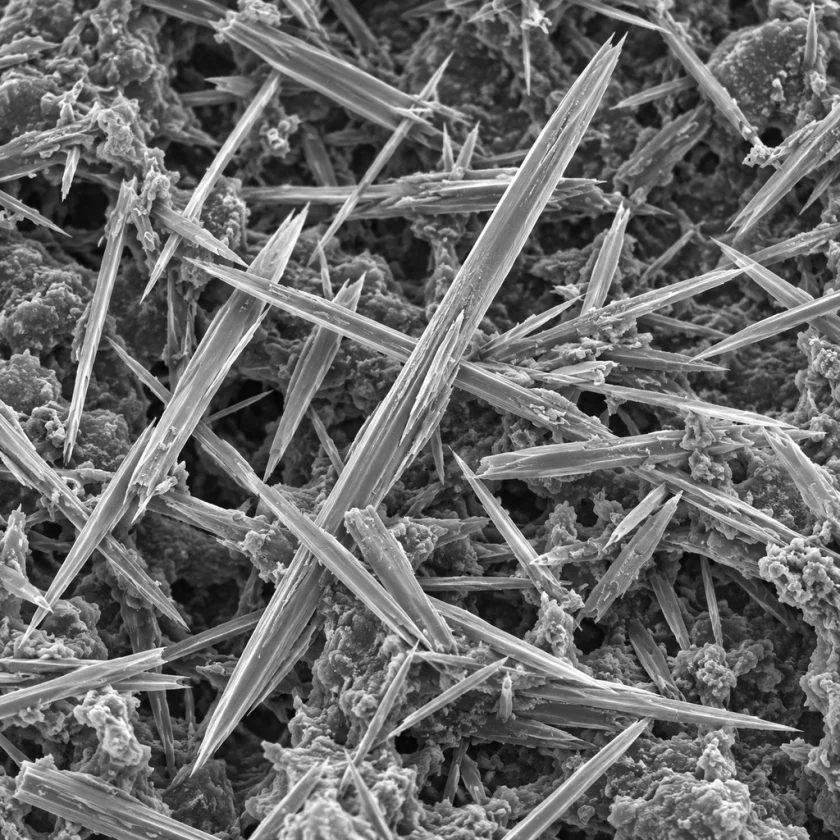
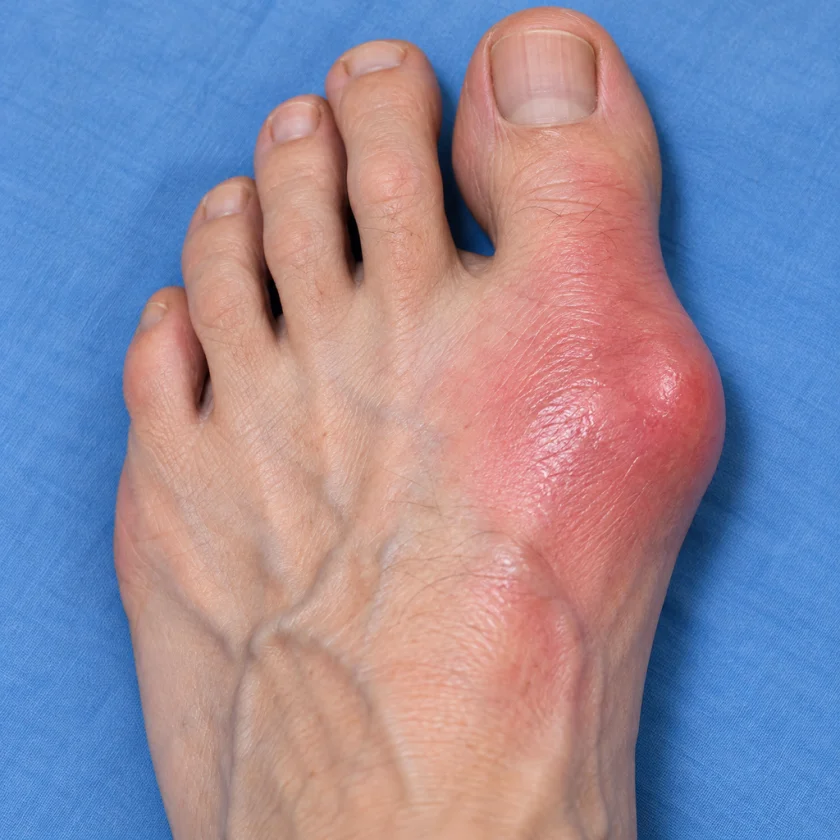
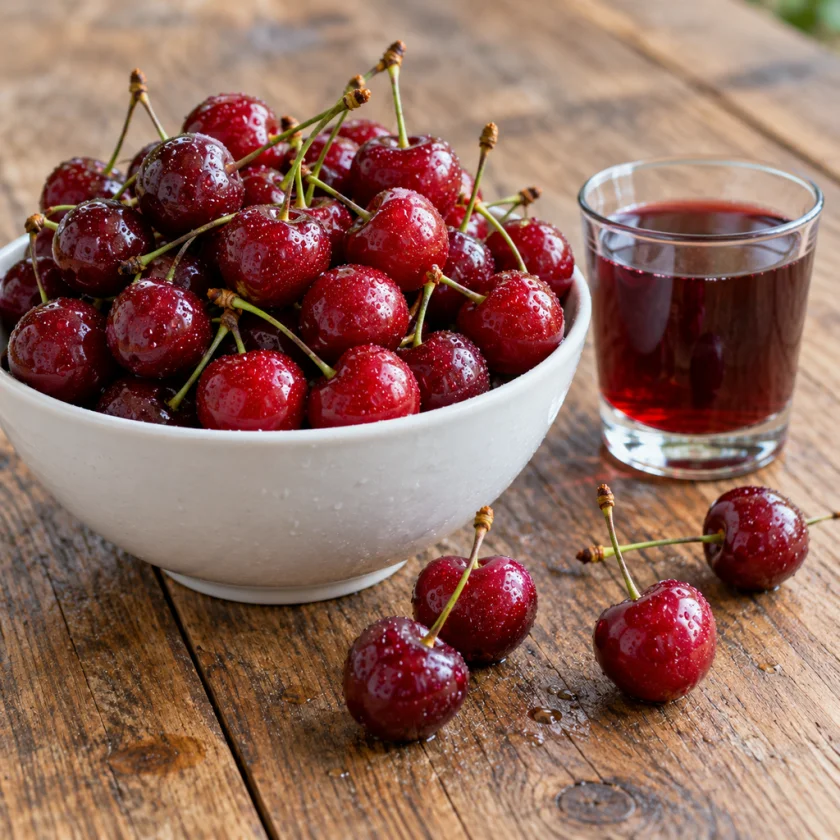
The Michigan tart cherry-belt folk tradition that cherries help gout predated the molecular biology by at least half a century. The first documented modern report — Ludwig Blau's 1950 case series in Texas Reports on Biology and Medicine — described twelve gout patients who experienced complete resolution of acute attacks after consuming roughly half a pound of fresh or canned cherries daily. The mechanism remained obscure for another five decades until anthocyanin biochemistry caught up. In 2012, Yuqing Zhang and colleagues at Boston University Medical Center published the landmark case-crossover study in Arthritis & Rheumatism — 633 gout patients tracked online for a year, with cherry intake in the 2 days before associated with a 35% lower risk of a gout attack. Combined with allopurinol, the risk was 75% lower. Randomized trials since then have been smaller and mixed: a 2020 trial found no effect of tart cherry concentrate on serum urate, and a 2026 meta-analysis found only a modest drop. The proposed mechanisms are xanthine oxidase inhibition (the same target as allopurinol and febuxostat, the standard urate-lowering drugs — so far a laboratory hypothesis), modest serum uric acid reduction, and the anti-inflammatory effects detailed in the Inflammation deep-dive. This article covers the trials, the proposed mechanisms, the doses used for prevention and during a flare, the comparison with first-line urate-lowering drugs, and what the 2020 gout guideline says.
Table of Contents
- The Michigan Cherry-Belt Folk Tradition and Blau 1950
- The Zhang 2012 Case-Crossover Study
- The Jacob 2003 Serum Uric Acid Trial
- Proposed Mechanism: Xanthine Oxidase Inhibition
- Mechanism: Modest COX Inhibition and NF-kB
- Doses Used for Prevention
- Cherry Alongside Acute Flare Treatment
- Comparison: Tart Cherry vs Allopurinol & Febuxostat
- Combination Therapy: Cherry + Allopurinol
- Dietary Context: Purine, Fructose, Alcohol
- Cautions and Interactions
- Key Research Papers
- Connections
- Featured Videos
The Michigan Cherry-Belt Folk Tradition and Blau 1950
The U-shaped strip of land along the western edge of Lake Michigan — the "Michigan cherry belt" — produces roughly two-thirds of the United States tart cherry crop, with smaller production in Utah and Wisconsin. The Montmorency variety dominates the harvest, processed primarily into juice concentrate, frozen, and dried products. In this region, the folk-medicine reputation of cherries as a gout remedy goes back generations. Local physicians in Traverse City and Sutton's Bay anecdotally observed for decades that patients who ate fresh cherries during the summer harvest season reported fewer gout attacks than during the rest of the year.
The first published modern report was Ludwig Blau (1950) in Texas Reports on Biology and Medicine. Blau, a physician with refractory gout, described his own experience: eating half a pound of fresh or canned black cherries daily abolished his acute gout attacks completely, and serum uric acid normalized within two to three weeks. He extended the observation to twelve additional patients with the same intervention, with similar results. The paper has all the limitations of an uncontrolled case series — placebo effect, regression to the mean, observer bias — but the consistency of the response across the small cohort and the dramatic personal response of the physician-author was enough to motivate the next half-century of investigation.
Blau did not have the molecular biology to explain his observation. The conventional explanation at the time invoked vague "alkalinizing" effects on urinary pH. Later anthocyanin biochemistry proposed xanthine oxidase inhibition instead, but that remains a laboratory hypothesis: the human studies below found urate excretion in urine rising (Jacob 2003) or no change in urate at all (Stamp 2020), and how cherries might act on gout is still not settled. The folk tradition was correct; the rationalization was wrong.
The Zhang 2012 Case-Crossover Study
The pivotal modern epidemiologic study was Yuqing Zhang and colleagues at Boston University Medical Center, published in Arthritis & Rheumatism in 2012. The design was a case-crossover study, an elegant methodological approach for episodic conditions like gout flares: each patient serves as their own control across different time windows, eliminating between-subject confounders that haunt traditional cohort or case-control designs.
The cohort was 633 adults with gout recruited and followed online for one year. For every gout attack, participants reported the onset date, symptoms, medications and exposures (including daily intake of cherries and cherry extract) over the two days before the attack; the same information was collected over two-day control periods from the same person.
Key findings:
- Cherry intake over a 2-day period was associated with a 35% lower risk of a gout attack compared with no intake (odds ratio 0.65, 95% confidence interval 0.50–0.85)
- The dose-response was monotonic — consuming 1-2 servings reduced risk by 35%; 3+ servings reduced risk by 50%
- Cherry extract showed a similar link (odds ratio 0.55, 95% confidence interval 0.30–0.98)
- The link held across subgroups — by sex, obesity, purine intake, alcohol use, diuretic use and use of gout medicines
- Cherry intake combined with allopurinol went with a 75% lower risk of attacks than periods with neither (odds ratio 0.25, 95% confidence interval 0.15–0.42)
- One serving was defined as half a cup of cherries or one cup of cherry juice — achievable in normal dietary practice
The case-crossover design and the size of the effect made the Zhang 2012 paper widely cited and largely settled the question of whether cherry consumption produces a real and meaningful effect on gout flare frequency. Its limitations are the self-reported attack timing (subject to recall bias, though typical gout attacks are dramatic and well-remembered) and the observational design (no randomized comparison).
Randomized trials have since been published, all small. In the Stamp 2020 trial (described in the next section), tart cherry concentrate for 28 days did not change serum urate, and flare frequency did not differ by dose. In a 2020 nine-month pilot trial run over the internet, Singh and colleagues randomized 84 people with physician-confirmed gout to cherry extract 3,600 mg a day or dietitian-guided diet change. Gout flares per month fell from 0.36 to 0.22 with cherry extract (p = 0.049) and from 0.31 to 0.28 with diet change; the share of people with any flare fell from 98% to 56% and from 98% to 65%. There was no placebo group, and the authors conclude that a large placebo-controlled trial of cherry extract is needed.
The Jacob 2003 Serum Uric Acid Trial
The mechanistic bridge between cherry consumption and gout flare reduction is the documented reduction in serum uric acid — the proximate cause of monosodium urate crystal deposition in joints. Robert Jacob and colleagues at the U.S. Department of Agriculture (USDA) Western Human Nutrition Research Center published a small but rigorous metabolic ward study in the Journal of Nutrition in 2003.
The design was 10 healthy women aged 22–40 in a controlled-feeding metabolic ward setting, consuming two servings (280 grams) of fresh Bing sweet cherries (the equivalent dose by anthocyanin content to a tart cherry juice serving) after an overnight fast. Blood and urine were sampled before the cherries and at 1.5, 3 and 5 hours after, with assays for urate, antioxidant and inflammatory markers.
Results:
- Plasma urate decreased by approximately 15%, from 214 to 183 micromoles per litre, 5 hours after the cherries
- Urinary uric acid excretion increased, from 202 to a peak of 350 micromoles per millimole of creatinine at 3 hours, suggesting that the serum reduction was driven at least partly by increased renal urate clearance rather than purely by reduced production
- Plasma anthocyanins peaked at 1-2 hours, confirming oral bioavailability sufficient for systemic effect
- Inflammatory markers moved only slightly — C-reactive protein and nitric oxide fell marginally at 3 hours (not quite statistically significant, p < 0.1), while tumor necrosis factor-alpha did not change; interleukin-6 was not reported
The Jacob 2003 trial used sweet cherries (Bing variety) rather than tart Montmorency, but the anthocyanin content is sufficient overlap that the mechanism is presumed to be the same. The 15% serum uric acid reduction is comparable in magnitude to the effect of a single dose of low-dose allopurinol (100 mg), although the cherry effect is transient (5-hour) rather than sustained — which is why regular daily intake, not a single dose, is what the urate studies test.
A randomized trial in people who actually have gout did not reproduce the urate drop. Stamp and colleagues (Rheumatology, 2020) randomized 50 people with gout and serum urate above 0.36 mmol/L — half on allopurinol, half on no urate-lowering drug — to placebo or tart cherry juice concentrate at 7.5, 15, 22.5 or 30 ml twice a day for 28 days. No dose changed serum urate, urine urate excretion or the frequency of gout flares (P = 0.76), and allopurinol use did not change this. One adverse event (high blood sugar) was considered possibly related to the concentrate. The authors conclude that if cherry concentrate does reduce flares over a longer period, it is not likely to be by lowering urate.
A 2026 meta-analysis by Zhang and colleagues (Asia Pacific Journal of Clinical Nutrition) pooled four randomized trials (eight comparisons, 392 participants): tart cherry intake went with a modest fall in serum uric acid compared with control (standardized mean difference −0.22, 95% confidence interval −0.43 to −0.01), with substantial inconsistency between trials. The authors describe the evidence as limited in quantity and consistency and call for larger trials; the same paper's computer-modelling (network pharmacology and docking) work suggests anthocyanins and other polyphenols may act on inflammatory, oxidative-stress and metabolic pathways, which is a prediction, not a measured effect.
Proposed Mechanism: Xanthine Oxidase Inhibition
The biochemistry of uric acid generation in humans is straightforward and worth understanding because it is the molecular target of the conventional drugs and the proposed target of cherry. Purines (adenine and guanine from dietary nucleic acids and endogenous turnover of cellular DNA/RNA) are degraded through a stepwise enzymatic pathway:
- Adenine and guanine are deaminated and hydrolyzed to hypoxanthine
- Xanthine oxidase converts hypoxanthine to xanthine
- Xanthine oxidase converts xanthine to uric acid
- Uric acid is excreted renally (about 70%) and through the gut (about 30%)
In most mammals, uric acid is further oxidized by uricase to allantoin, a soluble waste product. Humans, great apes, and a few other primate species have a nonfunctional uricase pseudogene — the loss-of-function mutation became fixed in the primate lineage approximately 15 million years ago. As a result, human uric acid accumulates to much higher serum concentrations than in most other mammals, which is the proximate evolutionary explanation for why gout is a human disease and largely not a veterinary one.
The xanthine oxidase step is the principal regulatory point and the target of both allopurinol (a substrate analog that the enzyme processes inefficiently, blocking conversion) and febuxostat (a tighter-binding non-purine xanthine oxidase inhibitor). The proposal is that tart cherry anthocyanins also inhibit xanthine oxidase, more weakly than allopurinol. The cherry inhibition is milder than allopurinol on a per-molecule basis but cumulative over dietary loading, producing a clinically meaningful reduction in serum urate at sustained intake. This is a laboratory and animal hypothesis, not a measured human effect: in the Jacob 2003 study urine urate excretion rose after cherries, which points to increased kidney clearance rather than reduced production, and the Stamp 2020 trial in people with gout found no change in serum or urine urate.
If the hypothesis holds, a conceptual model is: allopurinol is to xanthine oxidase what a permanent blockade is to a highway; cherry would be a periodic toll booth — gentle and intermittent rather than powerful and continuous. For low-grade hyperuricemia, the gentle approach is often sufficient. For severe hyperuricemia with frequent flares or visible tophi, the 2020 American College of Rheumatology guideline strongly recommends urate-lowering drugs; cherry has been studied only as an addition.
Mechanism: Modest COX Inhibition and NF-kB
Beyond the urate-lowering effect, the second mechanism behind cherry's gout benefit is the modest anti-inflammatory effect — the same cyclooxygenase-1 (COX-1)/cyclooxygenase-2 (COX-2) modulation and NF-kB transcription factor inhibition described in detail in the Inflammation deep-dive. This is mechanistically important because a gout flare is fundamentally an acute inflammatory event — monosodium urate crystals trigger the NLRP3 inflammasome in synovial macrophages, releasing interleukin-1-beta and recruiting neutrophils, producing the characteristic hot, red, painful, swollen joint.
Even if a patient cannot get serum uric acid low enough to fully prevent crystal deposition, dampening the inflammatory response to whatever crystals do form reduces the clinical severity of acute flares. This is the same logic behind colchicine (a microtubule poison that blocks neutrophil chemotaxis to crystal-containing joints) and nonsteroidal anti-inflammatory drugs (which block prostaglandin amplification of the inflammatory cascade) as first-line acute flare therapy. Cherry produces a milder version of the same downstream anti-inflammatory effect.
The implication is that cherry consumption potentially provides both upstream (urate-lowering) and downstream (anti-inflammatory) gout-related benefits from a single dietary intervention — which is unusual. Allopurinol is upstream only; colchicine and nonsteroidal anti-inflammatory drugs (NSAIDs) are downstream only.
Doses Used for Prevention
Daily intake for prevention is based mainly on the Zhang 2012 case-crossover finding that cherry intake in the previous 2 days went with about 35% lower odds of a flare. The trial doses were 7.5–30 ml of concentrate twice daily (Stamp 2020, no effect on urate) and 3,600 mg of cherry extract daily (Singh 2020). The forms and amounts commonly described are:
- Juice concentrate: 30 ml (1 tablespoon) Montmorency tart cherry juice concentrate, diluted in 8 oz of water, once daily. This is the simplest, best-documented dose
- Ready-to-drink juice: 8 oz of 100% tart cherry juice once daily (products sweetened with sugar or other fruit juices add fructose, which raises uric acid — see below)
- Freeze-dried capsules: 480 mg Montmorency tart cherry powder once or twice daily — the form with almost no sugar
- Whole fresh or frozen cherries: 1/2 to 1 cup (about 10-20 cherries) daily, during cherry season; frozen cherries are available year-round
- Tart cherry powder (unsweetened): 1-2 tablespoons mixed in smoothies or water
Time of day does not appear to matter for the prevention protocol — morning consumption with breakfast is the most practical and best-adhered-to choice for most patients.
No study has compared times of day; the studies tested daily or twice-daily intake.
Cherry Alongside Acute Flare Treatment
For an acute gout flare, cherry has been used only alongside conventional treatment, not in place of it. The 2020 American College of Rheumatology guideline strongly recommends colchicine, nonsteroidal anti-inflammatory drugs (NSAIDs), or glucocorticoids (by mouth, into the joint, or into the muscle) for flares. Typical regimens are low-dose colchicine (0.6 mg every hour for 2 doses, then 0.6 mg twice daily until resolution), high-dose nonsteroidal anti-inflammatory drugs (indomethacin 50 mg three times daily, naproxen 500 mg twice daily), or a short oral corticosteroid burst (prednisone 30-40 mg/day x 5-7 days). These produce flare resolution within 24-72 hours in most patients.
Practitioner protocols for cherry during a flare (not tested in trials) describe:
- A dose 2–3 times higher — 60–90 ml concentrate per day in divided doses, or 16–24 oz ready-to-drink juice per day, during the flare
- Continuing for 48–72 hours after the flare settles — the window when recurrence is described as most likely
- 2–3 liters of water per day during the flare; cherry juice adds fluid but is not counted as a substitute
- No alcohol, fructose or high-purine foods — the dietary triggers described under "Dietary Context" below
No trial has tested cherry alone as treatment for an acute flare. Severe acute gout produces excruciating pain and disability, and the guideline-recommended drugs above are what produce rapid relief; whether cherry speeds resolution has not been measured. See our Gout page for the full acute-management algorithm.
Comparison: Tart Cherry vs Allopurinol & Febuxostat
| Parameter | Tart Cherry | Allopurinol / Febuxostat |
|---|---|---|
| Mechanism | Proposed (laboratory) xanthine oxidase inhibition + anti-inflammatory | Allopurinol: substrate-analog xanthine oxidase inhibition; Febuxostat: non-purine high-affinity xanthine oxidase inhibitor |
| Magnitude of urate reduction | ~15% for 5 hours in healthy women (Jacob 2003); no change over 28 days in people with gout (Stamp 2020); modest pooled reduction (2026 meta-analysis) | 30-50% sustained reduction at therapeutic dose |
| Flare frequency reduction | 35% lower odds with cherry intake in the previous 2 days (Zhang 2012, observational) | ~60-80% at goal-titrated dose |
| Side effects | Minimal; gastrointestinal (GI) in high-volume juice users | Allopurinol: rash (severe in human leukocyte antigen-B*5801 positive), hepatotoxicity, gastrointestinal; Febuxostat: cardiovascular signal (U.S. Food and Drug Administration (FDA) warning), hepatotoxicity |
| Drug interactions | Minor (mild platelet effect) | Many (azathioprine, 6-mercaptopurine, warfarin, theophylline, angiotensin-converting enzyme inhibitors (ACE inhibitors)) |
| Cost | $0.30-1.00/day depending on product | $0.05-0.25/day generic; brand febuxostat much more expensive |
| Where it is used | Mild hyperuricemia, infrequent flares, prevention adjunct, allopurinol-intolerant patients | Established gout with frequent flares, tophi, urate nephropathy, post-chemotherapy tumor lysis prophylaxis |
The American College of Rheumatology 2020 gout guideline (42 recommendations, 16 of them strong) strongly recommends starting urate-lowering therapy for all patients with tophaceous gout, radiographic damage due to gout, or frequent gout flares. Its other strong recommendations include:
- Allopurinol as the preferred first-line urate-lowering drug, including for people with moderate-to-severe chronic kidney disease (stage 3 or worse)
- A low starting dose — allopurinol 100 mg a day or less (lower in chronic kidney disease), or febuxostat below 40 mg a day
- Treat to target — the dose is raised step by step, guided by repeated serum urate measurements, to reach a serum urate below 6 mg/dl
- Anti-inflammatory prophylaxis for at least 3–6 months when urate-lowering therapy is started
- Colchicine, nonsteroidal anti-inflammatory drugs or glucocorticoids for treating flares
For patients without those features, dietary and lifestyle modification (including cherry) is described as the first approach. The Zhang 2012 case-crossover supports the addition of cherry to this approach.
The guideline's summary does not mention cherry. The evidence for cherry is the Zhang 2012 case-crossover study and the small trials above.
Combination Therapy: Cherry + Allopurinol
In the Zhang 2012 study, periods with both cherry intake and allopurinol use had 75% fewer attacks than periods with neither (odds ratio 0.25), compared with 35% for cherry intake alone. The proposed explanation is that the mechanisms are complementary: allopurinol provides the dominant sustained urate reduction, and cherry may add an anti-inflammatory effect (a xanthine oxidase effect from cherry remains unproven in people). In this account, cherry adds the acute anti-inflammatory effect plus an incremental xanthine oxidase inhibition that effectively boosts the allopurinol dose. The combination is well-tolerated — no significant additive toxicity has been documented.
For patients newly started on allopurinol: it is common to experience paradoxical flare exacerbation during the first 3-6 months of urate-lowering therapy, because mobilization of pre-existing tissue urate stores transiently destabilizes joint crystals. The 2020 American College of Rheumatology guideline strongly recommends anti-inflammatory prophylaxis for at least 3–6 months when urate-lowering therapy is started — typically low-dose colchicine (0.6 mg/day) or a low-dose nonsteroidal anti-inflammatory drug. Some people add daily tart cherry juice or capsules during this period in the hope of fewer early flares; the trials above did not test this specific use.
For people on stable allopurinol who still have occasional flares, daily cherry is sometimes added before the allopurinol dose is raised or a second urate-lowering drug is added; the Zhang 2012 combination finding is the evidence usually cited for this, and the guideline itself calls for raising the dose to reach a serum urate below 6 mg/dl.
For allopurinol-intolerant patients (human leukocyte antigen-B*5801-positive Asian and African ancestry patients with serious hypersensitivity reaction risk; patients with allopurinol rash or hepatotoxicity): cherry concentrate did not lower serum urate in the Stamp 2020 trial, so it is not a substitute for urate-lowering therapy in established gout; it is sometimes used alongside a febuxostat or uricosuric regimen.
Dietary Context: Purine, Fructose, Alcohol
Cherry consumption is one part of the dietary research on gout. The principal findings:
- High-fructose corn syrup and sugar-sweetened beverages raise risk — fructose metabolism in the liver generates uric acid directly via adenosine triphosphate (ATP) depletion and purine catabolism. In the Choi 2008 study of 46,393 men followed for 12 years, two or more sugar-sweetened soft drinks a day went with an 85% higher risk of gout (relative risk 1.85) compared with less than one a month. Multiple epidemiologic studies (Choi 2008, 2010) confirm that sugar-sweetened beverages are among the strongest dietary risk factors for new-onset gout. Diet soft drinks were not associated with gout risk, but total fruit juice and fructose-rich fruits (apples and oranges) were also associated with a higher risk.
- Alcohol raises risk — beer is the worst (the brewing yeast itself is purine-rich), spirits second, wine least; alcohol is a common trigger of flares
- High-purine foods raise uric acid — organ meats (liver, kidney, sweetbread), anchovies, sardines, mussels, scallops, herring. Beef, pork, and lamb are moderately purine-rich but not as severe
- Purine-rich vegetables are not a risk factor — spinach, asparagus, mushrooms, cauliflower are technically purine-rich but the dietary epidemiology does not show them as gout risk factors. The purine source matters more than the absolute purine content
- Low-fat dairy — multiple studies show inverse association between low-fat dairy intake and gout risk; the proposed mechanism involves whey-protein-derived uricosuric peptides
- Fluid intake — hydration supports kidney urate clearance; practitioner guidance commonly gives at least 2 liters of water per day, more in hot weather or during exercise
- Weight loss in people with obesity — gradual weight loss reduces serum urate. Rapid weight loss (especially ketogenic) can transiently raise urate because ketones make the kidneys retain urate
- Cherry and vitamin C — both have modest urate-lowering effects. A 2011 meta-analysis of 13 randomized trials (556 participants, median 500 mg/day vitamin C, median 30 days) found serum uric acid fell by 0.35 mg/dL (95% confidence interval −0.66 to −0.03; Juraschek 2011); in the Choi 2009 prospective study of men, higher vitamin C intake went with a lower risk of gout. See our Vitamin C page
For a more comprehensive dietary anti-inflammatory framework, see our Anti-Inflammatory Diet page.
Cautions and Interactions
- Glycemic load — cherry juice and concentrate contain substantial sugar. Diabetes and gout often occur together (metabolic syndrome overlap); freeze-dried capsules carry almost no sugar, while sweetened tart cherry juice products add more. In the Stamp 2020 trial one case of high blood sugar was considered possibly related to the concentrate
- Anticoagulant interaction — cherry is reported to modestly add to the effect of warfarin and the direct oral anticoagulants (DOACs) through a mild platelet effect. Warfarin's effect is tracked with the international normalized ratio (INR) blood test
- Allopurinol-azathioprine interaction — this is a major clinical concern with allopurinol (not cherry) — allopurinol blocks azathioprine metabolism, producing dose-dependent bone marrow toxicity. Cherry has no known interaction of this kind with azathioprine, which people take for inflammatory bowel disease (IBD), autoimmune hepatitis, or after a transplant; allopurinol combined with azathioprine carries the bone-marrow risk
- Kidney impairment — advanced chronic kidney disease impairs kidney urate clearance. The 2020 American College of Rheumatology guideline names allopurinol as the preferred first-line drug including in moderate-to-severe chronic kidney disease, with a lower starting dose. No trial of cherry in people with kidney impairment was found, so its safety in this group is unknown; allopurinol doses are adjusted for reduced glomerular filtration rate (GFR)
- Pregnancy — cherry as food is safe; supplement-form dosing has not been formally studied. Gout in pregnancy is rare (estrogen increases urate excretion); when it does occur, the conservative approach described is hydration, cherry, and low-dose colchicine rather than allopurinol or nonsteroidal anti-inflammatory drugs
- Pseudogout (calcium pyrophosphate deposition (CPPD) crystal arthritis) — tart cherry is not known to help; pseudogout has a different crystal (calcium pyrophosphate) and a different mechanism. Gout is confirmed by finding urate crystals in fluid drawn from the joint under the microscope
- Septic arthritis differential — an acutely hot, swollen, painful joint can be gout, pseudogout, or septic arthritis. The latter is a surgical emergency. A single hot, swollen joint without a clear prior gout diagnosis is treated by hospitals as urgent until infection is ruled out
Key Research Papers
- Zhang Y, Neogi T, Chen C, Chaisson C, Hunter DJ, Choi HK (2012). Cherry consumption and decreased risk of recurrent gout attacks. Arthritis & Rheumatism, 64(12):4004-4011. — PubMed PMID: 23023818
- Jacob RA et al. (2003). Consumption of cherries lowers plasma urate in healthy women. Journal of Nutrition, 133(6):1826-1829. — PubMed PMID: 12771324
- Stamp LK, Chapman P, Frampton C, Duffull SB, Drake J, Zhang Y, Neogi T (2020). Lack of effect of tart cherry concentrate dose on serum urate in people with gout. Rheumatology (Oxford), 59(9):2374-2380. — PubMed PMID: 31891407
- Singh JA, Green C, Morgan S, Willig AL, Darnell B, Saag KG, Weiss R, Cutter G, McGwin G (2020). A Randomized Internet-Based Pilot Feasibility and Planning Study of Cherry Extract and Diet Modification in Gout. Journal of Clinical Rheumatology, 26(4):147-156. — PubMed PMID: 32453288
- Zhang Z, Feng Z, Yan W, Wu T, Xia J, Yu J, Yang J, Wang Y, Sun G (2026). Tart cherry intake and serum uric acid: Meta-analysis of randomized controlled trials and evidence from network pharmacology. Asia Pacific Journal of Clinical Nutrition, 35(3):451-462. — PubMed PMID: 42242852
- Blau LW (1950). Cherry diet control for gout and arthritis. Texas Reports on Biology and Medicine, 8(3):309-311. — PubMed PMID: 14776685
- Schlesinger N (2012). Pilot studies of cherry juice concentrate for gout flare prophylaxis. Journal of Arthritis, 1(1):101 (not indexed in PubMed). — doi:10.4172/2167-7921.1000101
- Bell PG et al. (2015). Recovery facilitation with Montmorency cherries following high-intensity, metabolically challenging exercise (also reported uric acid effects). Applied Physiology, Nutrition, and Metabolism, 40(4):414-423. — PubMed PMID: 25794236
- Choi HK, Curhan G (2008). Soft drinks, fructose consumption, and the risk of gout in men: prospective cohort study. BMJ, 336(7639):309-312. — PubMed PMID: 18244959
- Choi HK, Curhan G (2007). Coffee, tea, and caffeine consumption and serum uric acid level: the third national health and nutrition examination survey. Arthritis & Rheumatism, 57(5):816-821. — PubMed PMID: 17530681
- Choi HK, Gao X, Curhan G (2009). Vitamin C intake and the risk of gout in men: a prospective study. Archives of Internal Medicine, 169(5):502-507. — PubMed PMID: 19273781
- Juraschek SP, Miller ER 3rd, Gelber AC (2011). Effect of oral vitamin C supplementation on serum uric acid: a meta-analysis of randomized controlled trials. Arthritis Care & Research, 63(9):1295-1306. — PubMed PMID: 21671418
- FitzGerald JD et al. (2020). 2020 American College of Rheumatology Guideline for the Management of Gout. Arthritis Care & Research, 72(6):744-760. — PubMed PMID: 32391934
- Khanna D et al. (2012). 2012 American College of Rheumatology guidelines for management of gout. Part 1: systematic nonpharmacologic and pharmacologic therapeutic approaches to hyperuricemia. Arthritis Care & Research, 64(10):1431-1446. — PubMed PMID: 23024028
PubMed Topic Searches
Connections
- All Herbs
- Tart Cherry Overview
- Tart Cherry Benefits Hub
- Tart Cherry for Inflammation
- Tart Cherry for Sleep
- Tart Cherry for Antioxidant & Brain Health
- Gout
- Arthritis
- Uric Acid Test
- Inflammatory Markers
- Vitamin C (Modest Uricosuric)
- Anti-Inflammatory Diet
- Artificial Sweeteners (Fructose / HFCS Risk)
- Metabolic Syndrome
- Joint Pain
- Cherries — the whole fruit, sweet and tart, and what a serving actually delivers.
- History