⚠ Evidence warning: Clinical trials or other evidence do not support the claim that bitter melon helps weight loss, visceral-fat loss and metabolic-syndrome reversal. This page keeps it as a report of what people, websites or other media say.
Bitter Melon for Weight Loss
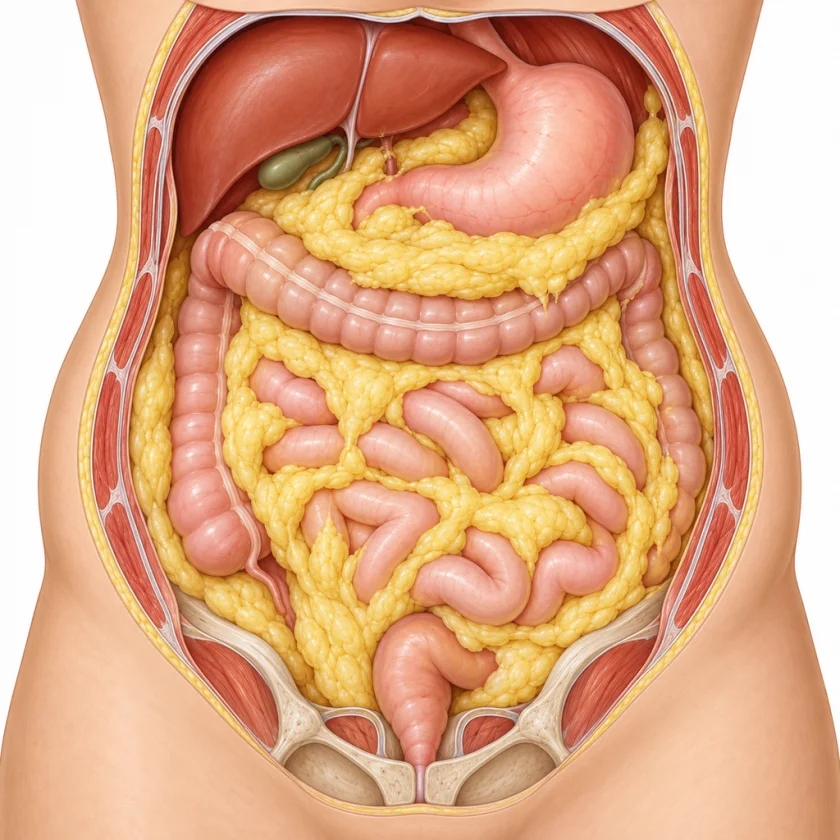

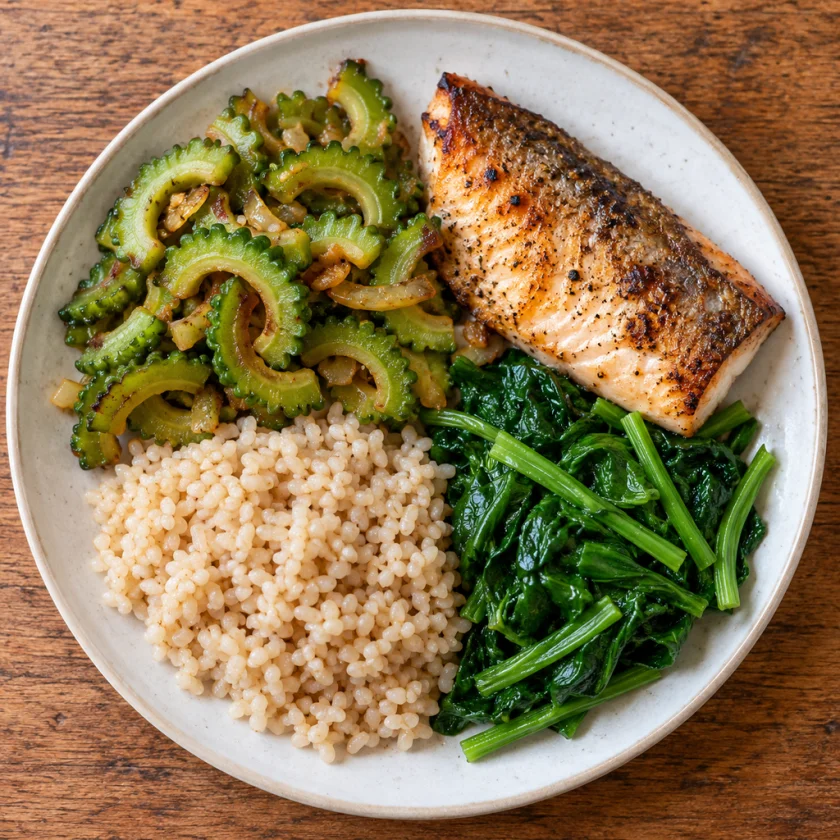
Bitter melon's reputation as a metabolism-supporting plant for weight loss rests on mechanistic grounding from laboratory work — in cell and mouse studies its triterpenoids are linked to higher activity of AMP-activated protein kinase (AMPK), the same general pathway that exercise, fasting, and pharmaceutical metformin operate on; the Yibchok-anun et al. 2006 work showed that a protein extract of the fruit pulp, injected under the skin of rats, raised insulin and lowered blood sugar; and the Chaturvedi 2012 review synthesized the research on how bitter melon may lower blood sugar and blood fats. The Traditional Chinese (kŭgua, used for “clearing summer heat” and resolving “stagnation of dampness”) and Indian Ayurvedic (karela, classified as tikta-katu bitter-pungent and used for medoroga / lipid disorders and sthaulya / obesity) traditions both used bitter melon for what we would now call metabolic syndrome, long before the molecular pathways were mapped. The honest clinical framing: bitter melon is a modest metabolic adjunct, not a stand-alone weight-loss intervention. Pooled analyses of randomised trials found no significant change in body weight: −1.00 kg in a 2023 review of 9 trials (414 people) and +0.04 kg in a 2024 review of 10 trials (448 adults) — far smaller than the effects of pharmaceutical glucagon-like peptide-1 (GLP-1)-based drugs (semaglutide; tirzepatide, a combined glucose-dependent insulinotropic polypeptide (GIP) and GLP-1 receptor agonist) or sustained behavioral modification. Practitioners who use it describe it as one component of a metabolic-syndrome reversal plan that includes dietary change, exercise, sleep, stress management, and (when appropriate) pharmaceutical therapy.
Table of Contents
- The AMP-Activated Protein Kinase Pathway: Why Bitter Melon “Feels Like Exercise” to a Cell
- The Yibchok-anun 2006 Insulin Secretagogue Study
- The Chaturvedi 2012 Antidiabetic Mechanisms Review
- Traditional Chinese (Kŭgua) and Indian (Karela) Use
- Visceral Adipose Tissue and Body Composition
- Lipid Profile Effects
- Metabolic Syndrome as the Right Target
- What Weight Loss to Expect
- Stacking with Other Metabolic Interventions
- The Bitter Taste and Appetite Regulation
- Cautions and Contraindications
- Key Research Papers
- Connections
- Featured Videos
The AMP-Activated Protein Kinase Pathway: Why Bitter Melon “Feels Like Exercise” to a Cell
AMP-activated protein kinase (AMPK) is the master cellular energy sensor. When a cell's adenosine triphosphate (ATP) supply is depleted — as happens during exercise, fasting, caloric restriction, or metformin exposure — AMP and ADP levels rise relative to adenosine triphosphate, and AMP-activated protein kinase is activated. Once active, AMP-activated protein kinase triggers a coordinated metabolic response:
- Increased glucose uptake into skeletal muscle via translocation of glucose transporter type 4 (GLUT4), independent of insulin signaling
- Suppressed hepatic gluconeogenesis, reducing the liver's output of new glucose
- Activated fatty-acid oxidation by phosphorylating and inhibiting acetyl-CoA carboxylase, the rate-limiting enzyme that otherwise diverts fatty acids into storage
- Suppressed lipogenesis and cholesterol synthesis by inhibiting HMG-CoA reductase and SREBP-1c, the master transcription factor for fatty-acid synthesis
- Increased mitochondrial biogenesis via PGC-1-alpha, expanding the cell's metabolic capacity over time
- Inhibited mechanistic target of rapamycin (mTOR) signaling, reducing protein synthesis and shifting cellular priorities from growth to maintenance and energy production
This is the same pathway that pharmaceutical metformin operates on (metformin activates AMP-activated protein kinase indirectly by inhibiting complex I of the mitochondrial electron transport chain, which raises AMP/ATP ratio). It is also the pathway that explains much of the metabolic benefit of exercise and caloric restriction — both depleting cellular adenosine triphosphate and triggering the AMP-activated protein kinase response.
The Tan et al. 2008 paper in Chemistry & Biology isolated four triterpenoid compounds from bitter melon (momordicosides Q, R, S and T) plus karaviloside XI. In muscle and fat cells grown in the lab, these compounds moved the glucose transporter GLUT4 to the cell surface, which was “associated with increased activity” of AMP-activated protein kinase, and in mice they enhanced fat burning and glucose disposal — offering a possible mechanism for the long-observed antidiabetic effects. The Cheng et al. 2008 paper in Journal of Agricultural and Food Chemistry screened stem extracts of bitter melon for AMP-activated protein kinase-activating activity and isolated additional candidate compounds. Both were laboratory studies (cells, and in Tan's case also mice). They link specific bitter-melon triterpenoids to AMP-activated protein kinase activity; Tan describes the effect as “associated with” higher enzyme activity and Cheng as a mechanism “involving” the enzyme, and neither abstract shows the compounds acting on it directly.
For a patient with insulin resistance and central obesity, the practical implication is that bitter melon engages a metabolic pathway that overlaps with and complements exercise. It does not replace exercise — the magnitude of AMP-activated protein kinase activation from a single dose of bitter melon is small compared to the effect of 30 minutes of moderate aerobic exercise — but it adds to the overall AMP-activated protein kinase signal across the day in a way that nudges metabolism toward fat oxidation and away from storage.
The Yibchok-anun 2006 Insulin Secretagogue Study
The Yibchok-anun et al. 2006 paper, “Slow acting protein extract from fruit pulp of Momordica charantia with insulin secretagogue and insulinomimetic activities,” published in Biological & Pharmaceutical Bulletin, characterized the insulin-releasing activity of a protein extract from bitter melon fruit pulp. The work was important because it documented that bitter melon contains constituents that stimulate insulin secretion from the (rat) pancreas in addition to insulin-like (insulinomimetic) effects on muscle and fat cells.
Methodological summary: the authors extracted a protein from the fruit pulp of Thai bitter gourd and injected it under the skin (5 and 10 mg/kg) of normal rats and of rats made diabetic with streptozotocin. They also tested it on an isolated, perfused rat pancreas and on muscle and fat cells grown in the lab (C2C12 muscle cells, 3T3-L1 fat cells and rat fat cells). It is an animal and cell study of an injected protein, not a study of the eaten food. The extract:
- Raised blood insulin about 2-fold 4 hours after injection in rats, and increased insulin (but not glucagon) secretion from the perfused rat pancreas (10 µg/ml) within 5 minutes
- Lowered blood glucose in a dose-dependent way in both normal and streptozotocin-diabetic rats, with the fall starting at 4 hours in diabetic rats and 6 hours in normal rats
- Increased glucose uptake into C2C12 muscle cells and 3T3-L1 fat cells, and into rat fat cells after 4 and 6 hours of incubation — an insulin-like action in cell culture independent of pancreatic insulin secretion
- Was described by the authors as “a slow acting chemical”
The Yibchok-anun findings are relevant to the weight-loss conversation because the insulin-mimetic effect (rather than the insulin-secretory effect alone) is what produces the muscle-uptake and AMP-activated protein kinase-pathway activation that drives the metabolic and body-composition changes. The slow-acting kinetics also matter: short-acting sulfonylurea-style insulin secretion can drive weight gain by pushing glucose into adipose storage, while slow, sustained insulin-mimetic activity at the peripheral receptor level tends to be metabolism-neutral or weight-favorable.
The Chaturvedi 2012 Antidiabetic Mechanisms Review
The Chaturvedi 2012 review, “Antidiabetic potentials of Momordica charantia: multiple mechanisms behind the effects,” published in Journal of Medicinal Food, synthesizes the literature on bitter melon's antidiabetic mechanisms and its effects on blood fats and fat metabolism. Its abstract lists repair of damaged insulin-making beta cells, higher insulin levels and sensitivity, blocking of the gut enzymes that release glucose (glucosidase and disaccharidases), more thyroid hormone and adiponectin, higher AMP-activated protein kinase activity and more uncoupling proteins in fat and muscle, and proposes that its effects on carbohydrate and fat metabolism run through thyroxine and AMP-activated protein kinase. The abstract gives no body-weight or visceral-fat figures. The review is useful as a summary because it pulls together work from the Indian, Chinese, Caribbean, and Western literatures and organizes the findings by mechanism rather than by source.
Chaturvedi's synthesis emphasizes the first two points below; the body-weight, body-composition and lipid points are attributed to their own sources:
- Multiple distinct active compound classes — charantin (steroidal saponin), polypeptide-p (plant insulin), vicine (glycoalkaloid), momordicins and momordicosides (triterpenoids), conjugated linolenic acids (from seeds) — each contributing through somewhat different mechanisms
- Multiple molecular targets — GLUT4 translocation, AMP-activated protein kinase activation, alpha-glucosidase inhibition, peroxisome proliferator-activated receptor (PPAR) alpha and gamma activation by the conjugated linolenic acids, and modest insulin receptor sensitization
- Body weight in trials — pooled analyses of randomised trials found no significant change in body weight: −1.00 kg in a 2023 review of 9 trials (414 people, 4–16 weeks) and +0.04 kg in a 2024 review of 10 trials (448 adults)
- Body composition — a preferential reduction of visceral over subcutaneous adipose tissue is described for bitter melon; the 2024 pooled analysis found no significant change in waist size (−0.95 cm) or body-fat percentage
- Lipid profile — Chaturvedi describes blood-fat-lowering effects; a 2024 pooled analysis of 8 randomised trials (423 people) found significant falls in total cholesterol and triglycerides, while low-density lipoprotein (LDL) and high-density lipoprotein (HDL) did not change significantly; PPAR activation by seed-oil constituents is proposed as one driver
The Chaturvedi review's honest framing is that bitter melon is a polypharmacy plant — multiple active compounds operating through multiple mechanisms, with each individual effect modest. The aggregate effect on the metabolic syndrome cluster (glucose, lipids, insulin sensitivity, body composition) is meaningful but not dramatic, consistent with the general pattern that botanical agents typically work through gentle, distributed mechanisms rather than the receptor-pharmacology slamming that defines pharmaceutical agents.
Traditional Chinese (Kŭgua) and Indian (Karela) Use
The traditional medicine systems that used bitter melon for centuries before any modern phytochemistry existed identified the same general indications that modern research has confirmed — metabolic disturbance broadly conceived, rather than weight loss specifically. The traditional concepts map onto modern metabolic syndrome reasonably well.
In Traditional Chinese Medicine, kŭgua (苦瓜, literally “bitter melon”) is categorized as cold in nature and bitter in flavor. The classical TCM indications include:
- Qing re — clearing heat, indicated for what TCM calls “heat patterns” including fever, summer-heat syndrome, and inflammatory conditions
- Jie shu — relieving summer-heat exhaustion
- Ming mu — brightening the eyes (used for inflamed or red eyes, possibly relevant to early diabetic retinopathy)
- Jie du — detoxifying; used for skin eruptions, dysentery, and what was described as “heat in the blood”
- Xiāo kĕ — the classical TCM term for what we now call diabetes mellitus, particularly the type 2 polydipsia/polyuria/wasting pattern
In Ayurveda, karela (कारेला) is classified as tikta (bitter) and katu (pungent) in taste, laghu (light) and ruksha (dry) in quality, with ushna virya (heating potency) and katu vipaka (pungent post-digestive effect). The classical Ayurvedic indications include:
- Prameha — urinary disorders broadly, including diabetes
- Medoroga — lipid metabolism disorders, what we would now call dyslipidemia
- Sthaulya — obesity, particularly when associated with metabolic stagnation
- Krimi — intestinal parasites
- Kushtha — skin disorders, particularly chronic eczematous patterns
- Jvara — fever, particularly with bitter-cooling indication
The convergence between the TCM and Ayurvedic traditions is striking: both identify bitter melon as appropriate for what we would now recognize as metabolic syndrome (the cluster of obesity, insulin resistance, dyslipidemia, and hypertension), and both classify it as bitter, cooling, and drying — the same general profile that modern phytochemistry maps to AMP-activated protein kinase activation, alpha-glucosidase inhibition, and triterpenoid-mediated anti-inflammatory effect.
The clinical implication is not that ancient traditions “were right” in any romantic sense but that the empirical observation of bitter melon's metabolic effects is robust enough to have been independently identified by clinicians using very different theoretical frameworks across two thousand years and several continents.
Visceral Adipose Tissue and Body Composition
The body-composition effect most often claimed for bitter melon is a modest preferential reduction in visceral adipose tissue — the metabolically active fat depot inside the abdominal cavity that drives insulin resistance, dyslipidemia, and cardiovascular risk far more than subcutaneous fat does. In pooled randomised trials, waist size changed by −0.95 cm on average, a difference that was not statistically significant (2024 review of 10 trials, 448 adults).
The mechanism is partly the AMP-activated protein kinase activation discussed above (AMP-activated protein kinase favors fatty-acid oxidation over storage), partly the modest reduction in insulin levels (since insulin promotes lipogenesis in adipose tissue, and bitter melon's peripheral insulin-mimetic action can reduce pancreatic insulin demand), and partly the PPAR-gamma activation from the seed-derived conjugated linolenic acids, which shifts adipocyte biology toward smaller, more insulin-sensitive cells.
What bitter melon does not do is produce the dramatic visceral fat reduction seen with intensive exercise programs, sustained caloric restriction, or pharmaceutical glucagon-like peptide-1 agonists.
Lipid Profile Effects
A 2024 pooled analysis of randomised trials reports the following changes in the lipid profile; the mechanisms proposed include AMP-activated protein kinase activation, PPAR-alpha and PPAR-gamma agonism by seed-oil constituents, and modest insulin sensitization:
- Total cholesterol — fell by 9.71 mg/dL on average (statistically significant)
- Low-density lipoprotein cholesterol — fell by 8.66 mg/dL on average, not statistically significant; the largest effect was seen in people with diabetes or prediabetes
- Triglycerides — fell by 10.24 mg/dL on average (statistically significant); larger effects are described in people with elevated fasting triglycerides (typical of insulin-resistant phenotypes)
- High-density lipoprotein cholesterol — no significant change overall (+0.54 mg/dL); a rise was seen only in a subgroup given 2,000 mg/day or less for 8 weeks or less
- Non-HDL cholesterol — reduction tracking with the total cholesterol and triglyceride changes
These figures come from a 2024 review by Amini and colleagues that pooled 8 randomised trials with 423 people. Total cholesterol and triglycerides fell significantly; LDL and HDL did not change significantly overall. Every trial lasted less than 3 months, which the authors list as a limitation, so longer-term effects are not known.
These are not statin-magnitude effects, but the cholesterol and triglyceride falls were statistically significant and contribute to a more favorable cardiometabolic profile in patients with metabolic syndrome or early-stage type 2 diabetes. For patients with established cardiovascular disease or low-density lipoprotein above 190 mg/dL, statin therapy remains the evidence-based first-line lipid-lowering intervention; bitter melon is at most an adjunct.
For the broader lipid profile discussion, see our Lipid Panel page.
Metabolic Syndrome as the Right Target
Practitioners frame bitter melon as a metabolic-syndrome remedy rather than a weight-loss remedy specifically. Metabolic syndrome is defined (per the NCEP ATP III and the modern Harmonized criteria) by the presence of any three of:
- Abdominal obesity — waist circumference >102 cm (40 inches) in men, >88 cm (35 inches) in women, with lower thresholds for South Asian, East Asian, and Hispanic populations
- Elevated triglycerides — >150 mg/dL or on triglyceride-lowering therapy
- Low high-density lipoprotein — <40 mg/dL in men, <50 mg/dL in women, or on high-density lipoprotein-raising therapy
- Elevated blood pressure — >130/85 mmHg or on antihypertensive therapy
- Elevated fasting glucose — >100 mg/dL or on glucose-lowering therapy
In pooled randomised trials, bitter melon lowered triglycerides (by 10.24 mg/dL in a 2024 review of 8 trials), while fasting glucose, high-density lipoprotein and waist size did not change significantly (2023 review of 9 trials; 2024 review of 10 trials). It showed no effect on blood pressure. Practitioners describe the aggregate effect as reducing the number of metabolic syndrome criteria a patient meets, which in turn would reduce projected cardiovascular and diabetes progression risk.
A 2023 review by Laczkó-Zöld and colleagues pooled 9 randomised trials (414 people, followed for 4–16 weeks) and concluded that “the metabolic effect of Momordica charantia cannot be determined” from the available clinical evidence. Compared with placebo, bitter melon made no significant difference to fasting blood glucose, glycated hemoglobin (HbA1c), cholesterol, body weight, body mass index or blood pressure. Liver and kidney blood tests (ALT, AST and creatinine) did not change notably, which the authors read as support for the plant's safety; they add that the trials were too small and too short to detect long-term effects. An earlier open-label study in Taiwan, with no comparison group, gave 42 adults with metabolic syndrome 4.8 g a day of wild bitter gourd powder in capsules for 3 months. The rate of metabolic syndrome fell by 19.0% at the end of the 3 months and waist size decreased significantly; the effect faded by the 5th and 6th months after the start, after the powder had been stopped.
For the comprehensive metabolic syndrome management plan that includes bitter melon as one component, see our Metabolic Syndrome page.
What Weight Loss to Expect
Setting realistic expectations is essential because bitter melon is frequently marketed as a weight-loss supplement in ways that wildly overstate the evidence. Based on the published literature:
- Bitter melon alone, no other intervention — typical weight change at 12 weeks: 0 to 1 kg. Most trials show no statistically significant weight loss in the bitter-melon-alone arm without concurrent dietary or exercise intervention.
- Bitter melon combined with caloric restriction (500-750 kcal/day deficit) — a caloric deficit of this size produces weight loss by itself; the 2023 and 2024 pooled analyses of randomised bitter-melon trials found no significant change in body weight (−1.00 kg and +0.04 kg), and their abstracts give no separate figure for trials that combined bitter melon with caloric restriction
- Bitter melon combined with exercise — weight loss similar to exercise alone, but with better waist circumference and homeostatic model assessment of insulin resistance (HOMA-IR) outcomes — the synergy is on the metabolic markers rather than on total body weight
- Bitter melon combined with comprehensive lifestyle change (diet, exercise, sleep, stress) — modest additive benefit on top of the substantial effect of the lifestyle change itself
- Bitter melon as a substitute for pharmaceutical anti-obesity therapy — not realistic. Glucagon-like peptide-1-based drugs such as semaglutide and tirzepatide produce far larger losses: in the 72-week SURMOUNT-1 trial, tirzepatide (a combined glucose-dependent insulinotropic polypeptide and glucagon-like peptide-1 receptor agonist) lowered body weight by 15.0% to 20.9% depending on dose, against 3.1% with placebo; bitter melon is not in the same magnitude class.
A 2024 review by Zou and colleagues pooled 10 randomised trials with 448 adults. Bitter melon did not change body weight (+0.04 kg), body mass index, waist size (−0.95 cm) or body-fat percentage by a statistically significant amount, and the authors call for larger, high-quality trials. In a small 2022 placebo-controlled pilot trial in Mexico, 24 adults with obesity took 2,000 mg a day of bitter melon or a placebo for 12 weeks. Weight, body mass index, waist and body fat fell slightly in the bitter melon group but not significantly; triglycerides did fall significantly (1.9 to 1.7 mmol/L), and the placebo group gained weight (83.0 to 84.6 kg).
Practitioners describe bitter melon as a food-grade, low-risk addition to a broader metabolic health plan. The trials above do not show it working as a weight-loss pill, and marketing that promises one goes beyond what the evidence shows.
Stacking with Other Metabolic Interventions
Bitter melon stacks reasonably well with several other commonly used metabolic interventions, with the caveat that the blood-sugar-lowering effects add up:
- Intermittent fasting — bitter melon and fasting both activate AMP-activated protein kinase and both suppress hepatic gluconeogenesis. Combining them has a theoretical synergy but also amplifies hypoglycemia risk in patients on diabetes medication. See our Fasting page.
- Berberine — both activate AMP-activated protein kinase by overlapping mechanisms; berberine is the more potent agent. Combining is possible but typically unnecessary; either alone provides AMP-activated protein kinase activation. See our Berberine page.
- Cinnamon — complementary insulin-sensitizing mechanism (different active compounds, similar metabolic outcome); often stacked with bitter melon in commercial blood-sugar formulations. See our Cinnamon page.
- Gymnema sylvestre — complementary mechanism (gymnema reduces sweet-taste perception and supports beta cell function); often co-formulated. See our Gymnema page.
- Fenugreek — gum-mediated reduction in glucose absorption, complementary to bitter melon's peripheral mechanisms. See our Fenugreek page.
- Resistance and aerobic exercise — the strongest non-pharmaceutical AMP-activated protein kinase activator; bitter melon adds modestly to the exercise-driven metabolic improvements but cannot replace them
- Low-carbohydrate or Mediterranean dietary pattern — foundational; bitter melon's effect is much smaller than what dietary modification provides for most patients with metabolic syndrome
What does not stack well: bitter melon does not pair particularly with glucagon-like peptide-1 agonists because glucagon-like peptide-1 agonists already produce profound glucose lowering and adding bitter melon offers little additional benefit while increasing hypoglycemia risk. Bitter melon with insulin requires close monitoring and likely insulin dose reduction.
The Bitter Taste and Appetite Regulation
A small but interesting body of research has examined whether the intense bitter taste of bitter melon contributes to appetite suppression through bitter taste receptor (T2R) signaling in the gut. T2R receptors are present throughout the gastrointestinal tract, not just on the tongue, and bitter-tasting compounds in the small intestine appear to stimulate cholecystokinin (CCK) and glucagon-like peptide-1 release from enteroendocrine cells, both of which signal satiety to the brain.
The translational data are preliminary. Pilot studies have suggested that bitter foods or bitter principles taken before meals modestly reduce ad-libitum food intake and may contribute to appetite suppression independent of any post-absorptive metabolic effect. This is consistent with the traditional Western use of bitters (Angostura, gentian, wormwood) as digestive aids and the long-standing observation that bitter-rich diets tend to be lower in caloric density and processing.
For bitter melon specifically, the bitter-taste appetite-regulation mechanism is plausible but unproven as a major contributor to clinical outcomes. The acute palatability problem is real — many patients find bitter melon difficult to take consistently in fresh-juice form — but for those who tolerate the taste, the bitter signaling may add a small appetite-suppressing component to the overall metabolic effect.
Cautions and Contraindications
- Glucose-6-phosphate dehydrogenase (G6PD) deficiency — the seeds contain vicine and are listed as an absolute contraindication for people with this deficiency, because vicine can trigger breakdown of red blood cells (as in favism); the deficiency is more common in some ancestries and is detected by a blood test
- Pregnancy — absolute contraindication; uterine-stimulating activity
- Hypoglycemia with diabetes medication — additive effect that raises the risk of low blood sugar; diabetes medication doses sometimes have to be lowered
- Children — ripe red fruit and seeds have caused vomiting, diarrhea, and hypoglycemic coma in children
- Male fertility — reversible impairment in animal studies at high doses; the research raises a concern for sustained high-dose use in men trying to conceive
- Gastrointestinal upset — nausea, abdominal pain, and diarrhea, especially at higher doses or as fresh juice
- Not a weight-loss drug — modest adjunct only; commercial “bitter melon weight-loss” products that promise dramatic effects are overstating the evidence base
- Combination with intensive fasting — theoretical AMP-activated protein kinase synergy is real, but hypoglycemia risk is meaningful, particularly in patients on diabetes medication
Key Research Papers
- Yibchok-anun S, Adisakwattana S, Yao CY, Sangvanich P, Roengsumran S, Hsu WH (2006). Slow acting protein extract from fruit pulp of Momordica charantia with insulin secretagogue and insulinomimetic activities. Biological & Pharmaceutical Bulletin 29(6):1126-1131. — PubMed PMID: 16755004
- Chaturvedi P (2012). Antidiabetic potentials of Momordica charantia: multiple mechanisms behind the effects. Journal of Medicinal Food 15(2):101-107. — PubMed PMID: 22191631
- Tan MJ, Ye JM, Turner N, Hohnen-Behrens C, Ke CQ, Tang CP, Chen T, Weiss HC, Gesing ER, Rowland A, James DE, Ye Y (2008). Antidiabetic activities of triterpenoids isolated from bitter melon associated with activation of the AMPK pathway. Chemistry & Biology 15(3):263-273. — PubMed PMID: 18355726
- Cheng HL, Huang HK, Chang CI, Tsai CP, Chou CH (2008). A cell-based screening identifies compounds from the stem of Momordica charantia that overcome insulin resistance and activate AMP-activated protein kinase. Journal of Agricultural and Food Chemistry 56(16):6835-6843. — PubMed PMID: 18656931
- Chen Q, Chan LL, Li ET (2003). Bitter melon (Momordica charantia) reduces adiposity, lowers serum insulin and normalizes glucose tolerance in rats fed a high fat diet. Journal of Nutrition 133(4):1088-1093. — PubMed PMID: 12672924
- Nerurkar PV, Lee YK, Motosue M, Adeli K, Nerurkar VR (2008). Momordica charantia (bitter melon) reduces plasma apolipoprotein B-100 and increases hepatic insulin receptor substrate and phosphoinositide-3 kinase interactions. British Journal of Nutrition 100(4):751-759. — PubMed PMID: 18321395
- Nerurkar PV, Lee YK, Nerurkar VR (2010). Momordica charantia (bitter melon) inhibits primary human adipocyte differentiation by modulating adipogenic genes. BMC Complementary and Alternative Medicine 10:34. — PubMed PMID: 20587058
- Nivitabishekam SN, Asad M, Prasad VS (2009). Pharmacodynamic interaction of Momordica charantia with rosiglitazone in rats. Chemico-Biological Interactions 177(3):247-253. — PubMed PMID: 18983991
- Singh A, Singh SP, Bamezai R (1998). Momordica charantia (Bitter gourd) peel, pulp, seed and whole fruit extract inhibits mouse skin papillomagenesis. Toxicology Letters 94(1):37-46. — PubMed PMID: 9544697
- Sridhar MG, Vinayagamoorthi R, Arul Suyambunathan V, Bobby Z, Selvaraj N (2008). Bitter gourd (Momordica charantia) improves insulin sensitivity by increasing skeletal muscle insulin-stimulated IRS-1 tyrosine phosphorylation in high-fat-fed rats. British Journal of Nutrition 99(4):806-812. — PubMed PMID: 17942003
- Senanayake GV, Maruyama M, Shibuya K, Sakono M, Fukuda N, Morishita T, Yukizaki C, Kawano M, Ohta H (2004). The effects of bitter melon (Momordica charantia) on serum and liver triglyceride levels in rats. Journal of Ethnopharmacology 91(2-3):257-262. — PubMed PMID: 15120448
- Yin J, Zhang H, Ye J (2008). Traditional Chinese medicine in treatment of metabolic syndrome. Endocrine, Metabolic & Immune Disorders Drug Targets 8(2):99-111. — PubMed PMID: 18537696
- Zou Y, Zou W, Jahangir M, Haedi A (2024). The effects of bitter melon (Momordica charantia) on anthropometric indices in adults: A systematic review and meta-analysis of randomized controlled trials. Prostaglandins & Other Lipid Mediators 174:106877. — PubMed PMID: 39079610
- Laczkó-Zöld E, Csupor-Löffler B, Kolcsár EB, Ferenci T, Nan M, Tóth B, Csupor D (2023). The metabolic effect of Momordica charantia cannot be determined based on the available clinical evidence: a systematic review and meta-analysis of randomized clinical trials. Frontiers in Nutrition 10:1200801. — PubMed PMID: 38274207
- Amini MR, Rasaei N, Jalalzadeh M, Pourreza S, Hekmatdoost A (2024). The Effects of Bitter Melon (Mormordica charantia) on Lipid Profile: A Systematic Review and Meta-Analysis of Randomized Controlled Trials. Phytotherapy Research 38(12):5949-5961. — PubMed PMID: 39444254
- Tsai CH, Chen EC, Tsay HS, Huang CJ (2012). Wild bitter gourd improves metabolic syndrome: a preliminary dietary supplementation trial. Nutrition Journal 11:4. — PubMed PMID: 22243626
- Cortez-Navarrete M, Méndez-Del Villar M, Martínez-Abundis E, López-Murillo LD, Escobedo-Gutiérrez MJ, Rosales-Rivera LY, Pérez-Rubio KG (2022). Effect of Momordica charantia Administration on Anthropometric Measures and Metabolic Profile in Patients with Obesity: A Pilot Clinical Trial. Journal of Medicinal Food 25(6):645-651. — PubMed PMID: 35507955
- Jastreboff AM, Aronne LJ, Ahmad NN, Wharton S, Connery L, Alves B, Kiyosue A, Zhang S, Liu B, Bunck MC, Stefanski A; SURMOUNT-1 Investigators (2022). Tirzepatide Once Weekly for the Treatment of Obesity. New England Journal of Medicine 387(3):205-216. — PubMed PMID: 35658024
PubMed Topic Searches
Connections
- All Herbs
- Bitter Melon (Main Page)
- Bitter Melon Benefits Hub
- Bitter Melon for Blood Sugar
- Bitter Melon for Diabetes Complications
- Bitter Melon Cancer Cell Studies
- Berberine
- Gymnema
- Cinnamon
- Fenugreek
- Insulin Resistance
- Metabolic Syndrome
- Diabetes
- Fasting (AMP-Activated Protein Kinase Activation)
- Blood Sugar Management
- Fasting Insulin
- Lipid Panel
- Hemoglobin A1c