Zedoary for Wound Healing and Topical Use: A Pediatric Trial and a Thin Preclinical Record
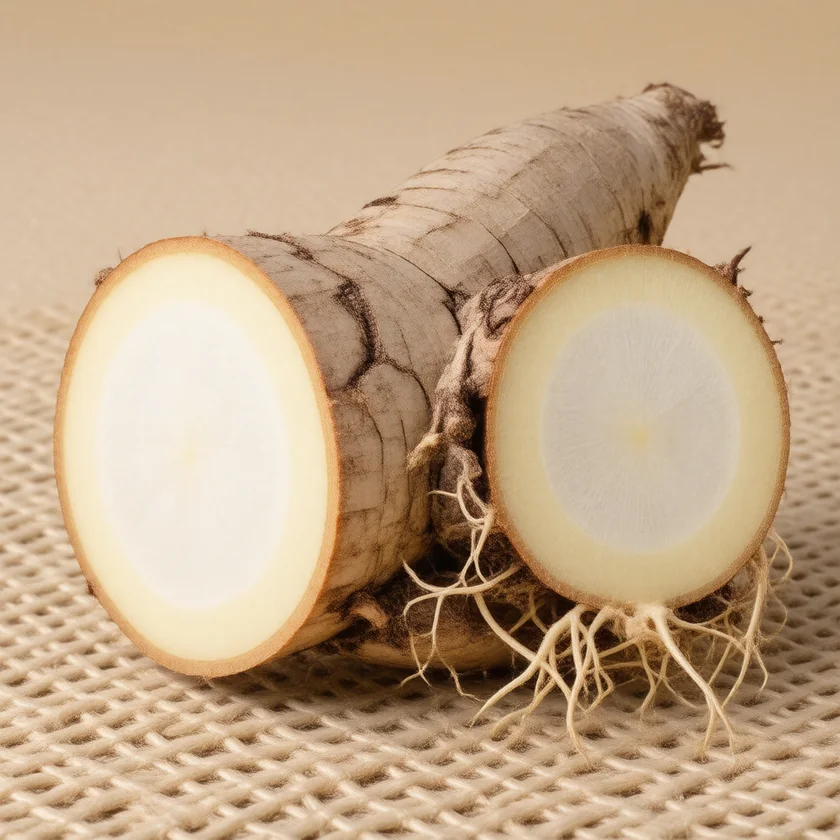
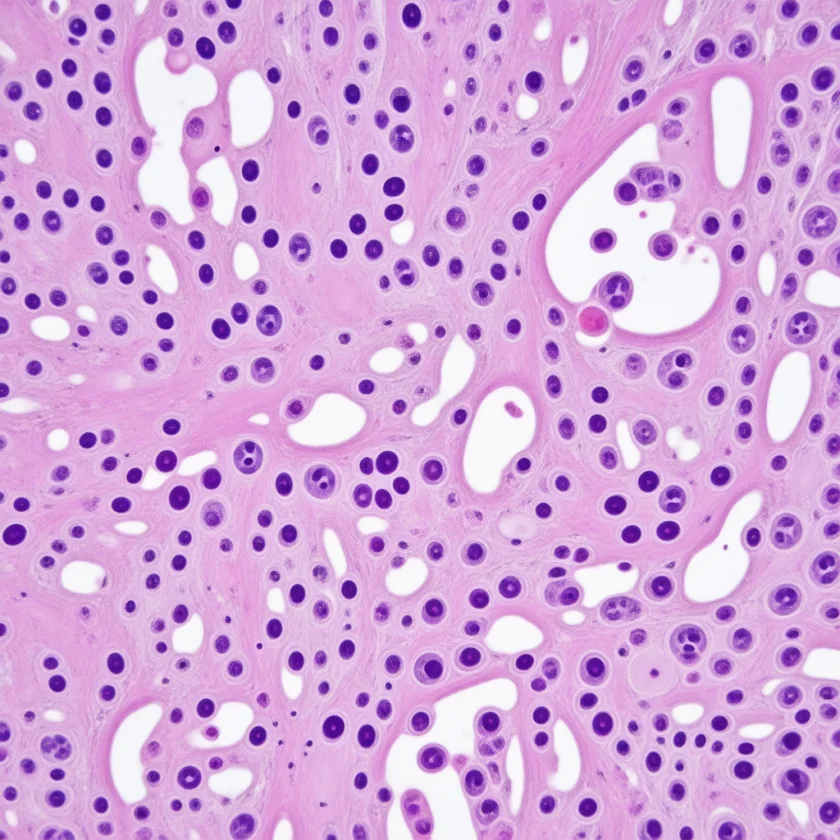
Of the four benefit areas covered in this set, topical and wound-healing use has the thinnest independent evidence — and what exists is unusually confounded by other ingredients, to a degree worth documenting in its own right. This page includes the second of the two genuine human trials found anywhere in this series, and, like the liver trial on the previous page, it has to be read past its headline conclusion to see what it actually showed.
Table of Contents
- The Claim
- The 2025 Pediatric Dental Plaque Trial, in Full
- Reading the Trial: Even Saline “Worked”
- The Wound-Healing Polysaccharide Study — and What It Actually Tested
- A Mouse Psoriasis Gel Combining Zedoary Turmeric Oil With Tretinoin
- Direct Antimicrobial Screening, With the Arithmetic
- Zedoary Oil as a Skin-Applied Mosquito Repellent
- A Different Literature Entirely: Nanoparticle Green Synthesis
- A Note on Bleeding: Antiplatelet Constituents
- Verdict and Evidence Tier
- What Is Not Known
- Practical Cautions
- Key Research Papers
- Connections
- Featured Videos
The Claim
Ayurvedic and Southeast Asian traditions apply zedoary rhizome topically as a paste for bruises, swelling and skin complaints, alongside its internal use, and the main Curcuma zedoaria page documents antimicrobial and antioxidant laboratory screening of the plant already. This page asks a narrower question the main page does not fully answer: is there evidence specific to wound healing and topical antimicrobial use, as distinct from general in-vitro antimicrobial screening in a Petri dish?
The 2025 Pediatric Dental Plaque Trial, in Full
Deshpande and colleagues (2025) ran a randomised controlled trial in 84 hospitalised children aged 3–14, who often cannot perform normal oral hygiene. Four groups of 21 received, twice daily with sterile gauze: extra-virgin olive oil alone; olive oil with 35% Curcuma zedoaria; olive oil with 30% Azadirachta indica (neem); or plain normal saline. Plaque score (Loe and Silness index) and colony-forming-unit counts of Streptococcus mutans, Lactobacillus and Candida albicans were measured at baseline, 24, 48 and 72 hours.
Reading the Trial: Even Saline “Worked”
- What was compared: 84 hospitalised children, 21 in each of four groups — olive oil alone, olive oil with 35% zedoary, olive oil with 30% neem, and plain salt water (normal saline) — wiped onto the teeth with sterile gauze.
- What happened: plaque and germ counts fell in all four groups, salt water included (P < 0.05). On germ counts at 72 hours, the neem group did significantly better than the other three groups, zedoary included (P = 0.0001).
- What the authors concluded: that olive oil with 35% zedoary “showed the best treatment outcome” in lowering germ counts, followed by the neem and plain olive-oil groups, and that every preparation, saline included, reduced plaque.
All four groups — including the plain saline group — showed a statistically significant reduction in plaque score and microbial counts from baseline to 72 hours (p < 0.05). That is the finding to hold onto before reading anything else: mechanical wiping with sterile gauze twice daily reduces plaque and bacterial counts in the mouth regardless of what, if anything, is on the gauze. This is a vehicle-and-mechanical-action confound — the carrier and the wiping produce an effect of their own — and it is present here in an unusually clean, visible form because the trial included the inert-vehicle arm needed to show it.
Against that background, the between-group comparison is the part that actually isolates an ingredient effect, and it does not straightforwardly favour zedoary: the trial reports that the neem group showed significantly better antimicrobial activity than the olive-oil, zedoary, and saline groups at 72 hours (p = 0.0001). The paper’s own conclusion sentence states that “EVOO + 35% CZ showed the best treatment outcome” — a claim that sits awkwardly next to the results paragraph’s statement that the neem group’s antimicrobial activity was significantly better than zedoary’s. Both statements appear in the same published abstract; this page reports both rather than silently resolving the discrepancy in zedoary’s favour: the paper itself is not fully consistent between its results and its conclusion, which matters for any zedoary topical-antimicrobial claim built on it.
Two further limits: the trial tested a 35% concentration blended into olive oil, not the rhizome or an aqueous preparation, applied to dental plaque, which is a bacterial biofilm on a tooth surface, not a skin wound. Neither the concentration, the vehicle, nor the tissue generalises automatically to a cut, burn, or skin infection.
The Wound-Healing Polysaccharide Study — and What It Actually Tested
The single study in this literature actually titled around “wound healing” is worth examining closely for what it tested, because the title alone overstates how directly it speaks to a traditional topical application. Xu and colleagues (2018) isolated a polysaccharide (abbreviated ZWP) from zedoary rhizomes and tested it — alone, and combined with platelet-rich plasma exosomes (PRP-Exos) — assembled onto an engineered chitosan/silk hydrogel sponge, applied to diabetic rats with induced wounds. All treatment combinations produced wound contraction, with increased epidermal thickness, increased collagen synthesis, and increased angiogenesis at the wound site; the combination of PRP-exosomes and the zedoary polysaccharide performed better than either component alone.
Read this precisely: the zedoary-derived material here is a single isolated polysaccharide fraction, not the rhizome, not an extract, not an essential oil — and it was delivered on a laboratory-engineered biomaterial scaffold combined with a regenerative-medicine product (platelet exosomes), not as a poultice or paste. This is real, specific evidence that one zedoary-derived molecule contributes to wound closure in an engineered delivery system in diabetic rats. It is not evidence that applying zedoary rhizome, paste or extract to a wound in a person reproduces any part of this effect — the fraction, the vehicle, and the co-administered biological product are all different from anything a reader could replicate outside a laboratory.
A Mouse Psoriasis Gel Combining Zedoary Turmeric Oil With Tretinoin
Chen and colleagues (2021) built a skin gel in which tiny fat bubbles (liposomes) carried two ingredients together: an oil the paper calls “zedoary turmeric oil” and the prescription vitamin-A drug tretinoin. In laboratory skin tests the liposome gel pushed the two ingredients into mouse hair follicles for longer and kept more of them in the skin than an ordinary gel did. In two mouse models of psoriasis (a mouse-tail test and a mouse-vaginal test), the liposome gel worked better than the ordinary gel, and the effect grew with the dose.
This is a mouse study of a drug-delivery system. The abstract reports only the oil-plus-tretinoin combination, so it does not show what the oil does on its own, and it does not name which Curcuma species the oil came from. No human was treated.
Direct Antimicrobial Screening, With the Arithmetic
Beyond the two trials above, a real body of disc-diffusion and broth-dilution antimicrobial screening exists, mostly confirming what the main page already states in general terms — but two papers are specific and detailed enough to add arithmetic — doing the sum rather than only asserting a caveat.
- Budiansyah and colleagues (2023) tested n-hexane, ethyl acetate and methanol fractions of the rhizome against three Gram-positive organisms (Staphylococcus aureus, Bacillus subtilis, Streptococcus pneumoniae) and three Gram-negative organisms (E. coli, Salmonella typhi, Pseudomonas aeruginosa). The lowest concentration that showed activity against any of the six organisms was 2,500 parts per million — that is 2.5 mg of extract per millilitre, a substantial concentration by antimicrobial standards, and well above what a topical folk application (a crushed rhizome paste of unknown, unstandardised strength) could be assumed to reliably deliver at the point of contact. The same paper's DPPH antioxidant-assay IC50s (154–838 parts per million depending on solvent) are, like every DPPH result, test-tube chemistry rather than a measure of activity in living tissue.
- Ficker and colleagues (2003) screened eleven Zingiberaceae species used by the Kenyah people of Indonesian Borneo against human pathogenic fungi, including strains resistant to the standard antifungal drugs amphotericin B and ketoconazole, and found zedoary among the members with “pronounced inhibitory activities.” This is disc-diffusion screening — a real and useful first-pass result, not a clinical antifungal claim.
- Two further screening papers — Wilson and colleagues (already cited on the main Curcuma zedoaria page for its broader antimicrobial-tuber survey) and Riaz and colleagues (2019, testing zedoary alongside two other plants for both antimicrobial and haemolytic activity) — round out a consistent but entirely in-vitro picture.
Zedoary Oil as a Skin-Applied Mosquito Repellent
Sutthanont and colleagues (2026), in Thailand, distilled the essential oil from zedoary rhizomes and made it into a water-and-alcohol balm containing 15% oil. The main ingredients of the oil were ar-turmerone (23.66%), zingiberene (14.74%) and beta-sesquiphellandrene (10.64%). The balm was tested on human arms placed in a cage of female Aedes aegypti mosquitoes (the arm-in-cage test) over 180 minutes:
- 100% protection during the first 60 minutes after it was put on;
- a median repellency of 98.50% at 120 minutes and 93.06% at 180 minutes;
- a median complete-protection time of 150 minutes (range 90–180 minutes).
A standard patch test in 12 adult volunteers found no skin irritation in anyone. This is the only data found on zedoary oil applied to human skin. It concerns intact skin and insect bites, not wounds.
A Different Literature Entirely: Nanoparticle Green Synthesis
A specific, easy-to-miss trap is worth naming explicitly, because it inflates the apparent size of the “zedoary antibacterial” literature in a way a simple search-count would not reveal. A 2023 paper made zinc oxide nanoparticles with zedoary extract (and, separately, with bitter-gourd extract); it uses zedoary rhizome extract not as the therapeutic agent under test, but as a plant-derived reducing and capping agent in the chemistry of manufacturing metal nanoparticles, a genuinely active and unrelated field of materials science. The antibacterial activity reported in that paper belongs to the resulting zinc oxide nanoparticle, characterised by its own separate mechanism (largely oxidative membrane disruption from the metal oxide surface), not to zedoary itself acting as an antimicrobial agent in any conventional sense. A raw publication count for “Curcuma zedoaria antibacterial” will include such studies, although they do not measure the herb’s own antimicrobial action.
A 2026 Thai paper is different and is not nanoparticle work. Tadtong and colleagues tested an alcohol extract of a traditional Thai anti-abscess formula made of three plants — zedoary, Vitex trifolia and neem (Azadirachta indica). In the laboratory the extract inhibited Staphylococcus epidermidis (inhibition zone 1.48 cm) but did not inhibit Staphylococcus aureus or Streptococcus pyogenes. Its curcumin was the most active compound against S. epidermidis, with a minimum inhibitory concentration of 62.5 µg/mL. This is test-tube work on a three-herb mix, so zedoary’s own share of the effect is unknown.
A Note on Bleeding: Antiplatelet Constituents
For a reader drawn to this page by a hemostatic or “stops bleeding” framing for a topical wound remedy, the opposite finding exists in the literature: Chen and colleagues (2016) isolated new and known sesquiterpenoids from zedoary rhizomes, several of which inhibited collagen-induced or arachidonic-acid-induced platelet aggregation in vitro — curcumin inhibited both pathways, germacrone only the collagen-induced one — with inhibition ranging from roughly 21% to 95% at 100 µM depending on the specific compound and pathway tested. This connects to, and strengthens with an actual isolated-compound finding, the theoretical anticoagulant caution already carried on the main Curcuma zedoaria page under its “moves blood” classification. It is isolated-compound, in-vitro evidence, not a demonstrated bleeding risk from topical or oral use at traditional doses — but it means zedoary’s own chemistry runs in the anti-clotting direction, not the clot-promoting direction a wound remedy might be assumed to have.
Verdict and Evidence Tier
- Tier: one confounded human trial, one engineered-biomaterial rodent study, and routine in-vitro antimicrobial screening. This is the thinnest evidence base of the four topics in this set.
- Verdict on topical wound healing with zedoary alone: essentially absent. No study tested the rhizome, paste or simple extract, alone, against an open wound in a way that isolates its contribution from a vehicle, a mechanical-application effect, or a co-administered ingredient.
- Verdict on the 2025 dental trial: real but doubly confounded — by an inert-vehicle effect strong enough to reach statistical significance on its own, and by the trial’s own results and conclusion not fully agreeing on whether zedoary or neem performed better.
- Verdict on direct antimicrobial/antifungal screening: consistent and real, entirely in-vitro, at concentrations (2,500 ppm in the most detailed paper) that are substantial rather than trivial.
- Verdict on the nanoparticle literature: not evidence for the herb at all, and worth actively excluding when assessing this claim rather than counted toward it.
What Is Not Known
- No trial exists of zedoary rhizome, paste or simple extract alone, unblended with another ingredient, applied to any actual skin wound in any species.
- No human data on zedoary for burns, ulcers, surgical wounds, or any skin infection.
- Very little safety data on skin. One small patch test (12 adults, a balm with 15% zedoary oil, 2026) found no irritation. There is no testing for skin allergy (sensitisation or allergic contact dermatitis), and none on broken skin.
- No dose-response or concentration-finding data for topical use of any kind.
- No study has isolated zedoary’s specific contribution in either of the two combination products (the dental-plaque oil blend, the wound-healing hydrogel system) from the other active ingredients present.
Practical Cautions
No study has tested zedoary in place of standard wound care, even for a minor surface scrape. Deep, contaminated, diabetic and non-healing wounds are the kinds hospitals treat as needing medical assessment. The main Curcuma zedoaria page’s existing warning against internal use of the steam-distilled essential oil applies with equal force to topical use on broken skin: essential oils are concentrated terpene mixtures that can irritate or sensitise damaged skin, and none of the screening studies above tested the essential oil topically on an actual wound. The Connections section below lists herbs with substantially deeper human and animal wound-healing literatures.
Key Research Papers
- Deshpande A, Baishya S, Dori S, Wadhwa M, Shah K. Clinical and microbiological evaluation of dental plaque on topical application of olive oil, olive oil with 35% Curcuma zedoaria, and olive oil with 30% Azadirachta indica in hospitalized children: a randomized control trial. Journal of the Indian Society of Pedodontics and Preventive Dentistry. 2025;43(2):236-243. PubMed PMID: 40586465. The trial discussed in full above.
- Xu N, Wang L, Guan J, Tang C, He N, Zhang W, Fu S. Wound healing effects of a Curcuma zedoaria polysaccharide with platelet-rich plasma exosomes assembled on chitosan/silk hydrogel sponge in a diabetic rat model. International Journal of Biological Macromolecules. 2018;117:102-107. PubMed PMID: 29772339. The isolated-fraction, engineered-scaffold study.
- Wilson B, Abraham G, Manju VS, et al. Antimicrobial activity of Curcuma zedoaria and Curcuma malabarica tubers. Journal of Ethnopharmacology. 2005;99(1):147-151. PubMed PMID: 15848035. Shared citation with the main Curcuma zedoaria page.
- Budiansyah A, Haroen U, Syafwan S, Kurniawan K. Antioxidant and antibacterial activities of the rhizome extract of Curcuma zedoaria extracted using some organic solvents. Journal of Advanced Veterinary and Animal Research. 2023;10(3):347-360. PubMed PMID: 37969790. Source of the 2,500 ppm figure.
- Ficker CE, Smith ML, Susiarti S, Leaman DJ, Irawati C, Arnason JT. Inhibition of human pathogenic fungi by members of Zingiberaceae used by the Kenyah (Indonesian Borneo). Journal of Ethnopharmacology. 2003;85(2-3):289-293. PubMed PMID: 12639754.
- Riaz T, Abbasi MA, Rehman A, Shazadi T, Shahid M. Report: Assessment of Fumaria indica, Dicliptera bupleuroides and Curcuma zedoaria for their antimicrobial and hemolytic effects. Pakistan Journal of Pharmaceutical Sciences. 2019;32(2):697-702. PubMed PMID: 31081785. Haemolytic testing is directly relevant to a topical-safety question.
- Tadtong S, Techavijit S, Mukdapattanakul N, Singh S, Chittasupho C, Eiamart W, Samee W. Phytochemical assessment, evaluation of antioxidant and antibacterial properties, and molecular docking to elucidate the regulation of bacterial biofilm formation in an herbal formulation for the treatment of abscesses. International Journal of Molecular Sciences. 2026;27(5):2145. PubMed PMID: 41828371. A three-herb extract (zedoary, Vitex trifolia, neem), not zedoary alone, and not a nanoparticle study.
- Ihsan M, Din IU, Alam K, Munir I, Mohamed HI, Khan F. Green fabrication, characterization of zinc oxide nanoparticles using plant extract of Momordica charantia and Curcuma zedoaria and their antibacterial and antioxidant activities. Applied Biochemistry and Biotechnology. 2023;195(6):3546-3565. PubMed PMID: 36622631. The nanoparticle-synthesis literature discussed above.
- Dosoky NS, Setzer WN. Chemical composition and biological activities of essential oils of Curcuma species. Nutrients. 2018;10(9):1196. PubMed PMID: 30200410. General essential-oil background across the genus.
- Chen JJ, Tsai TH, Liao HR, et al. New sesquiterpenoids and anti-platelet aggregation constituents from the rhizomes of Curcuma zedoaria. Molecules. 2016;21(10):1385. PubMed PMID: 27763530. The antiplatelet finding.
- Sutthanont N, Phumee A, Silakom N, Intirach J. Repellent efficacy of water-balm formulation against Aedes aegypti based on zedoary, Curcuma zedoaria. Current Research in Parasitology & Vector-Borne Diseases. 2026;9:100382. PubMed PMID: 42100665. The mosquito-repellent balm and 12-person patch test.
- Chen J, Ma Y, Tao Y, Zhao X, Xiong Y, Chen Z, Tian Y. Formulation and evaluation of a topical liposomal gel containing a combination of zedoary turmeric oil and tretinoin for psoriasis activity. Journal of Liposome Research. 2021;31(2):130-144. PubMed PMID: 32223352. The mouse psoriasis gel.
Connections
- All Herbs
- Zedoary (Curcuma zedoaria) — the main article, including the existing antimicrobial and bleeding-risk cautions this page builds on.
- Zedoary Benefits Deep Dive — the hub.
- Zedoary for Inflammation and Arthritis.
- Zedoary and Cancer.
- Zedoary and the Liver.
- Neem — the herb that outperformed zedoary on the dental trial’s own antimicrobial endpoint.
- Neem for Dental Health — the deeper dental-specific evidence base for the comparator ingredient.
- Calendula for Skin and Wound Healing — a topical herb with a substantially deeper wound-healing evidence base.
- Manuka Honey for Wound Healing — another comparator with real clinical wound data.
- Gotu Kola for Wound Healing and Scars.
- Dentistry — the category landing page for the dental-plaque trial context.
- Gingivitis.
- Cellulitis — when a skin infection needs medical treatment, not a topical herb.