Zedoary — Benefits Deep Dive
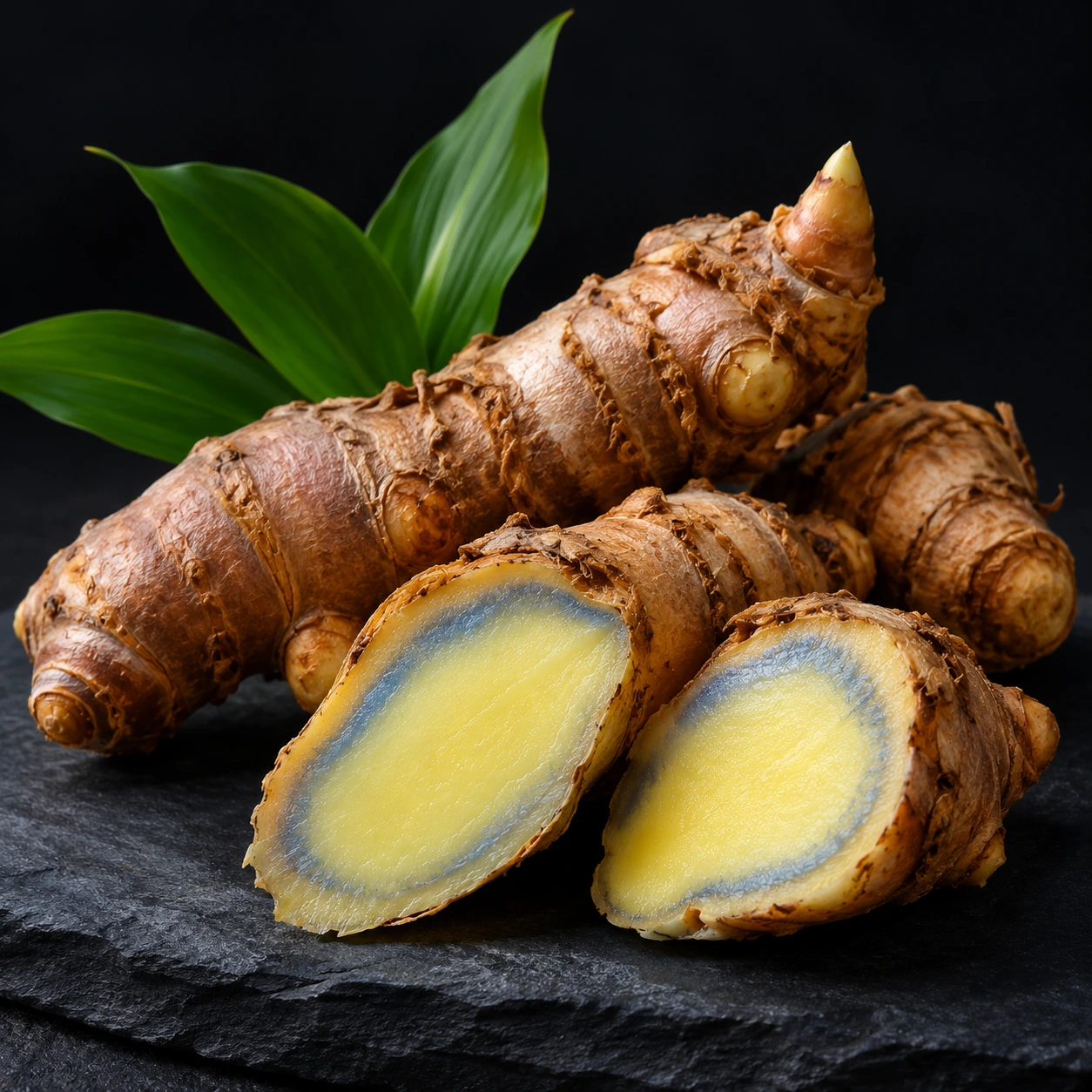
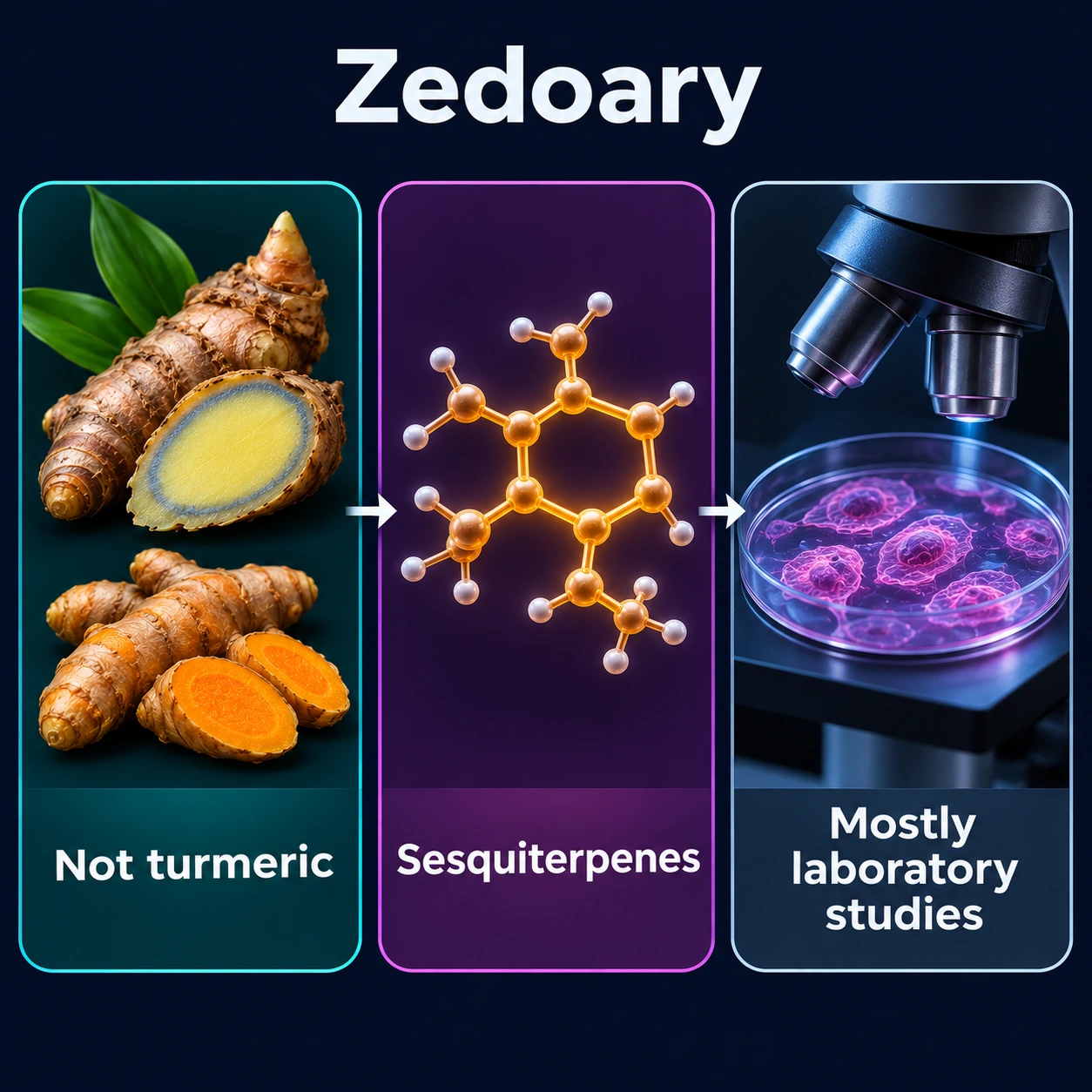
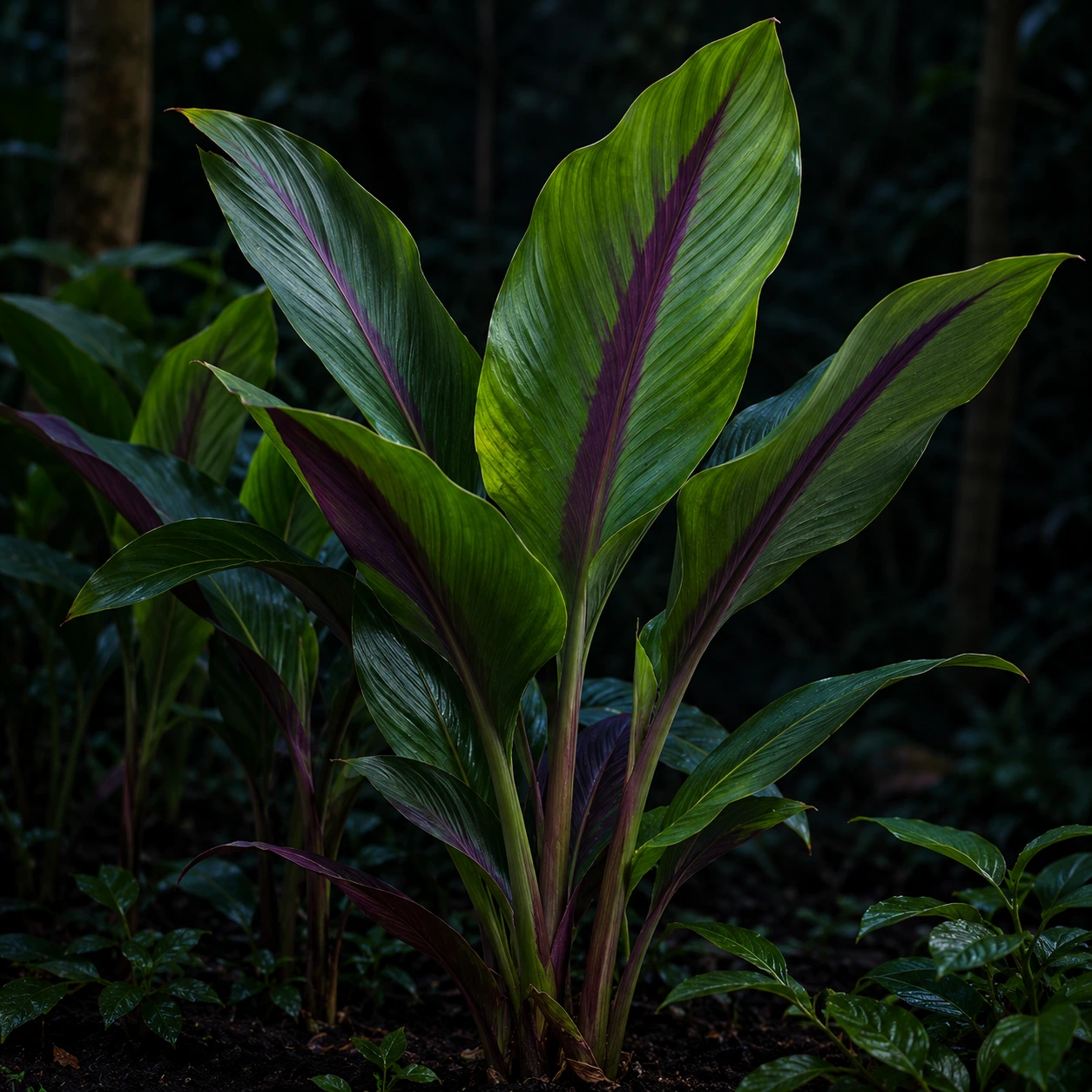
The main Curcuma zedoaria page establishes the essentials: this is a distinct rhizome from turmeric, chemically dominated by sesquiterpenes rather than curcumin, with a traditional reputation spanning digestion, blood-stasis, and topical use, and a modern research record that is almost entirely cell-culture and rodent work. This hub goes one level deeper into four specific claimed-benefit areas, each checked against the live indexed literature rather than assumed.
Two of the areas below turned up something the main page does not yet reflect: a real 2025 human trial for fatty liver disease, and a real 2025 human trial for dental plaque — the only two adequately designed human efficacy trials of the whole rhizome found anywhere in this research. Both need to be read past their own conclusion sentences to see what they actually showed. A third area, arthritis and inflammation, turned up a genuine contradiction: three positive rodent studies (one of them on an isolated zedoary compound rather than an extract) sit against one controlled comparison in which zedoaria’s own extract failed, along with four other Curcuma species including turmeric. Two areas suggested by the original brief for this hub — digestive/carminative use and gastroprotective claims — were checked directly against NCBI and dropped: terms like gastritis, peptic, carminative, antispasmodic and gastroprotective returned zero indexed records specific to this species, and the digestive-bitter mechanism is already covered in depth on the main page. Hepatoprotective claims — not on the original suggested list — replaced them once the 2025 liver trial surfaced.
Deep-Dive Articles
Zedoary for Inflammation and Arthritis
A genuine literature on macrophages and the inflammation switch nuclear factor kappa B (NF-κB), three independent positive rodent arthritis studies — and a controlled six-species comparison in which Curcuma zedoaria’s own extract failed to reduce paw swelling, as did four other species including turmeric, while one sibling species succeeded. Reports the contradiction rather than picking a side.
Read the deep dive →Zedoary and Cancer
A wide cell-line cytotoxicity survey with the arithmetic done on what the IC50 numbers (the concentration that halves cancer-cell survival in a dish) actually mean (two to three orders of magnitude weaker than a promising drug-discovery hit), the one oral in-vivo treatment-design study, the drug-resistance-reversal literature, and why the approved β-elemene injection sets a ceiling rather than a floor on the rhizome’s plausible effect.
Read the deep dive →Zedoary and the Liver
The 2025 randomised non-alcoholic fatty liver disease (NAFLD) trial, read past its own conclusion: no better than the vitamin E comparison on ultrasound-graded fatty-liver severity and liver size (both groups improved), no change in liver enzymes or lipids in either group, and ahead only on subjective symptom scores. Plus the classic rodent hepatoprotection literature, a species-identity wrinkle in the Chinese vinegar-processing research, and a study validating zedoary as a substitute for a genuinely toxic herb.
Read the deep dive →Zedoary for Wound Healing and Topical Use
The thinnest evidence base of the four: a 2025 pediatric dental-plaque trial where even the saline control group improved, an isolated-polysaccharide study on an engineered hydrogel scaffold rather than a poultice, and a catch worth naming — several recent “antibacterial” papers are actually nanoparticle-synthesis chemistry that has nothing to do with the herb’s own activity.
Read the deep dive →Table of Contents
Evidence Ledger
Claims ranked by the strength of what supports them, across all four topics, rather than by how confidently each is marketed.
Human data exists — small, single trials, read carefully
- Zedoary for non-alcoholic fatty liver disease symptom relief. Evidence: one 68-patient, 60-day, single-blind, active-comparator (vitamin E) randomised trial (2025), analysed in the 50 patients who completed it. Verdict: better than vitamin E on subjective symptom scores (malaise, anorexia, dyspepsia); on the objective measures no better than vitamin E — ultrasound fatty-liver grade and liver size improved in both groups, and liver enzymes and lipids did not change in either group, apart from a slight fall in triglycerides with zedoary. Not a demonstrated treatment for the underlying disease.
- Zedoary for dental plaque. Evidence: one 84-child, 72-hour, four-arm randomised trial (2025), zedoary blended 35% into olive oil. Verdict: confounded — the saline control also reduced plaque significantly, and the neem comparator showed better antimicrobial numbers than zedoary in the paper’s results, while the paper’s own conclusion names the zedoary oil as the best performer — the results and the conclusion disagree on which oil worked best.
Preclinical, and internally contradictory
- Zedoary for arthritis/joint inflammation. Evidence: three independent positive rodent studies (1998, on dehydrocurdione, a compound isolated from zedoary; 2011 and 2026, on extracts) against one controlled six-species comparison (2006) in which zedoaria failed along with four other species, turmeric included. Verdict: genuinely unresolved, not simply “preclinical support exists.”
Preclinical, consistent, not internally contradicted
- Macrophage anti-inflammatory mechanism (suppression of nitric oxide, prostaglandin E2, the enzyme cyclooxygenase-2 and the inflammation switch nuclear factor kappa B). Evidence: multiple independent cell-culture papers converging on curdione, curcumenol and related sesquiterpenes. Verdict: real, mechanistically detailed, cell-culture only.
- Rodent and cell-based hepatoprotection against toxin-induced liver injury (D-galactosamine/lipopolysaccharide (LPS), carbon tetrachloride (CCl4), oxidative stress). Verdict: consistent across independent groups and models; preclinical only.
- Cell-line cytotoxicity against multiple cancer types. Evidence: a wide survey across gastric, breast, ovarian, esophageal, lung and renal cancer cell lines. Verdict: real but weak — concentrations of 212–392 µM needed to halve cancer-cell survival for the most specifically characterised compounds, two to three orders of magnitude above a promising drug-discovery hit.
- Direct antimicrobial/antifungal screening. Evidence: consistent disc-diffusion and broth-dilution results across several independent labs. Verdict: real, in-vitro only, at concentrations (2,500 ppm in the most detailed paper) that are substantial rather than trivial.
Real, but about a different thing than it sounds like
- β-Elemene as an approved Chinese cancer drug. Evidence: decades of Chinese clinical use as an adjunct. A 2025 pooling of 11 randomized trials (726 people with stomach cancer) reported that adding elemene to chemotherapy raised the response rate (risk ratio 1.43) and lowered blood-related, nausea and vomiting, diarrhoea and liver side effects, for both the oral and the intravenous forms; its authors note the small number of studies and call for larger ones. Verdict: real for the isolated, purified compound; not evidence for the rhizome eaten or encapsulated, and approved only as an adjunct, which caps the honest best case for the whole herb well below even that.
- Zedoary as a substitute for a toxic herb. Evidence: one rat study of carbon-tetrachloride liver injury, run to validate the Unani practice of substituting zedoary for Aristolochia rotunda, a plant with documented human kidney and urothelial-cancer toxicity. A zedoary-only group (45.73 mg/kg) had significantly lower bilirubin and liver enzymes than injured, untreated rats, with recovery visible in the liver tissue. Verdict: a rat liver-protection result for zedoary on its own; the study was not a toxicity comparison of the two plants.
- Recent nanoparticle-synthesis “antibacterial” papers. Evidence: zedoary extract used as a reducing/capping agent in zinc-oxide and copper-oxide nanoparticle manufacture. Verdict: not evidence for the herb at all — the activity belongs to the metal-oxide nanoparticle.
Checked and found essentially absent
- Gastroprotective / antiulcer claims. Direct NCBI queries for “Curcuma zedoaria” combined with gastritis, peptic, gastric mucosa, antiulcer or gastroprotective each returned zero indexed records. This is why the claim does not have its own deep-dive page in this set.
- Wound healing from zedoary alone. No study tested the rhizome, paste, or simple extract by itself, isolated from a vehicle, an engineered scaffold, or a co-administered ingredient, against an actual wound.
Real, and running in the opposite direction from what a “wound herb” framing might suggest
- Antiplatelet activity. Compounds isolated from zedoary, including the sesquiterpenoid germacrone and curcumin, inhibited platelet aggregation in vitro at 100 µM (by 21–68% when collagen triggered it, and by 23–95% for some compounds when arachidonic acid did). This strengthens, with an actual compound-level finding, the main page’s existing theoretical bleeding-risk caution — and argues against any topical hemostatic framing for a wound product.
Key Research: Inflammation and Arthritis
- Wasti et al., GC-MS and antiarthritic activity of Curcuma zedoaria extracts, Inflammopharmacology, 2026. — PubMed PMID: 41870771
- Kaushik & Jalalpure, root extracts in arthritic rats, Journal of Advanced Pharmaceutical Technology & Research, 2011. — PubMed PMID: 22171314
- Tohda et al., six-species comparison where zedoaria and four other species failed, Evidence-Based Complementary and Alternative Medicine, 2006. — PubMed PMID: 16786056
- Yoshioka et al., dehydrocurdione’s antioxidant (not cyclooxygenase) mechanism, Inflammation Research, 1998. — PubMed PMID: 9892041
- Oh et al., curdione, prostaglandin E2 and cyclooxygenase-2, Archives of Pharmacal Research, 2007. — PubMed PMID: 18038902
- Lo et al., curcumenol in microglial cells, Food & Function, 2015. — PubMed PMID: 26301513
- Chen et al., β2-adrenoreceptor/NLRP3 mechanism for chronic obstructive pulmonary disease, Chemico-Biological Interactions, 2023. — PubMed PMID: 37866489
- PubMed: Curcuma zedoaria and antiarthritic activity — live search.
Key Research: Cancer and Cytotoxicity
- Hadisaputri et al., oral extract in tumour-bearing mice, International Journal of Oncology, 2015. — PubMed PMID: 26498695
- Lee et al., sesquiterpenes against AGS gastric cancer cells, Bioorganic Chemistry, 2019. — PubMed PMID: 30884305
- Wang et al., germacrone in renal cell carcinoma, Lipids in Health and Disease, 2026. — PubMed PMID: 41832498
- Qiao et al., docetaxel-resistance reversal via the pregnane X receptor, Annals of Translational Medicine, 2021. — PubMed PMID: 34733941
- Yao et al., β-elemene reversing cisplatin resistance, Thoracic Cancer, 2014. — PubMed PMID: 26767017
- Zhai et al., molecular targets of β-elemene, review, Biomedicine & Pharmacotherapy, 2019. — PubMed PMID: 30965237
- Liu et al., elemene combined with chemotherapy for gastric cancer, meta-analysis of 11 randomized trials, Explore, 2025. — PubMed PMID: 39626582
- PubMed: β-elemene injection — clinical studies, live search.
- PubMed: Curcuma zedoaria and cytotoxic activity — live search.
Key Research: Liver
- Ashraf et al., the 2025 non-alcoholic fatty liver disease randomised trial, Arab Journal of Gastroenterology, 2025. — PubMed PMID: 39880723
- Matsuda et al., the classic 1998 mouse hepatoprotection study, Bioorganic & Medicinal Chemistry Letters, 1998. — PubMed PMID: 9871681
- Ansari et al., zedoary as an Aristolochia substitute, Journal of Complementary and Integrative Medicine, 2021. — PubMed PMID: 34265879
- Cui et al., vinegar-processing and the species-identity wrinkle, Molecules, 2019. — PubMed PMID: 31151312
- Rodseeda et al., cytochrome P450 3A (CYP3A) inhibition and chemotherapy drugs, Toxicology Reports, 2022. — PubMed PMID: 36518483
- PubMed: Curcuma zedoaria and the liver — live search.
Key Research: Wound Healing and Topical Use
- Deshpande et al., the 2025 pediatric dental-plaque trial, Journal of the Indian Society of Pedodontics and Preventive Dentistry, 2025. — PubMed PMID: 40586465
- Xu et al., isolated polysaccharide on an engineered hydrogel scaffold, International Journal of Biological Macromolecules, 2018. — PubMed PMID: 29772339
- Budiansyah et al., solvent-fraction antibacterial screening with concentration data, Journal of Advanced Veterinary and Animal Research, 2023. — PubMed PMID: 37969790
- Ficker et al., antifungal screening among Kenyah Zingiberaceae, Journal of Ethnopharmacology, 2003. — PubMed PMID: 12639754
- PubMed: Curcuma zedoaria and antibacterial activity — live search.
Key Research: Cross-Cutting — Identity, Chemistry and Drug Interactions
- Curcuma species — authentication and adulteration, live search — the identity question underlying the Tohda and Cui findings above. — Search PubMed
- Chen et al., new sesquiterpenoids and antiplatelet-aggregation constituents, Molecules, 2016. — PubMed PMID: 27763530
- Rodseeda et al., cytochrome P450 3A and chemotherapy-drug metabolism, Toxicology Reports, 2022. In human liver microsomes (a test-tube preparation of liver enzymes), zedoary extract blocked the cytochrome P450 3A breakdown of the cancer drugs lapatinib and sorafenib, with IC50 values (the concentration that blocks half the enzyme’s activity) of 4.18 and 7.59 µg/mL — a test-tube signal of drug-interaction risk, not a human study. — PubMed PMID: 36518483
- Ayati et al., ethnobotany and pharmacology review, Current Pharmaceutical Design, 2019. — PubMed PMID: 30947655
- Lobo et al., chemical, pharmacological and ethnomedicinal review, Journal of Pharmacy and Pharmacology, 2009. — PubMed PMID: 19126292
- Curcuma zedoaria — all publications, live search.
- Curcuma zedoaria — clinical trials, live search — currently a very short list.
External Resources
Zedoary does not have a dedicated U.S. National Institutes of Health (NIH) Office of Dietary Supplements fact sheet, a U.S. National Center for Complementary and Integrative Health (NCCIH) herb summary, or a MedlinePlus natural-medicines monograph — all checked directly and confirmed absent while researching this set, itself a small data point about how little consumer-facing regulatory attention this herb has received compared with, for example, turmeric or milk thistle. What follows is what could actually be verified.
- PubMed — the index behind every search link on these pages.
- U.S. Department of Agriculture Phytochemical and Ethnobotanical Databases — Curcuma zedoaria — chemical constituents and documented biological activities, sourced from Duke and other ethnobotanical references.
- LiverTox (U.S. National Institutes of Health) — the reference database for herb- and drug-induced liver injury, relevant background for the liver page in this set.
Connections
- All Herbs
- Zedoary for Inflammation and Arthritis — the contradiction between three positive trials and one negative comparison.
- Zedoary and Cancer — the IC50 arithmetic and the β-elemene ceiling.
- Zedoary and the Liver — the 2025 trial read past its conclusion.
- Zedoary for Wound Healing and Topical Use — the thinnest, most confounded evidence in this set.
- Zedoary (Curcuma zedoaria) — the main article: names, identity chaos, active compounds, traditional use, and the full β-elemene account.
- Turmeric (Curcuma longa) — the species constantly confused with this one.
- Javanese Turmeric (Curcuma zanthorrhiza).
- Black Turmeric (Curcuma caesia).
- Milk Thistle — the better-evidenced liver herb used as a positive control in one study on this hub.
- Ginger — the Zingiberaceae relative with the deepest human trial record.