Rhodiola Rosea for Stress and Fatigue
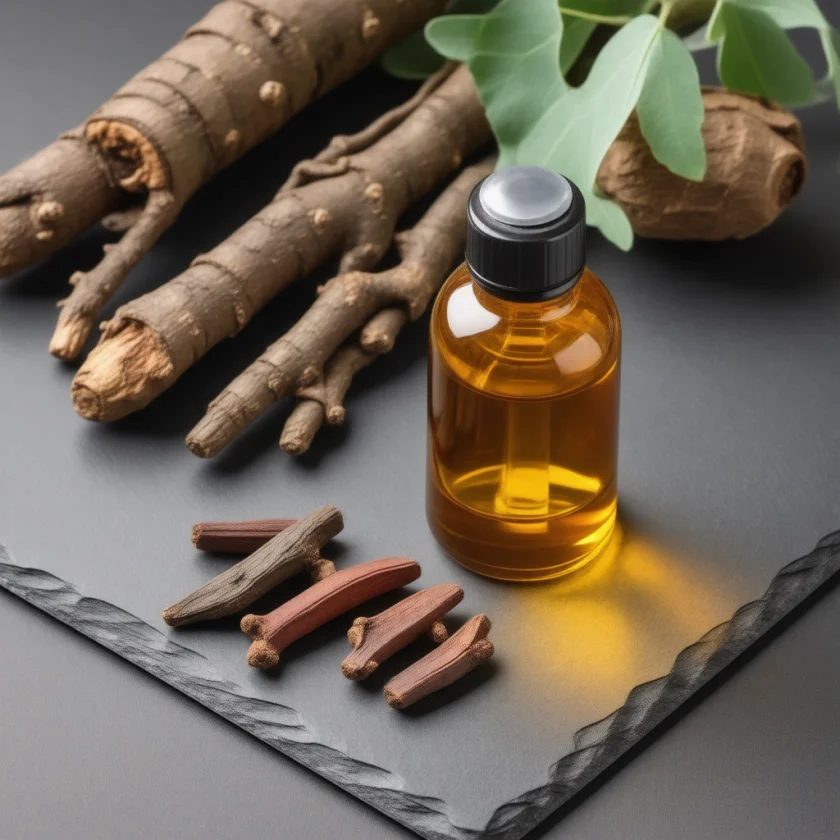
Stress-related fatigue is the best-studied use of Rhodiola rosea — and it is the use named in the European Medicines Agency's herbal monograph, adopted in 2012, which recognizes it as a traditional use based on long-standing use: «temporary relief of symptoms of stress, such as fatigue and sensation of weakness.» The Olsson 2009 placebo-controlled trial of a standardized Swedish extract in 60 adults with stress-related fatigue used 576 mg/day and found less burnout and better attention than placebo, and open-label work by Kasper and others reports improvement in fatigue and perceived stress; users and practitioners describe this without the dependence liability of pharmaceutical anxiolytics or the «crash» of stimulants. This deep-dive walks through the Soviet space-program research history that first identified Rhodiola as an adaptogen, the salidroside/rosavin pharmacology that drives the clinical effect, the hypothalamic-pituitary-adrenal-axis modulation that normalizes chronically elevated cortisol without abolishing the acute stress response, and the dosing used in the official monograph, the clinical trials, and integrative practice.
Table of Contents
- Viking and Siberian Origins
- The Soviet Space-Program Research History
- Salidroside and Rosavin — the Paired Active Compounds
- Hypothalamic-Pituitary-Adrenal-Axis Modulation at the Hypothalamus
- Cortisol Normalization vs Cortisol Suppression
- The Olsson 2009 Nordic Trial of a Standardized Extract
- The Kasper 2017 Burnout Multicenter Study
- Standardized Extract Dosing in the Monograph and in Practice
- Biphasic Dose Response — More Is Not Better
- Cautions and Drug Interactions
- Key Research Papers
- Connections
- Featured Videos
Viking and Siberian Origins
The traditional use of Rhodiola rosea for fortification under stress is documented across cultures that experienced the most extreme environmental and military stressors of their time. The Greek physician Dioscorides described a plant called rodia riza in De Materia Medica (c. 77 CE), but the most evocative folklore comes from the Norse Vikings of the 8th-11th centuries, who reportedly harvested Rhodiola from the rocky coastal cliffs of Iceland, the Orkney Islands, and northern Scotland and brewed it as a tea consumed in quantity before long sea voyages and military engagements. The herb was credited with increasing physical strength, endurance, and the courage needed to navigate the treacherous North Atlantic.
The deeper continuous tradition is Siberian. Known throughout Siberia as zolotoy koren (golden root, from the distinctive golden-yellow color of the freshly cut rhizome), Rhodiola was a cornerstone of folk medicine across the entire taiga from the Urals to Kamchatka. Drinking Rhodiola tea was believed to promote longevity, restore vitality during the long sub-Arctic winters, and protect against the debilitating effects of cold, isolation, and chronic stress. In one charming tradition, bouquets of Rhodiola root were given to newlywed couples as a wedding gift to promote fertility and the birth of healthy children. The root was also one of the few sources of vitamin C available in Siberian winters and played a role in preventing scurvy.
In Traditional Chinese Medicine, Rhodiola — known as hong jing tian — was used to replenish qi (vital energy), invigorate blood circulation, and treat altitude sickness. Tibetan physicians prescribed it for high-altitude oxygen deprivation, lung ailments, and general debility, and the herb remains in the Tibetan pharmacopoeia today. Chinese emperors are said to have sent expeditions specifically to Siberia to procure golden root for the imperial physicians. The convergence of independent traditions across Scandinavia, Siberia, Tibet, and northern China around the same herb for stress, fatigue, and altitude adaptation is the kind of cross-cultural agreement that often signals real pharmacological activity worth modern investigation — and indeed, the modern Soviet research starting in the 1960s would prove the traditions right.
The Soviet Space-Program Research History
The modern scientific era for Rhodiola rosea began with the Soviet Union's Cold War effort to identify natural substances capable of enhancing the performance and stress tolerance of cosmonauts, military personnel, and Olympic athletes. The conceptual framework was established by Soviet pharmacologist Dr. Nikolai Lazarev, who in 1947 coined the term adaptogen to describe substances that produce a nonspecific increase in resistance to a broad spectrum of stressors without disturbing normal physiological functions. The framework was developed and operationalized by Lazarev's student Dr. Israel Brekhman through the 1960s, who established three formal criteria for adaptogen status: nontoxicity at therapeutic doses, a nonspecific defensive response, and a normalizing influence on physiology regardless of the direction of the stressor.
Beginning in 1969, the Soviet Ministry of Health and the Russian Pharmacopoeia Commission formally authorized the use of standardized Rhodiola rosea extract as a stimulant and adaptogen for treating fatigue and asthenia (general weakness and lack of energy). Soviet researchers including Krasik, Saratikov, and Petkov published hundreds of papers through the 1960s, 1970s, and 1980s on Rhodiola's effects in human and animal models — most of this work was published in Russian and remained inaccessible to Western researchers for decades. The classified portion was substantial: Rhodiola was reportedly used by Soviet Olympic athletes through the 1970s and 1980s as a state-supplied ergogenic aid, by Soviet military Special Forces units (Spetsnaz) operating in extreme cold and high altitude, and by cosmonauts in the Mir space program for fatigue prophylaxis during long-duration missions. The program continued throughout the Cold War without public scientific publication.
The transition to internationally published, peer-reviewed clinical research began in the mid-1980s when a Swedish herbal-research firm developed a standardized Rhodiola rosea extract from Russian-sourced root and began funding Western-standard randomized clinical trials. The first trials of that extract (Spasov 2000, Darbinyan 2000) were published in Phytomedicine, bringing the Soviet-era observational research into the modern evidence-based medicine framework. When the European Medicines Agency adopted its Rhodiola monograph in March 2012 (EMA/HMPC/232091/2011), it classed the stress-and-fatigue use as a traditional use «exclusively based upon long-standing use», not as a use proven by clinical trials.
Salidroside and Rosavin — the Paired Active Compounds
Pharmaceutical-grade Rhodiola rosea extract is standardized to two phytochemical biomarkers: the phenylethanoid glycoside salidroside (also called rhodioloside, the glucoside of tyrosol) and the phenylpropanoid glycosides collectively called rosavins (rosavin, rosarin, and rosin). The natural ratio in high-quality root material is approximately 3:1 rosavins-to-salidroside, and a common industry specification for clinical-grade extracts is a minimum of 3% rosavins and 1% salidroside — the «3-and-1» specification seen on many supplement labels (it is a manufacturers' standard; the EMA monograph does not set it).
The rosavins are essentially unique to Rhodiola rosea. Other species in the genus Rhodiola (there are approximately 90) either lack rosavins entirely or contain only trace amounts. The presence of rosavins is therefore the analytical gold standard for confirming that a product is genuinely R. rosea and not adulterated with cheaper substitutes — R. crenulata, R. quadrifida, and R. sachalinensis have all been detected as adulterants in commercial «Rhodiola» products lacking rosavins. Salidroside, by contrast, is present in multiple Rhodiola species and in some other plant genera entirely, so salidroside alone is not a species-specific marker.
The two compound classes appear to have complementary, dose-dependent pharmacology. Research has shown that rosavin is more pharmacologically active at higher concentrations, while salidroside is more effective at lower concentrations, suggesting that the whole-extract benefit reflects a true entourage effect rather than the action of either compound in isolation. Salidroside is the better-characterized molecule at the molecular level — it has documented effects on the Nrf2/HO-1 antioxidant pathway, the NF-kB inflammatory cascade, the PI3K/AKT survival pathway, monoamine oxidase A and B inhibition, and most importantly for the stress-and-fatigue indication, suppression of c-Fos expression in the paraventricular nucleus of the hypothalamus.
Hypothalamic-Pituitary-Adrenal-Axis Modulation at the Hypothalamus
The hypothalamic-pituitary-adrenal (HPA) axis is the body's central stress-response system. Perception of threat by the cortex propagates to the hypothalamus, where the paraventricular nucleus (PVN) releases corticotropin-releasing hormone (CRH). CRH travels via the hypophyseal portal system to the anterior pituitary and triggers release of adrenocorticotropic hormone (ACTH), which travels in systemic circulation to the adrenal cortex and stimulates synthesis and release of cortisol. Cortisol mobilizes glucose, suppresses immunity, and prepares the body for prolonged fight-or-flight. Negative feedback from circulating cortisol back to the hypothalamus normally terminates the cascade.
Under chronic psychological stress, this negative feedback fails. The hypothalamic-pituitary-adrenal axis becomes «stuck on,» producing sustained cortisol elevation that drives the constellation of consequences clinicians call burnout: persistent fatigue, sleep disruption, immune suppression, abdominal weight gain, blood sugar dysregulation, mood depression, cognitive impairment, and accelerated cellular aging. The clinical problem is that simply blocking cortisol (with synthetic glucocorticoid antagonists like mifepristone, for example) is dangerous because it abolishes the appropriate acute stress response needed for survival.
Rhodiola's adaptogen mechanism is fundamentally different and more elegant. Salidroside reduces c-Fos expression in the paraventricular nucleus of the hypothalamus — c-Fos is a transcription factor that serves as a neuronal-activation marker and is directly correlated with CRH secretion. By dampening hypothalamic activation at the earliest stage of the stress cascade, Rhodiola proportionalizes the entire downstream hypothalamic-pituitary-adrenal response rather than blocking it. The pathological chronic elevation comes down toward normal, but the appropriate acute response to a real stressor is preserved. This is the molecular signature of a true adaptogen and the reason Rhodiola does not produce the rebound or adrenal-fatigue concerns associated with cortisol-suppressing agents.
The Panossian rabbit immobilization-stress study (Panossian et al. 2007) provided particularly compelling preclinical evidence. Groups of rabbits were pretreated for 7 days with placebo, with rhodioloside (salidroside), or with separate extracts of Eleutherococcus, Schisandra, Rhodiola rosea, Bryonia, or Panax ginseng, and then subjected to 2 hours of immobilization stress. In the placebo group, p-SAPK/p-JNK (phosphorylated stress-activated protein kinase), nitric oxide (NO), and cortisol rose by 200-300%; in the adaptogen-pretreated animals, nitric oxide and cortisol stayed practically unchanged, and rhodioloside and the Schisandra and Rhodiola extracts were the strongest inhibitors of the p-SAPK/p-JNK rise.
Cortisol Normalization vs Cortisol Suppression
The distinction between cortisol normalization (the adaptogen mechanism) and cortisol suppression (the pharmacologic glucocorticoid-antagonist mechanism) matters in clinical practice. Patients presenting with classic burnout typically show one of two patterns on a 24-hour salivary cortisol curve: flat high (chronically elevated cortisol throughout the day with loss of the normal diurnal rhythm) or flat low (chronically suppressed cortisol consistent with hypothalamic-pituitary-adrenal-axis exhaustion after prolonged hyperactivation). Practitioners describe adaptogens like Rhodiola as gradually restoring the normal diurnal cortisol curve in both phenotypes — the flat-high pattern normalizes downward, and the flat-low pattern recovers upward toward a normal morning peak and evening trough.
This bidirectional restoration is exactly what the Lazarev-Brekhman framework predicts for a true adaptogen, and it is what distinguishes Rhodiola from agents that operate through a single direction of pharmacological effect. A cortisol-suppressing drug given to a flat-low patient would worsen the underlying problem. A cortisol-stimulating drug given to a flat-high patient would worsen the underlying problem. Rhodiola, working at the level of hypothalamic-pituitary-adrenal-axis sensitivity rather than at any single downstream step, produces the appropriate response in each direction.
The clinical takeaway is that Rhodiola is most useful in the early-to-middle phase of stress-related fatigue, before pronounced adrenal exhaustion has developed. Patients with severe hypothalamic-pituitary-adrenal-axis dysfunction (very flat morning cortisol below 5 nmol/L, persistent post-exertional crashes, severe orthostatic intolerance) often need integrated treatment that goes beyond a single adaptogen — appropriate care includes addressing sleep architecture, nutrient repletion, and sometimes physiological glucocorticoid replacement under specialist supervision. For the much larger population of patients with early burnout, work-related stress, and stress-related fatigue without frank hypothalamic-pituitary-adrenal exhaustion, practitioners report that Rhodiola on its own at 200-400 mg/day is often sufficient.
The Olsson 2009 Nordic Trial of a Standardized Extract
The pivotal randomized clinical trial for the modern stress-related-fatigue indication is Olsson EM, von Scheele B, Panossian AG (2009), published in Planta Medica. The trial design was a randomized, double-blind, placebo-controlled, parallel-group study in 60 adults (aged 20-55) meeting diagnostic criteria for stress-related fatigue, as defined by the ICD-10 diagnosis F43.8A — the Swedish neurasthenia/exhaustion-disorder diagnosis used in Nordic occupational medicine.
Participants received either 576 mg/day of the standardized extract (administered as 288 mg twice daily, equivalent to approximately 17.3 mg of rosavins and 5.8 mg of salidroside per dose) or matching placebo for 28 days. Outcomes were quality of life (the SF-36 questionnaire), fatigue (the Pines burnout scale), depression (the Montgomery-Åsberg depression rating scale, MADRS), attention (the Conners' computerised continuous performance test II, CCPT II), and the saliva cortisol response to awakening, all measured on day 1 and after 28 days.
Both groups improved on several measures (a placebo effect). Compared with placebo, the Rhodiola group differed significantly in:
- Pines burnout score — greater improvement than placebo at day 28
- Cortisol awakening response — the cortisol response to awakening decreased in the Rhodiola group compared with placebo
- Attention — three CCPT II indices (omissions, Hit RT SE, and variability), which the authors read as better concentration
The SF-36 mental-health score, the MADRS depression score, and some other attention indices improved in both groups, so they did not separate Rhodiola from placebo. No serious side effects that could be attributed to the extract were reported.
The 576 mg/day dose used in Olsson 2009 is above the European Medicines Agency (EMA) monograph daily dose of 144-400 mg, and is the most commonly cited «clinically effective dose» in the Rhodiola literature. Subsequent trials have used 400 mg/day and lower with similar benefit, suggesting that the modal effective dose is somewhere between 200 and 600 mg/day depending on individual response. The trial measured only day 1 and day 28; users often report subjective improvement within the first week, and practitioners cite this quick onset, compared with selective serotonin reuptake inhibitors (SSRIs) and cognitive behavioral therapy, as a practical advantage in burnout.
The Kasper 2017 Burnout Multicenter Study
The Kasper and Dienel 2017 multicenter open-label exploratory trial published in Neuropsychiatric Disease and Treatment followed 118 adults with diagnosed burnout syndrome who received 400 mg/day of a standardized Rhodiola rosea extract for 12 weeks. While open-label trials are weaker evidence than randomized placebo-controlled trials, the value of Kasper 2017 is in its duration (12 weeks rather than 4) and the depth of phenotyping — the trial tracked perceived stress, exhaustion, depressive symptoms, anxiety, cognitive complaints, sleep quality, somatic complaints, and quality of life.
The key findings:
- Several measures had already improved after 1 week of treatment (an open-label, single-arm result with no placebo group; the trial did not measure cortisol)
- Continued improvement through week 12 — the benefit was not a placebo-response peak followed by regression to the mean, but a sustained cumulative effect
- Improvements were observed across all measured domains — stress, exhaustion, depressive mood, anxiety, cognition, sleep, and somatic symptoms
- Adverse events were uncommon — 0.015 events per observation day
The Kasper 2017 trial design also addressed an important question for clinical practice: does sustained Rhodiola use produce tolerance? The 12-week observation showed no diminishing return — in fact the trajectory was one of continued improvement, suggesting that Rhodiola can be safely used as a sustained adaptogen rather than only as a short-term stress aid. Some clinicians use periodic 4-week breaks every 3-6 months out of caution; the trial did not test breaks.
Standardized Extract Dosing in the Monograph and in Practice
The European Medicines Agency Community Herbal Monograph on Rhodiola rosea (EMA/HMPC/232091/2011, adopted 2012; revised 2024 as EMA/HMPC/24177/2023) gives the following for the traditional-use indication of temporary relief of symptoms of stress, such as fatigue and sensation of weakness, in adults:
- Preparation: dry extract of the root (drug-extract ratio 1.5-5:1, extracted with 67-70% ethanol)
- Single dose: 144-200 mg dry extract
- Daily dose: 144-400 mg dry extract (the 2024 revision adds: 1-2 times daily)
- Duration: if symptoms persist longer than 2 weeks, the monograph points to a doctor or qualified health care practitioner
- Children and adolescents under 18: not recommended
The monograph sets no rosavin or salidroside percentage and no timing rule; the «3% rosavins and 1% salidroside» standard and the morning timing come from manufacturers and practitioners.
The protocol most commonly described in integrative practice (practitioner practice, not part of the monograph) is:
- Starting dose: 200 mg once daily in the morning on an empty stomach, 30 minutes before breakfast
- Titration: after one week, if tolerated and the response is incomplete, a step up to 200 mg twice daily (morning and early afternoon)
- Maximum: 600 mg/day in divided doses, the upper end used in practice and above the monograph's 400 mg/day
- Reassessment: at 4 weeks (when practitioners expect a response) and at 12 weeks (continuation versus a 4-week washout)
Practitioners keep to morning and early-afternoon timing because some people are sensitive to the activating effect and report insomnia or restlessness when the second dose is taken after 3pm. Taking it on an empty stomach is a practitioner custom. For sensitive people (low body mass, history of anxiety, prior selective serotonin reuptake inhibitor (SSRI) side-effect intolerance), practitioners describe starting at 100 mg/day (half a 200 mg capsule, opened and split) for the first week to judge tolerability before stepping up.
Biphasic Dose Response — More Is Not Better
A recurring observation in both the clinical literature and integrative practice is that Rhodiola has a biphasic dose-response curve. At the standard 200-600 mg/day range, the effect is reliably adaptogenic and well tolerated. At doses above approximately 900 mg/day, a substantial minority of patients experience paradoxical effects: agitation, insomnia, irritability, racing thoughts, and a subjective feeling of overstimulation that some patients describe as similar to caffeine overdose or the activation side-effect profile of selective serotonin reuptake inhibitors.
The likely mechanism is that the same monoamine oxidase inhibition that drives the antidepressant and cognitive-enhancing effects at moderate doses produces excessive monoamine availability at high doses. The serotonergic component appears to dominate the side-effect picture — patients who develop the high-dose activation syndrome describe symptoms that overlap with serotonin syndrome at the mild end of that spectrum, though true serotonin syndrome from Rhodiola monotherapy has not been reported.
The clinical implications:
- Doubling the dose does not double the effect — in many people the response peaks around 400-600 mg/day and higher doses bring worsening symptoms
- Activation symptoms — practitioners respond by lowering the dose first, rather than raising it, adding a second activating agent, or stopping abruptly after a good response
- Combinations — practitioners raise a theoretical concern about combining Rhodiola with other monoamine-modulating agents (selective serotonin reuptake inhibitors, serotonin-norepinephrine reuptake inhibitors (SNRIs), monoamine oxidase inhibitors (MAOIs), tricyclic antidepressants, St. John's Wort, 5-HTP, tryptophan supplements, or stimulant attention-deficit/hyperactivity disorder (ADHD) medications); the 2024 EMA monograph states that no clinically relevant interactions have been observed; see the Cautions section below
- Bipolar disorder — the activating profile is reported to be able to trigger hypomania or full mania in susceptible people, the same risk noted with antidepressants given alone in bipolar disorder
Cautions and Drug Interactions
- Bipolar disorder — the activating profile can precipitate hypomania or mania in susceptible individuals; the concern is greatest for people with bipolar disorder who are not taking a mood stabilizer.
- Pregnancy and lactation — insufficient data on safety in pregnancy and lactation. The European Medicines Agency monograph states that, in the absence of sufficient data, use during pregnancy and lactation is not recommended — a lack of safety data, not a positive birth-defect signal.
- Concurrent antidepressant therapy — the 2024 EMA monograph states that no clinically relevant interactions have been observed. The concern practitioners raise is theoretical: combined monoamine effects with selective serotonin reuptake inhibitors (sertraline, fluoxetine, escitalopram, paroxetine), serotonin-norepinephrine reuptake inhibitors (venlafaxine, duloxetine), monoamine oxidase inhibitors (phenelzine, tranylcypromine), tricyclic antidepressants (amitriptyline, nortriptyline), or other serotonergic agents (5-HTP, tryptophan, St. John's Wort) could in theory raise the risk of serotonin syndrome.
- Concurrent stimulants — the concern covers concurrent caffeine (above moderate intake), prescription stimulants (methylphenidate, amphetamine-based attention-deficit/hyperactivity disorder medications, modafinil), or other ergogenic stimulants. The combined activation can produce insomnia, agitation, and cardiac arrhythmia susceptibility.
- Warfarin and phenytoin — no case reports of a Rhodiola–warfarin interaction were found. In rats, a standardized Rhodiola extract did not significantly change warfarin levels or its blood-thinning effect (Panossian 2009). In a study of 13 healthy volunteers, 14 days of a Rhodiola product lowered the activity of the liver enzyme CYP2C9 by 21%; the authors wrote that this modest effect might be clinically relevant with CYP2C9-processed drugs that have a narrow safe range, such as phenytoin and warfarin (Thu 2016). With warfarin, a change in clotting time shows on the INR (international normalized ratio) blood test.
- Hypotension — Rhodiola can produce a mild blood-pressure-lowering effect; the concern is an added drop in people already on blood-pressure medicines, particularly diuretics or alpha-blockers.
- Diabetes medications — Rhodiola may improve insulin sensitivity through AMP-activated protein kinase (AMPK) activation; the concern is low blood sugar (hypoglycemia) in people on insulin or sulfonylureas, which shows on home blood-glucose checks.
- Cytochrome P450 interactions — in the 13-volunteer human study, Rhodiola lowered CYP2C9 activity by 21% but had no significant effect on cytochrome P450 3A4 (CYP3A4), CYP2D6, CYP1A2, or CYP2C19 (Thu 2016).
- Pediatric use — the EMA monograph does not recommend use under 18 because safety in children has not been established.
- Quality and adulteration — practitioners look for products standardized to 3% rosavins and 1% salidroside with third-party testing; cheaper products may be adulterated with R. crenulata or other Rhodiola species that lack the rosavin profile and have weaker clinical evidence.
For the related stress-management interventions and the broader question of hypothalamic-pituitary-adrenal-axis dysfunction, see our Stress Management page, the Cortisol Test page for the diurnal-cortisol assessment that helps phenotype burnout patients, and the Burnout page for the broader clinical picture.
Key Research Papers
- Olsson EM, von Schéele B, Panossian AG (2009). A randomised, double-blind, placebo-controlled, parallel-group study of the standardised extract SHR-5 of the roots of Rhodiola rosea in the treatment of subjects with stress-related fatigue. Planta Medica, 75(2), 105-112. — PubMed PMID: 19016404
- Kasper S, Dienel A (2017). Multicenter, open-label, exploratory clinical trial with Rhodiola rosea extract in patients suffering from burnout symptoms. Neuropsychiatric Disease and Treatment, 13, 889-898. — PubMed PMID: 28367055
- Panossian A, Hambardzumyan M, Hovhanissyan A, Wikman G (2007). The adaptogens Rhodiola and Schizandra modify the response to immobilization stress in rabbits by suppressing the increase of phosphorylated stress-activated protein kinase, nitric oxide and cortisol. Drug Target Insights, 2, 39-54. — PubMed PMID: 21901061
- Anghelescu IG, Edwards D, Seifritz E, Kasper S (2018). Stress management and the role of Rhodiola rosea: a review. International Journal of Psychiatry in Clinical Practice, 22(4), 242-252. — PubMed
- Edwards D, Heufelder A, Zimmermann A (2012). Therapeutic effects and safety of Rhodiola rosea extract WS 1375 in subjects with life-stress symptoms — results of an open-label study. Phytotherapy Research, 26(8), 1220-1225. — PubMed
- Panossian A, Wikman G, Sarris J (2010). Rosenroot (Rhodiola rosea): traditional use, chemical composition, pharmacology and clinical efficacy. Phytomedicine, 17(7), 481-493. — PubMed
- Ishaque S, Shamseer L, Bukutu C, Vohra S (2012). Rhodiola rosea for physical and mental fatigue: a systematic review. BMC Complementary and Alternative Medicine, 12, 70. — PubMed
- Cropley M, Banks AP, Boyle J (2015). The effects of Rhodiola rosea L. extract on anxiety, stress, cognition and other mood symptoms. Phytotherapy Research, 29(12), 1934-1939. — PubMed
- Panossian A, Wikman G, Kaur P, Asea A (2009). Adaptogens exert a stress-protective effect by modulation of expression of molecular chaperones. Phytomedicine, 16(6-7), 617-622. — PubMed
- European Medicines Agency, Committee on Herbal Medicinal Products (HMPC). Community Herbal Monograph on Rhodiola rosea L., Rhizoma et Radix. EMA/HMPC/232091/2011, adopted 27 March 2012. — EMA monograph (2012)
- European Medicines Agency, Committee on Herbal Medicinal Products (HMPC). European Union herbal monograph on Rhodiola rosea L., rhizoma et radix, Revision 1. EMA/HMPC/24177/2023, adopted 20 March 2024. — EMA monograph (2024)
- Thu OK, Spigset O, Nilsen OG, Hellum B (2016). Effect of commercial Rhodiola rosea on CYP enzyme activity in humans. European Journal of Clinical Pharmacology, 72(3), 295-300. — PubMed PMID: 26613955
- Panossian A, Hovhannisyan A, Abrahamyan H, Gabrielyan E, Wikman G (2009). Pharmacokinetic and pharmacodynamic study of interaction of Rhodiola rosea SHR-5 extract with warfarin and theophylline in rats. Phytotherapy Research, 23(3), 351-357. — PubMed PMID: 18844284
- Hung SK, Perry R, Ernst E (2011). The effectiveness and efficacy of Rhodiola rosea L.: a systematic review of randomized clinical trials. Phytomedicine, 18(4), 235-244. — PubMed
- Lekomtseva Y, Zhukova I, Wacker A (2017). Rhodiola rosea in subjects with prolonged or chronic fatigue symptoms: results of an open-label clinical trial. Complementary Medicine Research, 24(1), 46-52. — PubMed
PubMed Topic Searches
Connections
- All Herbs
- Rhodiola Rosea Overview
- Rhodiola Benefits Hub
- Rhodiola for Cognitive Performance
- Rhodiola for Depression
- Rhodiola for Athletic Performance
- Stress Management
- Cortisol Test (Diurnal Profile)
- Burnout
- Fatigue
- Ashwagandha (Adaptogen)
- Holy Basil (Adaptogen)
- Ginseng (Adaptogen)
- Schisandra (Co-Adaptogen)
- Magnesium (Stress Cofactor)
- History