⚠ Evidence warning: Clinical trials or other evidence do not support the claim that an anxious patient with insomnia may do better on American ginseng than on Korean red ginseng. This page keeps it as a report of what people, websites or other media say.
Ginseng — Benefits Deep Dive
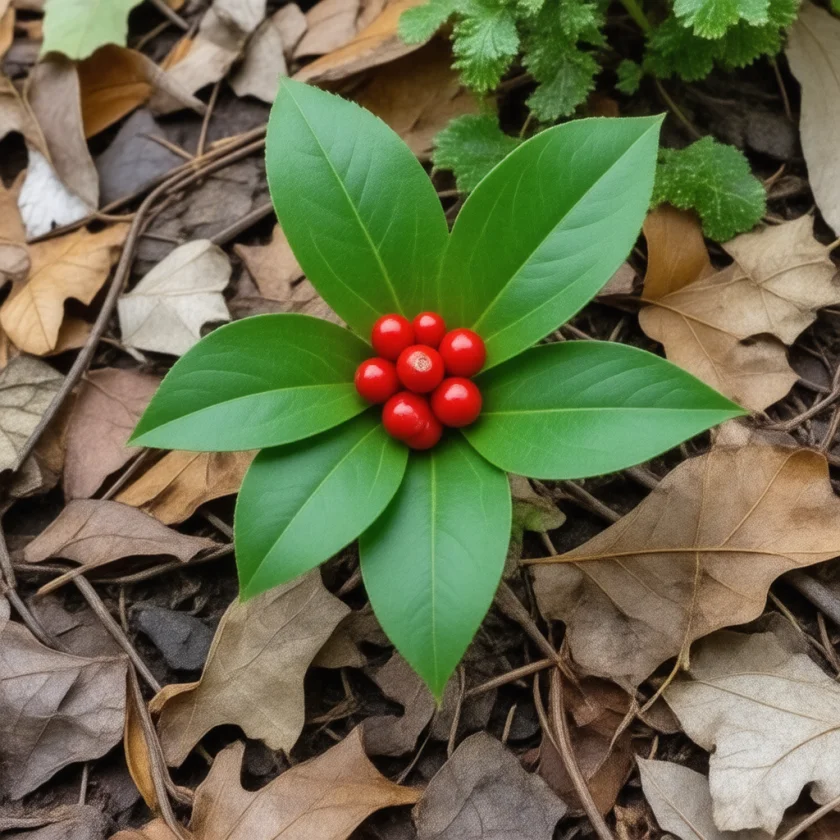
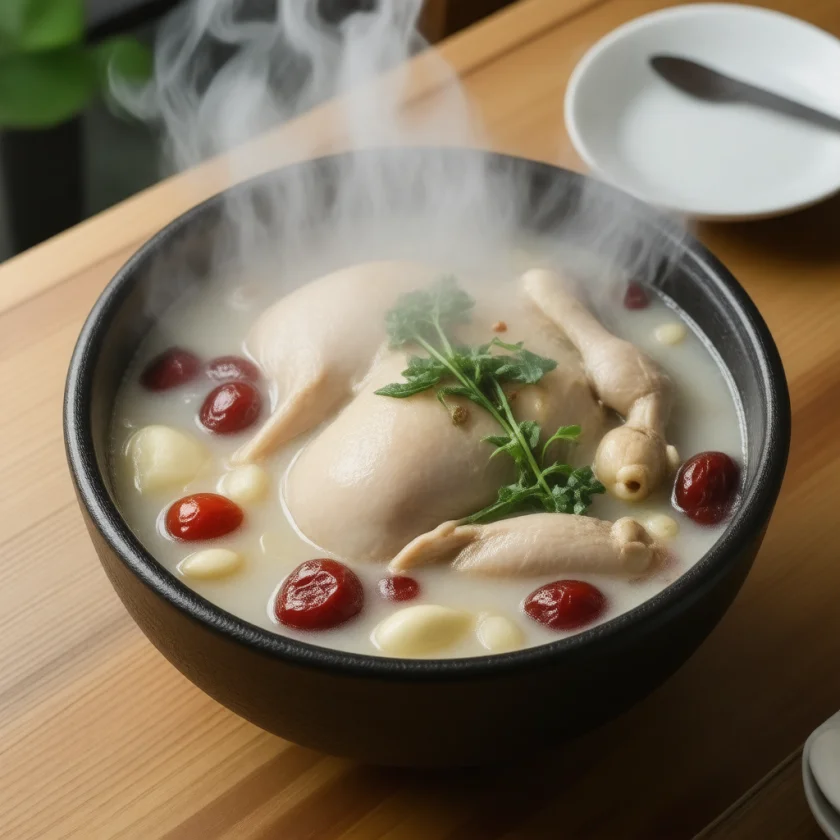
Ginseng is the most-studied adaptogen in the world, with roughly 2,000 years of traditional Chinese and Korean medicinal use and several thousand modern PubMed-indexed papers. The genus name Panax derives from the Greek panakeia ("all-healing"), the same root as the English word panacea. Two species dominate the clinical literature: Panax ginseng (Korean or Asian ginseng, traditionally classified as "warming") and Panax quinquefolius (American ginseng, classified as "cooling"). Both contain a class of triterpene saponins called ginsenosides — Rb1, Rg1, Rg3, Rh1, and ~30 others — but in different ratios that produce subtly different clinical profiles. Four benefit pages below explore the conditions where ginseng has the strongest randomized-trial support: cancer-related and chronic fatigue, working-memory and cognitive function, immune defense against influenza, and erectile dysfunction.
Deep-Dive Articles
Energy & Fatigue
The Korean-warming versus American-cooling distinction in traditional pharmacology, the Rg1/Rb1 ginsenoside ratio as the molecular basis for "stimulating" versus "calming" preparations, the Barton 2013 multisite trial of Wisconsin-grown American ginseng for cancer-related fatigue (364 people with cancer at 40 institutions took 2,000 mg/day or a placebo for 8 weeks; at 4 weeks the fatigue-score change was 14.4 points versus 8.2, not a clear difference (P = .07); at 8 weeks it was 20 points versus 10.3, a clear difference (P = .003); people still on cancer treatment gained more; side effects did not differ between the groups), chronic fatigue syndrome trials, and the mitochondrial bioenergetics mechanism.
Read the deep dive →Cognitive Function
The Reay 2005 and 2010 University of Northumbria trials on working memory and mental fatigue, a Korean red ginseng cognition study in healthy adults, the ginsenoside-acetylcholine link, Alzheimer's preclinical work on amyloid-beta clearance and microglial modulation, and the practical distinction between Asian ginseng (more activating) and American ginseng (gentler, smoother) for daytime cognitive support.
Read the deep dive →Immune & Antiviral
The Scaglione 1996 influenza-prophylaxis trial of a standardized Panax ginseng extract (227 adults at 3 practices in Milan took 100 mg/day or a placebo for 12 weeks, with a flu shot at week 4; flu or colds between weeks 4 and 12: 15 cases versus 42; average antibody titres by week 8: 272 units versus 171; natural killer cell activity nearly twice as high; only 9 adverse events in the study, the main one insomnia), natural killer cell activation, ginseng-flu-vaccine adjuvant trial design, the trials of a standardized North American ginseng extract (CVT-E002) in elderly populations, and the macrophage/dendritic-cell signaling pathways activated by Rg1 and Rb1.
Read the deep dive →Erectile Function
The Hong 2002 Korean Red Ginseng (KRG) erectile dysfunction trial (45 men in a crossover design, 8 weeks on each treatment, 900 mg three times daily; the average International Index of Erectile Function (IIEF) score was 38.1 on red ginseng versus 30.9 on placebo, and 60% of the men said red ginseng improved their erections), the de Andrade 2007 confirmation trial, the nitric oxide synthesis enhancement mechanism (penile NO production restored via endothelial eNOS upregulation), how KRG compares to PDE5 inhibitors (sildenafil and tadalafil), and the amounts used in the trials and how product quality varies.
Read the deep dive →Table of Contents
- Deep-Dive Articles
- Why Ginseng Produces Effects Across So Many Systems
- Research Papers: Energy & Fatigue
- Research Papers: Cognitive Function
- Research Papers: Immune & Antiviral
- Research Papers: Erectile Function
- Research Papers: Cross-Cutting (Ginsenosides, Adaptogen Mechanism, Safety)
- External Authoritative Resources
- Connections
- Featured Videos
Why Ginseng Produces Effects Across So Many Systems
Most single-ingredient herbal supplements act through one principal mechanism — a specific receptor antagonism, a particular enzyme inhibition, or a single antioxidant action. Ginseng is unusual because its ~30 active ginsenosides hit at least five distinct biological systems simultaneously, which is precisely why it qualifies as a true adaptogen (a substance that helps the body adapt to and recover from a wide variety of stressors). Each of these five mechanisms maps to a different category of clinical effect.
- Hypothalamic-pituitary-adrenal-axis modulation (cortisol curve normalization) — ginsenosides Rb1 and Rg1 act on the hypothalamic-pituitary-adrenal axis to normalize an over-active or under-active cortisol response. Chronically stressed individuals show flattened or inverted diurnal cortisol curves; ginseng supplementation restores a more normal morning-peak-evening-trough pattern. This is the underlying mechanism for the energy and fatigue effects and the general "stress resilience" attribution.
- Cholinergic signaling (acetylcholine in the brain) — multiple ginsenosides increase acetylcholine release in hippocampal and cortical synapses, increase choline uptake, and inhibit acetylcholinesterase to a modest degree. Acetylcholine is the dominant neurotransmitter for attention, working memory, and learning, which is the mechanistic basis for the cognitive function effects documented in the Reay trials and a Korean red ginseng cognition study.
- Nitric oxide (NO) synthesis enhancement — ginsenosides Rg1 and Rg3 upregulate endothelial nitric oxide synthase (eNOS) and protect endothelial cells from oxidative damage. Nitric oxide is the principal vasodilator in the corpus cavernosum, which is the proximate mechanism for the erectile function effects documented in the Hong 2002 and de Andrade 2007 trials. The same NO mechanism contributes to ginseng's modest blood-pressure-lowering and exercise-tolerance effects.
- Immune modulation (natural killer (NK) cells, macrophages, T-cell function) — ginsenosides modulate innate and adaptive immunity through multiple pathways: increased natural killer (NK) cell cytotoxicity, increased macrophage phagocytosis, upregulated cytokine production (IL-2, IFN-gamma), and enhanced antibody response to vaccination. This is the basis for the immune and antiviral effects, including the Scaglione 1996 influenza-prophylaxis trial of a standardized Panax ginseng extract.
- Mitochondrial bioenergetics — ginsenosides Rg1 and Rb1 cross into mitochondria and increase the activity of complexes I and IV of the electron transport chain, increase adenosine triphosphate (ATP) production, and reduce oxidative damage to mitochondrial DNA. This mechanism contributes to both the cancer-related and chronic fatigue effects (fatigue syndromes are now understood to be substantially mitochondrial) and the broader anti-aging attribution.
The species and preparation matter. Panax ginseng (Korean or Asian, especially the steamed "red ginseng" form, KRG) has a higher Rg1 content and is traditionally classified as warming and stimulating — traditionally used when low energy, low libido, or sluggish thinking is the main complaint. Panax quinquefolius (American ginseng) has a higher Rb1 content and is traditionally classified as cooling and calming — traditionally used for fatigue with anxiety, sleep disturbance, or "heat" symptoms. Modern preclinical work has largely validated this traditional distinction at the molecular level: Rg1 is the more stimulant-like ginsenoside, Rb1 the more sedative-like. In traditional practice, the anxious person with poor sleep is matched to American ginseng, while much of the older trial literature tested Korean red ginseng. A practical implication is that an anxious patient with insomnia may do better on American ginseng than on the Korean red ginseng that older trial literature emphasizes.
The therapeutic complication is interaction with prescription medications. Ginseng (both species) can lower blood glucose, lower blood pressure modestly, and potentiate stimulant effects of caffeine. Most consequentially, a 2004 randomized trial in 20 healthy volunteers found that American ginseng reduced warfarin's anticoagulant effect (it lowered the international normalized ratio, INR, and the blood level of warfarin); that trial tested American ginseng only. High-dose ginseng with monoamine oxidase inhibitors (rare but used in refractory depression) has produced manic episodes in case reports. Insomnia was the main side effect in the Scaglione 1996 trial (the principal one of only 9 adverse events), and practitioners describe the Korean red form as more likely to disrupt sleep than American ginseng.
How large the fatigue evidence is: a 2018 systematic review (Arring and colleagues) searched four research databases for studies in which people with fatigue took Asian or American ginseng and rated their fatigue themselves. Only 10 studies qualified. The review found a low risk of adverse events and “modest evidence” that ginseng helps fatigue, and it called for stronger, better-designed studies in more varied groups of people before ginseng is adopted as a standard treatment for fatigue.
Research Papers: Energy & Fatigue
- Barton DL et al. (2013). Wisconsin Ginseng (Panax quinquefolius) to improve cancer-related fatigue: a randomized, double-blind trial, N07C2. J Natl Cancer Inst 105(16):1230-8 — PubMed PMID: 23853057
- Kim HG et al. (2013). Antifatigue effects of Panax ginseng C.A. Meyer: a randomised, double-blind, placebo-controlled trial in idiopathic chronic fatigue — PubMed: Kim ginseng chronic fatigue
- Arring NM, Millstine D, Marks LA, Nail LM (2018). Ginseng as a Treatment for Fatigue: A Systematic Review. J Altern Complement Med 24(7):624-633 — PubMed PMID: 29624410
- Ginsenoside Rg1 and Rb1 ratio in Asian vs American ginseng (HPLC characterization) — PubMed: Rg1/Rb1 species ratio
- Korean red ginseng and mitochondrial bioenergetics — PubMed: KRG mitochondrial function
- Ginseng and adrenal cortisol response (HPA-axis modulation) — PubMed: Ginseng and cortisol
- Ginseng for cancer-related fatigue meta-analysis — PubMed: Cancer fatigue meta-analysis
- Ginseng exercise performance and physical endurance trials — PubMed: Ginseng exercise performance
- American ginseng (Panax quinquefolius) for cancer fatigue Mayo Clinic trial — PubMed: Mayo American ginseng
- Rg1 ginsenoside and mitochondrial complex I activity — PubMed: Rg1 mitochondria
Research Papers: Cognitive Function
- Reay JL et al. (2005). Single doses of Panax ginseng (G115) reduce blood glucose levels and improve cognitive performance during sustained mental activity. J Psychopharmacol 19(4):357-65 — PubMed PMID: 15982990
- Reay JL, Scholey AB, Kennedy DO (2010). Panax ginseng (G115) improves aspects of working memory performance and subjective ratings of calmness in healthy young adults. Hum Psychopharmacol 25(6):462-71 — PubMed PMID: 20737519
- Heo JH, Lee ST, Oh MJ, Park HJ, Shim JY, Chu K, Kim M (2011). Improvement of cognitive deficit in Alzheimer's disease patients by long term treatment with korean red ginseng. J Ginseng Res 35(4):457-61 — PubMed PMID: 23717092
- Ginsenoside Rg1 and acetylcholine release in hippocampus — PubMed: Rg1 and acetylcholine
- Korean red ginseng cognition trials in healthy adults — PubMed: Korean red ginseng cognition in healthy adults
- Ginseng and Alzheimer disease preclinical mechanism: amyloid beta clearance — PubMed: Ginseng amyloid clearance
- Ginsenoside Rb1 neuroprotection and synaptic plasticity — PubMed: Rb1 neuroprotection
- American ginseng (Panax quinquefolius) and working memory in healthy young adults — PubMed: American ginseng cognition
- Ginseng meta-analysis for cognitive function in healthy and impaired adults — PubMed: Cognition meta-analysis
- Ginsenosides and microglial neuroinflammation modulation — PubMed: Ginsenoside microglia
Research Papers: Immune & Antiviral
- Scaglione F, Cattaneo G, Alessandria M, Cogo R (1996). Efficacy and safety of the standardised Ginseng extract G115 for potentiating vaccination against the influenza syndrome and protection against the common cold. Drugs Exp Clin Res 22(2):65-72 — PubMed PMID: 8879982
- Predy GN et al. (2005). Efficacy of an extract of North American ginseng (CVT-E002) in preventing upper respiratory tract infections — PubMed: Predy CVT-E002 URI
- McElhaney JE et al. (2004). A placebo-controlled trial of a proprietary extract of North American ginseng (CVT-E002) to prevent acute respiratory illness in institutionalized older adults — PubMed: McElhaney elderly CVT-E002
- Ginseng and natural killer (NK) cell activation — PubMed: Ginseng NK cells
- Ginsenoside Rg1 and macrophage activation — PubMed: Rg1 macrophages
- Korean red ginseng polysaccharides and immunomodulation — PubMed: KRG polysaccharides
- Ginseng as influenza vaccine adjuvant: antibody titer enhancement — PubMed: Ginseng vaccine adjuvant
- Ginseng and respiratory syncytial virus (RSV) preclinical — PubMed: Ginseng RSV
- Ginsenoside Rb1 and dendritic cell function — PubMed: Rb1 dendritic cells
- Ginseng cold and flu Cochrane systematic review — PubMed: Cochrane ginseng flu
Research Papers: Erectile Function
- Hong B, Ji YH, Hong JH, Nam KY, Ahn TY (2002). A double-blind crossover study evaluating the efficacy of korean red ginseng in patients with erectile dysfunction: a preliminary report. J Urol 168(5):2070-3 — PubMed PMID: 12394711
- de Andrade E et al. (2007). Study of the efficacy of Korean red ginseng in the treatment of erectile dysfunction — PubMed: de Andrade 2007 KRG ED
- Jang DJ et al. (2008). Red ginseng for treating erectile dysfunction: a systematic review — PubMed: Jang systematic review ED
- Ginsenoside Rg1 and endothelial nitric oxide synthase (eNOS) upregulation — PubMed: Rg1 eNOS
- Korean red ginseng and corpus cavernosum smooth muscle relaxation — PubMed: KRG cavernosum
- Ginseng vs sildenafil for erectile dysfunction comparison — PubMed: Ginseng vs sildenafil
- Ginseng IIEF-5 (International Index of Erectile Function) outcomes — PubMed: Ginseng IIEF
- Korean red ginseng for menopausal sexual function in women — PubMed: KRG women sexual function
- Ginseng and testosterone / luteinizing hormone in men — PubMed: Ginseng testosterone
- Ginseng sperm quality and male fertility trials — PubMed: Ginseng sperm quality
Research Papers: Cross-Cutting (Ginsenosides, Adaptogen Mechanism, Safety)
- Ginsenoside biosynthesis and classification (protopanaxadiol vs protopanaxatriol) — PubMed: Ginsenoside classification
- Steamed (red) vs unsteamed (white) ginseng: Rg3 generation by steaming — PubMed: Red vs white ginseng
- Adaptogen definition (Brekhman and Dardymov, Panossian update) — PubMed: Adaptogen definition
- Yuan CS, Wei G, Dey L, Karrison T, Nahlik L, Maleckar S, Kasza K, Ang-Lee M, Moss J (2004). Brief communication: American ginseng reduces warfarin's effect in healthy patients: a randomized, controlled Trial. Ann Intern Med 141(1):23-7 — PubMed PMID: 15238367
- Ginseng safety review: adverse events meta-analysis — PubMed: Ginseng safety meta-analysis
- Ginseng and blood glucose / type 2 diabetes trials — PubMed: Ginseng diabetes
- Ginseng and blood pressure meta-analysis — PubMed: Ginseng blood pressure
- Ginsenoside pharmacokinetics and gut microbial deglycosylation (compound K formation) — PubMed: Ginsenoside pharmacokinetics
- Ginseng quality control: marker ginsenoside content variability by source — PubMed: Ginseng quality control
- Panax ginseng vs Panax quinquefolius pharmacology comparative review — PubMed: Asian vs American ginseng
External Authoritative Resources
- U.S. National Center for Complementary and Integrative Health (NCCIH) (U.S. National Institutes of Health, NIH) — Asian Ginseng — the National Center for Complementary and Integrative Health summary, regularly updated
- U.S. National Center for Complementary and Integrative Health — Asian Ginseng: What the Science Says (clinical-trial evidence summary)
- MedlinePlus — Panax Ginseng (dosing, drug interactions, side effects)
- MedlinePlus — American Ginseng (Panax quinquefolius specifically)
- Memorial Sloan Kettering Cancer Center — Asian Ginseng (oncology-focused evidence and interactions)
- PubMed — All research on Panax ginseng (~10,000+ papers)