⚠ Evidence warning: Clinical trials or other evidence do not support the claim that eating beets protects the human liver from medicines, alcohol, viral hepatitis and industrial chemicals. This page keeps it as a report of what people, websites or other media say.
Beets for Liver Phase 2 Support
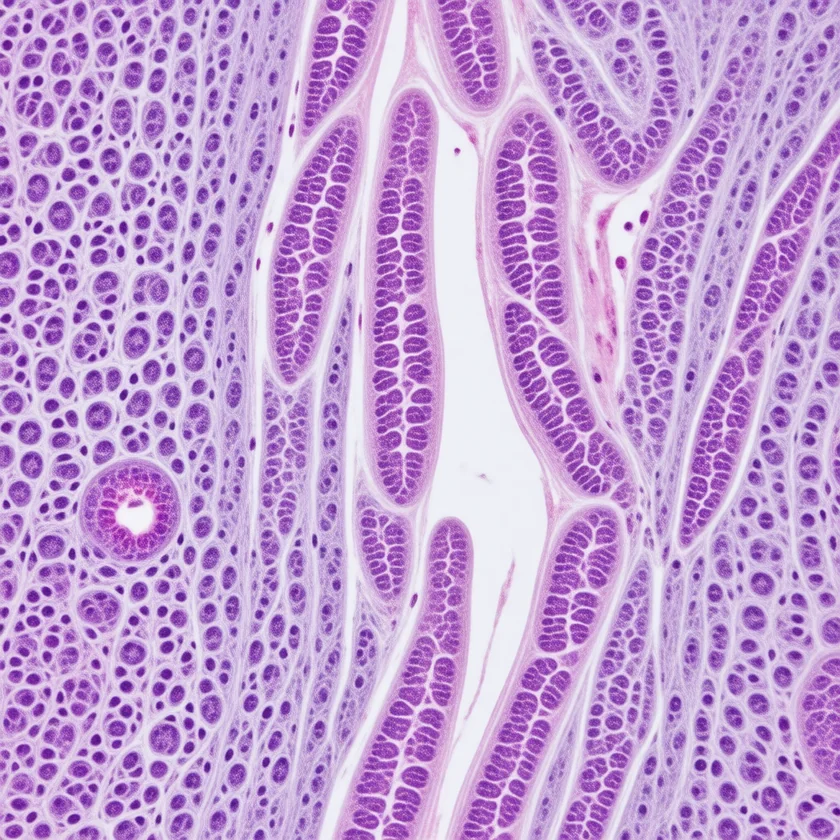
Beets support hepatic detoxification through two distinct, complementary mechanisms. First, the betalain pigments — particularly betanin — activate the Nrf2/Keap1 antioxidant response pathway in liver cells in the laboratory, the pathway that controls the canonical phase 2 detoxification enzymes (glutathione S-transferase, nicotinamide adenine dinucleotide (phosphate) quinone dehydrogenase 1 (NQO1), heme oxygenase-1, glutamate-cysteine ligase) that conjugate and excrete electrophilic xenobiotics. Second, beets are among the densest dietary sources of betaine (trimethylglycine), a methyl donor that supports the betaine-homocysteine methyltransferase (BHMT) pathway, lowers homocysteine, and protects against hepatic steatosis in animal studies. Rodent studies show that red-beetroot drinks reduce carbon-tetrachloride liver damage in rats, and that purified betaine reduces diet-induced fatty liver in mice. This page walks through the Nrf2 mechanism, the BHMT/methyl-donor pathway, the experimental and clinical evidence, and how beets have been studied for liver health.
Table of Contents
- Phase 1 vs Phase 2 — A Quick Detoxification Primer
- The Nrf2/Keap1 Antioxidant Response Pathway
- Betanin as an Nrf2 Activator
- The Phase 2 Enzymes Induced by Betalain
- Betaine as a Methyl Donor — The BHMT Pathway
- Protection Against Non-Alcoholic Fatty Liver Disease and Hepatic Steatosis
- Animal Models — APAP, CCl4, and High-Fat Diet
- How Beets Have Been Studied for Liver Health
- Cautions and Drug Interactions
- Key Research Papers
- Connections
- Featured Videos
Phase 1 vs Phase 2 — A Quick Detoxification Primer
The liver processes xenobiotics (foreign chemicals, drugs, pollutants, hormones for clearance, endogenous waste) through a two-phase enzymatic system. Phase 1 is dominated by the cytochrome P450 superfamily of monooxygenase enzymes (CYP1A2, CYP2D6, CYP3A4, and dozens of others), which add a polar functional group (typically a hydroxyl) to the lipophilic xenobiotic via oxidation, reduction, or hydrolysis. Phase 1 makes the compound more water-soluble but in many cases produces a reactive intermediate that is more toxic than the parent compound.
Phase 2 then takes that reactive intermediate and conjugates it with a hydrophilic endogenous molecule — glucuronic acid, sulfate, glycine, taurine, glutathione, or methyl groups. The resulting conjugate is highly water-soluble and is excreted in bile or urine. The major phase 2 enzyme families are:
- Glutathione S-transferases (GSTs) — conjugate glutathione (reduced glutathione, GSH) to electrophilic carbon atoms, the workhorse pathway for clearing reactive oxidative metabolites
- Uridine diphosphate (UDP)-glucuronosyltransferases (UGTs) — conjugate glucuronic acid, the major pathway for steroid hormone clearance and many drug metabolites
- Sulfotransferases (SULTs) — conjugate sulfate, important for catecholamine and steroid metabolism
- N-acetyltransferases (NATs) — conjugate acetate, important for aromatic amine clearance
- Methyltransferases (catechol-O-methyltransferase (COMT), thiopurine methyltransferase (TPMT), others) — transfer methyl groups, important for catecholamine inactivation and many drug metabolisms
The critical clinical reality is that phase 2 capacity is often the rate-limiting step. When phase 1 produces reactive intermediates faster than phase 2 can conjugate them, the intermediates accumulate, react with proteins, lipids, and DNA, and cause hepatotoxicity. Acetaminophen overdose is the classic example — cytochrome P450 2E1 (CYP2E1) produces NAPQI (N-acetyl-p-benzoquinone imine) faster than GST can conjugate it with glutathione, glutathione stores are depleted, and free NAPQI causes massive hepatocyte necrosis. N-acetylcysteine (NAC), the standard antidote, works by restoring glutathione substrate availability for GST.
Anything that upregulates phase 2 enzymes — increases their expression levels in liver and other tissues — improves the safety margin between phase 1 metabolism and conjugation. This is the rationale behind broccoli sprouts (sulforaphane), cruciferous vegetables (indole-3-carbinol), green tea (epigallocatechin gallate, EGCG), turmeric (curcumin), and as we will see, beets (betalain pigments and betaine).
The Nrf2/Keap1 Antioxidant Response Pathway
The master transcriptional regulator of phase 2 enzyme induction is Nrf2 (Nuclear factor erythroid 2–related factor 2), a basic leucine-zipper transcription factor that binds to the antioxidant response element (ARE) consensus sequence in the promoters of more than 200 cytoprotective genes. Under basal conditions, Nrf2 is bound in the cytoplasm by its negative regulator Keap1 (Kelch-like ECH-associated protein 1), which targets Nrf2 for ubiquitination and proteasomal degradation. This keeps cellular Nrf2 levels low when stress is absent.
When the cell encounters oxidative or electrophilic stress, the reactive species modify critical cysteine residues on Keap1 (Cys151, Cys273, Cys288 in human Keap1). The modification disrupts the Keap1-Nrf2 interaction, Nrf2 escapes degradation, and free Nrf2 accumulates and translocates to the nucleus. There it heterodimerizes with small Maf proteins and binds ARE sequences in target gene promoters, inducing transcription of the canonical phase 2 / antioxidant response gene set.
Many phytochemicals work as Nrf2 activators through the same general mechanism: they are electrophiles that covalently modify Keap1 cysteine residues, releasing Nrf2 from degradation. Sulforaphane (the active broccoli-sprout phytochemical) and curcumin are the most-studied examples. The remarkable thing about Nrf2 activators is that they cause cells to mount a much larger antioxidant defense than the small initial insult would justify — the hormetic principle. A small electrophilic insult primes the cell to handle much larger future insults.
Betanin as an Nrf2 Activator
Betanin (the dominant betacyanin pigment of red beets) was identified as an Nrf2 activator in human liver cell lines by Krajka-Kuźniak and colleagues in a 2013 British Journal of Nutrition paper. The study used two cell lines: non-tumour THLE-2 liver cells and hepatoma-derived HepG2 cells. In both, betanin at 2, 10 and 20 μM moved Nrf2 from the cytosol into the nucleus. Only in the non-tumour THLE-2 cells did betanin also raise Nrf2 binding to its antioxidant response element targets and significantly increase the mRNA and protein levels of GSTP, GSTT, GSTM and NQO1; in the HepG2 cells it did not change any of the other measures. The authors suggest that activation of mitogen-activated protein kinases may be responsible for the Nrf2 activation in the THLE-2 cells.
The exact mechanism by which betanin activates Nrf2 is not fully established. Betanin has a 1,7-diazaheptamethine chromophore with an electron-rich indoline ring system. It could be acting as a direct electrophile on Keap1 cysteines, or it could be generating an indirect signal through partial oxidation to a more reactive intermediate. The functional consequence — Nrf2 activation and phase 2 enzyme induction — is what the 2013 study found in non-tumour liver cells, though not in the hepatoma cells.
Importantly, the induction is dose-dependent in a hormetic manner: low to moderate doses of betanin induce cytoprotection, while very high doses can be pro-oxidant. The clinical implication is that the food-source dose of beets (one to two whole beets, or one cup of beetroot juice per day) is squarely in the cytoprotective range. On the same reasoning, very large doses of isolated betanin extract would not be expected to add benefit and could be counterproductive.
The Phase 2 Enzymes Induced by Betalain
The canonical Nrf2 target gene set is listed below. In the 2013 betanin cell study, the ones betanin significantly increased were GSTP, GSTT, GSTM and NQO1, in non-tumour liver cells only:
- Glutathione S-transferase (GST) — conjugates glutathione to electrophilic carbon atoms on xenobiotic metabolites. In the betanin study, GSTP, GSTT and GSTM were induced (in non-tumour liver cells); GSTA was measured but is not among those reported as raised. This is the dominant pathway for clearing the reactive intermediates of phase 1 metabolism, including the acetaminophen reactive metabolite NAPQI.
- NAD(P)H quinone dehydrogenase 1 (NQO1) — two-electron reduction of quinones to hydroquinones, bypassing the more dangerous one-electron reduction that generates semiquinone radicals. NQO1 is the workhorse for clearing endogenous quinones (catecholamine quinones, ubiquinone redox cycling) and environmental quinones.
- Heme oxygenase-1 (HO-1) — degrades heme to biliverdin, releasing iron and carbon monoxide. The downstream products (biliverdin, bilirubin, CO) have potent anti-inflammatory and cytoprotective effects. HO-1 is one of the most stress-responsive genes in the genome and is strongly induced by Nrf2 activators; it was measured in the 2013 betanin study but is not among the enzymes reported as raised.
- Glutamate-cysteine ligase (GCL, both catalytic and modifier subunits) — the rate-limiting enzyme in glutathione biosynthesis. Induction of GCL is the primary mechanism by which Nrf2 activators raise intracellular glutathione stores, providing more substrate for GST and direct antioxidant defense.
- Thioredoxin reductase 1 (TXNRD1) and thioredoxin (TXN) — the second major intracellular reducing system after glutathione, responsible for keeping cellular proteins in their reduced functional state.
- Glutathione peroxidase (GPX) — enzymatically reduces hydrogen peroxide and lipid peroxides using glutathione as cofactor
- Catalase — reduces hydrogen peroxide to water and oxygen
The collective effect of inducing this gene set is that the hepatocyte (or any other cell expressing Nrf2 targets) becomes more resistant to oxidative and electrophilic insult. Cellular glutathione levels rise, conjugation capacity increases, and the reactive intermediates of phase 1 metabolism are cleared faster.
Betaine as a Methyl Donor — The BHMT Pathway
Beyond the betalain pigments, beets contain unusually high concentrations of betaine (also called trimethylglycine, TMG). At 114–297 mg per 100 g of fresh beet, the root is among the densest dietary sources, second only to wheat germ and quinoa. Betaine has a separate and complementary role in liver biochemistry as a methyl donor.
One-carbon (methyl-group) metabolism is central to liver biochemistry. The amino acid methionine, activated to S-adenosylmethionine (SAM or SAMe), is the universal methyl donor for hundreds of methyltransferase reactions including phosphatidylethanolamine N-methyltransferase (PEMT, which produces phosphatidylcholine), guanidinoacetate methyltransferase (producing creatine), DNA methyltransferases (epigenetic regulation), histone methyltransferases, and the catechol-O-methyltransferases that inactivate catecholamines.
After donating its methyl group, SAM becomes S-adenosylhomocysteine (SAH), which is hydrolyzed to homocysteine. Homocysteine must be remethylated back to methionine (or transsulfurated to cysteine for glutathione synthesis) or it accumulates and becomes cytotoxic. There are two parallel remethylation pathways:
- The folate/B12-dependent pathway — methionine synthase uses 5-methyl-tetrahydrofolate (the active circulating folate) and vitamin B12 as cofactor to transfer a methyl group to homocysteine, regenerating methionine. This is the dominant pathway in most tissues.
- The betaine-homocysteine methyltransferase (BHMT) pathway — uses betaine as the methyl donor, producing methionine and dimethylglycine (DMG). BHMT is expressed primarily in liver and kidney; it is the redundant backup pathway that becomes critical when folate or B12 are limited, when SAM demand is high, or when the folate-cycle is impaired by genetic polymorphisms.
Dietary betaine intake directly feeds the BHMT pathway. In healthy volunteers with normal homocysteine, supplemental betaine lowers fasting plasma homocysteine dose-dependently, by up to 20% at 6 g a day; betaine doses in the range of dietary intake also lower homocysteine, and food supplies an estimated 0.5–2 g of betaine a day (Olthof and Verhoef, 2005). A 2013 meta-analysis by McRae pooled 5 randomized placebo-controlled trials in which healthy adults took at least 4 g of betaine a day for 6 to 24 weeks: plasma homocysteine fell by 1.23 µmol/L (95% confidence interval −1.61 to −0.85).
The clinical significance of lowering homocysteine has been debated. Genetic studies (Mendelian randomization) suggest a causal role for moderately elevated homocysteine in cardiovascular and cerebrovascular disease, but trials of supplemental folate and B12 alone have failed to clearly reduce cardiovascular events. Betaine adds a parallel pathway that may help in patients with genetic folate-cycle impairments (methylenetetrahydrofolate reductase (MTHFR) C677T or A1298C polymorphisms), but is not a universal hypertension or cardiovascular intervention.
Protection Against Non-Alcoholic Fatty Liver Disease and Hepatic Steatosis
Non-alcoholic fatty liver disease (NAFLD) is the most prevalent liver condition in developed countries, affecting roughly 25% of adults in the United States. The disease spectrum runs from simple steatosis (fat accumulation in hepatocytes) through non-alcoholic steatohepatitis (NASH, with inflammation and hepatocyte injury) to fibrosis and cirrhosis. The driving mechanisms include insulin resistance, lipotoxic free fatty acid accumulation, mitochondrial dysfunction, oxidative stress, and chronic low-grade hepatic inflammation.
The names changed in 2023. In a consensus process led by three large pan-national liver associations, 236 panellists from 56 countries chose metabolic dysfunction-associated steatotic liver disease (MASLD) to replace non-alcoholic fatty liver disease, defined by liver fat plus at least 1 of 5 cardiometabolic risk factors. A new category, metabolic and alcohol related/associated liver disease (MetALD), describes people with metabolic dysfunction-associated steatotic liver disease who drink more alcohol: 140–350 g a week for women and 210–420 g a week for men. The studies on this page use the older names.
Betaine has direct anti-steatotic effects through multiple mechanisms. First, betaine supports phosphatidylcholine synthesis via the methylation of phosphatidylethanolamine to phosphatidylcholine by PEMT. Phosphatidylcholine is essential for the assembly and secretion of very-low-density lipoprotein (VLDL) from the hepatocyte. Without adequate phosphatidylcholine, fat that the hepatocyte synthesizes cannot be exported as very-low-density lipoprotein and instead accumulates as intracellular triglyceride droplets — the hallmark of steatosis.
Second, betaine has osmolyte properties. It accumulates in hepatocytes (and many other cell types) and stabilizes protein conformation under osmotic and oxidative stress. This is the same mechanism by which kidney inner medullary cells use betaine to survive the extreme osmotic gradient of urinary concentration.
Third, the methyl-donor role of betaine maintains SAM-mediated methylation of regulatory proteins involved in lipid metabolism, including various transcription factors that control fatty acid oxidation and de novo lipogenesis.
Animal studies of betaine in non-alcoholic fatty liver disease models consistently show reduced hepatic triglyceride, improved liver enzymes, and reduced fibrosis markers. In a 2010 study in the American Journal of Physiology — Gastrointestinal and Liver Physiology, Kathirvel and colleagues fed male mice a moderately high-fat diet (20% of calories from fat) for 7 or 8 months, with or without purified betaine. Betaine reduced fasting glucose, insulin, triglycerides and liver fat, and when given only for the last 6 weeks it still significantly improved insulin resistance and fatty liver. The authors concluded that betaine reverses liver insulin resistance “in part by increasing the activation of IRS1” (insulin receptor substrate 1), improving the signalling pathways downstream of it. The study used purified betaine, not beets. Human trials have been smaller and mixed. In the one placebo-controlled biopsy trial, 55 people with biopsy-proven non-alcoholic steatohepatitis took 20 g of betaine a day or placebo for 12 months (35 completed it). Compared with placebo, betaine “did not improve hepatic steatosis but may protect against worsening steatosis”; the non-alcoholic fatty liver disease activity score and fibrosis stage did not change, and the authors wrote that “translating novel therapeutic options noted in animal studies to humans with NASH will prove challenging.” Overall, the conservative summary is that betaine appears to be helpful as part of a comprehensive non-alcoholic fatty liver disease management approach but is not a stand-alone treatment.
The combination of Nrf2 activation (from betalain pigments) and methyl-donor support (from betaine) means that a serving of beets simultaneously upregulates antioxidant and conjugation defenses while supporting the methylation pathways needed for hepatic lipid export. The two mechanisms are complementary and would not be expected from a single phytochemical class.
Animal Models — APAP, CCl4, and High-Fat Diet
The protective effect of beetroot in liver-toxicity models has been demonstrated across multiple animal systems:
- Acetaminophen (APAP) hepatotoxicity — a proposed protective use that rests on the Nrf2 activation pathway described above: pre-induction of phase 2 enzymes would, in theory, allow faster clearance of NAPQI before it depletes glutathione.
- Carbon tetrachloride (CCl4) hepatotoxicity — CCl4 is the classical research-model hepatotoxin, producing centrilobular necrosis through cytochrome P450 2E1-mediated generation of trichloromethyl radicals. Multiple rodent studies have shown that beetroot juice or betalain extract pre-treatment reduces CCl4-induced hepatocellular damage as measured by liver enzymes, lipid peroxidation markers, and histology. In one 2019 study, red-beetroot drinks (8 ml/kg body weight a day for 8 weeks) given to rats with CCl4 liver stress lowered lipid peroxidation in the liver by 27–32%, raised superoxide dismutase by 25–28% and catalase by 21–24%, and reduced liver injury by 19–26% as measured by blood markers.
- High-fat diet-induced non-alcoholic fatty liver disease — betaine feeding in high-fat-diet models reduces hepatic triglyceride accumulation, improves insulin sensitivity, and reduces non-alcoholic fatty liver disease activity score. The 2010 mouse study by Kathirvel and colleagues described above (purified betaine, not beets) is the most thorough mechanistic study.
- Aflatoxin B1 hepatocarcinogenesis — aflatoxin B1 is a cytochrome P450 3A4 substrate metabolized to a DNA-damaging epoxide. GST-mediated conjugation is the primary detoxification route. Beetroot feeding increases GST activity in rodent liver and reduces aflatoxin-DNA adduct formation in cell models.
- Esophageal carcinogenesis model — Lechner and colleagues (2010, Journal of Medicinal Food) showed that drinking water containing red beetroot food color antagonized esophageal carcinogenesis in N-nitrosomethylbenzylamine-treated rats. This is a chemoprevention model showing that betalain pigments at dietary concentrations have measurable anti-carcinogenic effect.
Translation to human clinical trials remains limited — the cardiovascular and athletic-endurance applications have far more human trial data than the hepatoprotection application. The mechanistic case is strong, but definitive human randomized controlled trials (RCTs) in non-alcoholic fatty liver disease or other liver conditions are not yet available.
A 2023 randomized trial did test beetroot juice itself. 180 adults aged 19 to 73 with non-alcoholic fatty liver disease were split into four groups for 12 weeks: control, beetroot juice, a Mediterranean diet, or the Mediterranean diet with beetroot juice. Bilirubin, alkaline phosphatase (ALP), alanine transaminase (ALT), cholesterol, triglycerides and low-density lipoprotein fell significantly in all three active groups, and high-density lipoprotein rose. The authors reported a significant reduction in hepatic steatosis in the two groups given beetroot juice. It is a single trial, and the liver fat was judged by ultrasound, not biopsy.
How Beets Have Been Studied for Liver Health
Beets are described as a complementary food in liver support rather than a stand-alone hepatoprotectant. The uses proposed for them, and what stands behind each, are:
- Non-alcoholic fatty liver disease / non-alcoholic steatohepatitis adjunct nutrition — the amounts described are one to two servings of beets per day (one whole roasted beet or one cup of beet juice) as part of a Mediterranean or low-carbohydrate dietary pattern, alongside other Nrf2-activating foods (broccoli sprouts, turmeric, green tea), on the theory that their effects add up. The other nutritional measures commonly described for non-alcoholic fatty liver disease are weight loss of 7–10% of body weight, coffee 2–4 cups per day, omega-3 from fatty fish, and vitamin E in non-diabetic biopsy-confirmed non-alcoholic steatohepatitis. In the 2023 beetroot-juice trial described above, the Mediterranean diet alone also lowered liver enzymes.
- Pre-medication for known hepatotoxic agents — regular beet intake has been proposed, as part of a phase-2-supportive diet, for people undergoing chemotherapy with hepatotoxic agents, methotrexate therapy or isoniazid therapy, or who use acetaminophen long term. The mechanism is plausible but the clinical magnitude is unproven.
- Recovery from acute viral hepatitis — the Nrf2-supportive nutrient pattern (including beets) is proposed to help restore hepatic antioxidant defenses and glutathione stores once acute inflammation is settling. The idea rests on the cell and animal work above.
- Methylenetetrahydrofolate reductase polymorphisms with elevated homocysteine — added betaine, through the BHMT bypass pathway, is described as a way to lower homocysteine in people with the methylenetetrahydrofolate reductase C677T homozygous variant whose homocysteine stays high despite folate and B12 repletion. Beet juice is a dietary source of betaine; supplemental trimethylglycine at 500–3000 mg/day is the supplement form described. Olthof and Verhoef (2005) note that betaine in high doses (6 g a day and higher) is used as homocysteine-lowering therapy for people with inborn errors of homocysteine metabolism, and that betaine and choline may adversely affect blood lipid levels; whether the benefits outweigh this is still unclear.
- Chronic alcohol use — alcohol depletes hepatic glutathione, impairs methylation, and drives fatty liver. Beetroot, with its dual Nrf2-activation and methyl-donor effects, is proposed to address both mechanisms. It is described as a nutritional adjunct, not a substitute for drinking less alcohol.
- Environmental exposure mitigation — chronic upregulation of phase 2 enzymes through dietary Nrf2 activators, including beets, is proposed for people with heavy exposure to industrial chemicals, pesticides, or polluted air. The mechanism translates plausibly to humans but precise clinical magnitude is unknown.
Drug research in the same disease reports its results in biopsy terms. In a 2024 phase 3 trial of 966 adults with biopsy-confirmed non-alcoholic steatohepatitis and liver fibrosis, a disease that then had no approved treatment, once-daily resmetirom (a liver-directed thyroid hormone receptor beta-selective agonist) resolved non-alcoholic steatohepatitis without worsening of fibrosis at week 52 in 25.9% (80 mg) and 29.9% (100 mg) of patients, against 9.7% on placebo, and improved fibrosis by at least one stage in 24.2% and 25.9%, against 14.2%. Diarrhoea and nausea were more frequent with resmetirom than with placebo.
Cautions and Drug Interactions
- Oxalates and kidney stones — beet root is moderate (about 76 mg oxalate per 100 g) and beet greens are very high (610 mg per 100 g). For people with calcium-oxalate stones, the dietary approach usually described is moderate intake, with calcium-containing foods at the same meal, which reduces oxalate absorption.
- Existing severe liver disease — in decompensated cirrhosis, the metabolism of any food intervention is unpredictable, which is the reason given for keeping to whole-food beets in modest amounts rather than isolated supplements.
- Concurrent N-acetylcysteine therapy — both work to support hepatic glutathione synthesis through different mechanisms. They are described as complementary rather than redundant.
- Methotrexate hepatotoxicity — methotrexate works by blocking dihydrofolate reductase, the enzyme folate must pass through before the body can use it to carry one-carbon groups. The drug label warns that methotrexate can cause severe and potentially irreversible liver damage, including fibrosis, cirrhosis and fatal liver failure, that heavy alcohol use raises this risk, and that liver tests are monitored at the start and periodically during treatment. The idea that the betaine-BHMT pathway could partly bypass the folate-cycle block, so that beets or supplemental betaine might help methotrexate users with rising liver enzymes, is a theory with no human study behind it on this page.
- Drug-metabolism interactions — phase 2 enzyme induction can theoretically increase the clearance of drugs metabolized by glucuronidation, sulfation, or glutathione conjugation. The magnitude of this effect from food-form beet intake is small and clinically meaningful interactions have not been reported. Pharmacologic-dose isolated betalain or betaine supplements are more likely to alter drug metabolism than food-form beets.
- Beeturia (red urine) — harmless genetic variant in about 10–14% of population.
- Combining with high-dose iron supplements — an older theory linked beeturia to iron deficiency; this has not held up, but the broader principle that iron homeostasis influences beet pigment metabolism is reasonable. No specific adjustment is described.
Key Research Papers
- Krajka-Kuźniak V et al. (2013). Betanin, a beetroot component, induces nuclear factor erythroid-2-related factor 2-mediated expression of detoxifying/antioxidant enzymes in human liver cell lines. British Journal of Nutrition 110:2138-2149. — PubMed PMID: 23769299
- Kathirvel E, Morgan K, Nandgiri G, Sandoval BC, Caudill MA, Bottiglieri T, French SW, Morgan TR (2010). Betaine improves nonalcoholic fatty liver and associated hepatic insulin resistance: a potential mechanism for hepatoprotection by betaine. American Journal of Physiology — Gastrointestinal & Liver Physiology 299:G1068-77. — PubMed PMID: 20724529
- Esatbeyoglu T et al. (2015). Betanin — a food colorant with biological activity. Molecular Nutrition & Food Research 59:36-47. — PubMed PMID: 25178819
- Lechner JF et al. (2010). Drinking water with red beetroot food color antagonizes esophageal carcinogenesis in N-nitrosomethylbenzylamine-treated rats. Journal of Medicinal Food 13:733-739. — PubMed PMID: 20438319
- Kanner J, Harel S, Granit R (2001). Betalains — a new class of dietary cationized antioxidants. Journal of Agricultural and Food Chemistry 49:5178-5185. — PubMed PMID: 11714300
- Clifford T et al. (2015). The potential benefits of red beetroot supplementation in health and disease. Nutrients 7:2801-2822. — PubMed PMID: 25875121
- Olthof MR, Verhoef P (2005). Effects of betaine intake on plasma homocysteine concentrations and consequences for health. Current Drug Metabolism 6:15-22. — PubMed PMID: 15720203
- Tesoriere L, Allegra M, Butera D, Livrea MA (2004). Absorption, excretion, and distribution of dietary antioxidant betalains in LDLs: potential health effects of betalains in humans. American Journal of Clinical Nutrition 80:941-945. — PubMed PMID: 15447903
- Itoh K, Wakabayashi N, Katoh Y, Ishii T, O'Connor T, Yamamoto M (2003). Keap1 regulates both cytoplasmic-nuclear shuttling and degradation of Nrf2 in response to electrophiles. Genes to Cells 8:379-91. — PubMed PMID: 12653965
- McRae MP (2013). Betaine supplementation decreases plasma homocysteine in healthy adult participants: a meta-analysis. Journal of Chiropractic Medicine 12:20-5. — PubMed PMID: 23997720
- Abdelmalek MF, Sanderson SO, Angulo P, Soldevila-Pico C, et al. (2009). Betaine for nonalcoholic fatty liver disease: results of a randomized placebo-controlled trial. Hepatology 50:1818-26. — PubMed PMID: 19824078
- Iahtisham-Ul-Haq, Butt MS, Randhawa MA, Shahid M (2019). Hepatoprotective effects of red beetroot-based beverages against CCl(4)-induced hepatic stress in Sprague Dawley rats. Journal of Food Biochemistry 43:e13057. — PubMed PMID: 31583751
- Fateh HL, Rashid SA, Muhammad SS, Al-Jaf SH, Ali AM (2023). Comparing effects of beetroot juice and Mediterranean diet on liver enzymes and sonographic appearance in patients with non-alcoholic fatty liver disease: a randomized control trials. Frontiers in Nutrition 10:1181706. — PubMed PMID: 37662597
- Rinella ME, Lazarus JV, Ratziu V, Francque SM, et al. (2023). A multisociety Delphi consensus statement on new fatty liver disease nomenclature. Hepatology 78:1966-1986. — PubMed PMID: 37363821
- Harrison SA, Bedossa P, Guy CD, Schattenberg JM, et al. (2024). A phase 3, randomized, controlled trial of resmetirom in NASH with liver fibrosis. New England Journal of Medicine 390:497-509. — PubMed PMID: 38324483