Coffee for Liver Health and Fibrosis Reversal
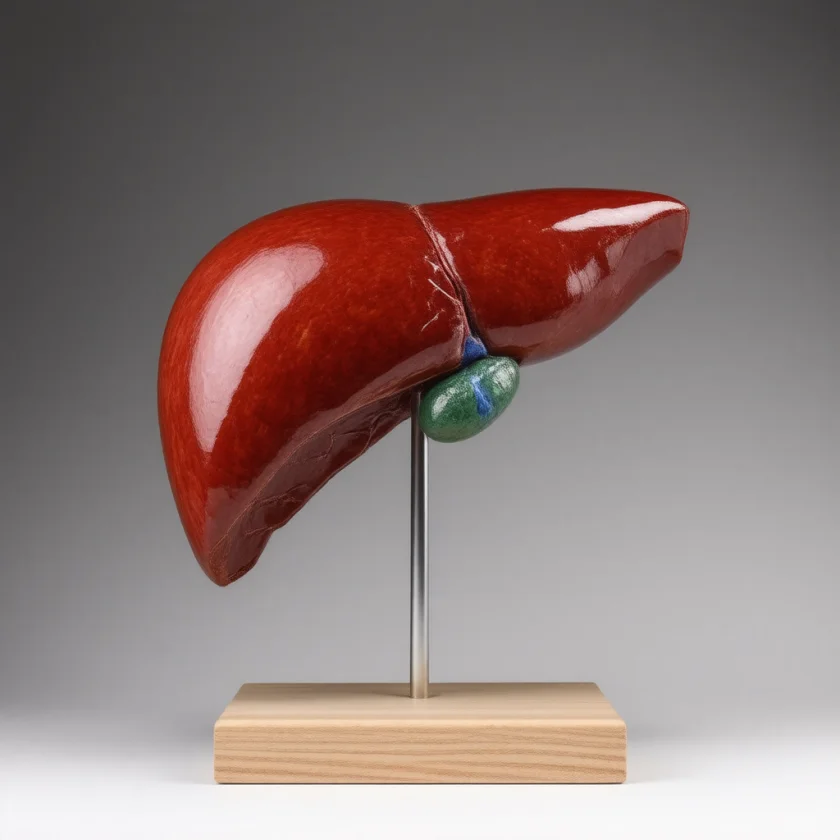
Of all the chronic-disease benefits attributed to coffee, the hepatology evidence is the strongest. In observational studies, coffee drinking is associated with ~40% lower rates of hepatocellular carcinoma (HCC, the main type of liver cancer), with less fibrosis (scarring) in non-alcoholic fatty liver disease (NAFLD), non-alcoholic steatohepatitis (NASH), hepatitis C, and alcoholic liver disease, and with lower alanine aminotransferase (ALT), aspartate aminotransferase (AST), and gamma-glutamyl transferase (GGT) levels. The 2023 practice guidance of the American Association for the Study of Liver Diseases (AASLD) states that coffee "(caffeinated or not) of at least 3 cups daily is associated with less advanced liver disease." In the studies below, the lower risks were seen mostly at 2-3 or more cups per day; the 2017 HCC meta-analysis found no statistically significant departure from a steady dose-response and had too few data to show any upper threshold.
Interactive Visualization Caffeine, Adenosine & Why Coffee Stops Working Caffeine doesn’t give you energy — it blocks the tiredness signal while adenosine keeps piling up behind the blockade. Move your coffee to 2 p.m. and watch your deep sleep vanish. Launch →
Table of Contents
- Why the Liver Evidence Is the Strongest
- Hepatocellular Carcinoma Prevention
- Coffee in Non-Alcoholic Fatty Liver Disease and Non-Alcoholic Steatohepatitis
- Coffee in Chronic Hepatitis C
- Coffee in Alcoholic Liver Disease
- Mechanism: Adenosine, Chlorogenic Acids, and Stellate Cells
- Effects on Alanine Aminotransferase, Aspartate Aminotransferase, and Gamma-Glutamyl Transferase
- Amounts Studied for Liver Outcomes
- Cautions in Specific Liver Conditions
- Key Research Papers
- Connections
- Featured Videos
Why the Liver Evidence Is the Strongest
The hepatology signal is the strongest of all coffee-disease associations for three reasons:
- Effect size. A 40% lower HCC risk for any coffee drinking versus none (Bravi Clin Gastroenterol Hepatol 2013, 16 studies, 3,153 HCC cases), a 35% lower HCC risk per extra two cups a day (Kennedy BMJ Open 2017, 18 cohorts with ~2.27 million participants), and a lower risk of death from cirrhosis per extra two cups a day (relative risk 0.55, 95% confidence interval 0.35-0.74; Kennedy Aliment Pharmacol Ther 2016) are substantially larger effects than coffee produces in any other organ system. For HCC specifically, this matches or exceeds the effect of antiviral therapy in chronic hepatitis B in observational analyses.
- Biological plausibility. Hepatocytes are uniquely exposed to portal venous blood, which carries all enterically absorbed compounds first to the liver. The chlorogenic-acid (CGA) load is delivered at near-pharmacologic concentrations to the parenchyma, and the first-pass effect concentrates the antioxidant signal where it is most needed in chronic liver disease.
- Replicability. The signal replicates across European, North American, and East Asian populations, across heterogeneous brewing methods, and across the three major chronic liver diseases (viral hepatitis, alcoholic liver disease, non-alcoholic fatty liver disease).
The 2023 AASLD practice guidance on non-alcoholic fatty liver disease (Rinella et al., Hepatology) states: "Coffee consumption (caffeinated or not) of at least 3 cups daily is associated with less advanced liver disease," and adds that drinking 3 or more cups per day "could be recommended in the absence of contraindications" based on the lower risk of fatty liver disease and fibrosis seen in epidemiological studies and meta-analyses. The 2016 European EASL-EASD-EASO Clinical Practice Guidelines for non-alcoholic fatty liver disease similarly note the consistency of the hepatoprotective signal.
What is not known. All of this evidence comes from observational studies: no randomised trial has tested coffee for liver outcomes. The 2017 BMJ Open meta-analysis rated its HCC evidence "very low" quality under the GRADE criteria "due to a lack of randomised controlled trials, potential publication bias and there being no accepted definition of coffee." People who are already ill with liver or digestive disease may also drink less coffee, which can make coffee look more protective than it is (Bravi 2013 notes this possibility).
Hepatocellular Carcinoma Prevention
HCC is the third leading cause of cancer death globally. The Kennedy et al. dose-response meta-analysis (BMJ Open 2017) pooled 18 cohort studies (2,272,642 participants and 2,905 HCC cases) and 8 case-control studies (1,825 cases and 4,652 controls). Together with the earlier Bravi et al. meta-analysis (Clin Gastroenterol Hepatol 2013), the figures are:
- Each extra cup per day: 20% lower HCC risk (relative risk (RR) 0.80, 95% confidence interval (CI) 0.77-0.84; Bravi 2013).
- Each extra 2 cups per day: 35% lower risk (relative risk 0.65, 95% confidence interval 0.59-0.72; Kennedy 2017). The link was weaker in the cohort studies (relative risk 0.71) than in the case-control studies (0.53).
- 5 cups per day: the Kennedy authors wrote that the high risk of HCC in cirrhosis "may be more than halved by five cups per day of coffee compared with none."
- Decaffeinated coffee: 14% lower risk per extra two cups per day (relative risk 0.86, 95% confidence interval 0.74-1.00; only 3 cohort studies), compared with 27% for caffeinated coffee (relative risk 0.73, 0.63-0.85; 2 cohort studies) — a smaller association, at the edge of statistical significance.
The persistence of effect with decaffeinated coffee implicates the non-caffeine fraction (chlorogenic acids, diterpenes, melanoidins) as central to the HCC-protection mechanism, while the larger effect of caffeinated coffee suggests caffeine adds an independent protective signal. The Setiawan et al. analysis of the Multiethnic Cohort Study (Gastroenterology 2015) confirmed the effect across African-American, Native Hawaiian, Japanese-American, Latino, and white participants, with a 38% lower HCC risk at 2-3 cups per day (relative risk 0.62, 0.46-0.84) and 41% at 4 or more cups per day (relative risk 0.59, 0.35-0.99), among 162,022 participants with 451 HCC cases over 18 years. In the same cohort, death from chronic liver disease was 46% lower at 2-3 cups and 71% lower at 4 or more cups per day.
In UK Biobank (Kennedy et al., BMC Public Health 2021; 494,585 people followed for a median 10.7 years), coffee drinkers had a lower risk of chronic liver disease (hazard ratio 0.79, 0.72-0.86) and of death from it (hazard ratio 0.51, 0.39-0.67) than non-drinkers. Decaffeinated, instant and ground coffee each showed associations similar to all types combined. The HCC association in that cohort (hazard ratio 0.80, 0.54-1.19; 184 cases) was not statistically significant.
The cancer prevention signal extends to other malignancies (endometrial, colorectal) but is largest for HCC, consistent with the first-pass hepatic concentration of coffee phytochemicals.
Coffee in Non-Alcoholic Fatty Liver Disease and Non-Alcoholic Steatohepatitis
Non-alcoholic fatty liver disease now affects approximately 25-30% of adults globally and is the fastest-growing indication for liver transplantation in the United States. The disease ranges from simple steatosis (relatively benign) to steatohepatitis (non-alcoholic steatohepatitis, with inflammation and hepatocyte injury) to fibrosis to cirrhosis. Coffee appears to act at multiple points along this progression.
In 2023 a multisociety consensus renamed non-alcoholic fatty liver disease "metabolic dysfunction-associated steatotic liver disease" (MASLD), defined by fat in the liver plus at least one of five cardiometabolic risk factors. People with MASLD who drink more alcohol (140-350 g a week for women, 210-420 g a week for men) form a new group called MetALD (Rinella et al., J Hepatol 2023). Newer coffee studies and guidelines use these names; the studies below used the older terms.
The Wijarnpreecha et al. meta-analysis (Eur J Gastroenterol Hepatol 2017) of five studies found:
- Regular coffee consumption was associated with a 29% lower non-alcoholic fatty liver disease risk (pooled risk ratio 0.71, 95% confidence interval 0.60-0.85).
- Among non-alcoholic fatty liver disease patients, coffee drinkers had a significantly lower risk of liver fibrosis than non-drinkers (pooled risk ratio 0.70, 95% confidence interval 0.60-0.82).
- The authors note that the definition of regular coffee drinking varied between studies, and that whether coffee "could be considered a preventative measure against NAFLD needs further investigations."
The Molloy et al. cross-sectional analysis of biopsy-proven non-alcoholic steatohepatitis patients (Hepatology 2012) surveyed 306 patients: those with more advanced non-alcoholic steatohepatitis (fibrosis stage 2-4) drank less coffee caffeine than those with stage 0-1 (P = 0.016), and coffee caffeine intake correlated negatively with fibrosis (Spearman r = -0.215). The Bambha et al. NASH Clinical Research Network analysis (Liver Int 2014) of 782 adults with non-alcoholic fatty liver disease found the protective association only in people with lower insulin resistance (HOMA-IR below 4.3: odds ratio 0.64 for advanced fibrosis, 0.46-0.88); among those with higher insulin resistance there was no protective effect (odds ratio 1.06, 0.87-1.28).
The mechanism in non-alcoholic fatty liver disease integrates multiple pathways: reduced de novo lipogenesis via AMP-activated protein kinase (AMPK) activation by chlorogenic acid, improved insulin sensitivity (which addresses the upstream metabolic driver), and direct stellate-cell quiescence-promoting effects of caffeine.
Coffee in Chronic Hepatitis C
Before direct-acting antiviral (DAA) therapy revolutionized hepatitis C virus (HCV) treatment, the Freedman et al. analysis of the HALT-C trial (Hepatology 2009) followed 766 patients with advanced hepatitis C (bridging fibrosis or cirrhosis) whose interferon-based treatment had failed. Over 3.8 years, drinking 3 or more cups of coffee per day was associated with a 53% lower risk of liver disease progression compared with no coffee (relative risk 0.47, 95% confidence interval 0.27-0.85). The risk estimates did not vary by treatment assignment or by cirrhosis at baseline, and tea intake was not associated with outcomes.
A separate study by Modi et al. (Hepatology 2010) gave a detailed caffeine questionnaire to 177 patients having a liver biopsy (121 with hepatitis C). Caffeine intake above 308 mg a day (about 2.25 cups of coffee) was associated with less advanced fibrosis after adjustment (odds ratio 0.25, 0.09-0.67), and in the hepatitis C subset (odds ratio 0.19, 0.05-0.66). Caffeine from sources other than coffee, and decaffeinated coffee, were not associated with less fibrosis in that study.
Even with DAA therapy now curative for most hepatitis C virus cases, the historical HALT-C data link coffee drinking with slower progression in an actively inflamed and fibrotic liver, supporting the broader claim that the hepatoprotective effect is not limited to metabolic liver disease. The 2017 HCC meta-analysis found the coffee association was not significantly altered by stage of liver disease or by hepatitis B and C infection.
Coffee in Alcoholic Liver Disease
Klatsky et al. followed 125,580 Kaiser Permanente health-plan members without known liver disease (Arch Intern Med 2006); through 2001, 330 were diagnosed with cirrhosis. For alcoholic cirrhosis (199 people), the relative risk compared with no coffee was 0.7 (95% confidence interval 0.4-1.1) at less than 1 cup a day, 0.6 (0.4-0.8) at 1-3 cups, and 0.2 (0.1-0.4) at 4 or more cups. For non-alcoholic cirrhosis (131 people), there was no significant association (0.7, 0.4-1.3 at 4 or more cups). Tea drinking was unrelated to either type of cirrhosis.
The Kennedy et al. cirrhosis meta-analysis (Aliment Pharmacol Ther 2016; 9 studies, 432,133 participants, 1,990 cases) found that each extra two cups of coffee a day was associated with a lower risk of cirrhosis overall (relative risk 0.56, 0.44-0.68), of alcoholic cirrhosis (relative risk 0.62, 0.51-0.73), and of death from cirrhosis (relative risk 0.55, 0.35-0.74).
The Liu et al. meta-analysis (PLOS One 2015) of 16 studies compared coffee drinkers with non-drinkers: any coffee was associated with lower odds of cirrhosis (odds ratio 0.61, 0.45-0.84), both at up to 2 cups a day (0.66, 0.47-0.92) and above 2 cups a day (0.53, 0.42-0.68), and with lower odds of advanced fibrosis (0.73, 0.58-0.92). The protective association also appeared in subgroups of patients with alcoholic liver disease and with chronic hepatitis C.
These are observational associations; none of these studies tested coffee as a treatment, and in liver guidelines stopping alcohol remains the principal treatment of alcoholic liver disease.
Mechanism: Adenosine, Chlorogenic Acids, and Stellate Cells
The proposed antifibrotic mechanism centers on three pathways:
- Caffeine and adenosine A2A receptor blockade on hepatic stellate cells. Activated stellate cells (the principal collagen-producing cell type in chronic liver disease) express A2A adenosine receptors, and adenosine signaling promotes their activation and collagen production. Caffeine antagonism of these receptors keeps stellate cells in their quiescent, vitamin-A-storing phenotype. This is the principal antifibrotic mechanism identified in rodent models.
- Chlorogenic acid anti-inflammatory and antioxidant action. CGAs inhibit NF-kappaB activation, reduce tumor necrosis factor-alpha and interleukin-6 (IL-6) expression, and scavenge reactive oxygen species. In non-alcoholic fatty liver disease particularly, where oxidative stress and inflammation drive the steatosis-to-NASH transition, the CGA fraction directly opposes the pathologic driver. The persistence of HCC protection with decaf coffee supports the importance of this fraction.
- Modulation of bile acid metabolism and the gut-liver axis. Coffee shifts the gut microbiome toward Bifidobacterium enrichment and modulates bile acid composition in ways that reduce lipopolysaccharide (LPS) translocation and Kupffer-cell activation. This is increasingly recognized as a critical pathway in non-alcoholic fatty liver disease progression.
An additional contributor is the modest induction of CYP1A2 expression by coffee, which improves hepatic clearance of pro-carcinogens (heterocyclic amines, aflatoxin in endemic settings). This may explain the strong HCC effect specifically — coffee both reduces fibrosis (the substrate for HCC) and accelerates clearance of carcinogens that initiate HCC.
Effects on Alanine Aminotransferase, Aspartate Aminotransferase, and Gamma-Glutamyl Transferase
In a cross-sectional analysis of the same 125,580-member Klatsky cohort (Arch Intern Med 2006), coffee drinking was related to a lower prevalence of high aspartate aminotransferase and alanine aminotransferase levels: at 4 or more cups per day versus none, the odds ratio was 0.5 (95% confidence interval 0.4-0.6) for a high aspartate aminotransferase level and 0.6 (0.6-0.7) for a high alanine aminotransferase level, with stronger inverse relations in people who drank large amounts of alcohol.
The Honjo et al. cross-sectional study (Ann Epidemiol 1999) of 7,637 Japanese male Self-Defense Forces officials aged 48-59 found serum gamma-glutamyl transferase, which rises with alcohol-related liver injury, was 4.3% lower per cup of coffee. The inverse relation was most prominent in men drinking 30 ml or more of ethanol and smoking 15 or more cigarettes a day, and the authors suggest coffee "may weaken GGT-induction by alcohol, and possibly by smoking."
Normal liver enzymes in a coffee drinker are not evidence that underlying liver disease has resolved; coffee is linked with lower enzyme levels without necessarily removing the disease process. Liver disease stage is assessed in clinics with imaging (transient elastography), histology, and scores such as FIB-4 and the non-alcoholic fatty liver disease fibrosis score rather than with alanine aminotransferase/aspartate aminotransferase alone.
Amounts Studied for Liver Outcomes
- 2-3 or more cups per day in the studies. Most of the lower liver risks in the cohort studies were seen at 2-3 or more cups per day (Setiawan 2015: HCC relative risk 0.62 at 2-3 cups; Freedman 2009: progression relative risk 0.47 at 3 or more cups), and the 2023 AASLD guidance names at least 3 cups daily. Higher intake (4-5 cups) was linked with somewhat lower HCC risk still, and cardiovascular trade-offs have been described in slow CYP1A2 metabolizers.
- Decaffeinated coffee keeps part of the association. In the 2017 meta-analysis, each extra two cups of decaf was linked with a 14% lower HCC risk (3 cohort studies) versus 27% for caffeinated coffee (2 cohort studies); in UK Biobank, decaffeinated coffee showed associations with chronic liver disease similar to all coffee types. In the Modi 2010 biopsy study, decaffeinated coffee was not associated with less fibrosis. Decaf is the form studied for people for whom caffeine is a problem (severe anxiety, arrhythmia, pregnancy, slow-metabolizer phenotype with hypertension).
- Paper filtration removes diterpenes. Cafestol and kahweol are not implicated in the liver benefit (which is mediated by caffeine and CGAs), so retaining them via French press or espresso adds the low-density lipoprotein-cholesterol trade-off without adding hepatic benefit.
- Coffee alongside standard liver care. In these studies coffee sat alongside, not in place of: alcohol abstinence in alcoholic liver disease; weight loss and exercise in non-alcoholic fatty liver disease; antiviral therapy in active hepatitis C virus/hepatitis B virus (HBV); and HCC surveillance imaging in cirrhotic patients.
- Coffee with meals lowers iron absorption. In a radio-iron study (Hurrell et al., Br J Nutr 1999), polyphenol-containing drinks including coffee, black tea, cocoa and herb teas, taken with a bread meal, cut absorption of the meal's non-heme (plant) iron by 50-70% at 20-50 mg polyphenols per serving and by 60-90% at 100-400 mg. This lowers iron uptake in people with iron overload (hemochromatosis), and the same effect can worsen anemia in iron-deficient liver-disease patients.
Cautions in Specific Liver Conditions
- Decompensated cirrhosis — in patients with portosystemic shunting, caffeine clearance is markedly reduced and plasma levels can reach pharmacologically active concentrations even at modest intake.
- Acute hepatitis — the protective association was seen in chronic liver disease, not in acute viral or drug-induced liver injury, and nausea may make coffee intolerable in any case.
- Hemochromatosis — coffee or tea taken with a meal reduces non-heme iron absorption from that meal (Hurrell 1999), which lowers iron uptake in iron overload.
- Wilson's disease — no specific contraindication; the copper content of coffee is negligible.
- Liver-transplant recipients on tacrolimus or cyclosporine — tacrolimus is a narrow-therapeutic-index drug cleared mainly through the CYP3A enzymes, with dosing guided by CYP3A5 genotype (Randolph et al., Clin Pharmacokinet 2026); it is not cleared by CYP1A2, the enzyme that clears caffeine.
Key Research Papers
- Kennedy OJ et al., Coffee, including caffeinated and decaffeinated coffee, and the risk of hepatocellular carcinoma: a systematic review and dose-response meta-analysis (BMJ Open 2017;7(5):e013739) — PubMed PMID: 28490552
- Bravi F et al., Coffee reduces risk for hepatocellular carcinoma: an updated meta-analysis (Clin Gastroenterol Hepatol 2013;11(11):1413-1421.e1) — PubMed PMID: 23660416
- Setiawan VW et al., Association of coffee intake with reduced incidence of liver cancer and death from chronic liver disease in the US multiethnic cohort (Gastroenterology 2015;148(1):118-125) — PubMed PMID: 25305507
- Freedman ND et al., Coffee intake is associated with lower rates of liver disease progression in chronic hepatitis C (Hepatology 2009;50(5):1360-1369) — PubMed PMID: 19676128
- Modi AA et al., Increased caffeine consumption is associated with reduced hepatic fibrosis (Hepatology 2010;51(1):201-209) — PubMed PMID: 20034049
- Klatsky AL et al., Coffee, cirrhosis, and transaminase enzymes (Arch Intern Med 2006;166(11):1190-1195) — PubMed PMID: 16772246
- Wijarnpreecha K et al., Coffee consumption and risk of nonalcoholic fatty liver disease: a systematic review and meta-analysis (Eur J Gastroenterol Hepatol 2017;29(2):e8-e12) — PubMed PMID: 27824642
- Liu F et al., Coffee consumption decreases risks for hepatic fibrosis and cirrhosis: a meta-analysis (PLOS One 2015;10(11):e0142457) — PubMed PMID: 26556483
- Kennedy OJ et al., Systematic review with meta-analysis: coffee consumption and the risk of cirrhosis (Aliment Pharmacol Ther 2016;43(5):562-574) — PubMed PMID: 26806124
- Saab S et al., impact of coffee on liver diseases: a systematic review (Liver Int 2014;34:495-504) — PubMed PMID: 24102757
- Molloy JW et al., association of coffee and caffeine consumption with fatty liver disease, non-alcoholic steatohepatitis, and degree of hepatic fibrosis (Hepatology 2012;55(2):429-436) — PubMed PMID: 21987293
- Bambha K et al., coffee consumption in NAFLD patients with lower insulin resistance is associated with lower risk of severe fibrosis (Liver Int 2014;34(8):1250-1258) — PubMed PMID: 24267865
- Salomone F et al., natural antioxidants for NAFLD: molecular targets and clinical perspectives, coffee polyphenols (Liver Int 2016;36:5-20) — PubMed PMID: 26436447
- Kennedy OJ et al., All coffee types decrease the risk of adverse clinical outcomes in chronic liver disease: a UK Biobank study (BMC Public Health 2021;21(1):970) — PubMed PMID: 34154561
- Rinella ME et al., AASLD Practice Guidance on the clinical assessment and management of nonalcoholic fatty liver disease (Hepatology 2023;77(5):1797-1835) — PubMed PMID: 36727674
- Rinella ME et al., A multisociety Delphi consensus statement on new fatty liver disease nomenclature (J Hepatol 2023;79(6):1542-1556) — PubMed PMID: 37364790
- Honjo S et al., Coffee drinking and serum gamma-glutamyltransferase: an extended study of Self-Defense Officials of Japan (Ann Epidemiol 1999;9(5):325-331) — PubMed PMID: 10976859
- Hurrell RF, Reddy M, Cook JD, Inhibition of non-haem iron absorption in man by polyphenolic-containing beverages (Br J Nutr 1999;81(4):289-295) — PubMed PMID: 10999016
- Randolph RM et al., A review of population pharmacokinetic models and dosing algorithms assessing the influence of CYP3A5 genotype and other clinical covariates on tacrolimus pharmacokinetics (Clin Pharmacokinet 2026;65(9):1295-1315) — PubMed PMID: 42477302
PubMed Topic Searches
Connections
- All Food
- Caffeine, Adenosine & Why Coffee Stops Working — interactive animation
- Coffee Benefits Hub
- Coffee for Cardiovascular Health
- Coffee for T2DM Prevention
- CYP1A2 Pharmacogenetics
- Coffee Main Hub
- Coffee and Liver Disease (Original)
- Hepatology
- Non-Alcoholic Fatty Liver Disease / Non-Alcoholic Steatohepatitis
- Cirrhosis
- Hepatitis C
- Liver Cancer / HCC
- Milk Thistle (Silymarin)
- Liver Function Tests
- All Remedies
- History
- Nutrients