Human Papillomavirus (HPV)
Overview
Human papillomavirus (HPV) is the most common sexually transmitted infection worldwide. A 2014 model by researchers at the U.S. Centers for Disease Control and Prevention (CDC) put the lifetime chance of acquiring human papillomavirus at about 85% for women and 91% for men who have had at least one opposite-sex partner — yet the vast majority of those people will never know it, because most infections are completely silent and go away on their own.
Scientists have identified over 200 distinct human papillomavirus types. The good news: more than 90% of human papillomavirus infections clear within one to two years because the immune system quietly eliminates the virus without any treatment needed. The infections that linger — particularly with certain "high-risk" types — are what can occasionally lead to cancer over the course of many years.
Human papillomavirus types are broadly divided into two groups:
- High-risk (oncogenic) types — can, if persistent, eventually cause cancers of the cervix, oropharynx, anus, vagina, vulva, and penis. Human papillomavirus 16 and 18 are the most important of these.
- Low-risk (non-oncogenic) types — most commonly human papillomavirus 6 and 11, which cause genital warts and rarely lead to cancer.
The 9-valent HPV vaccine is highly effective at preventing human papillomavirus infection and the cancers it can cause. It works best when given before a person becomes sexually active. Routine vaccination of adolescents is one of the most powerful cancer-prevention tools available today.
Epidemiology
Human papillomavirus is extraordinarily common. A 2021 analysis by CDC researchers estimated that in 2018 about 42 million people aged 15 to 59 in the United States carried a disease-linked human papillomavirus type, and about 13 million new infections (6.9 million in men and 6.1 million in women) occurred that year. Infection rates are highest in people in their late teens and early 20s, reflecting the onset of sexual activity. Both men and women are infected at roughly equal rates, though the disease burden (particularly cancer) falls more heavily on women.
Globally, human papillomavirus causes an estimated 690,000 cancers per year according to the International Agency for Research on Cancer (IARC) and the World Health Organization. Cervical cancer is the fourth most common cancer in women worldwide. The burden is especially severe in low- and middle-income countries, where cervical cancer screening programs are limited or unavailable, allowing treatable precancerous lesions to progress undetected to invasive cancer.
In the United States, widespread Pap smear screening has dramatically reduced cervical cancer deaths over the past 50 years. Since the introduction of human papillomavirus vaccines in 2006, rates of high-grade precancerous cervical lesions and genital warts in young women have fallen sharply in countries with high vaccine uptake.
Biology: Over 200 Types
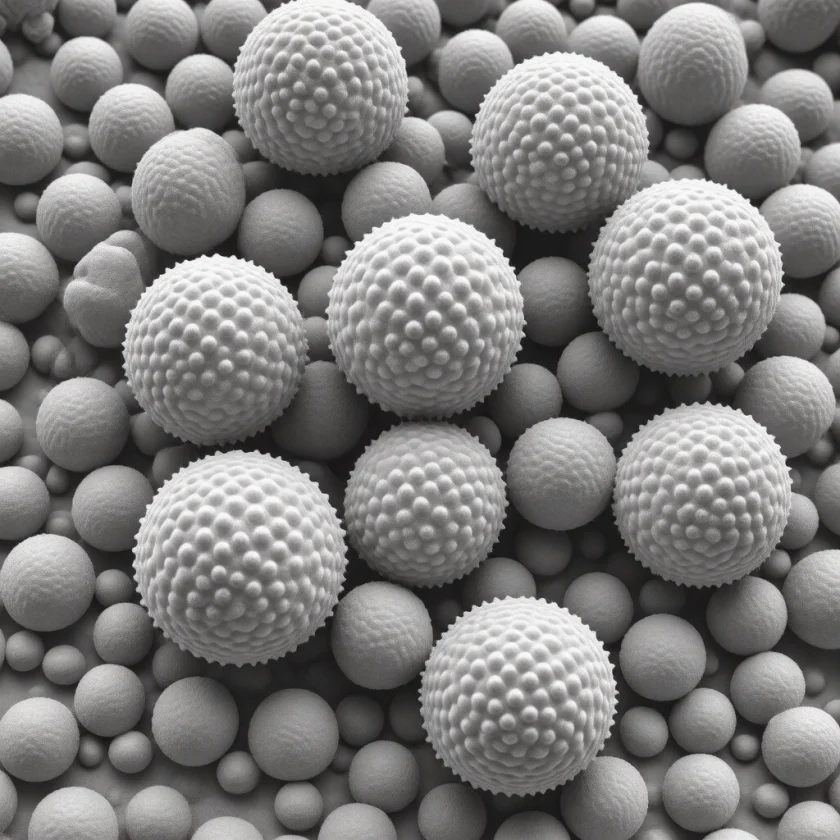
Human papillomavirus is a small, non-enveloped virus with a circular double-stranded DNA genome. More than 200 distinct types have been identified and classified based on their DNA sequence. Understanding how human papillomavirus types differ helps explain why some cause cancer while others merely cause warts.
High-Risk (Oncogenic) Types
At least 13 human papillomavirus types are classified as high-risk or oncogenic. The two most important are:
- Human papillomavirus 16 and 18 together account for approximately 70% of all cervical cancers, about 85% of anal cancers, around 60% of oropharyngeal cancers, and roughly 65% of vaginal and vulvar cancers.
- Other significant high-risk types include human papillomavirus 31, 33, 45, 52, and 58 — all covered by the 9-valent HPV vaccine.
Low-Risk Types
Human papillomavirus 6 and 11 are responsible for about 90% of genital warts (condylomata acuminata) and for a rare condition called recurrent respiratory papillomatosis (benign growths in the larynx and airways). These types do not cause cancer.
How Human Papillomavirus Causes Cancer
Human papillomavirus infects the basal (deepest) layer of skin and mucosal cells, gaining entry through tiny abrasions during sexual contact. In most cases the immune system clears the infection within months to a couple of years. When a high-risk type persists, its viral proteins — particularly E6 and E7 — interfere with two critical cellular guard proteins:
- E6 targets and inactivates p53, a tumor suppressor that normally triggers cell death when DNA damage is detected.
- E7 inactivates Rb (retinoblastoma protein), the "brake" that controls cell division.
With both brakes disabled, infected cells can accumulate DNA errors and divide uncontrollably over many years — a slow progression from normal cells to precancerous changes to, in some cases, invasive cancer. This process typically takes 10 to 20 years, which is exactly why regular screening is so effective at catching and treating precancerous changes long before cancer develops.
Clinical Manifestations
Most human papillomavirus infections produce no symptoms at all. When human papillomavirus does cause visible disease, the manifestation depends on the type involved.
Genital Warts (Condylomata Acuminata)
Caused by low-risk types human papillomavirus 6 and 11, genital warts appear as flesh-colored, soft, cauliflower-like growths on the genitals, perianal region, or inner thighs. They are not cancerous. Warts can appear weeks to months after infection and range from a single small bump to large clusters. They can be treated but not permanently cured by removal alone — the virus remains in surrounding tissue and warts often recur. Treatment options include:
- Patient-applied: imiquimod cream (stimulates immune response), podophyllotoxin solution
- Provider-applied: trichloroacetic acid (TCA), cryotherapy (liquid nitrogen freezing), surgical excision or electrosurgery
Non-Genital Warts
Common warts (hands, fingers), plantar warts (feet), and flat warts are caused by cutaneous human papillomavirus types that do not infect the genital tract.
Recurrent Respiratory Papillomatosis (RRP)
A rare but serious condition in which human papillomavirus 6 or 11 causes benign papillomas (growths) in the larynx, vocal cords, and airways. It occurs in two forms: juvenile-onset (transmitted from mother to baby during delivery) and adult-onset. Management has long relied on repeated surgical removal of papillomas to keep the airway open, with adjunct therapies such as cidofovir or bevacizumab in severe cases; in 2025 the U.S. Food and Drug Administration approved the first medicine for the condition in adults, zopapogene imadenovec (see Treatment).
Precancerous Cervical Changes
High-risk human papillomavirus types can cause abnormal cervical cells detected on Pap smear or biopsy. These are graded by severity (CIN 1, 2, 3 — see Screening section). High-grade changes (HSIL/CIN2-3) are treated to prevent progression to cancer.
Cervical Cancer
Almost all cervical cancers (99%+) are caused by human papillomavirus, with human papillomavirus 16 and 18 responsible for the majority. Cervical cancer develops over a long period — typically 10 to 20 years from initial human papillomavirus infection to invasive cancer — which is why routine screening is so effective.
Other Human Papillomavirus-Related Cancers
- Oropharyngeal cancer (base of tongue, tonsils) — human papillomavirus 16 is now the leading cause of oropharyngeal squamous cell carcinoma in the United States, surpassing tobacco-related cases in frequency
- Anal cancer — human papillomavirus 16 is the dominant type; rates are rising, especially in human immunodeficiency virus-positive men who have sex with men (MSM)
- Vaginal and vulvar cancers — majority caused by high-risk human papillomavirus types
- Penile cancer — a minority are human papillomavirus-related; human papillomavirus 16 is the most common type involved
Cervical Cancer Screening
Cervical cancer screening is one of modern medicine's great success stories. Because cancer develops slowly over many years from detectable precancerous changes, regular screening catches the process early — when it is easily treatable. Screening guidelines apply to people with a cervix whether or not they have been vaccinated against human papillomavirus.
Screening Tests
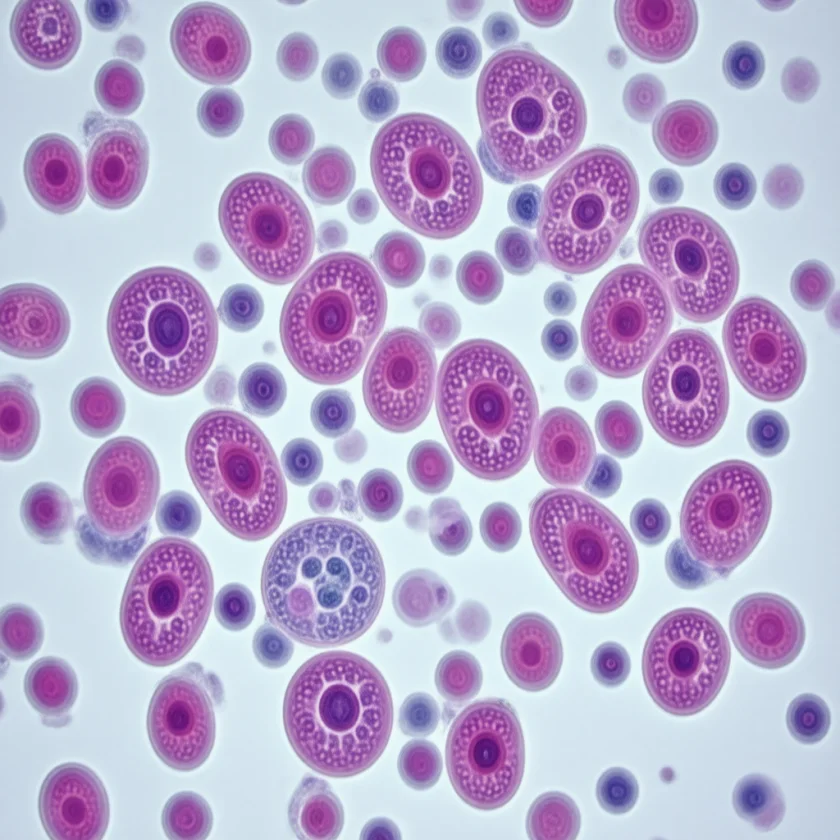
- Pap smear (cervical cytology): A sample of cervical cells is examined under a microscope for abnormalities. Sensitive to moderate and severe changes but misses some early abnormalities on its own.
- Human papillomavirus test: Detects the DNA of high-risk human papillomavirus types in cervical cells. More sensitive than cytology alone for identifying women at risk. Can be done from the same sample as the Pap smear.
- Co-test (Pap + human papillomavirus): Both tests on the same sample. The combination provides the highest sensitivity. The 2018 USPSTF statement lists it as one of three equally graded options for ages 30–65; the 2020 American Cancer Society guideline lists it as acceptable only where primary human papillomavirus testing is not available.
U.S. Preventive Services Task Force (USPSTF) 2018 Guideline
The 2018 statement is still the final USPSTF cervical cancer screening recommendation on the Task Force website (checked October 2026).
- Ages 21–29: Pap smear alone every 3 years (human papillomavirus testing not recommended in this age group because transient human papillomavirus infections are very common and self-resolve)
- Ages 30–65: Pap smear alone every 3 years, OR human papillomavirus test alone every 5 years, OR co-test (Pap + human papillomavirus) every 5 years — all three graded "A", with no preference among them
- Over 65: Screening can stop after adequate recent normal results and no history of high-grade precancers
- Hysterectomy with cervix removal: Routine screening not needed if no history of high-grade precancer or cervical cancer
American Cancer Society (ACS) 2020 Guideline
- Start: age 25, rather than 21.
- Ages 25–65: primary human papillomavirus testing every 5 years is the preferred option; where primary human papillomavirus testing is not available, co-testing every 5 years or a Pap smear alone every 3 years is acceptable. The guideline calls itself transitional: co-testing and Pap-alone screening are to be phased out once primary human papillomavirus testing is fully available.
- Over 65: screening ends for people with no CIN 2 or more severe disease in the past 25 years and adequate negative screening in the prior 10 years.
- Abnormal results: follow-up is guided by the 2019 American Society for Colposcopy and Cervical Pathology (ASCCP) risk-based management guidelines.
Understanding Abnormal Results
Abnormal Pap or positive human papillomavirus results lead to further evaluation, most often with colposcopy — a magnified examination of the cervix — and biopsy if needed. Biopsies are graded using the CIN system:
- CIN 1 (mild dysplasia): often clears on its own; usually managed with observation
- CIN 2 (moderate dysplasia): often treated, especially in women over 25; some regress spontaneously
- CIN 3 / CIS (severe dysplasia / carcinoma in situ): always treated to prevent cancer
The most common treatment for CIN 2–3 is LEEP (loop electrosurgical excision procedure), which removes the abnormal tissue with a thin wire loop. It is highly effective and usually done as an outpatient procedure.
The 9-Valent HPV Vaccine
Vaccination is the most powerful tool available for human papillomavirus prevention. The 9-valent HPV vaccine (9vHPV) protects against nine human papillomavirus types: the two that cause most genital warts (6 and 11) and seven high-risk types that cause most human papillomavirus-related cancers (16, 18, 31, 33, 45, 52, and 58). Together, these nine types account for approximately 90% of all human papillomavirus-related cancers and nearly all genital warts.
Who the Vaccine Is Recommended For (CDC Schedule)
- Routine vaccination: All preteens at age 11–12 (can be given as early as age 9)
- Catch-up vaccination: Recommended for everyone through age 26 who was not previously vaccinated
- Ages 27–45: Shared clinical decision-making between patient and clinician (U.S. Food and Drug Administration-approved in 2018, but benefit is lower because most adults have already been exposed to some human papillomavirus types)
Dosing Schedule
- 2-dose series (0 and 6–12 months apart): for those who start the series before age 15 and are not immunocompromised
- 3-dose series (0, 1–2 months, 6 months): for those who start at age 15 or older, or who are immunocompromised
Single-dose research: In the KEN SHE trial in Kenya, 2,275 healthy women aged 15 to 20 were randomly given one dose of the 9-valent vaccine, one dose of the 2-valent vaccine, or a control vaccine. Three years later, a single dose still prevented persistent human papillomavirus 16/18 infection, with an efficacy of 98.8% for the 9-valent vaccine and 97.5% for the 2-valent vaccine, and there were no vaccine-related severe side effects.
How Effective the Vaccine Is
In clinical trials, the 9-valent vaccine was over 90–95% effective at preventing infection with the human papillomavirus types it covers when given to people before exposure. In per-protocol analyses (people who received all doses and had no prior human papillomavirus exposure), the vaccine showed near-100% efficacy against CIN 2/3 (precancerous cervical lesions) and genital warts caused by vaccine types.
Safety
The 9-valent vaccine has an excellent safety record. Post-marketing surveillance has now covered more than 270 million doses delivered worldwide. The most common side effects are mild: pain, redness, or swelling at the injection site. Syncope (fainting) can occur shortly after any injection — clinics ask patients to sit for 15 minutes afterward as a precaution. Large-scale studies have found no increased risk of serious adverse events compared to control groups.
Why Vaccinating Boys and Men Matters
Human papillomavirus vaccination is gender-neutral — males benefit directly (prevention of genital warts, anal and oropharyngeal cancers, and penile cancer) and indirectly (reducing transmission to partners). Vaccinating both sexes maximizes herd immunity and has the greatest population-level impact on reducing human papillomavirus-related cancers.
Oropharyngeal and Anal Human Papillomavirus
While cervical cancer is the best-known human papillomavirus-related malignancy, two other cancer sites deserve attention because their rates are rising — often in people who are unaware of their risk.
Oropharyngeal Cancer
Human papillomavirus 16 is now the most common cause of oropharyngeal squamous cell carcinoma (OPSCC) in the United States — cancers of the base of the tongue, tonsils, and soft palate. This represents a dramatic epidemiological shift: while tobacco-related head and neck cancers have been declining, human papillomavirus-related OPSCC rates have risen sharply over the past 30 years, particularly in middle-aged men. Human papillomavirus-positive oropharyngeal cancers tend to respond better to treatment and have a better prognosis than tobacco-related head and neck cancers, though they are still serious diagnoses requiring intensive therapy.
There is currently no approved screening program for oropharyngeal human papillomavirus (unlike cervical cancer). A persistent sore throat, difficulty swallowing, a lump in the neck, or ear pain are recognized early signs of oropharyngeal cancer.
Anal Cancer
Anal cancer rates have been rising steadily, with the sharpest increases in human immunodeficiency virus-positive men who have sex with men (MSM), among whom anal human papillomavirus infection is highly prevalent. Human papillomavirus 16 accounts for the majority of anal cancers. An anal Pap smear (anal cytology) and human papillomavirus testing are increasingly used in high-risk populations (MSM and people living with human immunodeficiency virus, HIV) to detect precancerous anal changes. In 2024 the International Anal Neoplasia Society published the first consensus guidelines for anal cancer screening: starting at age 35 for men who have sex with men and transgender women living with HIV; at age 45 for other people with HIV and for men who have sex with men and transgender women without HIV; 10 years after a solid organ transplant; and within 1 year of a vulvar precancer or cancer diagnosis. Referral for high-resolution anoscopy is used when abnormalities are detected.
Treating anal precancer: The ANCHOR trial at 25 U.S. sites enrolled people living with HIV aged 35 or older who had biopsy-proven anal precancer (high-grade squamous intraepithelial lesions, HSIL). Among the 4,446 people analysed, those whose precancer was treated progressed to anal cancer 57% less often than those whose precancer was only monitored (9 versus 21 cancers over a median follow-up of 25.8 months).
Natural History and Clearance
Perhaps the most reassuring fact about human papillomavirus is how effectively the immune system deals with it. Approximately 90% of human papillomavirus infections clear within 1–2 years through the normal workings of the immune system. Many people will never know they were infected. The body generates robust T-cell and antibody responses against the virus, and for most people this is more than sufficient to eliminate it completely.
It is persistent infection — when a high-risk human papillomavirus type is still detectable after two or more years — that carries cancer risk. Even then, progression to invasive cancer is not inevitable and typically takes another decade or more. This slow timeline is precisely why cervical screening programs are so effective: there is a long window during which precancerous changes can be detected and treated before cancer ever develops.
Risk Factors for Persistence
- Older age at infection — immune responses tend to be less vigorous
- Immunosuppression — human immunodeficiency virus infection, organ transplantation, or immunosuppressive medications significantly impair human papillomavirus clearance and increase cancer risk
- Smoking — cigarette smoke compounds cervical cancer risk by both impairing local immune defenses and acting as a direct carcinogen on cervical tissue
- Hormonal factors — long-term oral contraceptive use has been associated with a modest increase in cervical cancer risk (the mechanism is not fully understood)
- Co-infections — other sexually transmitted infections may alter the local immune environment
Diagnosis and Testing
Human papillomavirus diagnosis works quite differently from most other infections because the virus cannot be cultured in a standard laboratory and there is no useful blood test to detect it.
- For women (cervical human papillomavirus): The approved human papillomavirus test detects high-risk HPV DNA from cervical cells, collected during a pelvic exam — the same swab used for a Pap smear. It identifies whether high-risk human papillomavirus is present but does not identify which specific type (except that some tests separately report human papillomavirus 16 and 18).
- For men: There is no U.S. Food and Drug Administration-approved human papillomavirus test for men in clinical practice. In research settings, penile, scrotal, and anal swabs can detect HPV DNA, but these are not routinely used.
- Genital warts: Diagnosed by visual examination by a clinician. No test is typically needed for classic-appearing warts.
- Uncertain lesions: Biopsy (tissue sample examined by a pathologist) is used to confirm the diagnosis and rule out cancer in ambiguous cases.
- No blood test: Antibody tests for human papillomavirus exist in research settings but are not clinically useful because prior infection does not reliably confer immunity, and a positive antibody test cannot distinguish between past cleared infection and active infection.
Treatment of Human Papillomavirus-related Conditions
There is currently no antiviral medication that eliminates human papillomavirus itself from the body. Treatment focuses on managing the conditions that human papillomavirus causes — warts, precancerous changes, and cancers.
Genital Warts
- Patient-applied treatments: Imiquimod cream 3.75% or 5% (stimulates local immune response; applied 3 times weekly for several weeks), podophyllotoxin 0.5% solution or gel (applied twice daily for 3 days, then 4 days off, repeated for up to 4 cycles)
- Provider-applied treatments: Trichloroacetic acid (TCA) — applied directly to warts in the clinic; cryotherapy (liquid nitrogen freezing); surgical excision or electrosurgery for large/refractory warts
- Important caveat: All treatments remove visible warts but do not eradicate the virus from surrounding skin. Recurrence rates are 20–30% within 3 months regardless of treatment method.
Precancerous Cervical Lesions (HSIL / CIN 2–3)
- LEEP (loop electrosurgical excision procedure): The most common treatment; removes the transformation zone (where most abnormal cells develop) using a thin electrified wire loop under local anesthesia; highly effective (cure rate ~90–95%)
- Cold knife conization: Surgical removal of a cone-shaped piece of cervix; used for larger lesions or when margins need to be assessed histologically
- Cryotherapy: Freezing of the cervical transformation zone; used for lower-grade lesions (CIN 2) when the entire lesion is visible
- After treatment: follow-up testing at 6 months, then annually for several years, is the usual pattern because treated women remain at elevated risk compared to the general population
Cervical Cancer
Invasive cervical cancer is treated with standard oncologic approaches: surgery (hysterectomy ± lymph node dissection for early-stage disease), radiation therapy (often with concurrent chemotherapy — cisplatin-based chemoradiation for locally advanced disease), and immunotherapy. The U.S. Food and Drug Administration label for pembrolizumab covers persistent, recurrent or metastatic cervical cancer whose tumors express PD-L1, and, together with chemoradiotherapy, locally advanced cervical cancer of FIGO 2014 stage III–IVA.
In the KEYNOTE-A18 trial (1,060 patients with newly diagnosed, high-risk, locally advanced cervical cancer at 176 sites in 30 countries), adding pembrolizumab to chemoradiotherapy raised 3-year overall survival from 74.8% to 82.6% (hazard ratio for death 0.67). Severe (grade 3 or higher) side effects occurred in 78% of the pembrolizumab group and 70% of the placebo group.
RRP (Recurrent Respiratory Papillomatosis)
Repeated surgical removal (microlaryngoscopy with microdebrider or laser) has long been the primary approach. Adjunct therapies including intralesional cidofovir injections and anti-VEGF therapy (bevacizumab) are used in severe cases to slow regrowth. There is no cure; management is lifelong for severe cases.
First approved medicine: In 2025 the U.S. Food and Drug Administration approved zopapogene imadenovec for adults with recurrent respiratory papillomatosis. It is a non-replicating adenoviral-vector immunotherapy that trains the immune system against human papillomavirus 6 and 11, given as four injections under the skin over 12 weeks after the visible papillomas are surgically removed. In its pivotal trial in adults who had needed three or more procedures in the year before, 18 of 35 (51%) needed no surgery or other intervention to control the disease in the 12 months after treatment. Side effects were mild: injection-site reactions, fatigue, chills and fever.
Key Research Papers
- Garland SM et al. (2007). Quadrivalent vaccine against human papillomavirus to prevent anogenital diseases (FUTURE I trial). N Engl J Med. N Engl J Med 356:1928–43. — PubMed PMID: 17494926
- FUTURE II Study Group (2007) — Quadrivalent HPV vaccine to prevent high-grade cervical lesions. N Engl J Med 356:1915–27. — PubMed PMID: 17494925
- Lewis RM, Laprise JF, Gargano JW, Unger ER, Querec TD, Chesson HW, Brisson M, Markowitz LE (2021) — Estimated Prevalence and Incidence of Disease-Associated Human Papillomavirus Types Among 15- to 59-Year-Olds in the United States. Sex Transm Dis 48(4):273–277. — PubMed PMID: 33492097
- Chesson HW, Dunne EF, Hariri S, Markowitz LE (2014) — The estimated lifetime probability of acquiring human papillomavirus in the United States. Sex Transm Dis 41(11):660–4. — PubMed PMID: 25299412
- US Preventive Services Task Force; Curry SJ, Krist AH, Owens DK, et al. (2018) — Screening for Cervical Cancer: US Preventive Services Task Force Recommendation Statement. JAMA 320(7):674–686. — PubMed PMID: 30140884
- Fontham ETH, Wolf AMD, Church TR, et al. (2020) — Cervical cancer screening for individuals at average risk: 2020 guideline update from the American Cancer Society. CA Cancer J Clin 70(5):321–346. — PubMed PMID: 32729638
- Barnabas RV, Brown ER, Onono MA, et al.; KEN SHE Study Team (2023) — Durability of single-dose HPV vaccination in young Kenyan women: randomized controlled trial 3-year results. Nat Med 29(12):3224–3232. — PubMed PMID: 38049621
- Palefsky JM, Lee JY, Jay N, et al.; ANCHOR Investigators Group (2022) — Treatment of Anal High-Grade Squamous Intraepithelial Lesions to Prevent Anal Cancer. N Engl J Med 386(24):2273–2282. — PubMed PMID: 35704479
- Stier EA, Clarke MA, Deshmukh AA, et al. (2024) — International Anal Neoplasia Society's consensus guidelines for anal cancer screening. Int J Cancer 154(10):1694–1702. — PubMed PMID: 38297406
- Lorusso D, Xiang Y, Hasegawa K, et al.; ENGOT-cx11/GOG-3047/KEYNOTE-A18 investigators (2024) — Pembrolizumab or placebo with chemoradiotherapy followed by pembrolizumab or placebo for newly diagnosed, high-risk, locally advanced cervical cancer (ENGOT-cx11/GOG-3047/KEYNOTE-A18): overall survival results from a randomised, double-blind, placebo-controlled, phase 3 trial. Lancet 404(10460):1321–1332. — PubMed PMID: 39288779
- Norberg SM, Valdez J, Napier S, et al. (2025) — PRGN-2012 gene therapy in adults with recurrent respiratory papillomatosis: a pivotal phase 1/2 clinical trial. Lancet Respir Med 13(4):318–326. — PubMed PMID: 39855244
- Lee A (2026) — Zopapogene Imadenovec: First Approval. Mol Diagn Ther 30(1):169–171. — PubMed PMID: 41205140
- Zopapogene imadenovec-drba injection, U.S. prescribing information (initial U.S. approval 2025). DailyMed, U.S. National Library of Medicine. — DailyMed label
- Pembrolizumab injection, U.S. prescribing information (cervical cancer indications, section 1.12). DailyMed, U.S. National Library of Medicine. — DailyMed label
- Search PubMed
- Search PubMed
- Search PubMed
- Search PubMed
- PubMed: HPV cervical cancer screening and ASCCP guidelines
- PubMed: HPV oropharyngeal cancer incidence and epidemiology
- PubMed: HPV anal cancer HIV MSM screening
- PubMed: HPV immune clearance and persistence natural history
- PubMed: 9-valent HPV (9vHPV) vaccine efficacy and safety
- PubMed: HPV E6 E7 p53 Rb carcinogenesis mechanism
PubMed Research
- Human papillomavirus epidemiology and prevalence in the United States
- Human papillomavirus vaccine adolescent immunogenicity
- Human papillomavirus cervical cancer LEEP treatment outcomes
- Human papillomavirus genital warts treatment and recurrence
- Human papillomavirus oropharyngeal squamous cell carcinoma prognosis
- Human papillomavirus cervical intraepithelial neoplasia CIN regression
- Human papillomavirus smoking risk factor cervical cancer
- Human papillomavirus immunosuppression human immunodeficiency virus cancer risk
- Recurrent respiratory papillomatosis human papillomavirus treatment
- Human papillomavirus anal cytology and high-resolution anoscopy
- Human papillomavirus vaccination herd immunity population effect
- Human papillomavirus in low- and middle-income countries cervical cancer burden