Functional Dyspepsia
- Overview
- Rome IV Criteria and Subtypes
- Pathophysiology: Multiple Overlapping Mechanisms
- The Role of Helicobacter pylori
- Alarm Features and When to Investigate
- Diagnosis: Approach and Testing
- Dietary and Lifestyle Management
- Medical Treatments: Proton Pump Inhibitors, Prokinetics, and Neuromodulators
- Psychological Therapies and Brain-Gut Axis
- Key Research Papers
- Connections
- Featured Videos
Interactive Visualization Stomach Acid & proton pump inhibitors (PPIs) — run the proton pump Drive your stomach to pH 2, activate pepsin and free your B12 and iron — then take a proton pump inhibitor (PPI) and watch the pH climb while the nutrients stop being released. Launch →
Overview
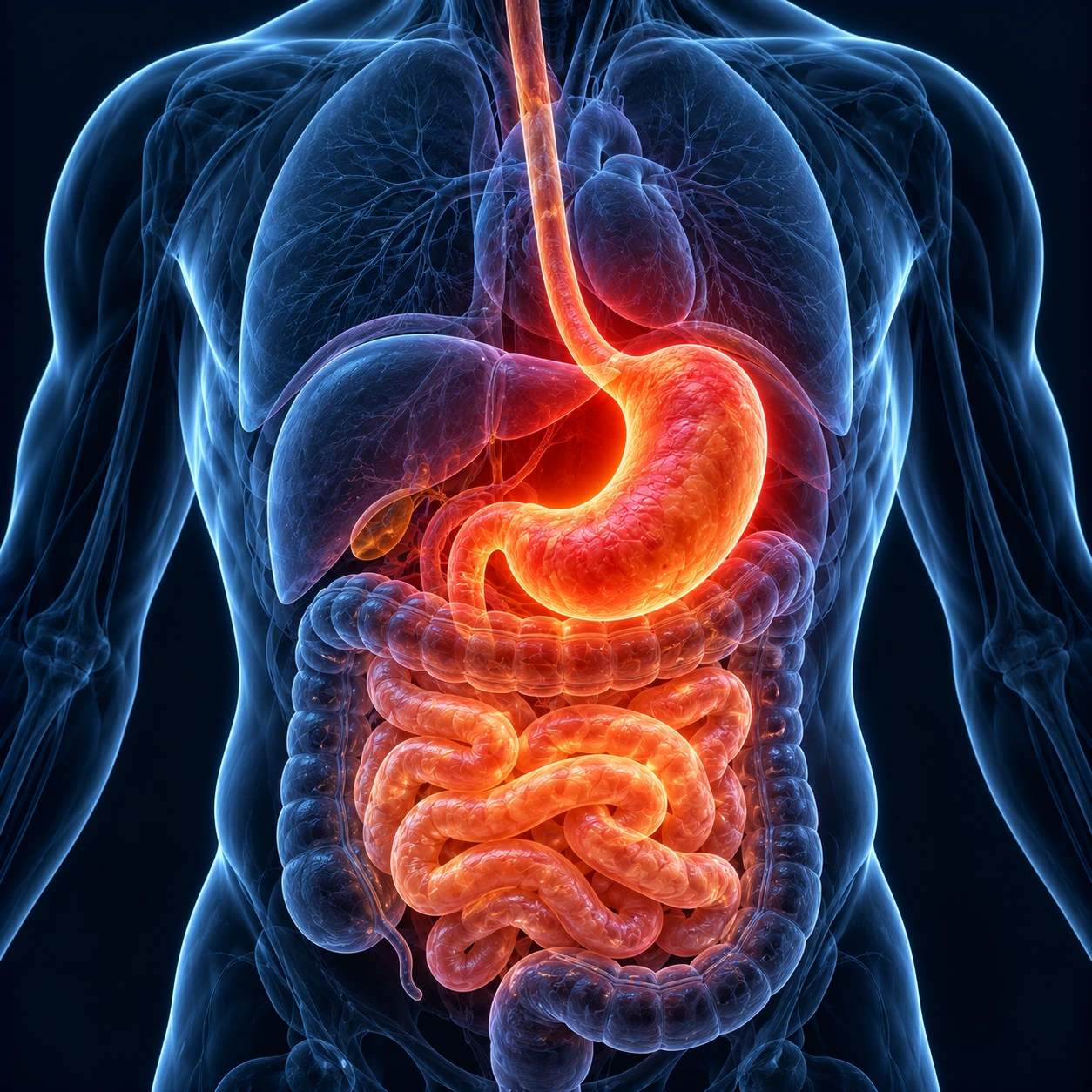
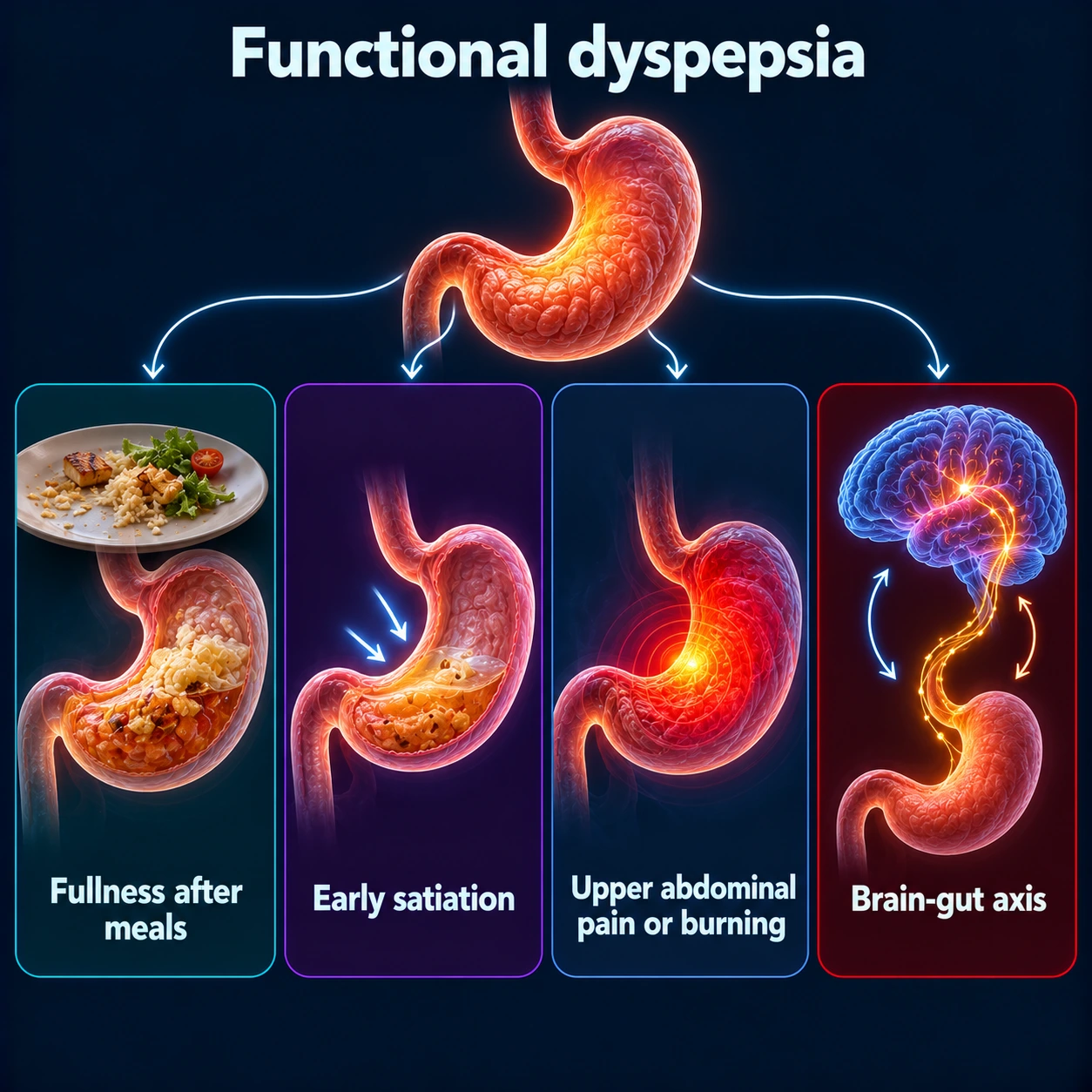
Functional dyspepsia (FD) — also called non-ulcer dyspepsia — is one of the most common gastrointestinal diagnoses worldwide, affecting an estimated 10–20% of the general population. It is defined as bothersome upper abdominal symptoms (postprandial fullness, early satiation, or epigastric pain/burning) that cannot be explained by any structural, metabolic, or organic disease identified on upper endoscopy (esophagogastroduodenoscopy, EGD).
The word "functional" means the problem lies in how the stomach and duodenum work — their motility, sensitivity, and communication with the brain — rather than in any visible damage or lesion. This distinction matters enormously for patients, who often feel their symptoms are being dismissed; in reality, functional dyspepsia involves real and measurable physiological abnormalities, just not visible ones on standard endoscopy.
FD significantly impairs quality of life, drives repeated medical consultations, and is associated with substantial healthcare costs. Effective management requires correctly identifying the subtype, testing for and eradicating H. pylori when present, and matching treatment to the dominant mechanism.
Rome IV Criteria and Subtypes (PDS vs EPS)
The Rome IV criteria (2016) have provided the diagnostic framework for functional dyspepsia since 2016. A 2026 update of this gastroduodenal classification, published in Gastroenterology by Törnblom and colleagues, keeps functional dyspepsia with the same two overlapping subtypes and adds a new inability-to-belch syndrome among five gastroduodenal categories. Under Rome IV, diagnosis requires one or more of the following bothersome symptoms occurring at least 3 days per week for at least 3 months, with symptom onset at least 6 months before diagnosis, AND the absence of any organic, systemic, or metabolic disease that would explain the symptoms:
- Bothersome postprandial fullness (heaviness after normal-sized meals)
- Bothersome early satiation (inability to finish a normal meal)
- Bothersome epigastric pain (at least mild severity, located in the upper abdomen between the xiphoid and navel)
- Bothersome epigastric burning (a distinct sensation of warmth or heat in the epigastrium)
Postprandial Distress Syndrome (PDS)
PDS is characterized by meal-induced symptoms — postprandial fullness and early satiation are the hallmarks. Symptoms occur after eating and are closely tied to meals. PDS overlaps with gastroparesis on a physiological spectrum; impaired gastric accommodation and delayed gastric emptying are the dominant mechanisms. Prokinetics and drugs that promote gastric accommodation (mirtazapine, acotiamide) are most useful for PDS.
Epigastric Pain Syndrome (EPS)
EPS is characterized by epigastric pain or burning that is not exclusively postprandial — it may occur fasting, be relieved by eating, or be independent of meals. Duodenal hypersensitivity and increased duodenal acid exposure are more prominent mechanisms in EPS. Proton pump inhibitors tend to be more effective for EPS than for PDS.
PDS and EPS frequently overlap in the same patient. The classification guides initial treatment selection, not a rigid diagnostic box.
Pathophysiology: Multiple Overlapping Mechanisms
Functional dyspepsia is a heterogeneous disorder — no single mechanism explains all cases. Multiple overlapping abnormalities have been identified, and individual patients may have one or several:
Impaired Gastric Accommodation
Normally the gastric fundus relaxes (accommodates) after eating to accept a meal without a large rise in intragastric pressure. In approximately 40–50% of FD patients this accommodation reflex is impaired — the fundus does not relax adequately, rapid intragastric pressure rises trigger early satiation and postprandial fullness. Accommodation can be measured by gastric barostat or nutrient drink test (drinking a caloric liquid until full — FD patients reach maximum satiation with smaller volumes).
Delayed Gastric Emptying
Approximately 30% of FD patients have objectively delayed gastric emptying (measured by scintigraphy or 13C breath test), placing them on a spectrum overlapping with gastroparesis. Delayed emptying contributes to fullness, nausea, and bloating. However, the degree of delay does not consistently correlate with symptom severity — suggesting that sensitivity, not just motility, drives the symptom experience.
Duodenal Hypersensitivity and Inflammation
Recent research has shifted attention to the duodenum as a key site of dysfunction in FD. Low-grade duodenal inflammation (increased eosinophils, mast cells), altered duodenal microbiome, and increased mucosal permeability (a "leaky" duodenum) drive sensitization of visceral afferent nerves. Duodenal acid and fat exposure triggers exaggerated symptom responses in FD patients compared with healthy controls. This duodenal model helps explain why proton pump inhibitor therapy (reducing duodenal acid exposure) helps some patients.
Visceral Hypersensitivity
FD patients perceive normal gastric and duodenal distension as painful or uncomfortable at pressures that healthy subjects tolerate without discomfort. This heightened visceral perception (central sensitization) amplifies signals from the gut and is a shared mechanism with other functional gastrointestinal (GI) disorders such as irritable bowel syndrome (IBS). It contributes to why mild physiological events — small meals, normal gastric contractions — trigger severe symptoms in FD.
Psychological and Brain-Gut Factors
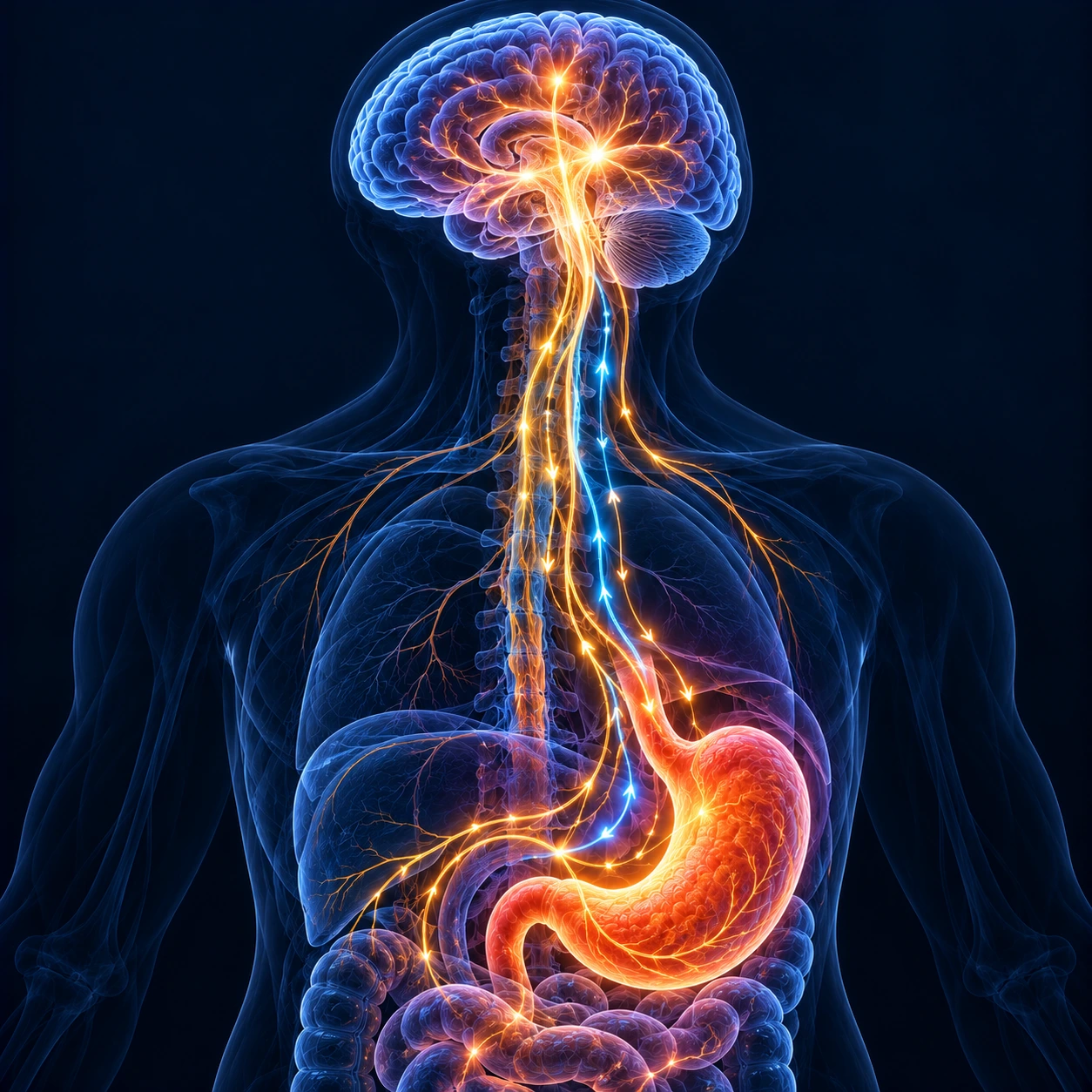
Anxiety and depression are significantly more prevalent in FD patients than in the general population, and history of physical or sexual abuse is a risk factor. The brain-gut axis operates bidirectionally — psychological distress amplifies gut symptom perception, and chronic gut symptoms worsen psychological wellbeing. Stress activates the hypothalamic-pituitary-adrenal axis and alters gut motility and secretion via autonomic pathways. This is not "all in the head" — it reflects genuine neurobiological integration between the enteric and central nervous systems.
Post-Infectious Functional Dyspepsia
A subset of FD patients trace symptom onset to an acute episode of gastroenteritis (bacterial, viral, or parasitic). Post-infectious FD likely shares mechanisms with post-infectious irritable bowel syndrome: persistent low-grade mucosal inflammation, increased intestinal permeability, and altered enteric nerve sensitization after acute infection. H. pylori gastritis is the most clinically relevant infectious trigger.
The Role of Helicobacter pylori
H. pylori infection is found in a substantial minority of FD patients (prevalence varies by region — up to 50–70% in developing countries, 20–30% in Western populations). Eradicating H. pylori produces a modest but statistically significant and durable reduction in FD symptoms in a subset of patients.
Evidence for Eradication
Systematic reviews and meta-analyses (including the 2006 Cochrane review by Moayyedi et al., 17 trials and 3,566 patients, later withdrawn by Cochrane in 2011) report that H. pylori eradication is superior to placebo for FD, with a 10% relative risk reduction and a number needed to treat (NNT) of 14 to cure one case of dyspepsia. This is modest but real — roughly 1 in 14 treated patients. Because eradication also prevents peptic ulcer disease and reduces gastric cancer risk, it is worthwhile regardless of its FD benefit.
Testing Strategy
The 2017 American College of Gastroenterology and Canadian Association of Gastroenterology (ACG/CAG) dyspepsia guideline recommends a non-invasive H. pylori "test and treat" strategy for dyspepsia patients under age 60; other guidelines use a lower age, such as 55. The tests:
- Urea breath test (UBT): preferred non-invasive test for active infection; sensitivity and specificity above 95%. Requires stopping proton pump inhibitors 2 weeks before testing (acid suppression reduces H. pylori density and causes false negatives).
- Stool antigen test: equivalent accuracy to UBT; useful when UBT is unavailable.
- Serology (immunoglobulin G (IgG) antibody): not recommended for active infection testing — antibodies remain positive for years post-eradication and cannot distinguish active from past infection.
Eradication Regimens
The 2024 American College of Gastroenterology guideline names bismuth quadruple therapy (proton pump inhibitor + bismuth subcitrate + tetracycline + metronidazole) for 14 days as the preferred regimen for people treated for the first time when antibiotic susceptibility is unknown. Rifabutin triple therapy, or dual therapy with a potassium-competitive acid blocker (such as vonoprazan), for 14 days are its alternatives for people without penicillin allergy; the guideline reserves clarithromycin- or levofloxacin-containing salvage regimens for confirmed antibiotic susceptibility. Eradication is confirmed with a UBT or stool antigen test 4–8 weeks after completing treatment (while off proton pump inhibitors).
Alarm Features and When to Investigate
The diagnosis of functional dyspepsia requires ruling out structural disease. Guidelines differ on alarm features: some treat any alarm feature as a reason for endoscopy (EGD) at any age, while the 2017 ACG/CAG guideline suggests endoscopy from age 60 and states that alarm features alone do not automatically lead to endoscopy in younger patients but are weighed case by case. The features usually listed are:
- Unintentional weight loss greater than 5% of body weight
- Dysphagia (difficulty swallowing solid or liquid food)
- Odynophagia (painful swallowing)
- Persistent vomiting (not just occasional nausea)
- New onset of symptoms in patients age 55 or older in some guidelines, 60 or older in the ACG/CAG guideline (threshold where gastric cancer risk rises)
- Family history of upper gastrointestinal malignancy (gastric, esophageal cancer)
- Gastrointestinal bleeding (melena, hematemesis) or iron-deficiency anemia without another explanation
- Palpable epigastric mass on physical examination
The absence of alarm features in a younger patient (under 60 in the ACG/CAG guideline, under 55 in some others) supports a non-invasive "test and treat" H. pylori strategy before proceeding to endoscopy. However, guidelines differ by region — some recommend endoscopy for all patients with persistent dyspepsia regardless of age.
Importantly, a normal EGD does not exclude functional dyspepsia — it confirms it (by ruling out peptic ulcer disease, esophagitis, gastric cancer, and other structural lesions).
Diagnosis: Approach and Testing
FD is a clinical diagnosis of exclusion. The diagnostic workup serves to exclude organic disease, identify treatable causes (H. pylori), and characterize the symptom subtype to guide therapy.
Initial Evaluation
- Detailed symptom history: character, timing, relation to meals, triggers, severity, duration, associated symptoms (nausea, bloating, heartburn, bowel habit changes)
- Medication review: nonsteroidal anti-inflammatory drugs (NSAIDs), aspirin, bisphosphonates, iron supplements, potassium — all can cause or worsen dyspepsia
- Physical examination (palpate for epigastric tenderness or mass)
- Basic labs: complete blood count (CBC) (anemia), metabolic panel, thyroid function (hypothyroidism causes dyspepsia), liver/pancreatic enzymes
H. pylori Testing
Urea breath test or stool antigen in all patients without alarm features before empirical acid suppression therapy. Proton pump inhibitor therapy is usually stopped 2 weeks before testing.
Upper Endoscopy (EGD)
Indicated for: presence of alarm features (weighed case by case in younger patients under the ACG/CAG guideline); new dyspepsia at age 60 or older (ACG/CAG 2017; 55 or older in some other guidelines); failure to respond to initial empirical therapy; patient preference or high health anxiety requiring reassurance. EGD with biopsies can simultaneously test for H. pylori, rule out peptic ulcer disease, Helicobacter-related gastritis, celiac disease (duodenal biopsies), and malignancy.
Gastric Emptying Scintigraphy
Not required for the routine diagnosis of FD, but indicated when gastroparesis is suspected (predominant nausea and vomiting, severe PDS unresponsive to initial treatment). A standardized 4-hour solid-phase gastric emptying scintigraphy distinguishes FD from gastroparesis — though the overlap is real and clinically important.
Nutrient Drink Test / Barostat
Research tools to quantify impaired gastric accommodation; not routine clinical practice but available in specialist centers. Useful when selecting patients for specific proaccommodation therapies (mirtazapine, buspirone, acotiamide).
Dietary and Lifestyle Management
Dietary and lifestyle changes are first-line, non-pharmacological interventions. Reassurance about the benign nature of FD is itself therapeutic — health anxiety amplifies symptom perception, and patients who understand their diagnosis tolerate symptoms better.
Meal Patterns
- Small, frequent meals rather than large, infrequent ones — large meals exceed the accommodation capacity of the fundus and trigger postprandial distress more reliably
- Eating slowly, and not when stressed or rushed, is commonly described as easing symptoms
- Sitting upright for about 30 minutes after meals is a commonly described measure
Foods Linked to Symptoms
- High-fat meals: in studies of FD patients, fat in the duodenum delays gastric emptying and triggers cholecystokinin (CCK) release, which sensitizes gastric mechanoreceptors and worsens fullness and early satiation
- Spicy foods: capsaicin activates TRPV1 receptors in the gastric and duodenal mucosa; high intake provokes symptoms in many FD patients
- Caffeine: increases gastric acid secretion and gastric motility disturbance in sensitive individuals
- Alcohol: direct gastric mucosal irritant; worsens dyspepsia and may impair accommodation
- Nonsteroidal anti-inflammatory drugs and aspirin: inhibit prostaglandin synthesis, damage gastric mucosal barrier; acetaminophen does not carry this stomach-lining effect
Stress Reduction and Sleep
Stress activates the hypothalamic-pituitary-adrenal axis and alters gut motility and visceral sensitivity. Regular physical activity, adequate sleep (7–9 hours), and mindfulness-based stress reduction techniques reduce FD symptom frequency and severity in clinical studies. These are not optional extras — they address the brain-gut axis directly.
Reassurance
Explaining the diagnosis clearly — that FD is a recognized physiological disorder, not imaginary, not cancerous, not a sign of serious underlying disease — reduces health anxiety and improves outcomes. Patients who understand their condition make more consistent lifestyle changes and respond better to treatment.
Medical Treatments: Proton Pump Inhibitors, Prokinetics, and Neuromodulators
Pharmacological treatment is guided by FD subtype and the dominant mechanism. No single drug works for all patients; sequencing and combination approaches are often required.
Proton Pump Inhibitors — First-Line for EPS
Proton pump inhibitors (omeprazole 20–40 mg/day, lansoprazole 30 mg/day, or equivalent) are first-line pharmacotherapy for FD, particularly EPS. Meta-analyses show a modest overall benefit (NNT approximately 14 — roughly 1 in 14 patients benefits significantly over placebo). The effect is more pronounced for EPS (where duodenal acid exposure is a key driver) than for PDS. Courses are typically short, 4–8 weeks, rather than indefinite; long-term proton pump inhibitor use carries risks (hypomagnesemia, B12 deficiency, enteric infections, bone density) and is not standard for uncomplicated FD.
H2 Blockers
Famotidine or cimetidine are alternatives to proton pump inhibitors with some evidence for FD symptom reduction. Ranitidine is no longer an option in the United States: in April 2020 the FDA requested that manufacturers withdraw all prescription and over-the-counter ranitidine from the market because of a contaminant, N-nitrosodimethylamine (NDMA). Useful as step-down therapy or when proton pump inhibitor side effects are problematic.
Prokinetics — First-Line for PDS
Prokinetics address delayed gastric emptying and impaired antral motility:
- Domperidone 10 mg three times daily before meals: peripheral dopamine D2 antagonist; accelerates gastric emptying; better tolerated than metoclopramide (does not cross blood-brain barrier in significant amounts); cardiac QTc prolongation risk — a baseline electrocardiogram (ECG) is commonly obtained
- Metoclopramide 5–10 mg four times daily before meals and at bedtime: effective prokinetic but central dopamine blockade causes extrapyramidal side effects (akathisia, acute dystonia) with short-term use and tardive dyskinesia with prolonged use — the FDA boxed warning advises against use for longer than 12 weeks, and older adults are at higher risk
Low-Dose Tricyclic Antidepressants — Central Sensitization
Tricyclic antidepressants (TCAs) reduce visceral hypersensitivity via central and peripheral mechanisms independent of their antidepressant effect. They are used at doses far below antidepressant doses:
- Amitriptyline at bedtime: most commonly studied; anticholinergic effect also slows gastric transit (may worsen constipation or bloating); improves sleep
- Nortriptyline: better tolerated than amitriptyline with fewer anticholinergic effects
- A 2015 multicenter randomized trial (Talley et al., 292 patients) tested amitriptyline 50 mg vs. escitalopram 10 mg vs. placebo over 10 weeks — adequate relief was reported by 53% on amitriptyline, 38% on escitalopram and 40% on placebo (P = .05); patients with ulcer-like (painful) FD on amitriptyline were about 3 times more likely than those on placebo to report relief (odds ratio 3.1), and the authors concluded that amitriptyline, but not escitalopram, appears to benefit some patients
Mirtazapine (7.5–15 mg at bedtime)
Mirtazapine is a noradrenergic and specific serotonergic antidepressant (NaSSA) with particularly useful properties for FD: it promotes gastric accommodation (via 5-HT3 and 5-HT4 mechanisms), has antiemetic and appetite-stimulating effects (useful when weight loss is prominent), and improves sleep. Particularly valuable in PDS patients with significant weight loss, nausea, or early satiation. Weight gain is the main side effect — actually desirable in underweight patients.
Acotiamide (Japan, 100 mg three times daily before meals)
Acotiamide is approved in Japan (2013) for FD — it acts as a muscarinic M1/M2 receptor antagonist and acetylcholinesterase inhibitor, enhancing acetylcholine release at the myenteric plexus to improve gastric accommodation and antral motility. Randomized controlled trials (RCTs) demonstrated significant symptom improvement vs. placebo. Not approved in the United States or Europe as of 2026.
Buspirone (10 mg three times daily)
Buspirone is a 5-HT1A receptor partial agonist that promotes gastric fundus relaxation (accommodation). Small randomized controlled trials and crossover studies have shown benefit for postprandial fullness and early satiation in PDS. Useful as an alternative or adjunct to mirtazapine for accommodation-predominant symptoms.
Psychological Therapies and Brain-Gut Axis
Psychological therapies are not adjuncts for "refractory" or "psychiatric" FD patients — they are evidence-based treatments for a disorder that inherently involves the brain-gut axis. They are particularly effective when anxiety, depression, health anxiety, or history of adverse life events is prominent.
Cognitive Behavioral Therapy (CBT)
Cognitive behavioral therapy for FD addresses dysfunctional illness cognitions (catastrophizing, health anxiety, symptom hypervigilance), teaches coping skills, and modifies behaviors that amplify symptoms (food avoidance, excessive medical consultation, activity restriction). Multiple randomized controlled trials show cognitive behavioral therapy is superior to medical treatment alone for FD symptom severity and quality of life. Effects are durable at 12-month follow-up.
Gut-Directed Hypnotherapy
Hypnotherapy specifically targeting gut perception and function — similar to the well-established evidence base in irritable bowel syndrome. Sessions focus on relaxation, visceral imagery, and modification of gut sensation. Small randomized controlled trials in FD show benefit comparable to cognitive behavioral therapy. Particularly useful for patients with high visceral sensitivity and those who have not responded to pharmacotherapy.
Mindfulness-Based Interventions
Mindfulness-based stress reduction (MBSR) and mindfulness-based cognitive therapy (MBCT) reduce stress-related symptom flares, improve psychological wellbeing, and modestly improve FD symptom scores. The mechanisms involve reduced stress-hormone-mediated gut motility disturbance and improved tolerance of visceral sensations.
The Brain-Gut Axis in Practice
Explaining the brain-gut connection to patients is itself therapeutic. Patients who understand that the nervous system connecting the brain and gut is genuinely dysregulated — not that their symptoms are imaginary or "psychological" in a dismissive sense — are more accepting of psychological referral, more adherent to neuromodulator medications, and report better quality of life. Gastroenterologists who take time to validate the reality of FD symptoms while explaining the functional mechanisms produce measurably better outcomes than those who simply reassure patients "nothing is wrong."
Key Research Papers
- Stanghellini V et al. "Gastroduodenal disorders." Gastroenterology. 2016;150(6):1380–1392. — PubMed PMID: 27147122
- Moayyedi P et al. "Eradication of Helicobacter pylori for non-ulcer dyspepsia." Cochrane Database Syst Rev. 2006;(2):CD002096. (Note: Cochrane withdrew this review in 2011.) — PubMed PMID: 16625554
- Talley NJ and Ford AC. "Functional dyspepsia." N Engl J Med. 2015;373(19):1853–1863. — PubMed PMID: 26535514
- Ford AC et al. "Efficacy of antidepressants and psychological therapies in irritable bowel syndrome." Gut. 2009;58(3):367–378. — PubMed PMID: 19001059
- Kusunoki H, Haruma K, Manabe N, et al. "Therapeutic efficacy of acotiamide in patients with functional dyspepsia based on enhanced postprandial gastric accommodation and emptying: randomized controlled study evaluation by real-time ultrasonography." Neurogastroenterol Motil. 2012;24(6):540–545, e250–e251. — PubMed PMID: 22385472
- Van Oudenhove L et al. "Biopsychosocial aspects of functional gastrointestinal disorders." Gastroenterology. 2016;150(6):1355–1367. — PubMed PMID: 27144624
- Talley NJ, Locke GR, Saito YA, et al. "Effect of amitriptyline and escitalopram on functional dyspepsia: a multicenter, randomized controlled study." Gastroenterology. 2015;149(2):340–349.e2. — PubMed PMID: 25921377
- Lacy BE, Cangemi D, Vazquez-Roque M. "Management of chronic abdominal distension and bloating." Clin Gastroenterol Hepatol. 2021;19(2):219–231.e1. — PubMed PMID: 32246999
- Drossman DA. "Functional gastrointestinal disorders: history, pathophysiology, clinical features, and Rome IV." Gastroenterology. 2016;150(6):1262–1279. — PubMed PMID: 27144617
- Moayyedi P, Lacy BE, Andrews CN, Enns RA, Howden CW, Vakil N. "ACG and CAG clinical guideline: management of dyspepsia." Am J Gastroenterol. 2017;112(7):988–1013. — PubMed PMID: 28631728
- Chey WD, Howden CW, Moss SF, et al. "ACG clinical guideline: treatment of Helicobacter pylori infection." Am J Gastroenterol. 2024;119(9):1730–1753. — PubMed PMID: 39626064
- Törnblom H, Carbone F, Hasler WL, et al. "Gastroduodenal disorders." Gastroenterology. 2026;170(6):1240–1260. — PubMed PMID: 41713705
Connections
- Gastroenterology
- Stomach Acid, pH & the Proton Pump Inhibitor Trade-off — interactive animation
- Gastroparesis
- Irritable Bowel Syndrome
- Gastroesophageal Reflux Disease
- H. pylori Infection
- Achalasia
- Vitamin D
- Ginger
- Thyme as a Digestive Aid — thymol's antispasmodic action and thyme's place in STW 5, a nine-herb liquid preparation.
- Herbs covered on this site that discuss this condition: Black Pepper · Blessed Thistle · Cardamom (Elettaria cardamomum) · Horehound · Makrut Lime (Citrus hystrix) · Perilla (Perilla frutescens)
- Discussed in depth on these pages: Fingerroot for Digestive Health and Functional Dyspepsia
Featured Videos
Featured videos will be added shortly.