Congenital Adrenal Hyperplasia
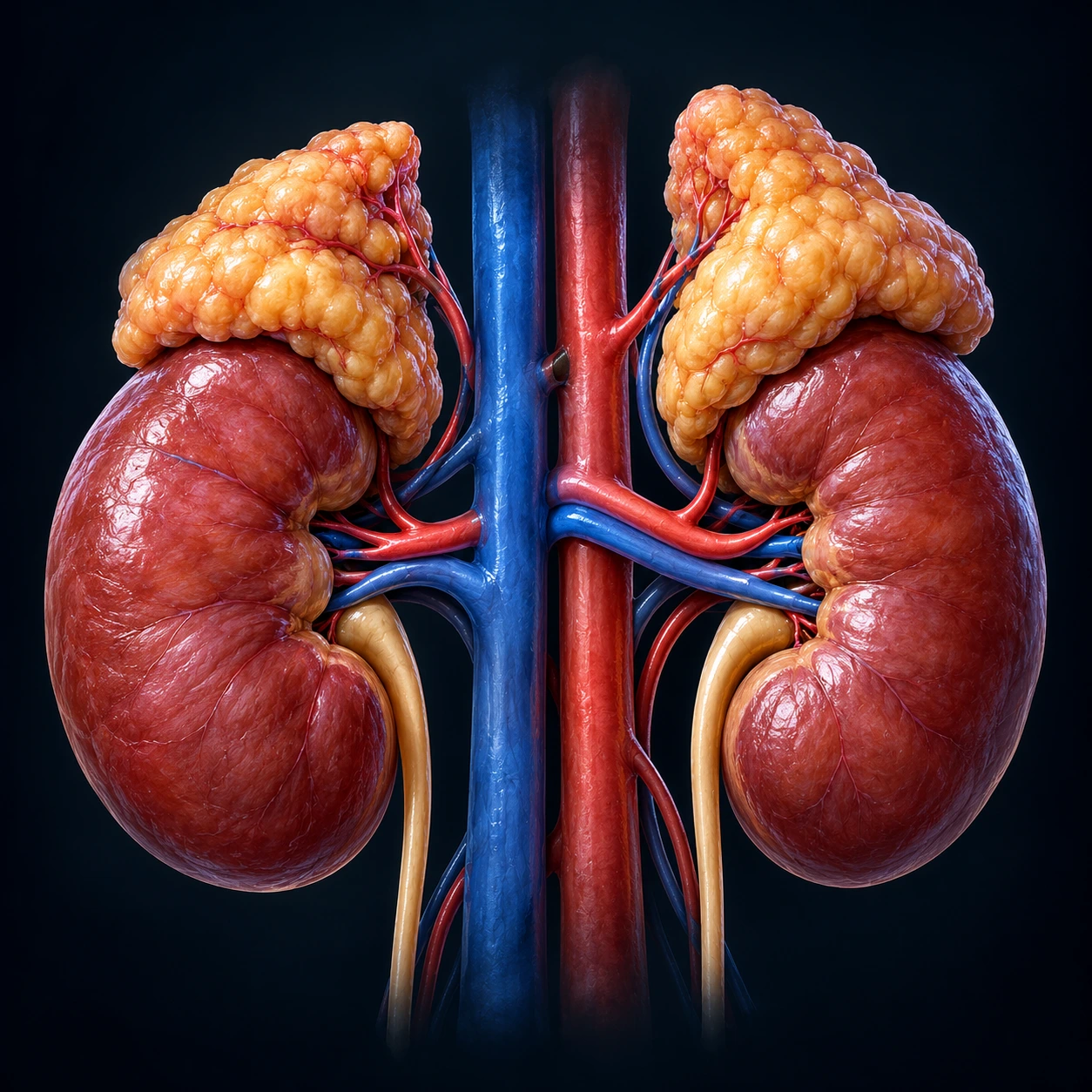
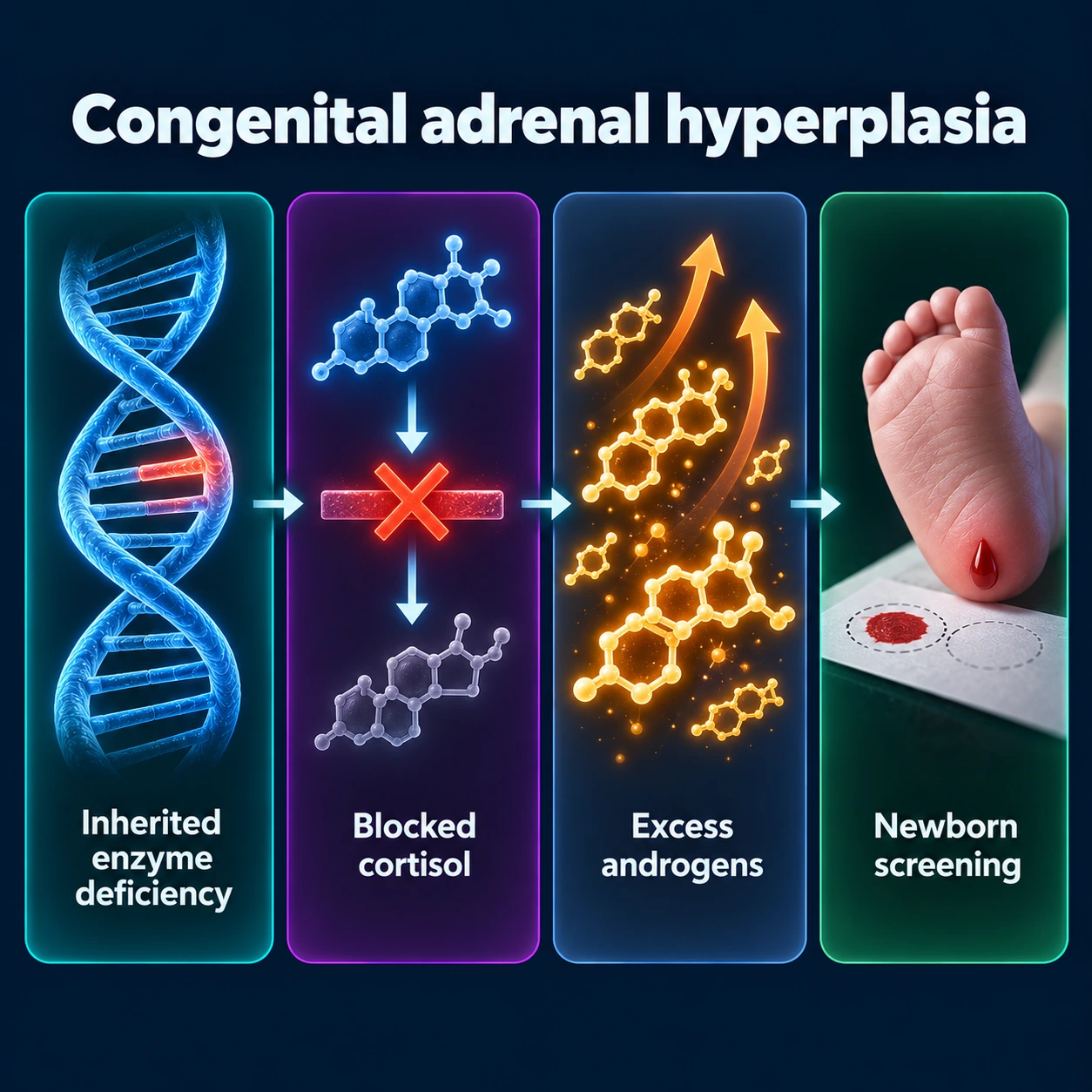
Congenital adrenal hyperplasia (CAH) is a group of inherited autosomal recessive disorders affecting the adrenal glands' ability to produce cortisol. Because cortisol production is blocked, the pituitary gland pumps out excessive adrenocorticotropic hormone (ACTH) in a futile attempt to drive cortisol synthesis — and this hormonal traffic jam causes the adrenal glands to grow larger (hyperplasia) while churning out androgens the body never ordered. The most common cause, by far, is a mutation in the CYP21A2 gene that encodes the 21-hydroxylase enzyme. The effects range from a life-threatening salt-wasting crisis in a newborn to subtle excess body hair in an adult woman who was told for years she simply had polycystic ovary syndrome. With proper hormone replacement therapy, most people with CAH live full, healthy lives.
- Overview and Genetics
- 21-Hydroxylase Deficiency
- Salt-Wasting Classic CAH
- Simple Virilizing CAH
- Nonclassic CAH
- 11β-Hydroxylase Deficiency
- Diagnosis and Newborn Screening
- Treatment and Management
- Prenatal Considerations
- Key Research Papers
- Featured Videos
- Connections
Overview and Genetics
Congenital adrenal hyperplasia is not a single disease but a family of enzymatic defects, all inherited in an autosomal recessive pattern, that impair the adrenal cortex's ability to convert cholesterol into cortisol. Every form shares a central pathophysiological loop: blocked cortisol synthesis removes negative feedback on the hypothalamic-pituitary axis → adrenocorticotropic hormone secretion rises without restraint → the adrenal cortex is chronically overstimulated → it grows (hyperplasia) and floods the body with whatever steroid intermediates can still be made, principally androgens.
The most common cause is a defect in the CYP21A2 gene encoding steroid 21-hydroxylase, which accounts for 90–95% of all CAH cases. The second most common is CYP11B1 deficiency (11β-hydroxylase), responsible for about 5–8%. Rare defects include 3β-hydroxysteroid dehydrogenase (3β-HSD), 17α-hydroxylase/17,20-lyase, steroidogenic acute regulatory protein (StAR), and P450 side-chain cleavage (CYP11A1).
Prevalence of classic CAH: approximately 1 in 10,000 to 1 in 15,000 live births worldwide. Nonclassic CAH is far more common — 1 in 100 to 1 in 1,000 in the general population. The often-quoted figure of 1 in 27 among Ashkenazi Jews (3.7% affected, 30.9% carriers) came from a 1985 family-linkage (HLA-B) study; a 2017 genetic study of 200 Ashkenazi Jews and 200 US Caucasians found lower rates — carriers made up 15% of the Ashkenazi group and 9.5% of the Caucasian group, about 0.5% of the Ashkenazi group was affected (against the old 3.7%), and nonclassic CAH was estimated at about 1 in 200 Caucasians. Carrier frequency for classic 21-OHD is roughly 1 in 60. The CYP21A2 gene sits on chromosome 6p21.3 within the major histocompatibility complex region, adjacent to a highly similar pseudogene (CYP21A1P); gene conversion events and deletions between the functional gene and pseudogene account for the majority of pathogenic alleles.
Genotype-phenotype correlations are strong but not absolute. Null mutations (large deletions, frameshift mutations) that abolish all enzyme activity produce the severe salt-wasting phenotype. Point mutations that permit 1–2% residual enzyme activity produce simple virilizing disease. Mutations allowing 20–60% residual activity produce the nonclassic form. Compound heterozygotes (two different mutations on the two alleles) are common, and the milder allele generally determines clinical severity.
21-Hydroxylase Deficiency
The 21-hydroxylase enzyme catalyzes two critical reactions in the adrenal cortex:
- Conversion of 17-hydroxyprogesterone (17-OHP) to 11-deoxycortisol — the penultimate step in cortisol synthesis.
- Conversion of progesterone to 11-deoxycorticosterone (DOC) — an early step in aldosterone synthesis.
When the enzyme is absent or severely reduced, both pathways stall. 17-OHP builds up in enormous quantities (serum levels 10- to 100-fold above normal) and is shunted into the only pathway still open — androgen biosynthesis. The overflow converts to androstenedione, which peripheral tissues convert to testosterone and dihydrotestosterone (DHT). The result is androgen excess superimposed on cortisol (and sometimes aldosterone) deficiency.
The severity of the enzyme defect correlates directly with residual CYP21A2 activity:
- Null / <1% activity: Salt-wasting classic CAH — complete loss of both cortisol and aldosterone.
- 1–2% activity: Simple virilizing classic CAH — cortisol deficient, aldosterone borderline sufficient.
- 20–60% activity: Nonclassic (late-onset) CAH — cortisol usually normal at baseline, androgen excess variable.
The hormonal fingerprint of 21-OHD includes markedly elevated 17-OHP, androstenedione, and DHEAS; low or low-normal cortisol; low or low-normal aldosterone; elevated plasma renin activity (in salt-wasting); and suppressed adrenocorticotropic hormone after glucocorticoid replacement. Measuring early-morning (8 AM) 17-OHP is the cornerstone of diagnosis and ongoing monitoring.
Salt-Wasting Classic CAH
Salt-wasting CAH represents approximately 75% of classic 21-hydroxylase deficiency. Both cortisol synthesis and aldosterone synthesis are completely abolished. During fetal life, the mother's aldosterone crosses the placenta and protects the infant from electrolyte disaster — but within the first 1–2 weeks after birth, as maternal hormone clears, the crisis strikes.
The neonatal adrenal crisis is a medical emergency. Infants present with:
- Hyponatremia (sodium loss in urine from absent aldosterone — sodium may fall below 125 mEq/L)
- Hyperkalemia (potentially fatal cardiac arrhythmias)
- Hypotension and circulatory collapse (cortisol deficiency + volume depletion)
- Hypoglycemia (cortisol needed for gluconeogenesis)
- Vomiting, poor feeding, lethargy, and failure to thrive
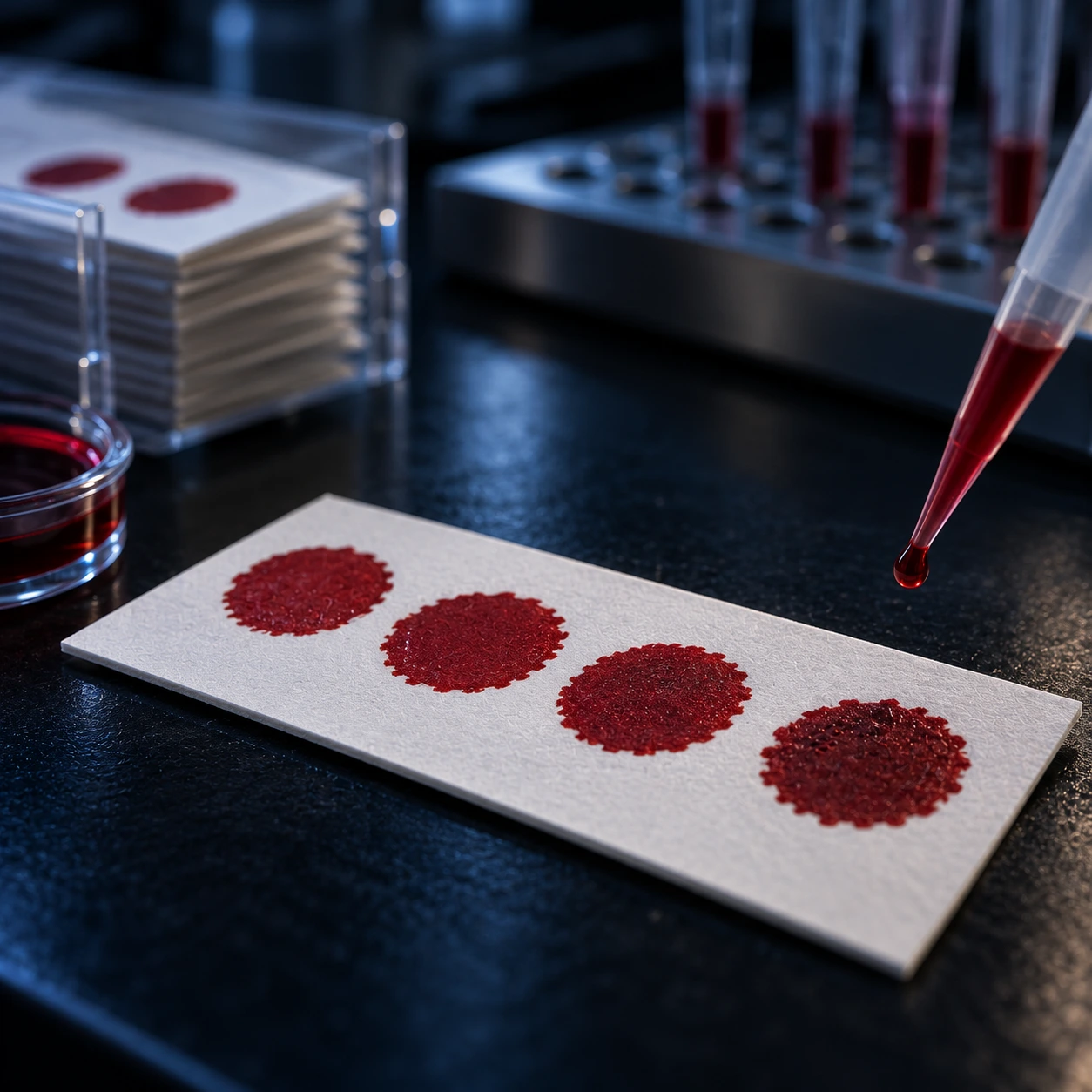
Without diagnosis and treatment, this crisis is fatal. Newborn screening programs dramatically reduce mortality by detecting elevated 17-OHP on the heel-stick card, typically before symptoms develop.
Simultaneously, the fetal adrenal androgens virilize the external genitalia of genetically female (46,XX) infants beginning as early as 6 weeks of gestation. Female infants are born with:
- Clitoromegaly ranging from mild enlargement to a fully phallic structure
- Partial or complete labial fusion (resembling a scrotum)
- A urogenital sinus (common opening for the urethra and vagina)
- Prader staging I–V describes increasing degrees of virilization (Prader I = clitoromegaly only; Prader V = complete male-appearing external genitalia)
Internally, ovaries, uterus, and fallopian tubes are entirely normal — the androgens affect only the external genitalia, not the internal Müllerian structures (because anti-Müllerian hormone, secreted by testes, is absent).
Male infants with salt-wasting CAH have normal-appearing external genitalia at birth. Without newborn screening, they are discharged from the nursery and return days later in adrenal crisis — a diagnostic pitfall that makes newborn screening especially critical for affected males.
Simple Virilizing CAH
Simple virilizing CAH accounts for about 25% of classic 21-OHD. Residual 21-hydroxylase activity is low (approximately 1–2%) but sufficient to maintain borderline-adequate aldosterone synthesis, preventing the acute electrolyte crisis of the salt-wasting form. Cortisol synthesis is still severely impaired, and the androgen excess is just as pronounced.
Females have the same degree of genital virilization as salt-wasting CAH — ambiguous genitalia detected at birth remains the presenting feature. The absence of a salt-wasting crisis in the neonatal period does not reduce the urgency of diagnosis and treatment.
Males are the diagnostic challenge. At birth, male infants have entirely normal genitalia with no salt-wasting crisis — there is literally nothing to alert the pediatrician. If newborn screening is not performed (or results are missed), these boys come to attention later with:
- Premature pubic and axillary hair (adrenarche) — sometimes as early as age 2–3
- Penile enlargement with small testes (androgen-driven penile growth, not gonadotropin-driven)
- Acne
- Accelerated linear growth velocity and advanced bone age
- Early epiphyseal fusion → short adult stature if untreated
Both sexes with untreated simple virilizing CAH ultimately have compromised adult height because the androgen-driven bone age advancement outpaces the growth spurt, fusing the growth plates years before their time. Girls may also develop secondary central precocious puberty — the advanced bone age triggers hypothalamic maturation, adding a gonadotropin-driven puberty on top of the androgen excess.
Nonclassic CAH
Nonclassic CAH (NCCAH, also called late-onset CAH) is the most common autosomal recessive endocrine disorder in humans. With a general population prevalence of 1 in 100 to 1 in 1,000, it is far more common than classic CAH and vastly underdiagnosed. The long-quoted rate of 1 in 27 among Ashkenazi Jews came from an older method: a 1985 study that tracked an immune-system marker (HLA-B) through affected families. When researchers read the CYP21A2 gene directly in 200 healthy Ashkenazi Jews and 200 US Caucasians in 2017, carriers made up 15% and 9.5% of the two groups, the Ashkenazi affected rate was about 0.5% rather than 3.7%, and nonclassic CAH was estimated at about 1 in 200 Caucasians. The authors concluded that nonclassic CAH is common regardless of ethnicity. Residual 21-hydroxylase activity is typically 20–60%, enough to maintain near-normal cortisol and aldosterone production at baseline, but not enough to prevent adrenocorticotropic hormone-driven androgen excess.
At birth: External genitalia are completely normal in both sexes. There is no neonatal crisis. Newborn screening may catch mildly elevated 17-OHP in some cases, but results are often borderline and diagnosis is missed.
In childhood: Premature adrenarche (pubic hair before age 8 in girls, age 9 in boys) may be the first sign. Accelerated growth and mildly advanced bone age are common.
In adolescent and adult females: The presentation overlaps substantially with polycystic ovary syndrome (PCOS):
- Hirsutism (excess facial and body hair)
- Acne, sometimes severe and treatment-resistant
- Oligomenorrhea or amenorrhea
- Anovulation and infertility
- Elevated testosterone and androstenedione on labs
Studies estimate that 2–5% of women diagnosed with polycystic ovary syndrome actually have nonclassic CAH — a critical distinction because the treatments differ entirely. In standard testing practice, an early-morning 17-OHP level above 2 ng/mL (follicular phase) in a woman with unexplained androgen excess is followed by adrenocorticotropic hormone stimulation testing.
In males: NCCAH is often completely asymptomatic and discovered incidentally when a sibling or child is diagnosed with classic CAH. Some men have premature adrenarche, acne, or (rarely) reduced fertility from intratesticular adrenal rest tumors (TART).
Many adults with NCCAH require no treatment — the decision to treat with low-dose hydrocortisone is guided by symptoms (bothersome hirsutism, infertility) rather than by lab values alone. When fertility is the goal, glucocorticoid therapy to suppress adrenal androgen production — sometimes combined with ovulation induction — can be highly effective.
11β-Hydroxylase Deficiency
11β-Hydroxylase deficiency, caused by mutations in the CYP11B1 gene, is the second most common form of CAH, accounting for 5–8% of all cases. It is especially prevalent in populations of Moroccan Jewish and Middle Eastern descent. The enzyme catalyzes:
- Conversion of 11-deoxycortisol to cortisol (cortisol synthesis — final step)
- Conversion of 11-deoxycorticosterone (DOC) to corticosterone (aldosterone pathway — intermediate step)
The consequences are the inverse of salt-wasting 21-OHD in one critical respect:
- Cortisol is deficient → adrenocorticotropic hormone rises → adrenal androgens accumulate → virilization (same as 21-OHD).
- DOC is a potent mineralocorticoid. When CYP11B1 is blocked, DOC accumulates in large amounts → sodium retention, volume expansion, potassium wasting → hypertension and hypokalemia.
This is the clinical key: hypertension in a child or young adult with virilization and elevated adrenal androgens immediately raises suspicion for 11β-OHD. In contrast to salt-wasting 21-OHD (hyponatremia, hyperkalemia), 11β-OHD causes the opposite electrolyte picture — hypokalemia and volume-expanded hypertension that does not respond to conventional antihypertensives.
The diagnostic hallmark is markedly elevated 11-deoxycortisol (compound S) and DOC in serum, with low cortisol and suppressed aldosterone (because corticosterone itself partially substitutes as a mineralocorticoid, and DOC's sodium retention suppresses the renin-angiotensin system). Treatment with glucocorticoids suppresses adrenocorticotropic hormone, reduces DOC production, and typically resolves the hypertension — though some patients with long-standing disease develop irreversible hypertensive end-organ damage.
Diagnosis and Newborn Screening
Newborn screening (NBS) has transformed CAH management. Most U.S. states and many countries now include 17-OHP measurement on the routine heel-stick filter paper card collected at 24–48 hours of life. A positive screen triggers urgent confirmatory testing. Important limitations:
- False-positive rates are high in premature infants (adrenal immaturity → elevated 17-OHP) and sick neonates.
- Second-tier liquid chromatography–tandem mass spectrometry (LC-MS/MS) for 17-OHP significantly reduces false positives.
- Not all nonclassic cases are detected — the screen targets classic CAH.
Confirmatory serum testing:
- 17-OHP: Draw at 8 AM (diurnal peak). In classic salt-wasting CAH, basal 17-OHP is typically >10,000 ng/dL (reference <100 ng/dL). Simple virilizing: 3,000–10,000 ng/dL. Nonclassic: mildly elevated at baseline (<2 ng/mL is reassuring; >10 ng/mL suggests classic).
- Adrenocorticotropic hormone stimulation test (250 mcg intravenous (IV) cosyntropin): Collect 17-OHP at 0 and 60 minutes. Stimulated 17-OHP >1,500 ng/dL confirms nonclassic CAH; >10,000 ng/dL confirms classic.
- Androstenedione and testosterone: Elevated in all symptomatic forms; useful for monitoring treatment adequacy.
- Plasma renin activity (PRA) or direct renin: Elevated in salt-wasting (aldosterone deficiency → renin rises). Monitoring renin guides fludrocortisone dose.
- Electrolytes: Hyponatremia + hyperkalemia in salt-wasting crisis.
- Bone age X-ray (left hand/wrist): Advanced bone age confirms androgen excess duration.
Molecular genetics (CYP21A2 sequencing): Identifies the specific mutations, confirms diagnosis, guides genetic counseling, identifies carriers, and is essential for prenatal management of subsequent pregnancies. Because of the high homology between CYP21A2 and the pseudogene CYP21A1P, specialized sequencing strategies (multiplex ligation-dependent probe amplification, gene-specific polymerase chain reaction (PCR)) are required.
Screening adults for nonclassic CAH: For an adult woman with otherwise unexplained hirsutism, oligo-anovulation, or infertility — particularly with elevated androstenedione — testing starts with an early-morning (follicular phase) 17-OHP. A value >2 ng/mL is followed by adrenocorticotropic hormone stimulation testing.
Treatment and Management
The goals of treatment are: (1) replace deficient cortisol; (2) replace deficient aldosterone (when applicable); (3) suppress excess adrenocorticotropic hormone-driven androgen production; and (4) avoid the iatrogenic consequences of over-treatment (Cushing's features, growth suppression, bone loss).
Glucocorticoid Replacement
Hydrocortisone is the glucocorticoid of choice in children because its short half-life (8 hours) more closely mimics physiologic cortisol secretion and carries lower risk of growth suppression than longer-acting agents. Typical dose: 10–15 mg/m²/day in three divided doses (morning, afternoon, evening). Getting the dose right is a balancing act:
- Under-replacement: Androgen breakthrough — 17-OHP and androstenedione rise, bone age advances, final height compromised.
- Over-replacement: Iatrogenic Cushing's syndrome — weight gain, growth suppression, insulin resistance, osteoporosis, adrenal suppression of endogenous reserve (making stress dosing more critical).
In adults, longer-acting agents (prednisolone, dexamethasone) are sometimes used for better 24-hour suppression, though at the cost of less physiologic rhythm.
A Newer Add-On Medicine: Crinecerfont
Keeping adrenal androgens under control in classic CAH usually takes glucocorticoid doses above the body's natural (physiologic) level, and those higher doses bring their own complications, as the 2024 phase 3 trial reports note. Crinecerfont is a tablet that blocks the corticotropin-releasing factor type 1 receptor, the signal that drives the pituitary to release adrenocorticotropic hormone. It is taken together with glucocorticoids, not instead of them.
- Adults (182 people, 24 weeks): the starting glucocorticoid dose averaged 17.6 mg/m²/day (hydrocortisone equivalents). With androstenedione kept under control, the daily dose fell 27.3% on crinecerfont against 10.3% on placebo, and 63% of the crinecerfont group reached a physiologic dose against 18% on placebo. At week 4, androstenedione fell by 299 ng/dL on crinecerfont but rose by 45.5 ng/dL on placebo. Fatigue and headache were the most common side effects.
- Children (103 children, 28 weeks): the starting dose averaged 16.4 mg/m²/day. At week 4, androstenedione fell by 197 ng/dL on crinecerfont but rose by 71 ng/dL on placebo; by week 28 the glucocorticoid dose had fallen 18.0% on crinecerfont while it rose 5.6% on placebo. Headache, fever and vomiting were the most common side effects.
A 2026 drug review describes crinecerfont as the first approved add-on (adjunctive) therapy for classic CAH.
Mineralocorticoid Replacement
Fludrocortisone (a synthetic aldosterone analogue) is required for salt-wasting CAH. Typical dose: 50–100 mcg/day in infants and young children; adjusted by plasma renin activity in older patients. Infants additionally need oral sodium chloride supplementation (1–3 g/day) because breast milk and formula are sodium-poor relative to needs.
Stress Dosing — The Most Critical Safety Teaching
Patients with CAH cannot mount a normal cortisol stress response. CAH care describes standard "sick day rules":
- Mild illness (fever, vomiting without dehydration): the hydrocortisone dose is doubled or tripled.
- Vomiting/unable to take oral medication: intramuscular hydrocortisone from an emergency kit (injectable hydrocortisone sodium succinate) is given at once, and the situation is treated as an emergency that needs hospital care. This is potentially life-saving.
- Surgery/procedures under anesthesia: stress-dose intravenous hydrocortisone is given around the operation.
A medical alert bracelet or card tells emergency staff that the person cannot make a cortisol stress response, and CAH care plans include a prefilled emergency hydrocortisone injection carried at all times.
Monitoring
Quarterly in childhood: 17-OHP and androstenedione (morning, before medication); growth velocity; blood pressure; bone age X-ray annually. Plasma renin activity guides fludrocortisone dosing. DEXA scan for bone mineral density in adults. Testicular ultrasound in males to screen for adrenal rest tumors (TARTs).
Surgical Management
Female infants with severe virilization (Prader III–V) may undergo genitoplasty — clitoral reduction (with nerve-sparing techniques) and vaginoplasty. The optimal timing and extent of surgery remain actively debated; some pediatric endocrinology societies recommend delaying cosmetic procedures until the patient can provide informed assent. Surgery does not restore full sensory function in all cases, and psychological support is integral to care.
Nonclassic CAH — Treatment Is Symptom-Guided
Many patients with NCCAH need no pharmacological treatment. Indications for low-dose hydrocortisone include: symptomatic hirsutism not responding to topical approaches, anovulatory infertility, premature adrenarche causing psychological distress, or progressive virilization. Oral contraceptives with anti-androgenic progestins are an alternative for hirsutism management in women not seeking fertility.
Prenatal Considerations
The prospect of having an affected female fetus motivates prenatal intervention because virilization of the external genitalia begins at 6–8 weeks of gestation — weeks before any conventional prenatal diagnosis is possible. By the time chorionic villus sampling (CVS) results return at 10–12 weeks, irreversible virilization may have already occurred.
Prenatal Dexamethasone
Dexamethasone is a glucocorticoid that crosses the placenta in its active form (unlike cortisol, which is inactivated by placental 11β-HSD2). Administered to the mother beginning at 5–7 weeks gestation, it suppresses fetal adrenocorticotropic hormone secretion → reduces adrenal androgen production → prevents or reduces virilization of an affected female fetus.
The ethical tension is significant: treatment must begin before fetal sex or genotype is known. This means 7 out of 8 fetuses receive dexamethasone unnecessarily (normal males, carrier females, and unaffected females — only 1 in 8 is an affected female who might benefit). Concerns about long-term neurocognitive and metabolic effects of prenatal glucocorticoid exposure in the unaffected 7/8 have made this treatment highly controversial. The 2010 Endocrine Society guideline recommended that prenatal treatment of CAH continue to be regarded as experimental; where it is used, it is given under institutional review board (research-ethics) oversight at centers able to follow the children long term.
Cell-Free Fetal DNA (cffDNA)
Beginning at 5–6 weeks of gestation, fetal DNA circulates freely in maternal blood. Testing maternal plasma for Y-chromosome sequences (SRY) rapidly identifies male fetuses, who can be discontinued from dexamethasone immediately — reducing unnecessary treatment from 7/8 to 3/8 fetuses. Molecular fetal genotyping for CYP21A2 mutations from cffDNA is being developed but is not yet standard of care.
Genetic Counseling
When both parents are known carriers of CYP21A2 mutations (carrier frequency ~1:60), each pregnancy carries a 1 in 4 (25%) chance of classic CAH. Preimplantation genetic testing (PGT) with in vitro fertilization is an option for couples who wish to avoid an affected pregnancy entirely. Genetic counseling covers carrier testing, recurrence risks, and the options for prenatal diagnosis and intervention.
Key Research Papers
- White PC, New MI, Dupont B (1984). Cloning and expression of cDNA encoding a bovine adrenal cytochrome P-450 specific for steroid 21-hydroxylation. Proc Natl Acad Sci U S A 81(7):1986-90 — PubMed PMID: 6609358
- Speiser PW, White PC (1998). Congenital adrenal hyperplasia due to steroid 21-hydroxylase deficiency. Clin Endocrinol (Oxf) 49(4):411-7 — PubMed PMID: 9876336
- Speiser PW et al. 2010 — Congenital Adrenal Hyperplasia Due to Steroid 21-Hydroxylase Deficiency: An Endocrine Society Clinical Practice Guideline (replaced by the 2018 update below). J Clin Endocrinol Metab. — PubMed PMID: 20823466
- Speiser PW, Arlt W, Auchus RJ, Baskin LS, Conway GS, Merke DP, Meyer-Bahlburg HFL, Miller WL, Murad MH, Oberfield SE, White PC (2018). Congenital Adrenal Hyperplasia Due to Steroid 21-Hydroxylase Deficiency: An Endocrine Society Clinical Practice Guideline. J Clin Endocrinol Metab 103(11):4043-4088 — PubMed PMID: 30272171
- Bidet M, Bellanné-Chantelot C, Galand-Portier MB, et al. (2010). Fertility in women with nonclassical congenital adrenal hyperplasia due to 21-hydroxylase deficiency. J Clin Endocrinol Metab 95(3):1182-90 — PubMed PMID: 20080854
- Azziz R, Woods KS, Reyna R, Key TJ, Knochenhauer ES, Yildiz BO (2004). The prevalence and features of the polycystic ovary syndrome in an unselected population. J Clin Endocrinol Metab 89(6):2745-9 — PubMed PMID: 15181052
- Hannah-Shmouni F, Morissette R, Sinaii N, Elman M, Prezant TR, Chen W, Pulver A, Merke DP (2017). Revisiting the prevalence of nonclassic congenital adrenal hyperplasia in US Ashkenazi Jews and Caucasians. Genet Med 19(11):1276-1279 — PubMed PMID: 28541281
- Auchus RJ, Hamidi O, Pivonello R, et al.; CAHtalyst Adult Trial Investigators (2024). Phase 3 Trial of Crinecerfont in Adult Congenital Adrenal Hyperplasia. N Engl J Med 391(6):504-514 — PubMed PMID: 38828955
- Sarafoglou K, Kim MS, Lodish M, et al.; CAHtalyst Pediatric Trial Investigators (2024). Phase 3 Trial of Crinecerfont in Pediatric Congenital Adrenal Hyperplasia. N Engl J Med 391(6):493-503 — PubMed PMID: 38828945
- Yuan L (2026). Crinecerfont: CRF1R Antagonist Approved for Treatment of Congenital Adrenal Hyperplasia. Ann Pharmacother 60(5):512-520 — PubMed PMID: 41321281
PubMed Topic Searches
- PubMed: Congenital adrenal hyperplasia (2005)
- PubMed: Extensive clinical experience with nonclassical 21-hydroxylase deficiency
- PubMed: Prenatal diagnosis and treatment of congenital adrenal hyperplasia
- PubMed: Reproductive outcomes in women with congenital adrenal hyperplasia
- PubMed: Quality of life in classical congenital adrenal hyperplasia
- PubMed: Testicular adrenal rest tumors