Pneumococcal Meningitis and Invasive Disease
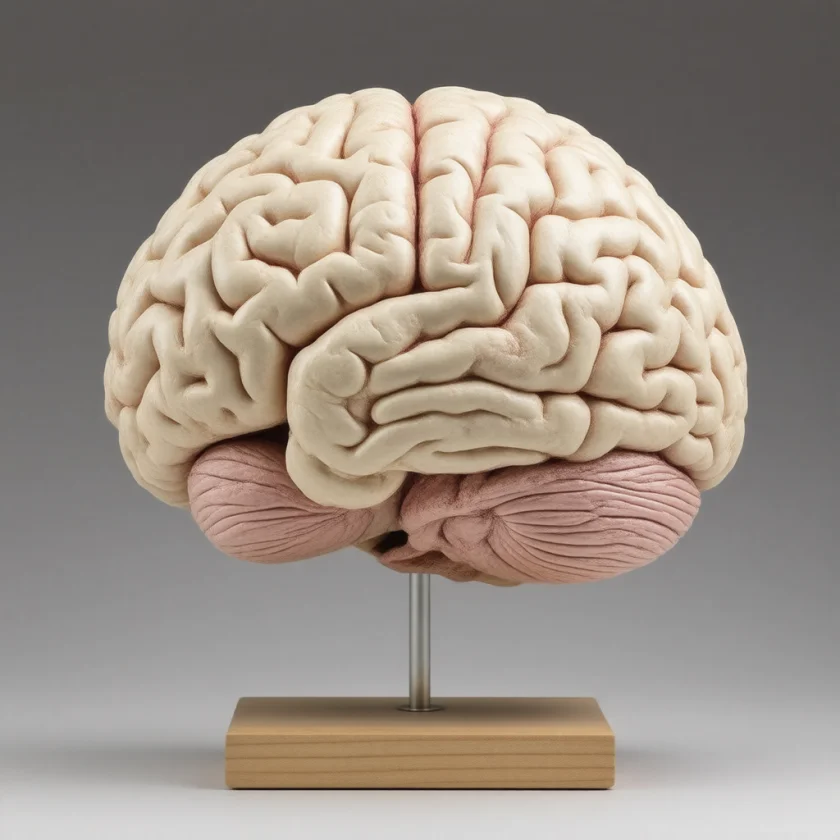
When Streptococcus pneumoniae spreads from the nose and throat into the bloodstream or the fluid around the brain, the result is invasive pneumococcal disease. In a Dutch nationwide study of adults with bacterial meningitis, 30 percent of patients with pneumococcal meningitis died, compared with 7 percent of those with meningococcal meningitis. Follow-up studies of survivors describe lasting hearing loss, neurologic deficits and cognitive problems. This page describes what happens inside the body during invasive pneumococcal disease, the signs studies report at presentation, and what the research shows about outcomes.
- How S. pneumoniae Reaches the Bloodstream
- The Classic Meningitis Triad
- What Goes Wrong Inside the Brain
- Mortality and Long-Term Sequelae
- Pneumococcal Septic Shock
- Pericarditis, Septic Arthritis, and Peritonitis
- Hearing Loss as a Sequela
- Dexamethasone: Why Timing Matters
- Key Research Papers
How S. pneumoniae Reaches the Bloodstream
S. pneumoniae is a frequent inhabitant of the upper airways of healthy people. Reviews describe this symptom-free colonisation of the nasopharynx — the passage behind the nose — as the step that precedes pneumococcal disease, and as especially common in children (Bogaert 2004; van der Poll and Opal 2009).
Influenza is the best-studied trigger for the move from carriage to disease. A review of the influenza–pneumococcus interaction describes ample evidence that the virus alters the lungs in a way that predisposes to pneumococcal adherence, invasion and disease: through damage to the airway lining, greater access to the receptors the bacteria bind to, a weakened ability of the host to clear the bacteria, and an amplified inflammatory response (McCullers 2006, PubMed PMID: 16847087).
During invasive disease, the bacteria attach to the lining of the airway and then invade the bloodstream, where they activate the complement and coagulation systems. Inflammatory mediators released in this phase help the bacteria cross the blood–brain barrier. Once in the brain's fluid spaces they multiply freely and trigger the brain's resident immune cells (microglia) and circulating immune cells, setting off a massive inflammatory response (Mook-Kanamori 2011 review, PubMed PMID: 21734248).
The Classic Meningitis Triad
In a Dutch nationwide study of 696 episodes of community-acquired bacterial meningitis in adults (51 percent caused by S. pneumoniae), the classic triad of fever, neck stiffness and a change in mental status was present in only 44 percent of episodes. However, 95 percent had at least two of four symptoms: headache, fever, neck stiffness and altered mental status. On admission, 14 percent of patients were comatose and 33 percent had focal neurologic abnormalities (van de Beek 2004, PubMed PMID: 15509818).
Two bedside tests are traditionally taught for meningitis: Kernig's sign and Brudzinski's sign. In a prospective study of 297 adults with suspected meningitis, examined before lumbar puncture, each sign had a sensitivity of 5 percent and neck stiffness (nuchal rigidity) a sensitivity of 30 percent; none of the three told apart patients with and without meningitis. Only in the 4 patients with severe meningeal inflammation did neck stiffness show diagnostic value. The authors concluded that better bedside signs are needed (Thomas 2002, PubMed PMID: 12060874). For this reason, analysis of the cerebrospinal fluid (CSF) remains the principal basis for the diagnosis, as the authors of the 2016 European (ESCMID) guideline summarise it (van Ettekoven 2017, PubMed PMID: 28478238).
The level of consciousness matters for outcome. A low score on the Glasgow Coma Scale on admission was among the risk factors for an unfavourable outcome in the 696-episode cohort, and an independent predictor of unfavourable outcome in a series of 352 episodes of pneumococcal meningitis (Weisfelt 2006, PubMed PMID: 16426988).
Speed is central to how guidelines treat the disease: the ESCMID guideline, as its authors summarise it, advises starting empiric antibiotic treatment within one hour of arrival in all suspected meningitis cases (van Ettekoven 2017).
What Goes Wrong Inside the Brain
Pneumococcal meningitis carries a worse prognosis than meningococcal meningitis. In the 696-episode Dutch cohort, mortality was 30 percent with pneumococcal and 7 percent with meningococcal meningitis, and infection with S. pneumoniae was among the strongest risk factors for an unfavourable outcome (van de Beek 2004).
A review of the pathophysiology describes how the massive inflammation in the CSF recruits more neutrophils (white blood cells) and produces the well-known features of bacterial meningitis: white cells in the CSF (pleocytosis), damage to the cochlea of the inner ear, brain swelling (cerebral edema), hydrocephalus, and complications in the brain's blood vessels (Mook-Kanamori 2011).
A second review summarises the mechanisms of injury. Bacterial invasion and the release of bacterial compounds promote inflammation, an influx of white blood cells and activation of microglia. These cells release free radicals, proteases, cytokines and excitatory amino acids, leading to energy failure and cell death. Inflammation of the blood vessels (vasculitis), focal loss of blood supply (ischemia) and brain edema cause further, secondary brain damage. Pneumolysin, a cholesterol-binding toxin made by the pneumococcus, has a direct toxic effect on neurons (Gerber and Nau 2010, PubMed PMID: 20442574).
In the Dutch series of 352 episodes of pneumococcal meningitis in adults, cranial CT showed meningitis-associated complications inside the skull in 39 percent of the patients scanned. Neurological complications were the cause of death in 65 percent of fatal episodes in patients younger than 60, whereas systemic complications caused 59 percent of deaths in patients aged 60 and older (Weisfelt 2006).
Mortality and Long-Term Sequelae
In-hospital mortality was 30 percent in the 1998–2002 Dutch series of pneumococcal meningitis, and 70 percent of the episodes were associated with an underlying disorder (Weisfelt 2006). After adjunctive dexamethasone was adopted nationally, a second Dutch cohort (2006–2009, 357 episodes) recorded mortality of 20 percent against 30 percent in the earlier cohort, and hearing loss in 12 percent against 22 percent (Brouwer 2010, PubMed PMID: 20881273). Across all invasive pneumococcal disease in adults in Northern Alberta (2,435 cases, 2000–2014), the case fatality rate rose with age, from 9.6 percent at 17–54 years to 31.7 percent at 75 years and older (Marrie 2018, PubMed PMID: 28803139).
Long-term follow-up studies describe what survivors live with:
- Persistent neurologic sequelae — in 80 Dutch adult survivors examined a median of 2 years after the illness, 34 percent had persistent neurologic sequelae, most commonly hearing loss (27 percent). Patients scored lower than controls on quality of life (Kloek 2020, PubMed PMID: 32006689).
- Hearing loss — present at discharge in 22 percent of 531 Dutch adults who survived pneumococcal meningitis (Heckenberg 2012, PubMed PMID: 21958295); see the hearing-loss section below.
- Cognitive impairment — in a pooled analysis of 155 adult survivors of bacterial meningitis, cognitive impairment was found in 32 percent, consisting mainly of cognitive slowness. Survivors of pneumococcal meningitis performed worse on memory tasks than survivors of meningococcal meningitis, and the loss of cognitive speed was stable over time (Hoogman 2007, PubMed PMID: 17353256). In the 2020 follow-up, formal testing found cognitive impairment in 14 percent, while on questionnaires most survivors reported problems with cognitive speed (71 percent), memory (61 percent) and attention (60 percent) (Kloek 2020).
Not every study points the same way. In a smaller study of 40 survivors of pneumococcal meningitis, patients judged moderately disabled at discharge did not score worse on neuropsychological tests than those with a good recovery, and the authors suggested that cognitive slowness after bacterial meningitis may be reversible in time (Weisfelt, J Infect 2006, PubMed PMID: 16216329).
Vaccination has changed how often invasive disease occurs. After a seven-serotype protein-polysaccharide conjugate vaccine was licensed for young children in the United States in 2000, CDC Active Bacterial Core surveillance recorded the rate of invasive pneumococcal disease falling from an average of 24.3 cases per 100,000 persons in 1998–1999 to 17.3 per 100,000 in 2001. The rate in children under two was 69 percent lower than baseline, and rates also fell in adults: by 32 percent at 20–39 years, 8 percent at 40–64 years and 18 percent at 65 years and older (Whitney 2003, PubMed PMID: 12724479).
Pneumococcal Septic Shock
Invasive pneumococcal disease is not limited to the brain. Bloodstream invasion activates the complement and coagulation systems (Mook-Kanamori 2011), and in the Dutch pneumococcal meningitis series systemic complications, rather than brain complications, were the main cause of death in patients aged 60 and older (Weisfelt 2006).
Asplenia and overwhelming post-splenectomy infection (OPSI). The spleen regulates immune responses and filters the blood. A 2022 review describes how absence of the spleen (asplenia) or a poorly functioning spleen (hyposplenism) increases susceptibility to severe and invasive infections, especially with encapsulated bacteria such as S. pneumoniae, Neisseria meningitidis and Haemophilus influenzae type b. Asplenia is mostly due to splenectomy after trauma or for blood and cancer conditions; hyposplenism can be caused by haematological, infectious, autoimmune and gastrointestinal disorders. The review names vaccination and antibiotic prophylaxis as the ways OPSI is prevented (Lenti 2022, PubMed PMID: 36329079).
A literature review of 19,680 patients who had undergone splenectomy (median follow-up 6.9 years) found an infection incidence of 3.2 percent and a mortality rate of 1.4 percent. Infection was most frequent in patients with thalassaemia major (8.2 percent) and sickle-cell anaemia (7.3 percent), which also had the highest mortality rates (5.1 and 4.8 percent). The authors concluded that post-splenectomy sepsis is uncommon but carries a high mortality, especially among children with blood disorders (Bisharat 2001, PubMed PMID: 11798256). A review written for emergency clinicians describes fever in an asplenic patient, and OPSI, as medical emergencies with a high mortality that require rapid evaluation and broad-spectrum antibiotics (Long 2021, PubMed PMID: 32247651).
CDC lists sickle cell disease or other hemoglobinopathy, congenital or acquired asplenia or splenic dysfunction, an immunocompromising condition, a cochlear implant and a cerebrospinal fluid leak as conditions for which pneumococcal vaccination is recommended in adults 19–49 years old. For adults with these conditions who have never received a pneumococcal vaccine, CDC lists one dose of PCV15, PCV20 or PCV21; when PCV20 or PCV21 is used, a dose of PPSV23 is not needed, while PCV15 is followed by PPSV23 (CDC risk-based pneumococcal vaccine recommendations).
Pericarditis, Septic Arthritis, and Peritonitis
Bacteria in the bloodstream can reach tissues other than the meninges. Less common manifestations of invasive pneumococcal disease include infections of the sac around the heart, the joints and the abdominal fluid.
Pericarditis. A 2015 case report and literature review describes bacterial pericarditis as a rapidly progressive and highly fatal infection, diagnosed only after death in about half of cases, with a high mortality even with drainage and antibiotics. S. pneumoniae has been the most common cause of bacterial pericarditis that follows an infection elsewhere in the body, and its incidence has fallen sharply since antibiotics and, more recently, the conjugate vaccine. The reported patient presented with cardiac tamponade and was treated with broad-spectrum antibiotics and urgent drainage of the pericardial fluid (pericardiocentesis) (Patel 2015, PubMed PMID: 26469910).
Septic arthritis. S. pneumoniae is considered an uncommon cause of joint infection in adults. In a French series of 110 adults (2010–2018; mean age 65), 82 infections were in native joints and 28 in prosthetic joints; the knee (50 cases) and hip (25) were most often affected. Bacteremia was found in 57.3 percent of patients tested, underlying conditions in 81.4 percent, and mortality was 9.4 percent. Of the 55 strains serotyped, 56.4 percent were covered by standard pneumococcal vaccines (Hamdad 2025, PubMed PMID: 39714309).
Spontaneous bacterial peritonitis (SBP). S. pneumoniae is a well-known cause of SBP, an infection of abdominal fluid (ascites) in people with cirrhosis. In a Korean study of 1,172 culture-proven SBP episodes (1997–2013), pneumococcus caused 4.3 percent. Compared with matched SBP from other organisms, pneumococcal cases were more often community-acquired and more often had bacteremia (84 vs 59 percent); none of the patients had pneumococcal pneumonia, and 30-day mortality was lower (10 vs 24 percent). The authors note that the study was small and retrospective (Kim 2016, PubMed PMID: 27258513).
Hearing Loss as a Sequela
Hearing loss is among the most frequent lasting complications of pneumococcal meningitis. In 531 Dutch adults who survived pneumococcal meningitis, hearing loss was present at discharge in 22 percent, mild in 53 percent of these and severe in 47 percent. It was associated with otitis (ear infection) and with the infecting serotype — serotype 3 had the highest rate — but not with measures of disease severity or of CSF inflammation (Heckenberg 2012). A review gives a figure of 26 percent of survivors (Klein 2008, PubMed PMID: 18084715).
Animal models of meningitis suggest how the damage occurs. The same review describes the bacteria as most likely reaching the cochlea through the cochlear aqueduct, a channel linking the inner ear's fluid with the CSF. In the fluid spaces of the inner ear they cause a severe suppurative (pus-forming) labyrinthitis: the blood–labyrinth barrier breaks down, the sensory hair cells are damaged, and neurons in the spiral ganglion die. Reactive oxygen and nitrogen species, in particular peroxynitrite, appear to be among the key mediators of this damage (Klein 2008).
Follow-up for hearing loss is part of guideline care: the ESCMID guideline's authors summarise that the follow-up of surviving patients should include evaluation for hearing loss and pneumococcal vaccination to prevent recurrences (van Ettekoven 2017).
Cochlear implant recipients and meningitis risk. The relationship also runs the other way. After the US Food and Drug Administration received reports of bacterial meningitis in cochlear implant users in 2002, a CDC study of 4,264 children who received implants before age six found an incidence of pneumococcal meningitis of 138.2 cases per 100,000 person-years — more than 30 times that in children of the same age in the general US population. Risk was strongly associated with implants that included a positioner (a wedge beside the electrode, voluntarily recalled in 2002) and with the combination of an inner-ear malformation and a CSF leak. The authors' conclusion was that children receiving cochlear implants be appropriately vaccinated and monitored (Reefhuis 2003, PubMed PMID: 12890842). CDC lists a cochlear implant among the conditions for which adult pneumococcal vaccination is recommended (see above).
Dexamethasone: Why Timing Matters
Experimental studies related the outcome of bacterial meningitis to the severity of inflammation in the space around the brain, and corticosteroids reduce this inflammatory response (Brouwer 2015 Cochrane review, PubMed PMID: 26362566). That reasoning led to trials of adding a corticosteroid to antibiotics.
The trial most often cited was published in the New England Journal of Medicine in 2002 by de Gans and van de Beek. In a randomized, double-blind, multicenter trial, 301 adults with acute bacterial meningitis received dexamethasone 10 mg (157 patients) or placebo (144 patients) 15 to 20 minutes before or with the first dose of antibiotic, then every 6 hours for four days. Dexamethasone reduced the risk of an unfavourable outcome at eight weeks (relative risk 0.59) and of death (relative risk 0.48). In pneumococcal meningitis, unfavourable outcomes occurred in 26 percent of the dexamethasone group against 52 percent of the placebo group (relative risk 0.50). Gastrointestinal bleeding occurred in two patients on dexamethasone and five on placebo (de Gans 2002, PubMed PMID: 12432041).
The 2015 Cochrane review of 25 trials (4,121 participants) found that corticosteroids did not significantly reduce overall mortality (17.8 versus 19.9 percent), but reduced severe hearing loss, any hearing loss and neurological sequelae. By organism, they reduced mortality in S. pneumoniae meningitis, but not in H. influenzae or N. meningitidis meningitis; they reduced severe hearing loss in children with H. influenzae meningitis. Benefits were seen in high-income countries; in low-income countries the review found no beneficial effect. Corticosteroids were associated with more recurrent fever, but not with other adverse events (Brouwer 2015). In the 2002 trial and in the Dutch national cohort that followed, dexamethasone was started before or with the first dose of antibiotics (de Gans 2002; Brouwer 2010), and the ESCMID guideline's authors summarise dexamethasone as the only proven adjunctive treatment, to be started together with the antibiotics (van Ettekoven 2017).
Results differ in settings with high HIV prevalence. In a Malawi trial of 465 adults with bacterial meningitis, 90 percent of whom were HIV-positive, dexamethasone (16 mg twice daily for 4 days) did not reduce mortality at 40 days, including in proven pneumococcal meningitis, and did not change disability, hearing impairment or adverse events (Scarborough 2007, PubMed PMID: 18077809). In HIV-associated cryptococcal meningitis — a fungal infection — a trial of 451 patients in Asia and Africa was stopped for safety reasons: six weeks of dexamethasone did not reduce mortality and was associated with more disability and adverse events than placebo (Beardsley 2016, PubMed PMID: 26863355).
A 2012 review in the Lancet sums up that adjunctive dexamethasone remains debated, and that in resource-poor regions, where the burden of disease is highest, it is ineffective (van de Beek 2012, PubMed PMID: 23141618). Decisions about treatment belong with the treating clinicians.
Key Research Papers
The following studies underpin the clinical understanding of pneumococcal meningitis and invasive disease. All citations link to PubMed abstracts.
- de Gans J, van de Beek D. Dexamethasone in Adults with Bacterial Meningitis. N Engl J Med. 2002;347(20):1549–1556.
— Randomized, double-blind trial of 301 adults; dexamethasone given before or with the first antibiotic dose reduced unfavourable outcomes and death, with the largest difference in pneumococcal meningitis. — PubMed PMID: 12432041 - van de Beek D, de Gans J, Spanjaard L, et al. Clinical Features and Prognostic Factors in Adults with Bacterial Meningitis. N Engl J Med. 2004;351(18):1849–1859.
— Prospective nationwide cohort of 696 episodes describing presenting features, causative organisms and predictors of outcome. — PubMed PMID: 15509818 - Lynch JP 3rd, Zhanel GG. Streptococcus pneumoniae: Epidemiology and Risk Factors, Evolution of Antimicrobial Resistance, and Impact of Vaccines. Curr Opin Pulm Med. 2010;16(3):217–225.
— Review of pneumococcal epidemiology, antimicrobial resistance and the decline in invasive disease after conjugate vaccine use. — PubMed PMID: 20375783 - Musher DM. Infections Caused by Streptococcus pneumoniae: Clinical Spectrum, Pathogenesis, Immunity, and Treatment. Clin Infect Dis. 1992;14(4):801–807.
— Review of the clinical spectrum and pathogenesis of pneumococcal infection (no abstract in PubMed). — PubMed PMID: 1576274 - Wunderink RG, Waterer GW. Community-Acquired Pneumonia. N Engl J Med. 2014;370(6):543–551.
— Clinical-practice review of community-acquired pneumonia (no abstract in PubMed). — PubMed PMID: 24499212 - van der Poll T, Opal SM. Pathogenesis, Treatment, and Prevention of Pneumococcal Pneumonia. Lancet. 2009;374(9700):1543–1556.
— Review of colonisation, host defences and the mechanisms pneumococci use to evade them. — PubMed PMID: 19880020 - Weisfelt M, van de Beek D, Spanjaard L, Reitsma JB, de Gans J. Clinical Features, Complications, and Outcome in Adults with Pneumococcal Meningitis: A Prospective Case Series. Lancet Neurol. 2006;5(2):123–129.
— 352 episodes in the Netherlands, 1998–2002: in-hospital mortality 30 percent, intracranial complications on CT in 39 percent, and predictors of unfavourable outcome. — PubMed PMID: 16426988 - Marrie TJ, Tyrrell GJ, Majumdar SR, Eurich DT. Effect of Age on the Manifestations and Outcomes of Invasive Pneumococcal Disease in Adults. Am J Med. 2018;131(1):100.e1–100.e7.
— Prospective study of 2,435 adult cases in Northern Alberta, 2000–2014, with case fatality by age group. (Replaces an entry citing a 2018 Open Forum Infect Dis paper, ofy049, that could not be found; that identifier belongs to an unrelated study.) — PubMed PMID: 28803139 - van de Beek D, Brouwer MC, Thwaites GE, Tunkel AR. Advances in Treatment of Bacterial Meningitis. Lancet. 2012;380(9854):1693–1702.
— Review of antibiotic strategies and adjunctive therapies, including the debate over dexamethasone. — PubMed PMID: 23141618 - Bogaert D, De Groot R, Hermans PWM. Streptococcus pneumoniae Colonisation: The Key to Pneumococcal Disease. Lancet Infect Dis. 2004;4(3):144–154.
— Review of nasopharyngeal colonisation as the step preceding pneumococcal disease. — PubMed PMID: 14998500 - Doern GV, Richter SS, Miller A, et al. Antimicrobial Resistance Among Streptococcus pneumoniae in the United States: Have We Begun to Turn the Corner on Resistance to Certain Antimicrobial Classes? Clin Infect Dis. 2005;41(2):139–148.
— Surveillance of 1,817 isolates from 44 US centres, 2002–2003. (Journal, title and pages corrected from an earlier listing as Antimicrob Agents Chemother 2005;49(4):1721–1728.) — PubMed PMID: 15983908 - Brouwer MC, McIntyre P, Prasad K, van de Beek D. Corticosteroids for Acute Bacterial Meningitis. Cochrane Database Syst Rev. 2015;(9):CD004405. — PubMed PMID: 26362566
- Brouwer MC, Heckenberg SG, de Gans J, Spanjaard L, Reitsma JB, van de Beek D. Nationwide Implementation of Adjunctive Dexamethasone Therapy for Pneumococcal Meningitis. Neurology. 2010;75(17):1533–1539. — PubMed PMID: 20881273
- Hoogman M, van de Beek D, Weisfelt M, de Gans J, Schmand B. Cognitive Outcome in Adults after Bacterial Meningitis. J Neurol Neurosurg Psychiatry. 2007;78(10):1092–1096. — PubMed PMID: 17353256
- Weisfelt M, van de Beek D, Hoogman M, Hardeman C, de Gans J, Schmand B. Cognitive Outcome in Adults with Moderate Disability after Pneumococcal Meningitis. J Infect. 2006;52(6):433–439. — PubMed PMID: 16216329
- Kloek AT, Brouwer MC, Schmand B, Tanck MWT, van de Beek D. Long-Term Neurologic and Cognitive Outcome and Quality of Life in Adults after Pneumococcal Meningitis. Clin Microbiol Infect. 2020;26(10):1361–1367. — PubMed PMID: 32006689
- Heckenberg SG, Brouwer MC, van der Ende A, Hensen EF, van de Beek D. Hearing Loss in Adults Surviving Pneumococcal Meningitis Is Associated with Otitis and Pneumococcal Serotype. Clin Microbiol Infect. 2012;18(9):849–855. — PubMed PMID: 21958295
- Klein M, Koedel U, Kastenbauer S, Pfister HW. Nitrogen and Oxygen Molecules in Meningitis-Associated Labyrinthitis and Hearing Impairment. Infection. 2008;36(1):2–14. — PubMed PMID: 18084715
- Mook-Kanamori BB, Geldhoff M, van der Poll T, van de Beek D. Pathogenesis and Pathophysiology of Pneumococcal Meningitis. Clin Microbiol Rev. 2011;24(3):557–591. — PubMed PMID: 21734248
- Gerber J, Nau R. Mechanisms of Injury in Bacterial Meningitis. Curr Opin Neurol. 2010;23(3):312–318. — PubMed PMID: 20442574
- McCullers JA. Insights into the Interaction between Influenza Virus and Pneumococcus. Clin Microbiol Rev. 2006;19(3):571–582. — PubMed PMID: 16847087
- Thomas KE, Hasbun R, Jekel J, Quagliarello VJ. The Diagnostic Accuracy of Kernig's Sign, Brudzinski's Sign, and Nuchal Rigidity in Adults with Suspected Meningitis. Clin Infect Dis. 2002;35:46–52. — PubMed PMID: 12060874
- van Ettekoven CN, van de Beek D, Brouwer MC. Update on Community-Acquired Bacterial Meningitis: Guidance and Challenges. Clin Microbiol Infect. 2017;23(9):601–606. — PubMed PMID: 28478238
- Whitney CG, Farley MM, Hadler J, et al. Decline in Invasive Pneumococcal Disease after the Introduction of Protein-Polysaccharide Conjugate Vaccine. N Engl J Med. 2003;348(18):1737–1746. — PubMed PMID: 12724479
- Lenti MV, Luu S, Carsetti R, et al. Asplenia and Spleen Hypofunction. Nat Rev Dis Primers. 2022;8(1):71. — PubMed PMID: 36329079
- Bisharat N, Omari H, Lavi I, Raz R. Risk of Infection and Death among Post-Splenectomy Patients. J Infect. 2001;43(3):182–186. — PubMed PMID: 11798256
- Long B, Koyfman A, Gottlieb M. Complications in the Adult Asplenic Patient: A Review for the Emergency Clinician. Am J Emerg Med. 2021;44:452–457. — PubMed PMID: 32247651
- Patel H, Patel C, Soni M, Patel A, Banda V. Acute Primary Pneumococcal Purulent Pericarditis With Cardiac Tamponade: A Case Report and Literature Review. Medicine (Baltimore). 2015;94:e1709. — PubMed PMID: 26469910
- Hamdad F, El Bayeh N, Auger G, et al. Pneumococcal Septic Arthritis among Adults, France, 2010–2018. Emerg Infect Dis. 2025;31(1):8–17. — PubMed PMID: 39714309
- Kim T, Hong SI, Park SY, et al. Clinical Features and Outcomes of Spontaneous Bacterial Peritonitis Caused by Streptococcus pneumoniae: A Matched Case-Control Study. Medicine (Baltimore). 2016;95:e3796. — PubMed PMID: 27258513
- Reefhuis J, Honein MA, Whitney CG, et al. Risk of Bacterial Meningitis in Children with Cochlear Implants. N Engl J Med. 2003;349(5):435–445. — PubMed PMID: 12890842
- Scarborough M, Gordon SB, Whitty CJ, et al. Corticosteroids for Bacterial Meningitis in Adults in Sub-Saharan Africa. N Engl J Med. 2007;357(24):2441–2450. — PubMed PMID: 18077809
- Beardsley J, Wolbers M, Kibengo FM, et al. Adjunctive Dexamethasone in HIV-Associated Cryptococcal Meningitis. N Engl J Med. 2016;374(6):542–554. — PubMed PMID: 26863355
PubMed topic searches:
Connections
- All Bacteria
- Streptococcus Pneumoniae Overview
- Symptoms & Diagnosis Hub
- Diagnosis: Cultures and Antigen Tests
- Beta-Lactam and Antibiotic Treatment
- Pneumococcal Vaccines: PCV and PPSV
- Neurology Diseases
- Meningitis — general overview of causes, symptoms, diagnosis, and treatment.
- Treatment & Prevention
- Antibiotic Resistance