Curcumin — Benefits Deep Dive
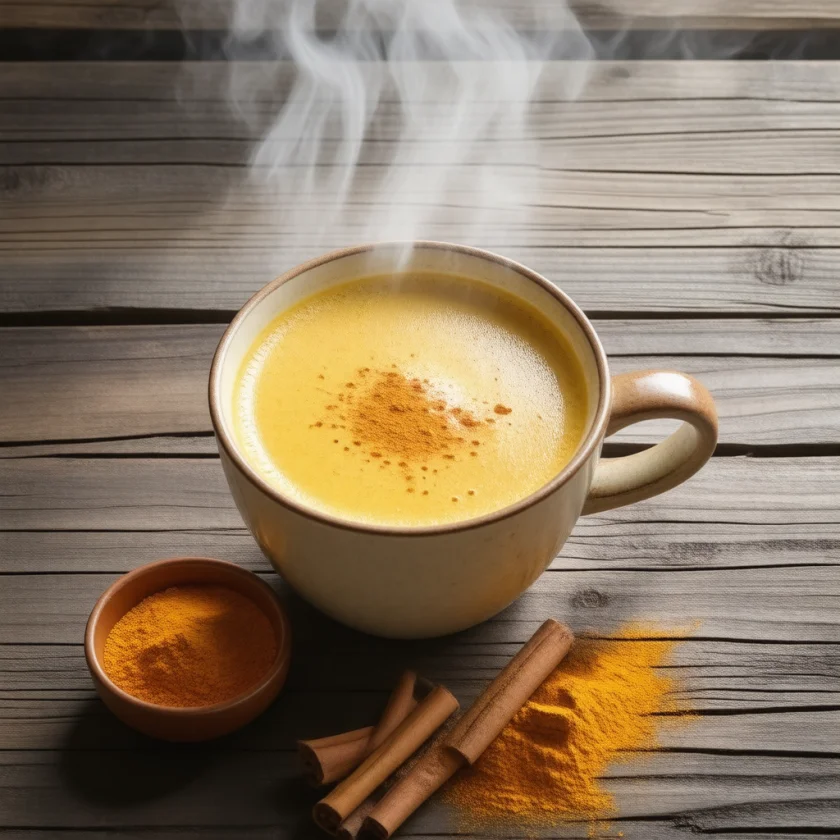
Curcumin is the golden-yellow polyphenol that makes up roughly 2–5% of turmeric root by weight. In the laboratory it is one of the most-studied natural compounds in existence, interacting with dozens of inflammatory and antioxidant signaling molecules — most notably suppressing the master inflammatory switch NF-κB and activating the antioxidant transcription factor Nrf2. The honest translation of that laboratory promise into human medicine is more modest and more interesting: curcumin has genuine, replicated clinical data for osteoarthritis pain, some data for depression and inflammatory bowel disease, and encouraging early cognitive findings — but almost all of it is shadowed by one stubborn problem, its very poor absorption. The four deep-dive pages below walk through the real evidence for each benefit and, critically, the bioavailability approaches (piperine, phytosome, and nanoparticle formulations) that researchers have used to raise the amount of curcumin reaching the blood.
Deep-Dive Articles
Inflammation & Joint Health
How curcumin blocks the NF-κB inflammatory cascade and downregulates cyclooxygenase-2 (COX-2), tumor necrosis factor-α, and interleukins. The osteoarthritis meta-analyses (including a head-to-head trial in 367 people with knee osteoarthritis, where turmeric extract 1,500 mg/day did as well as ibuprofen 1,200 mg/day for pain and function over 4 weeks, with fewer reports of abdominal pain or discomfort), the rheumatoid arthritis pilot data, ulcerative colitis maintenance (over 6 months, 2 of 43 people taking curcumin 2 g/day with their standard medicine relapsed, 4.65%, versus 8 of 39 taking placebo with their standard medicine, 20.51%), and an honest look at the modest-but-real effect sizes.
Read the deep dive →Brain & Mood
The depression randomized trials (curcumin vs fluoxetine, add-on studies, and three meta-analyses), the 18-month bioavailable-curcumin memory and brain-imaging trial, brain-derived neurotrophic factor (BDNF) and neuroinflammation mechanisms, and the epidemiology of curry consumption and cognition — all weighed against small sample sizes and the preliminary state of the evidence.
Read the deep dive →Antioxidant & Cellular Health
Why curcumin is a weak direct free-radical scavenger but a potent indirect antioxidant — activating the Nrf2/ARE pathway that switches on the body's own glutathione, heme oxygenase-1, and other defenses. Plus the non-alcoholic fatty liver, metabolic-syndrome, lipid, and type-2-diabetes-prevention trials, and the "PAINS" assay-interference critique.
Read the deep dive →Absorption & Bioavailability
The page on how much curcumin actually reaches the blood. Native curcumin is barely absorbed, rapidly metabolized, and quickly eliminated — plasma levels after grams of powder are nearly undetectable. The absorption-enhancing approaches tested in people: piperine (black pepper; one human study reported a 2000% increase in bioavailability), a curcumin–phospholipid (phytosome) complex, a colloidal nanoparticle curcumin, and micellar formulations, with the human pharmacokinetic numbers.
Read the deep dive →Table of Contents
- Deep-Dive Articles
- Why Curcumin Shows Effects Across So Many Systems
- Research Papers: Inflammation & Joint Health
- Research Papers: Brain & Mood
- Research Papers: Antioxidant & Cellular Health
- Research Papers: Absorption & Bioavailability
- Research Papers: Cross-Cutting Reviews
- External Authoritative Resources
- Connections
- Featured Videos
Why Curcumin Shows Effects Across So Many Systems
Curcumin is a "multi-target" molecule. Unlike a drug engineered to fit one receptor, curcumin is a small, flat, electron-rich polyphenol that physically interacts with a remarkably large number of proteins. In cell and animal studies it has been reported to modulate NF-κB, Nrf2, cyclooxygenase-2, 5-LOX, tumor necrosis factor-α, several interleukins, matrix metalloproteinases, growth-factor receptors, and more. That breadth is why the same compound turns up in research on arthritis, mood, liver disease, and metabolic health.
Two mechanisms recur across all four benefit pages and are worth understanding once:
- Suppression of NF-κB — NF-κB is the central transcription factor that turns on inflammatory genes. Curcumin blocks its activation, reducing production of inflammatory cytokines and enzymes. This is the mechanism behind the joint and gut inflammation effects and much of the neuroinflammation story.
- Activation of Nrf2 — Nrf2 is the master switch for the cell's own antioxidant and detoxification genes. Curcumin is a mild pro-oxidant "stress signal" that paradoxically strengthens antioxidant defenses by activating Nrf2, boosting glutathione and heme oxygenase-1. This indirect antioxidant action, covered on the antioxidant page, matters far more in living systems than curcumin's weak direct free-radical scavenging.
The honest caveat that ties every page together. Curcumin's biggest limitation is not a lack of mechanisms — it is that native curcumin barely reaches the bloodstream. It is poorly absorbed from the gut, rapidly converted to inactive metabolites by the liver and intestine, and quickly excreted. A person can swallow several grams and have almost undetectable plasma levels. This is why the positive human trials overwhelmingly use enhanced formulations — piperine from black pepper, phospholipid "phytosome" complexes, or nanoparticles — and why generic turmeric powder cannot be assumed to reproduce those results. Curcumin is a genuinely promising compound whose reputation frequently runs ahead of its evidence; reading the bioavailability page first makes every other claim easier to judge.
Liver injury reports. The U.S. Drug-Induced Liver Injury Network reviewed its cases from 2004 to 2022 and found 10 cases of liver injury linked to turmeric, all enrolled since 2011 and 6 of them since 2017. Five people were admitted to hospital and one died of acute liver failure. The injury typically began 1 to 4 months after starting the product, and 7 of the 10 people carried the immune gene variant HLA-B*35:01. Laboratory testing confirmed turmeric in all 7 products that could be tested, and 3 of them also contained piperine (black pepper extract). The authors suggest the rise may reflect how people use turmeric or more products combining turmeric with black pepper.
Research Papers: Inflammation & Joint Health
- Singh S, Aggarwal BB (1995). Activation of transcription factor NF-κB is suppressed by curcumin (diferuloylmethane). J Biol Chem — PubMed PMID: 7559628
- Daily JW et al. (2016). Efficacy of Turmeric Extracts and Curcumin for Alleviating the Symptoms of Joint Arthritis: A Systematic Review and Meta-Analysis of Randomized Clinical Trials. J Med Food — PubMed PMID: 27533649
- Kuptniratsaikul V et al. (2014). Efficacy and safety of Curcuma domestica extracts compared with ibuprofen in patients with knee osteoarthritis. Clin Interv Aging — PubMed PMID: 24672232
- Panahi Y et al. (2014). Curcuminoid treatment for knee osteoarthritis: a randomized double-blind placebo-controlled trial. Phytother Res — PubMed PMID: 24853120
- Chandran B, Goel A (2012). A randomized, pilot study to assess the efficacy and safety of curcumin in patients with active rheumatoid arthritis. Phytother Res — PubMed PMID: 22407780
- Hanai H et al. (2006). Curcumin maintenance therapy for ulcerative colitis: randomized, multicenter, double-blind, placebo-controlled trial. Clin Gastroenterol Hepatol — PubMed PMID: 17101300
Research Papers: Brain & Mood
- Lopresti AL et al. (2014). Curcumin for the treatment of major depression: a randomised, double-blind, placebo-controlled study. J Affect Disord — PubMed PMID: 25046624
- Sanmukhani J et al. (2014). Efficacy and safety of curcumin in major depressive disorder: a randomized controlled trial. Phytother Res — PubMed PMID: 23832433
- Ng QX et al. (2017). Clinical Use of Curcumin in Depression: A Meta-Analysis. J Am Med Dir Assoc — PubMed PMID: 28236605
- Small GW et al. (2018). Memory and Brain Amyloid and Tau Effects of a Bioavailable Form of Curcumin in Non-Demented Adults: A Double-Blind, Placebo-Controlled 18-Month Trial. Am J Geriatr Psychiatry — PubMed PMID: 29246725
- Cox KH et al. (2015). Investigation of the effects of solid lipid curcumin on cognition and mood in a healthy older population. J Psychopharmacol — PubMed PMID: 25277322
- Ng TP et al. (2006). Curry consumption and cognitive function in the elderly. Am J Epidemiol — PubMed PMID: 16870699
Research Papers: Antioxidant & Cellular Health
- Menon VP, Sudheer AR (2007). Antioxidant and anti-inflammatory properties of curcumin. Adv Exp Med Biol. — PubMed PMID: 17569207
- Balogun E et al. (2003). Curcumin activates the haem oxygenase-1 gene via regulation of Nrf2 and the antioxidant-responsive element. Biochem J. — PubMed PMID: 12570874
- Panahi Y et al. (2017). Efficacy and Safety of Phytosomal Curcumin in Non-Alcoholic Fatty Liver Disease: A Randomized Controlled Trial. Drug Res (Stuttg). — PubMed PMID: 28158893
- Chuengsamarn S et al. (2012). Curcumin extract for prevention of type 2 diabetes. Diabetes Care. — PubMed PMID: 22773702
- DiSilvestro RA et al. (2012). Diverse effects of a low dose supplement of lipidated curcumin in healthy middle aged people. Nutr J. — PubMed PMID: 23013352
- Panahi Y et al. (2016). Effects of curcumin on serum cytokine concentrations in subjects with metabolic syndrome. Biomed Pharmacother. — PubMed PMID: 27470399
Research Papers: Absorption & Bioavailability
- Anand P et al. (2007). Bioavailability of curcumin: problems and promises. Mol Pharm. — PubMed PMID: 17999464
- Shoba G et al. (1998). Influence of piperine on the pharmacokinetics of curcumin in animals and human volunteers. Planta Med. — PubMed PMID: 9619120
- Cuomo J et al. (2011). Comparative absorption of a standardized curcuminoid mixture and its lecithin formulation. J Nat Prod. — PubMed PMID: 21413691
- Sasaki H et al. (2011). Innovative preparation of curcumin for improved oral bioavailability. Biol Pharm Bull. — PubMed PMID: 21532153
- Prasad S, Tyagi AK, Aggarwal BB (2014). Recent developments in delivery, bioavailability, absorption and metabolism of curcumin. Cancer Res Treat. — PubMed PMID: 24520218
- Sharma RA et al. (2004). Phase I clinical trial of oral curcumin: biomarkers of systemic activity and compliance. Clin Cancer Res. — PubMed PMID: 15501961
Research Papers: Cross-Cutting Reviews
- Hewlings SJ, Kalman DS (2017). Curcumin: A Review of Its Effects on Human Health. Foods. — PubMed PMID: 29065496
- Gupta SC, Patchva S, Aggarwal BB (2013). Therapeutic roles of curcumin: lessons learned from clinical trials. AAPS J. — PubMed PMID: 23143785
- Aggarwal BB, Harikumar KB (2009). Potential therapeutic effects of curcumin, the anti-inflammatory agent, against neurodegenerative, cardiovascular, pulmonary, metabolic, autoimmune and neoplastic diseases. Int J Biochem Cell Biol. — PubMed PMID: 18662800
- Jurenka JS (2009). Anti-inflammatory properties of curcumin, a major constituent of Curcuma longa: a review of preclinical and clinical research. Altern Med Rev. — PubMed PMID: 19594223
- Kocaadam B, Šanlier N (2017). Curcumin, an active component of turmeric (Curcuma longa), and its effects on health. Crit Rev Food Sci Nutr. — PubMed PMID: 26528921
- Halegoua-DeMarzio D et al. (2023). Liver Injury Associated with Turmeric—A Growing Problem: Ten Cases from the Drug-Induced Liver Injury Network [DILIN]. Am J Med. — PubMed PMID: 36252717
External Authoritative Resources
- Linus Pauling Institute — Curcumin — a rigorously referenced scientific overview of curcumin biology, dosing, and bioavailability
- U.S. National Center for Complementary and Integrative Health (NCCIH), part of the National Institutes of Health — Turmeric — the U.S. National Center for Complementary and Integrative Health summary of what the evidence does and does not support
- Memorial Sloan Kettering — Turmeric (About Herbs) — evidence grade, interactions, and cautions from a major cancer center
- PubMed — Curcumin randomized controlled trials
- PubMed — All research on curcumin (20,000+ papers)
Connections
- Curcumin (Main Page)
- Curcumin for Inflammation & Joints
- Curcumin for Brain & Mood
- Curcumin Antioxidant & Cellular Health
- Curcumin Absorption & Bioavailability
- Turmeric (the Whole Root)
- Black Pepper (Piperine)
- All Antioxidants
- Resveratrol
- Quercetin
- Sulforaphane (Nrf2)
- Glutathione
- Osteoarthritis
- Rheumatoid Arthritis
- Fatty Liver Disease