Anthocyanins for Heart & Blood Vessels
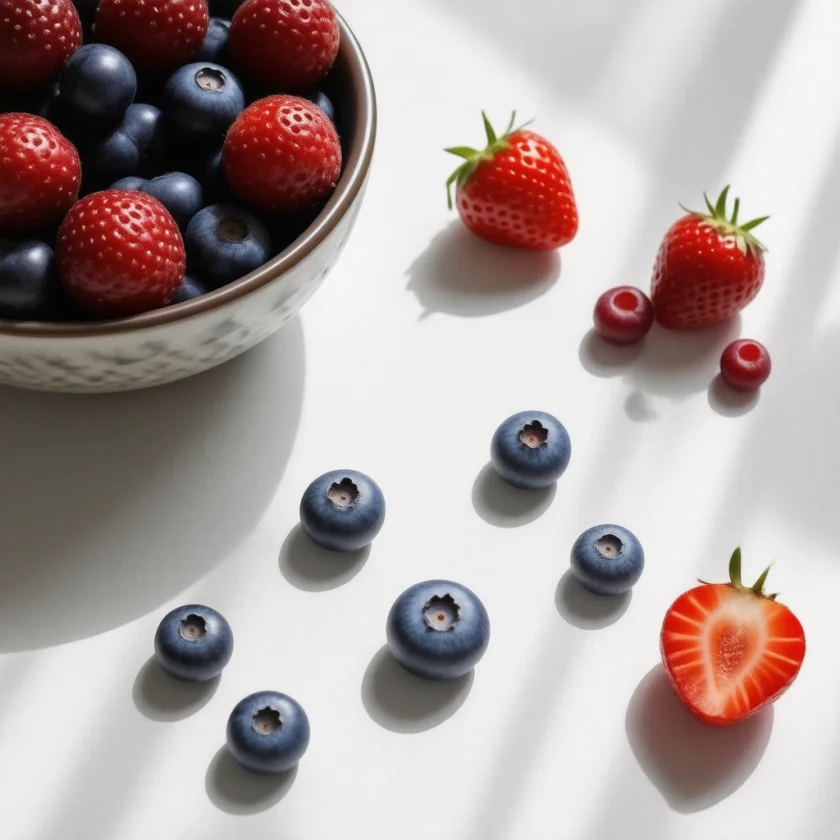
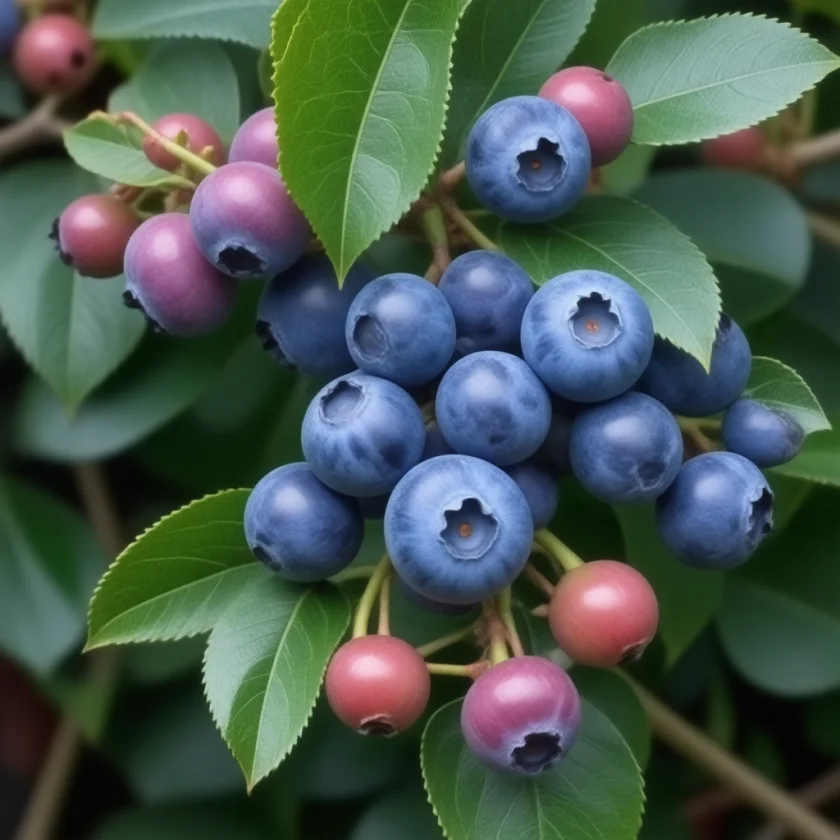
The heart and blood vessels are where the anthocyanin evidence is strongest. Two very large observational studies — the Nurses' Health Study II and the British TwinsUK cohort — have linked higher anthocyanin intake, mostly from blueberries and strawberries, to a lower risk of heart attack, lower blood pressure, and less arterial stiffening. A handful of small-to-medium randomized trials feeding people whole blueberries or mixed berries have shown modest but real improvements in blood pressure, endothelial function, and high-density lipoprotein (HDL) cholesterol. This page lays out what those studies actually found, the vascular mechanism behind them, and the important caveats: the population data cannot prove cause, the trials are mostly small and short, and nearly all of them used whole berries rather than isolated anthocyanins.
Table of Contents
- What Anthocyanins Do to Blood Vessels
- Endothelial Function and Nitric Oxide
- The Large Cohort Data: Heart Attack and Hypertension
- Blood Pressure: The Randomized Trials
- Arterial Stiffness
- Low-Density Lipoprotein Oxidation, High-Density Lipoprotein, and Blood Lipids
- Metabolic Syndrome and Vascular Risk
- How Much, and From Which Foods
- The Honest Limits of the Evidence
- Key Research Papers
- External Resources
- Connections
- Featured Videos
What Anthocyanins Do to Blood Vessels
For years anthocyanins were described simply as "antioxidants" molecules that neutralize free radicals. That framing is now considered incomplete and somewhat misleading, because the amount of intact anthocyanin that reaches the bloodstream is too small to make a meaningful dent in the body's total antioxidant capacity. The more current and better-supported view is that anthocyanins and, especially, the smaller phenolic-acid metabolites the body makes from them act as signaling molecules on the cells lining the blood vessels.
The single-cell-thick layer lining every artery and vein is the endothelium. A healthy endothelium relaxes the vessel on demand, resists the sticking of white blood cells and platelets, and keeps inflammation in check. When the endothelium becomes dysfunctional — an early, reversible step on the road to atherosclerosis — vessels stiffen, blood pressure rises, and plaque begins to form. Most of the cardiovascular benefits attributed to anthocyanins trace back to effects on this one tissue.
In laboratory and animal studies, cyanidin-3-glucoside (the most common dietary anthocyanin) and its metabolites have been shown to support endothelial nitric oxide production, reduce oxidative damage to low-density lipoprotein (LDL) particles, and calm the inflammatory signaling (including NF-kappa-B activation) that drives plaque. Wallace's 2011 review in Advances in Nutrition catalogued these pathways and argued that anthocyanins influence cardiovascular disease through cell-signaling effects that go well beyond simple antioxidant chemistry. It is important to be clear that much of this mechanistic work is preclinical — done in cells and animals — and the human trials described below are what actually matter for deciding whether berries help people.
Endothelial Function and Nitric Oxide
Nitric oxide (NO) is the small gas molecule the endothelium releases to relax and widen an artery. Good NO signaling means flexible, responsive vessels; poor NO signaling means stiff, constricted ones. The most-studied way anthocyanins may help the heart is by supporting endothelial NO.
Mechanistic studies give a plausible picture. Wang and colleagues (2012, Journal of Nutrition) showed that cyanidin-3-glucoside protected the endothelium against damage in a model of high cholesterol, and Edwards and colleagues (2015), working with human blood-vessel cells grown in the laboratory, compared the intact pigment cyanidin-3-glucoside with two of its phenolic-acid breakdown products, protocatechuic acid and vanillic acid. Nitric oxide levels did not change with any of them; the intact pigment raised the enzyme that makes nitric oxide (endothelial nitric oxide synthase), and both phenolic acids lowered the production of superoxide, a damaging oxygen molecule. The authors concluded that anthocyanin metabolites “may” modulate vascular reactivity — a cell-culture result, not a measurement of endothelial function in people. This fits the bioavailability data: since so little intact anthocyanin circulates, any real vascular effect almost has to come from its breakdown products.
In people, the clearest endothelial signal comes from Curtis and colleagues (2019), a six-month randomized trial in 115 adults with metabolic syndrome. A daily cup of blueberries improved flow-mediated dilation — the gold-standard ultrasound measure of endothelial function — by 1.45% and lowered arterial stiffness (augmentation index −2.24%). In the 71 participants who were not taking statins, it also raised high-density lipoprotein cholesterol, high-density lipoprotein particle density and apolipoprotein A-I. Insulin resistance, pulse wave velocity, blood pressure and nitric oxide did not change. Woolf and colleagues (2023) found a similar flow-mediated-dilation improvement in 43 postmenopausal women aged 45–65 with elevated blood pressure or stage 1 hypertension, who took 22 g a day of freeze-dried blueberry powder or a placebo powder for 12 weeks: flow-mediated dilation (adjusted for blood-flow shear) was 96% higher than at the start in the blueberry group and unchanged with placebo, apparently through less oxidative stress. In that trial, “No major differences were found for blood pressure, arterial stiffness” or blood markers. These are encouraging, but note the honest wrinkle in the Curtis trial: the half-cup dose did not produce the same benefit, so the effect appears dose-dependent and not trivially easy to obtain.
The Large Cohort Data: Heart Attack and Hypertension
The most-cited anthocyanin findings come from enormous observational cohorts, where researchers estimate people's long-term anthocyanin intake from food questionnaires and then track who develops disease.
- Heart attack (Cassidy 2013, Circulation). Following roughly 93,600 young and middle-aged women in the Nurses' Health Study II for 18 years, the women in the highest fifth of anthocyanin intake had about a 32% lower risk of myocardial infarction (hazard ratio near 0.68) than those in the lowest fifth. The intake came mainly from blueberries and strawberries, and the association held after adjusting for many other diet and lifestyle factors.
- Hypertension (Cassidy 2011, American Journal of Clinical Nutrition). Pooling about 157,000 adults across three cohorts followed for 14 years, higher anthocyanin intake was associated with a modestly lower risk of developing high blood pressure, an effect that was strongest in adults under 60.
These numbers are large and consistent, which is why they get quoted so often. But they are associations. People who eat a lot of berries tend to differ in many ways from people who eat none — they may exercise more, smoke less, or eat better overall — and although the researchers statistically adjust for these, no adjustment is perfect. Cohort data of this kind is the reason to take anthocyanins seriously, not proof that a berry a day prevents a heart attack.
Blood Pressure: The Randomized Trials
Randomized controlled trials are what can actually establish cause and effect, and several small ones have tested berries on blood pressure with generally favorable, if modest, results:
- Johnson 2015. In 48 postmenopausal women with pre- or stage-1 hypertension, 22 g/day of freeze-dried blueberry powder (about one cup of fresh blueberries) for eight weeks lowered average systolic blood pressure from 138 to 131 mmHg and diastolic from 80 to 75 mmHg, while the control-powder group did not change. Arterial stiffness also improved (brachial-ankle pulse wave velocity fell from 1,498 to 1,401 cm/second), and nitric oxide rose from 9.11 to 15.35 µmol/L.
- Basu 2010. In 48 adults with metabolic syndrome, a daily drink made from 50 g of freeze-dried blueberries (about 350 g of fresh blueberries) for eight weeks lowered systolic and diastolic blood pressure by 6% and 4%, against 1.5% and 1.2% in controls who drank water. Oxidized low-density lipoprotein fell 28% (against 9% in controls), while blood sugar and the blood lipid profile did not change.
- Erlund 2008. In 72 middle-aged adults, roughly 160 g/day of mixed berries for eight weeks produced a small drop in systolic blood pressure, mostly in people whose blood pressure was high at the start (7.3 mmHg in the highest third), alongside improvements in platelet function. High-density lipoprotein cholesterol rose 5.2% (against 0.6% in the control group), while total cholesterol and triglycerides did not change.
A 2026 meta-analysis that pooled 9 randomized trials in 547 adults with raised blood pressure or hypertension found that berry supplements did not significantly lower resting systolic (−2.35 mmHg) or diastolic (−1.04 mmHg) blood pressure. A small fall in 24-hour diastolic blood pressure (−1.11 mmHg) was seen, driven by cross-over trials, and the authors rated the certainty of all the evidence low to very low.
A fall of several mmHg in systolic blood pressure is not trivial — at a population level a shift of that size meaningfully lowers stroke and heart-attack rates — but these are small studies of short duration, and the people most likely to benefit had elevated blood pressure to begin with. In normotensive people the effect is smaller and less certain. For the condition itself, see our page on Hypertension.
Arterial Stiffness
Arterial stiffness — how rigid or springy the large arteries are — is an independent predictor of cardiovascular events, often measured as pulse wave velocity. The TwinsUK analysis by Jennings and colleagues (2012) found that among about 1,900 women, those with higher habitual anthocyanin intake had lower central systolic blood pressure and less arterial stiffness. Because the study included identical twins, it offered some ability to account for shared genetics and upbringing, which strengthens the case a little compared with a standard cohort.
On the interventional side, the Johnson blueberry trial above reported improved arterial stiffness alongside the blood-pressure drop. The consistency between the observational stiffness finding and the small trial is reassuring, but again the trial evidence is limited to a handful of small studies, mostly in women, mostly using blueberries. Whether the same holds for men, for other berries, and over years rather than weeks has not been firmly established. Arterial stiffness matters because stiff arteries drive the vascular damage behind atherosclerosis and stroke.
Low-Density Lipoprotein Oxidation, High-Density Lipoprotein, and Blood Lipids
Oxidized low-density lipoprotein cholesterol is more damaging to arteries than ordinary low-density lipoprotein, and anthocyanins have repeatedly been shown to reduce low-density lipoprotein oxidation in laboratory conditions. In humans the lipid effects are real but modest:
- The Basu metabolic-syndrome trial reported lower oxidized low-density lipoprotein after eight weeks of blueberry.
- The Erlund mixed-berry trial and the Curtis blueberry trial both reported improvements in high-density lipoprotein ("good") cholesterol or high-density lipoprotein-related function — in the Curtis trial only among participants not taking statins.
- Effects on total cholesterol and low-density lipoprotein levels (as opposed to low-density lipoprotein oxidation) have been inconsistent — several trials found no change, which is worth stating plainly.
In short, berries are not a cholesterol-lowering drug. In these trials they shifted the lipid picture in a favorable direction, particularly the oxidation status of low-density lipoprotein and the level of high-density lipoprotein, but they did not consistently change low-density lipoprotein levels: in the Basu trial, the blood lipid profile was not affected.
Metabolic Syndrome and Vascular Risk
Several of the strongest berry trials were done specifically in people with metabolic syndrome — the cluster of abdominal obesity, high blood pressure, high blood sugar, and abnormal lipids that dramatically raises cardiovascular risk. The Basu (2010) and Curtis (2019) trials both selected such participants, and both found favorable changes in vascular measures. This is meaningful because metabolic-syndrome patients are exactly the group with the most to gain from any improvement in endothelial function and blood pressure.
Anthocyanins may also modestly improve insulin sensitivity in this population, though the evidence is weaker and mixed. The mechanism would again route through the vasculature and through anti-inflammatory signaling rather than any direct blood-sugar-lowering action. In the six-month Curtis trial, insulin resistance did not change. In metabolic syndrome, berries are a low-risk food whose measured effects are modest next to the core measures that actually move the needle — weight management, physical activity, and reducing refined carbohydrate — so in this research they are a supporting player. See Cardiovascular Disease and Coronary Artery Disease for the larger context.
How Much, and From Which Foods
The trials that showed benefit generally used the equivalent of one to two cups of blueberries per day, or about 150–200 g of mixed berries, providing very roughly a few hundred milligrams of anthocyanins daily. That is an amount people can get from whole food.
- Whole berries and pure berry juice carry the evidence, rather than isolated anthocyanin capsules. Almost every positive trial used whole fruit, so that is where the evidence lives. Isolated-anthocyanin supplements have far less human data behind them.
- Frozen counts. Freezing preserves anthocyanins well, so frozen blueberries and blackberries are a cheap, year-round option that does not meaningfully sacrifice content.
- Variety helps. Blueberries and strawberries drove the cohort findings, but blackberries, black currants, elderberries, and red/purple grapes are all rich sources. Rotating them broadens the mix of anthocyanin types.
- Added sugar works against it. The cardiovascular benefit is undone if the delivery vehicle is a sugary berry pastry or a sweetened juice cocktail. Whole fruit and unsweetened juice are the forms studied.
For food-specific detail, see Blueberries, Raspberries, and Strawberries, and the companion Sources & Stability page.
The Honest Limits of the Evidence
Because this is where anthocyanin research is most often overstated, the caveats deserve their own section:
- The big numbers are observational. The 32% lower heart-attack risk comes from a cohort study, which shows association, not causation. It is a reason for optimism and further study, not a proven treatment effect.
- The trials are small and short. Most randomized berry trials enroll a few dozen people for 6–24 weeks. None is large or long enough to show that berries prevent actual heart attacks or strokes — only that they shift intermediate markers like blood pressure and endothelial function.
- Whole berry, not pure anthocyanin. Nearly all human trials fed whole blueberries or mixed berries, which contain fiber, vitamin C, and many other polyphenols. It is not established that anthocyanins alone, isolated in a capsule, reproduce the benefit.
- Null results exist. The half-cup arm of the Curtis trial showed no endothelial benefit, and lipid-level results have been inconsistent. Berries are not a guaranteed lever on every cardiovascular marker.
- The newest pooled analysis points both ways. A 2026 meta-analysis limited to healthy participants found that, across 18 cohorts, the highest habitual anthocyanin intakes were linked to 26% lower cardiovascular disease incidence, 18% fewer heart attacks and 8% lower hypertension risk, while stroke risk was unaffected. Across 65 randomized trials, regular anthocyanin intake improved flow-mediated dilation (by 1.41%), but blood lipids, blood pressure and blood sugar did not change.
- Some trials are industry-linked. A number of berry studies are funded by berry-industry bodies. This does not make them wrong, but it is a reason to weight independent, well-controlled work most heavily.
The bottom line: anthocyanin-rich berries are a genuinely healthy, low-risk food with real, if modest, cardiovascular support in controlled trials and impressive associations in large populations. In the research they behave like a healthy food with modest effects, not like a medicine.
Key Research Papers
- Cassidy A, et al. (2013). High anthocyanin intake is associated with a reduced risk of myocardial infarction in young and middle-aged women. Circulation — PubMed PMID: 23319811
- Cassidy A, et al. (2011). Habitual intake of flavonoid subclasses and incident hypertension in adults. American Journal of Clinical Nutrition — PubMed PMID: 21106916
- Jennings A, et al. (2012). Higher anthocyanin intake is associated with lower arterial stiffness and central blood pressure in women. American Journal of Clinical Nutrition — PubMed PMID: 22914551
- Wallace TC (2011). Anthocyanins in cardiovascular disease. Advances in Nutrition — PubMed PMID: 22211184
- Basu A, et al. (2010). Blueberries decrease cardiovascular risk factors in obese men and women with metabolic syndrome. Journal of Nutrition — PubMed PMID: 20660279
- Erlund I, et al. (2008). Favorable effects of berry consumption on platelet function, blood pressure, and HDL cholesterol. American Journal of Clinical Nutrition — PubMed PMID: 18258621
- Johnson SA, et al. (2015). Daily blueberry consumption improves blood pressure and arterial stiffness in postmenopausal women with pre- and stage 1-hypertension. Journal of the Academy of Nutrition and Dietetics — PubMed PMID: 25578927
- Curtis PJ, et al. (2019). Blueberries improve biomarkers of cardiometabolic function in participants with metabolic syndrome. American Journal of Clinical Nutrition — PubMed PMID: 31136659
- Woolf EK, et al. (2023). Daily blueberry consumption for 12 weeks improves endothelial function in postmenopausal women with above-normal blood pressure. Food & Function — PubMed PMID: 36847333
- Wang Y, et al. (2012). Cyanidin-3-O-beta-glucoside protects against hypercholesterolemia-mediated endothelial dysfunction. Journal of Nutrition — PubMed PMID: 22535762
- Edwards M, et al. (2015). Phenolic metabolites of anthocyanins modulate mechanisms of endothelial function. Journal of Agricultural and Food Chemistry — PubMed PMID: 25686009
- Avendano EE, et al. (2026). Dietary intakes of anthocyanins and cardiometabolic health: a systematic review and meta-analysis of randomized trials and prospective cohort studies in healthy participants. American Journal of Clinical Nutrition — PubMed PMID: 42547104
- Guevara Guevara EV, et al. (2026). Effects of oral berry supplementation on blood pressure in adults with hypertension or elevated blood pressure: a systematic review and meta-analysis of randomized controlled trials. Nutrients — PubMed PMID: 42196965
PubMed Topic Searches
External Resources
- Linus Pauling Institute — Flavonoids (anthocyanin biology and cardiovascular research)
- American Heart Association — Healthy Eating
- NHLBI — High Blood Pressure
- PubMed — Anthocyanin cardiovascular meta-analyses
Connections
- Anthocyanins Benefits Hub
- Anthocyanins (Main Page)
- Anthocyanins for Brain & Memory
- Anthocyanin Sources & Stability
- Grape Seed Extract
- Resveratrol
- Quercetin
- French Maritime Pine Bark
- Hypertension
- Atherosclerosis
- Cardiovascular Disease
- Coronary Artery Disease
- Stroke
- Blueberries
- Strawberries
- Raspberries