Anthocyanins — Benefits Deep Dive
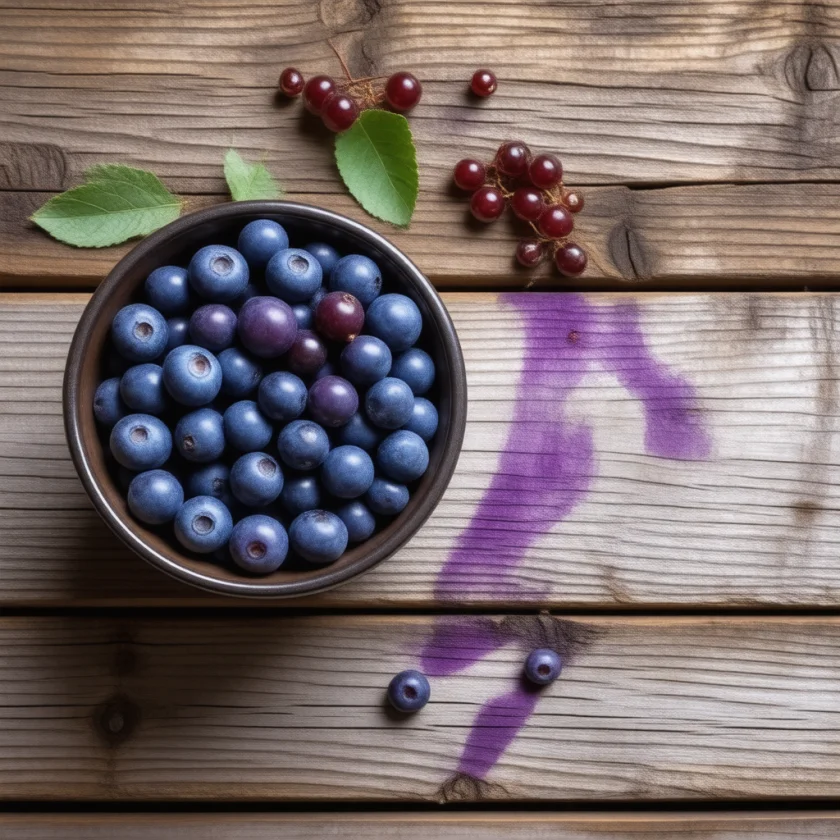
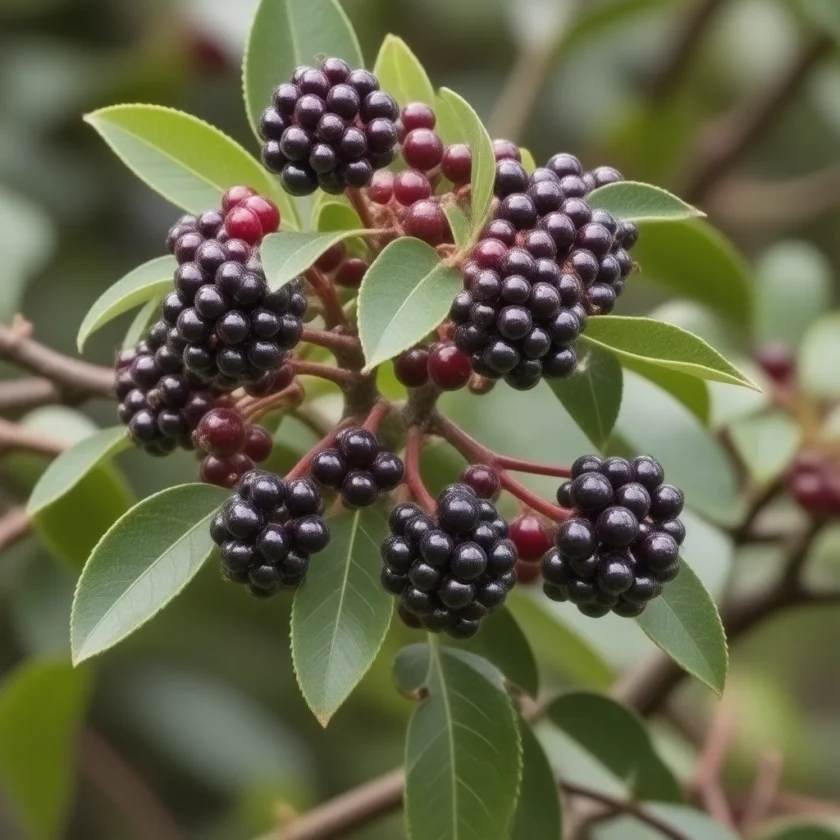
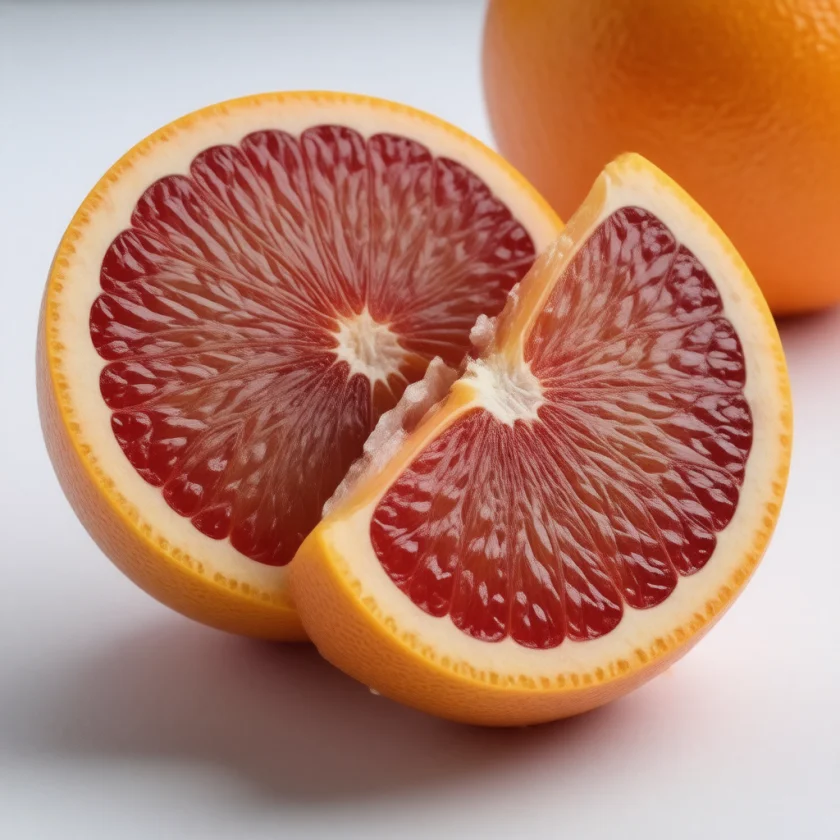
Anthocyanins are the blue, purple, and deep-red pigments that give blueberries, blackberries, elderberries, black currants, and red cabbage their color. They are a subclass of flavonoids, and among the most heavily studied plant pigments in human nutrition — the large Nurses' Health Study and TwinsUK cohorts have repeatedly linked higher anthocyanin intake to lower blood pressure, healthier arteries, and slower cognitive aging. But the honest picture is a mix of strong population data and much smaller (sometimes industry-funded) clinical trials, plus at least one famous piece of folklore — the WWII bilberry-and-night-vision story — that the controlled evidence does not support. These four pages walk through what the research actually shows, where it is promising, and where it is weaker than the marketing suggests.
Deep-Dive Articles
Heart & Blood Vessels
The strongest anthocyanin evidence. How berry anthocyanins support the endothelium and nitric-oxide-driven vasodilation, the large cohort findings on myocardial infarction and hypertension (Cassidy, Nurses' Health Study II), arterial stiffness (Jennings, TwinsUK), blood pressure and blood-lipid trials (Basu, Erlund, Johnson, Curtis), and where randomized data is still thin.
Read the deep dive →Brain & Memory
Promising but preliminary. The blueberry and grape-juice memory pilots (Krikorian), the large cohort linking berries to slower cognitive decline (Devore, Nurses' Health Study), brain-imaging and perfusion studies (Bowtell, Boespflug), the cherry-juice dementia trial (Kent), and an honest reckoning with small sample sizes and short trials.
Read the deep dive →Eye & Vision
The famous WWII RAF bilberry-jam night-vision story told honestly — and why the controlled trials (Canter & Ernst systematic review; Muth) found no effect on normal night vision. What the modest real evidence does suggest: possible relief of screen-related eye fatigue and accommodation strain (Ozawa, Kosehira, Nakaishi), with heavy caveats about small, often industry-funded studies.
Read the deep dive →Sources & Stability
Where anthocyanins actually come from — black currant, elderberry, chokeberry, blackberry, and blueberry lead the list (Wu 2006) — plus the chemistry that makes them fragile: the pH-driven color change from red to purple to blue, sensitivity to heat, light, oxygen, and storage, and why their measured absorption is famously low (Czank, Kay, McGhie).
Read the deep dive →Table of Contents
What Anthocyanins Are and Why the Benefits Cluster
Anthocyanins are water-soluble pigments in the flavonoid family. Chemically they are glycosides — a colored core called an anthocyanidin (the six common ones are cyanidin, delphinidin, pelargonidin, peonidin, petunidin, and malvidin) with one or more sugars attached. The most common single anthocyanin in the human diet is cyanidin-3-glucoside, the dominant pigment in blackberries, black currants, and many red berries. The attached sugar is what makes them water-soluble and what the body cleaves and modifies during absorption.
A 2006 U.S. Department of Agriculture survey (Wu 2006) screened over 100 common foods and found anthocyanins in 24 of them, from 0.7 mg per 100 g in one gooseberry variety to 1,480 mg per 100 g in chokeberry. It estimated that people in the United States eat about 12.5 mg of anthocyanins a day; cyanidin, delphinidin and malvidin supply about 45%, 21% and 15% of that intake.
Three features explain why the benefits reported for anthocyanins tend to cluster in the same organ systems — the blood vessels, the brain, and the eyes:
- They act on the vascular endothelium. The best-supported mechanism is not simple "antioxidant" scavenging but signaling — anthocyanins and their metabolites appear to support endothelial nitric oxide production and dampen vascular inflammation. Because the brain and the retina are among the most densely vascularized tissues in the body, a compound that helps small-vessel function tends to show up in cardiovascular, cognitive, and eye research. This is why the same molecule keeps appearing across all four deep-dive pages.
- Most circulate as metabolites, not intact pigment. A landmark 13C-tracer study (Czank 2013) showed that very little anthocyanin reaches the blood in its original form; the body rapidly converts it to phenolic acids and conjugates, and these metabolites — not the colorful parent compound — are probably responsible for much of the biological activity. In that study 8 men each ate 500 mg of labelled cyanidin-3-glucoside; the relative bioavailability was about 12% (12.38%), the labelled metabolites peaked in the blood about 10 hours after eating, and they stayed in circulation for up to 48 hours. The authors concluded that anthocyanins are "more bioavailable than previously perceived". This reframed decades of "anthocyanins have terrible bioavailability" pessimism.
- The strongest human evidence is observational. The headline findings — lower heart-attack risk, lower blood pressure, slower memory decline — come from very large prospective cohorts (Nurses' Health Study, TwinsUK). These are powerful but cannot prove cause and effect. The randomized trials that can prove causation are mostly small and short. Keeping that distinction in mind is the single most important thing when reading anthocyanin health claims, and each sub-page is careful to say which kind of evidence a given claim rests on.
A 2026 review (Avendano 2026) pooled 18 long-term population studies (cohorts) and 65 controlled trials in healthy people. In the population studies, people with the highest anthocyanin intake had 26% fewer cases of cardiovascular disease, 18% fewer heart attacks, 11% fewer cases of type 2 diabetes and 8% less high blood pressure than those with the lowest intake; stroke risk did not differ. In the trials, anthocyanins improved how well arteries widen (flow-mediated dilation, about +1.4 percentage points with regular intake), while blood pressure, cholesterol and blood sugar did not change. The review was partly funded by a blueberry growers' council, which the authors state had no role in the analysis.
For the brain, a 2026 meta-analysis of 59 randomized trials (Micek 2026) found that anthocyanin-rich foods and supplements improved overall thinking scores modestly compared with control groups (standardized mean difference 0.46), with smaller gains in memory, attention and processing speed. The authors write that better-designed trials are still needed to confirm these results.
A point that runs through all four pages: the evidence does not show that anthocyanins need to be taken as an isolated pill. The evidence is strongest for whole berries and berry juices, where anthocyanins travel alongside fiber, vitamin C, and dozens of other polyphenols. Whether isolated anthocyanin extracts reproduce the whole-food benefit is still an open question.
Research Papers: Heart & Blood Vessels
- Cassidy A, et al. (2013). High anthocyanin intake is associated with a reduced risk of myocardial infarction in young and middle-aged women. Circulation — PubMed PMID: 23319811
- Cassidy A, et al. (2011). Habitual intake of flavonoid subclasses and incident hypertension in adults. American Journal of Clinical Nutrition — PubMed PMID: 21106916
- Jennings A, et al. (2012). Higher anthocyanin intake is associated with lower arterial stiffness and central blood pressure in women. American Journal of Clinical Nutrition — PubMed PMID: 22914551
- Wallace TC (2011). Anthocyanins in cardiovascular disease. Advances in Nutrition — PubMed PMID: 22211184
- Basu A, et al. (2010). Blueberries decrease cardiovascular risk factors in obese men and women with metabolic syndrome. Journal of Nutrition — PubMed PMID: 20660279
- Erlund I, et al. (2008). Favorable effects of berry consumption on platelet function, blood pressure, and HDL cholesterol. American Journal of Clinical Nutrition — PubMed PMID: 18258621
- Johnson SA, et al. (2015). Daily blueberry consumption improves blood pressure and arterial stiffness in postmenopausal women with pre- and stage 1-hypertension. Journal of the Academy of Nutrition and Dietetics — PubMed PMID: 25578927
- Curtis PJ, et al. (2019). Blueberries improve biomarkers of cardiometabolic function in participants with metabolic syndrome. American Journal of Clinical Nutrition — PubMed PMID: 31136659
- Avendano EE, et al. (2026). Dietary intakes of anthocyanins and cardiometabolic health: a systematic review and meta-analysis of randomized trials and prospective cohort studies in healthy participants. American Journal of Clinical Nutrition — PubMed PMID: 42547104
Research Papers: Brain & Memory
- Krikorian R, et al. (2010). Blueberry supplementation improves memory in older adults. Journal of Agricultural and Food Chemistry — PubMed PMID: 20047325
- Krikorian R, et al. (2010). Concord grape juice supplementation improves memory function in older adults with mild cognitive impairment. British Journal of Nutrition — PubMed PMID: 20028599
- Devore EE, et al. (2012). Dietary intakes of berries and flavonoids in relation to cognitive decline. Annals of Neurology — PubMed PMID: 22535616
- Miller MG, et al. (2018). Dietary blueberry improves cognition among older adults in a randomized, double-blind, placebo-controlled trial. European Journal of Nutrition — PubMed PMID: 28283823
- Bowtell JL, et al. (2017). Enhanced task-related brain activation and resting perfusion in healthy older adults after chronic blueberry supplementation. Applied Physiology, Nutrition, and Metabolism — PubMed PMID: 28249119
- Kent K, et al. (2017). Consumption of anthocyanin-rich cherry juice for 12 weeks improves memory and cognition in older adults with mild-to-moderate dementia. European Journal of Nutrition — PubMed PMID: 26482148
- Boespflug EL, et al. (2018). Enhanced neural activation with blueberry supplementation in mild cognitive impairment. Nutritional Neuroscience — PubMed PMID: 28221821
- Micek A, et al. (2026). The effect of anthocyanins and anthocyanin-rich foods on cognitive function: a meta-analysis of randomized controlled trials. Geroscience — PubMed PMID: 41351717
Research Papers: Eye & Vision
- Canter PH, Ernst E (2004). Anthocyanosides of Vaccinium myrtillus (bilberry) for night vision — a systematic review of placebo-controlled trials. Survey of Ophthalmology. — PubMed PMID: 14711439
- Muth ER, Laurent JM, Jasper P (2000). The effect of bilberry nutritional supplementation on night visual acuity and contrast sensitivity. Alternative Medicine Review. — PubMed PMID: 10767671
- Nakaishi H, et al. (2000). Effects of black currant anthocyanoside intake on dark adaptation and VDT work-induced transient refractive alteration in healthy humans. Alternative Medicine Review. — PubMed PMID: 11134978
- Ozawa Y, et al. (2015). Bilberry extract supplementation for preventing eye fatigue in video display terminal workers. Journal of Nutrition, Health & Aging. — PubMed PMID: 25923485
- Kosehira M, et al. (2020). A 12-week bilberry extract intake improved ciliary muscle contraction of the eye: a randomized, double-blind, placebo-controlled study. Nutrients. — PubMed PMID: 32106548
- Kalt W, et al. (2020). Recent research on the health benefits of blueberries and their anthocyanins. Advances in Nutrition. — PubMed PMID: 31329250
Research Papers: Sources, Absorption & Stability
- Wu X, et al. (2006). Concentrations of anthocyanins in common foods in the United States and estimation of normal consumption. Journal of Agricultural and Food Chemistry. — PubMed PMID: 16719536
- Czank C, et al. (2013). Human metabolism and elimination of the anthocyanin, cyanidin-3-glucoside: a 13C-tracer study. American Journal of Clinical Nutrition. — PubMed PMID: 23604435
- Kay CD, Mazza G, Holub BJ (2005). Anthocyanins exist in the circulation primarily as metabolites in adult men. Journal of Nutrition. — PubMed PMID: 16251615
- McGhie TK, Walton MC (2007). The bioavailability and absorption of anthocyanins: towards a better understanding. Molecular Nutrition & Food Research. — PubMed PMID: 17533653
- Enaru B, et al. (2021). Anthocyanins: factors affecting their stability and degradation. Antioxidants (Basel). — PubMed PMID: 34943070
- Khoo HE, et al. (2017). Anthocyanidins and anthocyanins: colored pigments as food, pharmaceutical ingredients, and the potential health benefits. Food & Nutrition Research. — PubMed PMID: 28970777
External Authoritative Resources
- Linus Pauling Institute — Flavonoids (Micronutrient Information Center) — the most authoritative freely available scientific overview of the flavonoid family, including anthocyanins
- World Health Organization (WHO) — Healthy Diet Fact Sheet (fruit and vegetable intake in the broader dietary context)
- MedlinePlus — Antioxidants
- U.S. Department of Agriculture (USDA) FoodData Central — food composition database (search individual berries)
- PubMed — All research on anthocyanins and human health
Connections
- Anthocyanins (Main Page)
- Anthocyanins for Heart & Blood Vessels
- Anthocyanins for Brain & Memory
- Anthocyanins for Eye & Vision
- Anthocyanin Sources & Stability
- All Antioxidants
- Bilberry
- Grape Seed Extract
- Resveratrol
- Quercetin
- Blueberries
- Raspberries
- Hypertension
- Alzheimer's Disease
- Macular Degeneration
- Vitamin C