Cysteine for Hair and Nails
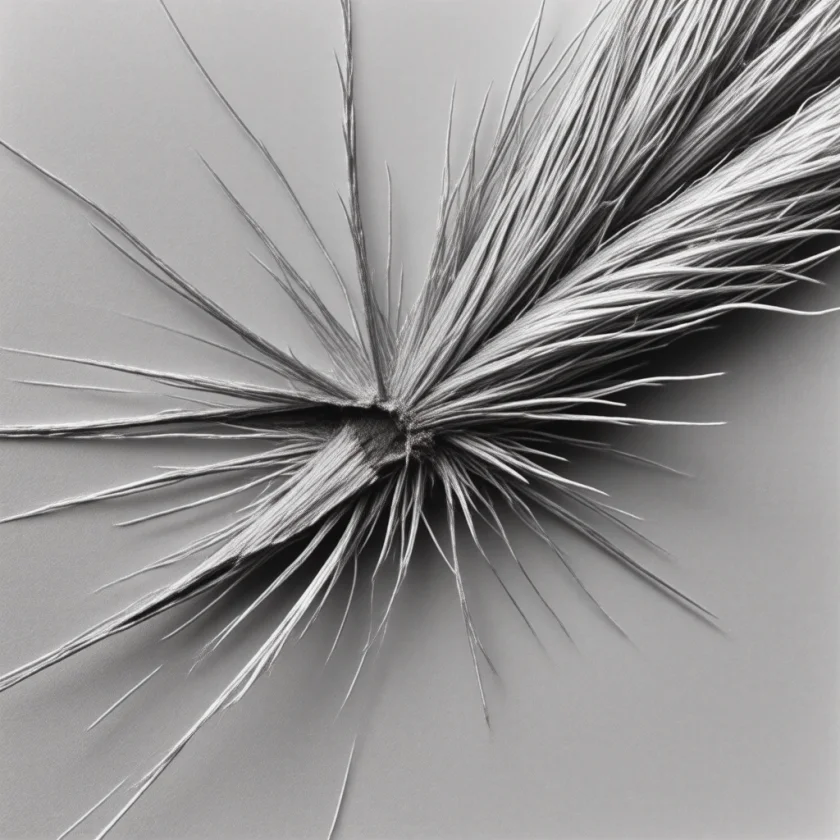
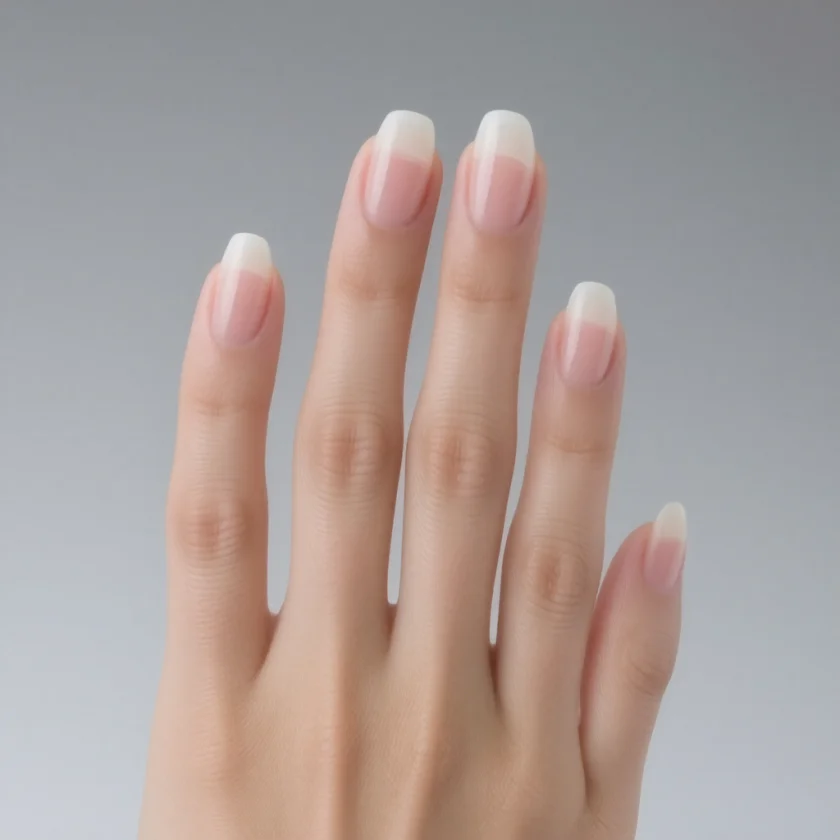
Hair and nails are made of keratin, and keratin is held together by disulfide bonds — covalent cross-links between the sulfur atoms of cysteine residues in adjacent keratin protein chains. By weight, hair is approximately 14-18% cysteine, the highest cysteine content of any tissue in the human body. Nail plate is similar. The disulfide bond is the single structural feature that gives hair and nails their characteristic strength, elasticity, and resistance to deformation — and it is the bond that hair perming and straightening chemistry deliberately reduces and re-forms to remodel hair shape. Clinical supplementation studies of L-cystine (the oxidized cysteine dimer), mostly using a multi-ingredient hair supplement that combines cystine (60 mg a day at three capsules) with B vitamins, keratin, and medicinal yeast, report modest but measurable benefit for diffuse hair shedding (telogen effluvium) and brittle-nail syndrome — effects that biotin monotherapy at standard supplement doses cannot reproduce, because the limiting nutrient in keratin protein synthesis is cysteine, not biotin.
Table of Contents
- Keratin Structure and the Disulfide Bond
- Cysteine Content in Hair Shaft
- The Nail Plate and Onychorrhexis
- Perming and Straightening Chemistry (Real-World Disulfide Manipulation)
- Telogen Effluvium and Cysteine
- The Cystine, B-Vitamin, Keratin and Yeast Combination
- L-Cystine vs L-Cysteine vs N-Acetylcysteine for Hair
- Why Biotin Alone Is Not Enough
- The Full Nutritional Stack (Iron, Zinc, Vitamin D, Protein)
- Brittle Nail Syndrome (Onychoschizia)
- Doses Used in Studies and Practice
- Key Research Papers
- Connections
- Featured Videos
Keratin Structure and the Disulfide Bond
Keratin is the structural protein that builds hair, nails, skin stratum corneum, claws, hooves, feathers, and the horny outer layer of essentially all vertebrate body coverings. The human genome encodes more than 50 distinct keratin genes, divided into two families: type I (acidic) keratins and type II (basic) keratins. A functional keratin filament is assembled from heterodimers of one type I + one type II keratin chain, which then form parallel coiled-coil dimers, then antiparallel tetramers, then progressively larger filament structures up to the visible hair shaft.
The keratin types found in hair and nails are the so-called "hard" keratins (K31-K40 and K81-K86), which differ from the "soft" keratins of epidermis primarily in their dramatically higher cysteine content. Hard keratins contain 10-17% cysteine residues by mole, compared to 2-3% in epidermal soft keratins. This high cysteine density is what enables the dense disulfide cross-linking that gives hard keratin its mechanical strength.
The cysteine cross-link is formed when two cysteine residues, one on each of two adjacent keratin chains, oxidize their thiol groups to form a covalent S–S disulfide bond. This bond is roughly 200 times stronger than the typical hydrogen bond and 5-10 times stronger than the typical ionic bond that holds protein structures together. A single hair shaft contains millions of these disulfide cross-links, and their density is what determines whether a particular hair is fine and floppy or coarse and rigid.
Beyond intermolecular disulfide bonds within keratin filaments, additional disulfide cross-linking occurs between keratin and the keratin-associated proteins (KAPs), a separate gene family of cysteine-ultra-rich proteins (some KAPs are 30% cysteine by mole) that fill the spaces between keratin filaments in the hair-shaft matrix. The combined system is sometimes called the cysteine-rich intermediate filament + KAP network, and it is the single most cysteine-intensive structural assembly in human anatomy.
Cysteine Content in Hair Shaft
Quantitatively, the amino acid composition of a human hair shaft is approximately 14-18% cysteine, 12% glutamic acid, 11% arginine, 10% serine, 9% threonine, with smaller proportions of the other amino acids. Cysteine is the single most abundant residue. For comparison, the average amino acid composition of total body protein is about 2% cysteine — meaning hair concentrates cysteine roughly 7-fold above the body-wide average.
This high cysteine density has metabolic consequences. Growing a head of hair (roughly 100,000 hair follicles producing approximately 1 cm of new hair per month) requires the body to direct a measurable fraction of its total cysteine supply into the hair shafts. In conditions of total dietary protein restriction or sulfur amino acid deficiency, hair growth slows visibly within weeks and hair shafts become finer, weaker, and lighter in color (because the cysteine in melanin-stabilizing proteins is also reduced). Severe protein malnutrition produces the depigmented, sparse, fragile hair of kwashiorkor.
The reverse is also true: cysteine demand for hair growth is a meaningful contributor to total sulfur amino acid requirement, and elderly adults who reduce protein intake will frequently notice hair thinning months before any other clinical sign of inadequate protein nutrition. The strands themselves do not "remember" later improvements in nutrition — each hair shaft records the cysteine status of the body at the moment its follicle synthesized it, and only new growth reflects subsequent improvements.
The Nail Plate and Onychorrhexis
The nail plate is also composed of hard keratin (specifically K6a, K16, K17 for the dorsal nail; K31, K85, K86 for the deeper bulk of the plate), with comparable cysteine density to hair. The nail matrix at the base of each nail (under the cuticle) is the site of keratin synthesis; cells generated in the matrix flatten, fill with keratin, lose their nuclei, and become the translucent nail plate that grows outward at about 3 mm per month for fingernails and 1 mm per month for toenails.
Brittle nail syndrome (onychoschizia — horizontal splitting of the nail tip; or onychorrhexis — longitudinal ridging and brittleness) affects approximately 20% of adults and is more common in women, in people over 50, and in people with frequent water and detergent exposure. Cysteine deficiency or marginal status is one of several contributing causes, alongside iron deficiency, hypothyroidism, biotin marginal status, dehydration, and frequent solvent exposure (e.g., acetone-based nail polish removers).
Clinically, the nail-strengthening evidence for sulfur amino acid supplementation is best characterized in the European clinical literature using a multi-ingredient hair supplement of cystine, B vitamins, keratin and medicinal yeast (discussed below). Several open-label and a few small randomized trials have shown nail-thickness, nail-hardness, and patient-perceived-quality improvements over 3-6 months of supplementation. The effect size is modest but consistent, and the safety profile is excellent.
Perming and Straightening Chemistry (Real-World Disulfide Manipulation)
The clearest practical demonstration of cysteine's structural role in hair is the chemistry of permanent waving and chemical straightening. A "perm" works in three steps. First, a thiol reducing agent (traditionally ammonium thioglycolate, more recently cysteamine or pure cysteine itself in gentler formulations) is applied to the hair and breaks the disulfide bonds between keratin chains. With the cross-links broken, the keratin filaments can slide relative to each other and the hair becomes pliable, taking the shape of whatever curlers or rollers are applied. Second, the hair is mechanically held in the desired shape. Third, a neutralizer (usually hydrogen peroxide or sodium bromate) re-oxidizes the now-mobile cysteine thiols back into disulfide bonds, but in their new geometry — locking the hair into the new curl pattern.
Chemical straightening (Brazilian blowouts, Japanese thermal reconditioning, traditional alkaline relaxers) uses similar but stronger chemistry: more aggressive reducing or denaturing agents (sodium hydroxide, ammonium thioglycolate at higher concentrations, or formaldehyde-releasing systems) break more cross-links to allow the hair to be heat-pressed straight, then the cross-links re-form in the straightened conformation.
The damaging effect of repeated perming and chemical straightening is partly mechanical, but it is primarily chemical — each cycle of disulfide reduction and re-oxidation does not perfectly restore the original cross-link pattern. Some cysteines are oxidized to cysteic acid (the fully oxidized SO3H sulfonic acid form) rather than re-forming disulfide bonds, and those sulfonic acid groups cannot re-cross-link. Over time, the hair shaft accumulates cysteic acid in place of cysteine cross-links, weakening progressively.
The point of mentioning all this in a clinical context: the structural integrity of hair is literally a function of intact cysteine residues. Anything that disrupts cysteine availability for keratin synthesis (poor nutrition, malabsorption, chronic illness) or anything that damages cysteine in existing hair (chemical processing, ultraviolet (UV) exposure, chlorinated pool water) will produce visible hair degradation. Repleting cysteine through diet and supplementation supports the manufacture of new, structurally-normal hair shafts; it cannot repair the cysteine damage in existing shafts — only new growth reflects the intervention.
Telogen Effluvium and Cysteine
Telogen effluvium is the most common form of diffuse hair shedding seen in adults. The mechanism is a synchronized premature transition of hair follicles from the active growth (anagen) phase into the resting (telogen) phase, followed by shedding of the telogen hairs 2-4 months later. Common triggers include severe illness, fever, surgery, childbirth, rapid weight loss, severe psychological stress, iron deficiency, and starting or stopping certain medications (especially hormonal contraceptives, antidepressants, anticoagulants, and beta-blockers).
Chronic telogen effluvium — diffuse shedding lasting longer than 6 months — often has multiple contributing causes including marginal sulfur amino acid status. Several trials have evaluated cystine-containing supplementation protocols in this condition. A 2007 double-blind, placebo-controlled trial by Lengg, Heidecker, Seifert and Trüeb in women with telogen effluvium reported, in its title, that a dietary supplement increased the anagen hair rate (the share of hairs in the growing phase); the full trial report was not available to check the details for this page.
A 1990 German comparative double-blind study (Petri, Pierchalla and Tronnier) treated 60 patients with diffuse hair shedding and structural hair changes for four months with the multi-ingredient hair supplement described below, another prescription product, or placebo. Measurements of hair swelling and trichograms (counts of growing and resting hair roots) indicated that the combination product was effective; the second product improved hair quality and slowed hair loss; placebo was ineffective on the measures used. Tolerance was good.
Other small trials have shown similar benefit for combination cystine-containing products. Cystine monotherapy (cystine on its own) has not been as rigorously studied as the combination products, but several open-label observations suggest meaningful effect on hair density measures.
The clinical pattern for cystine-responsive hair loss is the diffuse, non-scarring, post-stressor pattern of telogen effluvium — not the patterned androgenetic alopecia of male-pattern or female-pattern baldness (which responds to minoxidil, finasteride, or spironolactone), and not the patchy alopecia areata (autoimmune, responds to steroids or immunomodulators). Cystine is structural-substrate therapy, not hormonal or immunologic therapy.
The Cystine, B-Vitamin, Keratin and Yeast Combination
A multi-ingredient hair supplement sold in German-speaking Europe is the combination product tested in the 1990 Petri study above. The capsule contains:
- L-cystine 20 mg
- Thiamine (vitamin B1) 60 mg
- Calcium pantothenate (pantothenic acid, B5) 60 mg
- Medicinal yeast 100 mg (a source of B-complex vitamins, additional amino acids, and trace minerals)
- Keratin 20 mg (hydrolyzed keratin protein, contributing additional cysteine and other keratin amino acids)
- Para-aminobenzoic acid (PABA) 20 mg
The usual regimen described is 1 capsule three times daily with meals (3 capsules/day total, providing 60 mg cystine and 60 mg keratin protein); the 1990 Petri study gave it for four months.
The combination is intentionally a multi-nutrient stack rather than isolated cystine, on the theory that hair growth requires cysteine plus its B-vitamin cofactors (B1 and B5 for energy metabolism in the high-turnover hair matrix; PABA and yeast B-vitamins for broader cellular function). Most controlled trials have used the combination product, so the specific contribution of cystine alone is difficult to isolate, but the cystine + keratin sulfur amino acid content is the formulation's distinguishing feature compared to ordinary multivitamins.
The product is not currently U.S. Food and Drug Administration-registered in the US, but is available through import. Several US-marketed "hair, skin and nail" multivitamins now include cystine in similar dose ranges, often combined with biotin, zinc, and vitamin D — functionally similar to the combination product but with somewhat different vitamin proportions.
L-Cystine vs L-Cysteine vs N-Acetylcysteine for Hair
L-cystine is the oxidized dimer formed when two L-cysteine molecules link via a disulfide bond. Inside cells, cystine is rapidly reduced back to two cysteines by the cystine reductase system (powered by reduced nicotinamide adenine dinucleotide phosphate, NADPH), making cystine and cysteine functionally interconvertible from a supplement perspective. The combination product uses cystine specifically because the disulfide form is more shelf-stable than free cysteine and less prone to oxidation in solid dosage form.
From a hair-growth standpoint, the three available forms — L-cystine, L-cysteine, and N-acetylcysteine (NAC) — would all be expected to deliver cysteine equivalents to the hair follicle. N-acetylcysteine is the most bioavailable from a glutathione-synthesis standpoint, but the kinetics of cysteine delivery to the cortical-cell keratin synthesis machinery are less well-characterized than the cytosolic reduced glutathione (GSH) synthesis pathway. Most of the hair-supplementation clinical literature uses L-cystine, and that is therefore the form with the strongest direct evidence for hair endpoints.
N-acetylcysteine at the standard 600-1800 mg/day dosing range certainly provides ample cysteine substrate for hair growth, and patients taking N-acetylcysteine for other indications (chronic obstructive pulmonary disease (COPD), non-alcoholic fatty liver disease (NAFLD), polycystic ovary syndrome (PCOS)) commonly report incidental hair-quality improvements. N-acetylcysteine can serve as a cysteine source, but for hair growth specifically the cystine combination products have more direct evidence than N-acetylcysteine on its own.
Why Biotin Alone Is Not Enough
Biotin (vitamin B7) is the most-marketed nutrient for hair growth in the US supplement market, typically sold at doses of 5,000-10,000 mcg per capsule (5-10 mg). This is roughly 200x the daily requirement of 30 mcg. Despite the marketing prominence, the actual clinical evidence for high-dose biotin in hair growth is remarkably thin.
True biotin deficiency does cause hair loss — it is one of the clinical signs of biotinidase deficiency, of the rare congenital biotin transporter mutations, and of chronic raw-egg-white consumption (which contains avidin, a biotin-sequestering protein). Biotin deficiency also produces hair loss in patients on long-term anticonvulsants (especially carbamazepine and phenobarbital) that interfere with biotin metabolism, and in patients on long-term broad-spectrum antibiotics that disturb the gut microbial biotin synthesis. For these specific deficiency states, biotin repletion clearly restores hair growth.
For the much more common situation of diffuse hair shedding in an adult without an underlying biotin deficiency, supplemental biotin at standard megadoses has not shown convincing benefit in controlled trials. A 2017 review that set out to systematically review the literature (Patel, Swink and Castelo-Soccio, Skin Appendage Disorders) found 18 reported cases of biotin use for hair and nail changes. In all of them the patients had an underlying condition causing poor hair or nail growth, and all improved on biotin. The authors concluded that, outside such conditions (biotin deficiency, brittle nail syndrome, uncombable hair), there is not sufficient evidence for biotin supplementation in healthy individuals.
The mechanistic reason: biotin is a cofactor for carboxylase enzymes that operate in fatty acid and carbohydrate metabolism. It is not a structural component of keratin, and supplementing biotin above the level needed for full carboxylase saturation cannot increase keratin synthesis. By contrast, cysteine is the structural amino acid limiting keratin synthesis — raising its availability directly raises the supply of the rate-limiting substrate.
The practical implication: combination products containing both biotin (to ensure adequacy of the carboxylase pathway) and cystine (to provide the structural substrate) make more biochemical sense than biotin alone. Most modern "hair, skin, and nail" multivitamins now include both.
Two cautions about high-dose biotin worth mentioning. First, biotin doses above 5 mg/day interfere with several common immunoassay laboratory tests — including the troponin assay used to diagnose acute myocardial infarction (MI), the thyroid-stimulating hormone (TSH) and free T4 assays used to assess thyroid function, and several others. The U.S. Food and Drug Administration (FDA) has issued specific warnings about this interference, which can produce false-negative troponin in patients having a heart attack. Stopping high-dose biotin for 48-72 hours before blood tests is a commonly described way to avoid this interference, and a laboratory can allow for it only when it knows the supplement is being taken. Second, high-dose biotin can occasionally trigger or worsen cystic acne, particularly in young women.
The Full Nutritional Stack (Iron, Zinc, Vitamin D, Protein)
Hair shedding is rarely caused by single-nutrient deficiency in adults eating an ordinary mixed diet. The common contributors examined in diffuse hair loss include:
- Iron (ferritin) — iron deficiency is the most common single nutritional cause of diffuse hair loss in pre-menopausal women. Serum ferritin (the iron storage marker) below 30 ng/mL is associated with telogen effluvium in many studies; some dermatologists target ferritin above 50-70 ng/mL for hair-growth-relevant adequacy. Iron supplementation at 30-65 mg elemental iron daily (typically as ferrous sulfate, ferrous bisglycinate, or iron polymaltose) restores hair growth over 3-6 months when iron deficiency is the limiting factor.
- Zinc — zinc deficiency causes alopecia, and zinc plays cofactor roles in keratin synthesis and Type 1 5-alpha-reductase regulation. For plasma zinc below the lower reference limit, practitioners describe zinc supplementation at 15-25 mg/day for 2-3 months.
- Vitamin D — serum 25-OH vitamin D below 30 ng/mL is associated with alopecia areata in particular but also correlates with diffuse hair loss. Some practitioners aim for 50-70 ng/mL when replacing it.
- Protein intake — total dietary protein below 0.8 g/kg/day will limit cysteine and methionine availability for hair synthesis. Practitioners describe an intake of 1.0-1.2 g/kg/day (or higher for active or elderly adults) as the foundation.
- Thyroid function — hypothyroidism, even subclinical, produces diffuse hair thinning. Some practitioners aim for a thyroid-stimulating hormone level in the lower half of the reference range for hair growth.
- Hormonal status — androgen-driven patterned hair loss responds to anti-androgen therapy, not nutritional intervention. Polycystic ovary syndrome often combines patterned thinning with diffuse shedding, and practitioners describe N-acetylcysteine-based cysteine supplementation as particularly relevant in polycystic ovary syndrome (see the N-acetylcysteine Fertility and polycystic ovary syndrome page).
Practitioners describe diffuse hair loss as usually having several causes at once, and describe cystine supplementation as working best on a foundation of adequate protein, iron repletion, vitamin D adequacy, and treatment of any contributing thyroid or hormonal problem.
Brittle Nail Syndrome (Onychoschizia)
Brittle nails are an under-discussed problem with substantial impact on quality of life. The clinical pattern includes longitudinal ridging, horizontal splitting at the nail tip, peeling of the surface layers, and increased fragility producing painful catches and tears.
The nutritional approach practitioners describe for brittle nails parallels the hair approach: correcting iron deficiency, adequate protein and sulfur amino acid intake, biotin where intake may be low or marginal, and cystine as direct keratin substrate. The biotin evidence in brittle nails is small. A 1990 Swiss study (Colombo, Gerber, Bronhofer and Floersheim) examined fingernail clippings under a scanning electron microscope: in 8 patients with brittle nails measured before and after biotin treatment, nail thickness increased by 25%, splitting was reduced, and the irregular surface cell pattern became more regular; in 14 further patients whose clippings did not line up exactly with the treatment period, thickness rose by 7%. A 1993 retrospective review at a United States nail clinic (Hochman, Scher and Meyerson) found 35 patients with brittle nails who had taken biotin daily; judged by eye, 22 of the 35 (63%) improved and 13 (37%) reported no change, and the authors called it a small, retrospective study. Biotin appears to work in brittle nails in a way that it does not for hair growth in the absence of deficiency, perhaps because nail-plate cells have particularly high biotin-dependent enzyme activity.
Combined formulations of biotin + cystine + other nutrients (similar to the combination product described above) have not been compared head-to-head with biotin monotherapy for nail outcomes in well-powered trials. The biochemical logic favors combination, and combination products are widely sold for this indication.
Mechanical and chemical factors are also important in brittle nails — frequent hand-washing without immediate moisturization, alcohol-based hand sanitizers, frequent water immersion, acetone nail-polish removers, and gel-polish ultraviolet-cure systems all damage the nail plate independently of nutritional status. Measures described for onychoschizia include cotton-lined rubber gloves for wet work, non-acetone (ethyl acetate or methyl ethyl ketone) nail-polish removers in place of acetone-based ones, and a nightly cuticle oil with phospholipids and ceramides.
Doses Used in Studies and Practice
- Hair shedding / telogen effluvium — the 1990 Petri study gave the cystine + B-vitamin combination at 3 capsules daily for four months; practitioners also describe N-acetylcysteine 600 mg twice daily for a similar length of time.
- Brittle nails (onychoschizia) — practitioners describe biotin 2.5 mg/day plus L-cystine 200-500 mg/day for at least 6 months, together with protecting the nails from water and solvents.
- General hair and nail support — "hair, skin and nails" multivitamins typically contain biotin (1-5 mg), L-cystine or N-acetylcysteine (200-600 mg), zinc (15-25 mg), and a B-complex.
- Hair loss associated with polycystic ovary syndrome — practitioners describe N-acetylcysteine 600-1200 mg twice daily, on the reasoning that it addresses both the androgen-related thinning (via insulin resistance reduction) and the structural cysteine supply.
Realistic timelines: hair-shaft endpoints (visible improvement in shedding, density, thickness) take 3-6 months minimum to manifest, because each individual hair follicle moves through anagen, catagen, and telogen on a 2-7 year cycle and the synchronization of improvement takes time. Nail endpoints similarly take 6-12 months for full fingernail and 18+ months for full toenail growth-out at the natural growth rate. This is why the effect of a hair or nail supplement is usually judged over at least 6 months.
Key Research Papers
- Lengg N, Heidecker B, Seifert B, Trüeb RM (2007). Dietary supplement increases anagen hair rate in women with telogen effluvium: results of a double-blind, placebo-controlled trial. Therapy. 2007;4(1):59-65. — doi:10.2217/14750708.4.1.59
- Trueb RM (2009). Oxidative stress in ageing of hair. International Journal of Trichology. — PubMed PMID: 20805969
- Petri H, Pierchalla P, Tronnier H (1990). The efficacy of drug therapy in structural lesions of the hair and in diffuse effluvium — comparative double-blind study. Schweiz Rundsch Med Prax. — PubMed PMID: 1709511
- Floersheim GL (1989). Behandlung bruchiger Fingernagel mit Biotin (Treatment of brittle fingernails with biotin). Z Hautkr. 1989;64(1):41-48. — PubMed PMID: 2648686
- Colombo VE, Gerber F, Bronhofer M, Floersheim GL (1990). Treatment of brittle fingernails and onychoschizia with biotin: scanning electron microscopy. Journal of the American Academy of Dermatology. 1990;23(6 Pt 1):1127-1132. — PubMed PMID: 2273113
- Hochman LG, Scher RK, Meyerson MS (1993). Brittle nails: response to daily biotin supplementation. Cutis. — PubMed PMID: 8477615
- Patel DP, Swink SM, Castelo-Soccio L (2017). A review of the use of biotin for hair loss. Skin Appendage Disorders. — PubMed PMID: 28879195
- Rushton DH (2002). Nutritional factors and hair loss. Clinical and Experimental Dermatology. — PubMed PMID: 12190640
- Almohanna HM, Ahmed AA, Tsatalis JP, Tosti A (2019). The role of vitamins and minerals in hair loss: a review. Dermatology and Therapy. — PubMed PMID: 30547302
- Trueb RM (2016). Serum biotin levels in women complaining of hair loss. International Journal of Trichology. — PubMed PMID: 27601860
- Plonka PM, Handjiski B, Popik M, Michalczyk D, Paus R (2005). Zinc as an ambivalent but potent modulator of murine hair growth in vivo. Experimental Dermatology. — PubMed PMID: 16232307
- Park SY, Na SY, Kim JH, Cho S, Lee JH (2013). Iron plays a certain role in patterned hair loss. Journal of Korean Medical Science. — PubMed PMID: 23772161
- Olsen EA, Reed KB, Cacchio PB, Caudill L (2010). Iron deficiency in female pattern hair loss, chronic telogen effluvium, and control groups. JAAD. — PubMed PMID: 20947203
- Wickett RR, Kossmann E, Barel A et al. (2007). Effect of oral intake of choline-stabilized orthosilicic acid on hair tensile strength and morphology in women with fine hair. Archives of Dermatological Research. — PubMed PMID: 17960402
- Trüeb RM (2015). The impact of oxidative stress on hair. International Journal of Cosmetic Science. 2015;37 Suppl 2:25-30. — PubMed PMID: 26574302
PubMed Topic Searches
Connections
- All Amino Acids
- Cysteine Overview
- Cysteine Benefits Hub
- Cysteine for Glutathione Synthesis
- N-Acetylcysteine and Lung Health
- Cysteine for Detoxification
- N-Acetylcysteine
- N-Acetylcysteine for Fertility and Polycystic Ovary Syndrome
- Biotin (Vitamin B7)
- Vitamin A
- Vitamin D3
- Iron
- Zinc
- Silica
- Sulfur
- Methionine
- Alopecia
- Collagen
- Bone Broth
- History
- Sources