Intermittent Fasting for Weight Loss
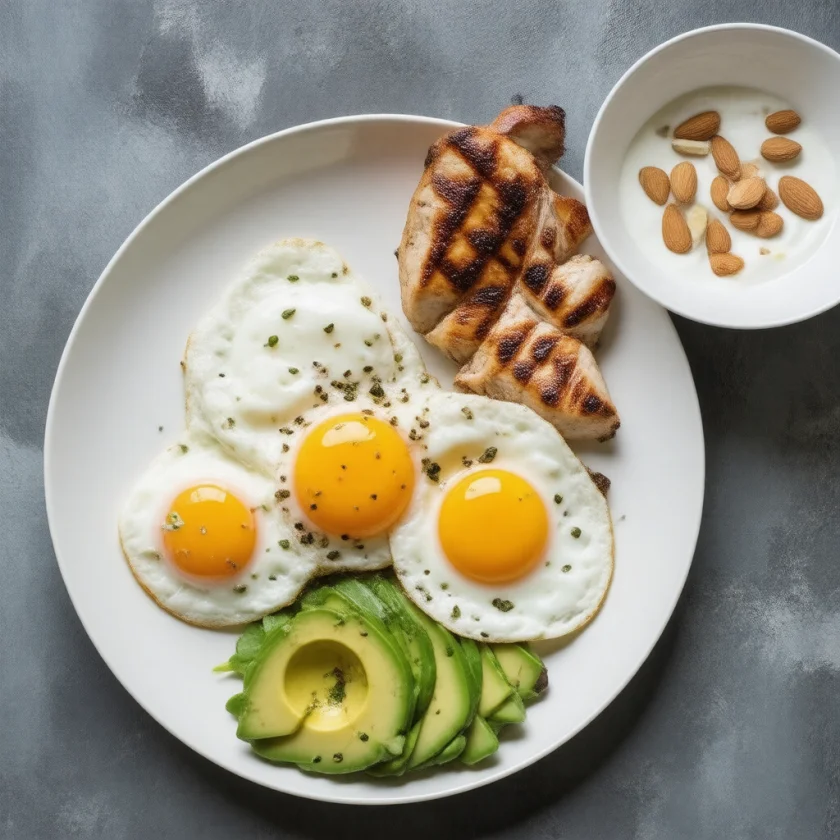
Intermittent fasting is one of the most talked-about ways to lose weight, and it is easy to see why: it asks you to change when you eat rather than count every calorie, which for a lot of people feels simpler and more doable. This page is written to be genuinely useful and genuinely honest. It explains what intermittent fasting actually is, walks through the main styles you will hear about, and then gives you the headline finding straight, without hype. Here is that finding up front: intermittent fasting can help many people lose weight, but the research shows it does so mainly by helping them eat fewer total calories over the day — and in careful head-to-head trials it works about as well as, not better than, plain old daily calorie cutting. That is not a knock on it. It means intermittent fasting is a useful tool — a scheduling strategy — that works well for the people whose lives and appetites suit it, rather than a metabolic magic trick. The rest of this page covers the honest perks, the honest limits, who the research raises concerns for, and how people commonly ease in. If you want the broader picture of fasting for health beyond weight, see our general Fasting page; this one stays focused on the weight-loss evidence.
Table of Contents
- What Intermittent Fasting Actually Is
- The Main Styles You Will Hear About
- The Honest Headline: It Works by Helping You Eat Less
- Fasting vs. Ordinary Calorie Cutting
- The Possible Perks
- The Honest Limits
- How Muscle Is Protected During Fasting
- Who the Research Raises Concerns For
- How People Commonly Ease In
- The Honest Bottom Line
- Key Research Papers
- Connections
- Featured Videos
What Intermittent Fasting Actually Is
Intermittent fasting is not a specific food plan — it does not tell you what to eat. It is a pattern of timing that alternates stretches of normal eating with longer stretches of not eating (drinking water, black coffee, or plain tea is fine). In everyday terms, it means deliberately extending the natural overnight fast, or skipping some meals on a set schedule, so that your body spends more hours each day or week in a "fasted" state.
There is real biology underneath the idea. When you go many hours without food, your body first burns through its readily available sugar (stored as glycogen), then shifts toward burning fat for fuel — a change researchers sometimes call the "metabolic switch," reviewed carefully by de Cabo and Mattson. That switch is genuine and interesting. But it is important not to over-read it. Flipping into fat-burning for a few hours does not mean you are melting away stored fat faster than you take it in; what actually determines whether you lose weight over weeks and months is still the balance between the calories you eat and the calories you burn. Intermittent fasting is best understood as a practical structure that, for many people, quietly tips that balance toward eating less. The sections below explain how, and how well.
The Main Styles You Will Hear About
“Intermittent fasting” is really an umbrella term for several different schedules. Three come up again and again, and it helps to know how they differ.
16:8 — time-restricted eating
This is the most popular and the gentlest. You confine all your eating to a set window each day — commonly an eight-hour window, such as noon to 8 p.m. — and fast for the other sixteen hours, most of which is spent asleep. In practice, for many people, 16:8 simply means skipping breakfast (or a late dinner). Because it repeats every day and requires no calorie math, it is the version most people find sustainable. Shorter windows (a “14:10,” or the stricter “18:6” and beyond) are variations on the same idea.
5:2 — the twice-a-week approach
On the 5:2 plan you eat normally five days a week and sharply cut calories — typically to around 500–600 calories — on two non-consecutive days. Nothing is off-limits on the “normal” days; the deficit is concentrated into the two low days.
Alternate-day fasting
This is the most demanding common style. You alternate a “fast” day — either no food or a very small amount, often about a quarter of usual calories — with a day of normal eating. It creates a large weekly calorie deficit but is harder to stick with, which turns out to matter a great deal, as the trials below show.
All three share the same core mechanism: they compress or interrupt eating so that, added up across the week, you tend to take in fewer calories. They differ mostly in how strict they are and how easily they fit a real life.
The Honest Headline: It Works by Helping You Eat Less
Here is the single most important thing to understand, and it is not what most headlines say. When intermittent fasting leads to weight loss — and it often can — the research points to one main reason: people end up eating fewer total calories. Squeezing your meals into a shorter window, or dropping to almost nothing two days a week, usually means fewer chances to eat and less eaten overall. The scale moves because of that calorie deficit, not because the timing itself unlocks some special fat-burning power.
Part of the evidence comes from an early pilot of eight-hour time-restricted eating by Gabel and colleagues. Compared with a matched historical control group (23 people each, not randomized), participants ate about 341 fewer calories a day and lost 2.6% of their weight over twelve weeks. The authors describe this as mild calorie restriction and weight loss without calorie counting; the pilot did not test whether calories alone explained the loss. A broad review by Patterson and Sears says fasting regimens “appear to promote weight loss and may improve metabolic health” and proposes that they act through circadian biology, the gut microbiome and lifestyle behaviors such as sleep. A common reading of the field is that most of the benefits of intermittent fasting travel with the weight that is lost, and the weight that is lost travels with eating less. Not every trial fits that reading: the TREAT trial below found no differences in estimated calorie intake between its groups.
Why does this matter so much? Because it reframes the whole thing in a healthier way. Intermittent fasting is not a loophole around the laws of energy balance. It is a behavior tool — a way of eating on a schedule that helps some people naturally cut calories without feeling like they are on a diet. If a schedule helps you eat less in a way you can live with, it is doing its job. If it does not (more on that below), it is not a personal failure — it is just not the right tool for you.
Fasting vs. Ordinary Calorie Cutting
The fairest question is not “does intermittent fasting work?” but “does it work better than simply cutting calories every day?” That is what researchers test when they put the two approaches side by side in the same trial. The honest answer from those head-to-head studies is: it works about the same.
The landmark trial here is by Trepanowski and colleagues (2017), published in JAMA Internal Medicine. They randomly assigned adults with obesity to either alternate-day fasting or ordinary daily calorie restriction that produced the same overall weekly deficit, then followed them for a full year. Among the 100 participants, the two groups lost essentially the same amount of weight relative to the control group: −6.0% with alternate-day fasting and −5.3% with daily restriction at twelve months. Fasting was not better. And there was a telling wrinkle — more people dropped out of the alternate-day fasting group (38%, against 29% with daily restriction and 26% of controls), and those fasting ate more than prescribed on fast days, suggesting that for many, the fasting schedule was actually harder to sustain, not easier.
The other widely cited trial is the TREAT study by Lowe and colleagues (2020), also in JAMA Internal Medicine, which tested the popular 16:8 window. Over twelve weeks, the time-restricted group lost only a small amount of weight (−0.94 kg), against −0.68 kg in a comparison group eating three structured meals a day. That group was not cutting calories on purpose, and the difference of −0.26 kg was not statistically significant (95% confidence interval −1.30 to 0.78; P = .63). The authors concluded that time-restricted eating alone “is not more effective in weight loss than eating throughout the day.” TREAT also raised an important caution we return to below: in the 50 people tested in person, the groups differed in lean mass (muscle) of the arms and legs (appendicular lean mass index, −0.16 kg/m², P = .005).
Two longer trials have since tested the eight-hour window for a full year. In China, 139 people with obesity were all put on the same calorie limit, with half also eating only between 8 a.m. and 4 p.m.; weight loss was −8.0 kg with the window and −6.3 kg without, not significantly different (P = 0.11), and body fat, lean mass, blood pressure and metabolic results were consistent with that. In Chicago, 90 adults with obesity ate only from noon to 8 p.m. without counting calories, or cut calories by 25% daily, or served as controls. Both diet groups ate about 400 calories a day less (−425 and −405), and against controls they lost 4.61 kg and 5.42 kg, with no significant difference between them (P = 0.68).
Zoom out to the reviews that pool many trials together, and the picture is consistent. Systematic reviews and meta-analyses — by Harris and colleagues, by Cioffi and colleagues, by Rynders and colleagues, and the earlier comparison by Varady — repeatedly find that intermittent fasting produces weight loss that is comparable to, but not greater than, continuous daily calorie restriction. Cioffi pooled 11 trials lasting 8 to 24 weeks and found a difference of −0.61 kg (95% confidence interval −1.70 to 0.47). Harris pooled 6 studies and found −1.03 kg against continuous restriction (−2.46 to 0.40), and −4.14 kg against no treatment. Rynders found no difference in 9 of 11 studies. Most of these studies ran for under a year. In plain language: fasting is a legitimate way to lose weight, and it is not a better mousetrap. It is another road to the same place — eating fewer calories.
The Possible Perks
None of this means intermittent fasting is pointless. For the right person it has some real, practical advantages — just not the mystical ones sometimes claimed.
- Simplicity. This is the biggest one. Not counting calories, not weighing food, not tracking every bite — just “eat within these hours” is genuinely easier for many people to follow than a detailed calorie plan. A rule you can remember and repeat is a rule you are more likely to keep.
- Fewer decisions, fewer chances to graze. Closing the kitchen after 8 p.m., for example, removes the late-night snacking that quietly adds up for a lot of people. The structure does some of the willpower work for you.
- Possible appetite effects. Some people find that after an adjustment period their hunger settles and they feel less driven to snack, which makes the calorie cut feel less like deprivation.
- Some metabolic signals independent of weight. This is the most scientifically interesting perk. In a tightly controlled study, Sutton and colleagues had men with prediabetes eat all their food in a 6-hour window, with dinner before 3 p.m., for 5 weeks, then switch to a 12-hour schedule (or the reverse). Food was supplied to hold their weight steady, and the early schedule improved insulin sensitivity, blood pressure, insulin-producing cell response, oxidative stress and appetite even when they did not lose weight. That hints that meal timing may carry some benefits of its own, possibly by aligning eating with the body's daily rhythms. It is a promising signal — but it is early, small, and about metabolic markers, not about extra pounds lost. It reads as “interesting and worth more study,” not “proof that fasting melts fat.”
- Larger pooled results. A 2026 network meta-analysis of 41 randomized trials (2,287 people; search ending January 2023) found that time-restricted eating improved weight, fat mass, waist size, systolic blood pressure, fasting glucose, insulin and triglycerides compared with usual diets. Windows ending earlier in the day ranked higher for body measurements, except lean mass, and for blood-sugar measures.
- Very short windows. Cienfuegos and colleagues tested 4-hour and 6-hour windows in adults with obesity for 8 weeks. Both produced about 3% weight loss and about 550 fewer calories a day, without calorie counting.
Take these perks for what they honestly are: reasons intermittent fasting can be a convenient and effective structure for some people, alongside modest and still-emerging metabolic hints. That is a fair, useful thing — no miracle required.
The Honest Limits
Being straight about the downsides is just as important as naming the perks. Intermittent fasting has some real limits and traps.
- Early “loss” is partly water. As with any change that cuts carbohydrates and calories, the first days of fasting deplete stored glycogen, and glycogen holds onto water. Much of the quick early drop on the scale is water weight, which returns when you eat normally again. It is encouraging, but it is not all fat.
- You can lose muscle, not just fat. This is the caution the TREAT trial flagged. Very short eating windows can make it hard to get enough protein, and low-protein weight loss tends to burn some lean muscle along with fat. Losing muscle is the opposite of what most people want: it weakens you and slightly lowers the calories you burn at rest. The next section covers what is reported to limit it, but it is a genuine risk.
- You can eat the deficit right back. Fasting only works if the fast actually lowers your total intake. If a long fast leaves you ravenous and you overeat during the window — larger portions, more snacks, “I earned this” treats — the calorie deficit disappears and so does the weight loss. The clock does not protect you from calories; only eating fewer of them does.
- It does not suit every schedule or body. People with physically demanding jobs, early risers, families who eat together, shift workers, and anyone who feels shaky, irritable, or foggy when they skip meals may find fasting a poor fit — and forcing a poor fit rarely lasts.
- It is still a diet, with a diet's plateaus. Fasting is not immune to the usual pattern in which weight loss slows and the body adapts. It is a tool for creating a deficit, and it faces the same long-term challenges as any other approach to creating one.
How Muscle Is Protected During Fasting
Because losing lean muscle is the most avoidable downside, it deserves its own short section. Two habits are the ones usually described for protecting muscle and keeping the weight lost coming mostly from fat.
The trial record on muscle is mixed. The TREAT trial above raised the concern. Varady’s 2011 review found the reverse, with less lean mass lost on intermittent than on daily calorie restriction over 3 to 12 weeks. A 2026 scoping review of 20 randomized trials (1,653 adults aged 45 and over) found that differences in total lean mass were “generally small,” mostly over 12 weeks or less, and that the evidence does not permit firm conclusions, especially long term.
Protein in the eating window
With fewer meals, it is easy to fall short on protein without noticing. People who fast commonly build each meal around protein — sources such as eggs, fish, poultry, beans and lentils, Greek yogurt, and other whole foods. Adequate protein both preserves muscle during weight loss and is itself very filling, which limits overeating in the window. The short window is exactly why this takes intention: there are fewer meals in which to meet the body’s needs.
Resistance training
Lifting weights, using resistance bands, or doing bodyweight strength work (push-ups, squats, lunges) tells the body to keep its muscle even while it is losing fat. The combination — enough protein plus a couple of strength sessions a week — is the one most often described for making the scale's drop reflect fat loss rather than muscle loss. This is not unique to fasting; it is said of any weight-loss effort. But it matters a little more here, precisely because a compressed eating window makes protein easier to miss.
Who the Research Raises Concerns For
Intermittent fasting does not suit everyone, and for some people it can be genuinely risky. These are the groups for whom the concerns are strongest.
- Diabetes, or any glucose-lowering or insulin medication. This is the most important warning. Going long stretches without food while taking insulin or certain diabetes medicines can cause blood sugar to drop dangerously low (hypoglycemia). Doses of these medicines commonly need adjusting before fasting, because the same dose acts on less food. Low blood sugar shows as shaking, sweating and confusion, and hospitals treat fainting or seizures from it as urgent.
- A history of disordered eating. Rigid rules about when you may and may not eat can trigger or worsen an unhealthy relationship with food, including bingeing during the eating window. For people who have had an eating disorder, restrictive timing schemes can be a serious risk.
- Pregnancy or breastfeeding. Calorie and nutrient needs are higher and more time-sensitive during these stages, and long fasts raise concern for that reason.
- Children and adolescents. Growing bodies need steady, complete nutrition, and the trials described on this page were in adults.
- Other situations where a changed eating schedule matters. Medications that must be taken with food lose that food during a fast. Low blood pressure, being underweight, being frail or older, and chronic medical conditions all leave less margin for long stretches without eating.
None of this is meant to frighten anyone off. It simply marks where the risks of a weight-loss strategy are highest.
How People Commonly Ease In
People who take up intermittent fasting do not have to begin with the strictest version. A gradual start is described as more comfortable and more likely to stick.
- A mild window first. Many begin with a 12-hour overnight fast — for example, dinner finished by 8 p.m. and breakfast at 8 a.m. Most of that is spent asleep, so it barely feels like fasting. Once that is easy, the window can narrow toward 14:10 or 16:8.
- A window that fits daily life. Breakfast lovers tend to keep breakfast and eat earlier in the day; people with hectic mornings often use a later window.
- Fluids. Water, black coffee, and plain tea are what people drink during the fasting hours, and they are said to help with the early hunger that fades with time.
- Real, filling food in the window. Fasting is not a license to fill the window with junk. Common choices are vegetables, fruit, whole grains, beans, and above all enough protein. What is eaten still matters just as much as when.
- The first meal. Many break the fast with a normal, balanced meal rather than a feast. Eating slowly makes fullness easier to notice before the calories saved are eaten back.
- An adjustment period. The first week or two can bring some hunger, irritability, or low energy while the body adapts, and people report that it usually settles. Feeling persistently unwell, weak, or preoccupied with food is useful information, not a moral failing: it is a sign that this tool does not suit that person.
The Honest Bottom Line
Here is the whole page in a paragraph. Intermittent fasting is a scheduling strategy, not a metabolic magic trick. It can genuinely help people lose weight — but it appears to do so mostly by helping them eat fewer calories, and in fair head-to-head trials it performs about as well as, not better than, ordinary daily calorie cutting. Its real advantage is simplicity: for the people whose lives and appetites suit it, “eat within these hours” is an easier rule to follow than counting every calorie. Its real limits are that early loss is partly water, that a short window may cost muscle, which protein and strength training are described as limiting, and that overeating in the window erases the whole point.
The trials answer “is it the best diet?” with no. What they leave open is whether a given person can eat well on it, in a sustainable way, without being miserable or unsafe. For those who cannot, the alternatives reach the same place in the trials — ordinary calorie restriction, a filling whole-food approach, more movement, and enough protein. There is no single “correct” way to lose weight, and intermittent fasting is simply one option among several.
Key Research Papers
- Trepanowski JF, Kroeger CM, Barnosky A, et al. Effect of Alternate-Day Fasting on Weight Loss, Weight Maintenance, and Cardioprotection Among Metabolically Healthy Obese Adults: A Randomized Clinical Trial. JAMA Internal Medicine. 2017;177(7):930-938. — the landmark one-year trial: alternate-day fasting produced weight loss no better than daily calorie restriction, and had more dropouts. — doi:10.1001/jamainternmed.2017.0936
- Lowe DA, Wu N, Rohdin-Bibby L, et al. Effects of Time-Restricted Eating on Weight Loss and Other Metabolic Parameters in Women and Men With Overweight and Obesity: The TREAT Randomized Clinical Trial. JAMA Internal Medicine. 2020;180(11):1491-1499. — the TREAT trial of 16:8 eating: no significant weight difference from three structured meals a day, and a between-group difference in lean mass of the arms and legs in the in-person group. — doi:10.1001/jamainternmed.2020.4153
- de Cabo R, Mattson MP. Effects of Intermittent Fasting on Health, Aging, and Disease. New England Journal of Medicine. 2019;381(26):2541-2551. — an authoritative review of the biology of fasting and the “metabolic switch” into fat-burning. — doi:10.1056/NEJMra1905136
- Patterson RE, Sears DD. Metabolic Effects of Intermittent Fasting. Annual Review of Nutrition. 2017;37:371-393. — a review saying fasting regimens appear to promote weight loss and may improve metabolic health, with proposed effects through circadian biology, the gut microbiome and lifestyle behaviors. — doi:10.1146/annurev-nutr-071816-064634
- Gabel K, Hoddy KK, Haggerty N, et al. Effects of 8-hour time restricted feeding on body weight and metabolic disease risk factors in obese adults: A pilot study. Nutrition and Healthy Aging. 2018;4(4):345-353. — a 16:8 pilot against a matched historical control group in which people spontaneously ate about 341 fewer calories a day and lost 2.6% of their weight. — doi:10.3233/NHA-170036
- Cienfuegos S, Gabel K, Kalam F, et al. Effects of 4- and 6-h Time-Restricted Feeding on Weight and Cardiometabolic Health: A Randomized Controlled Trial in Adults with Obesity. Cell Metabolism. 2020;32(3):366-378.e3. — very short daily eating windows cut calories and produced modest weight loss. — doi:10.1016/j.cmet.2020.06.018
- Sutton EF, Beyl R, Early KS, et al. Early Time-Restricted Feeding Improves Insulin Sensitivity, Blood Pressure, and Oxidative Stress Even without Weight Loss in Men with Prediabetes. Cell Metabolism. 2018;27(6):1212-1221.e3. — evidence that meal timing itself may carry some metabolic benefits, independent of pounds lost. — doi:10.1016/j.cmet.2018.04.010
- Harris L, Hamilton S, Azevedo LB, et al. Intermittent fasting interventions for treatment of overweight and obesity in adults: a systematic review and meta-analysis. JBI Database of Systematic Reviews and Implementation Reports. 2018;16(2):507-547. — pooled trials found fasting effective for weight loss, but not superior to continuous calorie restriction. — doi:10.11124/JBISRIR-2016-003248
- Rynders CA, Thomas EA, Zaman A, et al. Effectiveness of Intermittent Fasting and Time-Restricted Feeding Compared to Continuous Energy Restriction for Weight Loss. Nutrients. 2019;11(10):2442. — a review concluding intermittent fasting and daily calorie cutting yield comparable weight loss. — doi:10.3390/nu11102442
- Cioffi I, Evangelista A, Ponzo V, et al. Intermittent versus continuous energy restriction on weight loss and cardiometabolic outcomes: a systematic review and meta-analysis of randomized controlled trials. Journal of Translational Medicine. 2018;16(1):371. — a meta-analysis finding no meaningful difference between intermittent and continuous restriction. — doi:10.1186/s12967-018-1748-4
- Varady KA. Intermittent versus daily calorie restriction: which diet regimen is more effective for weight loss? Obesity Reviews. 2011;12(7):e593-e601. — an early review comparing the two approaches, an important precursor to the later trials; it found similar weight and fat loss and less lean mass lost with intermittent restriction. — doi:10.1111/j.1467-789X.2011.00873.x
- Anton SD, Moehl K, Donahoo WT, et al. Flipping the Metabolic Switch: Understanding and Applying the Health Benefits of Fasting. Obesity. 2018;26(2):254-268. — explains the metabolic “switch” toward fat-burning that longer fasts can trigger. — doi:10.1002/oby.22065
- Liu D, Huang Y, Huang C, et al. Calorie Restriction with or without Time-Restricted Eating in Weight Loss. New England Journal of Medicine. 2022;386(16):1495-1504. — a one-year trial of an 8 a.m. to 4 p.m. window added to calorie restriction. — PubMed PMID: 35443107
- Lin S, Cienfuegos S, Ezpeleta M, et al. Time-Restricted Eating Without Calorie Counting for Weight Loss in a Racially Diverse Population: A Randomized Controlled Trial. Annals of Internal Medicine. 2023;176(7):885-895. — a one-year trial comparing a noon to 8 p.m. window with a 25% daily calorie cut. — PubMed PMID: 37364268
- Chen YE, Tsai HL, Tu YK, Chen LW. Effects of timing and eating duration of time restricted eating on metabolic outcomes: systematic review and network meta-analysis. BMJ Medicine. 2026;5(1):e001071. — 41 randomized trials; earlier eating windows ranked higher. — PubMed PMID: 41586347
- Santero S, Blagojević BD, Merzah M, et al. Intermittent Fasting and Fat-Free Mass Outcomes in Middle-Aged and Older Adults: A Scoping Review. Advances in Nutrition. 2026;17(7):100663. — 20 randomized trials in adults aged 45 and over. — PubMed PMID: 42463249