Javanese Turmeric's Antimicrobial and Oral-Health Research: A Deep In-Vitro Record and a Few Small Human Studies
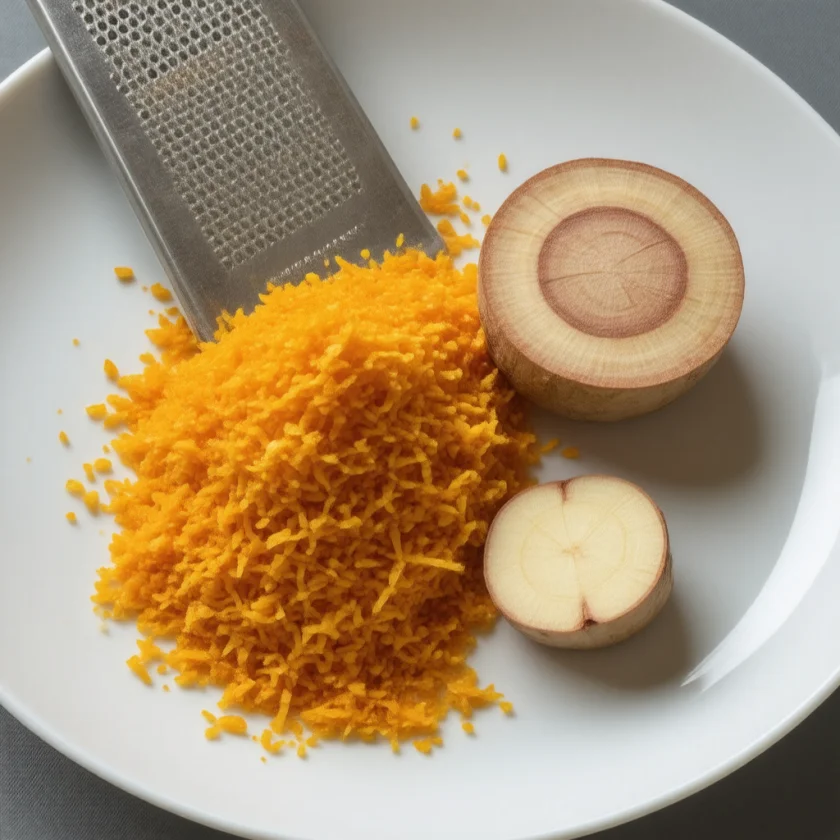
The main Curcuma zanthorrhiza page states that “there is a small human literature on temulawak or xanthorrhizol mouthwash affecting plaque and bacterial counts.” Researching this claim directly — a dozen separate phrase-locked PubMed searches covering “mouthwash,” “oral health,” “dental plaque,” “clinical trial,” “patients,” “volunteers” and “temulawak” in combination with both the species name and xanthorrhizol — found no such literature in PubMed. Outside PubMed the record is different: a 2017 Indonesian specialist thesis tested a temulawak mouthwash in 30 children with gum inflammation, and two 2005 toothpaste studies and a 2008 chewing-gum trial from Korea tested Curcuma xanthorrhiza products in people. Beside those four small studies stands an extensive, genuinely impressive body of laboratory antimicrobial work, some of it using real human saliva as a bacterial source in a dish, plus rat studies. This page reports both in full.
Table of Contents
- The Claim, and What the Record Shows
- Streptococcus mutans, Biofilm and Periodontal Bacteria
- Antifungal Activity: Candida and Malassezia
- The Mechanism: A Food-Grade Membrane-Active Compound With an Identified Target
- Recent Delivery-System Research: Nanoemulsion and Fluoride Varnish
- Beyond the Mouth: Food-Borne Pathogens and Insects
- Why the Mouth Is Still the Strongest Plausible Case
- The Human Studies: A Mouthwash Thesis, Two Toothpastes and a Chewing Gum
- Verdict and Evidence Tier
- What Is Not Known
- Practical Cautions
- Key Research Papers
- Connections
- Featured Videos
The Claim, and What the Record Shows
Xanthorrhizol’s antimicrobial activity, especially against oral bacteria, is one of the best-studied properties of this plant, and the main page is right to call the mouth “the strong case” for a topical antimicrobial application. The “small human literature” it describes does not appear in PubMed, but it does exist outside PubMed, and it is mostly on toothpaste and chewing gum rather than mouthwash. Following the main page’s citation trail and searching PubMed, this deep-dive located: extensive in-vitro antibacterial and antifungal screening; a 2020 study testing xanthorrhizol mixed into an experimental fluoride varnish via agar-diffusion testing on cultured bacteria; and a 2023 nanoemulsion delivery study that used real human saliva as an inoculum to grow a biofilm on a hydroxyapatite disc in a laboratory dish. That last study is still an in-vitro model — no living person’s mouth was treated, and no clinical outcome (plaque index, bacterial count in situ, gingival health) was measured in a human subject. Searching beyond PubMed located the human studies. The human record is small: one mouthwash thesis, two toothpaste studies and one chewing-gum trial, none of them in PubMed and two of them using mixtures of active ingredients. They are described in their own section below.
Streptococcus mutans, Biofilm and Periodontal Bacteria
The foundational oral-pathogen work comes from a sustained Yonsei University research programme running from the early 2000s to today. Xanthorrhizol shows minimum inhibitory concentrations (MICs) in the low single-digit micrograms-per-millilitre range against Streptococcus mutans, the principal bacterium responsible for dental caries, and against Streptococcus species generally. Beyond simply killing free-floating bacteria, one 2006 paper found that 5 micromoles per litre of xanthorrhizol completely inhibited S. mutans biofilm formation at the adherent phase of growth, and that 50 micromoles per litre removed 76% of an established biofilm after 60 minutes — a more clinically relevant test, since dental plaque is a biofilm, and bacteria organised into a biofilm are typically far more resistant to antimicrobials than the same species growing freely in broth. A second 2006 paper found that coating polystyrene plate wells with 5 µg/mL xanthorrhizol gave up to 60% fewer adherent cells. A 2018 pair of papers extended this to periodontal disease specifically, finding that a standardised supercritical Curcuma xanthorrhiza extract and xanthorrhizol both inhibited lipopolysaccharide (LPS)-induced inflammatory signalling relevant to periodontitis. One used human gum cells and RAW264.7 cells in a dish. The other was a live-animal study: in rats with LPS-induced gum disease, the extract given by mouth at 30 and 100 mg/kg/day reduced the collapse of gum tissue and lowered inflammation markers. In a 2022 Indonesian study of 27 Wistar rodents in 9 groups, brushing with a toothpaste containing the essential oil gave lower plaque and gum index scores than the untreated control.
A 2021 systematic review in Drug Design, Development and Therapy, focused specifically on xanthorrhizol’s antibacterial and antimicrobial effects in the prevention of dental caries (Khalid and colleagues, 11 studies), consolidates this literature and is a reasonable single starting point for the oral-pathogen thread. It reports no toxicity, and it also reports that xanthorrhizol “could not selectively target the growth of cariogenic bacteria”: its effect is not limited to the decay-causing species. Apart from the rat and rodent studies above, every study located in this section is an in-vitro (broth, agar or biofilm-model) or cell-culture study.
Antifungal Activity: Candida and Malassezia
A separate, equally consistent thread covers fungal pathogens. Xanthorrhizol shows in-vitro activity against multiple Candida species — C. albicans, C. glabrata, C. guilliermondii and C. parapsilosis among them — at MICs typically in the low single-digit to tens of micrograms-per-millilitre range, including fungicidal (not merely fungistatic) activity in some strains. A 2009 paper found synergistic anticandidal activity when xanthorrhizol was combined with ketoconazole or amphotericin B, two established antifungal drugs — a genuine drug-combination finding, potentially relevant to overcoming antifungal resistance, though again untested outside a laboratory dish. Separately, xanthorrhizol shows activity against Malassezia, the yeast genus implicated in dandruff and seborrhoeic dermatitis, and against several opportunistic filamentous fungi.
The Mechanism: A Food-Grade Membrane-Active Compound With an Identified Target
Two mechanistic threads give this antimicrobial activity real chemical grounding rather than a black-box “it kills bacteria” result. First, structure-activity work suggests xanthorrhizol’s antibacterial action derives substantially from its behaviour as a non-ionic surface-active agent, disrupting the lipid-protein interface of the bacterial cell membrane — a physical mechanism rather than inhibition of a single specific enzyme. Second, and more precisely, a 2020 Bioorganic & Medicinal Chemistry Letters paper identified a specific molecular target in E. coli: xanthorrhizol inhibits FabI, the enoyl-ACP reductase enzyme essential to bacterial fatty acid synthesis — the same class of target exploited by the common antibacterial triclosan, though the paper found xanthorrhizol binds differently (specific resistance mutations conferred protection against one compound but not the other), meaning it is not simply “natural triclosan.” The paper explicitly frames xanthorrhizol as a food-grade antimicrobial, which is a genuinely different regulatory and safety category from a synthetic biocide, though it is a description of existing food-additive status, not a claim about therapeutic efficacy.
A 2024 laboratory study adds a second target. In Staphylococcus aureus, xanthorrhizol acts on a pressure-release channel in the cell membrane (MscL), and the cell contents leak out. At 64 µg/mL it completely killed methicillin-susceptible and methicillin-resistant strains within 2 minutes, and it strengthened the antibiotic dihydrostreptomycin. This was bacteria in a dish, not an infection in a person.
Recent Delivery-System Research: Nanoemulsion and Fluoride Varnish
Two recent papers illustrate where this research is actually heading, and both are worth reading precisely rather than by title alone. A 2023 Journal of Dentistry paper (Cho, Lee, Jung and Kim, Yonsei University) solubilised Curcuma xanthorrhiza essential oil (47% xanthorrhizol by high-performance liquid chromatography) into a nanoemulsion and tested it against a microcosm biofilm grown from real human saliva inoculated onto hydroxyapatite discs — the mineral that makes up tooth enamel, used here as a laboratory substrate, not as part of an actual tooth. The nanoemulsion outperformed the plain emulsion form substantially: compared with distilled water it reduced bacterial cell and extracellular polysaccharide volume and thickness by 40–80%, similar to chlorhexidine, an established antiseptic mouthwash ingredient used as a positive control, and it reduced total and acid-tolerant bacterial viability (reported as 7.3% and 3.9%). This is a real, sophisticated, and encouraging in-vitro result, and the paper's own “clinical significance” statement is appropriately hedged: it “suggests the potential use” of the nanoemulsion, not that it has been shown to work in a person's mouth.
A separate 2020 Dental Materials Journal paper tested xanthorrhizol mixed into an experimental fluoride varnish against S. mutans using agar diffusion — again an in-vitro test, and one where xanthorrhizol was not even the top-performing compound tested (bavachalcone, a different natural compound in the same experiment, showed the strongest inhibition).
Beyond the Mouth: Food-Borne Pathogens and Insects
Xanthorrhizol also shows in-vitro activity against a range of food-borne pathogens — Bacillus cereus, Listeria monocytogenes, Salmonella typhimurium and others — at 8–16 µg/mL to inhibit growth and 16–32 µg/mL to kill, framed in the literature as a potential natural food preservative rather than a therapeutic antimicrobial. A separate, older finding reports insecticidal activity. Both are real laboratory findings and both are well outside any plausible connection to swallowing temulawak tea or taking an oral supplement — included here to keep food-preservation research distinct from any claim about treating infection in a person.
Why the Mouth Is Still the Strongest Plausible Case
None of the above dismisses the oral-health line of research — it remains, as the main page argues, the most plausible route by which any of this in-vitro activity could translate into a real effect. Most plant-compound antimicrobial findings die on the journey into the body, because achieving the tested concentration in blood or tissue after an oral dose is usually impossible given the poor bioavailability documented on the chemistry deep-dive (roughly 10–13% oral bioavailability for xanthorrhizol in rodents — a 2022 study measured 10.2% in mice, and 12.9% and 13.4% in rats given xanthorrhizol and an extract — and comparably poor for curcumin). A mouthwash, toothpaste or varnish is the one delivery route that puts the compound directly onto the target surface at close to its tested in-vitro concentration, bypassing the absorption problem entirely. That is a genuinely strong argument for why this research direction deserves continued investment. The human evidence so far is the four small studies in the next section.
The Human Studies: A Mouthwash Thesis, Two Toothpastes and a Chewing Gum
None of these four is in PubMed, which is why phrase-locked PubMed searches miss them. All are small, ran for 1 to 5 weeks, and have not been repeated in what was found.
- Mouthwash in children (Indonesia, 2017). A specialist thesis at Universitas Gadjah Mada, not a journal article. Thirty children aged 10 to 12 with moderate gum inflammation rinsed morning and night after brushing for 7 days, 15 with a 0.8% temulawak ethanol extract and 15 with distilled water. The white-cell count in the fluid around the gums was lower with temulawak on day 3 (41.93 vs 50.93) and day 7 (20.80 vs 49.07), and the author reports a lower gum index.
- Toothpaste (Korea, 2005). At 3 weeks, plaque had risen significantly in both groups. The gum index did not change significantly with the Curcuma xanthorrhiza toothpaste, while it rose significantly without it at sites shielded from brushing (p<0.05). Bleeding on probing fell from baseline with brushing only in the group using the herb. The number of participants is not given in the abstract.
- Mixed-ingredient toothpaste (Korea, 2005). A randomized, blinded, split-mouth trial in 57 men over 5 weeks. A toothpaste with bamboo salt, Curcuma xanthorrhiza, dipotassium glycyrrhizinate, ursodeoxycholic acid and other additives lowered the gum index 49.9% more than placebo with brushing (p=0.024); the 38.1% difference at shielded sites was not statistically significant. With this many actives the result cannot be credited to the herb alone.
- Chewing gum (Korea, 2008). Seventy-five adults with moderate gum inflammation chewed gum base, 70% xylitol gum, or 70% xylitol gum with 0.23% Curcuma xanthorrhiza extract three times a day for 3 weeks, beside normal brushing. The combined gum significantly reduced the plaque index by week 3 (p<0.01), the gum index and bleeding on probing fell by 35.9% and 31.65%, and no adverse effects in the mouth were observed. Xylitol is also in the gum, so the result cannot be credited to the herb alone.
Verdict and Evidence Tier
- Tier: extensive, mechanistically grounded in-vitro antimicrobial and antifungal evidence, including two identified specific molecular targets and one recent study using real human-saliva-derived biofilm — plus rat studies and four small human studies, none in PubMed.
- Verdict on the oral-pathogen literature (S. mutans, biofilm, periodontal bacteria): real, consistent, mechanistically detailed, spanning two decades and multiple independent research groups, in-vitro and cell work plus rat studies.
- Verdict on antifungal activity (Candida, Malassezia): real and includes a genuine drug-synergy finding with two established antifungal drugs, entirely in-vitro.
- Verdict on the main page's “small human literature” claim: supported by a small record outside PubMed — one mouthwash thesis in children, two toothpaste studies and one chewing-gum trial. Direct PubMed searches do not find them, and the 2023 human-saliva-derived biofilm study is laboratory work, not one of them.
- Verdict on the FabI mechanism finding: a genuine, specific, and unusually precise piece of mechanistic chemistry for a plant antimicrobial, worth more confidence than a typical “disrupts the cell membrane” description.
What Is Not Known
- No large or independently repeated human trial of a temulawak, Curcuma xanthorrhiza, or xanthorrhizol mouthwash, toothpaste or oral rinse, and no human trial of a dental varnish, was found, despite extensive supporting in-vitro data and specific commercial and mechanistic interest from at least one active Korean research group.
- No study has measured whether any of the in-vitro minimum inhibitory concentration (MIC) or biofilm-inhibition concentrations are achievable in human saliva or plaque fluid after using a real product at a realistic concentration.
- No data exist on temulawak or xanthorrhizol for any systemic (non-oral, non-topical) infection in humans; all systemic antimicrobial extrapolation is unsupported inference from in-vitro MICs, which the poor oral bioavailability data make doubly implausible.
- Beyond the 3-week chewing-gum trial, which observed no adverse effects in the mouth, no safety or tolerability data were found for a xanthorrhizol-containing mouthwash or dental product used repeatedly by a human population, as distinct from the general oral safety profile of the whole herb taken internally.
- No data compare xanthorrhizol-based oral products against established options (fluoride, chlorhexidine) for any real clinical outcome (cavity incidence, gingivitis severity) — only against chlorhexidine as an in-vitro biofilm-reduction benchmark in one study.
Practical Cautions
The in-vitro antimicrobial data above do not establish temulawak, in any form, as a replacement for established dental care — fluoride toothpaste and standard oral hygiene have an enormous, actual human clinical evidence base behind them that this literature does not yet approach. The evidence for a commercial xanthorrhizol- or Curcuma xanthorrhiza-containing oral-care product describes a plausible adjunct at best, not a replacement for fluoride or professional dental care, and this laboratory antimicrobial data does not extend to treating an infection elsewhere in the body by taking temulawak orally.
Key Research Papers
- Rukayadi Y, Hwang JK. In vitro activity of xanthorrhizol isolated from the rhizome of Javanese turmeric (Curcuma xanthorrhiza Roxb.) against Candida albicans biofilms. Phytotherapy Research. 2013;27(7):1061-1066. PubMed PMID: 22969012
- Rukayadi Y, Yong D, Hwang JK. In vitro anticandidal activity of xanthorrhizol isolated from Curcuma xanthorrhiza Roxb. The Journal of Antimicrobial Chemotherapy. 2006;57(6):1231-1234. PubMed PMID: 16617064
- Rukayadi Y, Lee K, Lee MS, Yong D, Hwang JK. Synergistic anticandidal activity of xanthorrhizol in combination with ketoconazole or amphotericin B. FEMS Yeast Research. 2009;9(8):1302-1311. The drug-combination finding. PubMed PMID: 19663917
- Rukayadi Y, Hwang JK. In vitro anti-Malassezia activity of xanthorrhizol isolated from Curcuma xanthorrhiza Roxb. Letters in Applied Microbiology. 2007;44(2):126-130. PubMed PMID: 17257249
- Rukayadi Y, Hwang JK. Effect of coating the wells of a polystyrene microtiter plate with xanthorrhizol on the biofilm formation of Streptococcus mutans. Journal of Basic Microbiology. 2006;46(5):410-415. The plate-coating finding (up to 60% fewer adherent cells). PubMed PMID: 17009296
- Rukayadi Y, Hwang JK. In vitro activity of xanthorrhizol against Streptococcus mutans biofilms. Letters in Applied Microbiology. 2006;42(4):400-404. The complete biofilm-inhibition finding. PubMed PMID: 16599995
- Kook KE, Kim C, Kang W, Hwang JK. Inhibitory effect of standardized Curcuma xanthorrhiza supercritical extract on LPS-induced periodontitis in rats. Journal of Microbiology and Biotechnology. 2018;28(10):1614-1625. PubMed PMID: 30196591
- Kim S, Kook KE, Kim C, Hwang JK. Inhibitory effects of Curcuma xanthorrhiza supercritical extract and xanthorrhizol on LPS-induced inflammation in HGF-1 cells and RANKL-induced osteoclastogenesis in RAW264.7 cells. Journal of Microbiology and Biotechnology. 2018;28(8):1270-1281. PubMed PMID: 29996622
- Khalid GS, Hamrah MH, Ghafary ES, Hosseini S, Almasi F. Antibacterial and antimicrobial effects of xanthorrhizol in the prevention of dental caries: a systematic review. Drug Design, Development and Therapy. 2021;15:1149-1156. The consolidated review. PubMed PMID: 33731986
- Yogiara, Mordukhova EA, Kim D, Kim WG, Hwang JK, Pan JG. The food-grade antimicrobial xanthorrhizol targets the enoyl-ACP reductase (FabI) in Escherichia coli. Bioorganic & Medicinal Chemistry Letters. 2020;30(24):127651. The specific molecular-target finding. PubMed PMID: 33130290
- Cho MY, Lee ES, Jung HI, Kim BI. Anti-biofilm activity of a novel nanoemulsion containing Curcuma xanthorrhiza oil. Journal of Dentistry. 2023;137:104647. The human-saliva-derived biofilm model, read precisely above. PubMed PMID: 37536430
- Son JL, Kim AJ, Oh S, Bae JM. Inhibitory effects on Streptococcus mutans of antibacterial agents mixed with experimental fluoride varnish. Dental Materials Journal. 2020;39(4):690-695. PubMed PMID: 32522914
- Lee LY, Shim JS, Rukayadi Y, Hwang JK. Antibacterial activity of xanthorrhizol isolated from Curcuma xanthorrhiza Roxb. against foodborne pathogens. Journal of Food Protection. 2008;71(9):1926-1930. PubMed PMID: 18810881
- Kang J, Won J, Hwang JK, Kang W. Bioavailability of xanthorrhizol following oral administration of a supercritical extract of Java turmeric. Food Science and Biotechnology. 2022;31(10):1309-1313. PubMed PMID: 35992318
- Mordukhova EA, Kim J, Jin H, No KT, Pan JG. The efficacy of the food-grade antimicrobial xanthorrhizol against Staphylococcus aureus is associated with McsL channel expression. Frontiers in Microbiology. 2024;15:1439009. PubMed PMID: 39021623
- Ariawan OD. Pengaruh obat kumur ekstrak etanol temulawak 0,8% (Curcuma xanthorrhiza Roxb.) terhadap penurunan gingivitis dan jumlah leukosit cairan sulkus gingiva pada anak dengan gingivitis usia 10-12 tahun. Specialist thesis, Universitas Gadjah Mada, 2017. The mouthwash study in children. Universitas Gadjah Mada record 117036
- Hong JY, Kim SN, Ha WH, Chang SY, Jang IK, Park JE, Jung SW, Um YJ, Kim CK. Suppressive effect of Curcuma xanthorrhiza oil on plaque and gingivitis. The Journal of the Korean Academy of Periodontology. 2005;35(4):1053. doi:10.5051/jkape.2005.35.4.1053
- 황수정, 김상년, 장석윤, 하원호, 김인수, 진보형, 백대일, Kim HD. Gingivitis suppression effect of the de novo dentifrice containing Curcuma xanthorrhiza, bamboo salt and various additives. 2005;29(4):451-462 (journal name not confirmed; Seoul National University repository record). hdl:10371/74248
- Park JC, Song JE, Gwon YJ, Sin YM, Hwang JG, Kim JG. Effect of Curcuma xanthorrhiza containing gum on reduction of the plaque and the gingivitis. The Journal of The Korean Dental Association. 2008;46(5):315-322. doi:10.22974/jkda.2008.46.5.006
- Nurhadi Y, Lestari PE, Pujiastuti P. Potensi pasta gigi minyak atsiri temulawak (Curcuma xanthorriza Roxb) dalam menghambat pembentukan plak dan gingivitis pada tikus yang diinduksi Phorpyromonas gingivalis. STOMATOGNATIC - Jurnal Kedokteran Gigi. 2022;19(2):110. doi:10.19184/stoma.v19i2.34739
- Xanthorrhizol and antibacterial/antifungal activity — live search. — Search PubMed
- Curcuma xanthorrhiza and clinical oral-health trials — live search; the four human studies above are not in PubMed, so it does not show them. — Search PubMed
Connections
- All Herbs
- Javanese Turmeric / Temulawak (Curcuma zanthorrhiza) — the main article, including the “small human literature” sentence discussed above.
- Javanese Turmeric Benefits Deep Dive — the hub.
- Hepatoprotective and Liver Claims.
- Digestion, Dyspepsia and the European Regulatory Record.
- Xanthorrhizol: Anti-Inflammatory and Anticancer Research — the oral bioavailability data that explains why the mouth is the strongest plausible route.
- Dentistry.
- Neem — a better-evidenced traditional antimicrobial oral-health herb for comparison.
- Clove — the traditional dental antimicrobial with an actual established clinical use (topical eugenol for toothache).