Enoki Mushroom for Gut Health & Fiber
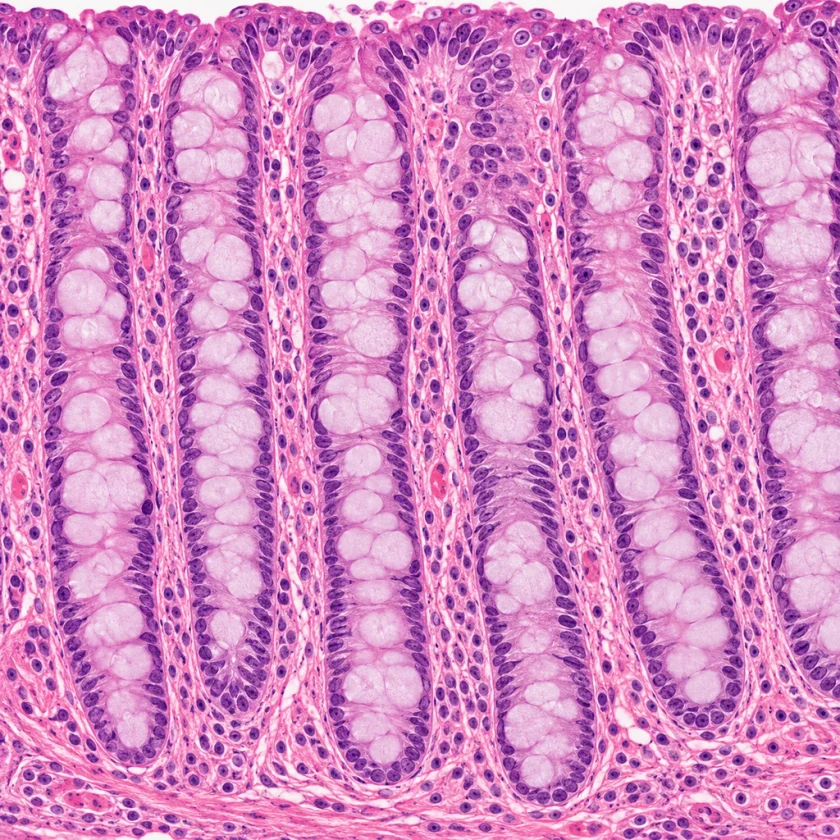
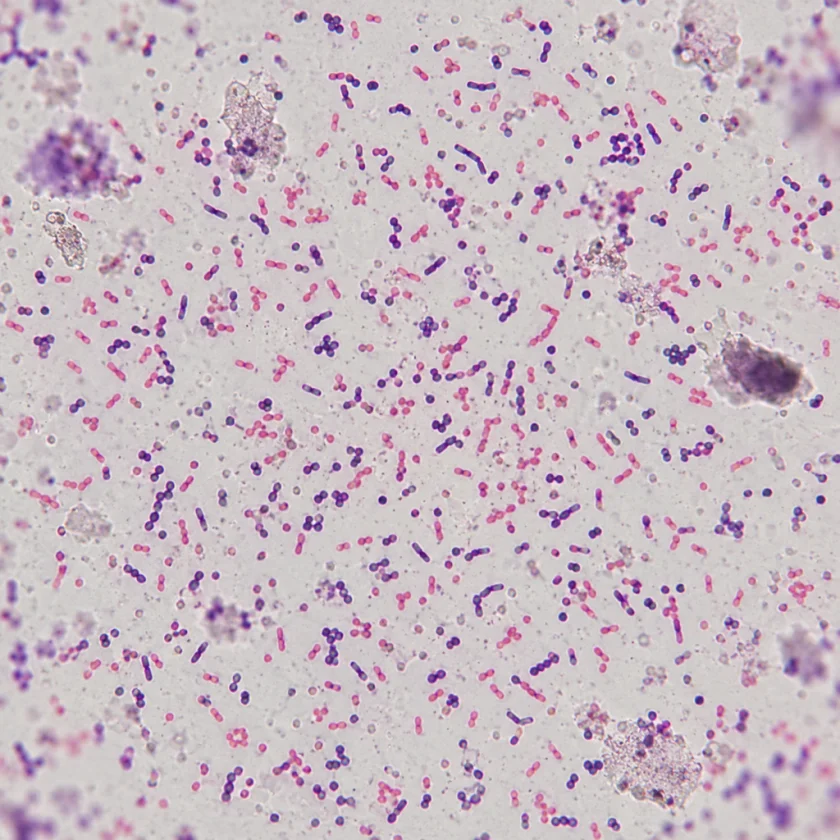
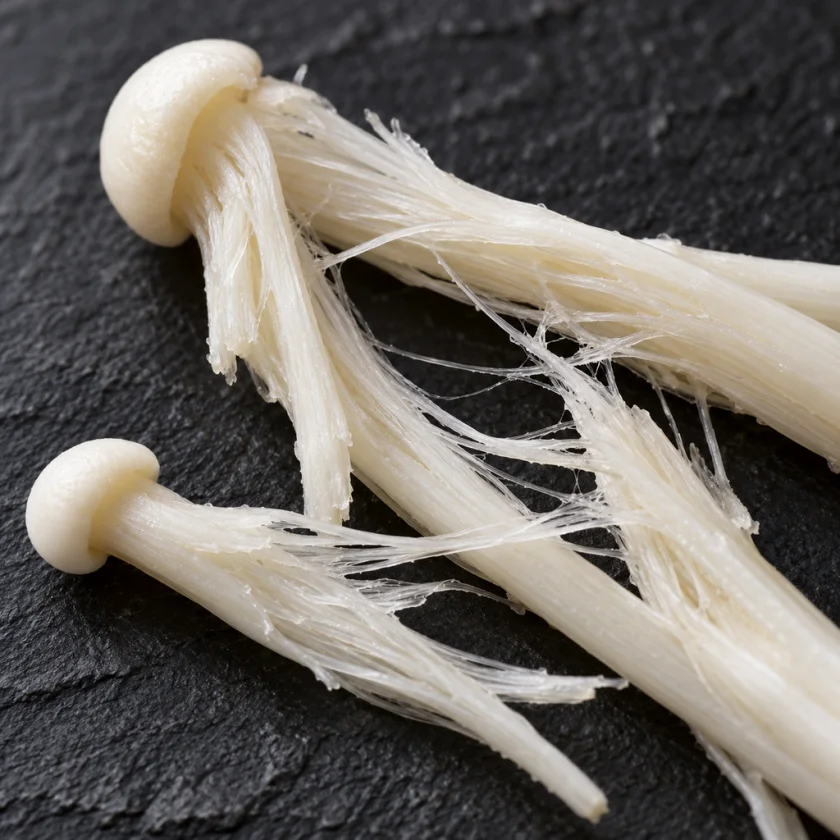
This is enoki's most down-to-earth and best-supported benefit. That signature springy crunch comes from indigestible cell-wall fibers — beta-glucans and chitin-type material — that your own enzymes cannot break down, so they travel to the large intestine where gut bacteria ferment some of them. In practical terms, enoki is a low-calorie way to add fiber, bulk, and satiety to a meal, and to feed a healthy microbiome. Unlike the immune and metabolic research, where most of the evidence is preclinical, the fiber story rests on well-established general nutrition science: fiber-rich, fermentable foods support regularity, a diverse gut flora, and fullness. This page explains what mushroom fiber is, what it does in the gut, how much enoki realistically contributes, and how the gas and bloating that any fiber can cause relate to adding it too fast.
Table of Contents
- What Mushroom Fiber Is Made Of
- Low-Calorie Bulk and Satiety
- Prebiotic Potential and the Gut Microbiome
- Fermentation and Short-Chain Fatty Acids
- Fiber, Blood Sugar, and Blood Lipids
- Digestibility, Cooking, and Chewing
- How Much, and Why Gradual Increases Matter
- Who Tolerates Enoki Less Well
- Cautions
- Key Research Papers
- Connections
- Featured Videos
What Mushroom Fiber Is Made Of
Mushroom fiber is chemically different from the fiber in plants. Plant cell walls are built mostly from cellulose; fungal cell walls, including enoki's, are built from beta-glucans and chitin (a nitrogen-containing polysaccharide that is also the material of insect shells and crab shells). Some enoki also contains chitin's derivative chitosan and various other polysaccharides. What these fibers share is that human digestive enzymes cannot break the chemical bonds holding them together, so they are classed as dietary fiber — they pass through the small intestine largely intact and reach the colon.
These fibers span the usual fiber categories. The chitin and much of the structural material behaves as insoluble fiber, which adds bulk and speeds transit; the beta-glucans and some polysaccharides are more fermentable, meaning colon bacteria can use them as food. A 2021 study by Yang and colleagues characterized insoluble dietary fiber from three food sources — enoki mushroom, carrot, and oat — and measured these fractions and their potential effects on glucose and lipid handling. The practical point for an eater is simpler: enoki's crunchy, hard-to-chew texture is its fiber, and that fiber is the most reliable health contribution the mushroom makes.
Low-Calorie Bulk and Satiety
Enoki is mostly water and fiber with very little fat and only a modest amount of carbohydrate, which makes it a classic low-energy-density food — it fills space in a meal and in the stomach for very few calories. Low-energy-density, high-fiber foods promote satiety (the feeling of fullness) both by adding physical bulk and by slowing gastric emptying, which is one well-established reason that vegetable- and fiber-rich eating patterns help with appetite regulation and weight management.
This is a genuine, everyday benefit that does not require any exotic bioactive. Swapping some higher-calorie ingredients for enoki — bulking out a stir-fry, a noodle bowl, or a soup with mushrooms — increases volume and chewing time while lowering the calorie total, and the fiber helps you feel satisfied. Large cohort studies that link higher overall mushroom intake to modestly better health outcomes are consistent with mushrooms fitting into this kind of sensible, filling, lower-calorie pattern, though such studies cannot prove enoki specifically caused the benefit.
Prebiotic Potential and the Gut Microbiome
A prebiotic is a food component that your gut bacteria can ferment, selectively encouraging beneficial microbes. Fermentable fibers such as beta-glucans are prime prebiotic candidates, and mushroom beta-glucans in particular have drawn research attention. A critical review by Jayachandran and colleagues examined how beta-glucans interact with the gut microbiota and human health, describing how these fibers reach the colon and can shift the microbial community and its metabolic output.
Enoki's beta-glucans and other polysaccharides plausibly act as prebiotics in this way, feeding fiber-fermenting bacteria and supporting a more diverse microbiome. It is fair, though, to keep the claim measured: most of the direct microbiome work has been done with isolated beta-glucans or in animal models rather than with feeding studies of whole enoki in people, and the human gut microbiome is highly individual. The reasonable statement is that enoki contributes fermentable fiber of a type known to support gut bacteria — a sound reason to include it in a fiber-diverse diet — rather than that enoki is a proven, standardized prebiotic supplement.
Fermentation and Short-Chain Fatty Acids
When colon bacteria ferment fibers like beta-glucans, they produce short-chain fatty acids (SCFAs) — principally acetate, propionate, and butyrate. These small molecules are more than waste products. Butyrate is a preferred fuel for the cells lining the colon and supports the integrity of the gut barrier; propionate and acetate are absorbed and participate in the body's energy and lipid metabolism; and short-chain fatty acids collectively help maintain a mildly acidic colonic environment that favors beneficial bacteria over some pathogens.
This short-chain fatty acid (SCFA) pathway is the mechanistic bridge between "eating fermentable fiber" and many of fiber's downstream benefits — gut-barrier support, anti-inflammatory signaling, and effects on appetite and metabolism. Enoki's fermentable polysaccharides feed into this same general machinery. As with the prebiotic claim, the specific quantitative contribution of enoki to human short-chain fatty acid production has not been precisely mapped, so the honest framing is that enoki provides the kind of fermentable substrate that yields short-chain fatty acids, contributing to the broader, well-supported benefits of a high-fiber diet.
Fiber, Blood Sugar, and Blood Lipids
Dietary fiber has well-recognized effects on how the body handles glucose and fats. Viscous and fermentable fibers can slow the absorption of sugars, blunting the post-meal blood-glucose spike, and can modestly lower blood cholesterol, partly by binding bile acids and partly through fermentation products. The 2021 Yang study of insoluble dietary fiber from enoki, carrot, and oat specifically examined potential hypoglycemic (blood-sugar-lowering) and hypolipidemic (blood-fat-lowering) effects: in laboratory tests, enoki fiber had the strongest glucose adsorption and ability to inhibit fat digestion of the three, and in mice, fiber from all three sources improved glucose tolerance and limited the rise in blood fats after a fatty meal. These were laboratory and mouse results, not human trials.
For enoki, these effects are best attributed to its fiber acting like other dietary fibers, rather than to anything unique about the mushroom — and the direct human evidence for enoki specifically is limited. The metabolic angle is covered in more depth, including the animal hypolipidemic studies, on the Heart & Metabolic Health page. The gut-focused takeaway is that including fiber-rich foods like enoki as part of balanced meals supports steadier blood sugar and healthy lipids in the same way other high-fiber vegetables do.
Digestibility, Cooking, and Chewing
Because enoki's fibers are tough, the mushroom is famously chewy, and long strands can pass through the digestive tract only partly broken down — it is not unusual to notice recognizable enoki pieces afterward, which is harmless and simply reflects its indigestible fiber. Two things improve both digestibility and enjoyment: thorough cooking, which softens the fibers and makes them easier to handle (and is essential for safety), and good chewing, since the mechanical breakdown of the strands starts in the mouth. Cutting the clusters into shorter lengths before cooking also helps.
Thorough cooking does not destroy the fiber — fiber is heat-stable — so you keep the gut benefits while gaining digestibility and safety. Preparations that keep the cooking liquid, such as soups and hot pot, retain any water-soluble components that leach out. Raw enoki offers no nutritional advantage, and it carries the Listeria risk described under Cautions.
How Much, and Why Gradual Increases Matter
There is no special "dose" of enoki for gut health — it is eaten as a vegetable, in normal culinary amounts. As with any fiber-rich food, gradual increases are the key practical point. A sudden jump in fiber — a large bowl of enoki-heavy hot pot when you rarely eat fiber — can cause gas, bloating, or cramping simply because your gut bacteria need time to adapt. Building up slowly, spreading fiber across the day, and drinking enough water all reduce that transient discomfort.
Enoki also works best as one member of a diverse fiber lineup rather than a solo act. Different fibers feed different microbes, so pairing enoki with other vegetables, legumes, fruits, and whole grains does more for the microbiome than leaning heavily on any single source. For broader guidance on gut-supportive eating, our Gastroenterology section covers digestive health, and the Mediterranean Diet page describes a well-studied, fiber-rich overall pattern that enoki slots into naturally.
Who Tolerates Enoki Less Well
- Sensitive or irritable bowel syndrome-prone digestion. Fermentable fibers can trigger gas and bloating in people with irritable bowel syndrome or a sensitive gut. Smaller portions, thorough cooking, and slow reintroduction reduce these symptoms, and other fibers may be better tolerated.
- Flare-ups of inflammatory bowel disease. During an active flare of Crohn's disease or ulcerative colitis, tough insoluble fibers and long strands may be poorly tolerated.
- Advanced kidney disease. Mushrooms, including enoki, contribute potassium; on potassium-restricted diets, enoki counts toward potassium the way other vegetables do. See our Potassium page for context.
- Swallowing difficulties. Long, stringy enoki strands can be awkward to chew and swallow; cutting them shorter and cooking until soft makes them easier to swallow for people with swallowing difficulty (dysphagia).
Cautions
- Listeria risk — thorough cooking kills it. Enoki has been repeatedly linked to listeriosis outbreaks and recalls. Listeria monocytogenes grows even at refrigerator temperatures, so refrigeration is not enough; thorough cooking is. Raw or lightly warmed enoki carries this risk, and listeriosis is most dangerous for pregnant women, newborns, older adults, and people with weakened immune systems.
- The base of the cluster. The dense, often gritty base of the cluster can hold growing-medium residue; it is usually cut off and the mushrooms rinsed before cooking.
- Gradual fiber increases. Adding enoki (and fiber in general) slowly, with enough fluid, limits gas and bloating.
- Allergy. Mushroom allergy is uncommon but real. Itching, hives, swelling, or breathing difficulty after eating enoki are signs of an allergic reaction; swelling of the face or throat and trouble breathing are signs hospitals treat as urgent.
Key Research Papers
- Jayachandran M, Chen J, Chung SSM, Xu B. A critical review on the impacts of beta-glucans on gut microbiota and human health. J Nutr Biochem. 2018. — PubMed PMID: 30196242
- Yang X, Dai J, Zhong Y, et al. Characterization of insoluble dietary fiber from three food sources and their potential hypoglycemic and hypolipidemic effects. Food Funct. 2021;12(14):6576-6587. — PubMed PMID: 34100044
- Feeney MJ et al. Mushrooms and Health Summit proceedings. J Nutr. 2014. — PubMed PMID: 24812070
- Ba DM et al. Prospective study of dietary mushroom intake and risk of mortality (NHANES 2003–2014 and meta-analysis). Nutr J. 2021. — PubMed PMID: 34548082
- Özgen R, Şöhretoğlu D, Kuruüzüm-Uz A. Biological activities and bioactive constituents of Flammulina velutipes: an updated systematic review. J Sci Food Agric. 2026. — PubMed PMID: 41906329