Enoki Mushroom — Benefits Deep Dive
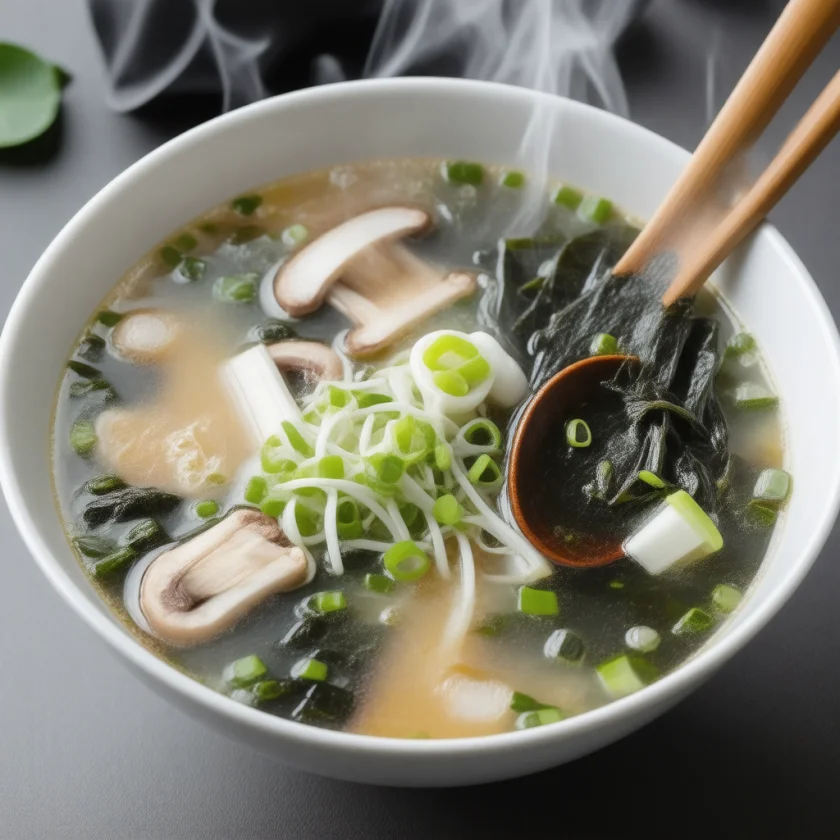
Enoki (Flammulina velutipes) is, first and foremost, a food — a delicate, low-calorie culinary mushroom rather than a heavyweight medicinal fungus like reishi or turkey tail. Its strongest, best-supported benefit is simply that it adds fiber, texture, B vitamins, potassium, and a variety of antioxidant compounds to a meal for almost no caloric cost. Layered on top of that everyday nutrition is a thin but genuinely interesting research literature — a fungal immunomodulatory protein called FIP-fve, the antioxidant amino acid ergothioneine, cell-wall beta-glucans, and animal studies on blood lipids. The four deep-dive pages below explore each of these honestly, always drawing the line between what is proven in humans (little, so far) and what remains promising early-stage science (most of it). Throughout, the bottom line is the same: enoki is a nutritious vegetable-style food, thorough cooking is the safety step that matters for it, and the evidence for any single "superfood" effect is modest.
Deep-Dive Articles
Immune Support
The most-studied side of enoki: cell-wall beta-glucans, the fungal immunomodulatory protein FIP-fve, the antitumor glycoprotein proflamin, and Flammulina polysaccharides. Why immunologists find these molecules interesting, what the animal and cell studies actually show, why almost none of it has been tested in humans, and how to read "immune-boosting" mushroom marketing with a skeptical eye.
Read the deep dive →Antioxidant Protection
Enoki is a meaningful dietary source of ergothioneine, an unusual sulfur-containing antioxidant amino acid that the body actively concentrates through a dedicated transporter. This page covers ergothioneine, mushroom phenolics and polysaccharides, the difference between antioxidant activity in a test tube and a measurable benefit in the body, and why "eat a variety of vegetables and fungi" is the honest takeaway.
Read the deep dive →Gut Health & Fiber
Enoki's springy crunch comes from indigestible cell-wall fibers — beta-glucans and chitin-type material that reach the colon, where gut bacteria ferment some of it. This is one of the more grounded reasons to eat enoki: a low-calorie way to add fiber, support a healthy microbiome, and add satiating bulk to meals. Covers prebiotic potential, satiety, and sensible ways to increase intake.
Read the deep dive →Heart & Metabolic Health
Animal and laboratory studies report cholesterol- and triglyceride-lowering ("hypolipidemic") and blood-sugar effects from enoki fractions, and large human cohorts link overall mushroom intake to modest health benefits. This page separates the preliminary rodent signals from what is actually established, and places enoki where the evidence supports it: as part of a heart-healthy, high-vegetable, lower-calorie eating pattern.
Read the deep dive →Table of Contents
- Deep-Dive Articles
- A Food-First Mushroom: How to Read These Benefits
- Research Papers: Immune Support
- Research Papers: Antioxidant Protection
- Research Papers: Gut Health & Fiber
- Research Papers: Heart & Metabolic Health
- Research Papers: Food Safety
- External Authoritative Resources
- Connections
- Featured Videos
A Food-First Mushroom: How to Read These Benefits
It is easy to write about a mushroom as if it were a medicine, listing "benefits" as though each were a proven treatment. Enoki does not deserve that treatment, and neither do you as a reader. The honest framing for Flammulina velutipes is that it is a nutritious everyday ingredient with a modest, mostly-preclinical research literature attached to a handful of its molecules. Keeping three distinctions clear will help you read the four deep-dive pages accurately.
- Whole food versus isolated extract. Nearly all of the eye-catching research — the FIP-fve immune protein, the proflamin glycoprotein, purified polysaccharides — uses concentrated, carefully purified preparations, sometimes given by injection to animals. A serving of enoki in your soup is not the same thing as a lab-grade extract, and a benefit shown for the extract does not automatically transfer to the food.
- Test tube and rodent versus human. Antioxidant activity in a chemistry assay, or a cholesterol drop in rats, is a legitimate scientific finding that helps explain how a compound behaves. It is not evidence that eating enoki treats or prevents any disease in people. Where human data exist, they are mostly broad "people who eat more mushrooms tend to be healthier" cohort studies, which cannot prove that enoki specifically caused the benefit.
- Nutrition versus therapy. The one benefit that stands on solid ground is ordinary nutrition: enoki is low in calories, contributes dietary fiber, is a good source of niacin (vitamin B3) and other B vitamins, and supplies potassium and antioxidant compounds. That value is real and worth having — it just is not the same as a therapeutic claim.
With those distinctions in mind, the four pages below each open with what enoki reliably contributes, then walk carefully through the more speculative research, and close by softening — not inflating — any claim that lacks solid human evidence. A recurring, genuinely important caveat also carries across every page: enoki has been repeatedly linked to Listeria outbreaks. The U.S. Food and Drug Administration (FDA) and the Centers for Disease Control and Prevention (CDC) investigated the first known Listeria monocytogenes outbreak linked to enoki mushrooms, with illnesses beginning between November 2016 and December 2019; the FDA’s case count lists 36 illnesses, 31 hospitalizations and 4 deaths, and South Korea’s food-safety ministry recommended that enoki mushrooms be cooked before being consumed. A second, binational outbreak in the United States and Canada in 2022 included six ill people, all of whom were hospitalized, and led to recalls and an FDA country-wide Import Alert for enoki mushrooms from China. Pouring hot broth over raw mushrooms is not the same as cooking them: in a 2024 laboratory study on enoki and wood ear mushrooms, ramen broth poured at 60 and 70°C reduced Listeria by only 1–3 log CFU/g (log units of bacteria per gram), 80°C broth by 4–5 log CFU/g, and 90 and 100°C broth by more than 5 log CFU/g, and in all cases surviving populations, often more than 2.4 log CFU/g, were found after 60 minutes. Pregnant, elderly and immunocompromised people are the groups for whom raw or lightly warmed enoki carries the most risk. Benefit and safety are inseparable here.
Research Papers: Immune Support
- Biological activities and bioactive constituents of Flammulina velutipes: an updated systematic review (2026) — PubMed PMID: 41906329
- Fungal immunomodulatory protein FIP-fve mitigates airway inflammation in an obese allergic asthma model (2025) — PubMed PMID: 40998975
- Effect of the fungal immunomodulatory protein FIP-fve in a neutrophilic asthma model (2021) — PubMed PMID: 34649239
- Oral FIP-Flammulina velutipes and allergic airway disease: a mouse model (2017) — PubMed PMID: 26427878
- Chan GC et al. The effects of beta-glucan on human immune and cancer cells (2009) — PubMed PMID: 19515245
Research Papers: Antioxidant Protection
- Kalaras MD et al. Mushrooms: a rich source of the antioxidants ergothioneine and glutathione (2017) — PubMed PMID: 28530594
- Ey J et al. Dietary sources and antioxidant effects of ergothioneine (2007) — PubMed PMID: 17616140
- Halliwell B et al. Ergothioneine — a diet-derived antioxidant with therapeutic potential (2018) — PubMed PMID: 29851075
- Comparative study of bioactive components in fruiting bodies and mycelia of culinary-medicinal mushrooms (2013) — PubMed PMID: 23662618
- Hypolipidemic and antioxidant activity of enoki mushrooms (2014) — PubMed PMID: 25250317
Research Papers: Gut Health & Fiber
- Jayachandran M et al. A critical review on the impacts of beta-glucans on gut microbiota and human health (2018) — PubMed PMID: 30196242
- Characterization of insoluble dietary fiber from three food sources and their potential hypoglycemic and hypolipidemic effects (2021) — PubMed PMID: 34100044
- Feeney MJ et al. Mushrooms and Health Summit proceedings (2014) — PubMed PMID: 24812070
- Biological activities and bioactive constituents of Flammulina velutipes: an updated systematic review (2026) — PubMed PMID: 41906329
Research Papers: Heart & Metabolic Health
- Hypolipidemic and antioxidant activity of enoki mushrooms (2014) — PubMed PMID: 25250317
- Ba DM et al. Prospective study of dietary mushroom intake and risk of mortality (NHANES 2003–2014 and meta-analysis) (2021) — PubMed PMID: 34548082
- Characterization of insoluble dietary fiber and potential hypoglycemic and hypolipidemic effects (2021) — PubMed PMID: 34100044
- Jayachandran M et al. Impacts of beta-glucans on gut microbiota and human health (2018) — PubMed PMID: 30196242
Research Papers: Food Safety
- Kirchner M et al. A binational sample-initiated retrospective outbreak investigation of Listeria monocytogenes infections in the United States and Canada linked to enoki mushrooms imported from China 2022–2023 (2025) — PubMed PMID: 39571796
- Salazar JK et al. Inactivation kinetics of Listeria monocytogenes and Salmonella enterica on specialty mushroom garnishes based on ramen soup broth temperature (2024) — PubMed PMID: 39697650
External Authoritative Resources
- U.S. Department of Agriculture (USDA) FoodData Central — official nutrient composition data for mushrooms, including enoki (search "mushrooms, enoki").
- U.S. Food and Drug Administration (FDA) — Enoki Mushroom Listeria Outbreak Investigations — the single most important safety reference for this food.
- U.S. Centers for Disease Control and Prevention (CDC) — Listeria (Listeriosis) — who is at risk and how to prevent infection.
- PubMed — all research on Flammulina velutipes.
- PubMed — ergothioneine and mushroom antioxidants.
Connections
- Enoki Mushroom (Main Page)
- Enoki for Immune Support
- Enoki Antioxidant Protection
- Enoki Gut Health & Fiber
- Enoki Heart & Metabolic Health
- Medicinal Mushrooms (overview)
- Shiitake Mushroom
- Oyster Mushroom
- White Button Mushroom
- Reishi Mushroom
- Turkey Tail Mushroom
- Ergothioneine
- Niacin (Vitamin B3)
- Potassium
- Immune Boosting
- Food