Beans for Kidney Health
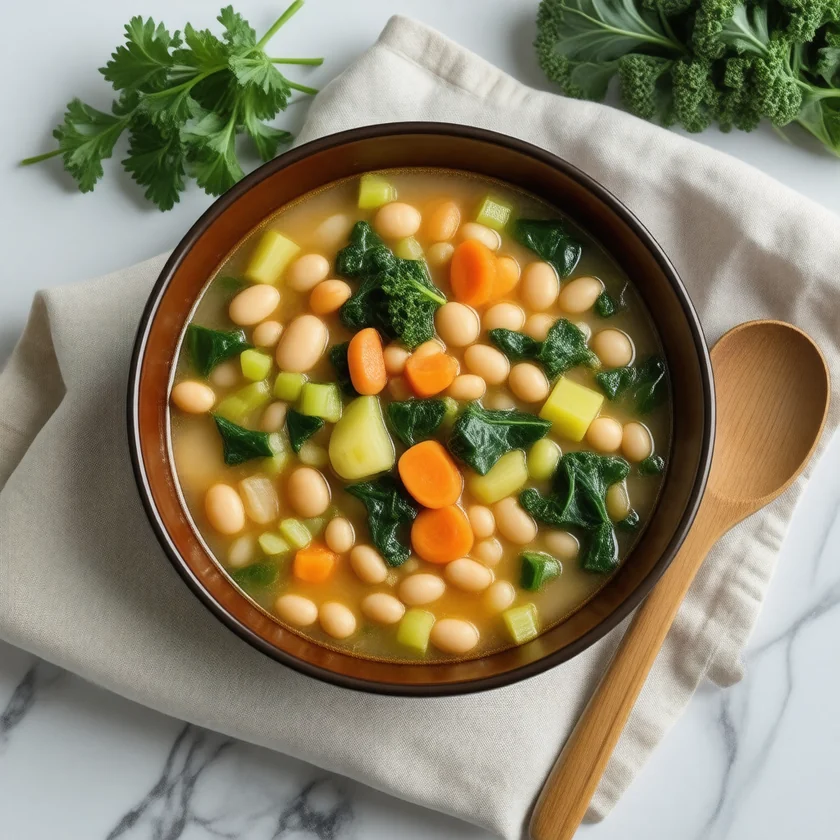
A popular wave of online videos promises that a few specific beans will "detox your kidneys" and "flush out toxins fast." The kernel of truth is real and worth taking seriously: a bean-rich diet genuinely supports long-term kidney health. But the framing is wrong in ways that matter. Healthy kidneys are not "detoxed" by food — they filter your blood continuously on their own, and no food makes a healthy kidney work faster. What beans actually do is help control the conditions that damage kidneys over decades, lower the body's acid load compared with meat, and feed gut bacteria that produce fewer of the toxins that burden failing kidneys. This page separates the evidence from the hype — and covers the one crucial caveat the viral videos leave out: for people who already have advanced kidney disease, beans' high potassium and phosphorus can be dangerous and may need to be limited.
Table of Contents
- The Viral "Kidney Detox" Claim: What's Real, What Isn't
- How Kidneys Actually Work
- The Real #1 Way Beans Protect Kidneys
- Dietary Acid Load: Why Plant Protein Is Gentler
- Fiber and the Gut–Kidney Axis
- Beans, Uric Acid, and Gout: A Surprising Reversal
- The Critical Caveat: Potassium & Phosphorus in Advanced Chronic Kidney Disease
- Kidney Stones: A Nuanced Picture
- The Three Beans From the Video — An Honest Look
- Practical Points From the Research
- Key Research Papers
- Connections
- Featured Videos
The Viral "Kidney Detox" Claim: What's Real, What Isn't
The typical video runs like this: your kidneys are "overloaded" with toxins, that's why you feel tired and bloated and wake up at night to urinate, and eating cannellini, adzuki, and black beans will "flush out toxins faster" and "detox your body." It is worth being clear-eyed about which parts are accurate.
What is accurate: Beans really are an excellent food for kidney health in most people. Plant protein really is easier on the kidneys than large amounts of red and processed meat. Fiber really does influence how much toxin-forming material reaches the bloodstream. Steady blood sugar really does protect the tiny blood vessels in the kidney. These are genuine, well-documented effects, and we cover the mechanisms in detail below.
What is misleading: The word "detox." Healthy kidneys do not accumulate a backlog of toxins waiting to be "flushed" by a special food. They filter roughly 180 litres of blood-derived fluid every day, all day, every day, with no help required. You cannot speed up a healthy kidney with beans, lemon water, parsley tea, or any other "cleanse" and the symptoms the videos describe (fatigue, bloating, nighttime urination) have dozens of possible causes and are not reliable signs of kidney trouble. Persistent symptoms like these are sorted out with a simple blood and urine test, which no grocery list can replace.
So the honest reframe is this: beans don't detox kidneys, but they do protect them — slowly, over years, by improving the upstream conditions that determine whether kidneys stay healthy. That is a less dramatic claim than the videos make, but it is the true one, and it is arguably more encouraging, because it means the benefit comes from an ordinary, sustainable habit rather than a quick fix.
How Kidneys Actually Work
Each kidney contains roughly a million microscopic filtering units called nephrons. Blood enters a tuft of capillaries (the glomerulus), where pressure forces water, salts, glucose, urea, and other small molecules out of the blood and into a tubule. As that filtrate travels down the tubule, the body reclaims what it needs — most of the water, glucose, and useful salts — and leaves behind the waste, which becomes urine. The kidneys also fine-tune blood pressure, activate vitamin D, make the hormone that signals red-blood-cell production, and keep the blood's acid–base balance and electrolytes within tight limits.
Two features of this design explain why diet matters. First, the glomerular capillaries are exquisitely sensitive to pressure and to high blood sugar; both injure them over time, which is exactly why hypertension and diabetes are the leading causes of kidney failure. Second, the kidney is the body's main route for excreting the fixed acid generated by metabolism and the nitrogen waste from protein. The more acid and nitrogen load you give it, the harder it works — and in a kidney already losing function, that extra work appears to accelerate the decline.
Crucially, the kidney has enormous reserve. You can lose well over half of normal function before standard blood tests look abnormal, and chronic kidney disease (CKD) is usually silent until it is advanced. This is why prevention — protecting the nephrons you have, decade by decade — matters far more than any "cleanse," and why a diet pattern that runs quietly in the background every day is the right tool.
The Real #1 Way Beans Protect Kidneys
If you want one fact to anchor everything else: in the United States, diabetes and high blood pressure together cause roughly three out of every four cases of kidney failure. They damage the nephrons' delicate capillaries — high sugar by chemically scarring them (diabetic nephropathy), high pressure by mechanically battering them (hypertensive nephrosclerosis). Anything that meaningfully improves blood sugar and blood pressure is, by that fact alone, protecting your kidneys.
Whole eating patterns point the same way. A 2025 meta-analysis of observational studies (121,927 people followed for about 11 years on average) found that plant-based eating was linked with a 26% lower chance of developing chronic kidney disease (odds ratio 0.75, 95% CI 0.65–0.86), with more plant-based eating going with lower risk; "unhealthy" plant-based diets may not carry the same protective effect as healthy ones. Because these studies observe people rather than assign diets, they show a link, not proof of cause.
Beans improve both, and the evidence is strong:
- Blood sugar. Beans have one of the lowest glycemic indices of any starchy food. Their fiber, resistant starch, and protein blunt the post-meal glucose rise, and randomized-trial meta-analyses show pulses lower hemoglobin A1c (HbA1c) (a measure of average blood sugar over months). Better long-term glucose control is the single most important lever against diabetic kidney damage. See our deep dive on Blood Sugar and Diabetes.
- Blood pressure. Beans are naturally high in potassium and magnesium and naturally low in sodium — the exact mineral profile that supports healthy blood pressure. Potassium helps the body excrete sodium and relaxes blood-vessel walls. Lower blood pressure means less mechanical stress on the glomeruli. See Hypertension.
- Body weight and lipids. Beans are filling for their calories and lower low-density lipoprotein (LDL) cholesterol, both of which reduce the metabolic burden that drives kidney disease. See Heart Health and Cholesterol.
None of this is glamorous, and none of it is "detox." It is the unglamorous truth that most kidney disease is a slow consequence of high blood pressure and high blood sugar, and that a food which gently improves both, eaten regularly for years, is doing real preventive work. The transcript that inspired this page was reaching, imperfectly, toward this idea when it said beans help "without putting too much pressure on your kidneys."
Dietary Acid Load: Why Plant Protein Is Gentler
Here is a mechanism the videos gesture at but rarely explain correctly. When you digest protein, the sulfur-containing amino acids (abundant in meat, eggs, and fish) are metabolized into sulfuric acid. Your body has to neutralize and excrete that acid, and the kidney does most of the work. Diets heavy in animal protein generate a high dietary acid load (researchers measure it as "potential renal acid load," or PRAL); diets rich in fruits, vegetables, and legumes generate far less, because plant foods carry alkalizing minerals (potassium, magnesium) and organic anions that the body converts to bicarbonate, a base.
Beans are not strongly "alkalizing" on their own — they carry a small acid load — but they generate much less acid than the meat they typically replace. So swapping some meat-based meals for beans lowers your overall acid load, which matters because of what chronic acid load does to kidneys:
- In a large study of adults with chronic kidney disease, those with the highest dietary acid load were significantly more likely to progress to end-stage kidney disease (Banerjee et al., 2015, Journal of the American Society of Nephrology): among 1,486 US adults with chronic kidney disease followed for a median 14.2 years, the highest third of acid load carried about three times the risk of kidney failure of the lowest third (relative hazard 3.04, 95% CI 1.58–5.86).
- In a randomized trial of 71 people with stage 4 chronic kidney disease caused by high blood pressure, a year of fruits and vegetables dosed to halve dietary acid worked about as well as oral sodium bicarbonate: kidney function (estimated filtration rate) ended the same in both groups, urine markers of kidney injury fell below baseline in both, and blood potassium did not rise in either group (Goraya, Wesson and colleagues, 2013). In other words, base-producing plant food performed like the standard alkali medicine in that trial.
This is the legitimate science behind "plant protein is easier on the kidneys." It is not that animal protein is poison; it is that a lower lifetime acid load asks less of the kidney, and the difference compounds over decades and matters most once kidney function is already declining.
Fiber and the Gut–Kidney Axis
One of the most active areas of kidney research is the gut–kidney axis, and it gives the videos' "fiber removes toxins" claim a real, specific mechanism. When protein reaches the large intestine undigested, certain gut bacteria ferment it and produce compounds called indoxyl sulfate and p-cresyl sulfate. These are "protein-bound uremic toxins" in healthy people the kidneys clear them, but in chronic kidney disease they accumulate in the blood, where they are linked to faster kidney decline, inflammation, and heart disease.
Fiber changes this in two ways. First, it shifts the gut microbiome toward saccharolytic (carbohydrate-fermenting) bacteria and away from the proteolytic (protein-fermenting) species that make those toxins, so fewer toxin precursors are produced. Second, fiber speeds transit and increases stool bulk, carrying nitrogen out of the body in stool rather than leaving it for the kidneys to excrete. Beans are one of the richest ordinary sources of both fermentable fiber and resistant starch, so they are close to ideal fuel for this shift.
The clinical evidence is genuinely promising, if still early:
- In chronic kidney disease, the gut barrier becomes "leaky" and the microbiome shifts toward toxin-producing species (Lau and Vaziri, 2017) — providing the rationale for feeding the gut differently.
- The randomized SYNERGY trial (Rossi et al., 2016; 37 people with chronic kidney disease and an estimated filtration rate of 10–30, in a six-week crossover) found that a fiber-plus-probiotic (synbiotic) regimen lowered blood p-cresyl sulfate by 14 µmol/L, but did not significantly lower its main target, indoxyl sulfate (−2 µmol/L), and albumin in the urine rose by 38 mg a day on the synbiotic. What reaches the gut can change at least one of these toxins, though the trial did not show a broad benefit.
- Observational studies link higher dietary fiber to lower inflammation and lower mortality in people with kidney disease.
So when a video says fiber helps your body "remove waste" so your "kidneys don't have to work as hard," that is — in this specific, modern sense — broadly correct. It just isn't a "detox"; it's a measurable reduction in the production of particular gut-derived toxins.
Beans, Uric Acid, and Gout: A Surprising Reversal
Beans contain purines, and purines break down into uric acid — the waste product that, in excess, causes gout and can contribute to certain kidney stones. For decades this led to blanket advice that people with gout should avoid beans and lentils. The modern evidence overturned that advice in an important way.
The landmark study was Choi and colleagues' 2004 analysis in the New England Journal of Medicine, which followed over 47,000 men for 12 years. It found that purine-rich meat and seafood raised gout risk, but purine-rich vegetables and legumes did not — despite their purine content. Dairy lowered risk. Later studies broadly confirmed that plant-source purines are not a meaningful gout trigger, and current rheumatology guidance focuses on limiting alcohol, sugary drinks, organ meats, and seafood rather than beans.
Why the difference is not fully settled — plant foods come packaged with fiber, potassium, vitamin C, and an alkalizing effect that raises urinary citrate and helps the kidney excrete uric acid, which may offset their purine content. The practical takeaway is clear, though: for the vast majority of people, including most with gout, beans are safe and even helpful, partly because they displace the meat that genuinely does drive uric acid up. This is one place the videos' instinct — that beans "help the body manage uric acid" lands closer to the truth than the old textbook advice did. (Active gout and uric-acid kidney stones are managed individually, usually guided by uric-acid blood or urine tests.) See Gout and Kidney Stones.
The Critical Caveat: Potassium & Phosphorus in Advanced Chronic Kidney Disease
This is the single most important section on the page, and the one the viral videos almost never mention. The people most likely to search "beans for kidney health" are people already worried about their kidneys — and for those with advanced kidney disease, the very features that make beans healthy for everyone else can become dangerous.
Beans are high in potassium and phosphorus. A single cooked cup of white (cannellini) beans contains roughly 1,000 mg of potassium; adzuki beans, over 1,200 mg; black beans, around 600 mg. They also supply about 200–390 mg of phosphorus per cup (USDA: white beans about 200 mg, black beans about 240 mg, adzuki beans about 390 mg). In a person with healthy kidneys, this is a benefit — potassium lowers blood pressure and the kidney effortlessly excretes any excess. But in advanced chronic kidney disease (roughly stage 4–5, an estimated glomerular filtration rate (eGFR) below about 30) and especially on dialysis, the kidneys can no longer clear potassium and phosphorus reliably, and they build up in the blood:
- High potassium (hyperkalemia) can cause dangerous heart-rhythm disturbances and, at extreme levels, cardiac arrest. It is one of the genuine emergencies of advanced kidney disease.
- High phosphorus (hyperphosphatemia) pulls calcium from bone and deposits it in blood vessels, accelerating bone disease and vascular calcification.
For these patients, high-potassium, high-phosphorus foods — including beans — are often restricted, and the diet is usually set by a renal dietitian from the person's blood tests rather than from an online video. The transcript that prompted this page did include one honest line — "if someone already has advanced kidney disease, they should talk to their doctor about potassium" but it was a passing aside in a video otherwise telling everyone to eat more beans. It deserves to be the headline.
An important nuance, though, cuts the other way. The phosphorus in beans is largely bound to phytate, which humans absorb poorly — only about 40–50% of plant phosphorus is absorbed, versus ~70% from animal foods and nearly 100% from the phosphate additives in processed foods and colas. For that reason, modern nephrology increasingly views plant-based diets as compatible with — even favorable for — many people with earlier-stage chronic kidney disease, when managed and monitored, because they lower acid load and deliver less-absorbable phosphorus. Potassium leaching (soaking and boiling beans in plenty of water, then discarding it) can also reduce their potassium content somewhat.
The current US kidney nutrition guideline, the 2020 update of the National Kidney Foundation's Kidney Disease Outcomes Quality Initiative (KDOQI) guideline written jointly with the Academy of Nutrition and Dietetics, was widened to cover not only advanced disease and dialysis but everyone with stage 1–5 chronic kidney disease not on dialysis and people with a working kidney transplant; its statements cover nutritional assessment, medical nutrition therapy, protein and energy intake, supplements, micronutrients, and electrolytes such as potassium and phosphorus.
Bottom line: for healthy kidneys, and for early-stage chronic kidney disease under a clinician's care, beans are very likely good for them. In advanced chronic kidney disease (stage 4–5) and on dialysis, potassium and phosphorus build up in the blood, and high potassium can cause dangerous heart-rhythm problems, which is why bean intake there is set from blood tests rather than from an internet video. One reassuring data point: in the stage 4 trial above, a year of fruits and vegetables (not beans specifically) did not raise blood potassium. See Kidney Disease.
Kidney Stones: A Nuanced Picture
Kidney stones deserve their own note because the advice is counterintuitive. The most common stones are calcium oxalate, and beans contain a moderate amount of oxalate, so it is tempting to assume beans cause stones. The reality is more favorable:
- Adequate dietary calcium prevents stones — calcium from food binds oxalate in the gut so it is excreted in stool rather than absorbed and sent to the urine. Counterintuitively, low-calcium diets increase calcium-oxalate stone risk.
- Potassium and the alkalizing effect of plant foods raise urinary citrate, a natural inhibitor that keeps calcium from crystallizing — one reason higher fruit, vegetable, and legume intake is associated with fewer stones.
- Fluid is king. The most effective anti-stone measure by far is drinking enough water to keep urine dilute.
For most people, a plant-rich diet with enough calcium and plenty of fluid lowers stone risk. The exception is people who are known "oxalate stone-formers" on a low-oxalate diet; they are often advised to moderate the highest-oxalate beans and pair them with a calcium source. As always, individualized advice beats blanket rules. See Kidney Stones.
The Three Beans From the Video — An Honest Look
The video singled out three beans. All three are genuinely nutritious; the honest caveat is that their benefits are a legume-class effect — shared by virtually all beans, lentils, and chickpeas — not a unique property of these three. Here is the accurate picture (figures are for one cooked cup):
- Cannellini (white kidney) beans — a variety of the common bean, Phaseolus vulgaris. About 11 g fiber and 17 g protein, plus folate. Notably, white beans are among the highest-potassium foods there are (~1,000 mg/cup) — excellent for blood pressure in healthy people, but precisely why they top the "limit" lists in advanced chronic kidney disease.
- Adzuki beans — a different species (Vigna angularis), the small red bean common in East Asian cooking. Very high in fiber (~17 g/cup) and magnesium (~120 mg/cup), with anthocyanin pigments in the red seed coat. Also very high potassium (~1,200 mg/cup).
- Black beans — another Phaseolus vulgaris variety. About 15 g fiber and 15 g protein per cup, with dark-coat anthocyanin polyphenols and ~120 mg magnesium. Moderate potassium (~600 mg/cup).
The per-cup numbers the video cited were roughly in the right range. Where it overreached was in implying these specific beans have special "detox" powers. They don't — pinto, navy, kidney, great northern, chickpeas, and lentils deliver the same fiber, plant protein, low acid load, and blood-pressure benefits. The bean a person enjoys and eats consistently is the one that delivers the benefit; variety is a feature, not a compromise. See also Lentils and the main Beans page.
Practical Points From the Research
For people with healthy kidneys:
- The eating patterns studied typically include beans, lentils, or chickpeas several times a week — about half a cup to a cup per serving — replacing some red and processed meat; that swap is where most of the kidney benefit is thought to come from (lower acid load, lower blood pressure, steadier blood sugar).
- Dried beans cooked without salt carry almost no sodium, and rinsing canned beans is reported to cut their sodium by roughly 40%. High sodium raises blood pressure, working against the kidneys.
- Pale urine is the usual sign of enough fluid — the most underrated kidney habit.
- People not used to beans often add them gradually, which lets the gut adapt and reduces gas.
- Beans do not produce a "cleanse." What the research describes is a slow, real reduction in the conditions that age the kidney. The benefit is in the habit, not in any single meal.
For people with diagnosed kidney disease:
- In early-stage chronic kidney disease, a plant-forward diet that includes beans is often beneficial, and care teams track potassium, phosphorus, and filtration rate along the way.
- In advanced chronic kidney disease (stage 4–5) or on dialysis, beans' potassium and phosphorus may need to be limited, and the targets are individual, set from blood tests, because high blood potassium can cause dangerous heart-rhythm problems.
- No video, supplement, tea, or "detox" has been shown to clean or heal kidneys; what the evidence supports is blood-pressure control, blood-sugar control, a sensible diet, hydration, avoiding kidney-toxic painkillers (chronic high-dose nonsteroidal anti-inflammatory drugs (NSAIDs)), and regular monitoring.
Key Research Papers
- Banerjee T, Crews DC, Wesson DE, et al. (2015). High Dietary Acid Load Predicts ESRD among Adults with CKD. Journal of the American Society of Nephrology, 26(7):1693–1700. — PubMed PMID: 25677388
- Goraya N, Simoni J, Jo CH, Wesson DE (2013). A comparison of treating metabolic acidosis in CKD stage 4 hypertensive kidney disease with fruits and vegetables or sodium bicarbonate. Clinical Journal of the American Society of Nephrology. PubMed PMID: 23393104
- Choi HK, Atkinson K, Karlson EW, Willett W, Curhan G (2004). Purine-rich foods, dairy and protein intake, and the risk of gout in men. New England Journal of Medicine, 350(11):1093–1103. — PubMed PMID: 15014182
- Rossi M, Johnson DW, Morrison M, et al. (2016). Synbiotics Easing Renal Failure by Improving Gut Microbiology (SYNERGY): A Randomized Trial. Clinical Journal of the American Society of Nephrology, 11(2):223–231. — PubMed PMID: 26772193
- Lau WL, Vaziri ND (2017). The Leaky Gut and Altered Microbiome in Chronic Kidney Disease. Journal of Renal Nutrition, 27(6):458–461. — PubMed PMID: 29056165
- Scialla JJ, Anderson CAM (2013). Dietary acid load: a novel nutritional target in chronic kidney disease? Advances in Chronic Kidney Disease. PubMed PMID: 23439373
- Moe SM, Zidehsarai MP, Chambers MA, et al. (2011). Vegetarian compared with meat dietary protein source and phosphorus homeostasis in chronic kidney disease. Clinical Journal of the American Society of Nephrology. PubMed PMID: 21183586
- Plant-dominant low-protein diets and CKD progression PubMed: Plant protein and CKD
- Dietary fiber, inflammation, and mortality in chronic kidney disease PubMed: Fiber and CKD outcomes
- Potassium intake, plant-based diets, and hyperkalemia risk in CKD PubMed: Potassium & plant-based diets in CKD
- Ikizler TA, Burrowes JD, Byham-Gray LD, et al. (2020). KDOQI Clinical Practice Guideline for Nutrition in CKD: 2020 Update. American Journal of Kidney Diseases, 76(3 Suppl 1):S1–S107. — PubMed PMID: 32829751
- Dang Z, He Y, Xie R, Chen P, Dong F (2025). Plant-Based Diet and Chronic Kidney Disease: A Systematic Review and Meta-Analysis. Journal of Renal Nutrition, 35(4):517–530. — PubMed PMID: 40081608
PubMed Topic Searches
Connections
- All Food
- Beans (Main Page)
- Beans Benefits Hub
- Beans for Blood Sugar & Diabetes
- Beans for Heart Health & Cholesterol
- Beans for Gut Health & Longevity
- Chronic Kidney Disease
- Acute Kidney Injury
- Kidney Stones
- Gout
- Hypertension
- Type 2 Diabetes
- Potassium
- Magnesium
- Lentils
- Phosphorus — the mineral beans supply in quantity, and the one that must be watched in advanced chronic kidney disease.