Pumpkin Seeds, Prostate Health and the Bladder
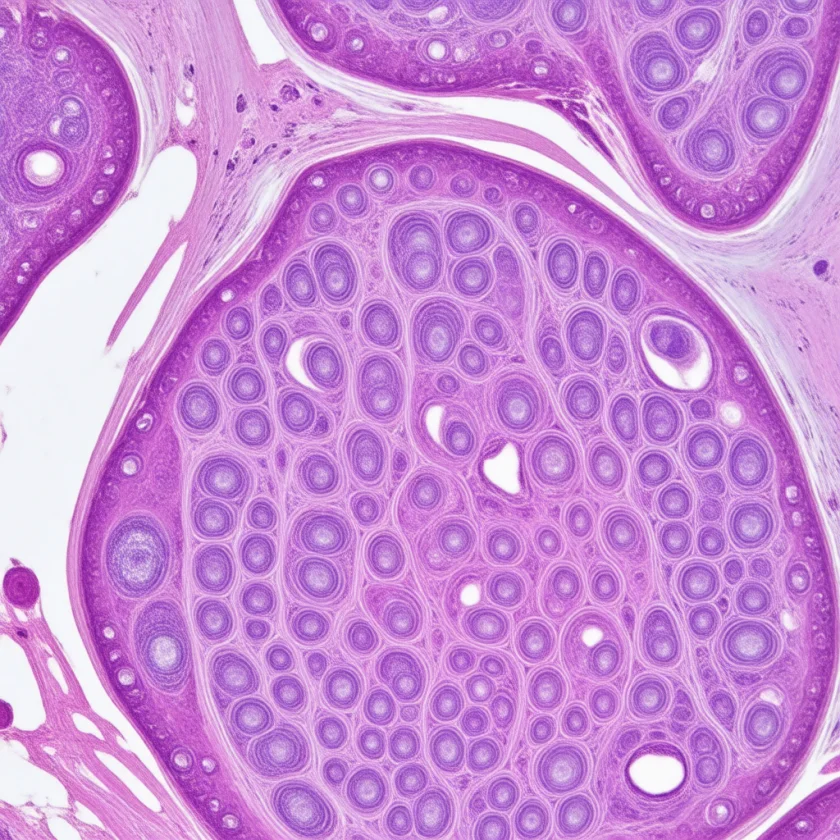
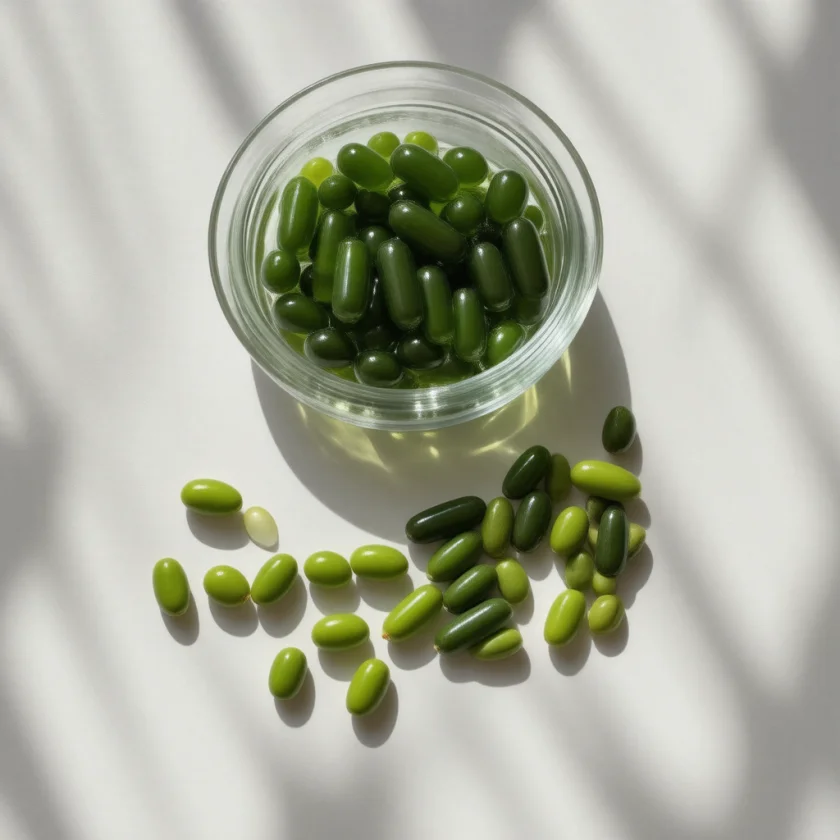
Of everything said about pumpkin seeds, the prostate claim is the oldest, the most regulated and the best tested in actual men. German and Austrian folk medicine used the seeds for the night-time trips to the bathroom that come with an enlarging prostate; Germany's Commission E later approved pumpkin seed for "irritable bladder" and the urinary symptoms of early benign prostatic hyperplasia (BPH); and the European Medicines Agency lists it as a traditional herbal remedy for the same complaints. What the trials show is more modest than the tradition and more interesting than the scepticism. The largest — 1,431 men followed for a year — found that whole pumpkin seed beat placebo on symptom score while a concentrated extract did not. A 12-month Korean trial found the oil improved symptoms and urine flow but left prostate size and PSA unchanged. Two small studies suggest the oil helps an overactive bladder, though neither had a placebo group. This page walks through each study with its size, design and actual result, explains what the seed might be doing, reports the null findings as null, and says plainly which urinary symptoms are not a matter for seeds at all.
Table of Contents
- The Complaint: An Enlarging Prostate and an Urgent Bladder
- From Folk Remedy to Commission E
- What Might Be Doing the Work
- The GRANU Study: 1,431 Men for a Year
- The Korean Oil Trial: Symptoms Yes, Prostate Size No
- Smaller and Weaker Studies
- Overactive Bladder and Getting Up at Night
- The Zinc Angle
- Seeds, Oil or Extract: What the Trials Actually Used
- Who This Is For, and the Symptoms That Are Not
- Key Research Papers
- Connections
- Featured Videos
The Complaint: An Enlarging Prostate and an Urgent Bladder
The prostate is a walnut-sized gland wrapped around the tube that drains the bladder. From middle age onward it grows in most men — benign prostatic hyperplasia, BPH — and as it grows it squeezes that tube. The result is the familiar set of "lower urinary tract symptoms" (LUTS): a weak or stop-start stream, a feeling the bladder never quite empties, having to go often, having to go urgently, and getting up two or three times a night. Doctors score these on the International Prostate Symptom Score, the IPSS, a seven-question form that runs from 0 to 35; a drop of about three points is the smallest change a man notices, and trials often count a five-point drop as a "response". Every study below uses it, so the number is worth knowing.
A separate but overlapping problem is overactive bladder (OAB): urgency, frequency and night-time waking caused by a bladder muscle that contracts when it should not, which affects women as much as men and can exist with a normal prostate. Pumpkin seed products have been tested for both, and the two conditions are kept apart on this page because the evidence for each is different. The site's own pages on benign prostatic hyperplasia and overactive bladder cover the medicine; this page covers the seed.
From Folk Remedy to Commission E
The pumpkin cultivar behind most of the European research is the Styrian oil pumpkin, Cucurbita pepo var. styriaca, a hull-less variety grown in south-eastern Austria and Hungary whose dark green kernels are pressed for the region's famous oil. Peasant medicine in that region used the seeds for bladder complaints and, in children, bed-wetting.
Three official bodies have looked at that tradition:
- Germany's Commission E, the expert panel that reviewed herbal medicines for the German health authority in the 1980s and 1990s, approved pumpkin seed (Cucurbitae peponis semen) for irritable bladder and for the micturition problems of BPH stages I and II — while noting, as the monographs did for saw palmetto too, that it relieves symptoms without shrinking the gland.
- The European Medicines Agency's Committee on Herbal Medicinal Products assessed the seed and classified it as a traditional herbal medicinal product: one whose use is plausible and long-standing but not proven to modern trial standards. The EMA's monograph and assessment report are linked in the External Resources on the Benefits hub.
- ESCOP, the European Scientific Cooperative on Phytotherapy, publishes a monograph on the seed with the same indications.
Two reviews put the clinical literature together. A 2016 narrative review searched three databases and found sixteen relevant studies on Cucurbita pepo and BPH, of which ten were laboratory work and only six were clinical studies; all six reported improvements in IPSS and urine-flow measures, and four reported better quality of life, but the authors concluded that "future clinical trials are requested to confirm these promising results" (Damiano 2016). An earlier evidence-based review of BPH phytotherapy reached a similar verdict for the whole class of plant remedies: encouraging, under-powered, in need of longer and larger trials (Dreikorn 2002).
What Might Be Doing the Work
Nobody has isolated a single active compound, and the leading candidates have a complication worth knowing.
- Phytosterols — but not the usual one. Plant sterols are the standard explanation for seed-based prostate remedies, and pumpkin seed does carry a lot of them: 265 mg per 100 g total sterols in a USDA-linked analysis of American nuts and seeds. The twist is that only 13 mg of that is β-sitosterol, the sterol that most prostate research has focused on; pumpkin seed's sterols are dominated by unusual Δ7-sterols instead (Phillips 2005). An Irish analysis found 24.9 mg per 100 g of β-sitosterol — the lowest of the seeds and legumes it tested (Ryan 2007). So whatever pumpkin seed does, it is probably not doing it the way a β-sitosterol supplement would.
- Blocking testosterone-driven growth — in rats. Two animal studies fed pumpkin seed oil to rats given testosterone to enlarge the prostate. In one, oil at the higher dose significantly blunted the increase in prostate weight relative to body weight (Gossell-Williams 2006). In the other, oil alone or with a sterol preparation lowered both prostate weight ratio and prostate protein content in rats given testosterone plus prazosin (Tsai 2006). Both are animal studies; they show a plausible mechanism, not a human result.
- Anti-inflammatory and bladder-relaxing effects reported in the laboratory studies collected by the Damiano review — again mechanism, not proof.
- Zinc, discussed in its own section below.
The practical implication is that the human trials are the evidence, not the mechanism — which is the right way round.
The GRANU Study: 1,431 Men for a Year
The German Research Activities on Natural Urologicals (GRANU) study is the one that matters most, because it is the only trial in this field with the size to detect a modest effect. Its design (Vahlensieck 2015):
- Randomised, placebo-controlled, parallel-group, partially blinded; 1,431 men aged 50–80 with BPH-related lower urinary tract symptoms.
- Three arms: whole pumpkin seed, 5 g twice a day (about two teaspoons of kernels, morning and evening); pumpkin seed extract capsules, 500 mg twice a day; or matching placebo.
- Twelve months. The primary outcome was the proportion of "responders" — men whose IPSS fell by at least five points from baseline.
The results, in the order the authors gave them:
- The extract capsules did not beat placebo on the responder rate. That is a null result for the concentrated product, and it is reported here as one.
- Whole seed did: 58.5% of men on seed responded versus 47.3% on placebo, a difference the authors called "descriptively significant" — an 11-point gap in absolute terms, or roughly one extra responder for every nine men treated.
- Both products were well tolerated.
- The authors' own conclusion was careful: twelve months of pumpkin seed "led to a clinically relevant reduction in IPSS compared with placebo", but "to fully justify a recommendation" the finding "needs to be substantiated in a confirmatory study".
Three things are worth noticing. First, the placebo response was large — nearly half of men improved by five points on sugar pills — which is typical of BPH trials and is why small unblinded studies in this field mean so little. Second, the food beat the extract, which is a pattern this site meets again and again and which argues for eating the seed rather than buying the capsule. Third, the "partially blinded" design is a real weakness: men eating 10 g of pumpkin seeds a day knew they were eating pumpkin seeds. The extract arm was properly blinded, and it was the arm that failed. Both readings — "the whole seed works better" and "the unblinded arm looked better" — are consistent with the data, and no later trial has separated them.
The Korean Oil Trial: Symptoms Yes, Prostate Size No
The second trial worth knowing is small but properly blinded and long (Hong 2009): a randomised, double-blind, placebo-controlled trial over 12 months in 47 Korean men with BPH, average age 53, IPSS over 8. Four arms of about a dozen men each: placebo (sweet-potato starch, 320 mg a day), pumpkin seed oil 320 mg a day, saw palmetto oil 320 mg a day, or both oils together.
- Symptom score fell in all three active arms by three months.
- Quality-of-life score improved in the pumpkin seed oil arm from three months.
- Maximum urinary flow rate improved gradually in the pumpkin seed oil arm, reaching significance at six months.
- Prostate volume did not change in any arm — the oil relieves the symptom, it does not shrink the gland, exactly as Commission E said.
- PSA fell only in the combination arm, and — the surprising finding — the combination of the two oils was not significantly better than either alone on any measure.
Note the dose: 320 mg of oil a day is about a third of a gram, roughly the oil in a single gram of seed kernel (kernels are 49% fat by USDA figures). That is a very small amount, and forty-seven men split four ways is a very small trial. It is a well-designed pilot, not a definitive answer, and it should be read alongside GRANU rather than instead of it.
Smaller and Weaker Studies
Three more studies fill in the picture, each with a limitation that has to travel with its result.
- A 1990 Swedish double-blind trial randomised 53 men to placebo or a preparation combining pumpkin seed and saw palmetto for three months. Urinary flow, time to urinate, residual urine, frequency and the men's own assessment all improved significantly on treatment, with no side effects (Carbin 1990). The limitation is obvious: two herbs in one capsule, so the result cannot be credited to pumpkin seed alone.
- A 2019 Austrian pilot gave 60 men (mean age 62, mean IPSS 14.8) an oil-free water-alcohol extract of pumpkin seed once nightly for three months. Total IPSS fell by an average 30.1%, night-time urination decreased, and residual urine after voiding fell from 84 mL to 63 mL (Leibbrand 2019). The limitation is the design: single-arm, no placebo — and GRANU showed a 47% responder rate on placebo. A 30% improvement with no comparison group is consistent with the seed working and consistent with nothing working.
- The narrative review already cited (Damiano 2016) is the closest thing to a synthesis: six clinical studies, all positive on symptoms, none large except GRANU, and a call for better trials.
Read together with the two controlled trials, the honest verdict is: a consistent, modest, symptom-level benefit in mild-to-moderate BPH that has been shown once at scale against placebo and not yet confirmed. That is more than most kitchen remedies can say and less than the supplement aisle implies.
Overactive Bladder and Getting Up at Night
The bladder evidence is thinner than the prostate evidence, and it is important not to let the two blur.
- A Japanese study gave 45 people with overactive bladder 10 g a day of pumpkin seed oil from Cucurbita maxima (a different species from the Styrian pumpkin) for 12 weeks and measured the Overactive Bladder Symptom Score at 6 and 12 weeks. The score fell significantly (Nishimura 2014). There was no placebo group; everyone got the oil. Given how strongly urinary symptoms respond to attention and expectation, that is a serious gap, and the authors' claim that the oil is "effective" outruns the design.
- A German observational study followed 117 women with overactive bladder taking a combination product of pumpkin seed oil, fragrant sumach bark and hop cone extract for 12 weeks. Daytime and night-time urination frequency fell, leaks per day fell from 0.9 to 0.4 and pads used from 2.0 to 1.4, and quality-of-life scores improved from the first week (Gauruder-Burmester 2019). Again no control group, and again a three-herb combination, so pumpkin seed's share of the effect cannot be known.
What can honestly be said: pumpkin seed oil at 10 g a day for three months was well tolerated and was followed by improvement in bladder symptoms in a small uncontrolled study; whether the oil caused the improvement has not been tested. For night-time urination specifically, GRANU recorded nocturia in diaries as a secondary outcome and the Leibbrand pilot found it fell, so there is at least a repeated signal — in men with BPH. In women with overactive bladder there is no controlled evidence at all.
The Zinc Angle
The healthy prostate holds more zinc than any other soft tissue in the body — several times the concentration of other soft tissues — and uses it to block an enzyme in the citric-acid cycle so that the gland can secrete citrate into semen. Prostate cancer cells lose the ability to accumulate zinc early in their development, which is why zinc and citrate metabolism have been studied as markers and possible suppressors of the disease (Costello 2006, review). Pumpkin seeds, carrying 7.8 mg of zinc per 100 g, therefore look like the obvious food for the gland.
The logical chain has a missing link, and it should be named. There is no trial showing that eating pumpkin seeds changes prostate zinc levels or any prostate outcome via zinc, and the seeds' zinc arrives with phytate that limits its absorption (see the mineral page). Nor do the BPH trials above measure zinc at all — GRANU used seed and extract, the Korean trial used oil, which contains almost no minerals. If pumpkin seed helps urinary symptoms, the oil trials suggest it is not doing so through zinc. The zinc content is a real nutritional asset of the food; it is not the explanation for the prostate findings, and it is not a reason to expect any effect on prostate cancer, which no pumpkin seed study has examined in people.
Seeds, Oil or Extract: What the Trials Actually Used
Because the products differ so much, it is worth being precise about what was tested and at what dose — and then applying this site's rule that the food comes before the extract.
- Whole seed, 5 g twice a day (GRANU). Ten grams of kernels is about a heaped tablespoon a day, split morning and evening — roughly 56 calories, 59 mg of magnesium and 0.8 mg of zinc by USDA figures. This is the only form that beat placebo in a large trial, and it is also the cheapest and the one that brings the rest of the seed's nutrition with it.
- Seed extract, 500 mg twice a day (GRANU). Did not beat placebo. There is no reason from the evidence to prefer a capsule over the seed.
- Seed oil, 320 mg a day (Korean trial) to 10 g a day (Japanese OAB study). A 30-fold range, which tells you nobody knows the dose. Cold-pressed Styrian oil is a fine salad oil — nutty, dark green, never heated — and a teaspoon a day (about 4.5 g) sits in the middle of the tested range. Buy it in small dark bottles and keep it in the fridge; its polyunsaturated fat goes rancid in light and heat, a point developed on the oil page.
- Oil-free water-alcohol extract (Leibbrand pilot). Uncontrolled evidence only.
Timescale: every positive trial ran three to twelve months, with the Korean trial's symptom changes appearing at three months and its flow-rate changes at six. A man trying the seed should give it a season and score his symptoms with the IPSS form before and after, because memory of urinary symptoms is unreliable and the placebo effect is large.
Who This Is For, and the Symptoms That Are Not
A reasonable trial of pumpkin seed makes sense for:
- A man over 50 with mild to moderate urinary symptoms (an IPSS under about 20) who has had the prostate examined and a PSA test discussed, and who prefers to try a food before an alpha-blocker or 5-alpha-reductase inhibitor — or alongside one, since none of the trials reported interactions.
- A man already on medication whose main residual complaint is getting up at night, where the seed signal is most repeated.
- Anyone who would eat pumpkin seeds anyway for their magnesium and zinc — a possible urinary benefit is a free extra, not a reason to start.
Not a matter for seeds — see a doctor first:
- Blood in the urine, at any age, for any reason.
- Inability to pass urine, or a stream that has suddenly stopped — acute retention is an emergency.
- Pain on urination, fever with urinary symptoms, or pain in the lower back or perineum, which point to infection or prostatitis rather than benign enlargement.
- Severe symptoms (IPSS above 20), recurrent urinary infections, or kidney function that is already impaired: obstruction at this level damages the kidneys and needs treatment, not a trial of diet.
- Any new urinary symptom in a man with a family history of prostate cancer or an abnormal PSA. Pumpkin seed has no evidence in prostate cancer and must not delay its investigation; the site's prostate conditions page sets out the difference between the three prostate diseases.
Side effects in every trial were at placebo level; the only practical cautions are the seed's calorie density and the rare pumpkin seed allergy described on the safety section of the oil page.
Key Research Papers
Author names, titles and journals are plain text; only the DOI or PMID is a link. Every identifier below was checked against PubMed before publication, and the abstracts were read to confirm the results quoted above.
- Vahlensieck W, Theurer C, Pfitzer E, Patz B, Banik N, Engelmann U (2015). Effects of pumpkin seed in men with lower urinary tract symptoms due to benign prostatic hyperplasia in the one-year, randomized, placebo-controlled GRANU study. Urologia Internationalis. — PubMed PMID: 25196580
- Hong H, Kim CS, Maeng S (2009). Effects of pumpkin seed oil and saw palmetto oil in Korean men with symptomatic benign prostatic hyperplasia. Nutrition Research and Practice. — PubMed PMID: 20098586
- Carbin BE, Larsson B, Lindahl O (1990). Treatment of benign prostatic hyperplasia with phytosterols. British Journal of Urology. — PubMed PMID: 1702340
- Leibbrand M, Siefer S, Schön C, et al. (2019). Effects of an Oil-Free Hydroethanolic Pumpkin Seed Extract on Symptom Frequency and Severity in Men with Benign Prostatic Hyperplasia: A Pilot Study in Humans. Journal of Medicinal Food. — PubMed PMID: 31017505 (single-arm, no placebo)
- Damiano R, Cai T, Fornara P, Franzese CA, Leonardi R, Mirone V (2016). The role of Cucurbita pepo in the management of patients affected by lower urinary tract symptoms due to benign prostatic hyperplasia: A narrative review. Archivio Italiano di Urologia, Andrologia. — PubMed PMID: 27377091
- Dreikorn K (2002). The role of phytotherapy in treating lower urinary tract symptoms and benign prostatic hyperplasia. World Journal of Urology. — PubMed PMID: 12022711
- Nishimura M, Ohkawara T, Sato H, Takeda H, Nishihira J (2014). Pumpkin Seed Oil Extracted From Cucurbita maxima Improves Urinary Disorder in Human Overactive Bladder. Journal of Traditional and Complementary Medicine. — PubMed PMID: 24872936 (uncontrolled)
- Gauruder-Burmester A, Heim S, Patz B, Seibt S (2019). Cucurbita pepo-Rhus aromatica-Humulus lupulus Combination Reduces Overactive Bladder Symptoms in Women - A Noninterventional Study. Planta Medica. — PubMed PMID: 31261419 (observational, combination product)
- Gossell-Williams M, Davis A, O'Connor N (2006). Inhibition of testosterone-induced hyperplasia of the prostate of sprague-dawley rats by pumpkin seed oil. Journal of Medicinal Food. — PubMed PMID: 16822218 (animal study)
- Tsai YS, Tong YC, Cheng JT, Lee CH, Yang FS, Lee HY (2006). Pumpkin seed oil and phytosterol-F can block testosterone/prazosin-induced prostate growth in rats. Urologia Internationalis. — PubMed PMID: 17033217 (animal study)
- Phillips KM, Ruggio DM, Ashraf-Khorassani M (2005). Phytosterol composition of nuts and seeds commonly consumed in the United States. Journal of Agricultural and Food Chemistry. — PubMed PMID: 16302759
- Ryan E, Galvin K, O'Connor TP, Maguire AR, O'Brien NM (2007). Phytosterol, squalene, tocopherol content and fatty acid profile of selected seeds, grains, and legumes. Plant Foods for Human Nutrition. — PubMed PMID: 17594521
- Costello LC, Franklin RB (2006). The clinical relevance of the metabolism of prostate cancer; zinc and tumor suppression: connecting the dots. Molecular Cancer. — PubMed PMID: 16700911