Corn, Lutein and Zeaxanthin for Eye Health
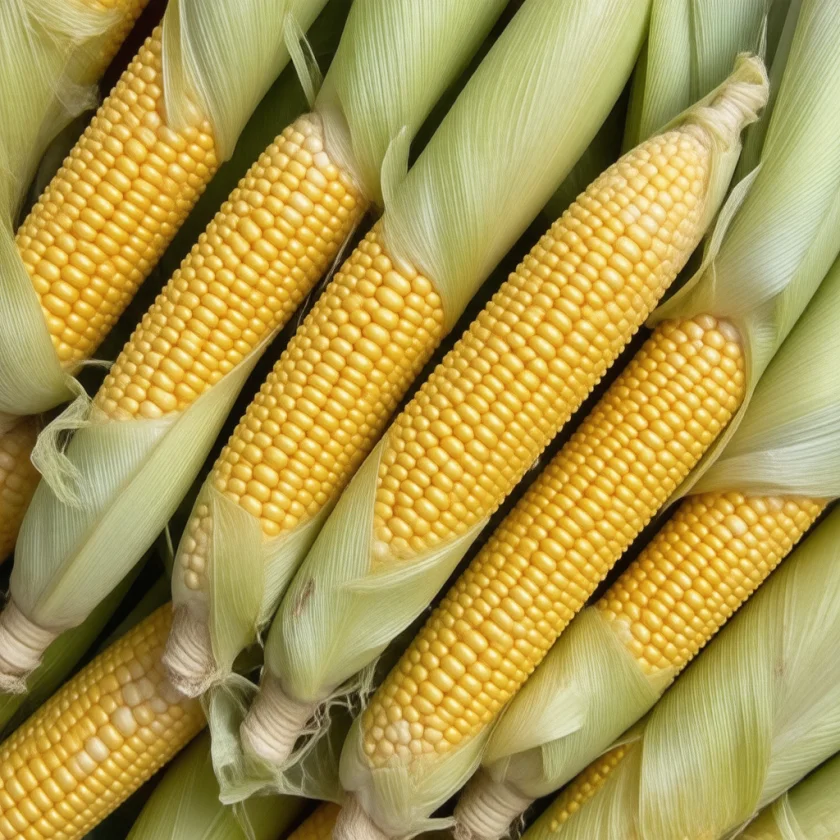
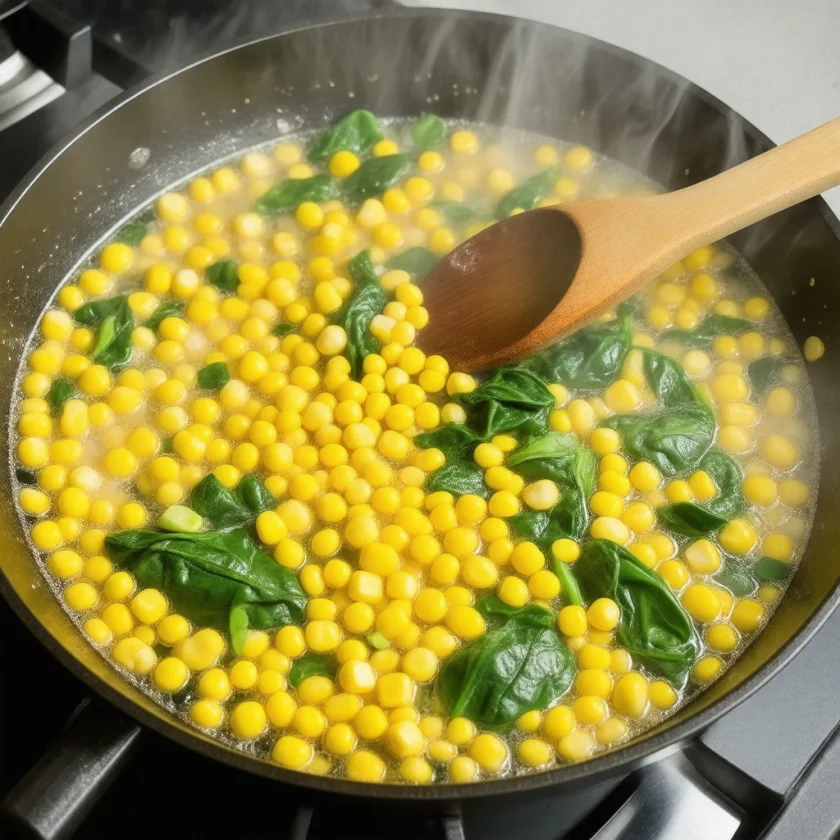
The yellow of a corn kernel is not decoration. It comes from carotenoids, and two of them — lutein and zeaxanthin — are the only carotenoids the human body deliberately concentrates in the retina, where they form a dense yellow filter over the centre of vision called the macular pigment. Corn is one of the more useful everyday sources, and it is unusual among common foods in being comparatively rich in zeaxanthin specifically, which most vegetables supply only sparsely. Corn will not do the job alone — dark leafy greens are far more concentrated — but it is a genuinely helpful contributor, it is a food people already like, and the way you eat it changes how much you absorb.
Table of Contents
- The Yellow Spot at the Back of Your Eye
- How the Pigment Actually Protects
- How Much Is Actually in Corn
- Why Corn's Zeaxanthin Matters
- The Age-Related Macular Degeneration Evidence, Including AREDS2
- What the Long Cohort Studies Show
- Beyond Disease: Glare, Contrast and Cognition
- Getting It Absorbed: Fat, Cooking and Form
- How Much Corn, and What Else to Eat
- Being Realistic About What Corn Can Do
- Key Research Papers
- Connections
- Featured Videos
The Yellow Spot at the Back of Your Eye
At the centre of the retina is a small region about five millimetres across called the macula, and at its centre a pit about a third of a millimetre wide called the fovea. This is where sharp central vision happens — reading, faces, driving, anything you look directly at. The cone photoreceptors are packed here at their highest density, and the tissue is metabolically the most active in the eye.
Anatomists gave the macula its full name, macula lutea, for a reason you can see in a dissected eye: it is visibly yellow. That yellow is macular pigment, and it is made of exactly three compounds — lutein, zeaxanthin, and meso-zeaxanthin, which the eye makes from lutein on site. Of the dozens of carotenoids circulating in human blood, only these are taken up into the retina. Specific binding proteins carry them there: StARD3 binds lutein, GSTP1 binds zeaxanthin. The body is not accumulating them by accident.
The distribution within the macula is orderly. Zeaxanthin dominates at the very centre, in the fovea; lutein dominates in the outer macula; the ratio flips somewhere in between. Total pigment density varies several-fold between individuals, and a large part of that variation is dietary — which is the whole reason food matters here.
Neither compound can be made by humans or by any animal. All of it comes from plants, and all of it arrives through the mouth.
How the Pigment Actually Protects
Two mechanisms, both physical rather than mystical.
It is a blue-light filter. Lutein and zeaxanthin absorb strongly in the blue part of the spectrum, peaking around 460 nanometres. The pigment sits in the layers in front of the photoreceptors, so light passes through it before reaching the cells that must not be damaged. Short-wavelength blue light carries the most energy per photon and is the most efficient at driving photo-oxidative reactions in retinal tissue. A denser filter means less of it arrives. This is a sunscreen built into the optics of the eye.
It is an antioxidant in exactly the wrong place to be without one. The retina combines the highest oxygen consumption of any tissue in the body, constant light exposure, and photoreceptor membranes unusually rich in polyunsaturated fatty acids — especially docosahexaenoic acid (DHA) — which are the most oxidisable lipids there are. That is a recipe for lipid peroxidation. Lutein and zeaxanthin quench singlet oxygen and interrupt peroxidation chains within those membranes.
There is a third, optical effect that has nothing to do with damage. Blue light is focused differently from longer wavelengths by the eye's lens — chromatic aberration — and it scatters more in the ocular media. Filtering it out sharpens the image. This is why macular pigment density correlates with measures of visual performance in healthy young eyes, not only with disease risk in older ones.
How Much Is Actually in Corn
Corn's place in the carotenoid landscape is worth stating precisely, because both overstating and dismissing it are common.
An analysis of xanthophyll content across fruits, vegetables, corn and egg products measured lutein and zeaxanthin in each and made the comparison directly. The pattern that emerges from this and from the older food-composition surveys is consistent:
- Dark leafy greens are in a class of their own. Cooked spinach, kale and collards carry lutein plus zeaxanthin in the range of many milligrams per serving — often more than ten times what a serving of corn provides. Nothing else comes close, and no honest page about macular pigment can avoid saying so.
- Corn sits in the useful middle, alongside peas, broccoli, orange peppers and egg yolk. A serving contributes a fraction of a milligram to a couple of milligrams depending on variety and preparation — meaningful when repeated, not transformative in one sitting.
- Egg yolk punches above its raw numbers because its carotenoids come packaged with fat and are unusually well absorbed. Corn's are less bioavailable per microgram than egg yolk's, and that is worth knowing when reading a table of contents figures.
Variety matters more than most people realise. Yellow corn carries carotenoids; white corn carries almost none, because the pigments are precisely what makes it yellow. Deep orange-yellow varieties carry more than pale ones. Blue and purple corn are coloured by anthocyanins instead, a different family of compounds with their own antioxidant literature but no role in macular pigment. For macular pigment, the colour that matters is deep yellow.
The classic survey of food sources of macular carotenoids, published in the British Journal of Ophthalmology in 1998, made a point about corn that is still quoted: egg yolk and corn (maize) had the highest share of their carotenoids present as lutein and zeaxanthin (more than 85% of the total carotenoids), and corn was the vegetable with the highest share of lutein (60% of total). The vegetable with the highest share of zeaxanthin in that survey was orange pepper (37% of total). Which brings us to the more interesting half of corn's contribution.
Why Corn's Zeaxanthin Matters
Typical Western diets deliver several times more lutein than zeaxanthin, often by a wide margin, because the dominant dietary sources — leafy greens — are overwhelmingly lutein. Spinach, kale and broccoli are excellent lutein foods and modest zeaxanthin foods.
The eye does not use them interchangeably. Zeaxanthin is concentrated at the fovea, the very centre of the macula, the part responsible for the sharpest vision and the part that fails first in age-related macular degeneration. The body can convert lutein into meso-zeaxanthin in the retina, which partly compensates, but dietary zeaxanthin arrives ready to use.
Foods that are relatively rich in zeaxanthin are a short list: orange peppers (the standout), corn, egg yolks, orange-fleshed melons, persimmons, goji berries and saffron. Corn is the only staple grain on that list, and it is by a wide margin the cheapest and most widely eaten of them.
So the sensible way to think about corn is not as a competitor to spinach but as a complement to it. A diet with plenty of greens and no zeaxanthin sources is lopsided; adding corn, peppers and eggs balances the two carotenoids in a way that better matches what the macula actually holds. This site covers the two compounds separately on the Lutein and Zeaxanthin pages.
The Age-Related Macular Degeneration Evidence, Including AREDS2
Age-related macular degeneration is the leading cause of irreversible central vision loss in older adults in wealthy countries. It comes in a slowly progressive "dry" form, characterised by drusen deposits and eventually geographic atrophy, and a "wet" form in which abnormal blood vessels grow under the retina. The site's age-related macular degeneration (AMD) page covers the disease itself.
The pivotal trial for carotenoids and age-related macular degeneration is AREDS2, run by the US National Eye Institute and published in JAMA in 2013. It enrolled 4,203 participants aged 50 to 85 at risk of progression to advanced age-related macular degeneration and tested, in a factorial design, whether adding lutein and zeaxanthin, or omega-3 fatty acids, or both, to the original AREDS antioxidant-and-zinc formulation reduced progression. The lutein-and-zeaxanthin dose was 10 mg of lutein plus 2 mg of zeaxanthin a day.
The headline result was that adding lutein and zeaxanthin to the full original formulation did not produce a statistically significant further reduction in progression in the primary analysis (hazard ratio 0.90, P = .12), and adding omega-3s produced no benefit at all. That is the honest top line and it is often misreported in both directions.
The secondary findings are what changed practice, and they are worth understanding:
- In participants with the lowest dietary intake of lutein and zeaxanthin at baseline, supplementation was associated with reduced progression. The people with the least to begin with were the people who benefited — which is what you would expect from a nutrient rather than a drug, and which is also the situation of anyone eating a diet short of both greens and yellow vegetables.
- Direct comparison of the lutein-and-zeaxanthin arm against the beta-carotene arm favoured lutein and zeaxanthin.
- Beta-carotene was removed from the recommended formulation because it was associated with increased lung cancer risk in former smokers, a finding consistent with earlier trials. Lutein and zeaxanthin replaced it. The current AREDS2 formulation therefore contains lutein and zeaxanthin and no beta-carotene — not because they beat the original formula outright, but because they were at least as good and considerably safer.
A meta-analysis of observational studies published in the British Journal of Nutrition examined dietary lutein and zeaxanthin intake against age-related macular degeneration risk and found that higher intake was associated with lower risk of late age-related macular degeneration, with no significant association for early age-related macular degeneration. It pooled six cohort studies, comparing the highest with the lowest intake: the relative risk was 0.96 (95% CI 0.78 to 1.17) for early disease, 0.74 (95% CI 0.57 to 0.97) for late disease and 0.68 (95% CI 0.51 to 0.92) for the neovascular ("wet") form. That distinction — effect on progression to advanced disease rather than on whether early changes appear at all — recurs across this literature.
Ten years on. A follow-up study of 3,882 AREDS2 participants, all of whom took the lutein-and-zeaxanthin formula for a further five years after the trial ended, looked at the 10-year picture. Lutein and zeaxanthin were linked with slower progression to late age-related macular degeneration compared with no lutein and zeaxanthin (hazard ratio 0.91, 95% CI 0.84 to 0.99), and compared directly with beta-carotene the hazard ratio was 0.85 (95% CI 0.73 to 0.98). For lung cancer, the odds ratio was 1.82 (95% CI 1.06 to 3.12) for those originally assigned beta-carotene and 1.15 (95% CI 0.79 to 1.66) for lutein and zeaxanthin. The authors wrote that beta-carotene "nearly doubled the risk of lung cancer, whereas there was no statistically significant increased risk with lutein/zeaxanthin."
The 2023 Cochrane review. A Cochrane review of antioxidant vitamin and mineral supplements in people who already have age-related macular degeneration included 26 studies with 11,952 people. For lutein and zeaxanthin, most of the evidence came from AREDS2, and the review judged that people taking them "may have similar or slightly reduced risk of progression to late AMD (RR 0.94, 95% CI 0.87 to 1.01)" compared with control, rating this low-certainty evidence. Its authors concluded that, although the low-certainty evidence suggested little effect with lutein and zeaxanthin alone compared with placebo, exploratory analyses from AREDS2 support the view that they may be a suitable replacement for the beta-carotene in the original AREDS formula.
What the Long Cohort Studies Show
The most informative dietary evidence comes from following large numbers of people for a very long time and asking what they ate.
An analysis pooling the Nurses' Health Study and the Health Professionals Follow-up Study tracked carotenoid intake against age-related macular degeneration incidence over roughly two decades of follow-up: 63,443 women followed from 1984 and 38,603 men followed from 1986, both until 2010, all aged 50 or older and free of the disease at the start. Higher predicted plasma lutein and zeaxanthin scores — a measure that accounts for bioavailability rather than raw intake — were associated with a meaningfully lower risk of advanced age-related macular degeneration: comparing the top fifth with the bottom fifth, the risk was about 40% lower in both women and men (pooled relative risk 0.59; 95% CI 0.48 to 0.73). Several other carotenoids (beta-cryptoxanthin, alpha-carotene and beta-carotene) were associated with a 25% to 35% lower risk too, which suggests part of the signal reflects a generally vegetable-rich diet rather than these two compounds alone. The study found no association between carotenoids and intermediate age-related macular degeneration.
Two caveats belong here. Observational studies cannot separate a nutrient from the diet it travels in, and people who eat more corn, greens and peppers differ from those who do not in many other ways. And the effect sizes, while consistent, are moderate: this is risk modification over decades, not protection.
The practical reading is nevertheless straightforward. Both the trial evidence and the cohort evidence point the same way: a sustained dietary supply of lutein and zeaxanthin across adult life is associated with lower risk of losing central vision late in life, with the largest benefit to those who currently get the least. Food is the natural way to arrange that, and corn is one of the pleasant ways to eat it.
Beyond Disease: Glare, Contrast and Cognition
Macular pigment is not only about avoiding a disease decades from now, and this is the part that tends to interest people most.
Glare and photostress. A double-blind, placebo-controlled trial gave 115 young, healthy adults 10 mg of lutein and 2 mg of zeaxanthin a day, or a placebo, for one year and tested measures of visual performance: photostress recovery time (how long vision takes to return after a bright flash), glare disability (how much a glare source degrades your ability to see a target), and chromatic contrast. Supplementation raised macular pigment density and significantly improved photostress recovery time and chromatic contrast compared with placebo. Glare disability tracked macular pigment density throughout the study but did not improve significantly in the treated group. The proposed mechanism is the optical one described earlier — filtering out the short wavelengths that scatter most reduces the veiling glare that washes out contrast. Anyone who has been dazzled by oncoming headlights knows the symptom this is about.
Cognition. Lutein is the dominant carotenoid in brain tissue as well as in the retina, and macular pigment density correlates with brain lutein concentration well enough to serve as a non-invasive proxy. A randomised, double-masked, placebo-controlled trial in young healthy adults reported improvements in aspects of cognitive function with lutein and zeaxanthin supplementation. This literature is younger and thinner than the eye literature, the effects are modest, and it stands as an interesting and plausible line of work rather than an established benefit.
The reason to mention both is that they involve healthy eyes and healthy brains, on a timescale of months. Most of the case for macular carotenoids is about being 75; this part is about being able to see the road tonight.
Getting It Absorbed: Fat, Cooking and Form
Carotenoids are fat-soluble compounds locked inside plant cell structures. How you prepare and eat corn changes how much reaches your bloodstream, sometimes by a large factor.
- Fat in the same meal. This is the single biggest factor. Carotenoids need dietary fat to form the mixed micelles that carry them across the intestinal wall; without fat, absorption is poor. Controlled feeding studies demonstrated this by adding avocado — a whole-food fat source — to carotenoid-containing meals and measuring absorption. In one, with 11 healthy adults, adding 150 g of avocado to a salad made lutein absorption 5.1 times that of the same salad without avocado, and 24 g of avocado oil had a similar effect. In another, avocado raised beta-carotene absorption 2.4-fold from a tomato sauce and 6.6-fold from carrots. Butter on corn on the cob, olive oil in a corn salad, eggs alongside, avocado in a corn salsa, or corn cooked with a little olive oil all do the same job. This is one of the rare cases where the traditional way of serving a food is also the nutritionally optimal one.
- Cooking helps. Heat breaks down cell walls and disrupts the protein-carotenoid complexes that hold the pigments in place, releasing them for absorption. A study of processed sweet corn found that heating at 115 °C for 25 minutes increased total antioxidant activity by 44%, ferulic acid by 550% and total phenolics by 54%, even while causing a 25% loss of heat-sensitive vitamin C. That study measured phenolic compounds, not carotenoids; for carotenoids, the case for cooking rests on the cell-wall effect just described. Boiled, steamed, grilled and even canned corn are all reasonable carotenoid vehicles.
- Chopping, mashing or milling. Mechanical disruption does some of the same work as heat. Whole kernels swallowed intact give up less than kernels that have been chewed thoroughly, cut from the cob and stirred into a dish, or ground into masa or meal.
- Frozen is fine. Frozen sweet corn is blanched and frozen close to harvest and retains carotenoids well. Carotenoids are considerably more stable in storage than vitamin C.
- Colour tracks content. Deep yellow kernels carry more than pale ones; white corn carries essentially none. Yellow cornmeal beats white cornmeal for this purpose, and degermed cornmeal loses part of the kernel's carotenoid content along with the germ.
How Much Corn, and What Else to Eat
There is no official recommended intake for lutein and zeaxanthin — they are not classified as essential nutrients, because no deficiency disease has been defined for them. Intakes associated with benefit in the observational literature and used in trials generally fall in the range of several milligrams to about 10 milligrams per day of lutein plus a smaller amount of zeaxanthin. Typical Western intake is well below that.
Corn's honest role in reaching that figure:
- An ear of yellow sweet corn, or a cup of kernels, several times a week is a steady contribution — a useful zeaxanthin source in a diet that probably has few others.
- Yellow whole-grain cornmeal or polenta extends the same contribution into meals where a vegetable would not fit.
- Plain popcorn made from yellow kernels counts as well, and is a whole grain besides.
To actually reach a good daily intake, corn needs company. The high-yield additions:
- Cooked dark leafy greens — spinach, kale, collards, Swiss chard. One cooked cup swamps everything else on this list for lutein, and cooking and olive oil both raise how much is absorbed.
- Orange bell peppers — the best common zeaxanthin source there is.
- Egg yolks — modest in absolute content, excellent in bioavailability, and they carry their own fat.
- Peas, broccoli, Brussels sprouts, pistachios, orange-fleshed melon.
- Avocado, which contributes a little itself and dramatically improves absorption from everything eaten with it.
A plate of corn with greens, dressed with olive oil, alongside eggs, does more for macular pigment than any single item on it.
Being Realistic About What Corn Can Do
Some plain limits, because this subject attracts overclaiming.
Corn is a contributor, not a treatment. Nobody has shown that eating corn prevents macular degeneration. What has been shown is that a diet consistently supplying these carotenoids is associated with lower risk of advanced age-related macular degeneration, that supplementation raises macular pigment density, and that corn is a reasonable dietary source of the scarcer of the two compounds.
Macular pigment builds slowly. Studies raising it with diet or supplements typically measure changes over months, not days. There is no short-term effect to notice, which is exactly why this is a habit rather than an intervention.
Established age-related macular degeneration has its own specific treatments. For people diagnosed with intermediate or advanced age-related macular degeneration, the AREDS2 formulation is a specific supplement with a specific evidence base, and wet age-related macular degeneration is treated with anti-VEGF injections that work far better than anything on a plate. Diet supports that care; it does not replace it.
The largest modifiable risk factor for age-related macular degeneration is smoking, by a wide margin. No amount of corn, spinach or supplementation compares with not smoking. Blood pressure control and general cardiovascular health matter too, since the retina depends on a fine vascular bed.
Genetics matter. Variants in complement pathway genes carry substantial age-related macular degeneration risk, and family history is a strong predictor. Diet shifts the odds; it does not remove them.
What corn genuinely offers is this: a widely available, inexpensive, well-liked food that supplies zeaxanthin, which most diets are short of, in a form that improves with cooking and with the butter or oil people put on it anyway. That is a small, real, repeatable good.
Key Research Papers
- Age-Related Eye Disease Study 2 (AREDS2) Research Group. Lutein + zeaxanthin and omega-3 fatty acids for age-related macular degeneration: the Age-Related Eye Disease Study 2 (AREDS2) randomized clinical trial. JAMA. 2013;309(19):2005-2015. — doi:10.1001/jama.2013.4997
- Chew EY, Clemons TE, Agrón E, Domalpally A, Keenan TDL, Vitale S, Weber C, Smith DC, Christen W; AREDS2 Research Group. Long-term outcomes of adding lutein/zeaxanthin and ω-3 fatty acids to the AREDS supplements on age-related macular degeneration progression: AREDS2 Report 28. JAMA Ophthalmology. 2022;140(7):692-698. — doi:10.1001/jamaophthalmol.2022.1640
- Evans JR, Lawrenson JG. Antioxidant vitamin and mineral supplements for slowing the progression of age-related macular degeneration. Cochrane Database of Systematic Reviews. 2023;9(9):CD000254. — doi:10.1002/14651858.CD000254.pub5
- Sommerburg O, Keunen JEE, Bird AC, van Kuijk FJGM. Fruits and vegetables that are sources for lutein and zeaxanthin: the macular pigment in human eyes. British Journal of Ophthalmology. 1998;82(8):907-910. — doi:10.1136/bjo.82.8.907
- Perry A, Rasmussen H, Johnson EJ. Xanthophyll (lutein, zeaxanthin) content in fruits, vegetables and corn and egg products. Journal of Food Composition and Analysis. 2009;22(1):9-15. — doi:10.1016/j.jfca.2008.07.006
- Bone RA, Landrum JT, Guerra LH, Ruiz CA. Lutein and zeaxanthin dietary supplements raise macular pigment density and serum concentrations of these carotenoids in humans. Journal of Nutrition. 2003;133(4):992-998. — doi:10.1093/jn/133.4.992
- Ma L, Dou HL, Wu YQ, et al. Lutein and zeaxanthin intake and the risk of age-related macular degeneration: a systematic review and meta-analysis. British Journal of Nutrition. 2012;107(3):350-359. — doi:10.1017/S0007114511004260
- Wu J, Cho E, Willett WC, Sastry SM, Schaumberg DA. Intakes of lutein, zeaxanthin, and other carotenoids and age-related macular degeneration during 2 decades of prospective follow-up. JAMA Ophthalmology. 2015;133(12):1415-1424. — doi:10.1001/jamaophthalmol.2015.3590
- Hammond BR Jr, Fletcher LM, Roos F, Wittwer J, Schalch W. A double-blind, placebo-controlled study on the effects of lutein and zeaxanthin on photostress recovery, glare disability, and chromatic contrast. Investigative Ophthalmology & Visual Science. 2014;55(12):8583-8589. — doi:10.1167/iovs.14-15573
- Renzi-Hammond LM, Bovier ER, Fletcher LM, et al. Effects of a lutein and zeaxanthin intervention on cognitive function: a randomized, double-masked, placebo-controlled trial of younger healthy adults. Nutrients. 2017;9(11):1246. — doi:10.3390/nu9111246
- Unlu NZ, Bohn T, Clinton SK, Schwartz SJ. Carotenoid absorption from salad and salsa by humans is enhanced by the addition of avocado or avocado oil. Journal of Nutrition. 2005;135(3):431-436. — doi:10.1093/jn/135.3.431
- Kopec RE, Cooperstone JL, Schweiggert RM, et al. Avocado consumption enhances human postprandial provitamin A absorption and conversion from a novel high-β-carotene tomato sauce and from carrots. Journal of Nutrition. 2014;144(8):1158-1166. — doi:10.3945/jn.113.187674
- Dewanto V, Wu X, Liu RH. Processed sweet corn has higher antioxidant activity. Journal of Agricultural and Food Chemistry. 2002;50(17):4959-4964. — doi:10.1021/jf0255937
- Adom KK, Liu RH. Antioxidant activity of grains. Journal of Agricultural and Food Chemistry. 2002;50(21):6182-6187. — doi:10.1021/jf0205099
- Lao F, Sigurdson GT, Giusti MM. Health benefits of purple corn (Zea mays L.) phenolic compounds. Comprehensive Reviews in Food Science and Food Safety. 2017;16(2):234-246. — doi:10.1111/1541-4337.12249
- Zhao Z, Moghadasian MH. Chemistry, natural sources, dietary intake and pharmacokinetic properties of ferulic acid: a review. Food Chemistry. 2008;109(4):691-702. — doi:10.1016/j.foodchem.2008.02.039
PubMed Topic Searches
Connections
- Corn — the main topic page
- Corn — Nutrients
- Corn — Benefits Deep Dive
- Corn: History and Origins
- Lutein
- Lutein for Eye and Macular Health
- Zeaxanthin
- Zeaxanthin for Eye and Macular Health
- Age-Related Macular Degeneration
- Ophthalmology
- Spinach
- Spinach for Lutein and Eye Health
- Ferulic Acid
- All Antioxidants
- All Food topics