Omega-3 Fatty Acids and Fish Oil for Rheumatoid Arthritis
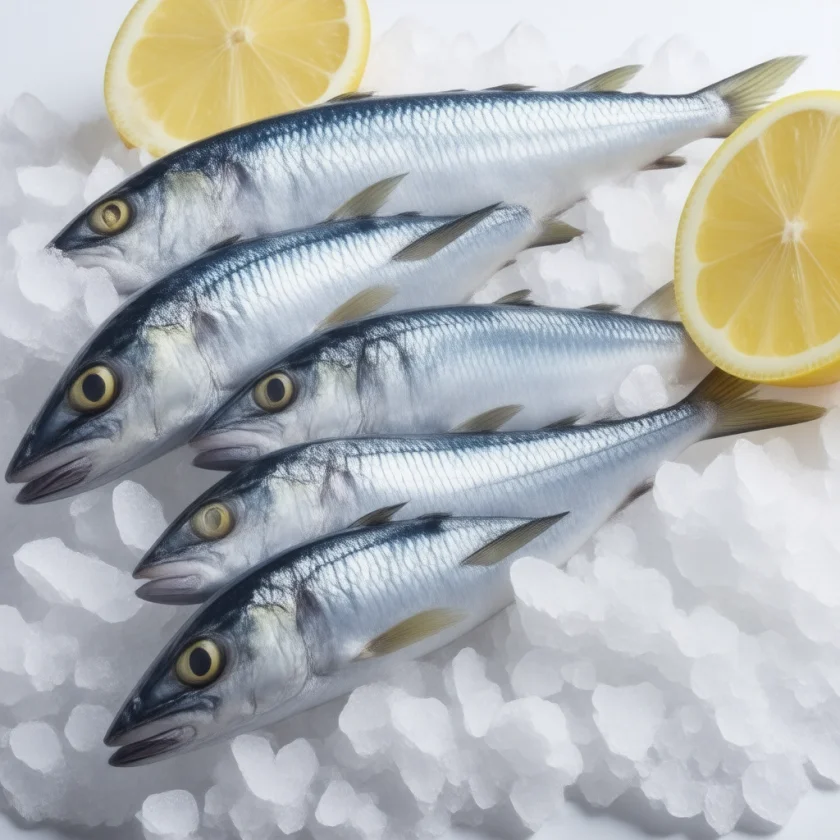
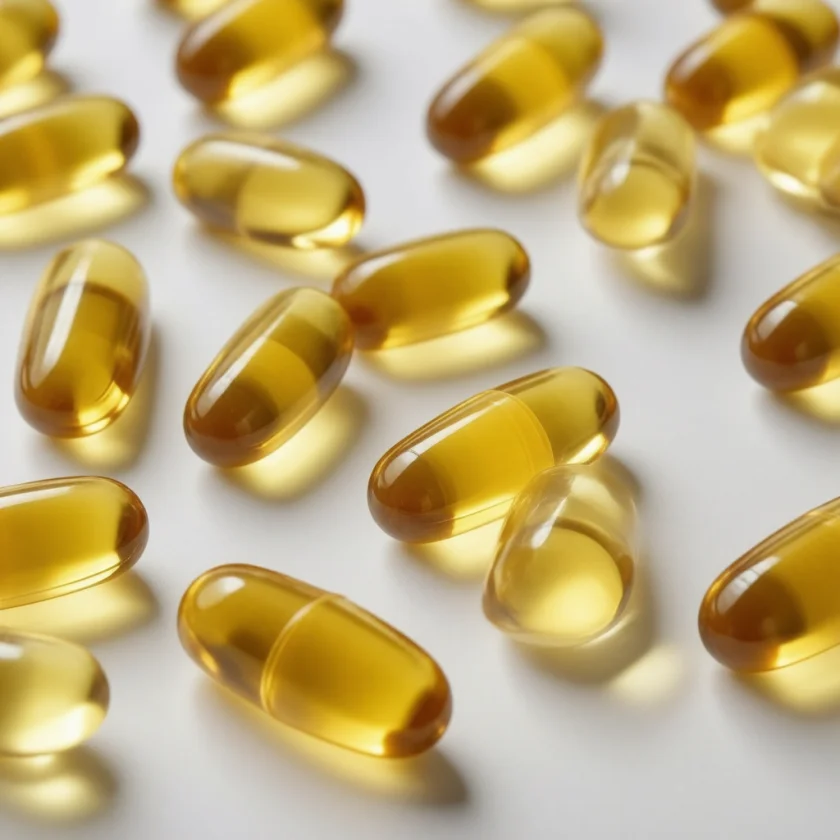
If you have rheumatoid arthritis and you have ever walked down a supplement aisle, you have been offered a hundred things that "fight inflammation." Almost none of them have been tested properly in people with your disease. Fish oil is the exception. It has been through more than twenty randomised controlled trials in rheumatoid arthritis specifically — not in mice, not in "joint health" generally, but in people with rheumatoid arthritis (RA) — and it has been pooled into several independent meta-analyses. That puts it in a very small club.
So this article is going to do something slightly unusual: it is going to tell you that a natural supplement genuinely works, and then spend just as much effort telling you exactly what it does not do. Both halves matter. Omega-3 is one of the best-supported non-drug interventions in rheumatoid arthritis. It is also, unambiguously, an adjunct — something you add on top of disease-modifying therapy, not something you swap in for it. The 2022 American College of Rheumatology guideline on integrative interventions makes that framing explicit in its opening objective: these things are for use in conjunction with disease-modifying antirheumatic drugs.
Said plainly and only once, because you do not need it repeated in every paragraph: fish oil can make your joints feel better and can let you take fewer painkillers. It will not stop your joints being eaten. Methotrexate and biologics do that.
Table of Contents
- What Omega-3 Actually Is
- The Mechanism: Rewriting the Inflammation Recipe
- Resolvins, Protectins and Maresins: Inflammation Has an Off Switch
- What the Trials Actually Found
- The Nonsteroidal Anti-Inflammatory Drug-Sparing Effect — the Most Reproducible Finding
- The Dose That Separates Positive Trials From Null Ones
- Time Course: Why Twelve Weeks Is the Honest Minimum
- What Omega-3 Does Not Do
- Food First: Fish, and How Far Diet Alone Gets You
- Choosing a Supplement: Form, Freshness and Oxidation
- The Omega-6 to Omega-3 Ratio, in Context
- The Omega-3 Index Blood Test
- Safety, Bleeding and Interactions
- Putting It Together
- Key Research Papers
- Connections
- Featured Videos
1. What Omega-3 Actually Is
"Omega-3" is not one substance. It is a family of fats defined by a chemical detail — a double bond three carbons from the tail end of the molecule. Three members matter for you:
- alpha-linolenic acid (ALA) — the plant one. Flaxseed, chia, walnuts, hemp. Eighteen carbons long.
- eicosapentaenoic acid (EPA) — twenty carbons, five double bonds. This is the one that does most of the anti-inflammatory work in joints.
- docosahexaenoic acid (DHA) — twenty-two carbons, six double bonds. Structural fat of brain and retina, and the raw material for an important family of resolution signals.
Here is the part that trips people up. Your body can convert alpha-linolenic acid into eicosapentaenoic acid, and eicosapentaenoic acid into docosahexaenoic acid. It just does it terribly. In adult humans the conversion of alpha-linolenic acid to eicosapentaenoic acid runs at a few percent at best, and the onward conversion to docosahexaenoic acid is worse still — often well under one percent. Conversion is somewhat better in women of reproductive age, and it is throttled further by a diet high in omega-6 linoleic acid, because both fats compete for the same desaturase enzymes.
The practical consequence: flaxseed oil is not fish oil. Ground flax is a genuinely good food for other reasons, but you cannot reach a rheumatoid arthritis-relevant eicosapentaenoic acid+docosahexaenoic acid intake through alpha-linolenic acid. Every trial that showed benefit in rheumatoid arthritis used preformed eicosapentaenoic acid and docosahexaenoic acid — from fish, from fish oil, from cod liver oil, or from algal oil. For vegetarians and vegans, algal oil supplies what flax cannot: microalgae are where fish get their omega-3 in the first place, and algal oil delivers preformed docosahexaenoic acid (and, in newer products, eicosapentaenoic acid as well).
2. The Mechanism: Rewriting the Inflammation Recipe
Think of the membrane of every cell in your body as a pantry. When an immune cell decides to mount an inflammatory response, it does not go shopping — it reaches into its own membrane and grabs whatever twenty-carbon fatty acid is stocked there. Then it feeds that fat into two enzyme systems, cyclooxygenase (COX) and lipoxygenase (LOX), and the products of those enzymes are the actual molecules of inflammation: prostaglandins, thromboxanes, leukotrienes.
On a typical Western diet, the fat sitting in that pantry is overwhelmingly arachidonic acid (AA), a twenty-carbon omega-6. Run AA through COX and you get 2-series prostaglandins — including prostaglandin E2, the molecule that sensitises pain nerves, drives fever, and helps stimulate the bone-resorbing signals that matter enormously in rheumatoid arthritis. Run AA through 5-LOX and you get 4-series leukotrienes, above all leukotriene B4, one of the most powerful neutrophil-recruiting signals your body makes. LTB4 is a large part of why an inflamed rheumatoid joint fills with immune cells.
Now change what is in the pantry. When you take eicosapentaenoic acid and docosahexaenoic acid for long enough, they are physically incorporated into cell membrane phospholipids — and they do so partly at the expense of arachidonic acid. The pantry restocks. Two things follow:
- Less substrate. There is simply less AA available to be released, so less raw material for PGE2 and LTB4.
- Different products. Eicosapentaenoic acid is itself a substrate for the same COX and LOX enzymes — but because it has one more double bond, the products come out one series different. COX turns eicosapentaenoic acid into 3-series prostaglandins (PGE3) and thromboxane A3. 5-LOX turns it into 5-series leukotrienes (LTB5). These are not inert — but they are markedly weaker. LTB5 is a far poorer neutrophil chemoattractant than LTB4, by something on the order of tenfold or more.
The useful analogy is that omega-3 does not switch the inflammation factory off. It changes the recipe the factory is following, so that the same machinery turns out a milder product. That is also why the effect is slow: you have to restock every membrane in the body, and membranes turn over on a scale of weeks to months, not hours.
There is a second, quieter mechanism worth knowing. Eicosapentaenoic acid and docosahexaenoic acid also act on gene expression — damping NF-κB signalling (the master switch for tumor necrosis factor-α, interleukin-1 beta (IL-1β) and interleukin-6 (IL-6) production) and activating PPAR-γ, which pushes macrophages toward a less inflammatory phenotype. And docosahexaenoic acid in particular alters the physical organisation of lipid rafts in the T-cell membrane, which blunts how readily T cells are activated. Philip Calder's review in Biochemical Society Transactions is the clearest single summary of these overlapping routes.
3. Resolvins, Protectins and Maresins: Inflammation Has an Off Switch
For most of the twentieth century, the assumption was that inflammation ends passively — the signals run out, and things quiet down. That turned out to be wrong, and the correction is one of the more genuinely exciting stories in modern immunology.
Charles Serhan's group at Harvard showed that resolution is an active, programmed process driven by its own dedicated family of signalling molecules, called specialised pro-resolving mediators (SPMs). And they are made from omega-3. The main families:
- E-series resolvins (RvE1, RvE2, RvE3) — made from eicosapentaenoic acid.
- D-series resolvins (RvD1 through RvD6) — made from docosahexaenoic acid.
- Protectins (notably protectin D1, called neuroprotectin D1 in nerve tissue) — made from docosahexaenoic acid.
- Maresins (MaR1, MaR2) — made from docosahexaenoic acid, chiefly by macrophages. The name is a contraction of "macrophage mediator in resolving inflammation."
What SPMs do is distinct from what anti-inflammatory drugs do. A nonsteroidal anti-inflammatory drug blocks the production of an inflammatory signal. An SPM tells the inflammation that has already happened to wind up and clean up: stop recruiting neutrophils, trigger apoptosis in the neutrophils already there, switch macrophages into a scavenging mode that eats the debris, and promote tissue repair. Crucially, they do this without immunosuppression — they end an inflammatory episode rather than preventing you from mounting one.
The relevance to rheumatoid arthritis is direct and, I think, under-appreciated. Rheumatoid arthritis is not really a disease of too much inflammation starting. It is a disease of inflammation that never finishes — a synovial joint stuck permanently in the recruitment phase. A failure of resolution is a much better description of a rheumatoid joint than a failure of restraint. If the substrate for the resolution programme is in short supply, the programme runs weakly.
An honest caveat: the SPM story is superbly worked out in cells and animals, and the human trial evidence that supplementing omega-3 raises SPM levels enough to change rheumatoid arthritis outcomes through that specific route is still developing. Products sold as "SPM supplements" lean on a certainty that does not yet exist. But as an explanation for why fish oil behaves differently from nonsteroidal anti-inflammatory drugs — slower, gentler, and not obviously immunosuppressive — it is the best account we have.
4. What the Trials Actually Found
Fish oil in rheumatoid arthritis has been studied since the mid-1980s. Pooling that literature, the consistent findings are:
- Shorter morning stiffness. Probably the most patient-noticeable effect. Trials repeatedly report a reduction in the duration of morning stiffness in the fish-oil arms.
- Fewer tender and swollen joints — but not in every analysis. The largest pooled analysis found a significant reduction in the number of painful and tender joints; a smaller rheumatoid arthritis-only pooling found only a non-significant trend. Swollen joint counts are the least consistent outcome of all.
- Less joint pain. Goldberg and Katz's meta-analysis in Pain (2007) pooled seventeen randomised trials of omega-3 in inflammatory joint pain and found significant reductions in patient-reported pain intensity, morning stiffness duration and the number of painful joints.
- Reduced nonsteroidal anti-inflammatory drug (NSAID) consumption. The headline. Covered in its own section below.
- Improved grip strength in several trials — a small effect, but a functional one.
Two later meta-analyses put numbers around it. Lee, Bae and Song, in Archives of Medical Research (2012), pooled ten randomized controlled trials (RCTs) of omega-3 given at 2.7 g/day or more for at least three months. Their result is worth stating precisely, because it is more sobering than it is usually reported: nonsteroidal anti-inflammatory drug consumption was the only outcome that reached statistical significance. Tender joint count, swollen joint count, morning stiffness and physical function all moved in the right direction but none of them reached significance in that pooled analysis. Gioxari and colleagues, in Nutrition (2018), systematically reviewed omega-3 intake in rheumatoid arthritis pooled 20 randomized controlled trials (717 patients given omega-3, 535 controls). Despite trials of overall low quality, omega-3 significantly improved eight markers of disease activity; of the five inflammatory markers assessed, only leukotriene B4 fell, and blood triglyceride (triacylglycerol) levels improved. Senftleber and colleagues, looking at marine oil supplements for arthritis pain in Nutrients (2017), found the pain effect small overall — but notably more consistent in rheumatoid arthritis than in osteoarthritis, which is exactly what the mechanism predicts, since rheumatoid arthritis is the immune-mediated one.
The single most interesting modern trial is Proudman and colleagues' study in Annals of the Rheumatic Diseases (2015), because of how it was designed. DMARD-naive patients with rheumatoid arthritis of under twelve months' duration were all put on a treat-to-target triple-DMARD algorithm — methotrexate, sulfasalazine and hydroxychloroquine, real modern therapy — and then randomised to fish oil at 5.5 g/day of eicosapentaenoic acid+docosahexaenoic acid or a masking low dose of 0.4 g/day. The fish-oil group did better on the algorithm: failure of triple DMARD therapy was substantially less likely, and the rate of first ACR remission was about twice as high. Methotrexate dose, DAS28 and disability scores did not differ between the groups, and neither did adverse events. That is the design that answers the question patients actually ask. Not "does fish oil work instead of drugs" but "does adding fish oil to proper treatment make proper treatment work better?" In that trial, it did.
Two smaller trials are worth knowing because they point at combinations rather than fish oil alone. Adam and colleagues (Rheumatology International, 2003) tested fish oil against a background diet deliberately low in arachidonic acid, and found the combination outperformed either alone — you get more from restocking the pantry if you also stop restocking it with AA. Berbert and colleagues (Nutrition, 2005) found fish oil plus olive oil gave greater improvement than fish oil alone. Neither trial was large, but both suggest fish oil is a diet intervention as much as a supplement one, which is why the anti-inflammatory diet page is a companion to this one rather than a competitor.
Finally, there is prevention, and it works at a very different dose. Di Giuseppe and colleagues followed more than 32,000 Swedish women and found that a dietary intake of long-chain omega-3 above just 0.21 g/day was associated with a 35% lower risk of developing rheumatoid arthritis, rising to about 52% lower in the women whose intake was consistently above that level across two dietary surveys a decade apart. Their separate estimate for eating fish at least once a week pointed the same way but did not reach statistical significance, so treat the fish-servings version of this finding as suggestive rather than established. Note how small the preventive intake is: a fifth of a gram a day is roughly one oily-fish meal a week, and nowhere near the multi-gram doses used to treat established disease. And Gan and colleagues found that in people who were already anti-CCP antibody positive but did not yet have arthritis, higher omega-3 levels in red blood cell membranes tracked with lower odds of having crossed into inflammatory arthritis. These are observational, so they cannot prove causation. But they are pointing the same direction as the trials.
5. The Nonsteroidal Anti-Inflammatory Drug-Sparing Effect — the Most Reproducible Finding
If you take one thing from this page, take this one.
Across the rheumatoid arthritis literature, the effect that reproduces most reliably is not pain reduction and not joint counts. It is that people taking adequate doses of fish oil need fewer nonsteroidal anti-inflammatory drugs (NSAIDs). Galarraga and colleagues built an entire trial around exactly this question, published in Rheumatology (2008). Patients on cod liver oil were compared with placebo, and the outcome measured was whether they could cut their daily nonsteroidal anti-inflammatory drug dose by 30% or more without their disease getting worse. Roughly four in ten of the cod-liver-oil group managed it, against roughly one in ten on placebo — and disease activity did not deteriorate in those who cut back.
Kremer's 1995 trial in Arthritis & Rheumatism came at it from the other end: patients on high-dose fish oil stopped their nonsteroidal anti-inflammatory drugs, and the group's clinical status was assessed afterwards. Kremer's later summary in the American Journal of Clinical Nutrition (2000) treats the nonsteroidal anti-inflammatory drug-sparing effect as the clinically meaningful outcome of the whole literature.
Why does this matter so much? Because nonsteroidal anti-inflammatory drugs are not benign, and people with rheumatoid arthritis take them for decades. Long-term nonsteroidal anti-inflammatory drug use carries real risks of gastrointestinal bleeding and ulceration, kidney injury, hypertension, and elevated cardiovascular risk — and rheumatoid arthritis already carries elevated cardiovascular risk. A supplement that lets you take meaningfully less ibuprofen, naproxen or diclofenac over twenty years is doing something genuinely valuable for your stomach, your kidneys and your heart, even if it never moves a single DAS28 point.
That reframing also explains a common disappointment. People start fish oil expecting their pain score to drop dramatically. It usually does not. What often happens instead is subtler: the ibuprofen you used to need every day, you now need three days a week. That is the effect working. It is just not the effect people were watching for.
6. The Dose That Separates Positive Trials From Null Ones
This section is the single most common reason people conclude "fish oil didn't work for me." They were not taking enough. Usually not remotely enough.
The threshold that emerges from the trial literature is around 2.7 grams per day of combined eicosapentaenoic acid plus docosahexaenoic acid, sustained for at least three months. That specific figure comes from Lee, Bae and Song, who built it into their meta-analysis as an entry criterion — they pooled only trials dosing at or above 2.7 g/day for three months or longer, and concluded that at that dose omega-3 reduces nonsteroidal anti-inflammatory drug consumption in rheumatoid arthritis. Trials at or above that level tend to be positive. Trials below it tend to be null. It is close to a dividing line. Note that Proudman's trial went considerably higher still, at 5.5 g/day.
Now compare that with what is in the bottle. A standard, cheap, non-concentrated "1000 mg fish oil" capsule contains one gram of oil, of which typically about 300 mg is actual eicosapentaenoic acid+docosahexaenoic acid — conventionally 180 mg eicosapentaenoic acid and 120 mg docosahexaenoic acid. So:
| Product type | Typical eicosapentaenoic acid+docosahexaenoic acid per capsule | Capsules needed for ~2.7 g/day |
|---|---|---|
| Standard "1000 mg fish oil" | ~300 mg | About 9 |
| Concentrated fish oil | ~500–600 mg | About 5 |
| High-concentrate / triple strength | ~800–900 mg | About 3–4 |
| Liquid fish oil | Varies widely — often ~1000–1500 mg per 5 mL | About 2–3 teaspoons |
Someone taking "two fish oil capsules a day" as directed on the label is taking roughly 600 mg of eicosapentaenoic acid+docosahexaenoic acid. That is around a fifth of the studied dose. Concluding fish oil does not work on that basis is like concluding methotrexate does not work after taking 2.5 mg once.
How to read a label properly. Ignore the number on the front of the bottle — it is the weight of the oil, not the omega-3. Turn it around, find the Supplement Facts panel, and locate the two lines that say eicosapentaenoic acid and docosahexaenoic acid. Add them. Multiply by the number of capsules per serving. That number, and only that number, is what you compare against 2.7 g.
This dose gap also explains an important negative result. The VITAL trial tested a 1 gram per day fish oil capsule — which supplied about 840 mg of eicosapentaenoic acid+docosahexaenoic acid — for prevention of incident autoimmune disease in the general population, and reported in the BMJ (2022) that omega-3 did not clearly reduce incident autoimmune disease in the primary analysis, while vitamin D did. Roughly 0.8 g of eicosapentaenoic acid+docosahexaenoic acid is well under a third of the rheumatoid arthritis treatment threshold. VITAL is a fair test of low-dose prevention in healthy people. It is not a test of therapeutic-dose fish oil in established rheumatoid arthritis, and quoting it as one misreads the trial.
Two practical notes on the higher doses. First, split them — three or four capsules with each of two or three meals is far easier on the stomach than nine at once, and taking them with food containing fat genuinely improves absorption. Second, if swallowing that many capsules is unrealistic, liquid fish oil in a high-concentrate form gets you there in two or three teaspoons, and the good ones are lemon-flavoured for a reason.
7. Time Course: Why Twelve Weeks Is the Honest Minimum
Fish oil is not a painkiller and it does not behave like one. If you want to know whether it is working, you have to give it a proper trial — and "proper" means at least twelve weeks at full dose, with sixteen to twenty-four weeks being a fairer test.
The reason is mechanical, and it follows directly from the mechanism. The effect depends on eicosapentaenoic acid and docosahexaenoic acid physically replacing arachidonic acid in cell membranes. Plasma levels rise within days. Membrane incorporation in white blood cells takes weeks. Red blood cells, which are the standard tissue for measurement, live about 120 days — so the red cell pool does not fully re-equilibrate for roughly three to four months. The clinical effect tracks the membrane change, not the blood level.
Most rheumatoid arthritis trials that showed benefit ran for twelve weeks or longer, and several found that improvement was still deepening at the end of the study period. Very short trials of a few weeks are, in retrospect, a good way to generate a false negative.
So set expectations honestly:
- Weeks 0–4: expect nothing. Any change here is more likely to be your disease fluctuating than the oil working.
- Weeks 4–12: the window where morning stiffness often starts shortening. Many people notice this before they notice pain changing.
- Weeks 12–24: the fair assessment point. If you are at full dose, on a fresh product, and there is no change in stiffness, joint counts or nonsteroidal anti-inflammatory drug need by six months, it is reasonable to conclude it is not doing much for you.
Keep a simple record from the start — how many minutes of morning stiffness, and how many nonsteroidal anti-inflammatory drug tablets in a typical week. Without a baseline written down, six months later you will genuinely not be able to tell.
8. What Omega-3 Does Not Do
Here is the boundary, stated as clearly as I know how.
Omega-3 has not been shown to reliably slow radiographic joint erosion. The trials measure symptoms — pain, stiffness, tender joints, nonsteroidal anti-inflammatory drug use — and it improves those. They do not show that fish oil protects the cartilage and bone of the joint from being destroyed over years. That structural damage is what turns rheumatoid arthritis from a painful condition into a disabling one, and it is precisely what disease-modifying therapy is for.
Methotrexate, sulfasalazine, hydroxychloroquine, leflunomide, the tumor necrosis factor (TNF) inhibitors, abatacept, rituximab, tocilizumab, the JAK inhibitors — these are the drugs with radiographic evidence behind them. They are the reason the wheelchair-and-deformity picture of rheumatoid arthritis that dominated textbooks fifty years ago is now uncommon in people treated early. No fish oil trial has ever demonstrated anything comparable.
This is not a hedge. It is the actual finding, and it defines the role. Omega-3 sits alongside your DMARD, improving how you feel and reducing what else you have to take. It does not substitute for it. Stopping methotrexate because you started fish oil is a straightforwardly bad trade: you would be exchanging a small, real symptomatic benefit for a large, real risk of permanent joint destruction. The window in which erosion can be prevented does not reopen.
A few smaller "does not do" items, for completeness:
- It does not reliably lower C-reactive protein (CRP) or erythrocyte sedimentation rate (ESR) to any dramatic degree in rheumatoid arthritis. Some trials show a modest fall; the trials do not show inflammatory markers returning to normal.
- It does not induce remission on its own. In Proudman's trial it helped more people reach remission on DMARDs — a different and more modest claim.
- It does not work quickly enough to be useful for a flare. Acute flares are treated with faster-acting flare medicines.
- It is not a substitute for exercise, which received the only strong recommendation in the ACR's 2022 integrative guideline. See exercise and joint protection.
9. Food First: Fish, and How Far Diet Alone Gets You
Food is the better delivery vehicle where it can do the job, because oily fish brings vitamin D, selenium, iodine, B12 and high-quality protein along with the omega-3 — and because a fillet cannot go rancid in a cupboard for eighteen months.
Approximate eicosapentaenoic acid+docosahexaenoic acid content per 100 g cooked portion (values vary with season, wild versus farmed, and species):
| Fish | Approximate eicosapentaenoic acid+docosahexaenoic acid per 100 g |
|---|---|
| Salmon (Atlantic) | Roughly 1.5–2 g |
| Herring | Roughly 1.5–2 g |
| Mackerel (Atlantic) | Roughly 1–2 g |
| Sardines (canned in oil, drained) | Roughly 1–1.5 g |
| Trout (rainbow) | Roughly 0.8–1 g |
| Tuna, albacore | Roughly 0.7–1 g |
| Tuna, canned light | Roughly 0.2–0.3 g |
| Cod and other white fish | Roughly 0.2 g — lean fish, low omega-3 |
Do the arithmetic and the limitation appears immediately. To hit 2.7 g/day from salmon you would need something like a 150–180 g portion every single day. That is not a realistic diet for most people, and at that frequency mercury and cost start to matter. Oily fish two or three times a week is an excellent foundation and a genuinely good idea — but it will not by itself reach the dose used in the positive rheumatoid arthritis trials. Most people who want the trial-level effect will need fish plus a supplement.
Two food notes specific to rheumatoid arthritis. Small oily fish are the sweet spot: sardines, herring, anchovies and mackerel are high in omega-3 and low on the food chain, so they accumulate far less methylmercury than large predators. Canned sardines with the soft bones are also a serious calcium source, which matters when you are on steroids. And cod liver oil is a food and a supplement at once — it was the intervention in the Galarraga trial — but it carries preformed vitamin A and vitamin D, so the dose that gets you enough eicosapentaenoic acid+docosahexaenoic acid can also get you more retinol than is wise long term. Check the vitamin A figure on the label before treating it as a high-dose omega-3 source.
10. Choosing a Supplement: Form, Freshness and Oxidation
The supplement market is uneven, and two variables actually matter.
Triglyceride versus ethyl ester
Fish oil as it comes out of a fish is a natural triglyceride (TG) — three fatty acids attached to a glycerol backbone. To concentrate the eicosapentaenoic acid and docosahexaenoic acid, manufacturers strip the fatty acids off and re-attach them to ethanol, producing an ethyl ester (EE). Some then re-attach them to glycerol again, giving a re-esterified triglyceride (rTG).
Dyerberg and colleagues compared these formulations head to head in Prostaglandins, Leukotrienes and Essential Fatty Acids (2010) and found the triglyceride forms were better absorbed than the ethyl ester form, with re-esterified triglyceride the best of the group. So the ordering is roughly rTG ≥ natural TG > EE.
Before you throw out your ethyl ester bottle: the difference is meaningful but not enormous, ethyl esters are what several major cardiovascular trials used, and taking them with a fat-containing meal narrows the gap considerably, because dietary fat triggers the pancreatic lipase activity that ethyl esters depend on. If your product is EE and you take it with breakfast, you are fine. If you are buying new and the price difference is small, rTG is the better buy. Labels that say only "fish oil concentrate" with no form stated are usually ethyl ester.
Oxidation — the problem nobody mentions
This deserves more attention than it gets. Eicosapentaenoic acid and docosahexaenoic acid have five and six double bonds respectively, and every double bond is a site where oxygen can attack. That makes them among the most oxidation-prone molecules in the food supply. Oxidised fish oil is not merely inactive — the peroxides and aldehydes formed are themselves pro-inflammatory, which is the exact opposite of what you bought it for.
Albert and colleagues analysed fish oil supplements sold in New Zealand and published the results in Scientific Reports (2015). Most exceeded recommended limits for oxidation markers, and only a small minority actually contained the eicosapentaenoic acid and docosahexaenoic acid their labels claimed. There is no reason to think that market was uniquely bad.
Ways freshness and quality are checked:
- Smell and taste. Bitten open, a fresh fish oil capsule tastes mildly of fish or of nothing. Rancid oil tastes sharp, bitter, painty or metallic — and once you have tasted the difference it is hard to miss again. A rancid bottle can be returned to the shop.
- Independent testing — independent quality-testing programmes, or a published certificate of analysis, report the peroxide value, anisidine value and TOTOX.
- Expiry date and bottle size. A twelve-month supply is a false economy; a two-to-three-month supply is used up before it ages.
- Storage. Heat and light accelerate oxidation, so an opened bottle keeps longer in the refrigerator. The kitchen windowsill is the worst possible place.
- Added antioxidant — most good products include vitamin E (tocopherols) or rosemary extract, and this is a sign of a manufacturer who has thought about it.
- "Fish burps" are often a freshness signal. Persistent fishy repeats from a genuinely fresh product are less common than people assume. Freezing the capsules and taking them with a meal both help; if neither helps, suspect the oil.
Krill and algal oil
Krill oil delivers omega-3 bound to phospholipids rather than triglycerides, which may absorb somewhat more efficiently per gram, and it contains astaxanthin as a natural antioxidant. Two catches. The first is concentration: krill capsules are usually low in eicosapentaenoic acid+docosahexaenoic acid, so reaching 2.7 g/day is expensive and involves a lot of capsules. The second is allergy — krill are crustaceans, so krill oil is a shellfish product and a risk for anyone with a shellfish allergy. Algal oil is the option for vegetarians and vegans, and for people with a fish allergy — it is the original source of marine omega-3, it is free of the ocean-contaminant question entirely, and modern eicosapentaenoic acid+docosahexaenoic acid algal products can reach therapeutic doses.
11. The Omega-6 to Omega-3 Ratio, in Context
You will read a great deal online about the omega-6 to omega-3 ratio. The commonly quoted figures are that ancestral human diets ran somewhere near 1:1 to 4:1, while modern Western diets run somewhere around 10:1 to 20:1, driven by industrial seed oils and by grain-fed animal products. Those numbers are reasonable estimates rather than precise measurements — they are reconstructions, not measurements of anyone's actual ancestors.
The underlying biology is real, though, and it is the same competition described in the mechanism section. Omega-6 linoleic acid and omega-3 alpha-linolenic acid compete for the same desaturase and elongase enzymes. Flood the system with linoleic acid and you push the pathway toward arachidonic acid, and you further suppress the already-poor conversion of alpha-linolenic acid. And arachidonic acid arriving directly in the diet — from meat, egg yolk and organ meats — bypasses the conversion question entirely.
But here is the correction that matters, and where the internet usually overshoots: the ratio is less important than the absolute amount of eicosapentaenoic acid and docosahexaenoic acid you get. You cannot fix a low omega-3 status by cutting omega-6 alone, because that just gives you a better ratio of two small numbers. Raising eicosapentaenoic acid+docosahexaenoic acid improves the ratio and does the pharmacology at the same time. Cutting omega-6 is a useful supporting move, not the main one.
That said, Adam's trial is a direct argument that the supporting move is worth making — fish oil worked better against a background diet low in arachidonic acid than against a normal one. So the practical reading of this research is: eicosapentaenoic acid and docosahexaenoic acid raised deliberately; industrial seed oils and fried food lowered where convenient. Olive oil for cooking also brings oleocanthal, a phenolic compound with genuine COX-inhibiting activity of its own — and which was the co-intervention in the Berbert trial. Cutting out whole food groups is unnecessary and, in a disease where undernutrition and muscle loss are real problems, potentially harmful.
12. The Omega-3 Index Blood Test
You do not have to guess whether your dose is working. There is a test.
The Omega-3 Index, developed by William Harris and Clemens von Schacky and described in Preventive Medicine (2004), measures eicosapentaenoic acid plus docosahexaenoic acid as a percentage of the total fatty acids in your red blood cell membranes. That membrane framing is what makes it the right test: it measures the thing the mechanism actually depends on, rather than what you happened to eat yesterday. A plasma omega-3 level bounces around with your last meal. The red cell index does not — red cells live about 120 days, so the index is a rolling average of roughly the previous three to four months.
The categories Harris and von Schacky proposed, originally as cardiovascular risk bands:
| Omega-3 Index | Category |
|---|---|
| Below 4% | Undesirable / high risk — typical of much of the United States |
| 4–8% | Intermediate |
| 8% or above | Desirable — typical of populations with high oily-fish intake, such as Japan |
An important honesty note: the 8% target was derived from cardiovascular outcomes, not from rheumatoid arthritis outcomes. There is no validated Omega-3 Index target for rheumatoid arthritis symptom control. So use it for what it is genuinely good at — confirming that the dose you are taking is actually being absorbed and incorporated — rather than treating 8% as a therapeutic endpoint for your joints.
How to use it sensibly: test at baseline before starting, start your dose, then retest after three to four months (not sooner — the red cell pool has not turned over). If your index has barely moved despite good adherence, something is wrong with the product, the form, or the absorption, and that is worth knowing before you write off the whole intervention. It is available as a mail-in dried-blood-spot kit in many countries and is usually paid for out of pocket. A monthly test adds nothing; the index cannot change that fast. See our lab tests section for the broader panel worth tracking in rheumatoid arthritis.
13. Safety, Bleeding and Interactions
Fish oil is well tolerated at the doses discussed here, and the main worry people have about it turns out to be somewhat overstated. But there are real cautions.
An honest word about the size of the dose
The dose this page describes is a therapeutic one, and it sits above some general-population advice, which you deserve to know before you start. The US Food and Drug Administration keeps a 3 g/day limit on combined eicosapentaenoic acid+docosahexaenoic acid from conventional foods. For supplements, its 2019 letter on an omega-3 health-claim petition concluded that dietary supplements providing no more than 5 g/day of eicosapentaenoic acid and docosahexaenoic acid are safe and lawful, and that 5 g/day or less does not increase the risk of excessive bleeding; above 5 g/day, the FDA found too little evidence to draw a conclusion. The European Food Safety Authority (EFSA), reviewing the same question, concluded that supplemental intakes up to 5 g/day do not raise safety concerns for adults. The 2.7–3 g/day rheumatoid arthritis trial doses sit within both figures; Proudman's 5.5 g/day sits above both — those trials were run under medical supervision with monitoring, which an unsupervised bottle from a shop is not.
The practical reading: 2.7–3 g/day is a supported and widely used dose in this disease, but it is not a casual over-the-counter amount. The facts that matter most for people with a bleeding disorder, a history of atrial fibrillation, or an anticoagulant prescription follow below: the bleeding evidence, the warfarin blood test, and the higher rate of atrial fibrillation in the high-dose heart trials.
Bleeding
Eicosapentaenoic acid and docosahexaenoic acid reduce platelet aggregation — that is genuine pharmacology, and it follows from thromboxane A3 being a weaker platelet activator than thromboxane A2. The historical worry came from observations of low clotting activity in Greenland Inuit populations with very high fish intake.
What the clinical evidence shows is more reassuring. Wachira, Larson and Harris reviewed this in the British Journal of Nutrition (2014) and concluded that while omega-3 measurably affects haemostasis, it does not translate into an increased risk of clinically significant bleeding — including in patients on antiplatelet drugs and in those undergoing surgery. On the strength of that evidence, the old blanket advice to stop fish oil before every procedure has increasingly been questioned — but it has not been withdrawn everywhere, and surgical teams' instructions still differ.
Points that apply to particular medicines:
- Warfarin: the international normalized ratio (INR) is the blood test that shows whether starting fish oil has shifted clotting, and it is commonly checked a bit more often at first.
- Direct oral anticoagulants (DOACs) (apixaban, rivaroxaban, edoxaban, dabigatran), clopidogrel and daily aspirin: the pharmacology stacks with fish oil even if the clinical risk is low.
- Surgery and anaesthesia: whether fish oil is stopped before a procedure is the point on which surgical teams' instructions differ, as described above.
- Many people with rheumatoid arthritis also take nonsteroidal anti-inflammatory drugs, which carry their own gastrointestinal (GI) bleeding risk — and the irony is that fish oil helps people take fewer of them.
Atrial fibrillation
This one is newer and deserves to be stated. Large cardiovascular trials of high-dose omega-3 — REDUCE-IT with 4 g/day of icosapent ethyl, and STRENGTH with a high-dose eicosapentaenoic acid/docosahexaenoic acid preparation — both reported a higher incidence of atrial fibrillation in the omega-3 arms than in the control arms. The absolute increase was small, and these were doses at or above the rheumatoid arthritis range in cardiac patients. The finding matters most for people with a history of atrial fibrillation (AF) or palpitations, at doses of 3 g/day and above.
Everything else
- Gastrointestinal upset, fishy repeats, loose stools. Common, dose-related, and largely fixable by splitting the dose across meals, taking it with food, freezing capsules, or switching to a fresher or enteric-coated product.
- Fish and shellfish allergy. Highly refined fish oil contains little protein, though not none; algal oil is the fish-free option. And note that krill oil is not an alternative here: krill are crustaceans, so krill oil is a shellfish product.
- Contaminants. Reputable fish oils are molecularly distilled and independently tested for mercury, dioxins and PCBs, and typically contain far less than the fish itself. Independent certification is how this testing is shown. See mercury for the broader picture.
- Cod liver oil and vitamin A. As noted above — at high volumes the retinol adds up. Cod liver oil as the route to 3 g/day of eicosapentaenoic acid+docosahexaenoic acid brings a large dose of vitamin A with it, so the vitamin A content on the label matters — most of all in pregnancy.
- Blood pressure and triglycerides. Both tend to fall modestly. This is a bonus in rheumatoid arthritis, where cardiovascular risk is elevated. The American Heart Association's science advisory concluded that 4 g/day of prescription omega-3 lowers triglycerides substantially — by roughly 20–30% at moderately raised levels, and by 30% or more in severe hypertriglyceridaemia.
- Immunosuppression. A reasonable question when you are already on methotrexate or a biologic. There is no evidence that dietary-range omega-3 meaningfully suppresses infection defence, and the SPM mechanism — resolving inflammation rather than blocking it — is a reason to expect it would not. No interaction with methotrexate, hydroxychloroquine, sulfasalazine or the biologics has been established.
The dose and form taken are useful data in a rheumatology record, not a formality: a drop in nonsteroidal anti-inflammatory drug requirement is a clinically useful fact about a patient.
14. Putting It Together
What the evidence on this page adds up to:
- DMARDs stay the foundation. Nothing on this page changes that; fish oil was studied as an add-on to them. See DMARDs and biologics.
- A written baseline. Minutes of morning stiffness on a typical day, and nonsteroidal anti-inflammatory drug tablets per week — thirty seconds at the start, invaluable in six months.
- Oily fish two to three times a week, mostly small species — sardines, herring, mackerel, anchovies — is the food foundation, not the whole dose.
- The trial-level supplement dose is roughly 2.7–3 g/day of combined eicosapentaenoic acid+docosahexaenoic acid, found by adding the eicosapentaenoic acid and docosahexaenoic acid lines on the Supplement Facts panel, not from the front of the bottle.
- rTG or natural triglyceride forms absorb best, taken with a fatty meal and in split doses; a two-to-three-month quantity of an independently tested product, kept in the refrigerator, limits oxidation.
- Twelve weeks minimum, ideally sixteen to twenty-four, is the time course described in section 7 before benefit can be judged.
- An Omega-3 Index at baseline and again at three to four months gives objective confirmation that the dose is landing.
- The outcome that moves is morning stiffness duration and nonsteroidal anti-inflammatory drug consumption — not a dramatic drop in pain score.
- An anticoagulant, a history of atrial fibrillation, or surgery coming up are the situations covered in section 13.
- Industrial seed oils lowered where convenient, with olive oil for cooking, is a supporting move, not the main one.
And a closing thought about proportion. Omega-3 will not transform your rheumatoid arthritis. What it will plausibly do, at an adequate dose over an adequate time, is shave meaningful minutes off your morning stiffness and let you reach for the ibuprofen bottle noticeably less often over the coming decades. In a chronic disease measured in decades, that is not a small thing — it just is not a dramatic one. Fish oil has earned the modest, real place it occupies. The common errors described on this page are too low a dose, too short a trial, and — the only one that truly costs joints — fish oil taken in place of the drugs that protect them.
Key Research Papers
Every citation below was checked against the Crossref registry before publication. Journal names and titles are plain text; the linked portion is the volume, issue and page reference, which resolves to the paper itself.
Clinical trials and meta-analyses in rheumatoid arthritis
- Goldberg RJ, Katz J. A meta-analysis of the analgesic effects of omega-3 polyunsaturated fatty acid supplementation for inflammatory joint pain. Pain. 2007;129(1):210–223 — doi:10.1016/j.pain.2007.01.020. — Pooled 17 randomised trials in RA, inflammatory bowel disease and dysmenorrhoea; significant reductions in patient-reported pain, morning stiffness, painful/tender joint count and NSAID consumption at 3–4 months.
- Lee YH, Bae SC, Song GG. Omega-3 polyunsaturated fatty acids and the treatment of rheumatoid arthritis: a meta-analysis. Archives of Medical Research. 2012;43(5):356–362 — doi:10.1016/j.arcmed.2012.06.011. — The source of the ≥2.7 g/day threshold; pooled 10 RCTs, in which NSAID consumption was the only outcome reaching statistical significance.
- Proudman SM, James MJ, Spargo LD, Metcalf RG, et al. Fish oil in recent onset rheumatoid arthritis: a randomised, double-blind controlled trial within algorithm-based drug use. Annals of the Rheumatic Diseases. 2015;74(1):89–95 — doi:10.1136/annrheumdis-2013-204145. — Fish oil added to treat-to-target triple DMARD therapy.
- Galarraga B, Ho M, Youssef HM, Hill A, et al. Cod liver oil (n-3 fatty acids) as an non-steroidal anti-inflammatory drug sparing agent in rheumatoid arthritis. Rheumatology. 2008;47(5):665–669 — doi:10.1093/rheumatology/ken024. — The dedicated NSAID-sparing trial.
- Kremer JM, Lawrence DA, Petrillo GF, Litts LL, et al. Effects of high-dose fish oil on rheumatoid arthritis after stopping nonsteroidal antiinflammatory drugs: clinical and immune correlates. Arthritis & Rheumatism. 1995;38(8):1107–1114. — doi:10.1002/art.1780380813
- Kremer JM. n-3 fatty acid supplements in rheumatoid arthritis. American Journal of Clinical Nutrition. 2000;71(1):349S–351S. — doi:10.1093/ajcn/71.1.349s
- Gioxari A, Kaliora AC, Marantidou F, Panagiotakos DP. Intake of ω-3 polyunsaturated fatty acids in patients with rheumatoid arthritis: a systematic review and meta-analysis. Nutrition. 2018;45:114–124. — doi:10.1016/j.nut.2017.06.023
- Senftleber NK, Nielsen SM, Andersen JR, Bliddal H, et al. Marine oil supplements for arthritis pain: a systematic review and meta-analysis of randomized trials. Nutrients. 2017;9(1):42. — doi:10.3390/nu9010042
- Adam O, Beringer C, Kless T, Lemmen C, et al. Anti-inflammatory effects of a low arachidonic acid diet and fish oil in patients with rheumatoid arthritis. Rheumatology International. 2003;23(1):27–36. — doi:10.1007/s00296-002-0234-7
- Berbert AA, Kondo CRM, Almendra CL, Matsuo T, et al. Supplementation of fish oil and olive oil in patients with rheumatoid arthritis. Nutrition. 2005;21(2):131–136. — doi:10.1016/j.nut.2004.03.023
- England BR, Smith BJ, Baker NA, Barton JL, et al. 2022 American College of Rheumatology guideline for exercise, rehabilitation, diet, and additional integrative interventions for rheumatoid arthritis. Arthritis Care & Research. 2023;75(8):1603–1615 — doi:10.1002/acr.25117. — Frames all integrative interventions as adjuncts to DMARDs; exercise received the only strong recommendation.
Mechanism: eicosanoids and pro-resolving mediators
- Calder PC. Omega-3 fatty acids and inflammatory processes: from molecules to man. Biochemical Society Transactions. 2017;45(5):1105–1115 — doi:10.1042/BST20160474. — The clearest single overview of membrane incorporation, eicosanoid shifting and gene-level effects.
- Serhan CN. Pro-resolving lipid mediators are leads for resolution physiology. Nature. 2014;510(7503):92–101. — doi:10.1038/nature13479
- Serhan CN, Levy BD. Resolvins in inflammation: emergence of the pro-resolving superfamily of mediators. Journal of Clinical Investigation. 2018;128(7):2657–2669 — doi:10.1172/JCI97943. — Resolvins, protectins and maresins.
- Rouzer CA, Marnett LJ. Cyclooxygenases: structural and functional insights. Journal of Lipid Research. 2009;50:S29–S34 — doi:10.1194/jlr.R800042-JLR200. — Background on the COX enzymes that both arachidonic acid and EPA compete for.
Formulation, measurement and dietary status
- Dyerberg J, Madsen P, Møller JM, Aardestrup I, et al. Bioavailability of marine n-3 fatty acid formulations. Prostaglandins, Leukotrienes and Essential Fatty Acids. 2010;83(3):137–141 — doi:10.1016/j.plefa.2010.06.007. — Triglyceride versus ethyl ester absorption.
- Albert BB, Derraik JGB, Cameron-Smith D, Hofman PL, et al. Fish oil supplements in New Zealand are highly oxidised and do not meet label content of n-3 PUFA. Scientific Reports. 2015;5:7928 — doi:10.1038/srep07928. — The oxidation and label-accuracy problem.
- Harris WS, von Schacky C. The Omega-3 Index: a new risk factor for death from coronary heart disease? Preventive Medicine. 2004;39(1):212–220 — doi:10.1016/j.ypmed.2004.02.030. — The original description of the red-cell index and its risk bands.
Risk, prevention and safety
- Di Giuseppe D, Wallin A, Bottai M, Askling J, et al. Long-term intake of dietary long-chain n-3 polyunsaturated fatty acids and risk of rheumatoid arthritis: a prospective cohort study of women. Annals of the Rheumatic Diseases. 2014;73(11):1949–1953. — doi:10.1136/annrheumdis-2013-203338
- Gan RW, Bemis EA, Demoruelle MK, Striebich CC, et al. The association between omega-3 fatty acid biomarkers and inflammatory arthritis in an anti-citrullinated protein antibody positive population. Rheumatology. 2017;56(12):2229–2236. — doi:10.1093/rheumatology/kex360
- Hahn J, Cook NR, Alexander EK, Friedman S, et al. Vitamin D and marine omega 3 fatty acid supplementation and incident autoimmune disease: VITAL randomized controlled trial. BMJ. 2022;376:e066452 — doi:10.1136/bmj-2021-066452. — A low-dose (1 g/day) prevention trial; useful as a dose-threshold illustration, not as a test of therapeutic dosing in established RA.
- Manson JE, Cook NR, Lee IM, Christen W, et al. Marine n-3 fatty acids and prevention of cardiovascular disease and cancer. New England Journal of Medicine. 2019;380(1):23–32 — doi:10.1056/NEJMoa1811403. — The parent VITAL trial.
- Wachira JK, Larson MK, Harris WS. n-3 Fatty acids affect haemostasis but do not increase the risk of bleeding: clinical observations and mechanistic insights. British Journal of Nutrition. 2014;111(9):1652–1662. — doi:10.1017/S000711451300425X
- Bhatt DL, Steg PG, Miller M, Brinton EA, et al. Cardiovascular risk reduction with icosapent ethyl for hypertriglyceridemia. New England Journal of Medicine. 2019;380(1):11–22 — doi:10.1056/NEJMoa1812792. — REDUCE-IT; source of the high-dose atrial fibrillation signal.
- Nicholls SJ, Lincoff AM, Garcia M, Bash D, et al. Effect of high-dose omega-3 fatty acids vs corn oil on major adverse cardiovascular events in patients at high cardiovascular risk. JAMA. 2020;324(22):2268 — doi:10.1001/jama.2020.22258. — STRENGTH; the second high-dose trial reporting more atrial fibrillation.
- Skulas-Ray AC, Wilson PWF, Harris WS, Brinton EA, et al. Omega-3 fatty acids for the management of hypertriglyceridemia: a science advisory from the American Heart Association. Circulation. 2019;140(12). — doi:10.1161/CIR.0000000000000709
PubMed Topic Searches
These links run a live search on PubMed, so they stay current as new studies appear.
- PubMed: Omega-3 in RA — randomised trials
- PubMed: Fish oil in RA — meta-analyses
- PubMed: NSAID-sparing effect of fish oil
- PubMed: EPA/DHA dose–response in inflammation
- PubMed: Pro-resolving mediators in arthritis
- PubMed: Resolvins, protectins and maresins
- PubMed: Arachidonic acid and leukotriene B4 in RA
- PubMed: Omega-3 Index (red cell EPA+DHA)
- PubMed: Fish oil oxidation and supplement quality
- PubMed: Triglyceride vs ethyl ester bioavailability
- PubMed: Omega-3, bleeding risk and anticoagulants
- PubMed: Omega-3 and atrial fibrillation risk
- PubMed: Algal oil for vegetarian omega-3
- PubMed: Omega-6 to omega-3 ratio and inflammation
- PubMed: ALA conversion to EPA and DHA in humans
- PubMed: Diet and RA disease activity
16. Connections
- Rheumatoid Arthritis — the main article: diagnosis, disease course and full treatment overview.
- DMARDs and Biologics — the therapy omega-3 supports rather than replaces.
- Anti-Inflammatory Diet for Rheumatoid Arthritis — the wider dietary pattern this fits inside.
- Exercise and Joint Protection — the intervention with the strongest guideline backing.
- Herbs and Supplements for Rheumatoid Arthritis — how omega-3 compares with turmeric, boswellia and the rest.
- Shoulder Involvement in Rheumatoid Arthritis — a commonly overlooked joint.
- Rheumatology — all rheumatic and autoimmune conditions.
- Arthritis — how rheumatoid arthritis differs from osteoarthritis and the other arthritides.
- Salmon — one of the richest whole-food eicosapentaenoic acid and docosahexaenoic acid sources.
- Sardines — small, low-mercury, high in omega-3 and calcium.
- Herring — another small oily fish worth eating weekly.
- Cod — lean white fish, and the source of cod liver oil.
- Vitamin D3 — the other supplement with autoimmune-relevant trial evidence.
- Vitamin A — why high-volume cod liver oil needs a second look.
- Vitamin E — the antioxidant added to good fish oil to slow oxidation.
- Turmeric — curcumin, the other widely used anti-inflammatory in rheumatoid arthritis.
- Boswellia — a 5-LOX inhibitor, targeting the same leukotriene pathway from another angle.
- Lab Tests — including the Omega-3 Index and inflammatory markers.
- High-Sensitivity C-Reactive Protein — the inflammatory marker most often tracked in rheumatoid arthritis.
- Mercury — the contaminant question behind choosing small fish over large predators.
- Mediterranean Diet — the dietary pattern that carries the ACR's conditional recommendation.
- Osteoarthritis — where marine oils perform less consistently, and why.