Sleep Apnea
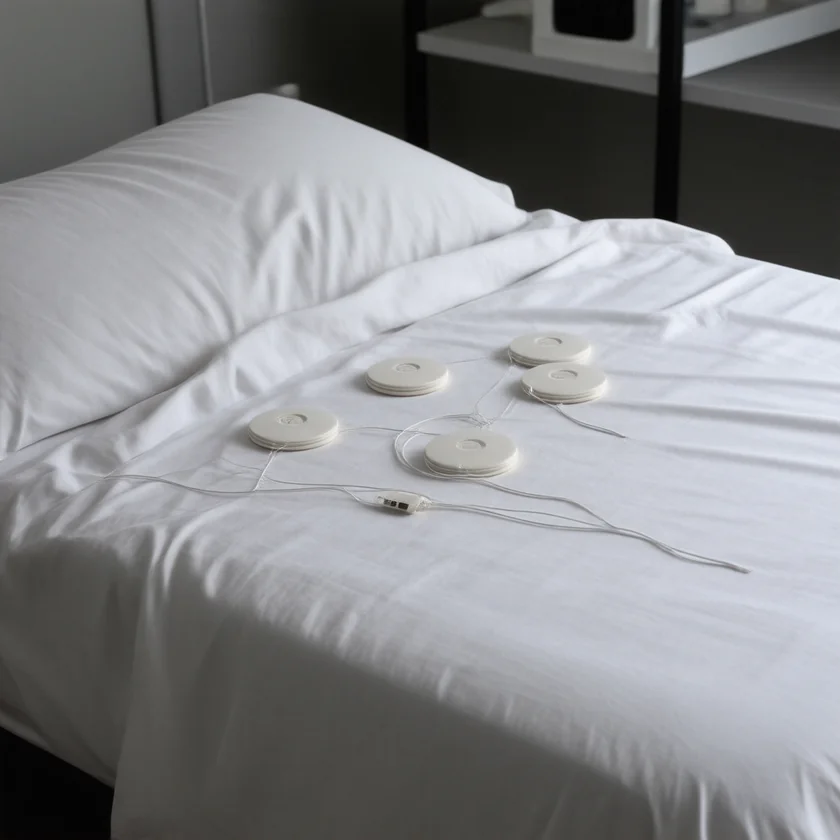
Table of Contents
Types of Sleep Apnea
Sleep apnea is a disorder characterized by repeated episodes of stopped or severely reduced breathing during sleep. There are three distinct types:
- Obstructive Sleep Apnea (OSA) — 90% of cases: The upper airway physically collapses during sleep despite continued respiratory effort. The muscles of the throat relax, and the soft palate, tongue, and uvula fall backward, blocking airflow. The person continues trying to breathe, which causes the characteristic gasping and choking awakenings. This is what most people mean when they say "sleep apnea."
- Central Sleep Apnea (CSA): The brain fails to send the appropriate signals to the breathing muscles during sleep. There is no upper airway obstruction — the airway is open, but the person simply stops making respiratory effort. Causes include heart failure, opioid use, high altitude, and neurological conditions.
- Mixed (Complex) Sleep Apnea: A combination of obstructive and central components. Sometimes emerges after starting CPAP therapy for OSA (treatment-emergent central sleep apnea).
An "apnea" is a complete pause in breathing lasting at least 10 seconds. A "hypopnea" is a partial reduction in airflow of ≥30% with an oxygen desaturation or arousal. The Apnea-Hypopnea Index (AHI) counts these events per hour of sleep and is the primary diagnostic measure.
Epidemiology and Risk Factors
Sleep apnea is far more common than most people realize — and vastly underdiagnosed:
- An estimated 22 million Americans have sleep apnea
- Approximately 85% are undiagnosed
- Men are affected roughly twice as often as women before menopause; after menopause, rates equalize
- Prevalence increases with age — affecting ~30% of adults over 65
Key risk factors:
- Obesity: The strongest risk factor. In a Wisconsin cohort study of 690 adults followed over 4-year intervals, a 10% gain in body weight predicted a 6-fold increase in the odds of developing moderate-to-severe sleep-disordered breathing and a roughly 32% rise in the AHI. Fat deposits around the neck (circumference >17 inches in men, >16 inches in women) directly narrow the upper airway. Abdominal obesity reduces functional residual capacity and worsens airway instability during sleep.
- Anatomical factors: Retrognathia (recessed jaw), large tonsils and adenoids, macroglossia (large tongue), narrow palate, and any structural narrowing of the upper airway. These are why OSA can occur in thin individuals.
- Male sex: Men have more compliant upper airway tissue and different fat distribution patterns around the throat compared to women.
- Age: Upper airway muscle tone decreases with age, making collapse more likely.
- Alcohol and sedatives: Relax upper airway muscles, worsening OSA. Alcohol before bed dramatically increases apnea frequency.
- Nasal obstruction: Chronic nasal congestion from allergies, deviated septum, or nasal polyps forces mouth breathing, which destabilizes the upper airway during sleep.
- Family history: Genetic factors contribute to craniofacial structure, airway dimensions, and central respiratory control.
- Hypothyroidism: Associated with OSA — thyroid replacement can improve sleep apnea in hypothyroid patients.
Symptoms
Sleep apnea symptoms span both nighttime (reported by bed partners) and daytime (experienced by the patient):
- Loud snoring: The hallmark symptom. Caused by vibration of partially obstructed airway tissues. Not everyone who snores has sleep apnea, but most people with OSA snore.
- Witnessed apneas: A bed partner observes the person stop breathing, often followed by a loud gasp, snort, or choking sound. This is the symptom most predictive of OSA.
- Excessive daytime sleepiness (EDS): Falling asleep during conversations, at red lights, or during passive activities. The Epworth Sleepiness Scale (0–24) quantifies this — scores above 10 are generally read as significant sleepiness.
- Unrefreshing sleep: Waking up exhausted despite a full night in bed. The repeated arousals from apneas fragment sleep architecture, preventing deep restorative sleep.
- Morning headaches: Caused by hypercapnia (elevated CO2) and cerebral vasodilation during apnea episodes overnight.
- Nocturia: Getting up to urinate multiple times per night. Apneas trigger release of atrial natriuretic peptide (ANP), which causes the kidneys to excrete more sodium and water. Many men treated for nocturia with urological interventions actually have undiagnosed OSA.
- Cognitive impairment: Poor concentration, memory problems, difficulty learning new information, slowed reaction times. Chronic sleep fragmentation and intermittent hypoxia damage hippocampal and prefrontal cortex function.
- Irritability and mood changes: Depression and anxiety are common comorbidities, partly caused by and partly causing sleep disruption.
- Erectile dysfunction: Sleep apnea disrupts testosterone secretion (which peaks during sleep) and causes endothelial dysfunction.
Health Consequences
Untreated sleep apnea is not merely a quality-of-life issue — it is a serious medical condition with life-threatening cardiovascular consequences:
- Hypertension: OSA is found in 30–40% of people with hypertension. Repeated nocturnal hypoxemia and arousal trigger surges in sympathetic nervous system activity and catecholamine release, causing sustained hypertension even during the day. OSA is the most common secondary cause of resistant hypertension.
- Atrial fibrillation (AFib): People with sleep apnea have 2–4 times the risk of AFib. Hypoxemia-induced atrial remodeling and autonomic dysregulation are the primary mechanisms. Untreated OSA dramatically worsens AFib recurrence after cardioversion or ablation procedures.
- Stroke: OSA increases stroke risk 2–3 fold, independent of other risk factors. Mechanism: hypoxia-induced inflammation, endothelial dysfunction, increased platelet aggregability, and hypertension.
- Type 2 diabetes: Intermittent hypoxemia worsens insulin resistance and disrupts glucose metabolism. OSA independently predicts incident type 2 diabetes.
- Motor vehicle accidents: A 2009 systematic review and meta-analysis found that drivers with OSA are clearly at higher risk of a crash, with the crash rate likely between 1.21 and 4.89 times that of comparable drivers without OSA; microsleeps and impaired reaction time are the usual explanation. A companion 2010 meta-analysis of 9 observational studies found crash risk fell after CPAP treatment (risk ratio 0.278), and simulated driving improved within 2 to 7 days of starting CPAP. This is a major public safety issue — commercial drivers have mandatory screening requirements in many jurisdictions.
- Sudden cardiac death: The risk of sudden cardiac death overnight (normally a lower-risk time) is markedly elevated in OSA patients, likely due to bradyarrhythmias and hypoxemia.
- Cognitive decline: Growing evidence links chronic untreated OSA to accelerated cognitive aging and increased risk of Alzheimer's disease — intermittent hypoxia impairs amyloid clearance during sleep.
Diagnosis
Diagnosing sleep apnea requires an objective sleep study, not just a clinical history:
- Polysomnography (PSG) — laboratory gold standard: An overnight sleep study in a sleep laboratory. Measures brain waves (electroencephalogram, EEG), eye movements, muscle activity, heart rhythm, airflow, respiratory effort, oxygen levels, and body position. Provides the most comprehensive assessment of sleep and breathing. Required for central sleep apnea, complex cases, and patients with heart failure or neuromuscular disease.
- Home Sleep Apnea Test (HSAT): A portable device the patient wears at home that measures airflow, respiratory effort, and oxygen saturation. Appropriate for patients with a high pretest probability of moderate-to-severe uncomplicated OSA. Simpler and less expensive, but underestimates AHI in mild OSA. Cannot diagnose central sleep apnea or assess sleep stages.
- AHI Interpretation:
- AHI 5–14: Mild OSA
- AHI 15–29: Moderate OSA
- AHI ≥30: Severe OSA
- STOP-BANG Questionnaire: A validated pre-test screening tool. Scores ≥3 suggest high OSA risk: Snoring, Tiredness, Observed apneas, Pressure (hypertension), body mass index (BMI) >35, Age >50, Neck circumference >40cm, Gender (male). High sensitivity for moderate-severe OSA.
- Epworth Sleepiness Scale (ESS): Assesses subjective daytime sleepiness across 8 situations. An ESS above 10 is generally read as excessive daytime sleepiness.
CPAP Therapy
Continuous Positive Airway Pressure (CPAP) is the gold standard treatment for OSA. It delivers a continuous stream of pressurized air through a mask that physically holds the upper airway open, preventing collapse. When used properly, CPAP eliminates virtually all apneas and hypopneas (AHI reduction >90%).
Benefits of CPAP adherence:
- Dramatic improvement in daytime sleepiness — many patients feel the difference from the first night
- Significant blood pressure reduction (average 2–3 mmHg systolic)
- Reduced AFib recurrence rates
- Improved cognitive function, mood, and memory
- Reduced accident risk
- Better metabolic control in diabetes
The largest trial of CPAP and heart outcomes, SAVE (published in 2016), randomly assigned 2,717 adults aged 45 to 75 with moderate-to-severe OSA and existing heart or brain-vessel disease to CPAP plus usual care or usual care alone. People in the CPAP group used it for an average of 3.3 hours a night. After an average of 3.7 years, heart attacks, strokes and the other cardiovascular events counted in the trial occurred in 17.0% of the CPAP group and 15.4% of the usual-care group — CPAP did not prevent them. CPAP did reduce snoring and daytime sleepiness and improved mood and quality of life.
The major challenge with CPAP is adherence. Studies show only 40–60% of patients use CPAP consistently (>4 hours per night on >70% of nights). Approaches used to support adherence:
- Mask fitting: Mask type strongly affects comfort. Options include nasal masks, full-face masks (mouth breathers), and nasal pillows (smaller, less claustrophobic). When a mask fits poorly, sleep clinics can offer other mask types.
- Heated humidification: Virtually eliminates nasal dryness and congestion — the most common CPAP complaint. Heated humidifiers are often paired with heated tubing.
- Auto-CPAP (APAP): Automatically adjusts pressure breath-by-breath based on detected resistance. More comfortable for many patients than fixed-pressure CPAP.
- Bilevel PAP (BiPAP): Delivers different pressures for inhalation and exhalation. Used for patients who cannot tolerate CPAP or have central sleep apnea.
- Behavioral support: Regular follow-up with sleep clinic, acclimatization protocols for claustrophobic patients, and peer support groups improve long-term adherence.
Alternatives to CPAP
For patients who cannot tolerate or refuse CPAP, several alternatives exist:
- Mandibular Advancement Device (MAD): A custom-fitted oral appliance that holds the lower jaw forward, increasing the size of the upper airway. Effective for mild-to-moderate OSA (AHI 5–30). Less effective than CPAP but often better tolerated. Fitted by a dentist with sleep medicine training. Side effects: temporomandibular discomfort, tooth sensitivity.
- Positional therapy: For patients with positional OSA (AHI more than twice as high when supine as non-supine). Devices that prevent sleeping on the back — from simple tennis ball strapped to pajamas to sophisticated positional monitors with vibrating feedback. Effective for a specific subset of patients.
- Hypoglossal Nerve Stimulation (Upper-Airway Stimulation): An implanted device that senses respiratory effort and delivers mild electrical stimulation to the hypoglossal nerve, causing the tongue to move forward during each breath. U.S. Food and Drug Administration-approved for moderate-to-severe OSA (AHI 15–65) in patients who cannot use CPAP. Requires surgical implantation. In the STAR trial (126 people, an uncontrolled study), the median AHI fell 68% at 12 months, from 29.3 to 9.0 events per hour, and procedure-related serious adverse events occurred in less than 2%. At 5 years, 71 of the 126 people had a repeat sleep study: 75% still met the response definition (AHI under 20 events per hour and more than 50% lower than before), or 63% when people who dropped out were counted at their last result. The share with normal daytime-sleepiness scores rose from 33% to 78%, and serious device-related events, all needing lead or device adjustments, occurred in 6%. Now widely used in carefully selected patients.
- Upper Airway Surgery:
- Uvulopalatopharyngoplasty (UPPP): Removes excess tissue from the soft palate and throat. Historically the most common OSA surgery. Effective in only ~50% of cases.
- Maxillomandibular advancement (MMA): Surgically moves the upper and lower jaw forward, expanding the entire upper airway. The most effective surgical option with 85%+ success rates — comparable to CPAP in carefully selected patients.
- Hyoid suspension: Moves the hyoid bone forward, pulling the tongue base away from the posterior airway wall.
- Treatment of Contributing Factors: Nasal surgery for significant obstruction (septoplasty, turbinate reduction), tonsillectomy and adenoidectomy for children with OSA (often curative in children), treatment of nasal polyps.
Weight Loss and Lifestyle
Weight loss is the most effective long-term treatment for OSA in obese patients, but it is rarely sufficient as the sole intervention for moderate-severe disease:
- A 10% reduction in body weight produces approximately a 26% reduction in AHI
- Bariatric surgery can resolve or dramatically improve OSA in severely obese patients — some achieve AHI below the diagnostic threshold
- Glucagon-like peptide-1 (GLP-1) receptor agonists such as semaglutide, and tirzepatide (which acts on both the glucose-dependent insulinotropic polypeptide (GIP) and GLP-1 receptors), produce weight loss and are an active area of OSA research. In the two SURMOUNT-OSA trials, published in 2024, adults with obesity and moderate-to-severe OSA (average starting AHI about 50 events per hour) took tirzepatide (10 or 15 mg) or a placebo for 52 weeks: the AHI fell by 25.3 and 29.3 events per hour with tirzepatide versus 5.3 and 5.5 with placebo. Tirzepatide also lowered body weight, systolic blood pressure, hypoxic burden and an inflammation marker (high-sensitivity C-reactive protein, hsCRP); stomach and bowel side effects, mostly mild to moderate, were the most common. In 2024 the US Food and Drug Administration approved tirzepatide for obesity in adults with OSA.
- Alcohol: Particularly within 3–4 hours of bedtime — alcohol relaxes airway muscles and dramatically worsens OSA. Even one or two drinks significantly increases nocturnal apneas.
- Sleep position: In positional OSA, apneas are worse when sleeping on the back. Elevating the head of the bed by 30° can help reduce supine-dependent apneas.
- Nasal congestion treatment: Nasal corticosteroid sprays (fluticasone, budesonide) for allergic rhinitis improve nasal airflow and can reduce OSA severity.
- Smoking cessation: Smoking inflames and irritates upper airway mucosa, worsening obstruction.
Key Research Papers
Key peer-reviewed studies on sleep apnea epidemiology, consequences, and treatment. Each PMID link opens the study on PubMed.
- Young T, Peppard PE, Gottlieb DJ. Epidemiology of obstructive sleep apnea: a population health perspective. Am J Respir Crit Care Med. 2002;165(9):1217-1239. — PubMed PMID: 11991871
- Peppard PE, Young T, Barnet JH, et al. Increased prevalence of sleep-disordered breathing in adults. Am J Epidemiol. 2013;177(9):1006-1014. — PubMed PMID: 23589584
- Marin JM, Carrizo SJ, Vicente E, Agusti AG. Long-term cardiovascular outcomes in men with obstructive sleep apnoea-hypopnoea with or without treatment with continuous positive airway pressure: an observational study. Lancet. 2005;365(9464):1046-1053. — PubMed PMID: 15781100
- Punjabi NM, Caffo BS, Goodwin JL, et al. Sleep-disordered breathing and mortality: a prospective cohort study. PLoS Med. 2009;6(8):e1000132. — PubMed PMID: 19688045
- Shamsuzzaman AS, Gersh BJ, Somers VK. Obstructive sleep apnea: implications for cardiac and vascular disease. JAMA. 2003;290(14):1906-1914. — PubMed PMID: 14532320
- Strollo PJ Jr, Soose RJ, Maurer JT, de Vries N, Cornelius J, Froymovich O, et al.; STAR Trial Group. Upper-airway stimulation for obstructive sleep apnea. N Engl J Med. 2014;370(2):139-149. — PubMed PMID: 24401051
- Collop NA, et al. Clinical guidelines for the use of unattended portable monitors in the diagnosis of obstructive sleep apnea in adult patients. Portable Monitoring Task Force of the American Academy of Sleep Medicine. J Clin Sleep Med. 2007;3(7):737-747. — PubMed PMID: 18198809
- Kushida CA, et al. Practice parameters for the treatment of snoring and obstructive sleep apnea with oral appliances: an update for 2005. Sleep. 2006;29(2):240-243. — PubMed PMID: 16494092
- Gottlieb DJ, Punjabi NM. Diagnosis and management of obstructive sleep apnea: a review. JAMA. 2020;323(14):1389-1400. — PubMed PMID: 32286648
- Peppard PE, Young T, Palta M, et al. Longitudinal study of moderate weight change and sleep-disordered breathing. JAMA. 2000;284(23):3015-3021. — PubMed PMID: 11122588
- Tregear S, Reston J, Schoelles K, Phillips B. Obstructive sleep apnea and risk of motor vehicle crash: systematic review and meta-analysis. J Clin Sleep Med. 2009;5(6):573-581. — PubMed PMID: 20465027
- Tregear S, Reston J, Schoelles K, Phillips B. Continuous positive airway pressure reduces risk of motor vehicle crash among drivers with obstructive sleep apnea: systematic review and meta-analysis. Sleep. 2010;33(10):1373-1380. — PubMed PMID: 21061860
- McEvoy RD, Antic NA, Heeley E, Luo Y, Ou Q, Zhang X, et al.; SAVE Investigators and Coordinators. CPAP for prevention of cardiovascular events in obstructive sleep apnea. N Engl J Med. 2016;375(10):919-931. — PubMed PMID: 27571048
- Woodson BT, Strohl KP, Soose RJ, Gillespie MB, Maurer JT, de Vries N, et al. Upper airway stimulation for obstructive sleep apnea: 5-year outcomes. Otolaryngol Head Neck Surg. 2018;159(1):194-202. — PubMed PMID: 29582703
- Malhotra A, Grunstein RR, Fietze I, Weaver TE, Redline S, Azarbarzin A, et al.; SURMOUNT-OSA Investigators. Tirzepatide for the treatment of obstructive sleep apnea and obesity. N Engl J Med. 2024;391(13):1193-1205. — PubMed PMID: 38912654
- Hassan MG, Hassan DG, Hassan GA. Tirzepatide gains US Food and Drug Administration approval for the management of obstructive sleep apnea: implications for oral health care providers. J Am Dent Assoc. 2025;156(8):620-625. — PubMed PMID: 40569229
Curated PubMed topic searches:
Connections
- ENT
- Sleep Apnea: Why Breathing Stops at Night — interactive animation
- Sinusitis
- Tinnitus
- Nasal Polyps
- TMJ Disorder
- Hypertension
- Atrial Fibrillation
- Obesity
- Type 2 Diabetes
- Depression
- Alzheimer's Disease
- Obstructive Sleep Apnea (OSA) — the full page on the obstructive form, which accounts for about 90% of cases.
- Obstructive Sleep Apnea: History and Discovery — from Pickwickian syndrome to CPAP.
- Magnesium