Anthocyanins for Eye & Vision
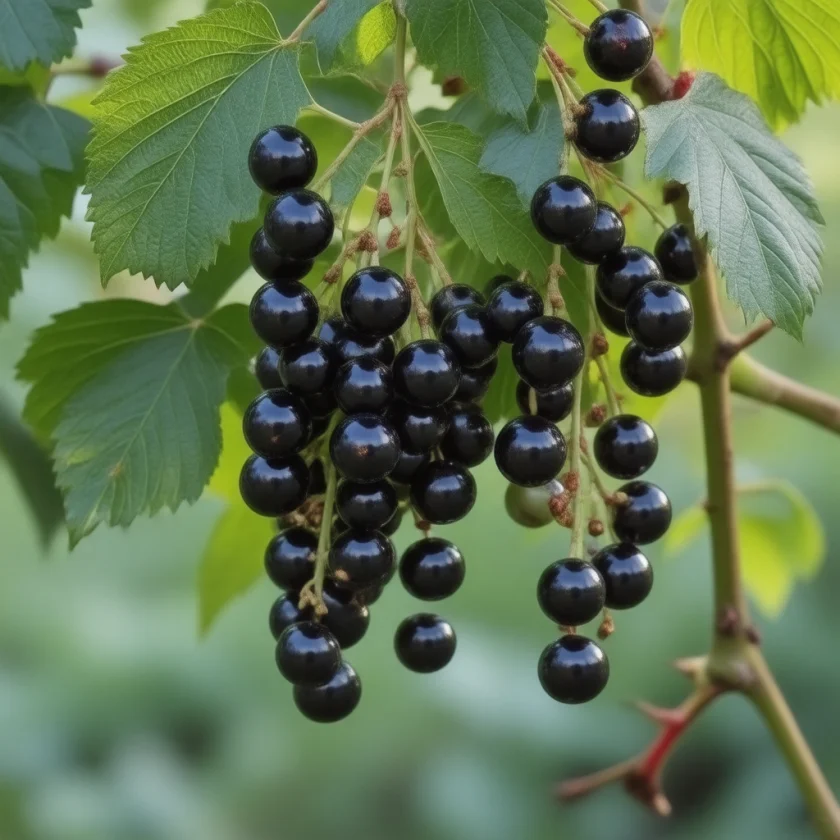
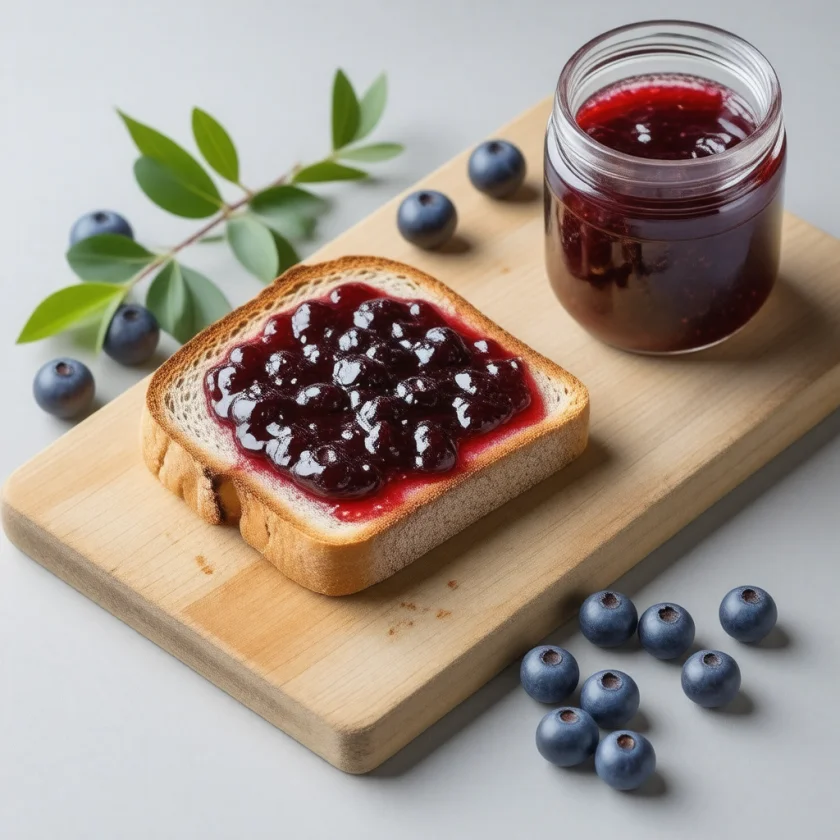
If you have heard that WWII fighter pilots ate bilberry jam to see better in the dark, you have met the single most persistent piece of anthocyanin folklore. It is a good story, and the controlled trials did not bear it out: when researchers tested bilberry against a placebo in people with normal eyesight, the most rigorous trials found no improvement in night vision. This page sets out the story, the systematic review that tested it, and what the smaller body of evidence reports elsewhere — a possible small effect on screen-related eye fatigue and focusing strain, from small and sometimes industry-linked studies, and early blackcurrant research in glaucoma.
Table of Contents
- The WWII Bilberry Night-Vision Story
- What the Controlled Trials Actually Found
- A Possible Real Effect: Screen-Related Eye Fatigue
- Dark Adaptation and Contrast Sensitivity
- Anthocyanins and Serious Eye Disease
- Bilberry, Blueberry, and Black Currant
- Why the Positive and Negative Studies Disagree
- Summary of the Evidence
- Key Research Papers
- External Resources
- Connections
- Featured Videos
The WWII Bilberry Night-Vision Story
The legend is specific and vivid: during the Second World War, Royal Air Force pilots supposedly spread bilberry jam on bread before night sorties because it sharpened their vision in the dark, helping them spot enemy bombers. The story is widely repeated in supplement marketing as if it were established history.
No wartime record of pilots systematically eating bilberry jam is cited in the research on this page, and no wartime measurement showed that it helped. A better-known relative is the "carrots improve your night vision" story. A 2026 article in The Conversation (Frauca, citing Smithsonian magazine) links the spread of the carrot idea to British wartime propaganda: the night-time successes of RAF pilots and air defences against the Luftwaffe were due to radar, and the carrot explanation was allowed to circulate to conceal it. Whether the bilberry story grew out of the carrot one is not documented.
Bilberry (Vaccinium myrtillus) is a real, anthocyanin-rich European relative of the blueberry, and the idea that its pigments could act on the eye has some laboratory basis. In a lab study using frog rod-cell membranes, two blackcurrant cyanidin glycosides stimulated the regeneration of rhodopsin, the light-sensing pigment of rod cells, while the delphinidin glycosides tested did not (Matsumoto 2003). In animal studies, blackcurrant anthocyanins given by mouth or injection reached the eye in intact form in rats and rabbits, including the retina in rabbits (Matsumoto 2006), and intact anthocyanins were found in the eyes of pigs fed blueberries (Kalt 2008). These are cell and animal findings, not human results. A plausible mechanism plus a wartime anecdote is the kind of claim that needs a controlled test in people.
What the Controlled Trials Actually Found
The central analysis is Canter and Ernst's 2004 systematic review in Survey of Ophthalmology. It found 30 trials with outcomes relevant to vision in reduced light, 12 of them placebo-controlled, and 11 of those 12 tested healthy people with normal or above-average eyesight. The 4 most recent were randomized controlled trials and all were negative; a fifth randomized trial and 7 non-randomized controlled trials reported positive effects. Negative results went with more rigorous methods, but also with lower doses and with extracts from geographically distinct sources. The authors concluded that the hypothesis that bilberry anthocyanosides improve normal night vision is not supported by rigorous clinical studies, and that there had been no rigorous research at all in people whose night vision is impaired by eye disease. They added that weaker trials, animal studies and a recent randomized trial of blackcurrant anthocyanosides may warrant further bilberry trials in people with impaired night vision.
One of the rigorous trials is Muth, Laurent, and Jasper (2000, Alternative Medicine Review): a double-blind, placebo-controlled crossover study in 15 young men with good vision, who took 160 mg of bilberry extract (25% anthocyanosides) three times daily for three weeks, with a one-month washout between periods. It found no difference between bilberry and placebo in night visual acuity or night contrast sensitivity. The authors wrote that the result casts doubt on bilberry supplementation, in the forms available and the doses recommended, as an effective way to improve night vision in this population.
In short: for night vision in healthy people, the rigorous placebo-controlled bilberry trials were negative. That review covered bilberry only; the blackcurrant evidence is smaller and is described under dark adaptation below.
A Possible Real Effect: Screen-Related Eye Fatigue
The more defensible modern claim is not about night vision but about eye fatigue and focusing strain from screens — the tired, achy, dry-feeling eyes of a long day at a computer. Here a handful of small randomized trials report modest benefits:
- Ozawa 2015 (J Nutr Health Aging). In 88 office screen workers with relatively low baseline scores on two visual tests, bilberry extract (480 mg/day) for eight weeks lessened the screen-induced drop in one objective measure (critical flicker fusion) and eased several subjective symptoms, such as ocular fatigue, ocular pain and eye heaviness, more than placebo. A second objective measure, near-point accommodation, did not differ. There were no severe adverse events in either group.
- Kosehira 2020 (Nutrients). In 109 healthy adults aged 20–60, 240 mg/day of a standardized bilberry extract for 12 weeks improved a measure of ciliary-muscle strain (the muscle that focuses the lens) after screen tasks compared with placebo. The paper's conflict-of-interest statement lists two of its three authors as company employees.
- Lee 2005 (British Journal of Nutrition). In 60 people with myopia and eye strain, a purified anthocyanoside oligomer (100 mg tablet twice daily) for four weeks improved symptoms in 22 of 30 people versus 1 on placebo, and improved contrast sensitivity.
- Kawabata 2011 (Biomedical Research). In a trial with 11 people on the supplement and 9 on placebo, a combination of fish oil, bilberry extract and lutein for four weeks improved some subjective eye-strain and mental-fatigue scores versus placebo. Because it was a combination product, the bilberry's own share of any effect cannot be separated; the first author was affiliated with a food company.
These trials are randomized and placebo-controlled, which is why they carry more weight than the night-vision anecdotes. They are also small, short, focused on subjective symptoms and surrogate measures, and in at least two cases (Kosehira 2020; Kawabata 2011) had company-employed authors. Read together, they suggest a possible small effect on screen-related eye fatigue; the evidence is far from settled.
Dark Adaptation and Contrast Sensitivity
Dark adaptation — how quickly the eyes adjust when the lights go out — is the specific function the night-vision story is really about. Nakaishi and colleagues (2000, Alternative Medicine Review) ran a double-blind, placebo-controlled crossover study of blackcurrant anthocyanosides in healthy people. At three doses (12.5, 20 and 50 mg; 12 people) the dark-adaptation threshold appeared to fall in a dose-dependent way, and the before-versus-after difference was significant only at 50 mg. In a screen-work test (50 mg; 21 people), the placebo condition showed a large refractive shift after the task and the blackcurrant condition did not, a difference of borderline significance (p = 0.064); some subjective eye-fatigue statements also improved.
This is a positive finding from one small study, alongside the negative bilberry night-vision trials; Canter and Ernst cited a blackcurrant randomized trial as one reason further trials might be warranted. On the evidence here, any effect on dark adaptation is small, seen mainly at the highest dose tested, and has not been shown to amount to seeing better in the dark.
Anthocyanins and Serious Eye Disease
What about the eye conditions that actually threaten sight — age-related macular degeneration, cataracts, glaucoma, and diabetic retinopathy?
- Macular degeneration. In the original AREDS trial (3,640 participants, average follow-up 6.3 years), a high-dose formula of vitamins C and E, beta carotene, zinc and copper reduced the odds of developing advanced macular degeneration compared with placebo (odds ratio 0.72; AREDS 2001). In AREDS2 (4,203 participants at risk of advanced disease), adding the carotenoids lutein and zeaxanthin did not further reduce progression in the primary analysis; the investigators judged lutein + zeaxanthin a possible substitute for beta carotene, which was linked to more lung cancers in former smokers (AREDS2 2013). Anthocyanins are not part of either formula, and no anthocyanin trial on this page studied macular degeneration. See Macular Degeneration.
- Glaucoma. In a two-year randomized, placebo-controlled, double-masked trial in 38 people with open-angle glaucoma already using eye drops, 50 mg/day of blackcurrant anthocyanins was followed by less visual-field deterioration than placebo at 24 months (p = 0.039) and by increased ocular blood flow, with no change in eye pressure in that analysis (Ohguro 2012). This is one small trial from a single research group; it is early-stage research. See Glaucoma.
- Cataracts and diabetic retinopathy. Anthocyanins are studied mechanistically, largely in cell and animal models, for the oxidative and vascular processes involved; no human trial on this page tested them for preventing or treating these conditions. See Cataracts and Diabetic Retinopathy.
In summary, the evidence here does not support anthocyanins as a treatment for serious eye disease, and the blackcurrant glaucoma result is small and preliminary. Decisions about the care of eye disease belong with an eye specialist.
Bilberry, Blueberry, and Black Currant
The vision folklore attaches specifically to bilberry, the small, intensely dark European Vaccinium, because it is rich in anthocyanins and its wartime legend is famous. Its North American relative the blueberry belongs to the same genus and shares the same pigment family. Black currant is another rich source and is the berry used in the dark-adaptation and glaucoma studies above.
On the evidence here, no berry stands out: the bilberry night-vision trials were negative, and the eye-fatigue, dark-adaptation and glaucoma studies span bilberry and blackcurrant extracts without a clear winner. The berries' other studied effects are covered on the heart and brain pages, and standardized bilberry extracts on the Bilberry page.
Why the Positive and Negative Studies Disagree
Anthocyanin-and-vision research is a useful case study in reading nutrition evidence, because it contains both clearly positive and clearly negative trials. The disagreements are not random; they track study quality and design:
- Rigor of design. In Canter and Ernst's review, the 4 most recent randomized night-vision trials were all negative, while the positive results came from a fifth randomized trial and 7 non-randomized controlled trials. The reviewers linked negative outcomes with more rigorous methods, but also with lower doses and extracts from different regions.
- Outcome measured. "Night vision" (which failed) is different from "subjective eye fatigue after screen work" (which showed modest benefit). Lumping them together produces false clarity in either direction.
- Population. Canter and Ernst noted that 11 of the 12 placebo-controlled night-vision trials tested healthy people with normal or above-average eyesight, and that no rigorous trial had tested people with night vision impaired by eye disease. The positive screen-fatigue trials enrolled people with eye strain, myopia, or lower baseline scores.
- Funding. At least two of the positive trials cited here had company-employed authors (Kosehira 2020; Kawabata 2011). That does not by itself invalidate them; independent replication is what would strengthen them.
Canter and Ernst concluded that rigorous studies do not support bilberry for normal night vision. Broader reviews are more favorable in tone: Khoo (2017) lists improved visual health among the effects reported across cell, animal and human studies, and Kalt (2020) reviews blueberry anthocyanins' vascular and anti-inflammatory effects across many conditions. The eye-specific human data remain small.
Summary of the Evidence
- Night vision. The rigorous placebo-controlled bilberry trials found no effect on night vision in healthy people (Canter 2004). That review covered bilberry only; one small blackcurrant study reported a dose-dependent change in dark adaptation (Nakaishi 2000). The WWII bilberry-jam story has no documented wartime source.
- Screen fatigue. Small randomized trials report modest effects of bilberry and other anthocyanin extracts on screen-related eye tiredness and focusing strain; the studies are small and short, and some had company-employed authors.
- Eye disease. For macular degeneration, the trial-tested supplements are the AREDS and AREDS2 vitamin-and-mineral formulas, which contain no anthocyanins. A two-year blackcurrant trial in 38 people with glaucoma reported slower visual-field loss; it is small and from one research group. No human trial here tested anthocyanins for cataracts or diabetic retinopathy.
- Berries as food. Anthocyanin-rich berries are studied for cardiovascular and other effects covered on the sibling pages; better night vision is not among the effects the trials support.
Key Research Papers
- Canter PH, Ernst E (2004). Anthocyanosides of Vaccinium myrtillus (bilberry) for night vision — a systematic review of placebo-controlled trials. Survey of Ophthalmology — PubMed PMID: 14711439
- Muth ER, Laurent JM, Jasper P (2000). The effect of bilberry nutritional supplementation on night visual acuity and contrast sensitivity. Alternative Medicine Review — PubMed PMID: 10767671
- Nakaishi H, et al. (2000). Effects of black currant anthocyanoside intake on dark adaptation and VDT work-induced transient refractive alteration in healthy humans. Alternative Medicine Review — PubMed PMID: 11134978
- Lee J, et al. (2005). Purified high-dose anthocyanoside oligomer administration improves nocturnal vision and clinical symptoms in myopia subjects. British Journal of Nutrition — PubMed PMID: 16022759
- Ozawa Y, et al. (2015). Bilberry extract supplementation for preventing eye fatigue in video display terminal workers. Journal of Nutrition, Health & Aging — PubMed PMID: 25923485
- Kosehira M, et al. (2020). A 12-week bilberry extract intake improved ciliary muscle contraction of the eye: a randomized, double-blind, placebo-controlled study. Nutrients — PubMed PMID: 32106548
- Kawabata F, et al. (2011). Effects of a supplement combining fish oil, bilberry extract, and lutein on subjective symptoms of asthenopia. Biomedical Research — PubMed PMID: 22199129
- Kalt W, et al. (2020). Recent research on the health benefits of blueberries and their anthocyanins. Advances in Nutrition — PubMed PMID: 31329250
- Khoo HE, et al. (2017). Anthocyanidins and anthocyanins: colored pigments as food, pharmaceutical ingredients, and the potential health benefits. Food & Nutrition Research — PubMed PMID: 28970777
- Age-Related Eye Disease Study Research Group (2001). A randomized, placebo-controlled, clinical trial of high-dose supplementation with vitamins C and E, beta carotene, and zinc for age-related macular degeneration and vision loss: AREDS report no. 8. Archives of Ophthalmology — PubMed PMID: 11594942
- Age-Related Eye Disease Study 2 Research Group (2013). Lutein + zeaxanthin and omega-3 fatty acids for age-related macular degeneration: the AREDS2 randomized clinical trial. JAMA — PubMed PMID: 23644932
- Ohguro H, Ohguro I, Katai M, Tanaka S (2012). Two-year randomized, placebo-controlled study of black currant anthocyanins on visual field in glaucoma. Ophthalmologica — PubMed PMID: 22377796
- Matsumoto H, Nakamura Y, Tachibanaki S, Kawamura S, Hirayama M (2003). Stimulatory effect of cyanidin 3-glycosides on the regeneration of rhodopsin. Journal of Agricultural and Food Chemistry — PubMed PMID: 12769524
- Matsumoto H, Nakamura Y, Iida H, Ito K, Ohguro H (2006). Comparative assessment of distribution of blackcurrant anthocyanins in rabbit and rat ocular tissues. Experimental Eye Research — PubMed PMID: 16635490
- Kalt W, Blumberg JB, McDonald JE, et al. (2008). Identification of anthocyanins in the liver, eye, and brain of blueberry-fed pigs. Journal of Agricultural and Food Chemistry — PubMed PMID: 18211026
PubMed Topic Searches
External Resources
- National Eye Institute — AREDS/AREDS2 Studies (the trials of a vitamin-and-mineral formula for macular degeneration)
- Linus Pauling Institute — Flavonoids
- The Conversation (2026) — Do carrots really improve your night vision? (on the wartime carrot story)
- American Academy of Ophthalmology — Eye Health
- PubMed — Anthocyanins and vision reviews