The Beta-Carotene Supplement Paradox
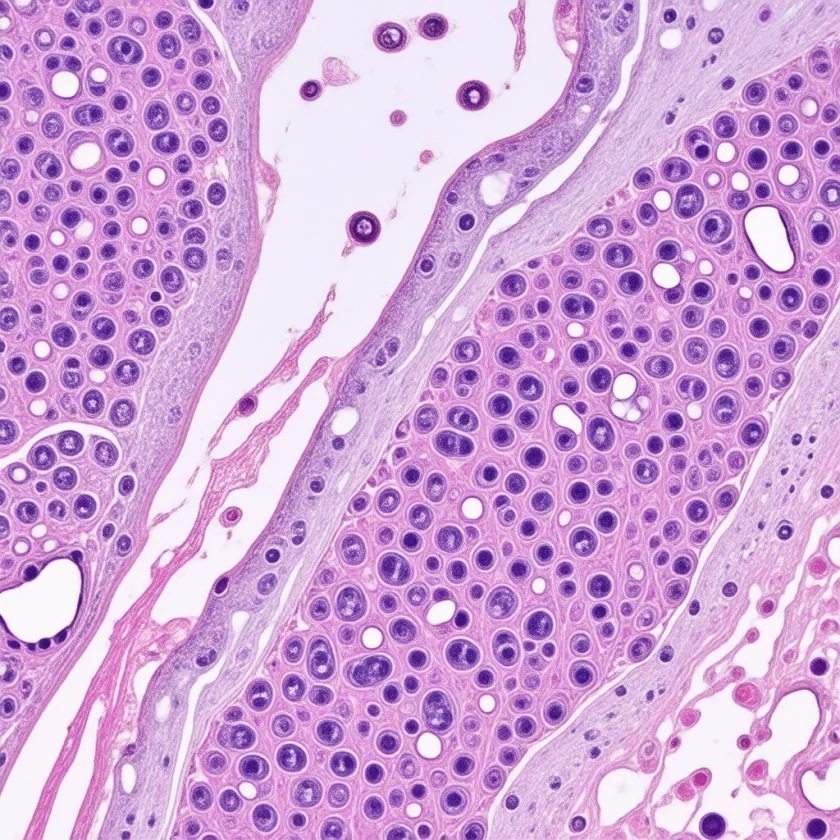
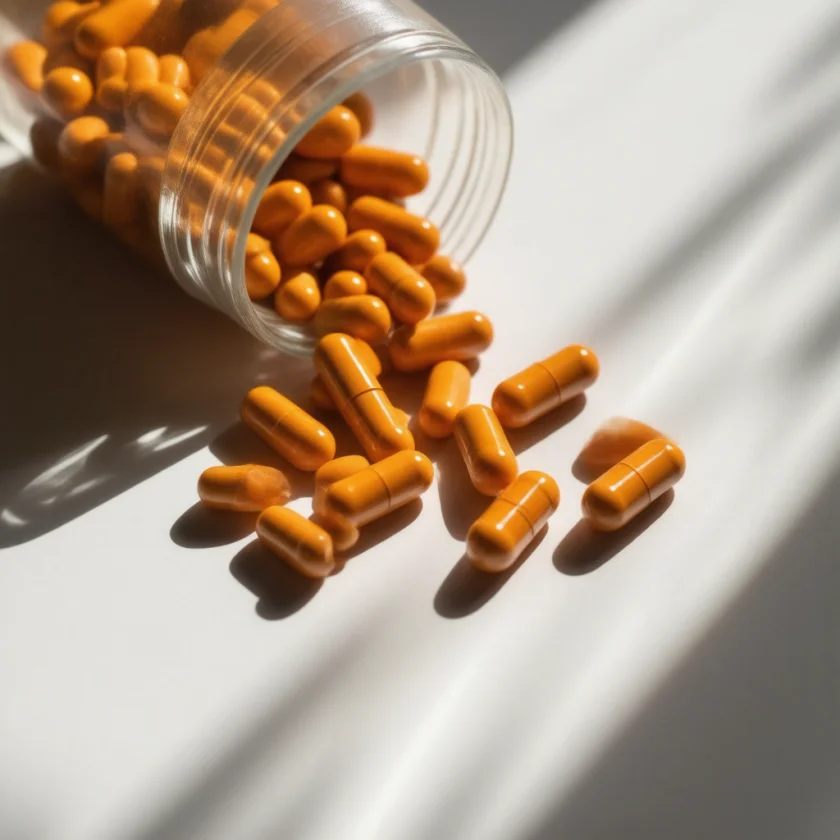
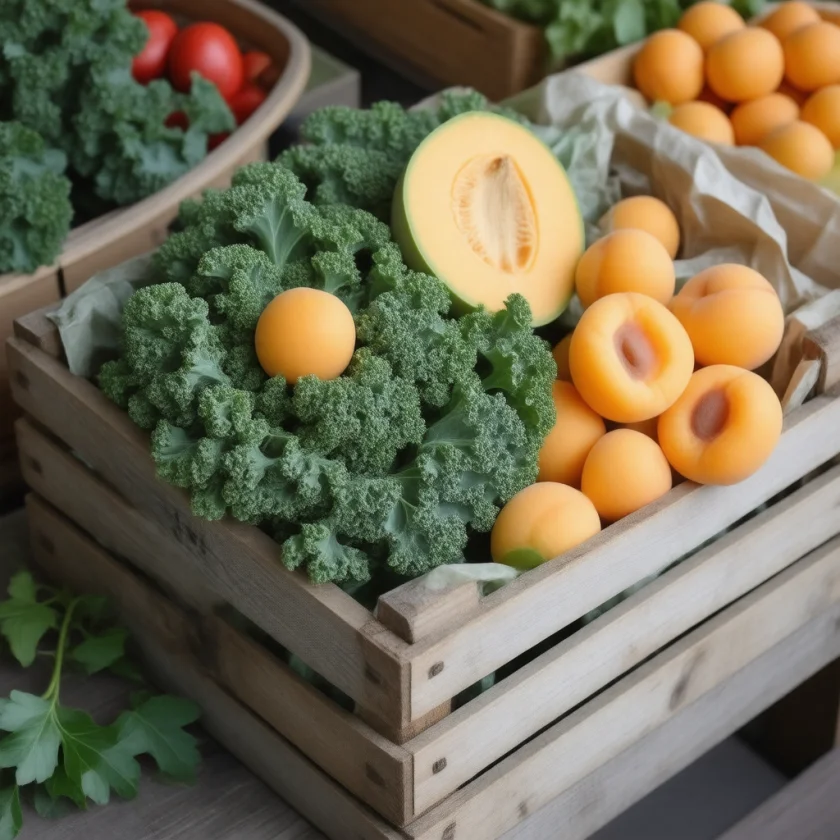
This is the most important honest lesson in the whole beta-carotene story. For decades, beta-carotene from fruits and vegetables was associated with lower cancer risk, so researchers ran large trials giving high-dose beta-carotene pills to prevent cancer. The result stunned the field: in smokers and asbestos-exposed workers, high-dose beta-carotene supplements increased lung cancer and death. Two landmark trials, ATBC and CARET, both showed harm. The resolution of the paradox is precise and matters: dietary beta-carotene from food is beneficial or neutral, while isolated high-dose supplements are harmful in high-risk groups. This page explains exactly what happened and why.
Table of Contents
- The Paradox in One Paragraph
- The ATBC Trial (1994)
- The CARET Trial (1996)
- The Physicians’ Health Study (1996)
- How an Antioxidant Can Increase Cancer Risk
- It Is the Dose and the Population
- Food Beta-Carotene Tells the Opposite Story
- What the Meta-Analyses Concluded
- Who the Research Raises Concerns For
- The Honest Takeaway
- Key Research Papers
- PubMed Topic Searches
- External Resources
- Connections
- Featured Videos
The Paradox in One Paragraph
Observational studies consistently found that people who ate more beta-carotene-rich fruits and vegetables, and who had higher blood beta-carotene levels, had lower rates of lung cancer and other cancers. The logical next step was to test whether giving beta-carotene as a supplement could prevent cancer. It could not — and worse, in the highest-risk people, it did the opposite. The lesson is a cornerstone of modern nutrition science: a nutrient measured in food is not the same as that nutrient delivered as a high-dose isolated pill. The healthful signal from carotenoid-rich diets could not be bottled.
The ATBC Trial (1994)
The Alpha-Tocopherol, Beta-Carotene Cancer Prevention Study (ATBC) enrolled about 29,000 male smokers in Finland and randomly assigned them to beta-carotene (20 mg/day), vitamin E, both, or placebo. The expectation was fewer lung cancers. Instead, the men receiving beta-carotene had an 18% higher incidence of lung cancer and higher overall mortality than those who did not. This was the first major signal that high-dose beta-carotene supplements were not merely ineffective but actively harmful in smokers. A 1996 analysis of the ATBC data by baseline characteristics found that the beta-carotene effect “appeared stronger, but not substantially different,” in men who smoked at least 20 cigarettes a day (relative risk 1.25) and in those with an alcohol intake of 11 g of ethanol a day or more — “just under one drink per day” (relative risk 1.35).
After the pills stopped, a post-trial follow-up of 25,563 of the men found an overall relative risk for lung cancer of 1.06 (95% confidence interval 0.94 to 1.20) among beta-carotene recipients compared with nonrecipients, and a relative risk of death of 1.07 (95% confidence interval 1.02 to 1.12). The excess risk for beta-carotene recipients was no longer evident 4 to 6 years after the intervention ended, and was primarily due to cardiovascular diseases.
The CARET Trial (1996)
The Beta-Carotene and Retinol Efficacy Trial (CARET) in the United States enrolled about 18,000 people at high risk of lung cancer — current and former heavy smokers and workers with asbestos exposure — and gave them a daily combination of beta-carotene (30 mg/day) plus 25,000 IU of retinol (pre-formed vitamin A, as retinyl palmitate), or placebo. The trial was stopped early — 21 months earlier than planned — because the supplement group showed a 28% higher incidence of lung cancer and higher total mortality: a relative risk of lung cancer of 1.28 (95% confidence interval 1.04 to 1.57), of death from any cause 1.17, and of death from lung cancer 1.46. A 1996 analysis of the trial found that every subgroup except former smokers had a point estimate of relative risk of 1.10 or greater for lung cancer, with suggestions of an association between the excess lung cancer and the highest quarter of alcohol intake (relative risk 1.99). CARET independently confirmed the ATBC finding in a different population with a different formulation. A six-year follow-up after the supplements were stopped found the excess lung-cancer risk persisted, though it was no longer statistically significant (relative risk 1.12, 95% confidence interval 0.97 to 1.31); planned subgroup analyses suggested the excess lung-cancer risk was restricted primarily to women, and the excess deaths from cardiovascular disease primarily to women and former smokers.
The Physicians’ Health Study (1996)
The contrast case is instructive. The Physicians’ Health Study gave beta-carotene (50 mg every other day) to about 22,000 US male physicians, only 11 percent of whom were current smokers (39 percent were former smokers). Over 12 years, beta-carotene produced no benefit and no harm for cancer or cardiovascular disease; among current and former smokers, there were also no significant early or late differences. The key difference from ATBC and CARET was the population: without the intense oxidative stress of heavy smoking or asbestos, high-dose beta-carotene was simply inert. This trio of trials together pins the harm to the combination of high-dose isolated beta-carotene and a lung under heavy carcinogenic and oxidative assault.
How an Antioxidant Can Increase Cancer Risk
Several mechanisms, not mutually exclusive, have been proposed and are biologically plausible:
- Pro-oxidant switch at high concentration and high oxygen tension. Beta-carotene is an antioxidant under ordinary conditions, but the lung has unusually high oxygen tension, and a smoker’s lung is saturated with oxidizing free radicals from tobacco smoke. At the high tissue concentrations produced by supplements, beta-carotene can be driven to behave as a pro-oxidant, generating rather than quenching reactive species.
- Harmful breakdown products. In that oxidizing environment, beta-carotene is cleaved not cleanly down the middle but eccentrically, producing reactive apo-carotenal fragments that can damage DNA, interfere with retinoic acid signaling, and induce cytochrome P450 enzymes that activate tobacco carcinogens.
- Disruption of normal retinoid signaling. Some evidence suggests these oxidation products lower retinoic acid levels in lung tissue, impairing the normal genetic controls on cell differentiation — potentially promoting the abnormal growth that supplements were meant to prevent.
These mechanisms are specific to the high-dose, high-oxidative-stress scenario. They do not operate at the modest carotenoid levels achieved from eating vegetables.
It Is the Dose and the Population
The numbers make the point. A typical carotenoid-rich diet might supply on the order of 2–5 mg of beta-carotene per day. The trials used 20, 30, even 50 mg per day of isolated beta-carotene — roughly 5 to 25 times a generous dietary intake, delivered without the hundreds of other compounds that accompany carotenoids in whole food. And the harm appeared specifically in people whose lungs were already under sustained carcinogenic stress: current and former heavy smokers and asbestos-exposed workers.
Neither of those conditions applies to eating carrots, sweet potatoes, and spinach. This is why every credible body distinguishes sharply between food beta-carotene and high-dose supplemental beta-carotene — they are, functionally, different exposures.
Food Beta-Carotene Tells the Opposite Story
The observational evidence that launched the trials has not been overturned: diets rich in beta-carotene-containing fruits and vegetables remain associated with lower risk of several cancers and better overall health. Prospective cohort studies of dietary carotenoid and vitamin A intake continue to find neutral-to-favorable associations, in stark contrast to the supplement trials. One example: in a Swedish cohort of 82,002 adults aged 45–83, followed for a mean of 7.2 years, the highest versus lowest quarter of dietary beta-carotene intake had a relative risk of stomach cancer of 0.55 (95% confidence interval 0.32 to 0.94; P for trend 0.07). The reconciliation is that the benefit tracks the whole food and whole diet — fiber, folate, vitamin C, other carotenoids, and thousands of phytochemicals — not an isolated megadose of one molecule.
In short: the evidence favors beta-carotene from orange and green vegetables. The paradox is a warning about pills, not about produce.
What the Meta-Analyses Concluded
Later systematic reviews cemented the conclusion. A 2010 meta-analysis of 9 randomized trials of beta-carotene supplementation found no effect on all cancers combined (relative risk 1.01; 95% confidence interval 0.98 to 1.04), but significant increases in lung and stomach cancer in smokers and asbestos workers given 20–30 mg a day (relative risks 1.20 and 1.54). Broader meta-analyses of antioxidant supplement trials found that beta-carotene, alone or combined with vitamin A or vitamin E, was associated with increased all-cause mortality — a sobering finding echoed by separate work showing high-dose vitamin E may also increase mortality. The pattern is consistent: high-dose isolated antioxidant supplements have repeatedly failed to deliver the benefits of antioxidant-rich diets, and several have shown harm.
In 2022 the US Preventive Services Task Force concluded “with moderate certainty that the harms of beta carotene supplementation outweigh the benefits for the prevention of cardiovascular disease or cancer,” and it “recommends against the use of beta carotene or vitamin E supplements for the prevention of cardiovascular disease or cancer” (a grade D recommendation, for community-dwelling, nonpregnant adults).
Who the Research Raises Concerns For
- Current smokers — the clearest, strongest contraindication.
- Former smokers — CARET’s six-year follow-up found the excess deaths from cardiovascular disease mainly in women and former smokers (in CARET’s main analysis, former smokers were the one subgroup without a raised lung-cancer estimate).
- People with significant asbestos exposure or other occupational lung carcinogen exposure.
- Anyone tempted by high-dose “antioxidant” megadoses for cancer prevention — the evidence says this does not work and can backfire.
For these groups, the message is not “avoid carrots”: food beta-carotene is safe. It is specifically the isolated high-dose supplement that carries risk. Modern eye-health formulas were reformulated for exactly this reason (see the AREDS2 story on the Eye Health page).
The Honest Takeaway
Beta-carotene is a valuable nutrient — a safe vitamin A precursor and a real antioxidant — when it comes from food. The supplement trials are one of the most important cautionary tales in nutrition: they proved that isolating a beneficial dietary compound and delivering it in a high dose can produce effects opposite to those seen with the whole food, especially in vulnerable people. The evidence favors beta-carotene from vegetables and shows harm from high-dose pills in smokers and asbestos-exposed workers. That single sentence captures decades of hard-won evidence.
Key Research Papers
- The Alpha-Tocopherol, Beta Carotene Cancer Prevention Study Group (1994). The effect of vitamin E and beta carotene on the incidence of lung cancer and other cancers in male smokers. New England Journal of Medicine — PubMed PMID: 8127329
- Omenn GS, Goodman GE, Thornquist MD, et al. (1996). Effects of a combination of beta carotene and vitamin A on lung cancer and cardiovascular disease. New England Journal of Medicine — PubMed PMID: 8602180
- Omenn GS, Goodman GE, Thornquist MD, et al. (1996). Risk factors for lung cancer and for intervention effects in CARET, the Beta-Carotene and Retinol Efficacy Trial. Journal of the National Cancer Institute — PubMed PMID: 8901853
- Hennekens CH, Buring JE, Manson JE, et al. (1996). Lack of effect of long-term supplementation with beta carotene on the incidence of malignant neoplasms and cardiovascular disease. New England Journal of Medicine — PubMed PMID: 8602179
- Albanes D, Heinonen OP, Taylor PR, et al. (1996). Alpha-tocopherol and beta-carotene supplements and lung cancer incidence in the Alpha-Tocopherol, Beta-Carotene Cancer Prevention Study. Journal of the National Cancer Institute — PubMed PMID: 8901854
- Goodman GE, Thornquist MD, Balmes J, et al. (2004). The Beta-Carotene and Retinol Efficacy Trial (CARET): incidence of lung cancer and cardiovascular disease mortality during 6-year follow-up after stopping beta-carotene and retinol supplements. Journal of the National Cancer Institute — PubMed PMID: 15572756
- Druesne-Pecollo N, Latino-Martel P, Norat T, et al. (2010). Beta-carotene supplementation and cancer risk: a systematic review and meta-analysis of randomized controlled trials. International Journal of Cancer — PubMed PMID: 19876916
- Bjelakovic G, Nikolova D, Gluud LL, Simonetti RG, Gluud C (2007). Mortality in randomized trials of antioxidant supplements for primary and secondary prevention: systematic review and meta-analysis. JAMA — PubMed PMID: 17327526
- Miller ER 3rd, Pastor-Barriuso R, Dalal D, et al. (2005). Meta-analysis: high-dosage vitamin E supplementation may increase all-cause mortality. Annals of Internal Medicine — PubMed PMID: 15537682
- Larsson SC, Bergkvist L, Näslund I, Rutegård J, Wolk A (2007). Vitamin A, retinol, and carotenoids and the risk of gastric cancer: a prospective cohort study. American Journal of Clinical Nutrition — PubMed PMID: 17284749
- Virtamo J, Pietinen P, Huttunen JK, et al.; ATBC Study Group (2003). Incidence of cancer and mortality following alpha-tocopherol and beta-carotene supplementation: a postintervention follow-up. JAMA — PubMed PMID: 12876090
- US Preventive Services Task Force; Mangione CM, Barry MJ, Nicholson WK, et al. (2022). Vitamin, Mineral, and Multivitamin Supplementation to Prevent Cardiovascular Disease and Cancer: US Preventive Services Task Force Recommendation Statement. JAMA — PubMed PMID: 35727271
- Mayne ST (1996). Beta-carotene, carotenoids, and disease prevention in humans. FASEB Journal — PubMed PMID: 8635686
PubMed Topic Searches
External Resources
- U.S. National Institutes of Health (NIH) Office of Dietary Supplements — Vitamin A & Carotenoids (Health Professional Fact Sheet)
- Linus Pauling Institute — Carotenoids
- Linus Pauling Institute — Vitamin A
- National Cancer Institute — Antioxidants and Cancer Prevention
- U.S. Department of Agriculture (USDA) FoodData Central — carotenoid content of foods
- PubMed — all research on beta-carotene