French Maritime Pine Bark for Blood Pressure and Heart Health

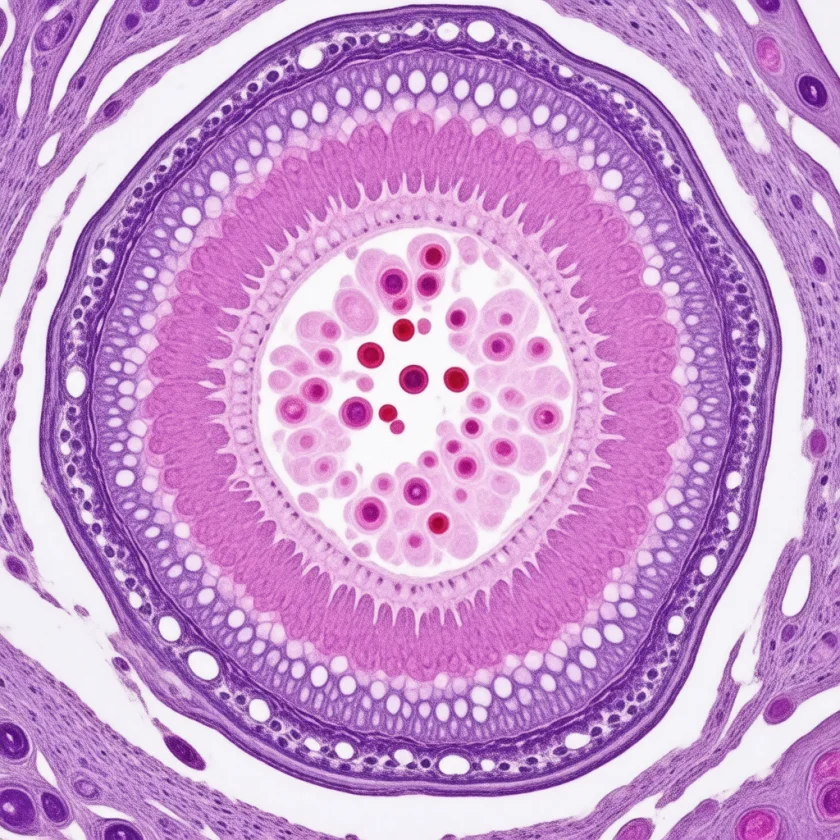

The cardiovascular claim best supported by the evidence is not “pine bark extract lowers blood pressure” but the more specific “pine bark extract improves the function of the artery lining.” The extract appears to boost nitric oxide, the molecule blood vessels use to relax, which improves endothelial function — and this was shown in an independent, well-designed Swiss trial in people with coronary artery disease, not only in manufacturer-linked studies. Blood pressure itself moves only modestly, if at all (a few mmHg in some meta-analyses, no significant change in another), and there are supporting signals for platelets, cholesterol, and cardiovascular risk factors in diabetes. This page separates the well-supported endothelial story from the more modest blood-pressure story, and keeps the honest caveats front and center.
Table of Contents
- The Endothelium: The Core of the Story
- Endothelial Function Trials
- Coronary Artery Disease: The Independent Trial
- Blood Pressure: What the Meta-Analyses Show
- Platelets and the Smoker Studies
- Cholesterol, Blood Sugar, and Diabetes
- Erectile Function: Endothelium Below the Belt
- Practical Use and Expectations
- Cautions and the Evidence Caveat
- Key Research Papers
- External Resources
- Connections
- Featured Videos
The Endothelium: The Core of the Story
The endothelium is the single layer of cells lining every blood vessel. Far from being passive plumbing, it is an active organ: it releases nitric oxide, a gas that signals the vessel wall to relax and widen, keeps blood flowing smoothly, discourages clots, and calms inflammation. When the endothelium works poorly — a state called endothelial dysfunction — vessels stay too constricted, blood pressure rises, and the earliest steps of atherosclerosis begin. Endothelial dysfunction is one of the earliest measurable warning signs of cardiovascular disease, often present years before a heart attack.
The standardized extract's central cardiovascular mechanism is that its procyanidins stimulate endothelial nitric oxide synthase (eNOS), the enzyme that makes nitric oxide, so the endothelium produces more of it. Fitzpatrick and colleagues (1998) showed this endothelium-dependent, nitric-oxide-mediated relaxation of blood vessels in the laboratory. Because so many cardiovascular outcomes trace back to endothelial health, an agent that improves it could, in principle, help blood pressure, arterial flow, and clotting all at once — the same “one mechanism, many effects” theme seen across the extract's uses.
Endothelial Function Trials
Several human studies have looked at endothelial function, most directly with flow-mediated dilation (FMD) — an ultrasound test of how much an artery widens when blood flow surges, a standard proxy for nitric-oxide availability — and some only through blood markers:
- Liu and colleagues (2004) reported that French maritime pine bark extract improved endothelial function in hypertensive patients. This double-blind, placebo-controlled trial of 58 patients (100 mg a day for 12 weeks) did not measure flow-mediated dilation: it found that the extract group needed a significantly lower dose of the blood-pressure drug nifedipine, that endothelin-1 (a vessel-narrowing signal) fell and 6-keto prostaglandin F1a rose compared with placebo, while plasma nitric oxide rose in both groups with no significant difference between them.
- Nishioka and colleagues (2007) reported that the extract augmented endothelium-dependent vasodilation in humans, tying the clinical effect to nitric oxide.
- Hu and colleagues (2015) found improved endothelial function in people with borderline hypertension, hyperlipidemia, and hyperglycemia. This was an open registry study of 93 people, not a randomized trial; half of each group took 150 mg a day alongside standard management.
The direction is consistent: across different populations, pine bark extract tends to improve this measure of arterial health. That consistency, and the fact that the effect is mechanistically expected, make endothelial function the most credible cardiovascular benefit — especially once an independent trial is added to the picture.
Coronary Artery Disease: The Independent Trial
Most research on this extract comes from a small circle of investigators, often with manufacturer involvement, so an independent trial carries extra weight. Enseleit and colleagues (2012), based at a Swiss university hospital, ran a double-blind, randomized, placebo-controlled, cross-over study in patients with stable coronary artery disease and published it in the European Heart Journal. The extract significantly improved flow-mediated dilation — i.e., endothelial function — compared with placebo.
The trial was small: 23 patients, all staying on their standard heart medicines, took 200 mg of the extract a day for 8 weeks and a placebo for 8 weeks, in random order with a 2-week break between. With the extract, the artery-widening score (flow-mediated dilation) rose from 5.3 to 7.0 on average, while no change was seen with placebo, and a marker of oxidative stress (15-F2t-isoprostane) fell. Inflammation markers, platelet adhesion and blood pressure (measured over 24 hours) did not change with either the extract or placebo — which fits this page's point that the clearest effect is on the artery lining rather than on blood pressure.
This is arguably the highest-quality piece of cardiovascular evidence for the extract: an independent group, a rigorous design, a hard physiological endpoint, and a respected journal. It is important to read it precisely, though. It demonstrated that the extract improves the function of the artery lining in people who already have coronary disease. It did not show that the extract prevents heart attacks, reduces deaths, or replaces any cardiac medication — those questions were not what the trial tested, and no study has answered them. Improved endothelial function is a promising surrogate marker, not a proven outcome.
Blood Pressure: What the Meta-Analyses Show
Because better endothelial function should relax arteries, several trials looked at blood pressure, and two systematic reviews pooled them. The reviews reached different conclusions. Pourmasoumi and colleagues (2020) pooled 12 clinical trials (922 participants) and found that the extract lowered systolic blood pressure by 3.22 mmHg and diastolic blood pressure by 1.91 mmHg on average. Fogacci and colleagues (2020) pooled only randomized, double-blind, placebo-controlled trials — 7 trials with 626 participants — and found no significant change in systolic or diastolic blood pressure, mean arterial pressure or pulse pressure.
A larger 2025 meta-analysis by Mohammadi and colleagues pooled 27 randomized controlled trials (1,685 participants). It found that pine bark extract lowered systolic blood pressure by 2.26 mmHg and diastolic blood pressure by 2.62 mmHg, and also lowered fasting blood sugar (by 6.25 mg/dL), HbA1c (by 0.32 percentage points), low-density lipoprotein (LDL) cholesterol (by 5.07 mg/dL) and body weight (by 1.37 kg). It found no significant change in high-density lipoprotein (HDL) cholesterol, triglycerides, total cholesterol or insulin, and its authors wrote that larger, longer, high-quality trials are still needed.
The summary from these reviews: where pine bark extract lowered blood pressure, the effect was small — a few mmHg — and the review limited to double-blind, placebo-controlled trials found no significant effect at all. A drop of a couple of mmHg is not nothing at a population level, but it is far weaker than antihypertensive medication, and the meta-analyses do not show an effect large enough to control diagnosed hypertension. The pooled data point, at most, to a marginal role alongside lifestyle change in people with borderline readings; for people already taking blood-pressure drugs, the relevant finding is a possible additive effect on readings.
Platelets and the Smoker Studies
Platelets are the blood cells that clump to form clots; overactive platelets contribute to heart attacks and strokes. Pütter and colleagues (1999) studied smokers, whose platelets are abnormally sticky (22 German heavy smokers and two groups of 16 and 19 American smokers), and found that the extract reduced smoking-induced platelet aggregation. Notably, in that study a single dose of the extract (100–125 mg) was comparable to 500 mg of aspirin for this specific measure, and unlike aspirin it did not prolong bleeding time (aspirin raised it from 167 to 236 seconds).
This antiplatelet signal is a double-edged sword. On one hand it fits the cardiovascular-protective theme and may partly explain the flight-thrombosis findings on the Circulation & Veins page. On the other hand, it is precisely why the research raises a concern about combining the extract with blood thinners and about use before surgery — a mild antiplatelet effect can stack on top of aspirin, clopidogrel, or an anticoagulant.
Cholesterol, Blood Sugar, and Diabetes
Cardiovascular risk is more than blood pressure, and the extract has been tested on several other risk factors, especially in type 2 diabetes:
- Lipids. Devaraj and colleagues (2002) gave 150 mg a day for 6 weeks to 25 healthy people and reported that a polyphenol-rich pine bark extract raised plasma antioxidant capacity and improved the lipoprotein profile — lowering low-density lipoprotein (LDL) (“bad”) cholesterol and raising high-density lipoprotein (HDL) (“good”) cholesterol in two-thirds of the participants.
- Cardiovascular risk factors in diabetes. Zibadi and colleagues (2008) found that pine bark extract supplementation reduced several cardiovascular risk factors in people with type 2 diabetes. Their randomized, double-blind trial of 48 people with type 2 diabetes and mild to moderate high blood pressure, all taking angiotensin-converting enzyme (ACE) inhibitors, tested whether 125 mg a day for 12 weeks could reduce their blood-pressure medicine use: 58.3% of the extract group kept their blood pressure controlled on half their earlier ACE-inhibitor dose, and fasting glucose, HbA1c and LDL cholesterol fell.
- Blood sugar. Liu and colleagues (2004) reported an antidiabetic effect — lower plasma glucose — in patients with type 2 diabetes. In their double-blind, randomized, multi-center trial, 77 people who kept taking their usual diabetes treatment took 100 mg a day or placebo for 12 weeks; HbA1c also fell, but the difference from placebo was significant only for the first month. The effect plausibly works through the same microvascular and antioxidant mechanisms, and consistent with the retinal-microcirculation benefits in early diabetic retinopathy.
These are supportive signals, mostly from small studies. They suggest the extract touches several cardiovascular risk factors gently rather than powerfully — an adjunct picture, not a replacement for statins, blood-pressure medication, or diabetes therapy.
Erectile Function: Endothelium Below the Belt
Erections are a nitric-oxide and endothelial event, so it is logical that the extract has been studied there too, usually combined with the amino acid L-arginine (a nitric-oxide precursor) in a combination product. Stanislavov and colleagues (2008) reported improved erectile function with this combination in a randomized, placebo-controlled cross-over trial. Because the studied product pairs the pine bark extract with arginine, the benefit cannot be attributed to the extract alone, and this remains a modest, industry-linked evidence base — but it is a neat illustration that the through-line of pine bark extract's cardiovascular story is endothelial nitric oxide. For the condition itself, see Erectile Dysfunction.
Practical Use and Expectations
Most cardiovascular trials used a single standardized French maritime pine bark extract; results may not transfer to other pine bark products. Doses were generally roughly 100–200 mg per day (sometimes divided), for several weeks to a few months. As with the other uses, effects built gradually and were typically assessed over 8–12 weeks.
The benefit reported in these trials is modest support of vascular health: somewhat better endothelial function, a small blood-pressure nudge, gentle effects on lipids and platelets. Pine bark extract is not an established treatment for diagnosed hypertension, high cholesterol, coronary disease, or diabetes, and no study has shown it can replace prescribed cardiovascular medication. In these conditions the evidence supports, at most, a possible add-on role; decisions about medicines and supplements belong with a clinician.
Cautions and the Evidence Caveat
- Interactions with cardiovascular drugs. Because pine bark extract can lower blood pressure and reduce platelet stickiness, it may add to the effect of antihypertensives, anticoagulants, and antiplatelet drugs. The signs this raises are lower blood-pressure readings and easy bruising or bleeding.
- Surgery. Because of the antiplatelet effect, the research raises a concern about use in the week or two before any procedure.
- Surrogate markers, not outcomes. Improved endothelial function and small blood-pressure changes are promising signs, not proof of fewer heart attacks or longer life. No trial has shown pine bark extract reduces cardiovascular events.
- Evidence quality. The 2020 Cochrane review (27 randomized trials, 1,641 participants, across 10 chronic conditions) judged the overall evidence low quality: it rated the risk of bias low for 4 trials, high for 1 and unclear for 22, graded the evidence for the outcomes it reported as very low certainty, and concluded that no definitive conclusions on efficacy or safety are possible; the Enseleit (2012) coronary trial is the standout independent exception. The independent, blinded studies carry the most weight.
- Diagnosed disease. Diabetes, hypertension, and coronary disease are managed medically; the evidence supports, at most, an adjunct role for the extract.
Key Research Papers
- Enseleit F, Sudano I, Périat D, Winnik S, Wolfrum M, Flammer AJ, et al. (2012). Effects of Pycnogenol on endothelial function in patients with stable coronary artery disease: a double-blind, randomized, placebo-controlled, cross-over study. European Heart Journal 33(13):1589–1597 — PubMed PMID: 22240497
- Liu X et al. (2004). Pycnogenol, French maritime pine bark extract, improves endothelial function of hypertensive patients. Life Sciences — PubMed PMID: 14659974
- Nishioka K et al. (2007). Pycnogenol, French maritime pine bark extract, augments endothelium-dependent vasodilation in humans. Hypertension Research — PubMed PMID: 18037769
- Hu S et al. (2015). Effects of Pycnogenol on endothelial dysfunction in borderline hypertensive, hyperlipidemic, and hyperglycemic individuals: the borderline study. International Angiology — PubMed PMID: 25391252
- Fitzpatrick DF, Bing B, Rohdewald P (1998). Endothelium-dependent vascular effects of Pycnogenol. Journal of Cardiovascular Pharmacology — PubMed PMID: 9781917
- Pourmasoumi M et al. (2020). Effect of pycnogenol supplementation on blood pressure: a systematic review and meta-analysis of clinical trials. Phytotherapy Research — PubMed PMID: 31637782
- Fogacci F et al. (2020). Effect of Pycnogenol on blood pressure: findings from a PRISMA-compliant systematic review and meta-analysis. Angiology — PubMed PMID: 31763928
- Pütter M et al. (1999). Inhibition of smoking-induced platelet aggregation by aspirin and Pycnogenol. Thrombosis Research — PubMed PMID: 10498385
- Zibadi S et al. (2008). Reduction of cardiovascular risk factors in subjects with type 2 diabetes by Pycnogenol supplementation. Nutrition Research — PubMed PMID: 19083426
- Liu X et al. (2004). Antidiabetic effect of Pycnogenol French maritime pine bark extract in patients with diabetes type II. Life Sciences — PubMed PMID: 15363656
- Devaraj S et al. (2002). Supplementation with a pine bark extract rich in polyphenols increases plasma antioxidant capacity and alters the plasma lipoprotein profile. Lipids — PubMed PMID: 12530550
- Stanislavov R et al. (2008). Improvement of erectile function with Prelox: a randomized, double-blind, placebo-controlled, crossover trial. International Journal of Impotence Research — PubMed PMID: 17703218
- Robertson NU et al. (2020). Pine bark (Pinus spp.) extract for treating chronic disorders. Cochrane Database of Systematic Reviews — PubMed PMID: 32990945
- Mohammadi S, Fulop T, Khalil A, Ebrahimi S, Hasani M, Ziaei S, et al. (2025). Does supplementation with pine bark extract improve cardiometabolic risk factors? A systematic review and meta-analysis. BMC Complementary Medicine and Therapies 25(1):71 — PubMed PMID: 39987124
PubMed Topic Searches
External Resources
- PubMed — Enseleit 2012 coronary artery disease trial
- Drugs.com — pine bark extract monograph (uses, dosing, interactions)
- PubMed — pine bark extract and cardiovascular health